Keep Ticks At Bay In Your Pennsylvania Yard Using These Essential Oils

Ticks are one of the most persistent problems Pennsylvania yards deal with, especially through the warmer months when wooded areas, tall grass, and brushy edges become prime tick territory.
Chemical repellents work, but a lot of homeowners are looking for something gentler that doesn’t involve spraying harsh products around kids, pets, and garden beds.
Essential oils might be exactly the answer you’ve been searching for. Certain essential oils have natural compounds that ticks find genuinely intolerable.
When used correctly, they can help create a less hospitable environment for ticks around your yard, your patio, and the areas where your family spends the most time. No harsh chemicals, no complicated equipment, just natural ingredients doing real work.
The key is knowing which oils actually work and how to use them effectively, because not every essential oil delivers the same results. Here’s exactly which oils to use and how to put them to work in your Pennsylvania yard.
1. Lemongrass Oil (Cymbopogon Citratus)
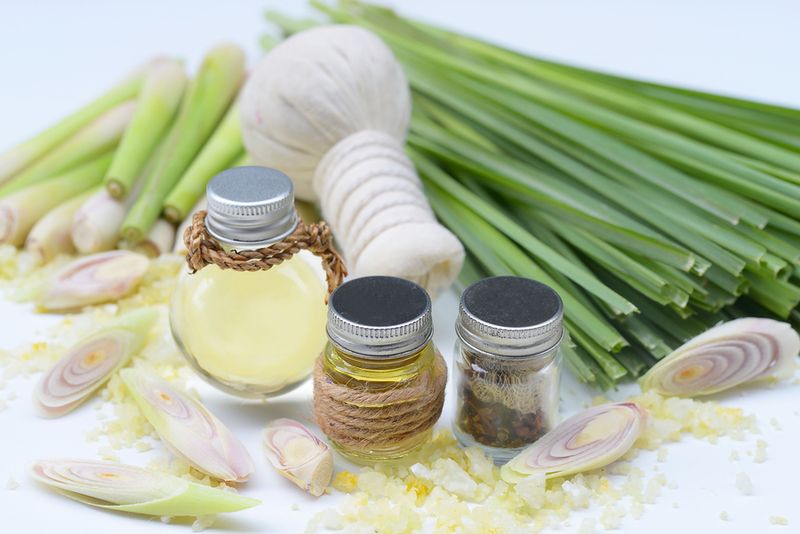
If you have ever walked past a patch of lemongrass and noticed that sharp, citrusy smell, you already know why ticks want nothing to do with it. Lemongrass oil contains citronella compounds, which are well-known natural tick and insect repellents.
These compounds interfere with ticks’ ability to locate a host, making your yard a much less appealing place for them to hang around.
Using lemongrass oil in your yard is straightforward. Mix about 10 to 15 drops of lemongrass essential oil with one cup of water in a spray bottle.
Shake it well before each use and spray it along garden edges, fence lines, and the perimeter of your yard. Focus on areas where tall grass meets mulch or wood, since those are prime tick hiding spots.
Reapply after rain or every few days during tick season, which in Pennsylvania typically runs from late spring through early fall. Lemongrass oil is generally considered safe around most garden plants, but always spot-test on a small area first.
You can also soak cotton balls in diluted lemongrass oil and tuck them near entry points like gates or garden borders.
One fun fact worth knowing: lemongrass has been used in Southeast Asian cultures for centuries, both in cooking and as a natural bug deterrent. Farmers there have long planted it around homes to keep insects away.
You can even grow lemongrass in your Pennsylvania yard during summer months as a living repellent. Pairing the fresh plant with the essential oil gives you double the protection. It smells amazing to humans while sending ticks running in the other direction.
2. Tea Tree Oil (Melaleuca Alternifolia)

Tea tree oil has a reputation for being one of the most powerful plant-based oils out there, and that reputation is well-earned.
Sourced from the leaves of the Melaleuca alternifolia tree native to Australia, this oil packs strong antimicrobial and insect-repelling properties into every drop.
Ticks find its sharp, medicinal scent deeply unpleasant, which makes it a solid addition to your yard-protection routine.
Your Pennsylvania Garden Changes Every Week. Your Plan Should Too.
Gardening in Pennsylvania changes quickly throughout the season. Every Friday you’ll receive a simple weekly plan showing exactly what to plant, prune, fertilize, harvest, and protect so you never miss the right timing.
To use tea tree oil as a tick deterrent, add 15 to 20 drops to a cup of water in a spray bottle. You can also mix it with a small amount of witch hazel to help the oil blend more evenly with the water.
Spray the mixture around garden borders, along walkways, and near outdoor seating areas. Avoid spraying directly on plants in large amounts, as concentrated tea tree oil can sometimes irritate sensitive foliage.
One thing to keep in mind is that tea tree oil is toxic to dogs and cats if ingested or applied directly to their skin in undiluted form. Keep pets away from freshly sprayed areas until the solution dries completely.
For a pet-free yard or areas where animals do not roam, tea tree oil works especially well.
Pennsylvania summers create the perfect humid environment where ticks thrive, so consistency is key. Reapply your tea tree spray every three to four days and always after heavy rain.
Combining tea tree oil with another repellent oil, like lemongrass or cedarwood, can boost effectiveness even further. A blended spray gives you a broader range of protective compounds, making it harder for ticks to find a comfortable spot in your outdoor space.
3. Eucalyptus Oil (Eucalyptus Globulus)
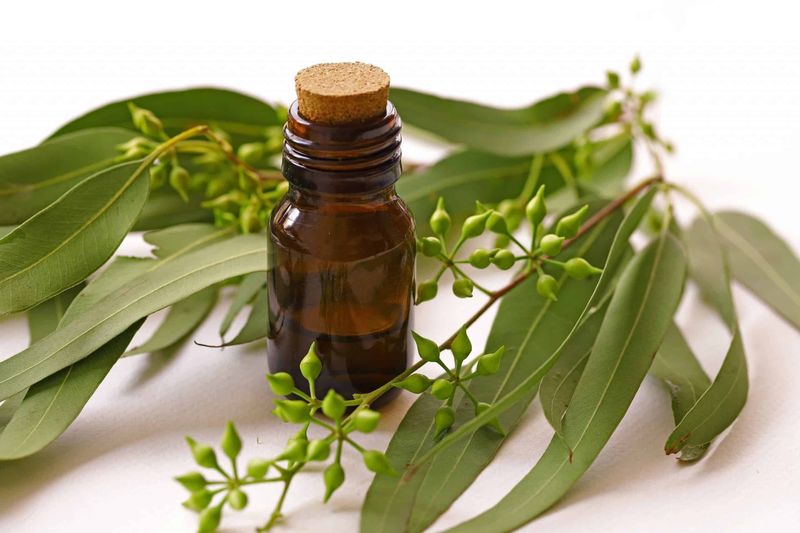
There is something almost refreshing about the scent of eucalyptus, but ticks do not share that feeling. Eucalyptus oil contains a compound called cineole, sometimes called eucalyptol, which is a proven insect deterrent.
Research has shown that eucalyptus-based products can be quite effective at repelling ticks, making this oil a popular natural choice for outdoor protection.
You have a couple of good options for applying eucalyptus oil around your yard. The first is a simple water spray: combine 10 to 15 drops of eucalyptus essential oil with one cup of water and shake well before spraying around yard edges, garden beds, and under shrubs.
The second option is to mix the oil with a carrier oil like coconut or almond oil and apply it to wooden surfaces, fence posts, or outdoor furniture legs where ticks might climb.
Eucalyptus oil is also one of the safer options to use around pets compared to some other essential oils, but it should still be used with care.
Avoid applying it directly to animals, and let treated areas dry before letting pets back outside. Always dilute properly, as undiluted eucalyptus oil can irritate skin and plant leaves alike.
In Pennsylvania, ticks are most active between April and September, so that is your main window for applying eucalyptus oil regularly. A good habit is to spray every four to five days and after any significant rainfall.
You can even add a few drops to outdoor torches or oil diffusers placed on your patio. The scent creates an invisible barrier that keeps your outdoor area smelling clean while quietly discouraging ticks from settling in your yard.
4. Lavender Oil (Lavandula Angustifolia)

Most people associate lavender with relaxation and sleep, but this sweet-smelling oil has a tougher side that ticks and other biting insects would rather avoid. Lavender oil contains linalool and linalyl acetate, two natural compounds that work as insect deterrents.
While humans find the scent calming and pleasant, ticks experience it as a warning signal to stay away.
Using lavender oil in your yard is one of the most pleasant ways to fight back against ticks. Mix 15 drops of lavender essential oil with one cup of water and a teaspoon of witch hazel, then spray around garden borders, near outdoor seating, and along pathways.
You can also soak small pieces of cloth or cotton balls in the diluted oil and hang them near entryways or place them along fence lines.
Lavender pairs beautifully with other repellent oils like cedarwood or peppermint. Blending two or three oils together in a single spray creates a broader chemical barrier that covers more of the scent signals ticks rely on to navigate.
Start with a simple two-oil blend and adjust the ratio based on what smells best to you while still getting results.
Growing lavender plants in your Pennsylvania garden adds another layer of natural protection. The living plant continuously releases its scent into the surrounding air, creating a low-maintenance repellent barrier that works around the clock.
Lavender is a hardy perennial in many parts of Pennsylvania, so once it is established, it comes back every year with minimal effort.
Combining the growing plant with the concentrated essential oil gives your yard strong, layered protection throughout the entire tick season without any harsh chemicals involved.
5. Cedarwood Oil (Juniperus Virginiana Or Similar)

Cedarwood oil has been used as a natural pest deterrent for a very long time, and there is solid science behind why it works.
The oil derived from cedar trees, particularly Juniperus virginiana which is native to the eastern United States, contains compounds like cedrol and cedrene that ticks genuinely dislike.
These compounds affect ticks’ nervous systems and disrupt their ability to move and function normally, which is why they steer clear of cedarwood-treated areas.
One of the best things about cedarwood oil is how versatile it is in the yard. You can spray a diluted mixture of 15 to 20 drops per cup of water around the foundation of your home, along garden bed edges, and near outdoor furniture.
For a longer-lasting effect, mix cedarwood oil with a carrier oil and apply it directly to wooden fence posts, deck boards, or raised garden bed frames. The oil soaks into the wood and continues releasing its scent over time.
Cedar mulch used in garden beds already provides some tick-repelling benefits, and pairing it with cedarwood essential oil amplifies that effect significantly.
Spray the diluted oil directly onto cedar mulch every week or two during peak tick season for a powerful, layered defense.
This combination is especially useful in Pennsylvania, where wooded suburban yards create ideal tick habitats.
Cedarwood oil is also one of the more pet-friendly options on this list, though you should still avoid applying it directly to animals without consulting a vet.
Its earthy, woodsy scent blends well with lavender and lemongrass, making it easy to incorporate into a custom yard spray.
Regular application throughout spring and summer keeps ticks from establishing themselves in the areas where your family spends the most time outdoors.
6. Peppermint Oil (Mentha Piperita)

Peppermint oil is bold, sharp, and impossible to ignore, which is exactly why ticks cannot stand it. The high menthol content in peppermint oil overwhelms ticks’ sensory receptors, making it extremely difficult for them to navigate toward a host.
That powerful, cooling scent that humans enjoy is essentially sensory overload for ticks, and they will actively avoid areas where peppermint oil has been applied.
Making a peppermint tick spray for your yard is quick and easy. Combine 15 to 20 drops of peppermint essential oil with one cup of water and a small splash of rubbing alcohol or witch hazel to help the oil mix evenly.
Pour into a spray bottle and apply around garden edges, near doorways, along pathways, and in any grassy areas where ticks might hide. The scent is strong right after application and gradually fades over a day or two, so reapplying regularly is important.
Peppermint oil also works well in outdoor diffusers placed on patios or near entryways. Running a diffuser during outdoor gatherings or evening hangouts creates a scented zone that keeps ticks and other insects at a comfortable distance.
It also just makes your outdoor space smell incredibly fresh, which is a nice bonus on a warm Pennsylvania evening.
Be cautious using peppermint oil around cats, as they are particularly sensitive to menthol compounds. Keep diffusers and sprays away from areas where cats spend time.
For households without cats, peppermint oil is a fantastic, affordable, and widely available option.
It blends especially well with eucalyptus and cedarwood oils, giving you a robust, multi-scent barrier that covers your yard from multiple angles throughout the entire outdoor season.