8 Plants New Jersey Gardeners Should Avoid Starting In July, No Matter How Tempted They Are
July in the garden looks like opportunity. Warm soil, long days, seed packets stacked on the counter, everything about this month says “plant something.” But New Jersey’s calendar doesn’t care how motivated you feel.
Some crops need a full season to reach their finish line, and July simply doesn’t leave enough runway. Plant them now, and you’re not gardening, you’re gambling with time you don’t have left before fall shuts the door.
The real skill in mid-summer gardening isn’t knowing what to plant. It’s knowing what to leave alone. Every empty bed in September, traces back to the same mistake: ignoring the math of days-to-maturity versus days left on the calendar.
Skip the wrong crops now, and you free up space, time, and energy for the plants that actually have a shot at producing before New Jersey’s first frost shows up.
1. Pumpkins
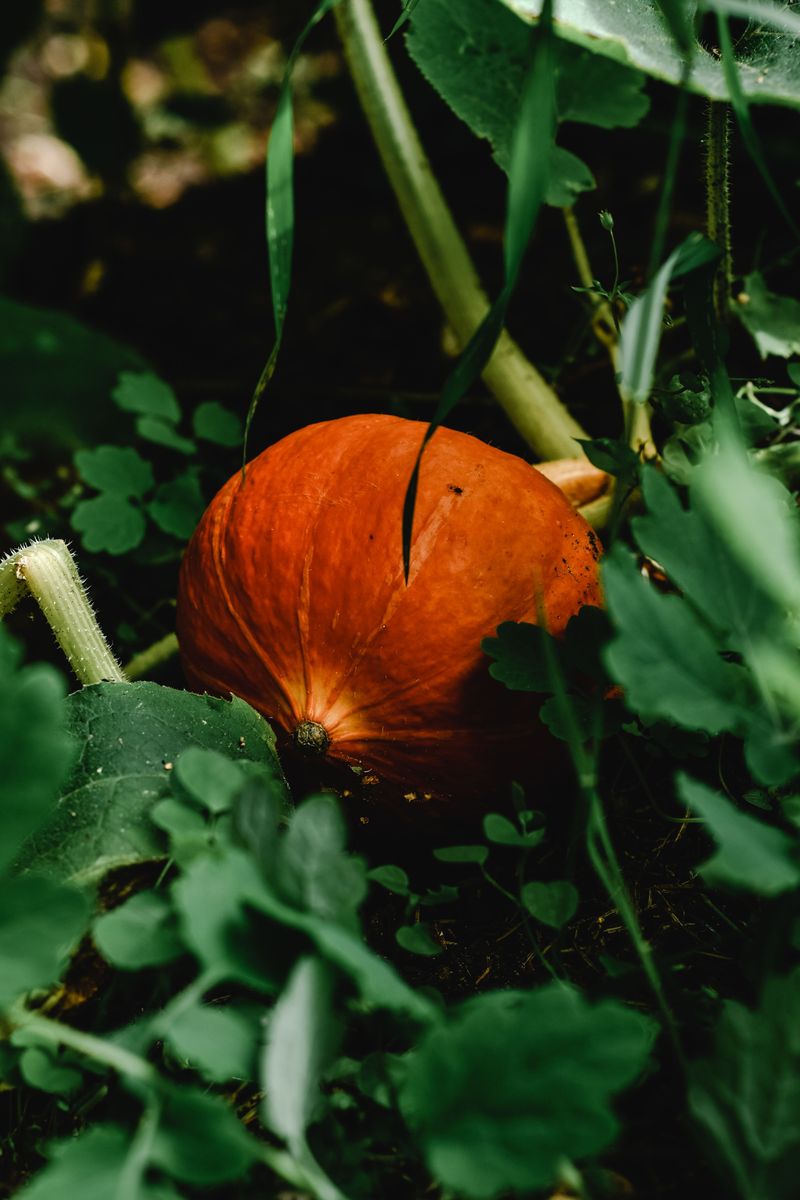
You spot pumpkin seeds at the garden center and think, why not? The display is cheerful, the price is right, and Halloween feels far away.
Pumpkins need 90 to 120 days to fully mature from seed. Starting them in July in New Jersey almost guarantees a frost will cut them short before they finish.
These sprawling vines demand warm nights and long stretches of sunshine. By mid-October, when nights get cold fast, your pumpkins will still be green and hard.
The math simply does not work in your favor. A July start means a late October harvest window, and New Jersey frosts often arrive before then.
Gardeners who push past this advice often end up with sad, pale gourds that never ripened fully. Wishful thinking doesn’t change what the calendar says.
Bigger pumpkin varieties suffer the most from a late start. Giant types like Big Max or Atlantic Giant need every single day of that 120-day window, leaving no room for error if you plant in July.
The ideal time to start pumpkins in New Jersey is late May to early June. That window gives the plant its full growing season before cold weather creeps in.
If you missed that window, channel your energy into fall decorating with store-bought pumpkins instead. Your garden will thank you for the patience, and so will your wallet.
Skipping July planting is not a defeat. Knowing when to wait can save you weeks of wasted effort and a whole bed of disappointing gourds.
2. Watermelon
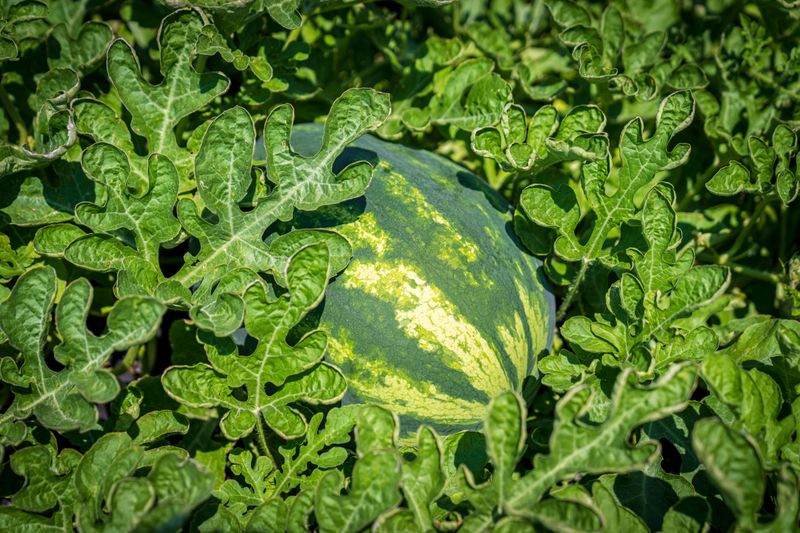
Biting into a cold slice of homegrown watermelon is one of summer’s greatest rewards. The problem is that reward requires planning that started back in May.
Watermelons need between 70 and 90 days to ripen, and that clock starts the moment you plant. A July start in New Jersey pushes the finish line deep into September or October.
Cool nights slow watermelon growth significantly. Once temperatures drop below 50 degrees, the fruit stops developing and the vine starts struggling to survive.
New Jersey’s growing season has real limits, and watermelons are not forgiving about those limits. The plant wants heat, and July only offers about half the heat it truly needs.
Your New Jersey Garden Changes Every Week. Your Plan Should Too.
Gardening in New Jersey changes quickly throughout the season. Every Friday you’ll receive a simple weekly plan showing exactly what to plant, prune, fertilize, harvest, and protect so you never miss the right timing.
Even short-season varieties like Sugar Baby need at least 75 warm days. You would need an unusually long stretch of warm fall weather to pull off a July planting successfully.
Experienced gardeners know that watermelons started in July often rot on the vine before they sweeten up. That is a frustrating outcome after weeks of watering and weeding.
Your best bet is to enjoy watermelons from local farm stands this season. Support a New Jersey farmer while you plan your own earlier planting for next year.
Next May, start your seeds indoors two to three weeks before transplanting. That head start makes all the difference when you are racing against the season.
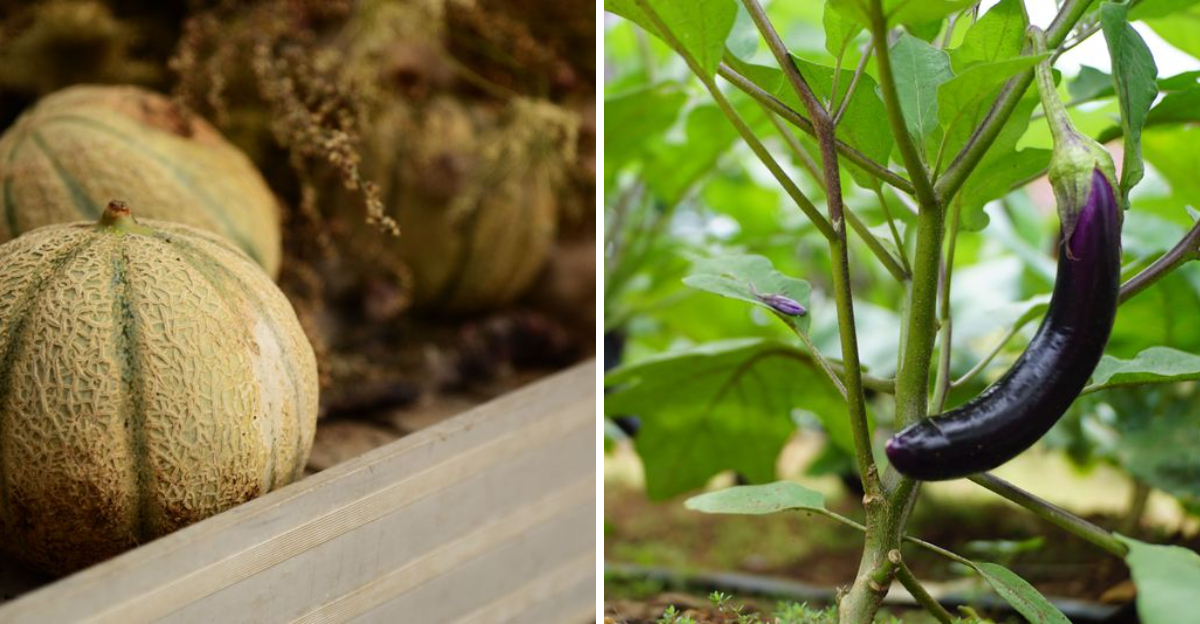
3. Cantaloupe
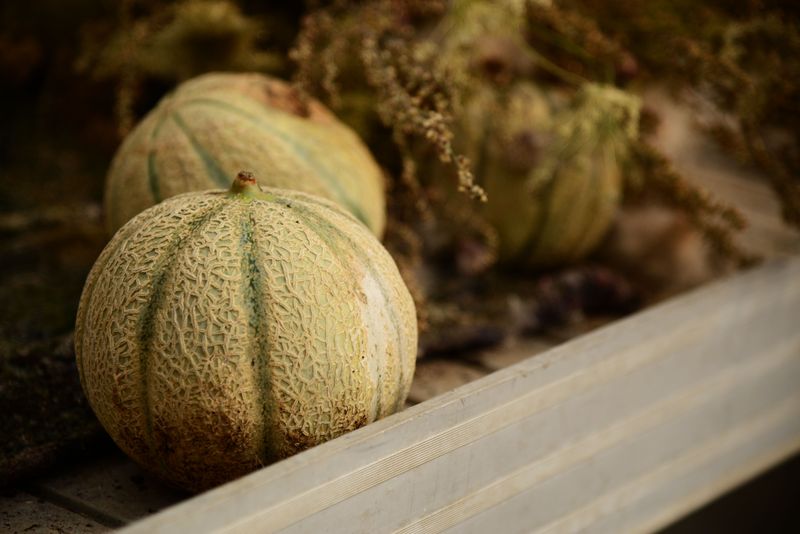
Cantaloupe has a reputation for being fussy, and that reputation is well earned. This melon demands a long, warm season that a July start in New Jersey simply cannot provide.
Most cantaloupe varieties need 75 to 90 days of warm weather to reach peak sweetness. Starting in July means you are asking the plant to finish in October, which rarely ends well.
Melons need consistent warmth from roots to vine tips. A single cold snap during ripening can ruin the sugar development that makes cantaloupe worth growing at all.
The fruit also needs to cure on the vine for that signature musky sweetness. Rushing that process by pulling it early gives you bland, watery flesh that disappoints every time.
New Jersey gets a solid growing season, but it is not endless. Cantaloupes started in July are essentially racing a clock they cannot beat.
Soil temperature matters here too. Cantaloupe roots want soil above 70 degrees, and by September, New Jersey soil starts cooling down faster than you expect.
Gardeners who love cantaloupe should mark their calendars for mid-May planting next year. Starting seeds indoors in late April gives you an extra boost heading into the warm season.
For now, local farm stands and farmers markets are stocked with perfectly ripe melons. Grab one, enjoy it, and let that flavor inspire your garden plan for next spring.
4. Sweet Corn
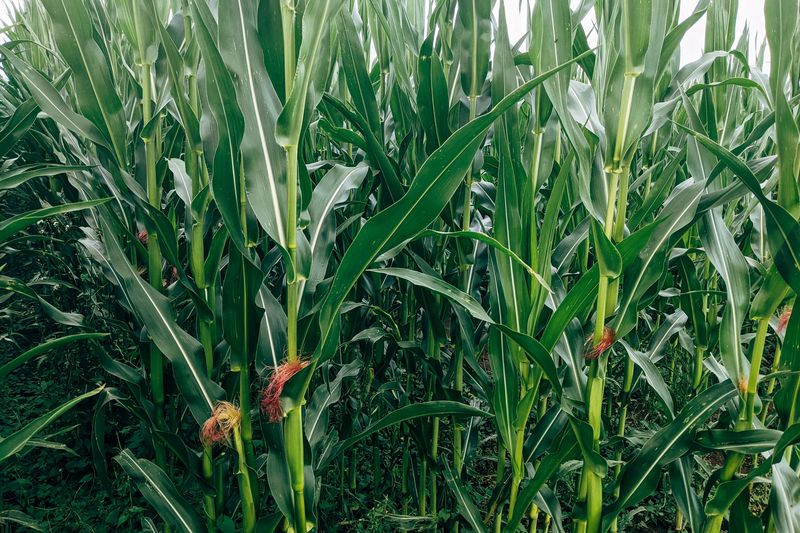
Sweet corn is one of those crops that looks easy but plays by strict rules. Timing is everything, and July is simply too late to start a successful crop in New Jersey.
Most sweet corn varieties need 60 to 100 days to mature. A July planting means harvest would land in September or October, right when cool nights threaten kernel development.
Corn also needs to be planted in blocks, not rows, for proper pollination. A late planting shrinks your window for that process to work correctly before cold arrives.
The plants grow fast but need sustained heat to fill out each ear. When nights dip into the low 50s, kernel growth slows and the ear often stays underfilled.
There is also the pest issue to consider. Late-season corn attracts earworms and aphids that have had all summer to build their populations to peak levels.
Gardeners who plant corn in July often harvest tough, starchy ears that missed their sweetness window. The sugars in corn convert to starch quickly, and cool weather speeds that process up.
If you love fresh corn, your best local option is visiting a pick-your-own farm in late July or August. New Jersey farms grow some of the best sweet corn on the East Coast.
Plan your own corn patch for next Memorial Day weekend. That timing lines up perfectly with New Jersey’s warmest and longest stretch of growing season.
5. Winter Squash
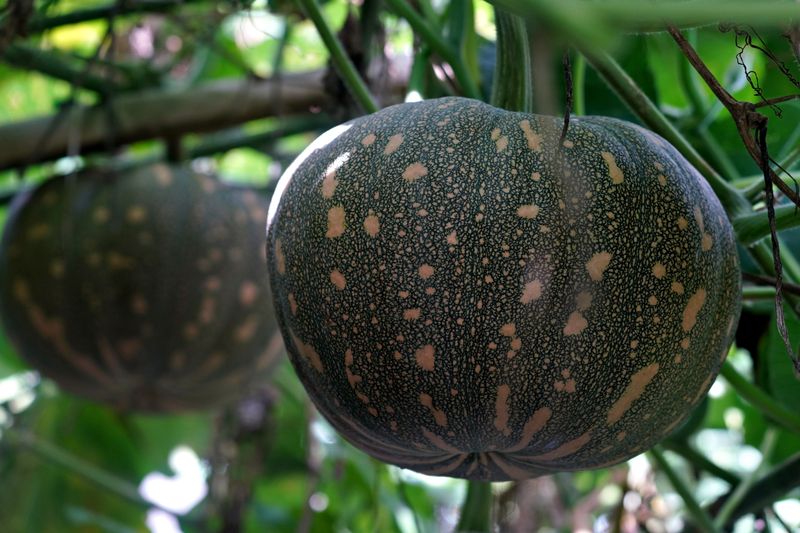
The name says winter, but winter squash actually needs a full summer to develop. Starting these heavy producers in July in New Jersey is a recipe for an unfinished harvest.
Butternut, acorn, and spaghetti squash all need 80 to 110 days to fully mature. Planting in July puts the finish line at late October or November, which is frost territory.
Winter squash vines are massive and need space to sprawl freely. They also need weeks of warm soil to establish roots strong enough to feed those big, dense fruits.
An immature winter squash will not store well, which defeats one of the main reasons people grow it. The whole point is a hard shell and long shelf life, neither of which happens without full ripening.
Frost on an unripe squash ruins the skin’s protective qualities. Once that skin is compromised, the squash rots within days instead of lasting months in your pantry.
Gardeners who start winter squash in July often harvest fruits that look fine on the outside but break down quickly indoors. That is a frustrating outcome after months of tending the vine.
The ideal planting window for winter squash in New Jersey is late May through mid-June. That gives the plant its full season before the first frost shows up uninvited.
Bookmark this for next spring and resist the July urge. Your storage shelf will be full by October if you just wait a little longer.
6. Eggplant
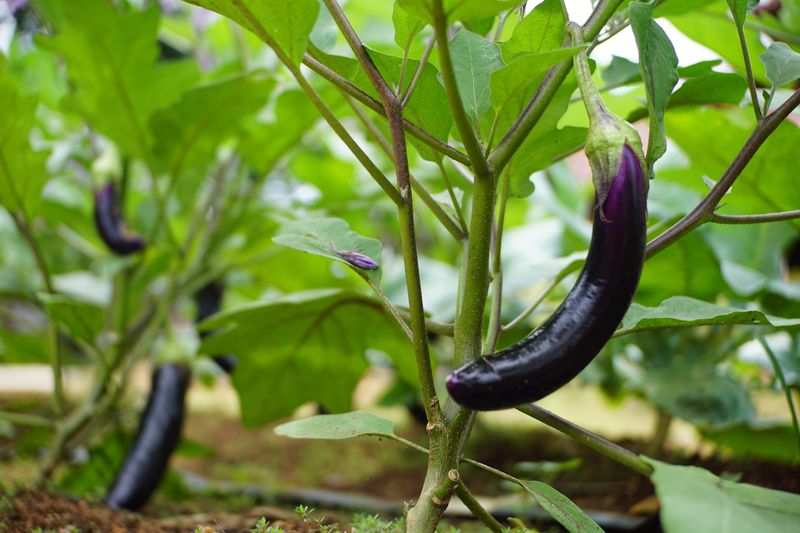
Eggplant is a heat lover through and through, and it sounds like July would be its perfect month. But starting eggplant from seed in July in New Jersey is still a losing bet.
Eggplant seeds need 100 to 120 days from germination to a full harvest. A July seed start means you are looking at a November finish, which is well past frost season here.
Even transplants started in July face challenges. The plants need weeks just to settle in before they start flowering, and flowering needs to happen well before cool nights arrive.
Eggplant also drops its blossoms when nighttime temperatures fall below 55 degrees. Once that happens, no new fruit will set, and growth slows dramatically.
Gardeners sometimes try to cheat the system by buying large transplants in July. But even a mature transplant needs 60 or more days to produce a meaningful harvest in your garden.
The other challenge is that late-season eggplants are prone to spider mites. Dry, warm August conditions make it easier for those pests to weaken a young plant.
For a successful eggplant crop, start seeds indoors in late March or early April. Transplant outside after Memorial Day when the soil has warmed above 60 degrees consistently.
Patience with eggplant pays off in glossy, firm fruits that roast, grill, and bake beautifully. Skip July and plan for a gorgeous harvest next August instead.
7. Tomatoes
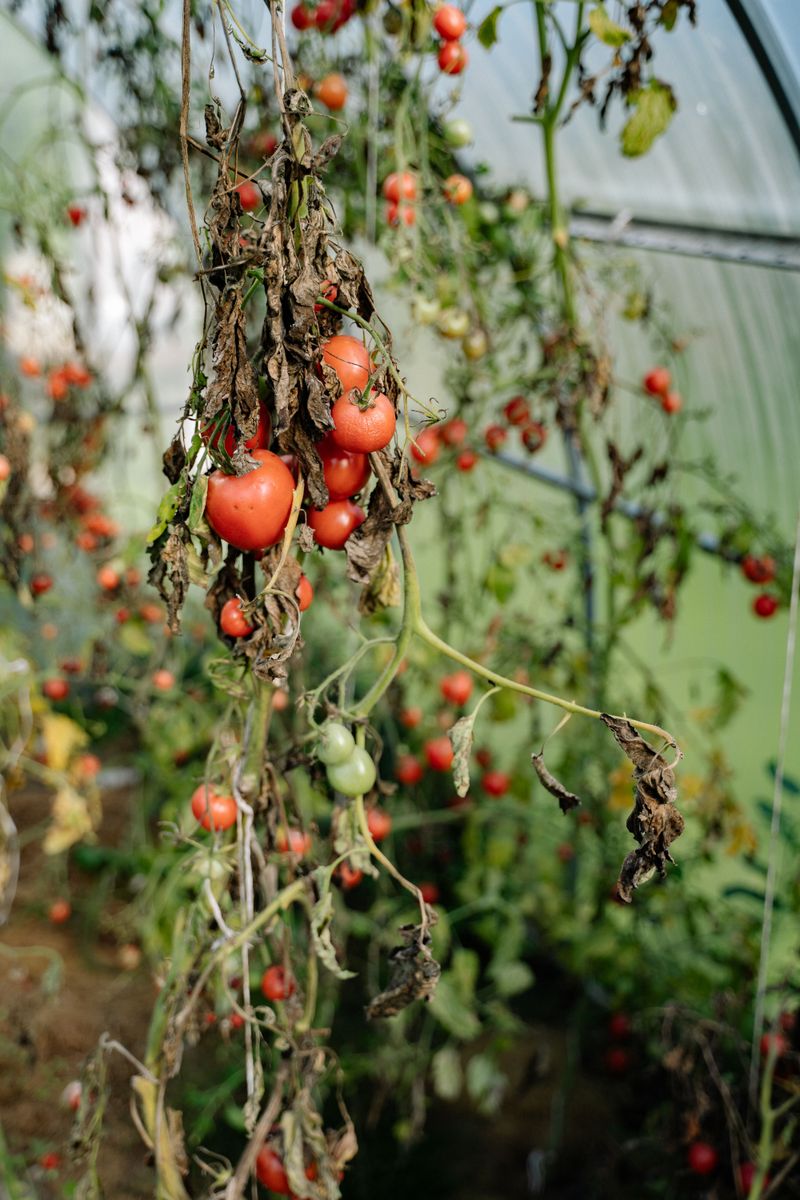
Tomatoes are the crown jewel of the home garden, and every gardener wants more of them. But starting tomatoes from seed in July in New Jersey is one of the most common mistakes beginners make.
Tomato seeds need 6 to 8 weeks just to become transplant-ready seedlings. Add another 60 to 80 days for the plant to fruit, and you are well into November territory.
New Jersey’s first frost typically arrives between mid-October and early November in most regions. A July seed start simply cannot outrun that timeline, no matter how warm September feels.
Even buying transplants in July presents problems. Garden centers sell tomato transplants in spring for a reason, and late-season plants often arrive stressed, root-bound, and behind schedule.
Tomatoes also need consistent warmth to set fruit properly. When nights cool below 55 degrees, the blossoms drop, and fertilizer alone won’t bring them back.
There is also the disease pressure to consider. Late-season tomatoes face late blight, which spreads rapidly in the cool, damp conditions of a New Jersey September.
Tomatoes might be the toughest crop to skip in July, but the season math doesn’t leave room for negotiation.
Focus instead on harvesting and preserving whatever your spring-planted tomatoes are producing right now. A good batch of homemade sauce is the best reward for planting on time.
8. Potatoes
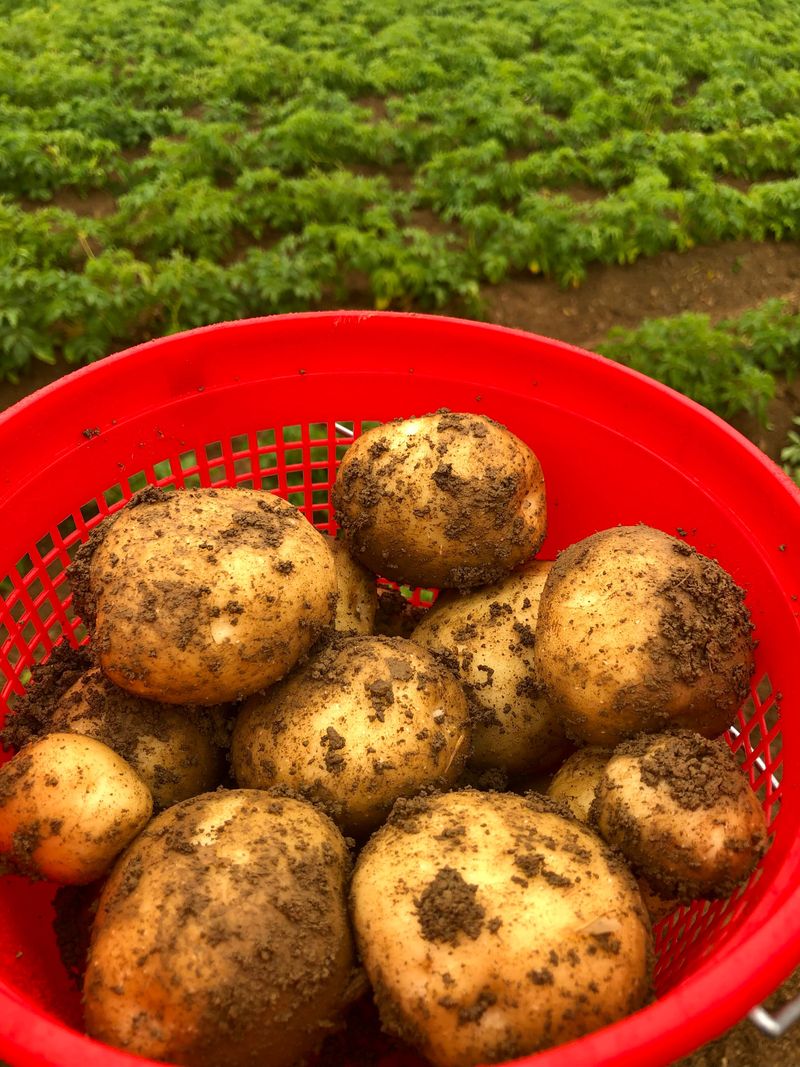
Potatoes feel like a forgiving crop, but they have a stubborn relationship with the calendar. Starting them in July in New Jersey puts you in direct conflict with the coming cold.
Most potato varieties need 70 to 120 days from planting to harvest. A July start means digging in October or November, when the ground may already be hardening from frost.
Potatoes also need the soil to stay loose and workable throughout their growing cycle. Frozen or compacted soil in fall makes harvesting a real struggle and damages the tubers badly.
Late planting also invites late blight, a fast-spreading fungal disease. Cool, wet September weather in New Jersey creates ideal conditions for it to take hold.
The tubers themselves need time to cure underground after the foliage fades. A shortened season does not allow for that curing process, which means poor storage life after harvest.
Gardeners who plant potatoes in July sometimes harvest small, underdeveloped tubers that are barely worth the effort. The plant simply ran out of warm days before it could finish its job.
In New Jersey, the best potato planting window runs from late March through mid-May. That gives you a long, warm runway from spring into summer for full development.
Potatoes reward patience more than almost any other crop. Give them the full spring runway, and the harvest speaks for itself.