Native Pennsylvania Plants That Attract Birds Known To Eat Ticks
Ticks are one of the more serious outdoor concerns in Pennsylvania, and the usual management strategies involve repellents, yard treatments, and a lot of vigilance during the months when tick activity peaks.
What does not come up as often in that conversation is the role birds play in naturally keeping tick populations in check.
Several bird species are known to actively seek out and consume ticks, and attracting those birds to your yard on a consistent basis is one of the more sustainable and low effort contributions you can make to reducing tick pressure over time.
The key is knowing which plants bring those birds in and keep them coming back. Pennsylvania native plants do a far better job of this than non-natives, providing the berries, insects, and shelter that tick-eating birds actually need.
Building your yard around the right natives creates an environment that works for you through the entire tick season and every season after it.
1. Serviceberry
Few plants in Pennsylvania do as much for birds as the serviceberry. Known by many names, including Juneberry and shadbush, this native shrub or small tree bursts into bloom early in spring, often before most other plants have even leafed out.
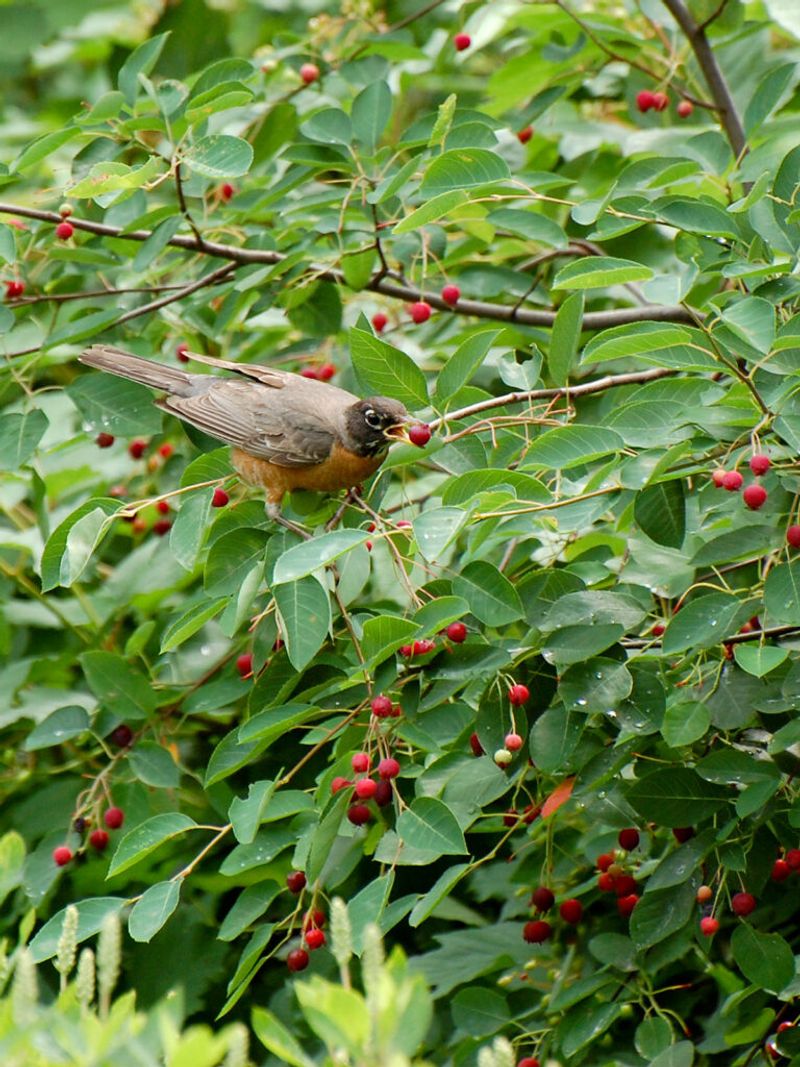
That early timing matters a lot for wildlife. Serviceberry produces small, round berries that ripen in late spring to early summer. Robins, thrushes, and catbirds absolutely love them.
These are exactly the kinds of birds that also forage through leaf litter and garden beds hunting for insects, including ticks. When you attract them with serviceberry, you get the bonus of their insect-hunting behavior all season long.
Beyond berries, the flowers attract native bees and flies, which in turn draw insect-eating birds even closer.
The plant also provides dense branching that birds use for cover and nesting. It grows well in full sun to partial shade, which makes it flexible for many yard types.
Serviceberry grows to about 6 to 25 feet tall depending on the variety, so you can find one that fits your space.
It tolerates a range of soil conditions, including clay, which is common in Pennsylvania. It also puts on a beautiful fall color show with orange and red leaves.
Planting serviceberry near a garden bed or lawn edge gives foraging birds easy access to both berries and the ground below. It is one of the most bird-friendly native plants you can add to a Pennsylvania yard.
2. Elderberry
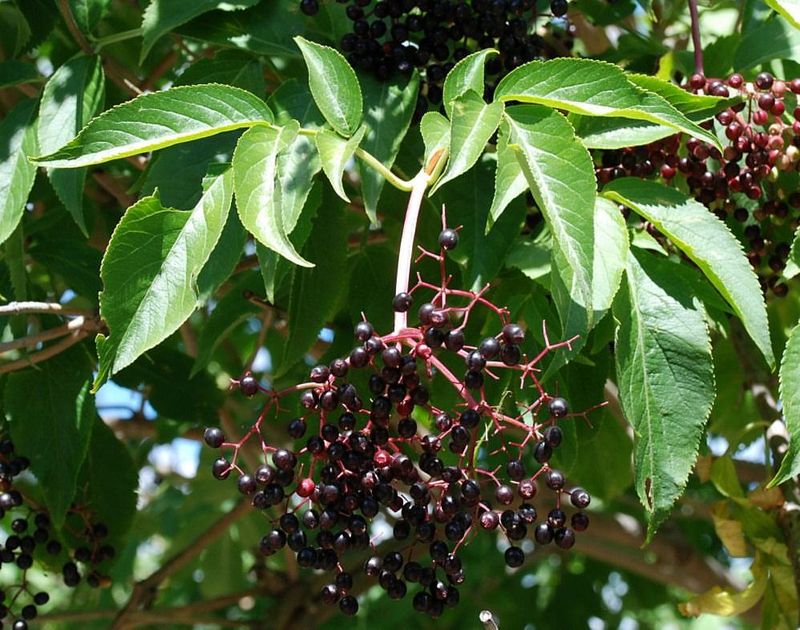
Walk along almost any Pennsylvania stream bank or woodland edge in summer and you are likely to spot elderberry. This fast-growing native shrub is a powerhouse for wildlife, and it is surprisingly easy to grow in a home garden.
Its flat-topped clusters of creamy white flowers appear in late spring and fill the air with a sweet scent.
By late summer, those flowers give way to heavy clusters of dark purple-black berries. Cedar waxwings, gray catbirds, American robins, and many other songbirds flock to elderberry when the fruit is ripe.
Many of these birds are also known to hunt insects on the ground, including ticks, making them valuable neighbors in any yard.
Your Pennsylvania Garden Changes Every Week. Your Plan Should Too.
Gardening in Pennsylvania changes quickly throughout the season. Every Friday you’ll receive a simple weekly plan showing exactly what to plant, prune, fertilize, harvest, and protect so you never miss the right timing.
The flowers are just as important as the berries. They attract a wide range of native insects, from flies to small bees, which then draw insect-eating birds into the area. More insect activity means more birds patrolling your yard.
Elderberry grows fast, sometimes reaching 5 to 12 feet in a single growing season under good conditions. It prefers moist, rich soil but adapts well to average garden conditions.
Planting two or more shrubs close together improves berry production through cross-pollination.
One useful tip: elderberry spreads through root suckers, so give it room to grow or plan to prune it back each year. Despite that, it remains one of the most rewarding native shrubs for Pennsylvania gardeners who want to support birds and reduce tick pressure naturally.
3. Arrowwood Viburnum
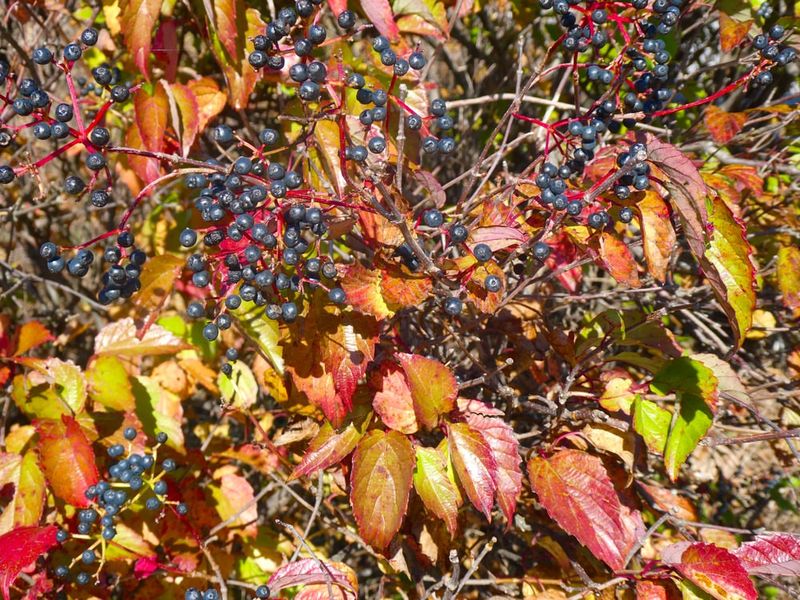
Arrowwood viburnum is one of those plants that rewards you in every season. Spring brings flat clusters of white flowers.
Summer offers glossy green foliage. Come fall, the leaves turn shades of red, orange, and purple, and the plant loads up with clusters of blue-black berries that birds cannot resist.
Thrushes, bluebirds, robins, and other songbirds target arrowwood viburnum berries in autumn, right when they need to fuel up for migration or prepare for winter.
These same birds are active foragers in garden beds and leaf litter, hunting beetles, grubs, and other insects, including ticks.
Planting arrowwood near a lawn or garden bed puts insect-hunting birds exactly where you want them.
The shrub also supports a wide variety of native insects throughout the growing season. Its flowers are especially attractive to native bees and wasps.
More insect diversity in your yard generally means more birds, and more birds means more natural tick control happening around you every day.
Arrowwood viburnum grows 6 to 10 feet tall and wide, making it a solid choice for a hedge, privacy screen, or naturalized border.
It handles a wide range of soil types and does well in both full sun and partial shade. Pennsylvania gardeners will find it easy to establish and maintain.
For best berry production, plant at least two shrubs near each other. The dense branching also gives birds a safe spot to perch, rest, and nest, making your yard a full-service habitat.
4. Winterberry Holly
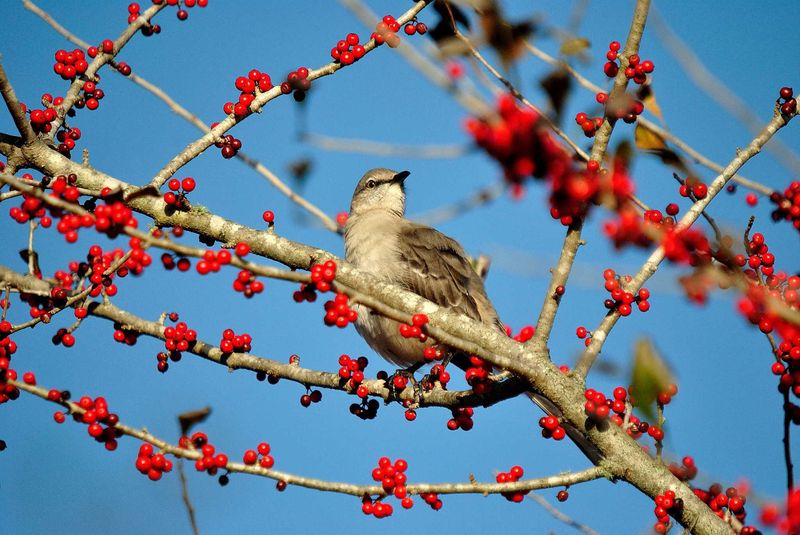
Imagine stepping outside on a gray January morning and seeing a shrub absolutely covered in brilliant red berries. That is winterberry holly in action.
This native Pennsylvania plant is a showstopper in the winter landscape, and it plays an important role in keeping birds around during the colder months when food is hard to find.
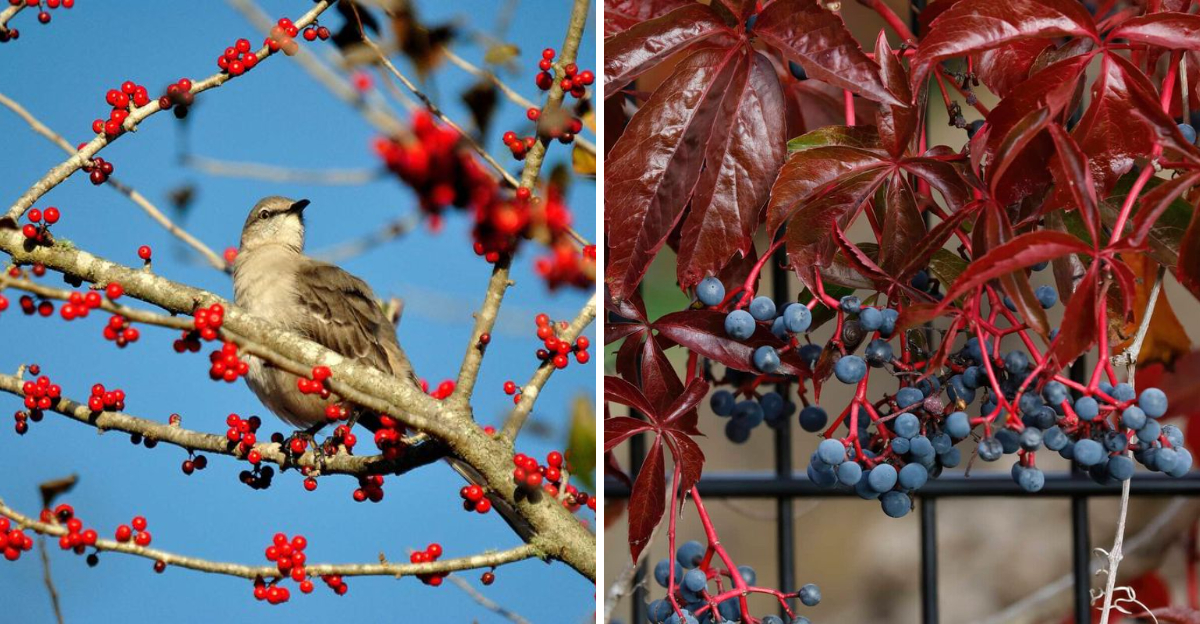
Winterberry holly holds its fruit through fall and well into winter. American robins, cedar waxwings, bluebirds, and hermit thrushes all visit the bright red berries when other food sources have disappeared.
Keeping birds active in your yard year-round means they are also patrolling for overwintering insects and larvae in the soil and leaf litter.
Unlike many other fruiting shrubs, winterberry holly is a native wetland plant that thrives in moist or even wet soil conditions. If you have a low spot in your yard that stays soggy after rain, this is the plant for it.
It grows 6 to 10 feet tall and wide, forming a dense thicket that birds use for shelter from wind and cold.
One important detail: winterberry holly has separate male and female plants. You need at least one male plant nearby to pollinate the females and get berry production. Planting one male for every three to five females is a common recommendation.
Winterberry holly is also one of the best plants for supporting a healthy yard ecosystem through the long winter months, giving birds a reliable food source when they need it most.
5. Black Chokeberry
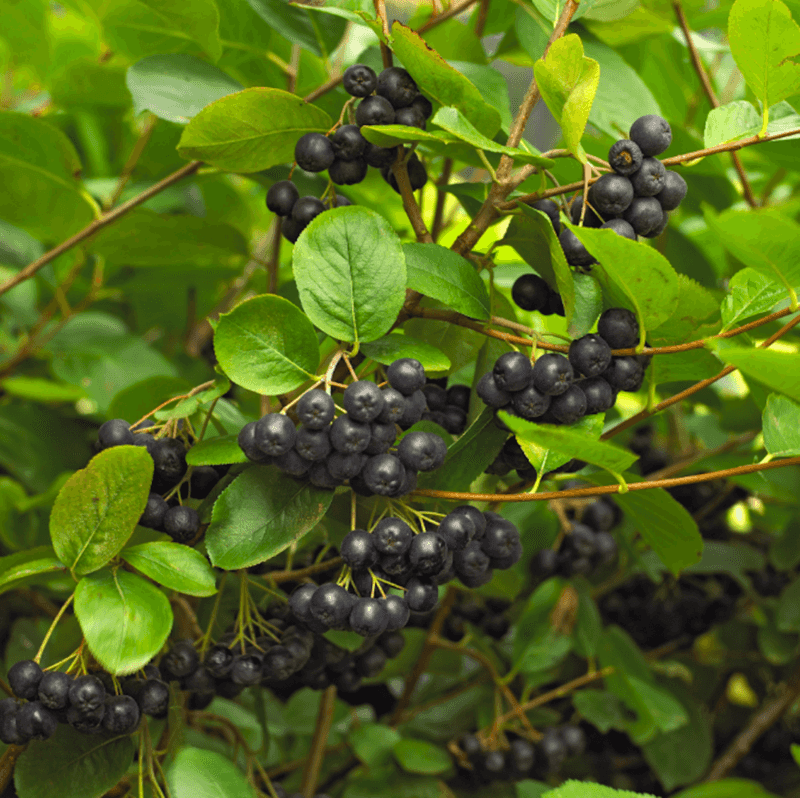
Black chokeberry does not always get the attention it deserves, but ask any wildlife gardener in Pennsylvania and they will tell you it is a hidden gem.
This compact native shrub produces clusters of dark, glossy berries in late summer and fall that persist on the branches well into winter. That long fruit window is a major advantage for supporting birds through multiple seasons.
Cedar waxwings, robins, bluebirds, and mockingbirds all eat the berries. Many of these species are also enthusiastic ground foragers, searching through mulch, leaf litter, and soil for beetles, grubs, and other insects.
Ticks spend time in these same areas, so having active foraging birds nearby is genuinely helpful.
The dense, multi-stemmed form of black chokeberry also gives birds a place to shelter and nest. Thick shrubs close to the ground are especially attractive to catbirds and thrashers, which like to stay low and search for food near cover.
Black chokeberry grows 3 to 6 feet tall and tolerates a surprisingly wide range of conditions, from wet soils to dry, poor soils. It spreads slowly through root suckers, forming a natural colony over time.
This spreading habit actually makes it more attractive to ground-foraging birds because it creates a larger area of covered habitat.
Fall color is another bonus: the leaves turn a rich, deep red that rivals any ornamental shrub. Plant it in a sunny or partially shaded border and enjoy both the wildlife benefits and the seasonal beauty it brings to your yard.
6. Oak Tree
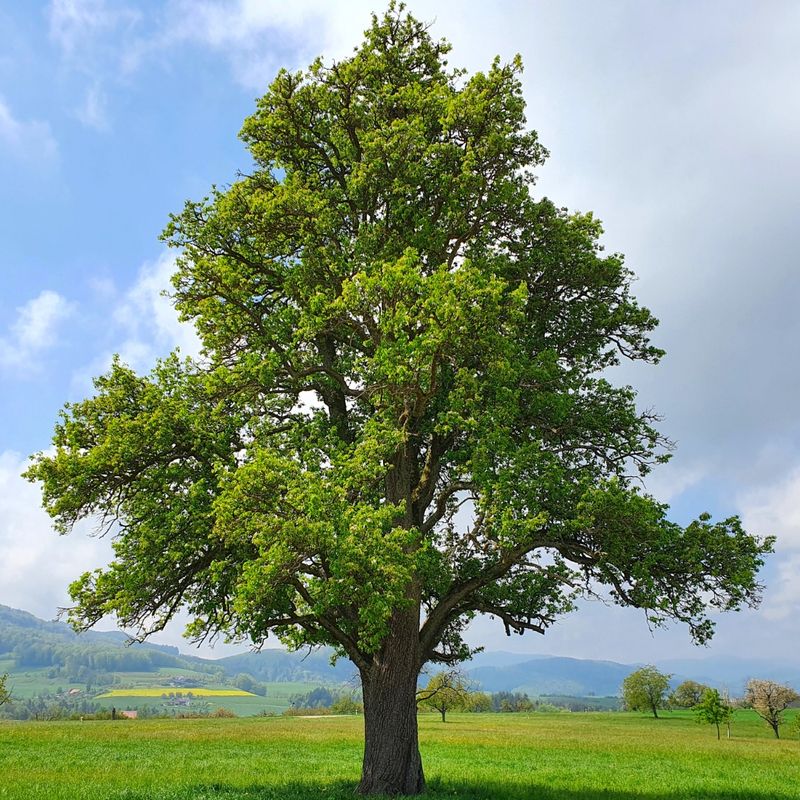
If there is one plant that does more for Pennsylvania wildlife than any other, most ecologists would point straight to the oak tree. Native oaks support an extraordinary number of caterpillar species, more than almost any other tree in North America.
Research by entomologist Doug Tallamy found that oaks can support over 500 species of caterpillars and moths. That insect abundance is exactly what draws insect-eating birds.
Birds like Carolina wrens, chickadees, tufted titmice, and wood thrushes actively hunt caterpillars and other insects in and around oaks.
These birds are also known to forage on the ground beneath trees, picking through leaf litter for insects, including ticks at various life stages. An oak in your yard essentially creates a feeding station that runs all season long.
Acorns are another big draw. Woodpeckers, blue jays, and wild turkeys all seek out acorns in fall and winter.
Woodpeckers, in particular, are well-known tick eaters and will work the bark of an oak tree searching for insects hiding underneath.
Pennsylvania has many native oak species to choose from, including white oak, red oak, and chestnut oak. White oak is often considered the most wildlife-friendly because its acorns are lower in tannins and more palatable to a wider range of animals.
Oaks are long-lived and slow-growing, so planting one is a gift to future generations. Even a young oak starts supporting insects and birds within a few years of planting, making it a worthwhile investment for any yard.
7. Virginia Creeper
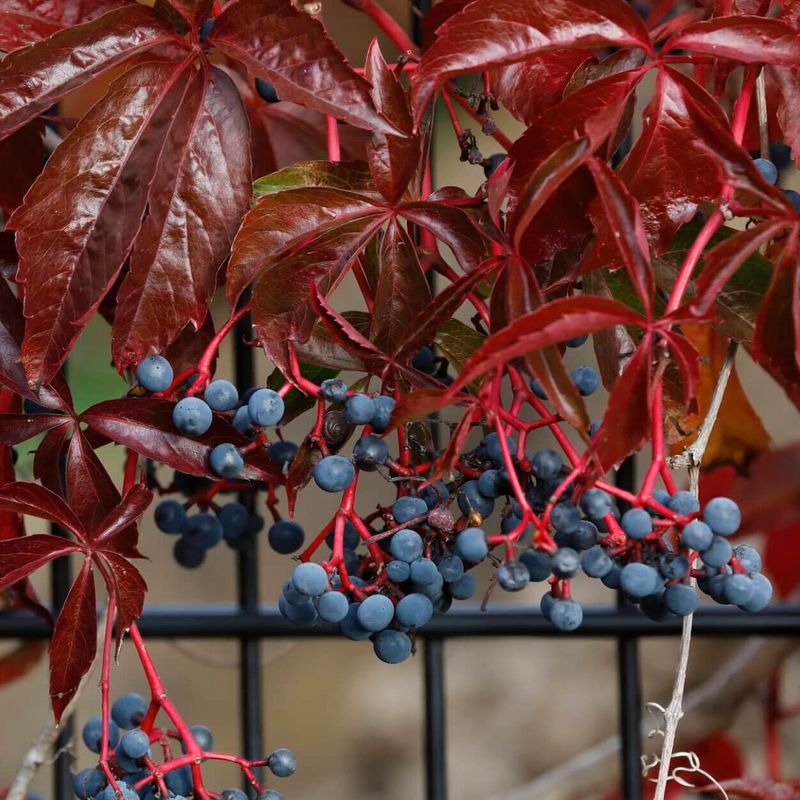
Virginia creeper is one of those plants that gets a bad reputation simply because it grows with enthusiasm. Yes, it climbs aggressively, but that vigorous growth is exactly what makes it so valuable to birds.
This native vine clings to fences, tree trunks, and walls using sticky pads, creating dense curtains of foliage that birds love to explore.
Come fall, Virginia creeper produces small clusters of dark blue-black berries that are a favorite of woodpeckers, flickers, thrushes, and mockingbirds. Flickers, in particular, are notable tick eaters that use their long, sticky tongues to pull insects from soil and wood.
Attracting them with Virginia creeper berries means they are likely to stick around and forage nearby.
The dense cover provided by the vine is just as important as its berries. Birds like catbirds, thrashers, and sparrows use thick vine growth for shelter, nesting, and as a staging area while they search the ground below for food.
Ground-level foraging is where tick encounters happen most, so having birds working those areas regularly makes a real difference.
Virginia creeper grows in full sun to full shade, making it one of the most adaptable native plants available. It does well along woodland edges, fences, or the base of large trees.
If you are worried about it spreading, simply prune it back in early spring before new growth begins.
The fall color alone is worth planting it. The leaves turn a vivid, deep red that rivals any ornamental vine on the market, making it as beautiful as it is functional.