Kentucky Gardens Already Have The Invasive Jumping Worm So Here Is How To Spot It
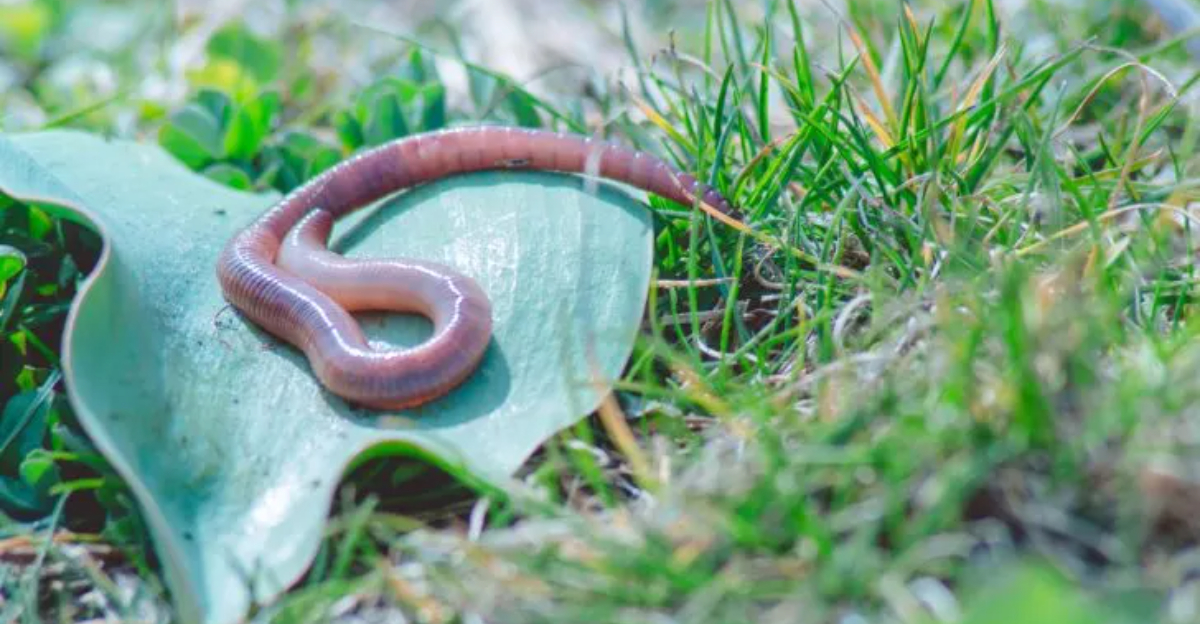
Kentucky gardens are hiding a problem most people have not noticed yet. A pest has slipped into the soil, and it behaves nothing like the worms you remember digging up as a kid.
The jumping worm has arrived, and it is already turning up in flower beds, mulch piles, and backyard compost bins across the state. Spotting this invader early could be the difference between a healthy garden and one that quietly falls apart.
Also known as the crazy worm or Alabama jumper, this species thrashes and flips when disturbed instead of curling up calmly. At a glance, it resembles an ordinary earthworm, but the differences stand out fast once you know what to check.
Jumping worms strip soil of the structure plants depend on, leaving it loose and crumbly within a single season. Below you will find how to recognize them and what steps actually work to stop them.
Signs Of A Jumping Worm In Your Garden
Your soil just changed overnight. Something feels off, and you are not imagining it.
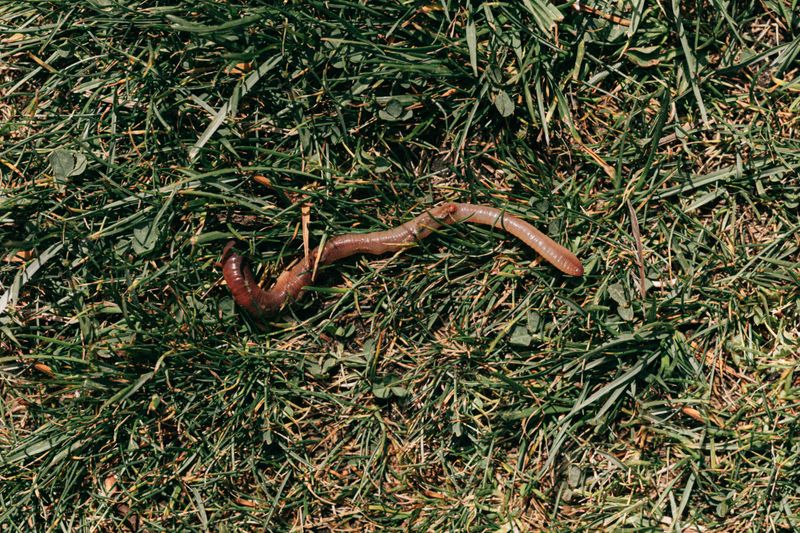
The most obvious sign of a jumping worm is how it moves. Touch one, and it thrashes like a snake, twisting and flipping in a way regular earthworms never do.
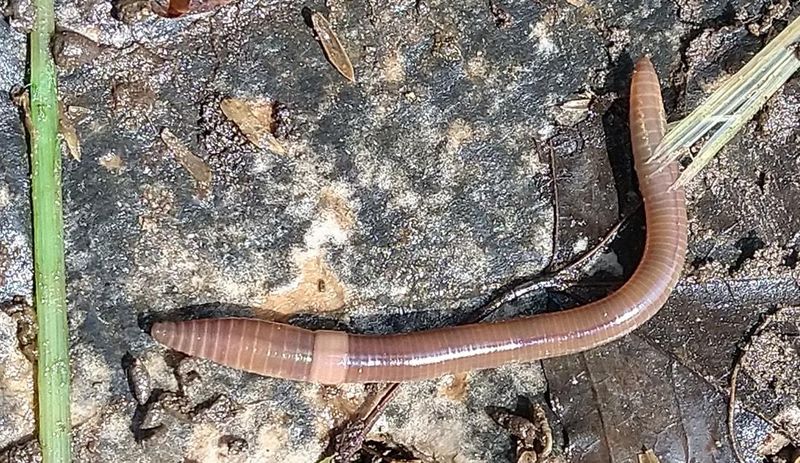
Another big clue is its appearance. The jumping worm has a smooth, pale band called a clitellum that wraps all the way around its body.
On a European earthworm, that band is raised and pinkish. On a jumping worm, it sits flat and looks almost white or light gray.
The soil itself will also tell you something is wrong. When jumping worms take over, the ground becomes loose and grainy, almost like dry coffee grounds.
That texture means the soil has lost its ability to hold moisture and nutrients. Plants start struggling even when you water and feed them regularly.
You might also notice the worms near the surface. They live in the top few inches of soil, not deep underground like other species.
Leaf litter disappears faster than usual because these worms eat through it quickly. Gardens that once had rich, dark topsoil suddenly look pale and depleted.
Look for them in mulched beds, compost piles, and areas with lots of organic material. They love those spots and reproduce fast in warm weather.
Catching these signs early is one of the smartest moves a gardener can make. The invasive jumping worm does not slow down on its own.
Kentucky Areas Affected By Jumping Worms
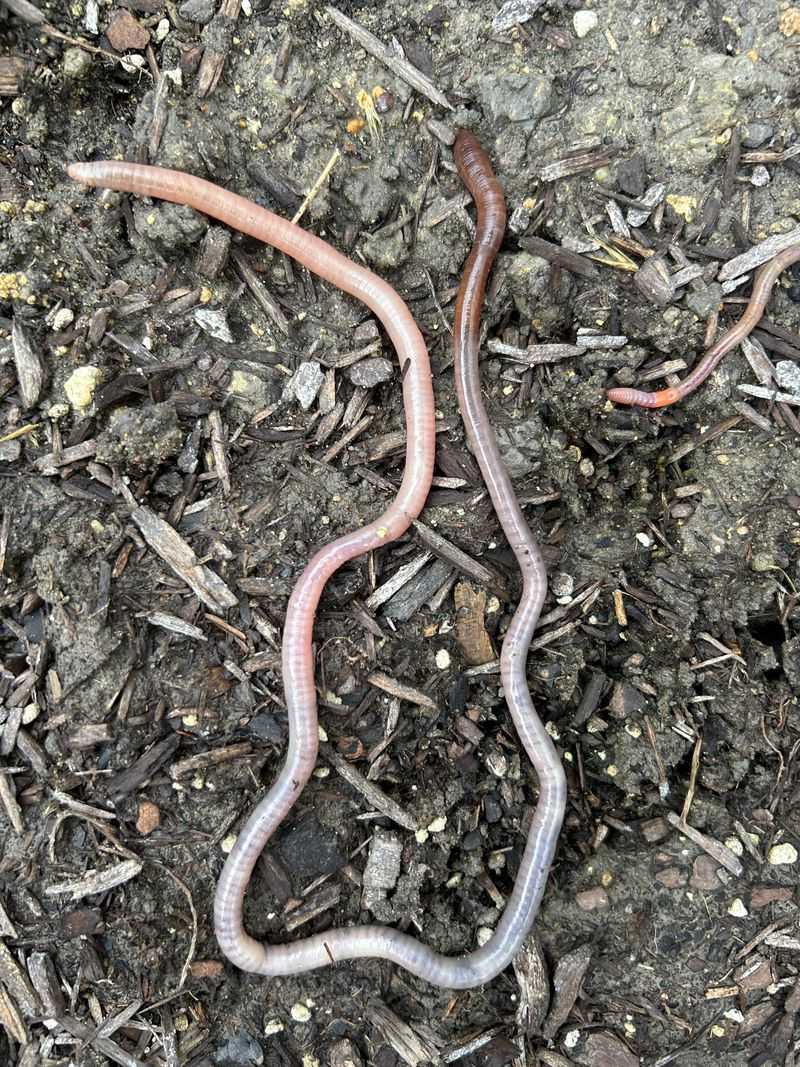
The worms are not waiting for an invitation. They have already settled into communities across the state.
Confirmed sightings have been reported across several counties in the state. University of Kentucky extension offices have been tracking reports as more gardeners reach out with concerns.
Urban gardens and city parks have been hit especially hard. Dense plantings and shared compost create the perfect conditions for jumping worms to spread.
Nurseries and garden centers have also been flagged as entry points. Plants shipped from out of state sometimes carry egg cases in the soil without anyone knowing.
Your Kentucky Garden Changes Every Week. Your Plan Should Too.
Gardening in Kentucky changes quickly throughout the season. Every Friday you’ll receive a simple weekly plan showing exactly what to plant, prune, fertilize, harvest, and protect so you never miss the right timing.
Larger metro areas across the state have seen a noticeable uptick in reports. Homeowners in older neighborhoods with established gardens are among the most affected.
Rural farms and homesteads are not immune either. Jumping worms can just as easily turn up in pastures, vegetable plots, and woodlot edges.
Compost sharing between neighbors has helped the pest move from yard to yard. Even a small amount of contaminated soil can start a new population.
Community garden plots are a major concern because so many people share tools and materials. One infected bed can quickly spread the problem to others nearby.
Extension agents encourage gardeners to check their soil carefully before moving any materials. The jumping worm does not need much of an opening to get established.
Why Jumping Worms Are A Threat To Soil And Plants
Healthy soil is alive, and jumping worms drain that life fast. They are not just a nuisance; they are a serious ecological problem.
Regular earthworms mix soil layers and create tunnels that help water drain. Jumping worms do the opposite by destroying soil structure from the top down.
They consume organic matter at a shocking rate. The nutrients that plants depend on get used up before roots can absorb them.
What gets left behind looks like dry, coarse granules. That texture repels water instead of holding it, leaving plants thirsty even after rain.
Native wildflowers and young trees are especially vulnerable. Their roots need rich, stable soil, and jumping worms strip that away quickly.
Forest floors are also at risk. When jumping worms move into wooded areas, they disrupt the leaf litter that insects, salamanders, and birds depend on for food and shelter.
Gardens that lose their topsoil quality become harder to manage each season. Fertilizers and amendments become less effective because the base soil is no longer stable.
Vegetable gardeners notice reduced yields. Tomatoes, peppers, and greens all struggle when their root zone turns dry and grainy from worm activity.
The damage builds up over time and can take years to reverse. Rebuilding lost soil health requires patience, consistent effort, and careful management.
The Spread of Jumping Worms From Garden To Garden
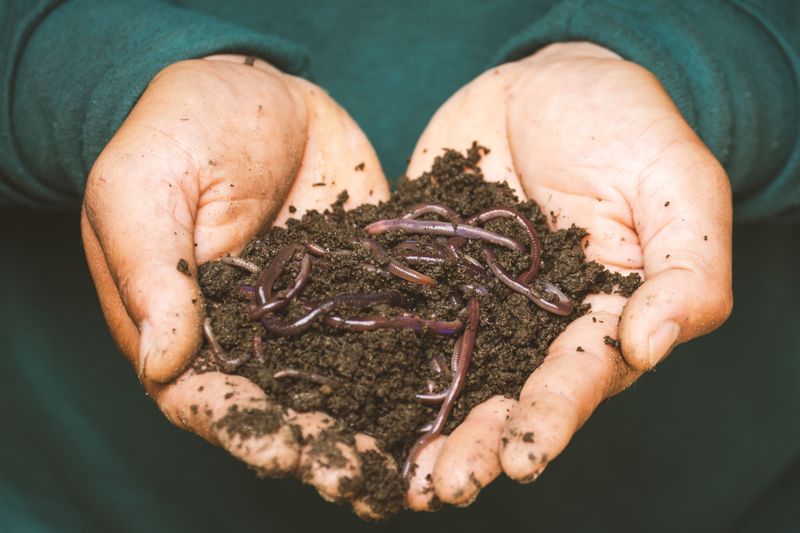
Jumping worms travel in ways most people never expect. You might be spreading them without realizing it.
Their eggs are tiny and nearly invisible to the naked eye. Egg cases called cocoons blend right into soil and can survive on tools, boots, and plant containers.
Buying plants from a nursery that sources from an infested region is one common entry point. The worms ride in on the root ball, hidden inside a few ounces of dirt.
Sharing divisions of hostas, daylilies, or other perennials is another major risk. Even a well-meaning neighbor can hand over a plant with cocoons tucked into the roots.
Mulch delivery is also a concern. Bulk mulch sometimes comes from areas where jumping worms are already established, and the cocoons survive the chipping process.
Fishing bait is a surprising source of spread. Some anglers use jumping worms as bait and release unused ones near the water, introducing them to new areas.
Lawn equipment moved between properties can carry soil and cocoons on blades and wheels. Rental equipment is especially risky if it has not been cleaned properly.
Community composting programs create another pathway. Cocoons deposited in shared bins can end up distributed across many gardens at once.
Cleaning tools between uses is a simple habit that makes a real difference. Letting soil dry on equipment before brushing it off removes many potential hitchhikers.
Steps To Stop Jumping Worms In Your Yard
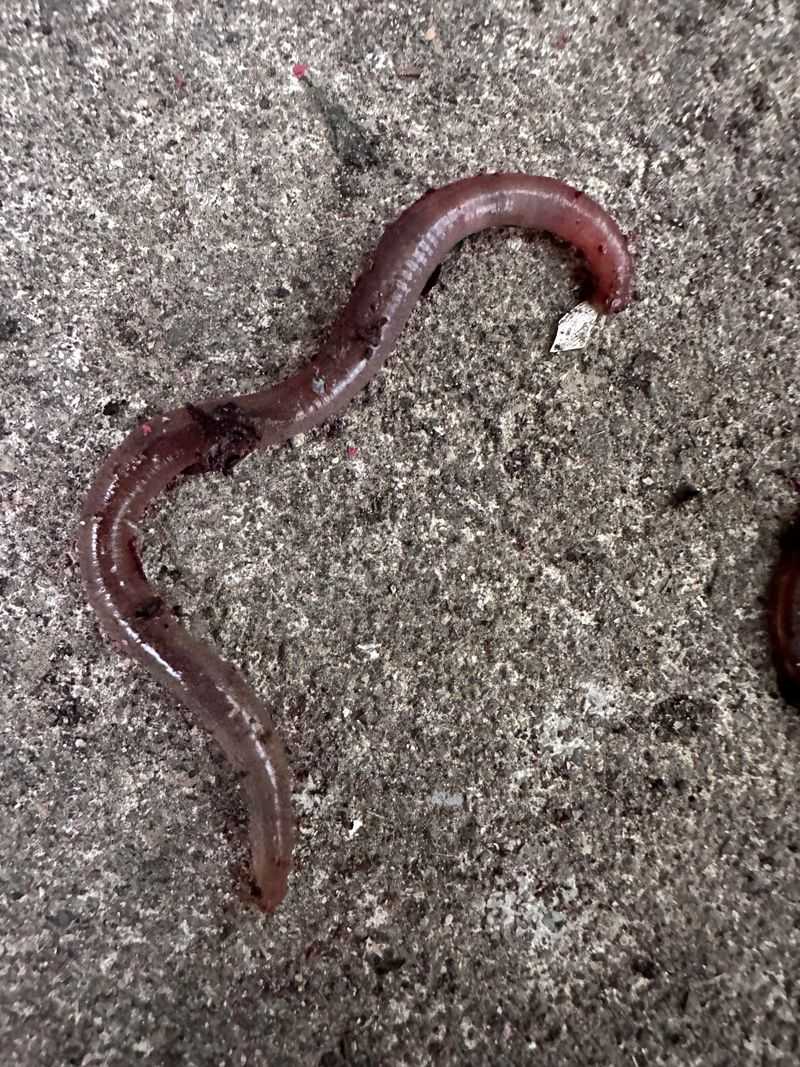
You cannot fully erase jumping worms once they arrive. But you can slow them down and protect your best growing areas.
Start by reducing the organic matter on the surface. Jumping worms thrive on thick layers of mulch and leaf litter, so keeping those layers thin cuts off their food supply.
Clear away excess debris from garden beds in fall. Cocoons overwinter in the top layer of soil, so removing surface material lowers the number that survive to spring.
Solarization is a method worth trying in smaller areas. Covering the soil with clear plastic during summer traps heat and can destroy cocoons in the top few inches.
Mustard pour tests help you find worms before you see them. Mix one-third cup of ground yellow mustard with one gallon of water and pour it slowly over a square foot of soil.
Worms will surface within minutes if they are present. This test works best in spring and early summer when worms are active and near the surface.
When you find jumping worms, remove them by hand and place them in a sealed bag. Leave the bag in the sun for at least ten minutes before throwing it away.
Avoid moving soil from affected areas to clean parts of your yard. That simple step helps prevent cocoons from reaching new ground.
No approved pesticide currently targets jumping worms specifically. Your best tools right now are observation, removal, and careful management of what enters your garden.
Reporting A Jumping Worm Sighting
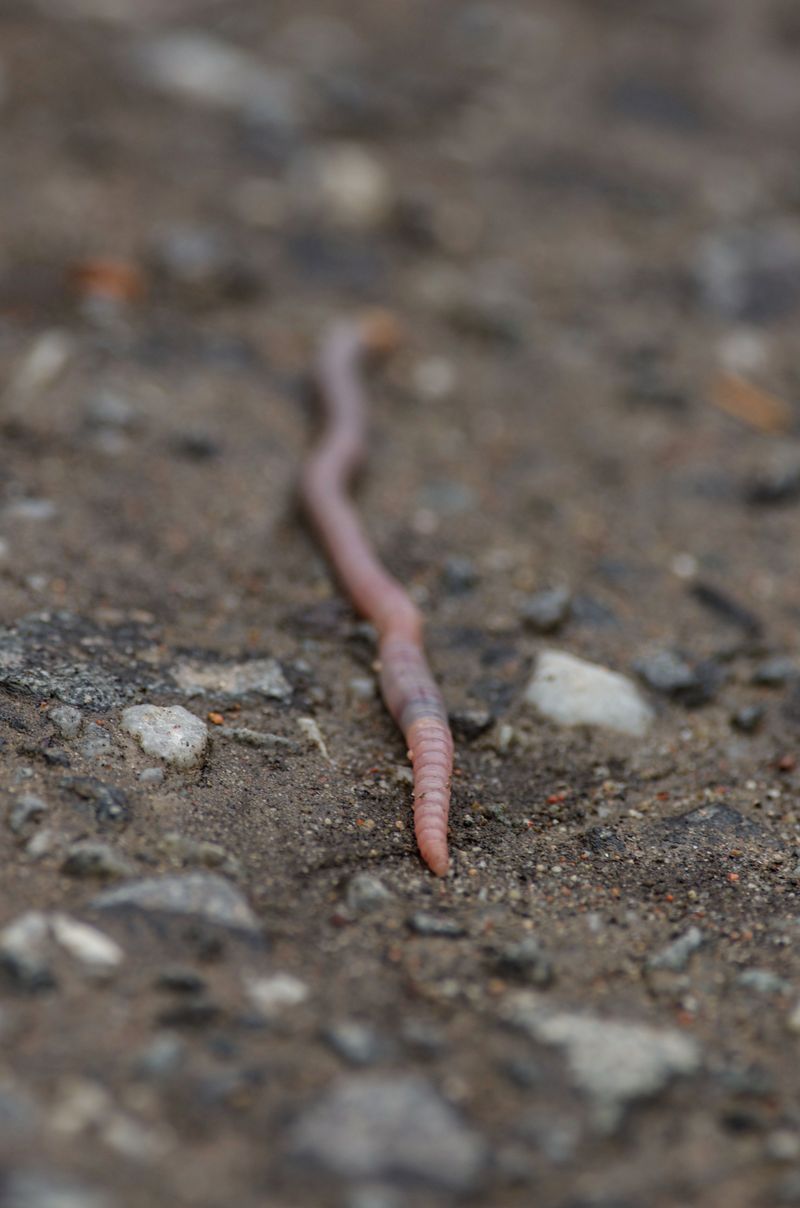
Spotted something suspicious in your garden? Your report could protect an entire neighborhood.
Citizen science plays a huge role in tracking invasive species. When gardeners report what they find, scientists can map the spread and respond faster.
The University of Kentucky Cooperative Extension Service accepts reports from homeowners. You can contact your local county extension office directly with photos and location details.
The EDDMapS website is another excellent tool. It is a national database where anyone can log an invasive species sighting with photos, GPS coordinates, and notes.
Take a clear photo before removing any worms from your garden. A sharp image showing the white clitellum band and the worm’s size helps experts confirm the identification.
Note the exact location where you found them. Street address, neighborhood name, and nearby landmarks all help researchers understand where the pest is spreading next.
The iNaturalist app makes reporting simple and fast. You upload a photo, tag the location, and the community of experts helps verify what you found.
Sharing your sighting on local gardening groups also raises awareness. Neighbors who learn about the pest early have a better chance of checking their own yards.