The Plants Kentucky Gardeners Should Prune And The Ones To Skip In July
July in Kentucky doesn’t ease into summer, it slams the door behind spring and cranks the thermostat.
The sun sits heavy by nine in the morning, humidity clings to everything, and your garden seems to add a foot of growth while you sleep.
This is the month that separates gardeners who know their plants from those just guessing with a pair of shears.
Some shrubs and perennials practically beg for a midsummer haircut, rewarding you with tighter growth, better airflow, and a second flush of blooms before fall arrives.
Others are far less forgiving. Cut them now, in the wrong week, and you risk stunted flowers, stressed roots, or an open invitation for fungus to move in while temperatures soar.
Kentucky’s mix of clay soil, sticky air, and unpredictable thunderstorms makes timing even trickier than in drier climates.
Knowing exactly what to trim, and what to leave completely alone, is the difference between a yard that thrives through August and one that limps toward autumn.
Raspberry Canes
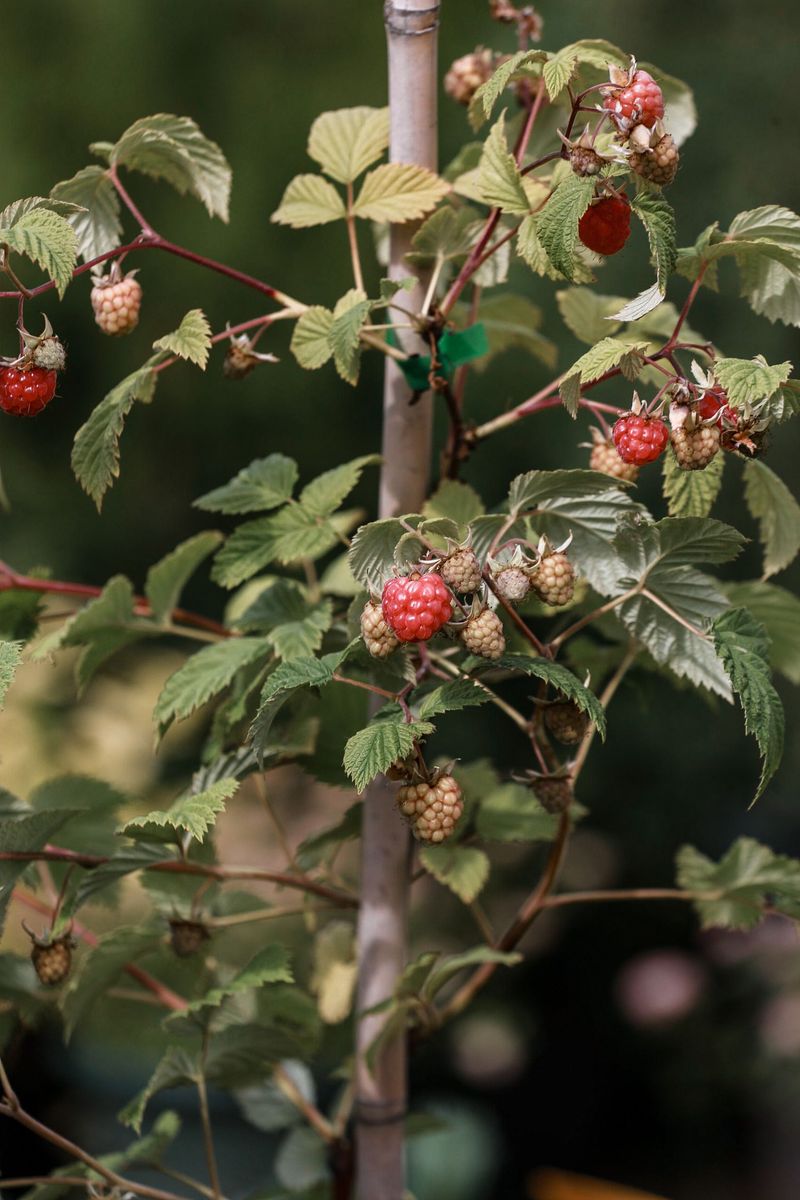
Raspberries are one of summer’s best rewards, but the canes can turn into a tangled mess fast. July is the perfect moment to step in and take charge of the patch.
Summer-bearing raspberries typically finish their harvest by mid-July in most parts of the state, though timing can shift depending on the variety. Once those canes have given you their fruit, they are done for good.
Those spent canes turn brown and woody, and they need to come out at ground level. Leaving them behind invites cane borers and fungal rot that will spread to healthy growth.
Cut the old floricanes, which are the ones that just fruited, all the way to the soil. Do not leave stubs, because stubs are just entry points for pests.
The bright green canes shooting up from the base are your future crop. Protect those primocanes at all costs while you remove the old wood.
Thin out the young canes too if the patch is crowded. Aim for about four to six strong canes per foot of row to give each one room to breathe.
Tie the remaining canes to a trellis or support wire so summer storms do not knock them over. A supported cane grows straighter and produces better the following year.
After cleanup, top-dress the soil around the base with compost. That small act feeds the roots and sets up next summer’s harvest before the season even turns.
Clean tools before you move to the next row so you are not spreading problems plant to plant.
Climbing Roses
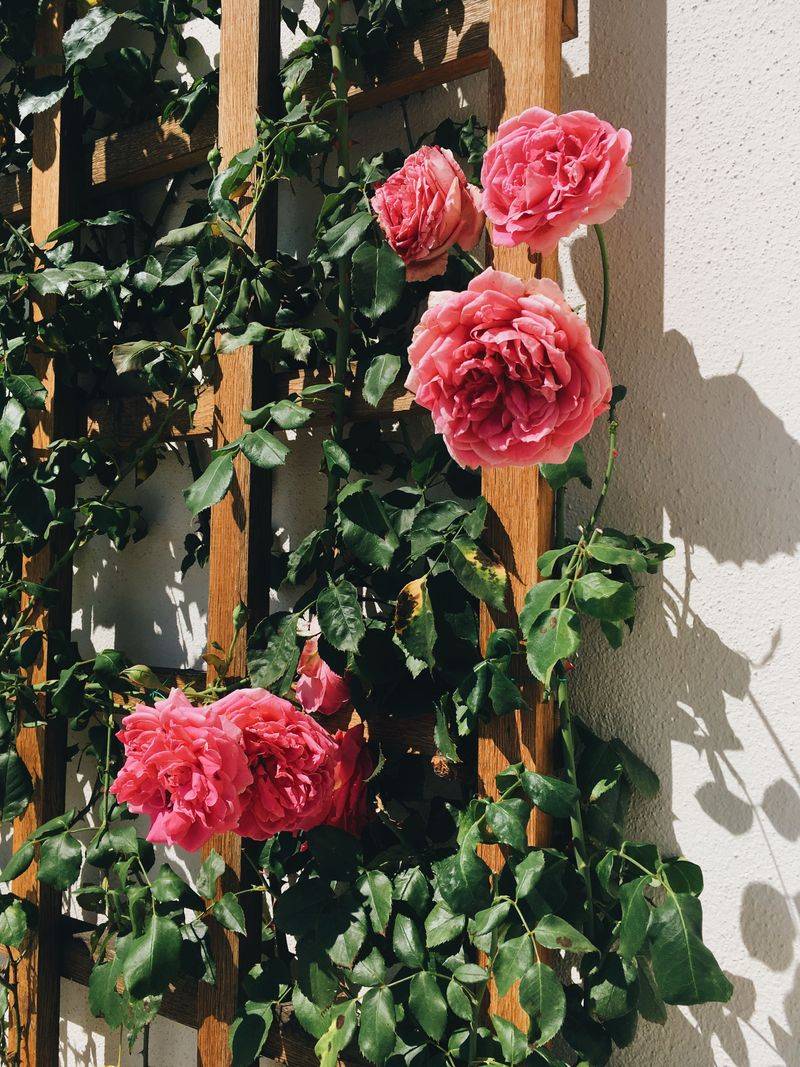
Climbing roses crawling up a fence or arbor are one of the most romantic sights in any garden. In July, they need a specific kind of attention, not a full pruning, but removing spent blooms and light shaping.
This step on repeat-flowering climbers pushes the plant to set new buds. Skip this step and the roses spend energy on forming hips instead of flowers.
Your Kentucky Garden Changes Every Week. Your Plan Should Too.
Gardening in Kentucky changes quickly throughout the season. Every Friday you’ll receive a simple weekly plan showing exactly what to plant, prune, fertilize, harvest, and protect so you never miss the right timing.
Use sharp bypass pruners and cut just above a leaf node with five leaflets. That small detail tells the plant exactly where to send its next flush of growth.
Avoid cutting back the long structural canes in July. Those big arching canes are the backbone of next year’s bloom, and cutting them now means fewer flowers down the road.
If you spot any canes rubbing against each other, tie them apart rather than removing them. Friction wounds are entry points for black spot, which spreads fast in humid Kentucky summers.
Check the foliage while you work and strip any leaves showing black spot or rust. Drop them straight into a bag, not the compost pile.
A light feed with a rose fertilizer after removing spent blooms gives the plant fuel for its next bloom cycle. Choose a formula lower in nitrogen to avoid pushing soft, disease-prone growth in the heat.
Water at the base, never overhead, to keep foliage dry and fungal pressure low. Climbing roses that stay dry on top stay healthier through the rest of the season.
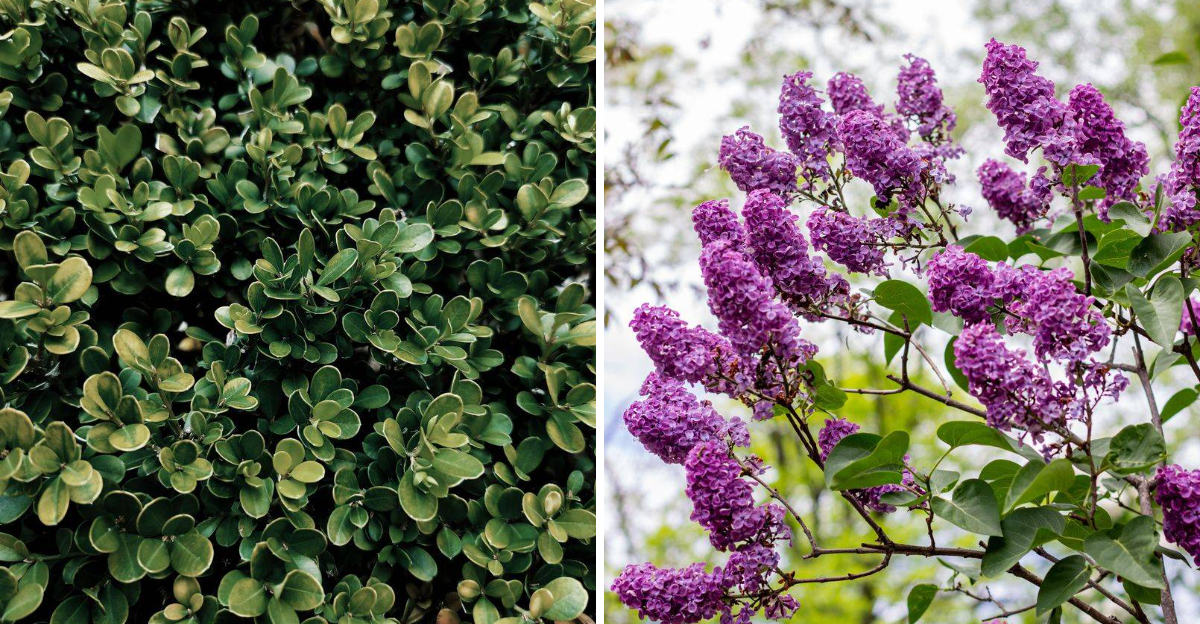
Boxwood
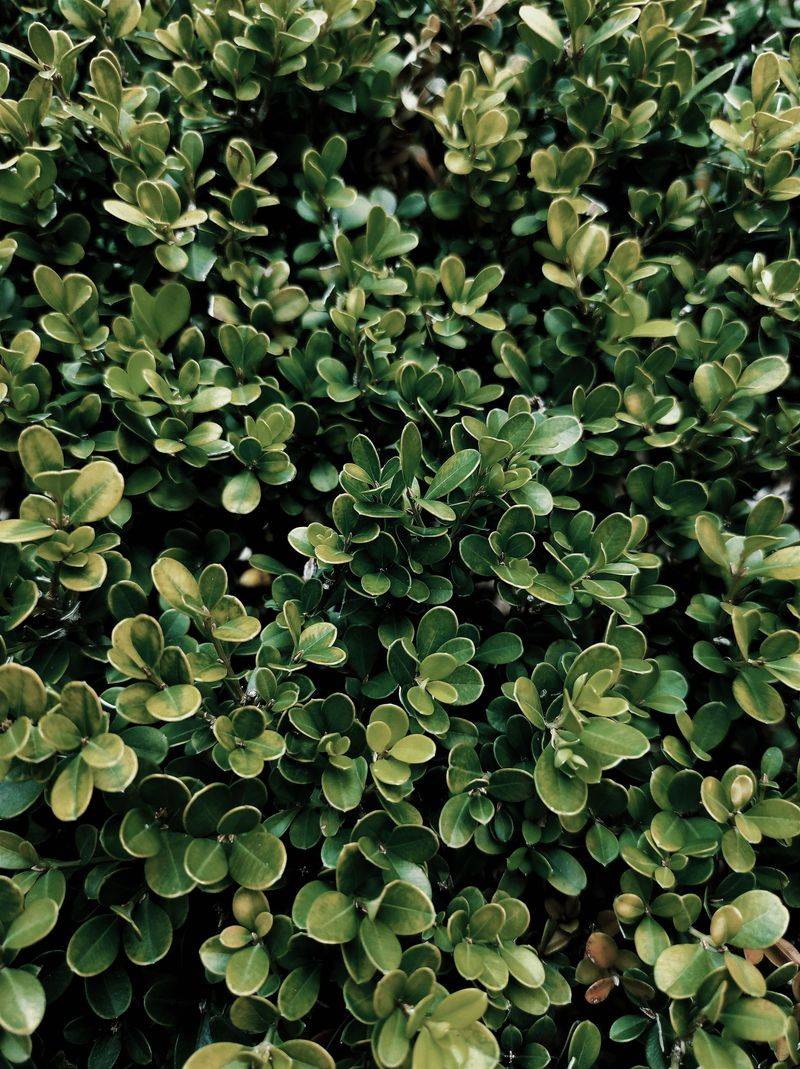
Boxwoods are the workhorses of the Kentucky landscape. They sit along walkways, frame front doors, and hold their shape through brutal summers without much complaint.
July is actually a fine time to give boxwoods a light shaping. The key word here is light, meaning you want to clean up stray shoots, not hack back hard.
Heavy cuts in midsummer stress the plant right when temperatures are at their peak. That stress opens the door to boxwood blight, a nasty fungal problem spreading fast across the region.
Aim to remove no more than one-third of the growth at once. Use clean, sharp shears and wipe the blades with rubbing alcohol between cuts to stop disease from spreading.
Good airflow through the center of the shrub is your best defense against fungal trouble. Thin out crossing branches so light can reach inside.
Water deeply after pruning to help the plant recover. Mulch around the base keeps moisture in and roots cool during the hottest weeks.
One thing many gardeners miss is timing their cuts to early morning. Trimming boxwoods when temperatures are still cool reduces stress on fresh wounds.
If your boxwood has any yellowing or bronze patches, stop pruning and check for blight first.
Pruning infected plants spreads the problem faster than the heat ever could. A well-timed, modest trim keeps boxwoods tight and attractive all the way through fall.
Wisteria
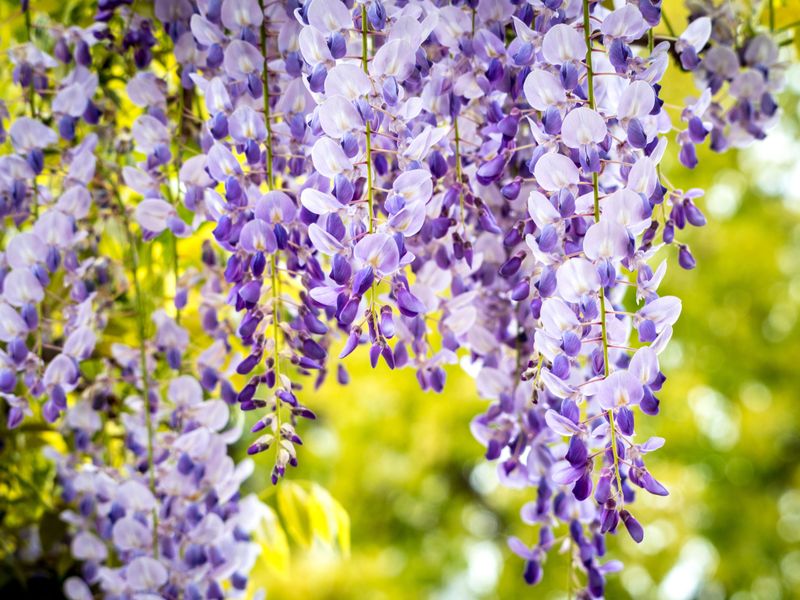
Wisteria is gorgeous in spring and notoriously vigorous by July. Those long, whippy shoots can grow several feet in just a few weeks, wrapping around anything they touch.
July is actually one of the best times to rein wisteria in. Summer pruning is a key part of keeping this vine under control and encouraging more blooms next spring.
Cut the long new shoots back to about five or six leaves from their base. This focuses the plant’s energy on building flower buds rather than adding more vine. Do not be timid here. Wisteria is tough, and a firm cut in summer will not hurt it.
What you want to avoid is a full renovation cut in July. Removing old woody stems in the heat stresses the plant and removes the spurs that carry next year’s flowers.
Save major structural pruning for late winter when the plant is dormant and the framework is easy to see. July is for managing the new growth only.
If wisteria has climbed into a tree or under roof shingles, pull it back now before it causes damage. The vines can pry apart wood and masonry if left unchecked through summer.
Wear gloves when handling wisteria because the sap irritates sensitive skin. All parts of the plant are toxic, so keep clippings away from pets and children.
A summer trim keeps wisteria from taking over and sets the stage for a spectacular bloom next April.
Hydrangeas
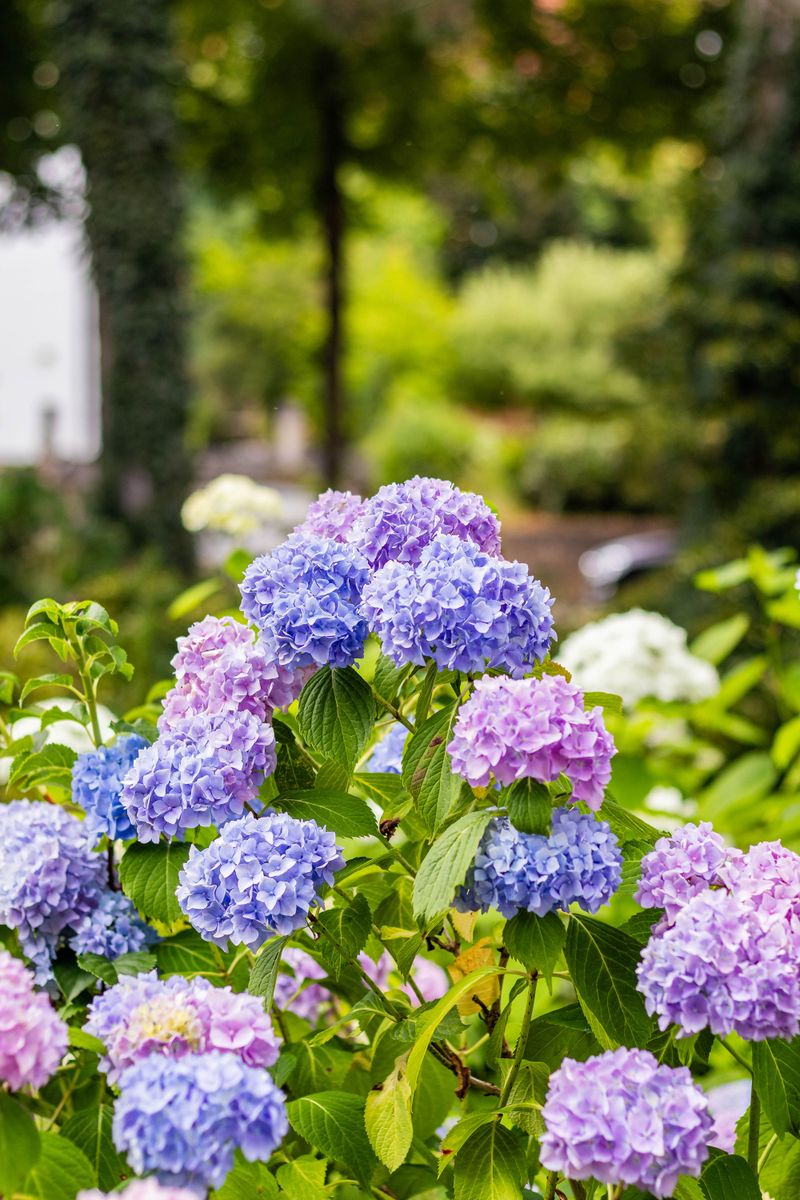
Hydrangeas are where gardeners get tripped up most in July. The urge to trim or shape them is strong, but the right move depends entirely on which type you have.
Panicle hydrangeas and smooth hydrangeas, like Annabelle, bloom on new wood and handle a light trim in July just fine. Clipping off spent flowers on these types can even prompt a second flush.
Bigleaf hydrangeas, the ones with big blue or pink mophead blooms, are a completely different story. These plants set their flower buds for next year right now, in July and August.
Cutting a bigleaf hydrangea in July means cutting off next spring’s flowers before they even form. Put the shears down and walk away from this one.
Oakleaf hydrangeas fall into the same skip-it category. Their buds form on old wood, and a summer cut will leave you with a leafy shrub and no blooms next season.
If you are not sure which type you have, look at the bloom time and flower shape. Mopheads and lacecaps are almost always bigleaf types and should not be touched now.
For panicle types like Limelight or Quick Fire, cutting faded blooms back by one-third is perfectly safe. It tidies the plant and redirects energy toward strong stem growth.
When in doubt, skip July pruning on hydrangeas entirely. A missed trim is far less painful than a season without those gorgeous blooms you waited all year to see.
Lilacs And Forsythia
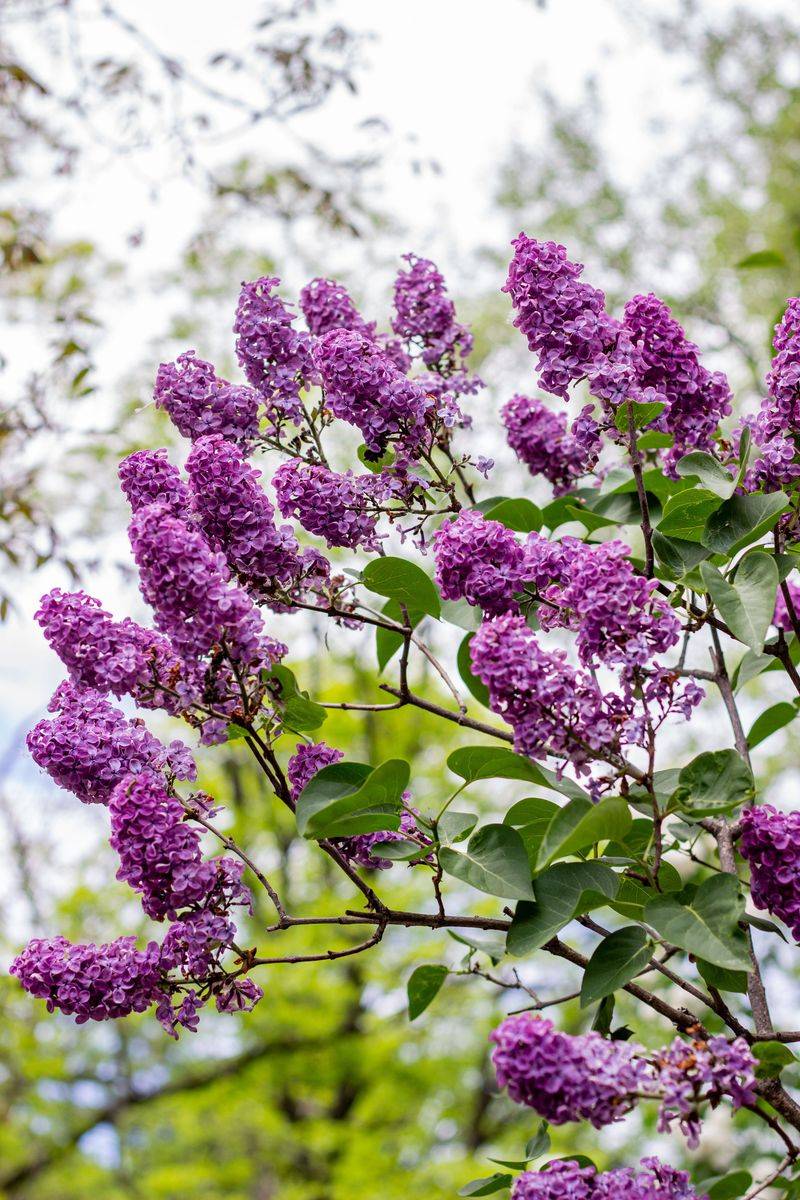
Lilacs and forsythia share one important trait that every gardener should memorize. Both of these shrubs bloom on old wood set during the previous growing season.
By July, those shrubs have already begun forming next spring’s flower buds. Grab your shears now and you will be cutting off the very blooms you are waiting for.
The correct window for pruning both lilacs and forsythia is right after they finish flowering in spring. That gives them the entire summer to grow new wood loaded with buds.
A July trim on either shrub results in a perfectly shaped plant with almost no flowers the following April. It is one of the most common and avoidable mistakes in the garden.
If a lilac or forsythia has grown completely out of control, a full renovation is still best saved for late winter or early spring. Summer is not the moment for drastic action.
The one exception is removing dry or broken branches. That type of cleanup can happen any time of year without affecting bloom production.
Check the base of your lilac for suckers, which are shoots sprouting from the roots. Removing those in July is fine and actually helps the main plant stay vigorous.
Forsythia suckers can be dug and shared with neighbors or potted up as new plants. That is one July task that benefits everyone on the block.
Mark your calendar right now to prune both shrubs next May, and skip them completely this month.
Oaks
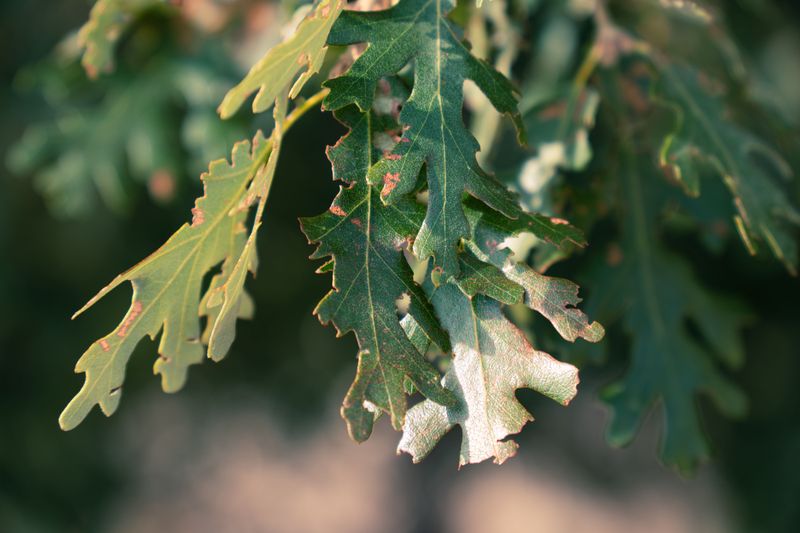
Oaks are the crown jewels of the Kentucky landscape, and they come with a serious pruning warning in summer. Oak wilt is a fast-acting fungal disease, and it spreads most aggressively from April through July.
The fungus travels through fresh pruning wounds, carried by tiny beetles attracted to the sap. An open cut on an oak in July can easily attract these insects.
The safest window for pruning oaks is during the dormant season, from November through February. Cold temperatures slow beetle activity and reduce the risk of infection dramatically.
If a branch breaks in a storm and you must cut, act fast. Seal the wound immediately with pruning paint or wound sealant to block beetle access.
Healthy oaks rarely need routine pruning anyway. Their natural form is strong, and removing major limbs does more harm than good in most cases.
If you see a tree with wilting leaves in a downward pattern, called flagging, do not prune it. Contact a certified arborist instead, because oak wilt can spread through root grafts to neighboring trees.
Lifeless branches can be removed year-round without raising the disease risk significantly. Dried-out wood does not bleed sap, so beetles have less reason to investigate.
Never move firewood from an infected oak to a new location. The beetles and fungal spores travel with the wood and can start new infection sites. Protecting your oaks now means enjoying their shade for decades to come.
Fruit Trees
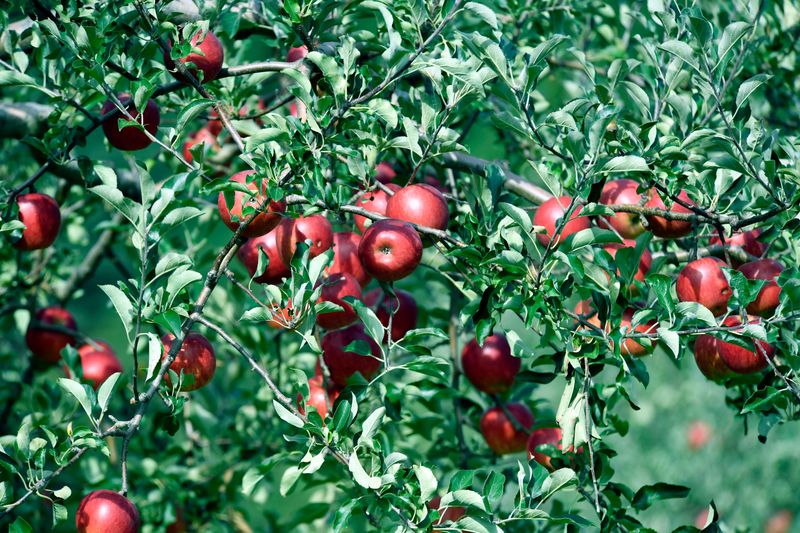
Fruit trees in July are loaded with developing apples, peaches, and pears, and a little smart pruning right now can actually improve the harvest. Summer pruning on fruit trees is different from the heavy structural cuts you make in winter.
July is a good time to remove any water sprouts, which are the fast-growing vertical shoots that shoot straight up from major branches. These sprouts steal energy from fruit production and create crowded canopies.
Thin out crossing or rubbing branches to open the canopy to light. Sunlight reaching developing fruit improves color, sweetness, and overall quality before harvest.
Do not remove more than about ten to fifteen percent of the canopy in a single session. Heavy summer cuts push the tree to regrow aggressively, which sends energy away from the fruit.
Peach trees benefit especially from summer thinning because their dense growth traps humidity. Trapped moisture leads to brown rot, a fungal problem that can significantly reduce a crop if left untreated.
Check for any branches showing signs of fire blight, a bacterial disease that makes shoots look burned. Remove those immediately and sterilize your tools between every single cut.
After pruning, do not fertilize with a high-nitrogen product. Extra nitrogen in summer pushes leafy growth instead of helping fruit ripen. Water deeply at the base after any summer pruning session.
Stressed trees recover faster with consistent moisture, and well-hydrated trees hold onto their developing fruit through the season. A small investment of time now pays off in a sweeter, more abundant harvest this fall.