Why Kentucky Tomatoes Lose Blossoms In Extreme Heat And How To Protect Them

You wake up, walk out to the garden, and everything looks perfect. Tomato plants loaded with blooms, stems straight, leaves deep green.
Then August hits. Within three days, temperatures push past 100 degrees, and the flowers are gone like they were never there. You did nothing wrong, but your harvest is suddenly in serious trouble.
Growing tomatoes through a Kentucky’s intense summer heat is not just a matter of skill. It comes down to understanding what is happening inside the plant. Tomatoes are more fragile than they look.
There is a precise temperature window where pollination works, and once daytime heat pushes past 95 degrees or nights refuse to drop below 70, the plant simply stops setting fruit. No disease, no pest, no nutrient deficiency.
Just a biological stress response. The good news is that this problem has real solutions, and you can act fast enough to still save your season.
Extreme Heat Above 95°F Prevents Pollen From Functioning
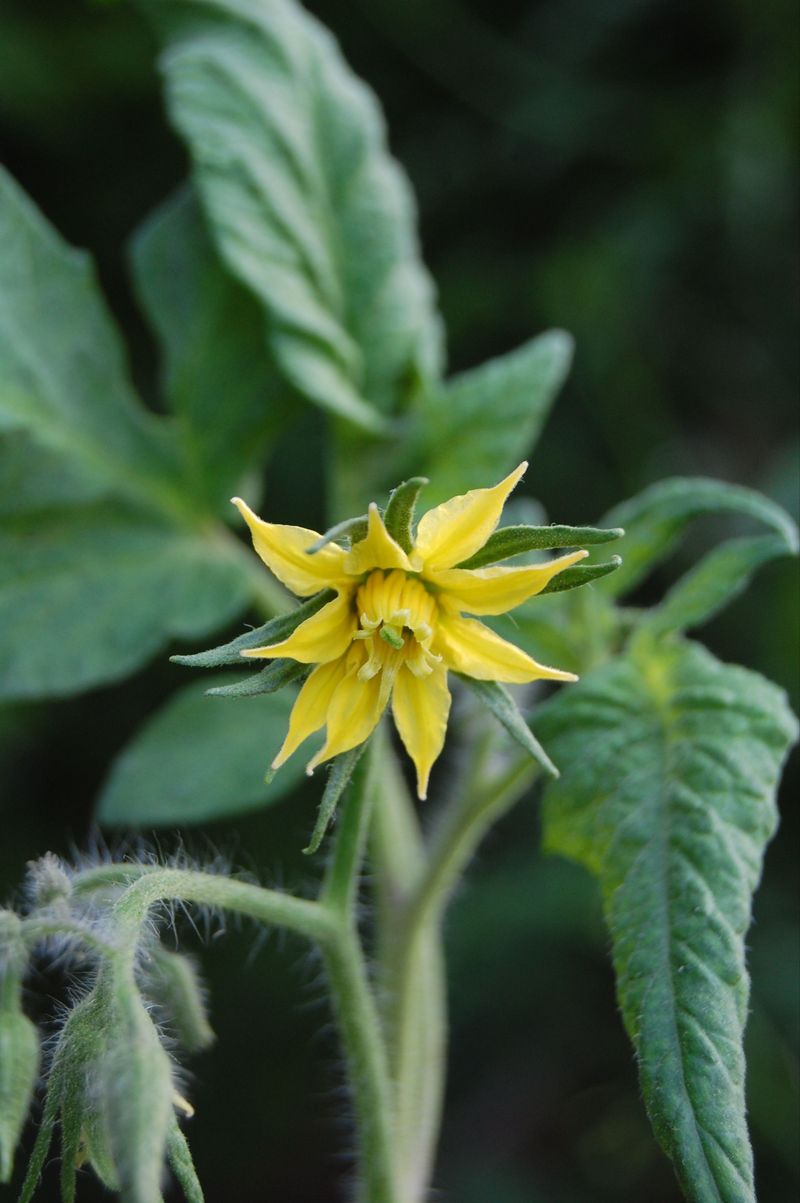
Pollen has a breaking point, and 95 degrees Fahrenheit blows right past it. When air temperatures spike that high, tomato pollen becomes sterile and completely loses its ability to fertilize a flower.
Think of pollen like a tiny living package. Heat above 95 degrees essentially cooks that package before it ever reaches its destination.
Sterile pollen means no fertilization. No fertilization means no fruit, and the plant drops the blossom because holding onto it wastes precious energy.
Kentucky summers regularly push past that threshold, especially in July and August. Gardeners often blame themselves when blooms vanish, but the real culprit is the thermometer.
Tomatoes are warm-season crops, but they have a surprisingly narrow comfort zone. They thrive between 70 and 85 degrees, which means Kentucky’s peak summer heat often pushes them right out of that sweet spot.
The frustrating part is that the plant looks perfectly healthy while this happens. Leaves stay green, stems stay upright, but the flowers just fall off one by one.
Protecting pollen function is the foundation of keeping blooms alive in extreme heat. Once you understand that pollen is the weak link, every other protective strategy starts to make much more sense.
Choosing heat-tolerant tomato varieties bred specifically for hot climates gives pollen a better chance of surviving those extreme Kentucky afternoons. Varieties like Solar Fire and Heatmaster are worth every penny.
Nighttime Temps Above 75°F Disrupt Fruit Set
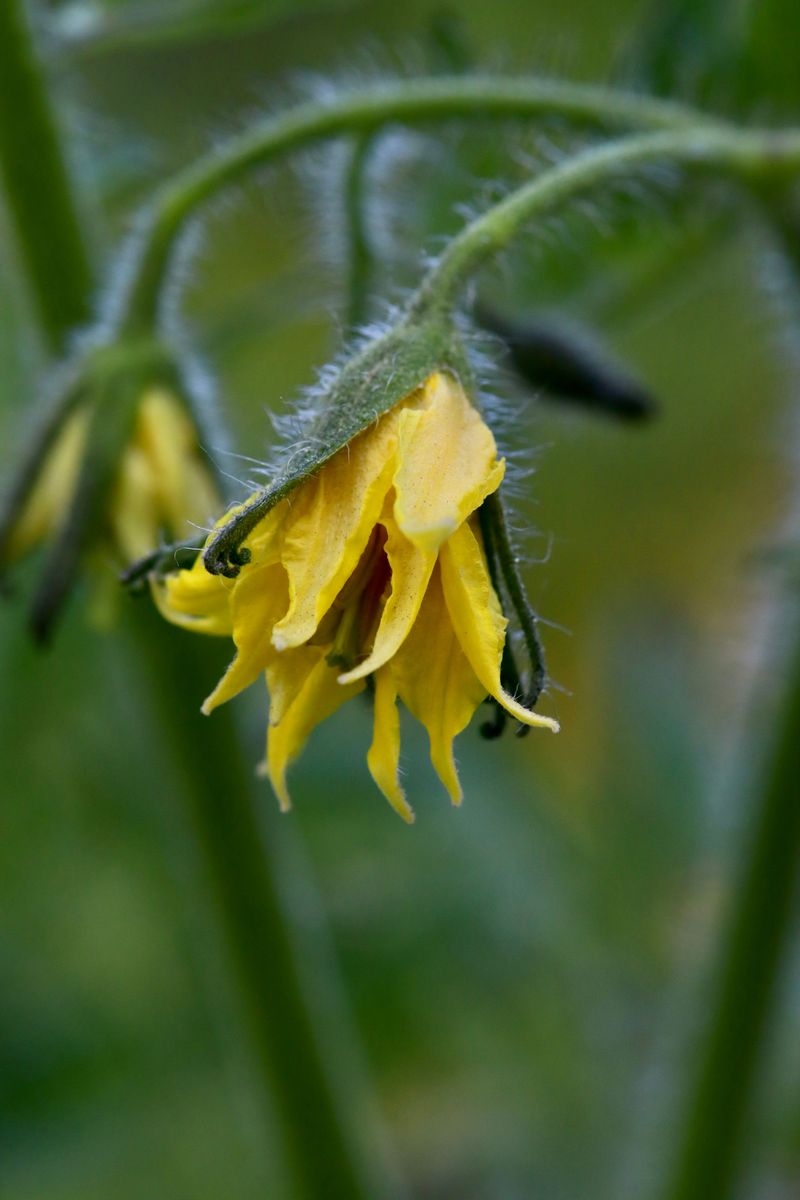
Daytime heat gets all the attention, but nighttime temperatures are quietly sabotaging your harvest too. When nights stay above 75 degrees, tomato plants cannot complete the pollination process properly.
Fruit set happens largely during the cooler nighttime hours. The plant uses that window to move sugars, set hormones, and lock in fertilized flowers as developing fruits.
When nights stay hot, that biological window slams shut. The plant gets confused, hormones misfire, and blossoms drop before fruit ever has a chance to form.
Climate data suggests Kentucky summers have been trending warmer at night over the past two decades. Gardeners who grew tomatoes successfully twenty years ago sometimes struggle now because nighttime conditions have genuinely changed.
Your Kentucky Garden Changes Every Week. Your Plan Should Too.
Gardening in Kentucky changes quickly throughout the season. Every Friday you’ll receive a simple weekly plan showing exactly what to plant, prune, fertilize, harvest, and protect so you never miss the right timing.
There is a real difference between a night that cools to 68 degrees and one that stays at 78. That ten-degree gap can mean the difference between a loaded plant and an empty one.
One thing many gardeners do not realize is that even one or two consecutive hot nights can trigger a wave of blossom drop. The plant does not need weeks of stress to react dramatically.
Monitoring nighttime temperatures with a simple outdoor thermometer helps you understand exactly what your plants are dealing with after dark. Knowledge is the first step toward a real solution.
Planting near a structure that releases stored heat at night can make things worse. Open garden beds with good airflow tend to cool faster and give tomatoes a better shot at fruit set.
Low Humidity Dries Out Pollen Before Fertilization
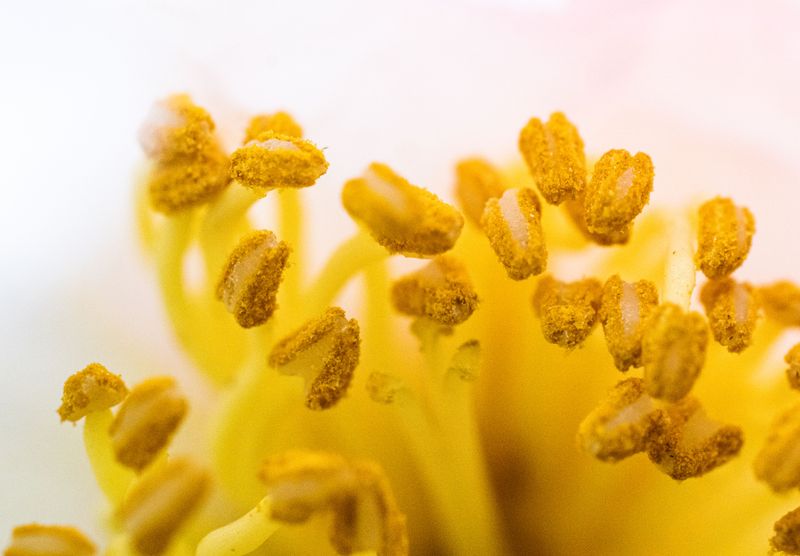
Humidity might seem like a minor detail, but for tomato pollen it is everything. Pollen needs just enough moisture in the air to stay viable and sticky enough to transfer between flower parts.
When humidity drops too low, pollen desiccates before it can do its job. It essentially dries out on the stamen and never makes it to the pistil for fertilization.
Kentucky actually has an interesting humidity situation. The state can swing between muggy and surprisingly dry depending on wind patterns, and those dry spells often coincide with heat waves.
A hot, dry afternoon with low relative humidity is a double punch for tomato blossoms. Heat degrades pollen viability, and dryness finishes off whatever the heat left behind.
Gardeners sometimes notice that their tomatoes perform better in years with average rainfall. That is not a coincidence. Consistent soil moisture contributes to ambient humidity right around the plant canopy.
Watering consistently helps more than most people think. Moist soil releases water vapor throughout the day, slightly raising humidity near the base of the plant where it matters most.
Grouping tomato plants closer together can also trap a small pocket of humidity within the canopy. It is not a miracle fix, but it creates a slightly more favorable microclimate during dry stretches.
Understanding the humidity angle helps explain why some years feel like a total loss. When heat and dryness team up against your plants, blossom drop can clear an entire vine in just a few days.
Heat Stress Causes The Plant To Abort Blooms To Conserve Energy
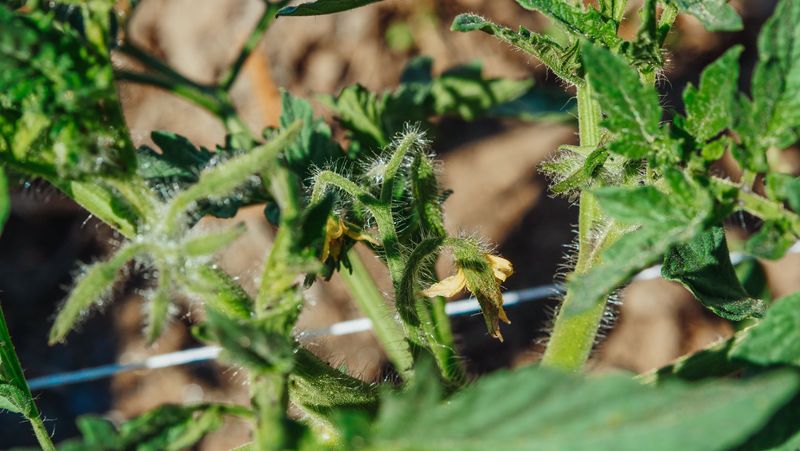
Plants are survival machines, and tomatoes are no exception. When extreme heat pushes a plant past its comfort zone, it makes a cold calculation: drop the blooms and survive another day.
This response is called blossom abortion, and it is completely intentional on the plant’s part. Producing fruit takes enormous energy, and a stressed plant simply cannot afford that expense.
Imagine trying to run a marathon while dehydrated and overheated. Your body would shut down non-essential functions to keep your core systems running. Tomato plants do the exact same thing.
The blooms are expendable in the plant’s survival math. Roots, stems, and leaves get priority when resources are scarce, and the flowers get sacrificed to keep the plant alive.
This is actually a smart biological strategy. A plant that survives a heat wave can bloom again when conditions improve. A plant that exhausts itself trying to set fruit during stress might not recover at all.
For gardeners, recognizing this pattern is oddly reassuring. Your plant is not broken or diseased when it drops blooms in a heat wave. It is doing exactly what evolution designed it to do.
The challenge is reducing that stress load before the plant reaches the abort decision. Shade, water, and mulch are not just nice additions to your routine; they are stress reducers that keep the plant below its panic threshold.
Once temperatures moderate, a well-maintained plant bounces back and blooms again. Protecting tomatoes in extreme heat is really about keeping stress low enough that the plant never needs to abandon its flowers.
Water Deeply During Early Morning Hours
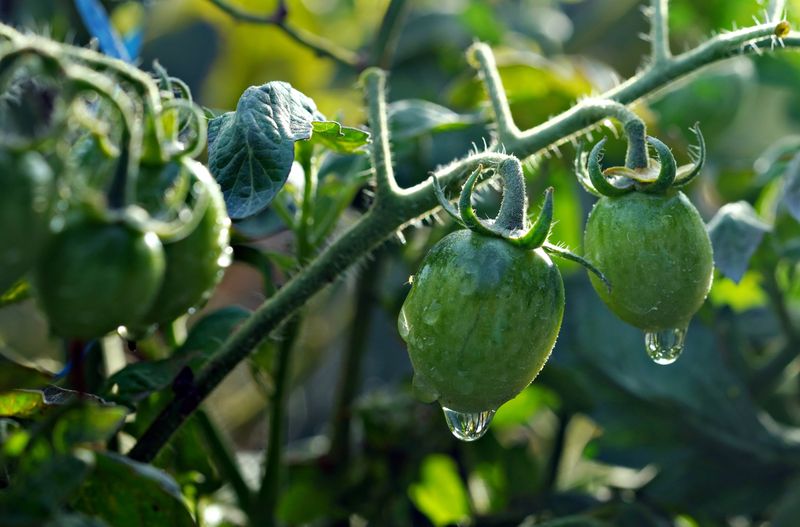
Watering in the morning is one of those gardening rules that actually holds up under pressure. Getting moisture down to the root zone before the heat builds gives your tomato plants a critical head start on a brutal day.
Shallow watering is almost worse than no watering at all. It trains roots to stay near the surface, where they get scorched during heat waves instead of drawing from cooler, deeper soil.
Deep watering means soaking the soil to at least six inches down, ideally eight. That depth keeps moisture available even when the top inch of soil turns to dust by noon.
Morning is the magic window because the sun has not yet started pulling moisture out of the soil aggressively. Water applied at 6 a.m. soaks in rather than evaporating almost immediately.
Evening watering can work in cooler climates, but in Kentucky summers it often leaves foliage damp overnight. Wet leaves in warm, humid air significantly increase the risk of fungal problems.
A soaker hose or drip irrigation system is genuinely worth the investment. These tools deliver water directly to the root zone without wetting leaves, reducing disease risk while maximizing efficiency.
Watering every two to three days with deep soaks beats daily shallow sprinkles every time. Frequency matters less than depth when it comes to keeping tomatoes stable through heat events.
Consistent deep watering also helps regulate soil temperature, which indirectly supports pollen function and reduces the chance that your plants will abort blooms in extreme heat.
Mulch Heavily Around The Base To Retain Moisture
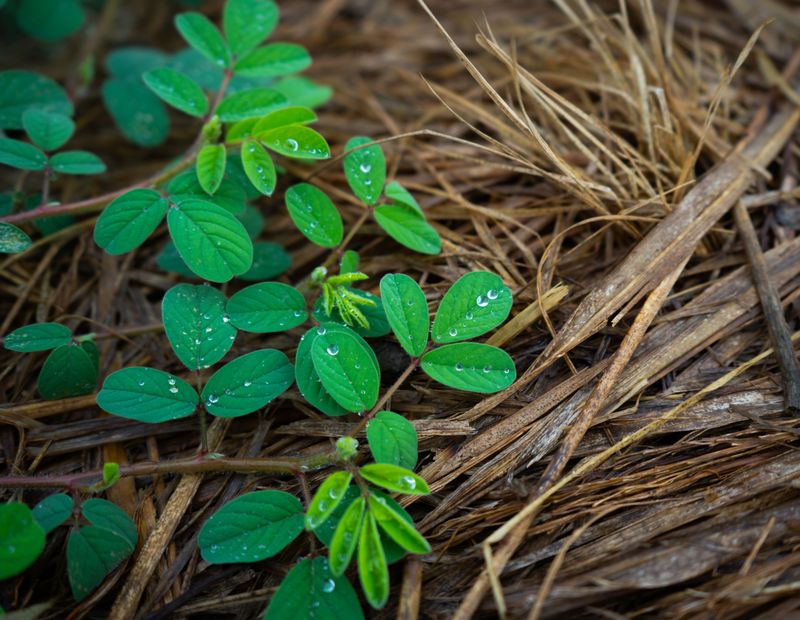
Mulch is one of the most underrated tools in a summer gardener’s arsenal. A thick layer around the base of your tomato plants can drop soil temperature by as much as 10 to 15 degrees on a blazing afternoon.
Cooler soil holds moisture longer, and longer moisture retention means your plant stays hydrated between watering sessions. Hydration is directly linked to a plant’s ability to hold onto its blooms under stress.
Straw is a fan favorite for tomato beds because it is light, breathable, and easy to apply. A three to four inch layer works well, keeping it a few inches away from the main stem to prevent rot.
Wood chips and shredded leaves are also excellent options. They break down over time and actually improve soil structure, adding a bonus benefit that goes beyond the current growing season.
Bare soil is basically a heat trap. On a 95-degree day, exposed dark soil can reach temperatures of 120 degrees or higher, which stresses roots and accelerates moisture loss dramatically.
Mulch acts like a blanket in reverse during summer. Instead of trapping warmth like it does in winter, it shields soil from direct sun and keeps things several degrees cooler underneath.
Applying mulch right after a deep watering session locks in that moisture effectively. You water, the soil absorbs it, and then the mulch seals the deal before evaporation can steal it back.
Gardeners who mulch consistently report noticeably fewer blossom drops during heat waves. That simple layer of organic material can be the difference between a productive plant and a struggling one.
Shade Cloth Over Plants During Peak Afternoon Heat Helps
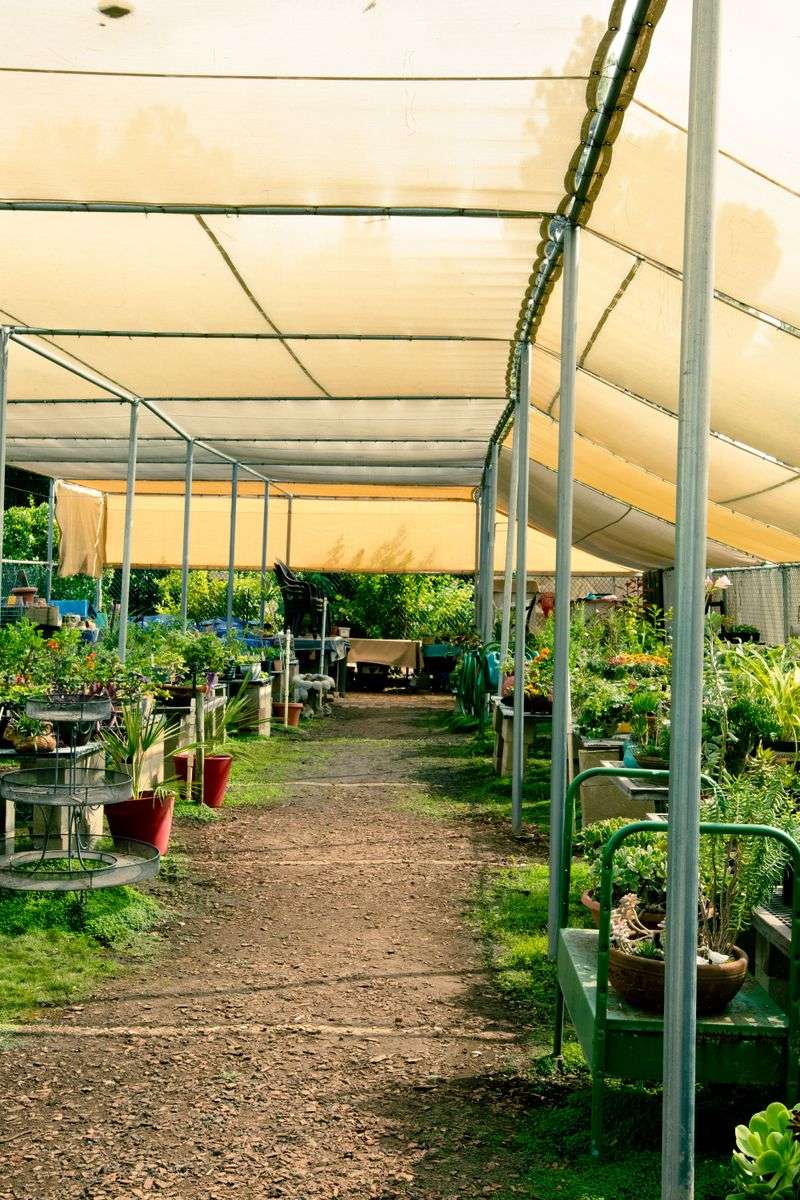
Peak afternoon heat between 2 p.m. and 5 p.m. is when your tomato plants experience the greatest stress. Blocking some of that direct sun during those hours can genuinely change the outcome of your season.
Shade cloth is a lightweight mesh fabric that filters sunlight without completely blocking it. A 30 to 40 percent shade rating is the sweet spot for tomatoes, reducing heat load while keeping enough light for photosynthesis.
Setting up a simple frame with PVC pipe or wooden stakes takes maybe an hour. Once it is in place, you drape the cloth over the top and secure it so afternoon wind does not send it flying.
The difference in leaf temperature under shade cloth versus full sun is striking. On a 98-degree afternoon, shaded plants can experience surface temps that are 10 to 15 degrees cooler than their exposed neighbors.
Cooler leaf and flower temperatures mean pollen stays more functional. Shade cloth does not fix every problem, but it directly addresses the core issue of heat-damaged pollen during the hottest part of the day.
Some gardeners worry that shade cloth will reduce their yield by limiting sunlight. In reality, tomatoes need about six to eight hours of sun daily, and afternoon shade rarely cuts into that total significantly.
Removing the cloth in the morning lets plants soak up gentler early sun. Replacing it around noon protects them during the danger window without sacrificing overall light exposure.
Shade cloth is reusable for multiple seasons, making it a cost-effective investment for anyone serious about growing tomatoes through Kentucky’s severe summer heat.
Misting Flowers During Cooler Parts Of The Day Encourages Pollination
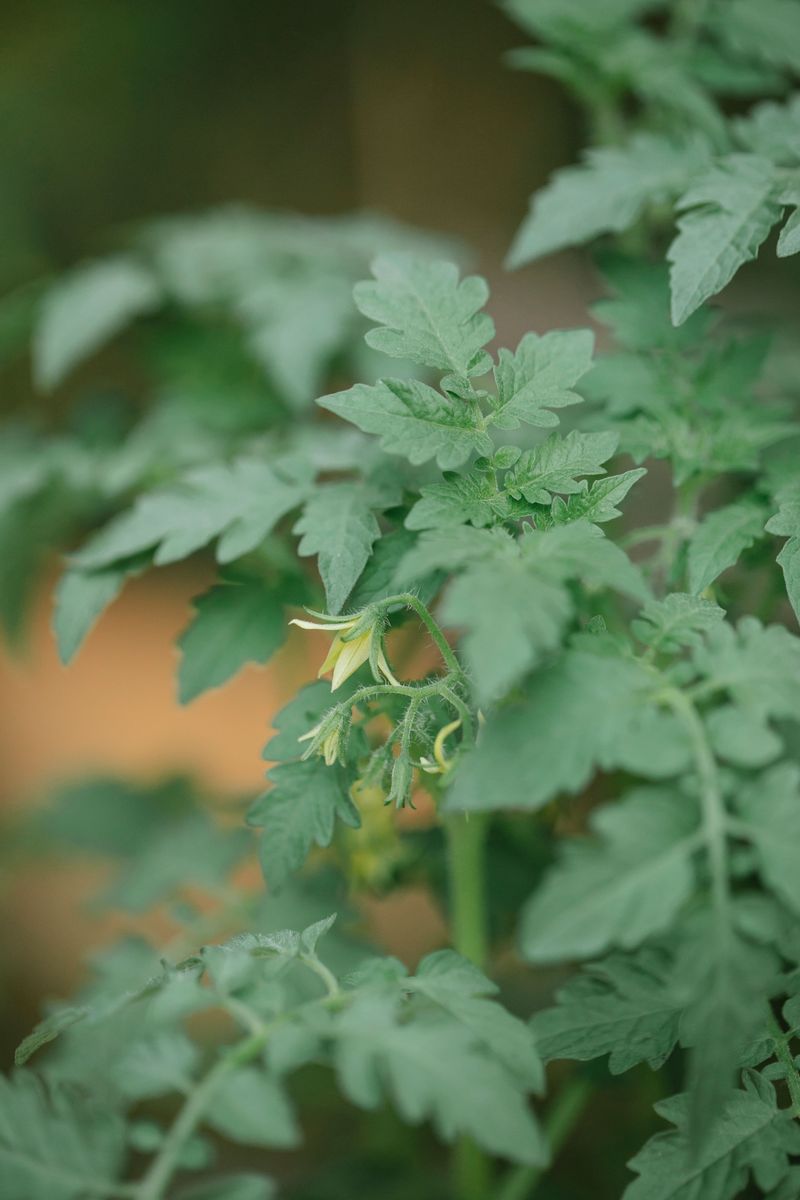
Tomato flowers are self-pollinating, but they still need a little help to release pollen effectively. A gentle mist applied during the cooler morning or early evening hours can give that process a meaningful boost.
The slight vibration from a misting bottle mimics what bees and wind normally do for tomato plants. That vibration shakes pollen loose from the stamens and increases the chance of successful fertilization.
Misting also raises humidity right around the flower cluster for a brief window. That small bump in moisture keeps pollen from drying out before it can reach its target.
Timing matters here. Misting during the hottest part of the afternoon can actually scorch leaves when water droplets act like tiny magnifying glasses.
Stick to early morning or after 5 p.m. when the sun angle is lower. A simple spray bottle set to a fine mist is all you need.
No fancy equipment required, just a few passes over the flower clusters every morning during heat waves. Some gardeners combine misting with a gentle shake of the plant stem.
That one-two combination of moisture and vibration is surprisingly effective at boosting pollination rates during stressful weather. Do not overdo it. A light mist is the goal, not a soaking.
Too much water on blossoms can encourage fungal issues, especially when nights stay warm and humid. Misting is a small act with a surprisingly big payoff during heat waves.
Used consistently alongside shade, mulch, and deep watering, it helps protect your plants in extreme heat and keeps those blooms where they belong: on the vine.