The Underrated Native North Carolina Perennial That May Help Deter Mosquitoes Along Patio Edges
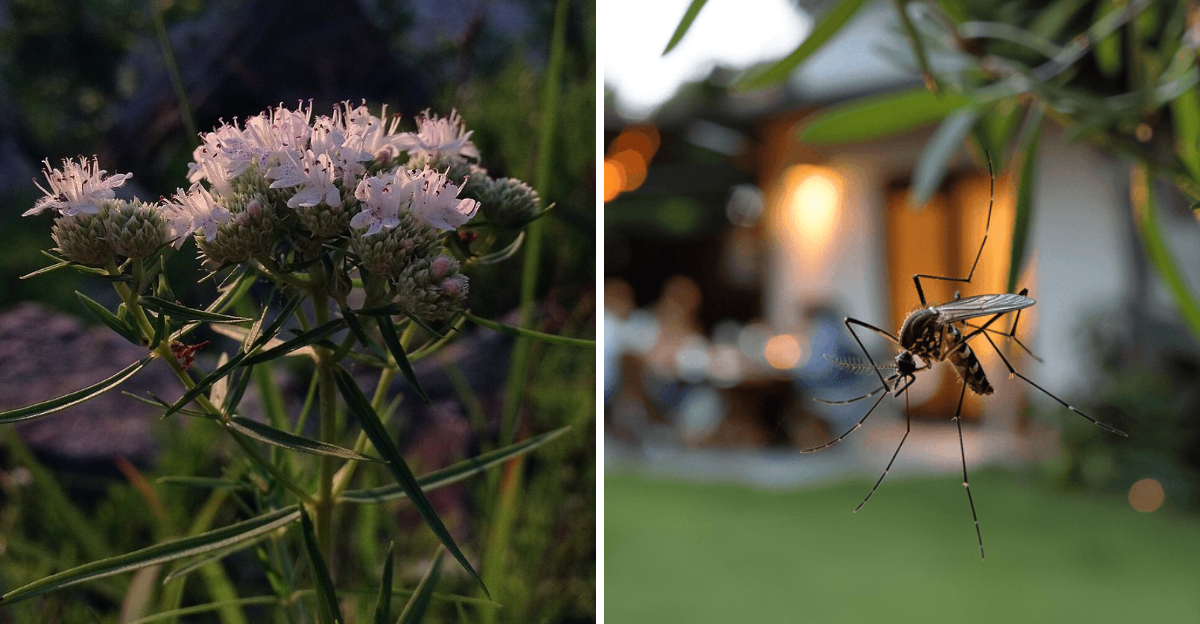
Every warm North Carolina evening on the patio comes with the same uninvited guests, and wishing the mosquitoes away has never actually worked for anyone.
Enter Narrowleaf Mountain Mint, a native perennial that genuinely earns its spot along sunny patio edges.
It handles dry soil near hardscape without complaint, fills the air with aromatic foliage that has a long history of being used as a mosquito deterrent when the leaves get crushed, and pulls in pollinators like it is hosting the neighborhood’s busiest happy hour.
Here is the honest part though: just planting it near your patio is not going to create some kind of invisible mosquito shield on its own.
Understanding exactly what this plant can and cannot do is what helps you actually get the most out of it.
1. Narrowleaf Mountain Mint Fits Sunny Patio Edges
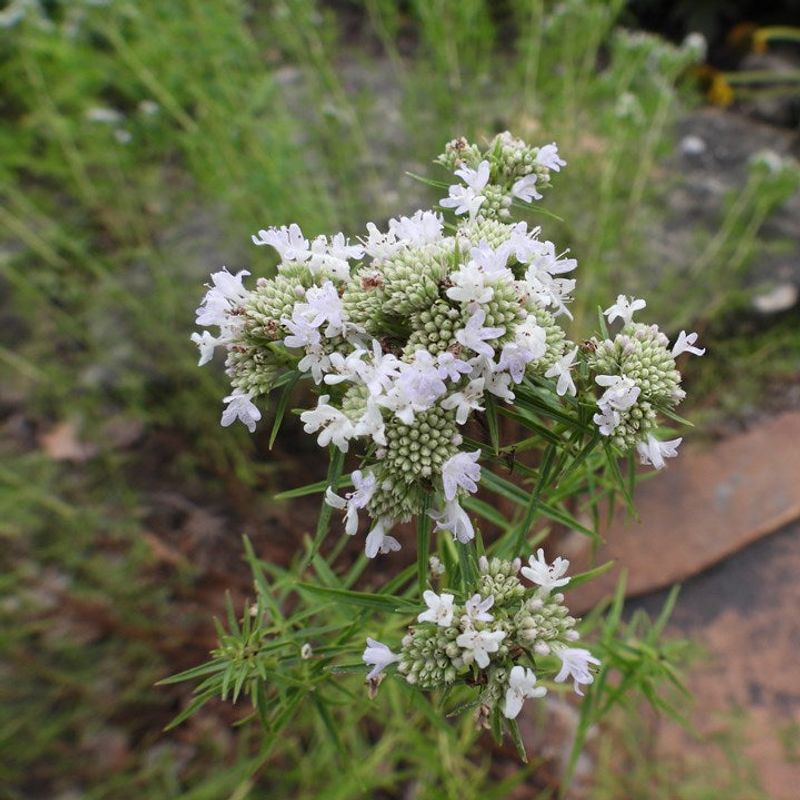
Sunny patio edges in North Carolina can be surprisingly tough spots for plants. The combination of reflected heat from concrete or stone, limited soil depth near walkways, and full afternoon sun can stress many common garden choices.
Narrowleaf Mountain Mint handles these conditions reasonably well, which is part of what makes it worth considering for a patio border planting.
This native perennial grows upright and stays relatively tidy, usually reaching two to three feet tall. Its silvery-green foliage has a clean, fresh look that complements the hard lines of patio hardscape without looking out of place.
Along a sunny border, it tends to fill in steadily once established, creating a low-maintenance edge that does not need constant attention.
Gardeners across North Carolina who have tried it along walkways often mention how easy it is to manage compared to other perennials that struggle with heat and poor drainage.
The plant spreads gradually by rhizomes, so giving it a defined space from the start helps keep it where you want it.
It pairs well with other native plants like coneflowers or black-eyed Susans, creating a pollinator-friendly border that also has some aromatic appeal.
For North Carolina homeowners looking for a tough, native, and visually interesting plant for a sunny patio edge, Narrowleaf Mountain Mint is a low-fuss option worth exploring.
2. Crushed Leaves Have A Mosquito-Repellent History
Long before commercial repellent sprays existed, people across North America used aromatic plants to help discourage biting insects.
Narrowleaf Mountain Mint was among the plants that Indigenous communities and early settlers reportedly used or suggested for this purpose, particularly by rubbing the crushed leaves on skin.
That tradition has carried the plant’s reputation forward into modern native gardening conversations.
The key word here is crushed. The aromatic compounds in Narrowleaf Mountain Mint are most noticeable when the foliage is physically broken or bruised.
Simply brushing past the plant on your way to the patio will release a mild minty scent, but crushing a few leaves between your fingers releases a much stronger aroma.
Some gardeners in North Carolina keep a stem nearby while sitting outside and occasionally rub it between their palms for a fresh burst of scent.
Your North Carolina Garden Changes Every Week. Your Plan Should Too.
Gardening in North Carolina changes quickly throughout the season. Every Friday you’ll receive a simple weekly plan showing exactly what to plant, prune, fertilize, harvest, and protect so you never miss the right timing.
Researchers have identified volatile compounds in plants within the mountain mint family that show some mosquito-repellent activity in laboratory settings.
However, field results with whole plants or even extracted oils are far less consistent than the studies might suggest.
Rubbing crushed leaves on skin may offer some short-term benefit, though it is not a substitute for proven personal protection methods.
The history is genuinely interesting, and the practice is easy to try, but managing expectations honestly helps North Carolina gardeners get the most out of this plant without being disappointed.
3. Minty Aroma Comes From The Foliage
Walk past a patch of Narrowleaf Mountain Mint on a warm afternoon and you will likely catch a hint of something clean and herbal in the air.
That scent comes from essential oils stored in the plant’s leaves and stems, and it is one of the main reasons this native perennial has attracted attention beyond just its garden value.
The aroma is often described as minty but slightly sharper than culinary mint, with a pleasant bite that is easy to recognize.
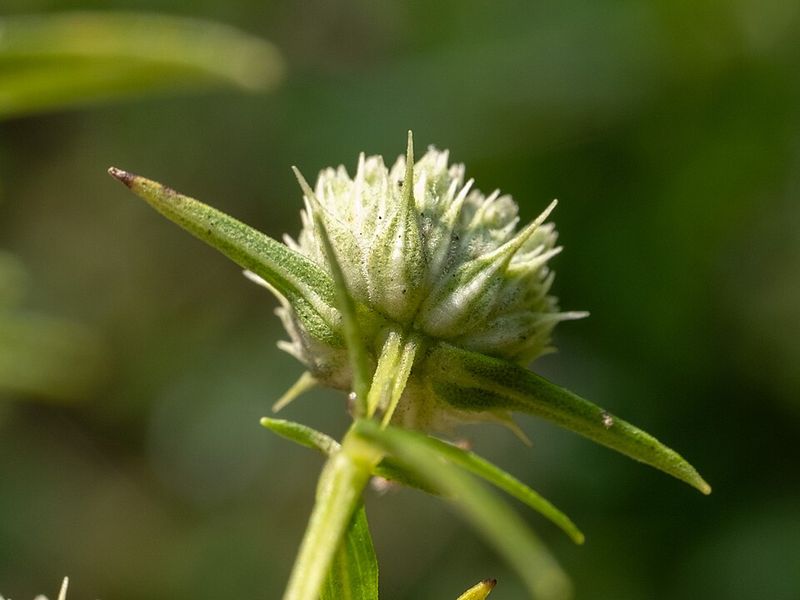
The foliage itself is a soft grayish-green with fine hairs that give it a slightly silvery appearance in bright light. This texture helps the leaves reflect heat and retain moisture, which is part of why the plant handles dry, sunny conditions without much trouble.
When you run your hand along a stem, the oils transfer easily, leaving a fresh scent on your skin that lingers for a little while.
North Carolina summers can be long and humid, and having an aromatic plant along the patio edge adds a sensory layer that most purely ornamental plants cannot offer.
The scent is noticeable without being overwhelming, and many people find it genuinely pleasant to have nearby.
While the aroma alone is unlikely to keep mosquitoes away from a seating area, it does make the plant more interesting and enjoyable than a plain green border.
The foliage fragrance is one of the most talked-about qualities among North Carolina gardeners who grow it.
4. Flowers Bring Pollinators To The Border
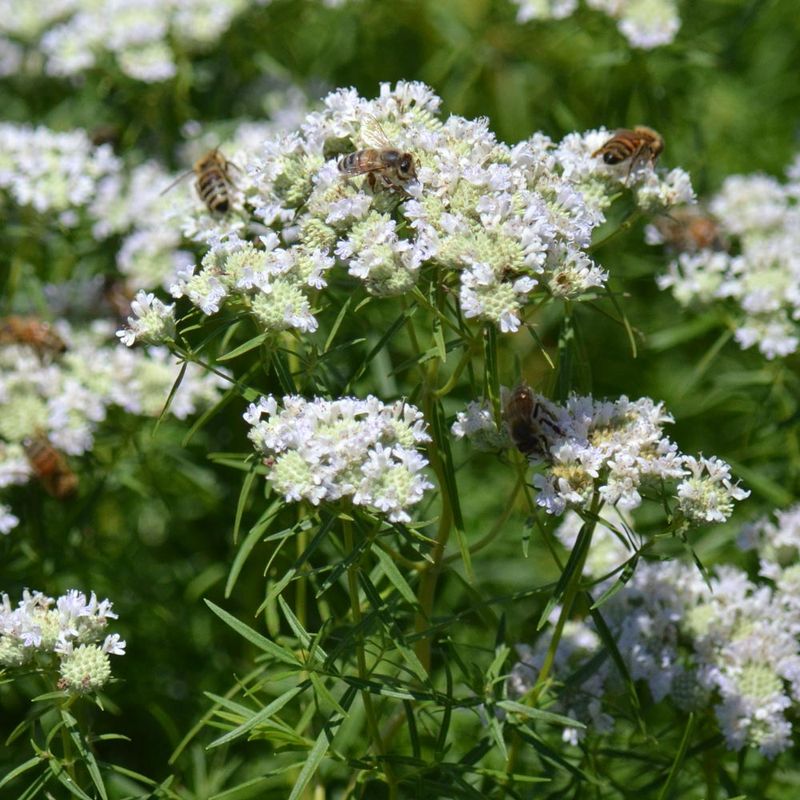
Mid-summer along a North Carolina patio border, Narrowleaf Mountain Mint puts on a quiet but busy show.
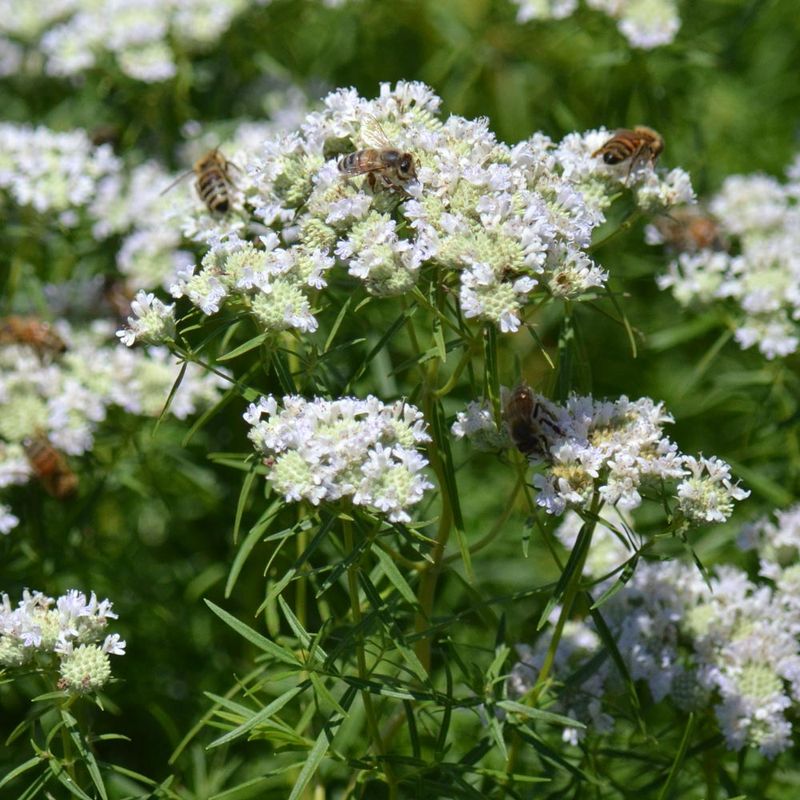
The small, clustered white flowers may not look dramatic from a distance, but up close they are almost always covered with native bees, small wasps, butterflies, and other beneficial insects.
Few native perennials attract such a wide variety of pollinators in such a compact space, which makes this plant genuinely valuable in a residential garden setting.
The bloom period tends to stretch from mid-summer into early fall, giving pollinators a reliable food source during a time when many other garden plants have finished flowering.
For North Carolina homeowners trying to support native bee populations or create a certified pollinator garden, adding Narrowleaf Mountain Mint along a patio edge is a practical and low-effort step.
Watching the activity on the flowers can be surprisingly entertaining, especially for children who are curious about insects.
One thing worth knowing is that a border buzzing with beneficial insects is actually a healthy sign for the garden overall. Many of the small wasps and parasitic flies attracted to mountain mint flowers help naturally reduce populations of pest insects.
That is a bonus that goes beyond the plant’s visual or aromatic qualities.
North Carolina gardeners focused on ecological landscaping often list the pollinator activity on Narrowleaf Mountain Mint as one of their favorite reasons to keep it in the garden year after year.
5. Good Drainage Helps The Plant Settle In
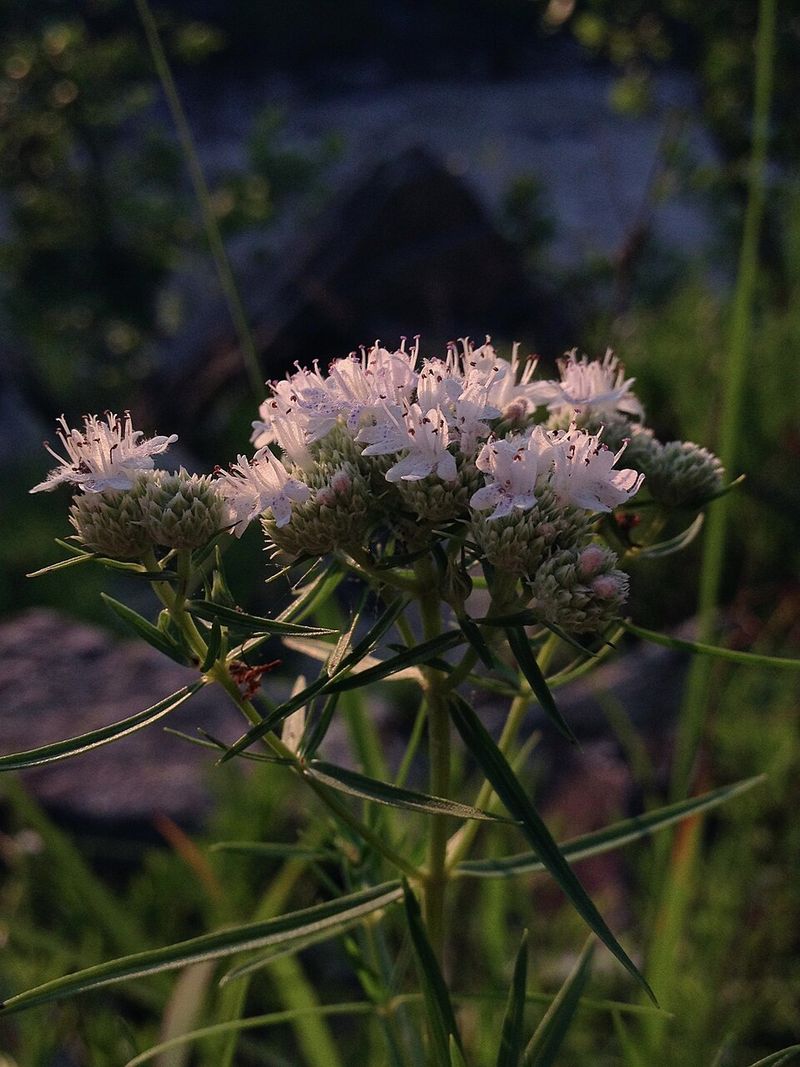
Getting any native perennial off to a good start often comes down to soil conditions, and Narrowleaf Mountain Mint is no different. Good drainage is one of the most important factors for helping this plant establish successfully along a patio edge.
Soggy or compacted soil near hardscape can cause the roots to struggle, especially through North Carolina’s wet winter and spring periods when drainage matters most.
Fortunately, many patio edges naturally have somewhat sandy or gravelly soil near the hardscape, which actually works in the plant’s favor.
If the soil in your border tends to stay wet after rain, working in some coarse sand or fine gravel before planting can improve drainage enough to make a real difference.
Raised beds or slightly mounded planting areas near the patio are another option that North Carolina gardeners use to create better-draining conditions in otherwise heavy clay soils.
Once the plant is established after its first growing season, it becomes considerably more tolerant of variable conditions. The first summer is usually the most critical period, and keeping an eye on soil moisture without overwatering is the main task.
Mulching lightly around the base helps moderate soil temperature and retain just enough moisture without creating a soggy environment.
A well-drained spot with some organic matter mixed into the soil gives Narrowleaf Mountain Mint the foundation it needs to grow steadily and fill in a patio border edge without much fuss in subsequent years.
6. Dry Soil Tolerance Helps Near Hardscape
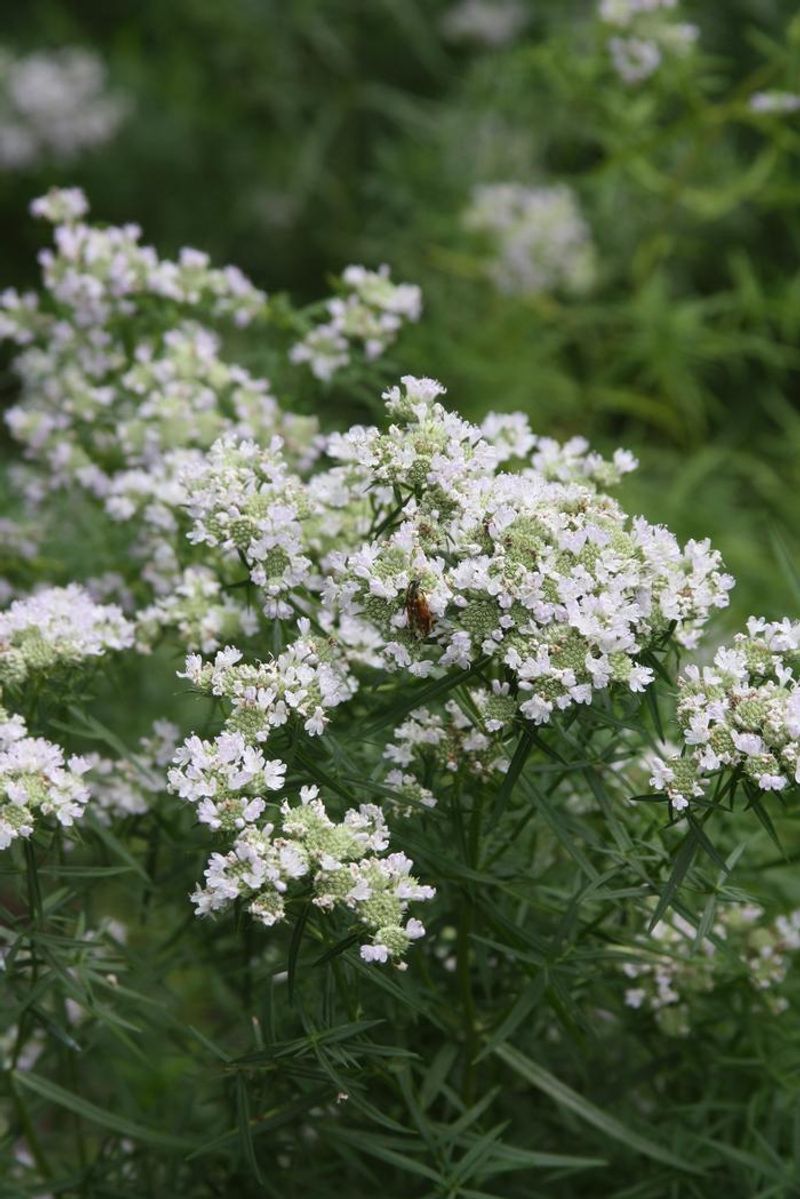
Concrete, brick, and stone patio surfaces absorb heat during the day and radiate it back out in the afternoon and evening.
The soil right along a patio edge can dry out faster than soil just a few feet away in a regular garden bed, and that creates a challenging microclimate for plants that need consistent moisture.
Narrowleaf Mountain Mint handles this kind of dry edge situation better than many other flowering perennials.
Once it is established, this native plant draws on its deep root system to find moisture even when the top layer of soil feels dry to the touch.
North Carolina summers can include stretches of low rainfall combined with high heat, and plants along hardscape edges often feel the stress of those conditions first.
Having a perennial that can ride out dry spells without wilting or dropping leaves makes maintenance considerably easier for busy homeowners.
That tolerance for dry conditions does not mean the plant thrives on neglect during its first season. Watering regularly through the first summer helps the root system develop enough depth to handle future dry periods on its own.
After that first year, supplemental watering during prolonged dry spells is still helpful but less critical.
For North Carolina patios surrounded by poor, dry, or compacted soil near the hardscape edge, Narrowleaf Mountain Mint offers a native option that fits the conditions rather than fighting them, which is always a more sustainable approach to residential landscaping.
7. A Patio Planting Is Not Mosquito Control

There is a common idea in gardening circles that planting aromatic herbs or native plants near a patio will keep mosquitoes away. Narrowleaf Mountain Mint often comes up in these conversations because of its scent and its historical reputation.
While the plant has genuine value as a native perennial with aromatic foliage and pollinator-friendly flowers, treating it as a reliable mosquito barrier around a seating area is likely to lead to frustration.
Mosquitoes are persistent, and their behavior is driven primarily by carbon dioxide, body heat, and moisture rather than by plant scents in the surrounding landscape.
An undisturbed Narrowleaf Mountain Mint plant releases only a mild amount of aromatic compounds into the air, and that level of scent is generally not strong enough to redirect mosquitoes away from a seating area.
Research on plant-based mosquito deterrence consistently shows that distance, concentration, and direct application matter far more than proximity to a living plant.
North Carolina homeowners who add Narrowleaf Mountain Mint to a patio border will likely enjoy its appearance, its pollinator activity, and the pleasant scent when they brush or crush the leaves. Those are real and worthwhile benefits.
But relying on the planting alone to make evenings more comfortable from a mosquito standpoint is not a realistic expectation.
Combining the plant with other strategies, including personal repellent use and removing standing water, gives a much better overall result than any single planting can provide on its own.
8. Standing Water Still Matters Most
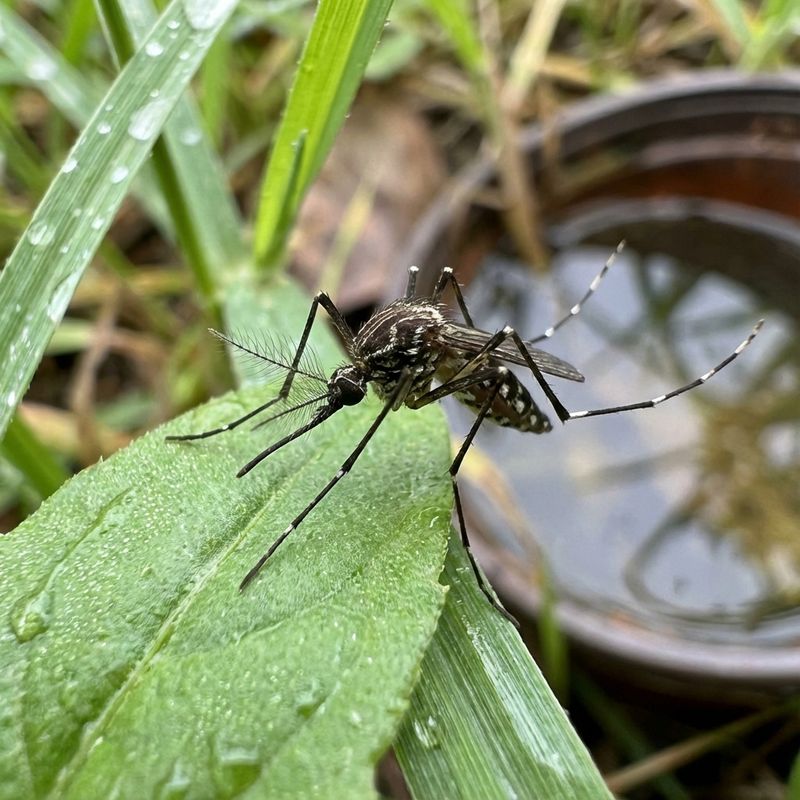
Every conversation about mosquitoes near a patio eventually comes back to the same point: standing water is where mosquito populations begin.
A single container holding a few tablespoons of water can become a breeding site within a week during warm North Carolina summers.
No plant, however aromatic or native, addresses that fundamental issue, which is why water management remains the most important step in reducing mosquito pressure around a home.
Common sources of standing water near patios include saucers under container plants, clogged gutters overhead, and low spots in the lawn where water collects after rain.
Bird baths that are not refreshed regularly and decorative pots or features that hold water without circulation can also become a problem.
Checking these spots regularly and emptying or treating them is more effective than any landscaping change at reducing the number of mosquitoes emerging near a seating area.
Narrowleaf Mountain Mint along the patio edge is a genuinely worthwhile addition for North Carolina gardeners who want a native, aromatic, pollinator-friendly border plant.
Pairing it with consistent water management, personal protection when spending extended time outdoors in the evening, and screening or fans for covered patio areas creates a much more complete approach.
The plant contributes something real to the garden in terms of ecology, beauty, and sensory interest.
Expecting it to handle mosquito control on its own, though, sets up a disappointment that is easy to avoid by keeping water management at the center of any backyard mosquito-reduction plan.