The One Thing North Carolina Pepper Plants Need In July Before Spider Mites Take Over
Spider mites do not announce themselves. By the time the telltale stippling and webbing become visible on pepper foliage, the population causing that damage has already been building for longer than most North Carolina gardeners realize.
July is the month when conditions across the state align almost perfectly for spider mite explosions on pepper plants. Hot temperatures, low humidity stretches, and dust accumulation on foliage create an environment these pests thrive in.
There is one specific thing pepper plants need during this window that directly disrupts that cycle before it gets started. Miss it and July becomes a month of damage control.
Get it right and the plants keep producing strong and clean through the rest of the season.
1. Check Your Pepper Leaves
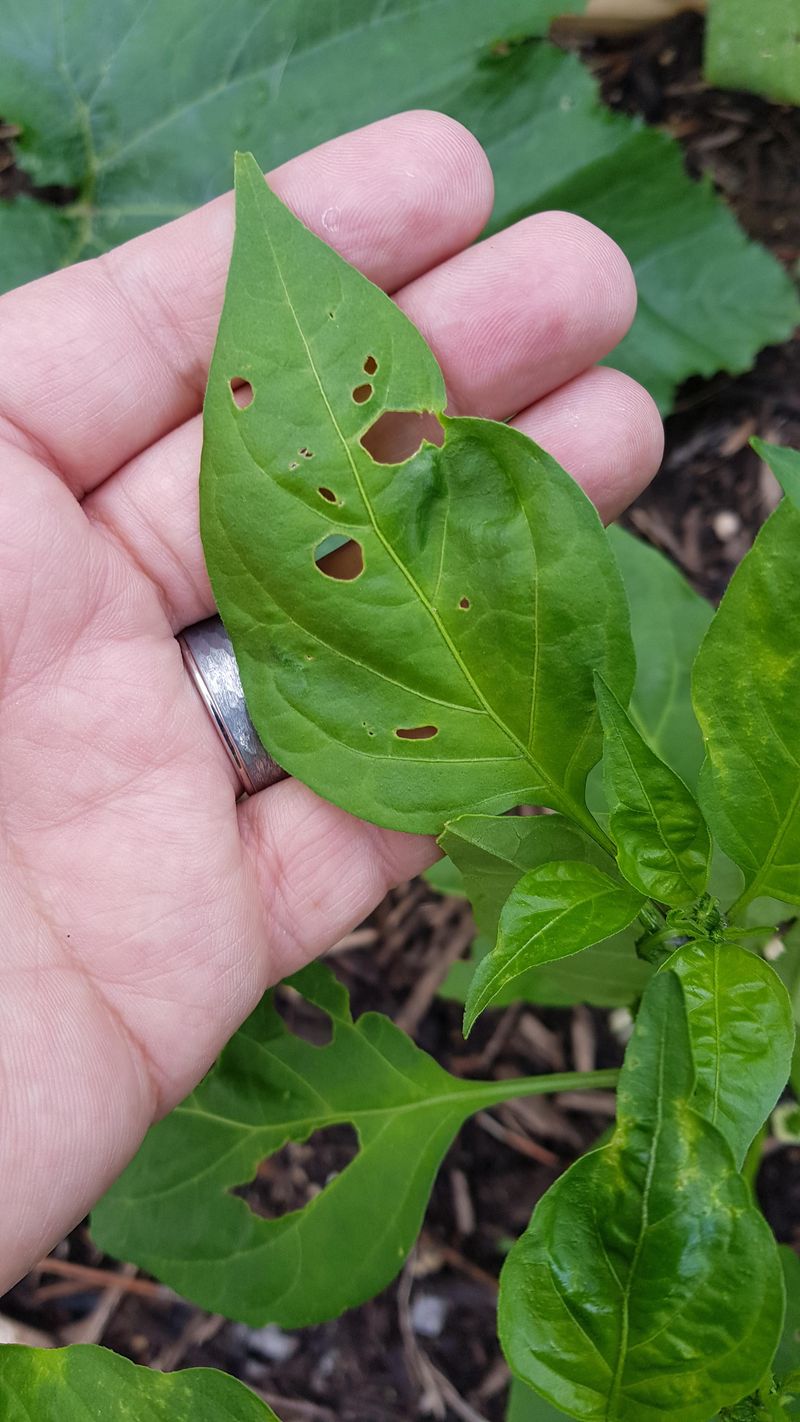
Most gardeners check their pepper plants from above, give them a quick glance, and move on. But in July, the most important thing you can do is flip those leaves over and look underneath.
Spider mites tend to hide on the undersides of leaves, and they can build up fast before any visible damage shows on top.
Making this a weekly habit, rather than a one-time check, is what separates a thriving pepper patch from one that starts showing stress by mid-summer.
Think of it as a two-part routine: check first, then rinse. After inspecting the undersides of leaves, a gentle morning rinse helps wash away any early mite activity before it gains momentum.
This is not complicated or time-consuming, and even five to ten minutes twice a week can make a noticeable difference. Consistency is everything here, especially during the hottest and driest parts of the month.
North Carolina summers are no joke. The combination of high heat and low humidity creates conditions where spider mite populations can double in just a few days.
Catching them early, before the plant looks stressed or discolored, is far easier than trying to manage a full-blown infestation later.
Keep your routine simple, stick to it every week, and your pepper plants will have a much better chance of staying strong and productive all the way through harvest season.
2. Why July Makes Pepper Plants Vulnerable
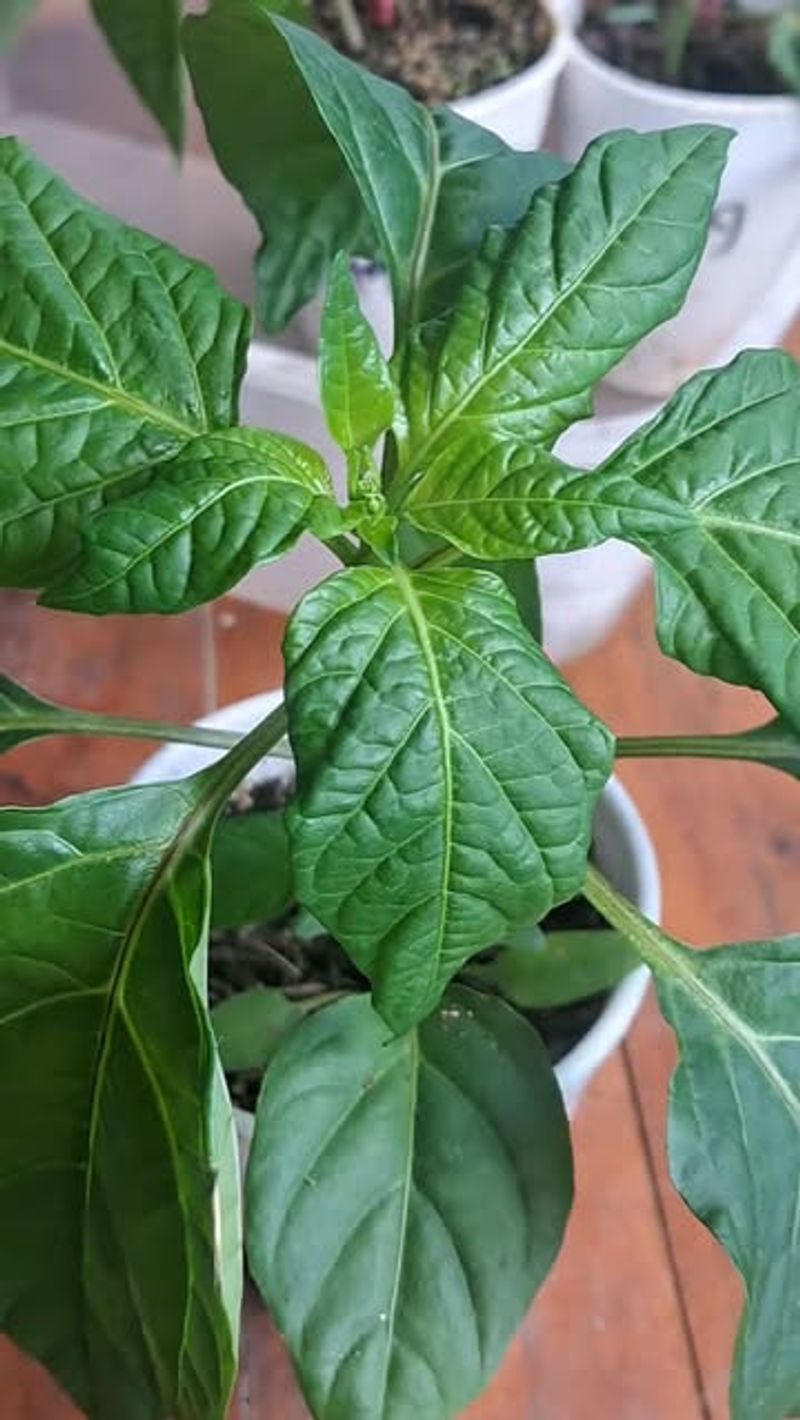
Spider mites are not random visitors. They show up on purpose, and July gives them exactly what they love.
These tiny pests thrive in hot, dry conditions, and North Carolina summers deliver both in full force. When temperatures climb into the upper 80s and 90s and rain stays away for a week or more, spider mite populations can grow at a surprising speed.
Understanding this connection helps gardeners know exactly when to pay closer attention.
Pepper plants that are already dealing with heat stress or uneven moisture become easier targets. A plant that is struggling to stay hydrated and cool puts most of its energy into basic survival, which leaves fewer resources for fighting off pests.
That weakened state makes the foliage more attractive to spider mites, who prefer plants that are already under pressure. It is a cycle that can get worse quickly if gardeners are not watching for it.
Your North Carolina Garden Changes Every Week. Your Plan Should Too.
Gardening in North Carolina changes quickly throughout the season. Every Friday you’ll receive a simple weekly plan showing exactly what to plant, prune, fertilize, harvest, and protect so you never miss the right timing.
Dry spells are the biggest warning sign to watch for in July. When your area goes several days without rain and the air feels parched, that is your cue to step up monitoring.
Heat waves that stretch longer than a few days are another signal to check your plants more frequently.
Even a brief increase in attention during these stretches, like adding an extra inspection or rinse to your weekly routine, can dramatically reduce the chance of a spider mite problem taking hold before you have a chance to respond.
3. Check The Undersides Of Leaves First
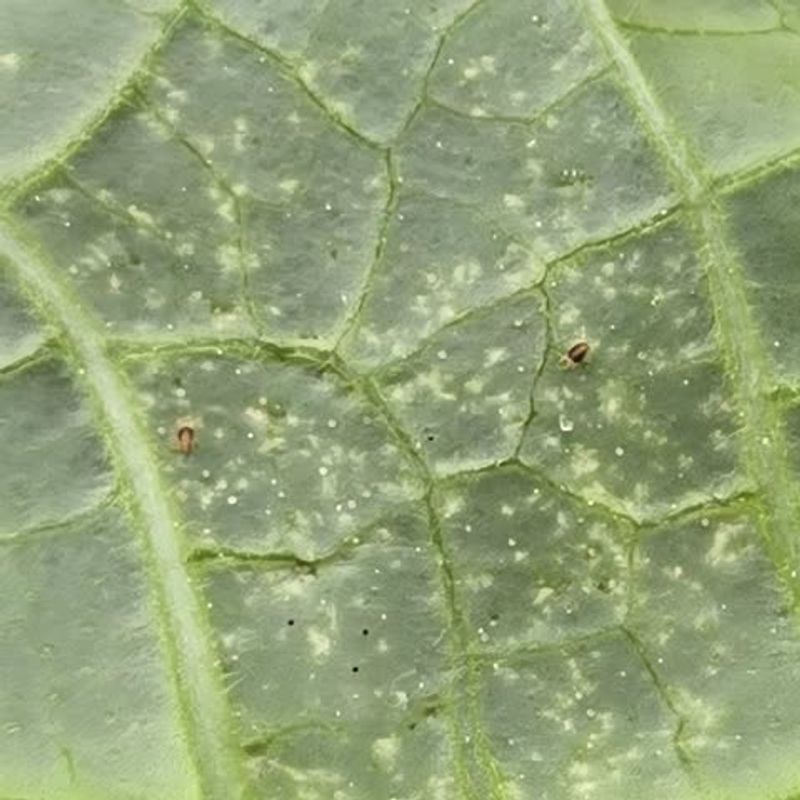
Flipping a leaf over takes about two seconds, but most people skip it. Spider mites almost always start on the undersides of pepper leaves, where they are sheltered from sun and wind.
By the time you notice damage on the top of the leaf, the population underneath has usually been growing for days. Getting into the habit of checking the underside first gives you a real head start on spotting trouble early.
When you flip a leaf, look for tiny, barely visible moving specks and pale yellow stippling that resembles pinpricks. You may also spot fine, silky webbing near the stem or along the leaf edges.
Leaves that look dusty, bronzed, or slightly dull on top are often already showing the result of mite feeding underneath.
These signs are easy to miss at first glance, so take a moment and look carefully.
Bring a magnifying glass if you have one, because spider mites are genuinely tiny. Even a cheap pocket magnifier can reveal what your naked eye might pass right over.
Focus on older leaves first, since mites tend to start on more mature foliage before spreading to newer growth.
Checking a handful of plants from different spots in your garden gives you a better overall picture of what is happening. Catching even a small cluster early makes the next steps much easier to manage.
4. Use The White Paper Test
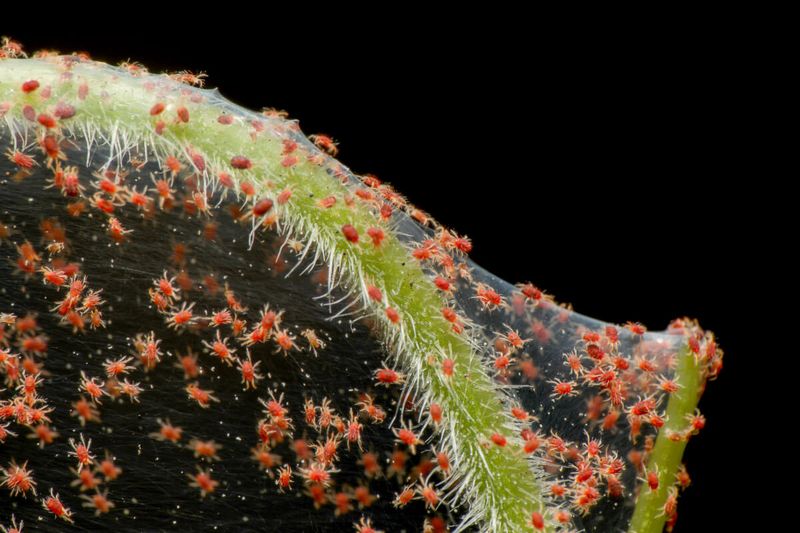
Spider mites are so small that even experienced gardeners can struggle to see them with the naked eye. That is where the white paper test comes in, and it is one of the most practical tricks you can use in your July garden routine.
Grab a plain white sheet of paper or a white index card, hold it under a pepper leaf, and give the leaf a few firm taps. Then look at the paper closely.
If tiny specks start moving around, you have found your mites.
The contrast of the white surface makes even the smallest mites visible, which is why this method works so well. You do not need any special equipment, and the whole test takes less than a minute per plant.
For the most useful results, test several plants across your garden, not just one or two.
Spider mites tend to spread from the edges inward, so pay extra attention to plants near dry gravel paths, brick or concrete walls, containers sitting on pavement, or dusty garden borders where conditions are hottest and driest.
Make the white paper test part of your regular check-in routine, especially during dry stretches. Doing it once a week on a rotating group of plants gives you a running picture of what is happening across your garden.
If you find mites on the paper, that is your signal to start rinsing those plants right away and to check their neighbors closely too.
Early detection through simple tests like this one is genuinely one of the most effective tools a home gardener has available.
5. Rinse Leaves In The Morning
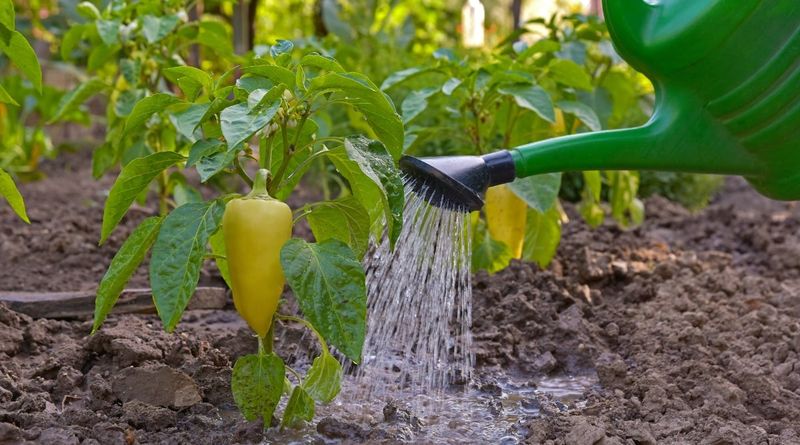
Water is one of the simplest tools you have against spider mites, and using it the right way in July can make a real difference.
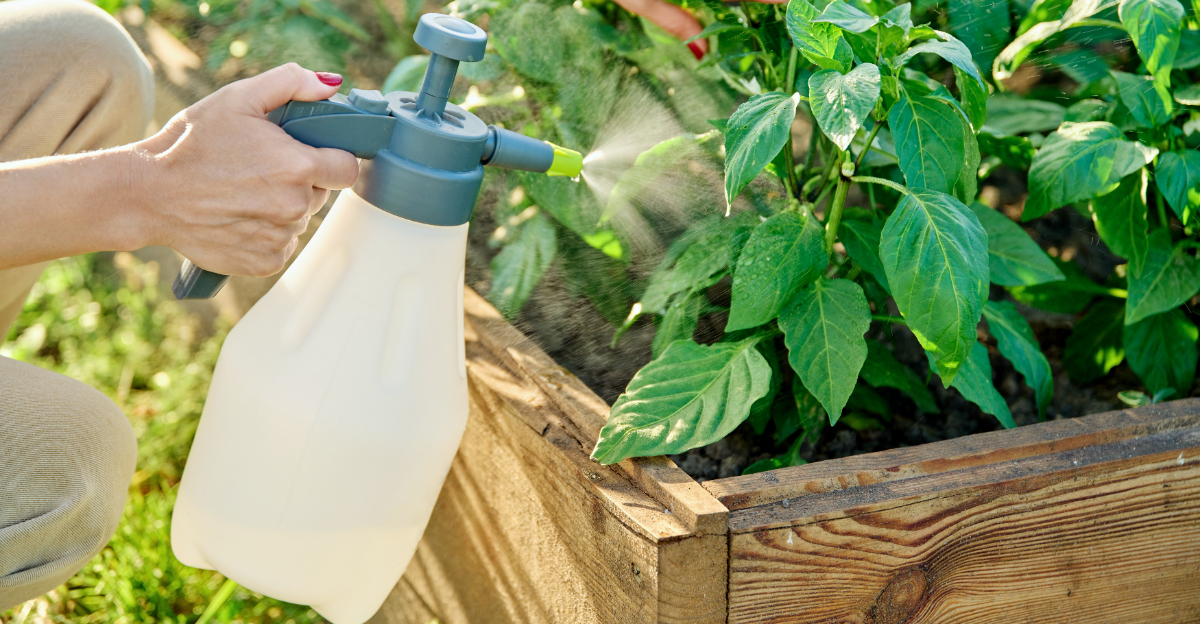
A firm stream of water aimed at the undersides of pepper leaves can physically knock mites off the plant before they have a chance to settle and multiply.
It is not a permanent solution on its own, but as part of a consistent routine, it helps reduce mite pressure significantly, especially when you start before populations get out of control.
Morning is the best time to do this rinse. When you water early in the day, the foliage has several hours of sunlight and airflow to dry out before evening.
Wet leaves that stay damp overnight can invite fungal issues, which is the last thing your pepper plants need on top of pest pressure. A morning rinse keeps the benefits of knocking off mites while giving the plant time to dry naturally throughout the day.
Focus the spray on the undersides of leaves rather than just spraying the tops. Use a nozzle that gives you a firm, directed stream rather than a soft mist, since mites need a bit of force to dislodge them.
Repeat this rinse every few days during hot, dry periods rather than doing it once and moving on. The key word in all of this is repetition.
One good rinse helps, but a consistent rinsing habit across multiple days is what actually keeps spider mite numbers from climbing back up between your garden visits.
6. Keep Pepper Roots Evenly Moist
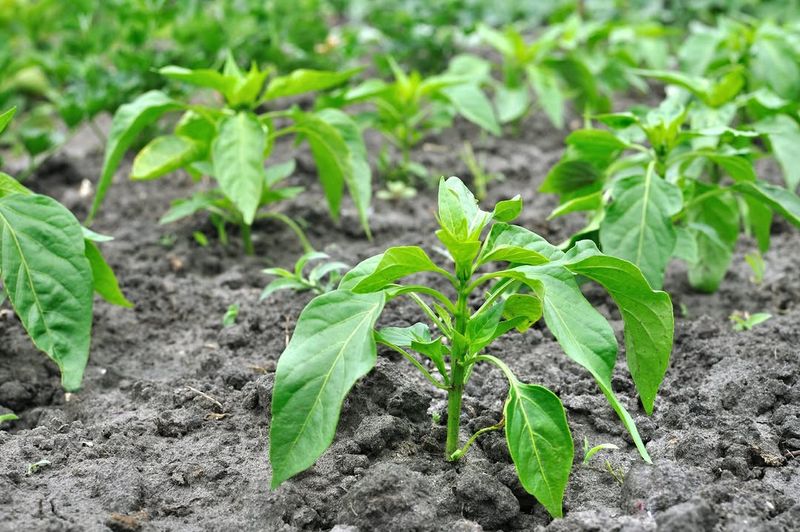
A pepper plant that is thirsty is a pepper plant that is struggling, and struggling plants attract spider mites.
Keeping the soil evenly moist throughout July is one of the most effective things you can do to help your peppers handle summer heat with strength.
When roots stay consistently hydrated, the plant can regulate its temperature better, move nutrients more efficiently, and maintain healthier foliage, all of which make it less appealing to pests looking for an easy target.
Deep watering at soil level works better than frequent shallow watering. When you water deeply, the moisture reaches the lower root zone and encourages roots to grow downward where the soil stays cooler and holds water longer.
Shallow watering keeps moisture near the surface, where it evaporates quickly in July heat and leaves roots dry between sessions. Aim for slow, deep watering a few times a week rather than a quick sprinkle every day.
Mulch is one of the best allies you have for moisture retention. A two to three inch layer of straw, wood chips, or shredded leaves around the base of your pepper plants can dramatically slow water loss from the soil surface.
Container peppers need extra attention because pots heat up faster than in-ground beds and dry out more quickly. Check containers daily during heat waves, and do not wait until the soil pulls away from the pot edges before watering.
Consistent moisture management is one of the most underrated strategies for keeping spider mite pressure low all summer long.
7. Reduce Dust Around The Pepper Bed
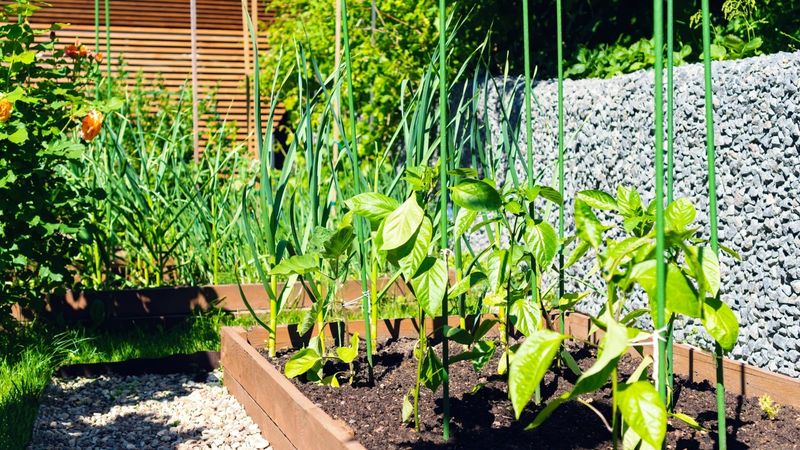
Dust might not seem like a big deal in the garden, but it actually plays a real role in spider mite problems. Dusty conditions around your pepper bed can coat leaf surfaces and reduce the plant’s ability to photosynthesize effectively.
More importantly, dust from dry bare soil, gravel paths, and nearby hard surfaces creates an environment where spider mites move more easily between plants and establish faster.
Reducing dust is a simple but genuinely useful step in your July spider mite prevention routine.
Mulching your garden paths is one of the easiest ways to cut down on dust. Bare soil paths between beds dry out and kick up fine particles every time someone walks through.
Covering those paths with straw, wood chips, or even cardboard and mulch on top keeps the ground surface stable and reduces airborne dust significantly.
If you have gravel or stone paths right next to your pepper beds, giving those surfaces an occasional rinse during dry stretches can also help.
Brick walls, concrete blocks, fences, and pavement near your garden can all act as heat collectors and dust sources in July. When dry wind moves across those surfaces, it can carry dust and mites directly onto nearby plants.
Rinsing hard surfaces near your pepper bed occasionally during dry periods is a small step that costs almost nothing.
Keeping the area around your peppers clean, mulched, and settled makes the whole growing environment less welcoming to spider mites and gives your plants a calmer, more stable place to thrive through the hottest weeks of summer.
8. Repeat The Routine After Every Hot Dry Stretch
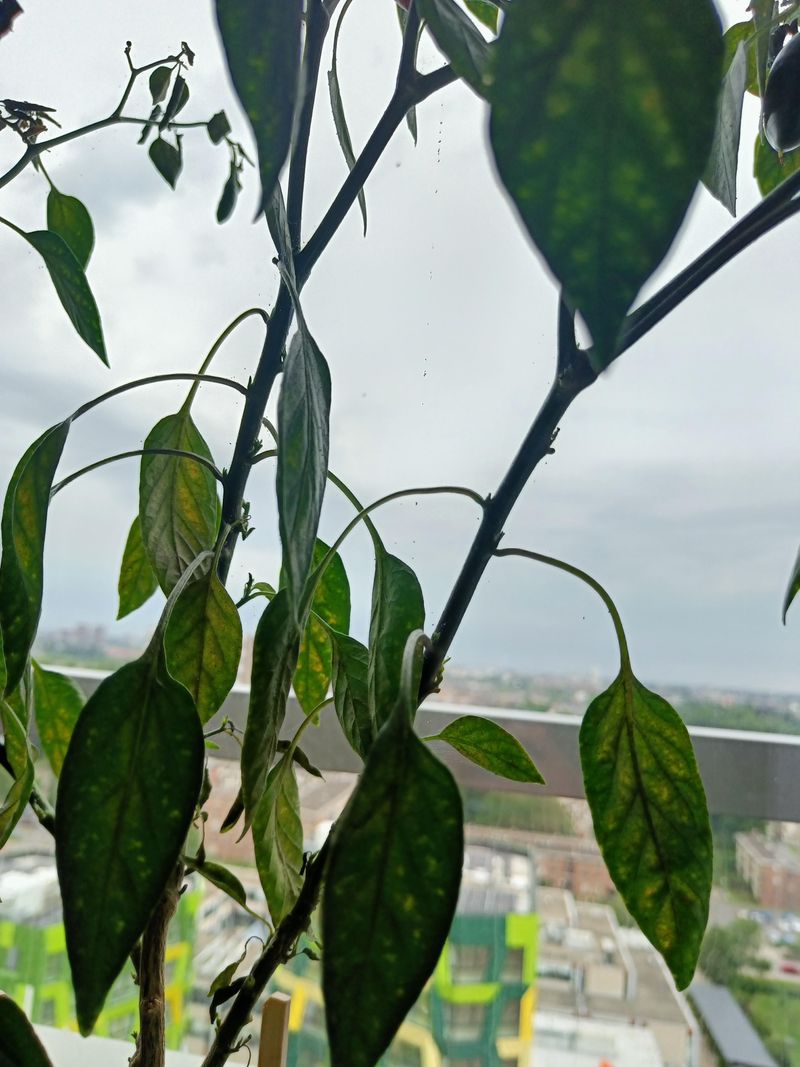
One rinse will not save your pepper plants. One inspection will not catch everything.
Spider mites move fast in hot, dry weather, and a population that was barely noticeable on Monday can look much worse by Friday if conditions stay harsh and no action is taken.
That is why repeating your routine after every hot, dry stretch is so important in July. Think of it less like a one-time treatment and more like a regular maintenance schedule that keeps you ahead of the problem instead of chasing it.
Every few days during heat waves or dry spells, walk your pepper rows and do a quick check.
Focus on the plants most likely to show early pressure: older plants with more mature foliage, peppers growing in containers, plants positioned near pavement or concrete that radiates extra heat, and any plant that already looks a little pale, dusty, or dull.
These are the spots where spider mites tend to show up first, and checking them regularly gives you the fastest feedback on how your garden is doing.
After each dry stretch ends and rain finally returns, do not assume the problem has resolved itself.
Rain helps, but mites can survive in sheltered spots and bounce back quickly once dry conditions return. Keep checking, keep rinsing, and keep the soil mulched and moist.
Building this rhythm into your July garden schedule does not take much time, but it adds up to a level of consistent care that makes a measurable difference in how your pepper plants look and perform all the way through the end of the season.