Why Texas Gardeners Should Think Twice Before Planting Butterfly Bush
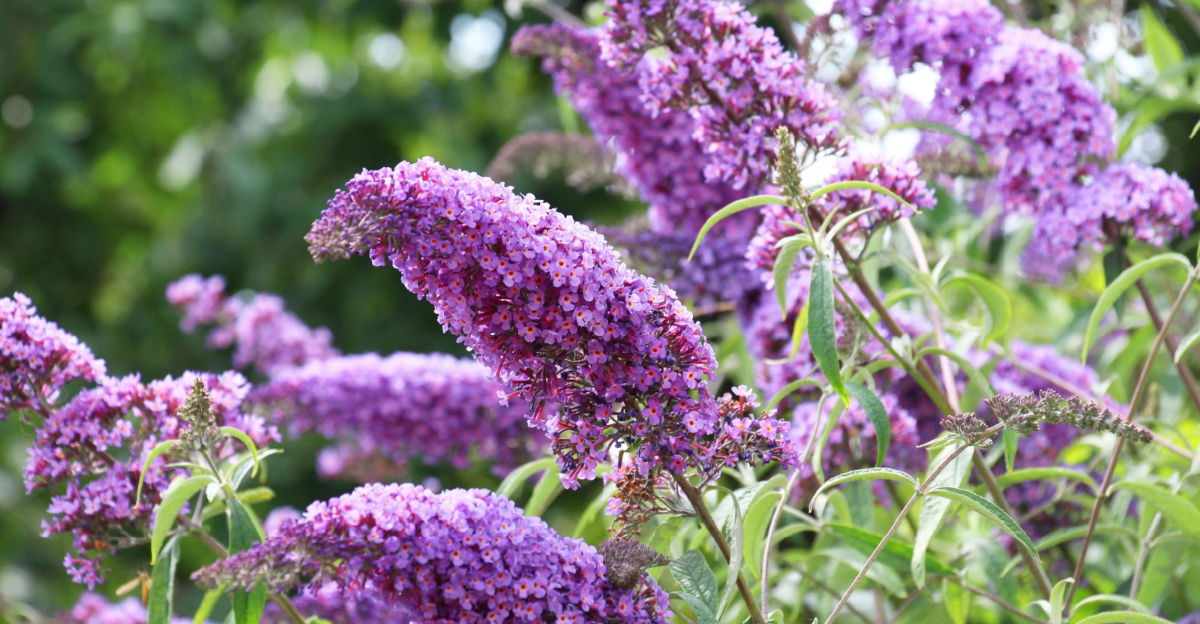
Walk through any Texas nursery in late spring and there it is, butterfly bush practically glowing on the shelf with those long purple flower spikes. Hard to walk past without stopping.
And honestly, the appeal makes total sense once you have seen a yard full of swallowtails and monarchs nectaring away on those blooms.
But here is a conversation worth having before that plant goes home with you: there is a real difference between feeding adult butterflies and actually supporting their entire life cycle.
Butterfly bush handles the nectar part beautifully, no argument there. The trouble is it offers almost nothing as a host plant for Texas caterpillars, it is not native to the state, and some cultivars can spread seed beyond where you planted them.
Even the sterile labels deserve a closer look before this showy shrub takes up prime garden real estate.
1. Butterfly Bush Is Not A Texas Native
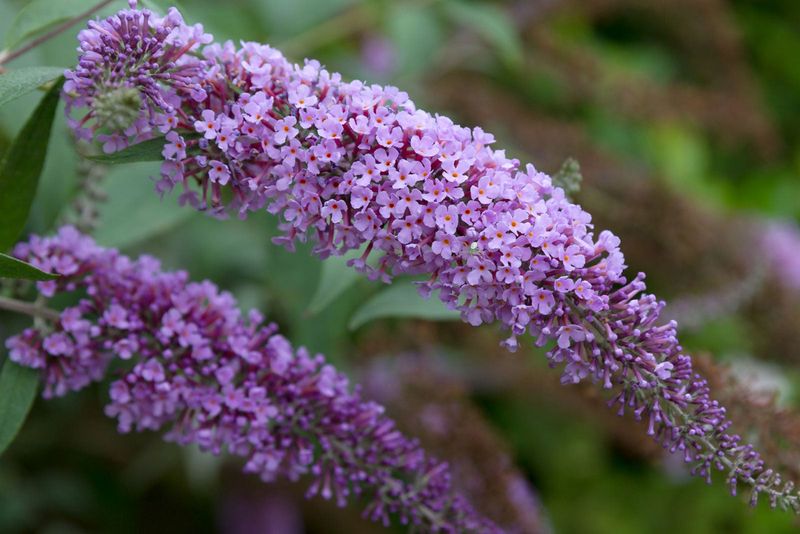
Plenty of plants earn a spot in Texas gardens simply because they look good and grow without much fuss. Butterfly bush checks both of those boxes on the surface, which is exactly why it fills so many nursery benches every spring.
But looking closer at where this shrub actually comes from tells a different story about how well it truly fits into a Texas landscape.
Buddleja davidii originates from central China and was introduced to Western gardens in the late 1800s.
It has no evolutionary relationship with Texas soils, rainfall patterns, pollinators, or the native insects that have developed alongside regional plants over thousands of years.
That long history of co-evolution between native plants and native wildlife is what makes locally sourced plants so valuable to a functioning ecosystem.
In Texas, native shrubs like native salvia, Texas lantana, and cenizo have developed alongside local butterfly species, native bees, and other beneficial insects. Those relationships run deep and support more wildlife than a non-native plant typically can.
A butterfly bush may look like it belongs in a sunny Texas pollinator border, but its roots, both literal and ecological, trace back to a completely different part of the world.
That does not automatically make it harmful in every yard, but it does mean gardeners are working against the grain of local ecology when they give it a central spot in a wildlife-focused garden.
2. It May Behave Badly Beyond The Garden Bed
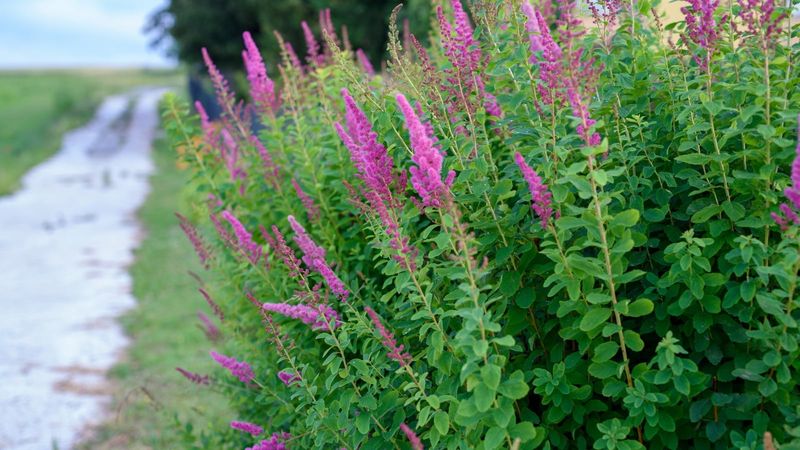
Watching a butterfly bush bloom beautifully in a tidy backyard bed can make it hard to imagine that same plant causing problems anywhere.
But what happens in the garden does not always stay in the garden, and butterfly bush has a documented history of spreading into natural areas in parts of the United States where conditions favor its establishment.
Butterfly bush produces large quantities of tiny, lightweight seeds that travel easily on wind and water.
In regions with moist conditions and disturbed soils, those seeds can germinate along roadsides, creek banks, and open natural areas well beyond the original planting site.
Texas has a wide range of climates and ecosystems, from East Texas piney woods to Hill Country cedar, and conditions vary considerably across the state.
Your Texas Garden Changes Every Week. Your Plan Should Too.
Gardening in Texas changes quickly throughout the season. Every Friday you’ll receive a simple weekly plan showing exactly what to plant, prune, fertilize, harvest, and protect so you never miss the right timing.
In wetter parts of Texas, particularly areas near riparian corridors or disturbed roadsides, there is more potential for non-sterile butterfly bush cultivars to establish outside of cultivated spaces.
Once a plant moves into a natural area, it can compete with native vegetation that local wildlife depends on.
The concern is not that every butterfly bush planted in a Texas yard will spread out of control right away.
Rather, gardeners in certain parts of the state may want to weigh that risk before planting near natural areas, creek edges, or open land where seed dispersal could become a factor down the road.
3. Adult Butterflies Get Nectar, But Caterpillars Get Little
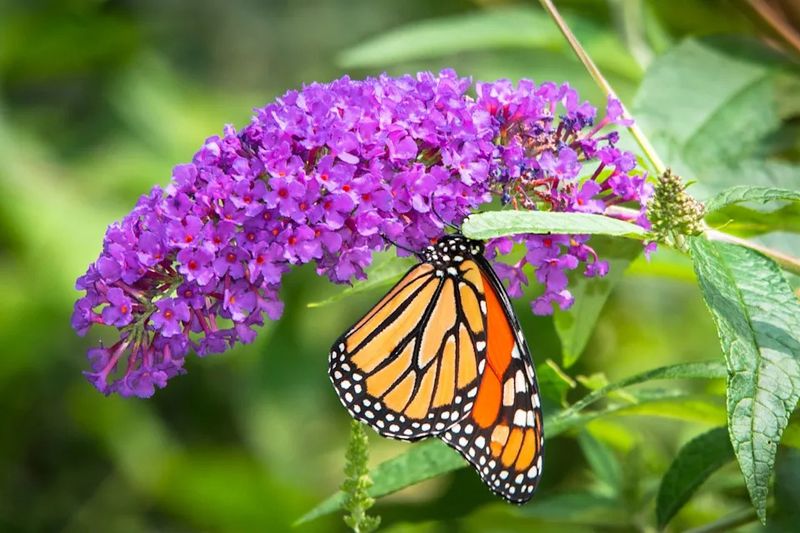
Seeing a dozen swallowtails nectaring on a butterfly bush in full bloom is genuinely exciting, and that visual is exactly what draws so many gardeners to the plant in the first place. Nectar is real food for adult butterflies, and butterfly bush does deliver on that front.
But nectar is only one part of what butterflies actually need to complete their life cycle.
Caterpillars are the larval stage of every butterfly, and they do not eat nectar. They eat leaves, and most caterpillar species are highly selective about which leaves they will accept.
Monarch caterpillars need milkweed. Gulf fritillary caterpillars need passionvine.
Black swallowtail caterpillars need plants in the carrot family. Butterfly bush leaves are not a recognized host plant for the caterpillars of most butterfly species found in Texas.
A garden that draws adult butterflies in to feed but offers nowhere for them to lay eggs and raise caterpillars is essentially a rest stop rather than a true habitat.
Texas butterfly gardens that include host plants alongside nectar sources create a more complete and functional environment for butterfly populations.
Planting butterfly bush without pairing it with appropriate host plants means the butterflies visiting your yard may be well-fed but still need to fly elsewhere to reproduce.
For gardeners who want to genuinely support butterfly populations across Texas, that gap in the life cycle support is worth thinking carefully about before planting.
4. It Can Pull Attention Away From True Host Plants
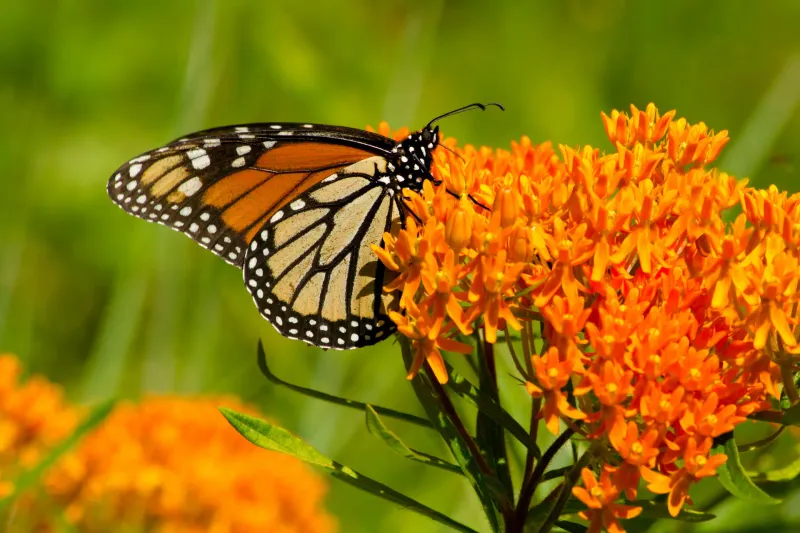
Garden space in most Texas yards is not unlimited. Every plant that gets a spot in a sunny pollinator bed takes up room, water, and budget that could go toward something else.
When butterfly bush claims prime real estate in a pollinator garden, it can quietly crowd out or delay the planting of host plants that caterpillars actually need to survive.
Host plants like milkweed, passionvine, spicebush, pipevine, and native oaks support specific butterfly species through their larval stage.
These plants are not always as showy as butterfly bush, and they may not attract the same immediate crowd of adult butterflies nectaring on a spike of blooms.
That visual difference can make it tempting to reach for the butterfly bush at the nursery instead of the less flashy but ecologically richer native alternative.
The real issue is one of priorities. If a gardener has room for three or four plants in a pollinator corner and one of those spots goes to butterfly bush, that is one fewer host plant that could support caterpillars from egg through chrysalis.
Over a full season in a Texas garden, that tradeoff has real consequences for local butterfly populations trying to reproduce.
Host plants may require a little more research and patience, but the butterflies that emerge from a garden with strong host plant diversity are the ones that were actually raised there, not just passing through for a quick nectar stop.
5. Seedlings May Show Up Where You Did Not Plant Them
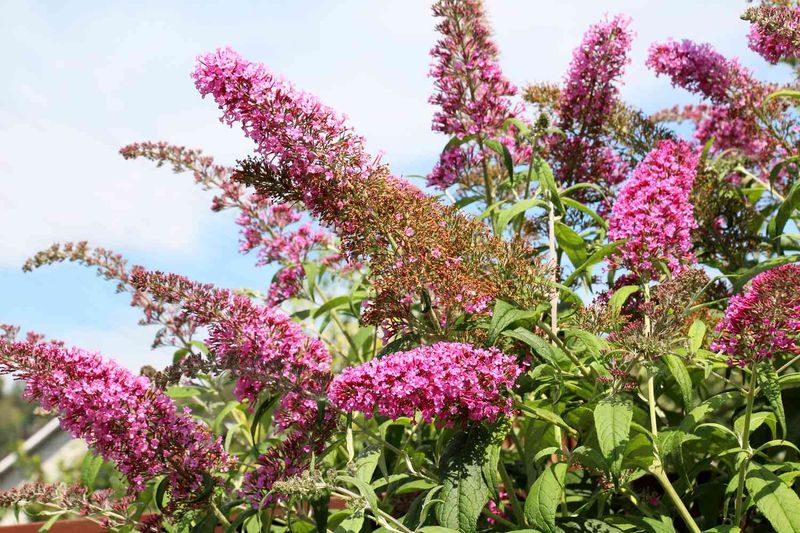
One of the more surprising experiences for gardeners who have grown butterfly bush for a few seasons is finding seedlings popping up in unexpected spots around the yard.
Gravel paths, fence lines, gaps in paving, and neighboring beds can all become home to uninvited butterfly bush seedlings if the parent plant is a seed-producing cultivar.
It can feel harmless at first, but the pattern is worth paying attention to.
Butterfly bush produces thousands of seeds per plant, and those seeds are small enough to travel on wind, water runoff, and even on the feet of birds. In a tidy, managed garden, volunteer seedlings are mostly a nuisance that requires regular weeding.
But in a yard that borders natural areas, drainage channels, or undeveloped land, those seeds have a pathway to establish beyond where a gardener intended.
Texas has diverse natural landscapes that support native plant communities worth protecting, from coastal prairies to Hill Country savannas to East Texas woodlands.
When a non-native plant begins to establish in those spaces, it can compete with the native vegetation that local wildlife depends on.
Not every butterfly bush will become a problem in every Texas yard, but gardeners who choose seed-producing cultivars should plan to deadhead spent flower spikes consistently before seeds mature.
Staying on top of that task through the long Texas growing season takes real commitment, and missing even a few cycles can result in more seedlings than expected the following year.
6. Sterile Labels Deserve A Closer Look
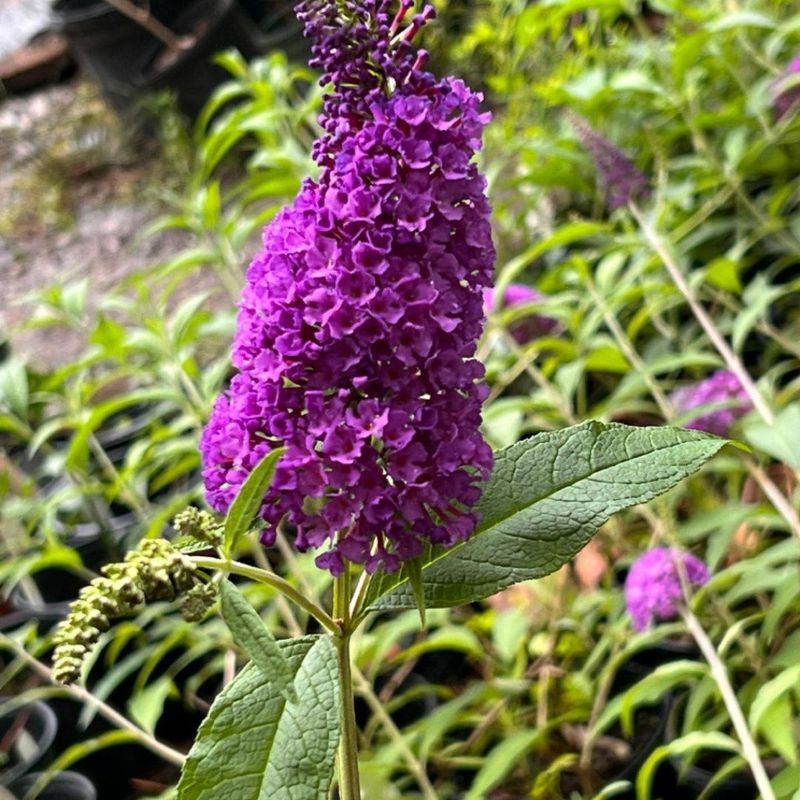
Sterile butterfly bush cultivars have been developed and marketed specifically to address seed-spread concerns, and many Texas nurseries now carry varieties labeled as sterile or low-seed. At first glance, that label seems to solve the problem entirely.
But what sterile actually means in the world of plant breeding is worth understanding before assuming the concern has been fully resolved.
Sterility in plants can mean different things depending on the cultivar and how it was tested.
Some cultivars labeled as sterile produce significantly fewer viable seeds than standard varieties, while others may still produce some seeds under the right conditions.
Testing is not always conducted across a wide range of climates, and a cultivar that behaves as sterile in a cooler Pacific Northwest test garden may behave somewhat differently in a warm, humid Texas growing season with a longer bloom period.
Cross-pollination is another factor to consider. If a sterile butterfly bush grows near a seed-producing variety in a neighboring yard, pollen exchange can sometimes affect seed production in ways that single-plant testing does not fully capture.
None of this means sterile cultivars are without value, and they do represent a meaningful improvement over standard seed-producing types.
But gardeners who rely entirely on a sterile label without understanding its limitations may be working with incomplete information.
Checking specific cultivar research and looking for varieties that have been independently evaluated for low seed production in warm climates can help gardeners make a more informed nursery decision.
7. Native Texas Plants Feed More Of The Butterfly Life Cycle
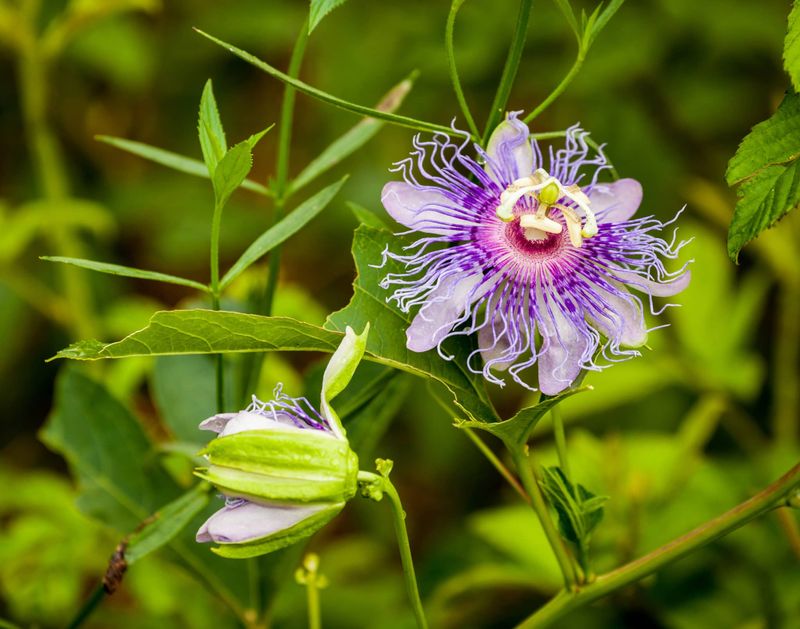
Texas is home to an impressive range of native plants that have spent thousands of years developing relationships with local butterfly species, native bees, and other beneficial insects. Those relationships go far beyond a quick nectar stop.
Many Texas native plants serve as both nectar sources for adult butterflies and host plants for caterpillars, making them genuinely multi-functional in a pollinator garden.
Milkweed species native to Texas, including antelope horns and green-flowered milkweed, support monarch butterflies from egg through adult. Passionvine hosts gulf fritillary and zebra longwing caterpillars.
Native oaks support hundreds of moth and butterfly species at the larval stage.
Native salvias, including Salvia greggii and Salvia coccinea, provide nectar for adult butterflies while fitting naturally into the Texas climate without the seed-spread concerns associated with non-native shrubs.
Choosing native plants does not mean sacrificing color or visual appeal in a garden. Texas has native wildflowers, shrubs, and perennials that bloom across multiple seasons and attract a wide variety of pollinators while actively supporting butterfly reproduction.
A pollinator bed built around native Texas plants is doing real ecological work that a butterfly bush simply cannot replicate on its own.
For gardeners who want their outdoor space to contribute meaningfully to local butterfly populations, leaning toward native plants that serve multiple roles in the life cycle is one of the most effective choices available in Texas gardening today.
8. Better Pollinator Choices May Fit Texas Gardens More Naturally
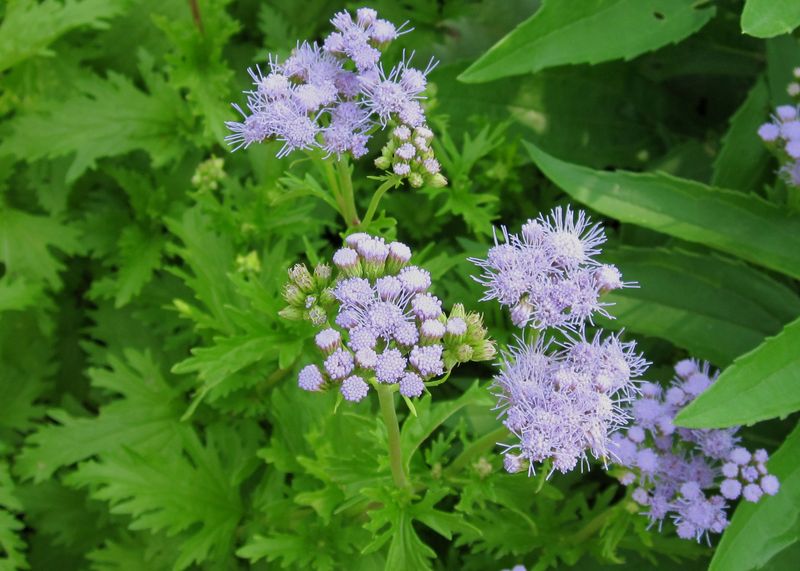
Swapping out butterfly bush for native alternatives does not mean settling for a less beautiful garden.
Some of the most striking pollinator plants available to gardeners are native or regionally adapted species that thrive in the state’s heat, handle drought with ease, and support far more wildlife than a single non-native nectar shrub.
Gregg’s mistflower, native lantana, Turk’s cap, and fall-blooming native asters all provide late-season nectar that migrating and resident butterflies rely on heading into cooler months.
Mexican sage, while not a Texas native, is a regionally adapted plant that provides rich nectar and handles summers well.
For gardeners specifically interested in supporting monarchs, planting native milkweed species alongside native nectar plants creates a layered habitat that does real work during spring and fall migration across the state.
Front-yard pollinator beds, backyard wildlife spaces, container gardens, and fence-line plantings in Texas can all be filled with plants that look beautiful, require less water once established, and offer more ecological value than butterfly bush alone.
The goal is not to shame gardeners who have enjoyed butterfly bush for years.
It is to offer a broader picture of what is possible when gardeners explore the full range of native and regionally appropriate plants available at specialty nurseries and native plant sales across the state.
A little research before the next nursery trip can open up a genuinely exciting world of Texas pollinator gardening options.