These Arizona Lawn Care Habits Are Making Bermuda Grass Harder To Manage In Summer
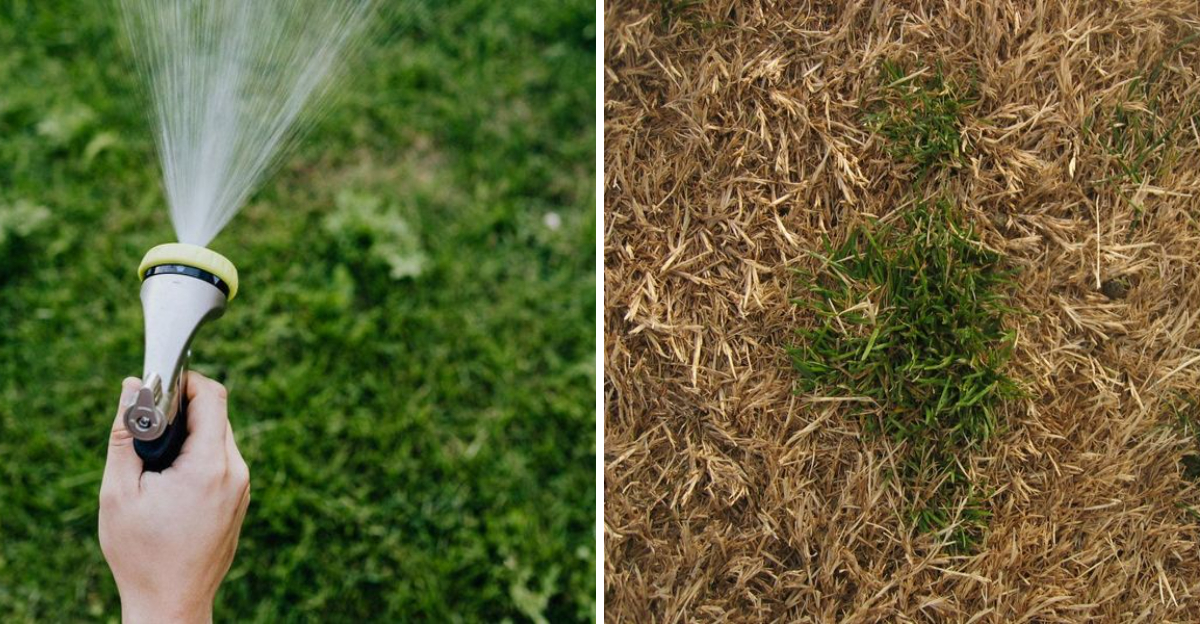
Summer has a way of changing how a lawn behaves. Growth speeds up, mowing becomes more frequent, and keeping everything neat suddenly takes a lot more effort.
Many homeowners assume that’s simply part of the season. It often feels like there’s nothing you can do except keep cutting the grass.
The reality isn’t always that simple. Everyday lawn care habits can make a noticeable difference once the hottest weeks arrive.
Bermuda grass responds quickly to heat. That fast growth is one of its biggest strengths, but it can also create extra maintenance.
Some routines encourage healthier growth. Others make the lawn more difficult to control without making it obvious right away.
Arizona’s summer conditions can magnify those small mistakes.
A few common habits may be creating more work than necessary, making it harder to keep Bermuda grass looking tidy all season long.
1. Water Deeply Instead Of Watering Every Day
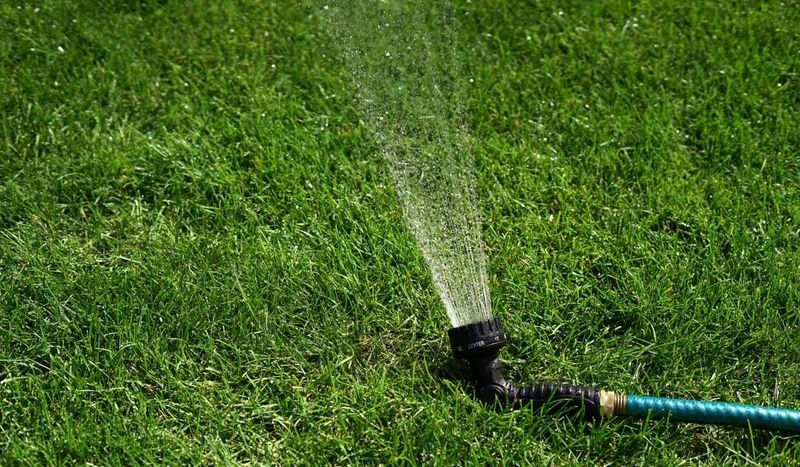
Watering every single day feels like the right move when temperatures hit 110 degrees. It seems logical.
But shallow, frequent watering trains Bermuda grass roots to stay near the surface instead of reaching deeper into the soil.
Shallow roots make the grass weaker overall. When a stretch of extreme heat hits, surface soil dries out fast.
Shallow-rooted grass suffers first because it has no deep moisture reserve to pull from.
Deep, infrequent watering encourages roots to grow downward. Roots that reach four to six inches deep can access cooler, more stable soil moisture.
That depth makes a real difference during peak summer weeks.
In the low desert, most established Bermuda lawns need deep watering two to three times per week during summer, not daily light sprinkling. Each session should run long enough to wet the soil several inches down.
A simple screwdriver test works well here. Push it six inches into the soil after watering.
If it goes in easily, the water reached deep enough. If it meets resistance at two inches, the lawn needs longer run times.
Cutting back watering frequency while increasing duration takes adjustment. Start by adding five minutes to each cycle and reducing sessions by one day per week.
Watch how the grass responds before making further changes. Patience here pays off.
2. Mow Often Without Cutting The Grass Too Short
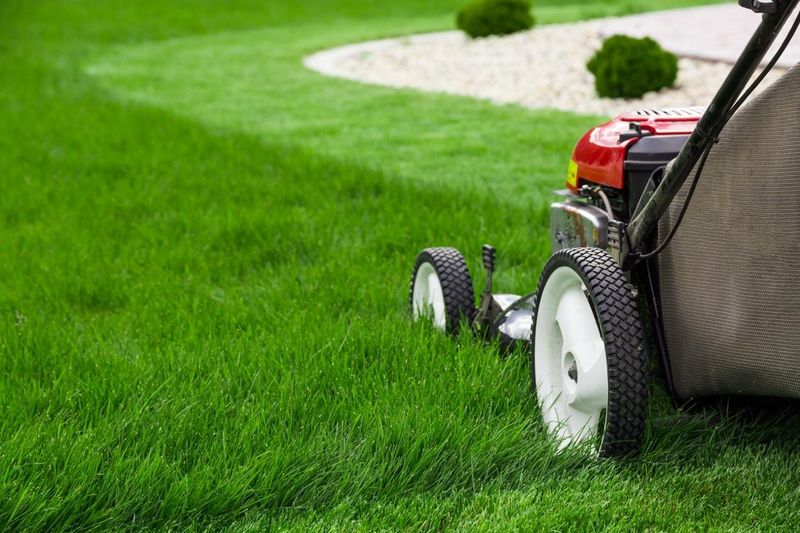
Scalping Bermuda grass in summer is one of the fastest ways to create a lawn full of problems. Cut it too short, and you expose the soil directly to brutal afternoon sun.
Bare soil heats up quickly and loses moisture even faster.
Bermuda grass in active summer growth should generally stay between one and two inches tall. Some hybrid varieties handle slightly shorter cuts well, but most residential lawns do better with a little extra height during peak heat months.
Frequent mowing matters just as much as the height. Cutting off more than one-third of the blade at once stresses the plant.
If the lawn gets away from you and grows tall, bring it down gradually over several sessions rather than all at once.
Your Arizona Garden Changes Every Week. Your Plan Should Too.
Gardening in Arizona changes quickly throughout the season. Every Friday you’ll receive a simple weekly plan showing exactly what to plant, prune, fertilize, harvest, and protect so you never miss the right timing.
Dull mower blades tear grass instead of cutting it cleanly. Torn blades turn brown at the tips and create entry points for fungal issues.
Sharpening blades at least once during the season makes a noticeable difference in how the lawn looks and recovers.
Mow during cooler parts of the day when possible. Early morning or early evening reduces stress on both the grass and the person doing the work.
Avoid mowing right after deep watering since wet grass clumps and cuts unevenly.
Keeping a consistent mowing schedule through summer, roughly every five to seven days, helps Bermuda grass stay dense and competitive against weeds trying to move in.
3. Avoid Heavy Fertilizing During Extreme Heat
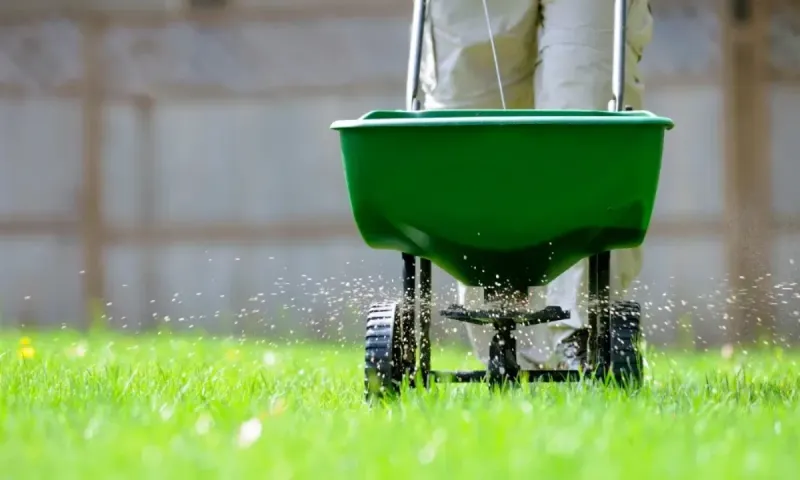
Fertilizer pushes grass to grow. Growth requires energy, water, and recovery time.
During an Arizona summer heat wave, Bermuda grass is already working hard just to stay stable. Adding heavy fertilizer on top of that stress is a bad combination.
High-nitrogen fertilizers applied during extreme heat can burn grass blades. The salts in fertilizer pull moisture away from roots when soil temperatures are already elevated.
Scorched patches and uneven color are common results.
Light applications of a balanced slow-release fertilizer in early summer, before the worst heat arrives, tend to work better than heavy mid-summer feeding. Slow-release formulas break down gradually and reduce the risk of chemical burn.
Once temperatures consistently exceed 105 degrees, holding off on fertilizing is usually the smarter call. Bermuda grass slows its own growth naturally in extreme heat.
Pushing it to grow faster during that period creates more stress, not more green.
Soil testing before fertilizing removes a lot of guesswork. Many desert soils are already high in certain nutrients.
Adding more of what is already abundant can create imbalances that hurt grass health over time.
If the lawn looks pale or yellow during summer, heat stress or watering issues are more likely the cause than a lack of fertilizer. Diagnosing the real problem first saves money and protects the lawn from unnecessary chemical exposure.
4. Edge Regularly To Keep Bermuda Grass From Spreading
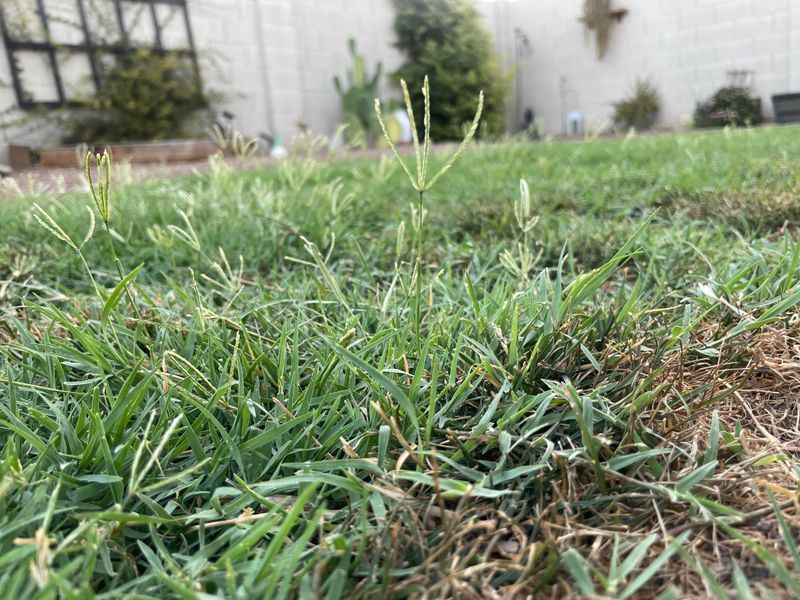
Bermuda grass does not stay where you plant it. Given any opportunity, it sends runners called stolons crawling across sidewalks, into flower beds, and through fence gaps.
Summer is when that spreading gets aggressive and hard to control.
Regular edging creates a physical barrier between the lawn and areas where Bermuda grass does not belong. Without it, stolons root wherever they land.
Once established in a flower bed or gravel area, they become much harder to remove.
A sharp rotary edger or a string trimmer used at a vertical angle both work well for clean border maintenance. Edging every one to two weeks during the growing season keeps runners from gaining ground.
Skipping edging for even three or four weeks in summer can result in Bermuda grass advancing several inches into surrounding areas. In warm soil with regular moisture, stolon growth accelerates noticeably compared to spring or fall.
After edging, remove the cut material from sidewalks and beds. Bermuda stolons left on moist soil can re-root surprisingly fast.
Raking or blowing clippings away after each session prevents accidental re-establishment.
Landscape fabric alone does not stop Bermuda grass. Stolons travel on top of fabric and root through gaps.
Physical cutting at the border, done consistently, remains the most reliable way to manage spread without reaching for chemical controls every few weeks.
5. Fix Bare Spots Before Weeds Take Over
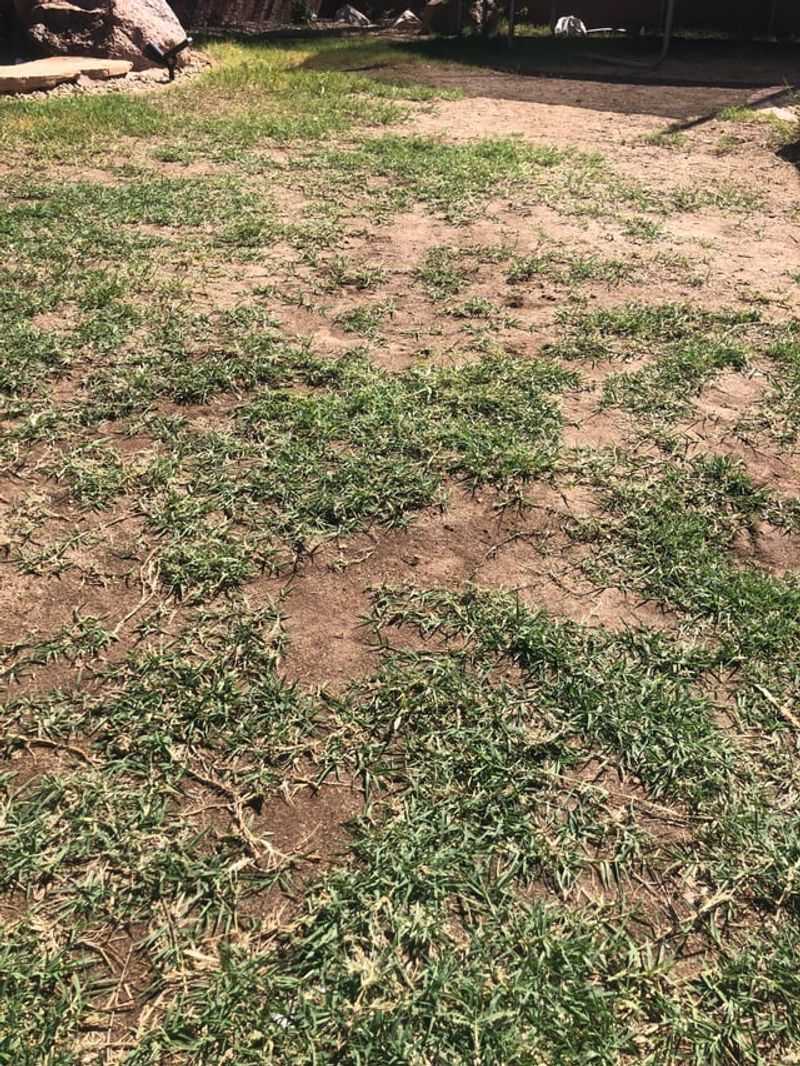
Bare spots in a Bermuda grass lawn are open invitations for weeds. Purslane, spurge, and goathead thrive in exposed desert soil during summer.
Left alone for even two weeks, a small bare patch can become a weed colony.
Bermuda grass fills in bare spots on its own through lateral growth, but that process takes time. In summer, the race between natural fill-in and weed establishment often goes to the weeds, especially in low-traffic areas with loose soil.
Repairing bare spots early changes the outcome. Loosen the soil slightly with a rake, press in some plugs or fresh seed, and keep the area consistently moist until new growth appears.
Bermuda seed germinates well in warm soil.
Identifying why the spot went bare matters before repairing it. Compacted soil, standing water, pet traffic, or chemical spills all create bare areas.
Fixing the surface without addressing the cause means the spot will likely go bare again.
Overwatering a repair area is a common mistake. Moist soil is the goal, not soggy soil.
Soggy conditions in summer heat can encourage fungal issues in newly germinated grass before it gets a chance to establish.
Checking repaired spots every few days lets you catch problems early. If weeds sprout before Bermuda fills in, hand-pull them immediately.
Letting weeds mature and seed in a repair zone sets back progress significantly and creates new problems nearby.
6. Avoid Watering During The Hottest Part Of The Day
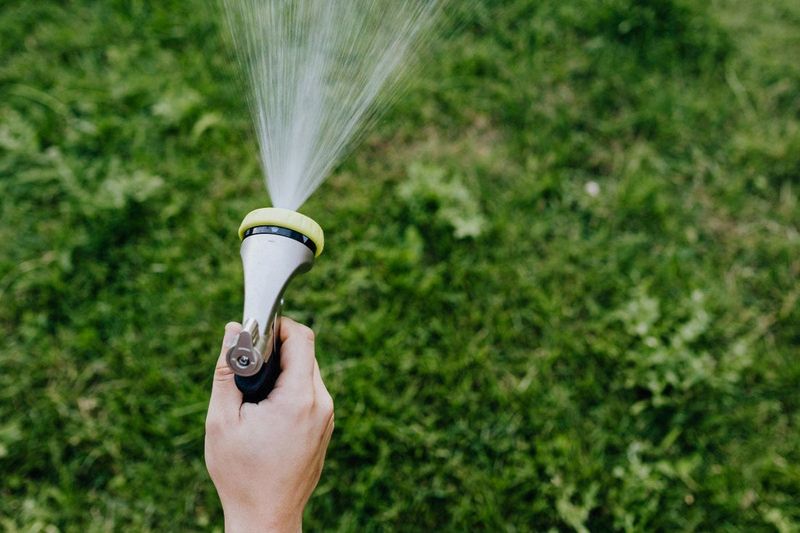
Running sprinklers at noon in summer is one of the most common and costly lawn care mistakes in the desert. Water evaporates off the surface before it soaks in.
Grass blades stay wet long enough to attract fungal problems but not long enough to actually hydrate the roots.
Midday watering in peak summer heat can lose a significant portion of applied water to evaporation before it reaches the root zone. Exact loss varies by sprinkler type and wind, but the waste is real and measurable on a water bill.
Early morning is the best time to run irrigation. Temperatures are lower, wind is usually calm, and water has time to soak into the soil before heat intensifies.
Grass blades dry out by mid-morning, reducing fungal risk.
Evening watering is a second option, but it comes with tradeoffs. Grass that stays wet through the night is more vulnerable to certain fungal diseases.
In humid monsoon conditions, that risk increases noticeably.
Smart irrigation controllers make early morning scheduling simple. Many allow multiple start times so you can split long watering cycles without running during peak heat.
Programming these settings once at the start of summer saves water and protects the lawn all season.
If your controller only allows one start time, set it between 4 and 6 a.m. Grass gets full benefit, soil absorbs water efficiently, and you avoid the waste that comes with midday summer irrigation.
7. Keep Thatch From Building Up Over Time
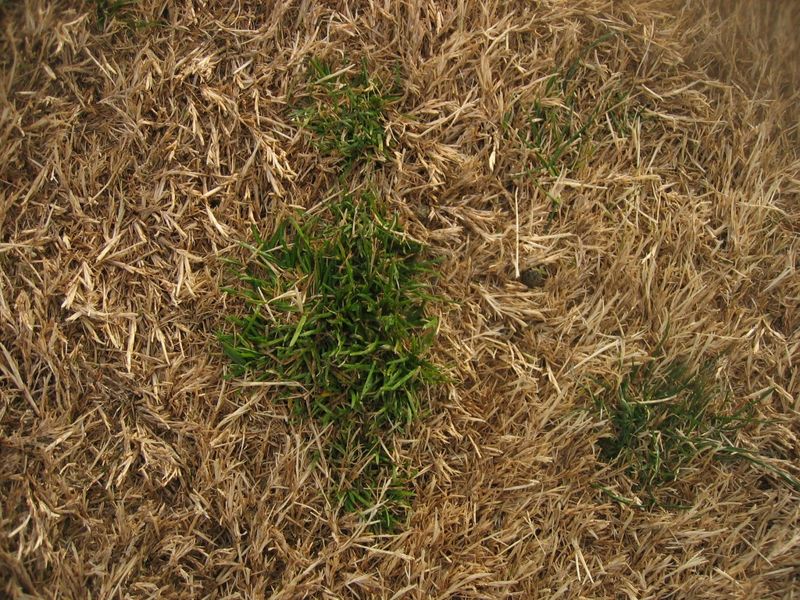
Thatch is the layer of dried stems, roots, and debris that collects between grass blades and soil.
Although a thin layer is normal, too much buildup blocks water, air, and fertilizer from reaching the root zone.
Bermuda grass is one of the fastest thatch-producing grasses available. Its dense, aggressive growth habit means organic material accumulates quickly, especially when the lawn is fertilized heavily or mowed infrequently.
More than half an inch of thatch starts causing real problems. Water pools on top instead of soaking in.
Roots begin growing into the thatch layer instead of the soil, leaving them vulnerable to temperature swings and drought stress.
Dethatching with a power rake or vertical mower removes the buildup effectively. Late spring or early summer is a good window for this in the low desert, before extreme heat arrives but while Bermuda is actively growing and can recover quickly.
Core aeration works well alongside dethatching. Pulling small plugs of soil from the lawn improves water penetration and allows oxygen to reach compacted root zones.
Doing both in the same season gives the lawn a strong reset heading into summer stress.
After dethatching, the lawn will look rough for a week or two. That is expected.
Keep up with watering and avoid heavy foot traffic during recovery. Bermuda bounces back fast when conditions support it, and the long-term benefit is worth the short-term appearance.