Should You Fertilize Blueberry Bushes Right After Harvest In Georgia
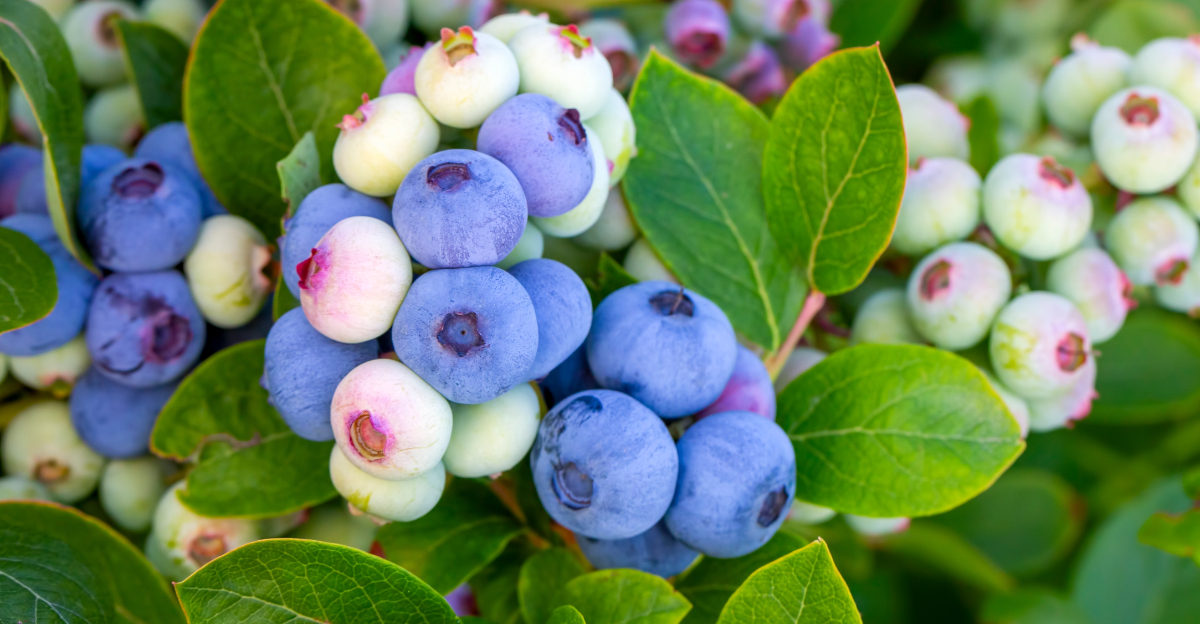
Harvest may be over, but that doesn’t mean blueberry season is finished. What you do after the last berries are picked can influence how your bushes perform long before the next crop begins to form.
That’s why many gardeners start looking for ways to give their plants a healthy boost once the branches are empty.
Fertilizer is often the first thing that comes to mind, but applying it immediately isn’t always the right move.
Blueberry bushes go through important changes after harvest, and their needs aren’t the same as they were earlier in the season.
Georgia’s long growing season can make the timing even more important.
Knowing when to fertilize, and when to wait, can help your bushes stay healthier, develop stronger growth, and reward you with a better harvest the next time they fruit.
1. Wait Until Harvest Is Completely Finished Before Fertilizing
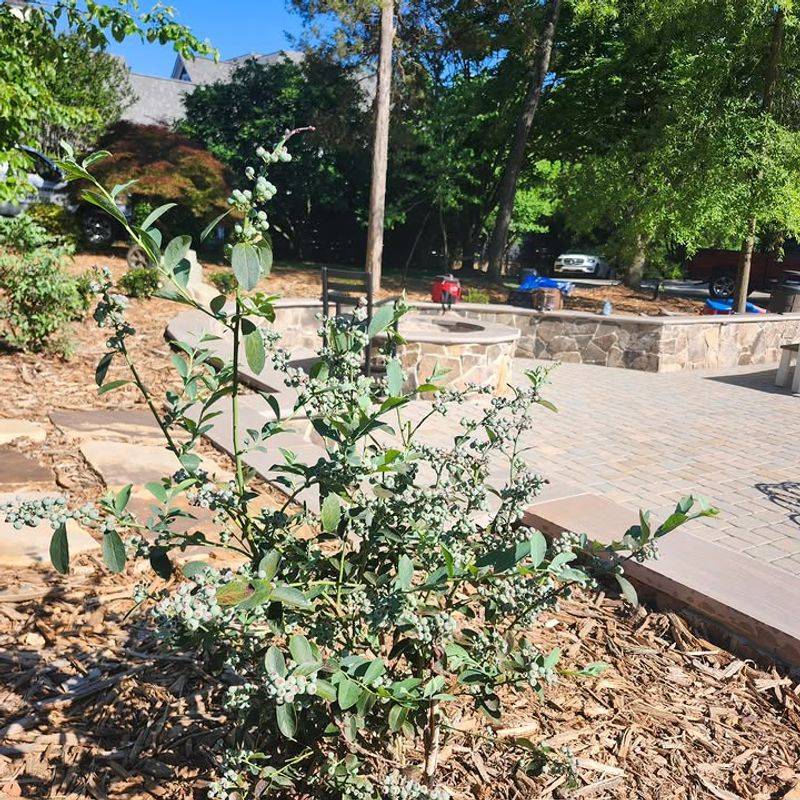
Rushing to fertilize before every berry is off the bush is a common mistake. Even one or two ripe clusters still hanging on the branches means your plant is still in active fruiting mode.
Fertilizing too early can push the plant toward new leafy growth instead of finishing fruit production. That energy split weakens the berries still on the bush and stresses the plant overall.
Wait until every single berry has been harvested. Only then should you even think about reaching for a fertilizer bag.
Blueberry bushes in Georgia typically finish their main harvest between late June and early August, depending on the variety. Rabbiteye types tend to hang on the longest.
Once harvest wraps up completely, the plant naturally shifts its focus. It starts storing energy in the roots and woody stems for the following season.
If a post-harvest feeding is needed, a light application can support healthy growth without encouraging excessive late-season growth.
Timing it right is more important than using any specific product. Mark your calendar for the last pick date each year.
2. Use A Fertilizer Made For Acid-Loving Plants
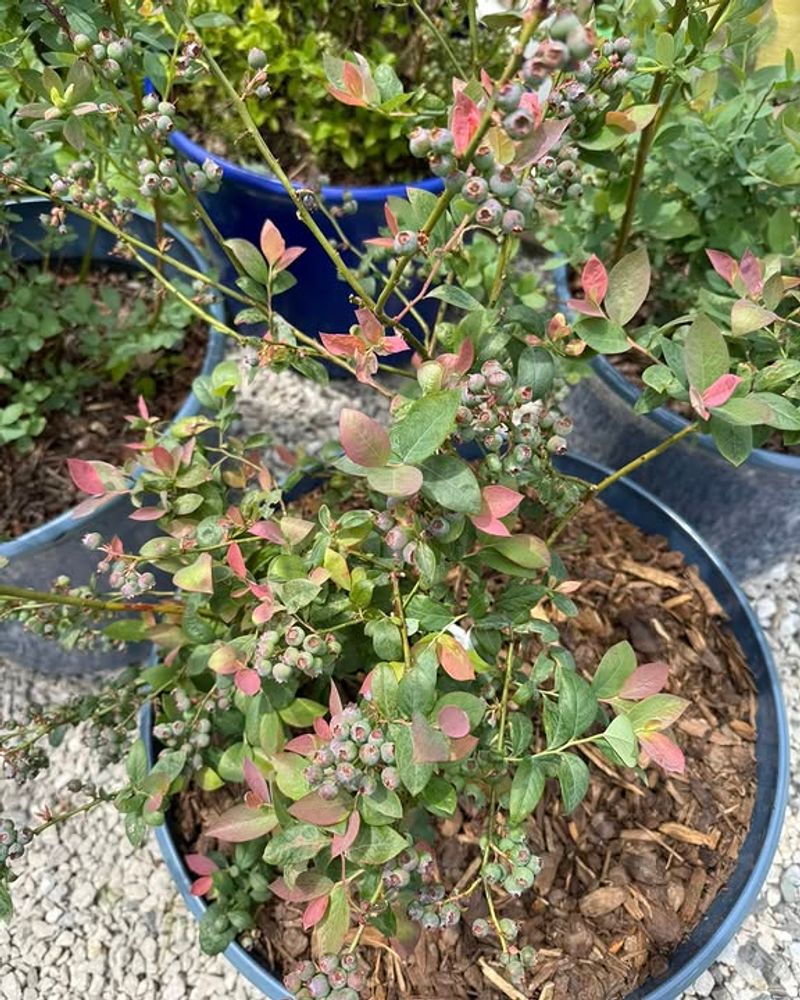
Not every fertilizer belongs near a blueberry bush. Blueberries are acid-loving plants, and feeding them with the wrong product can actually work against you.
Standard garden fertilizers often contain ingredients that raise soil pH or introduce nutrients blueberries simply don’t need in large amounts. That mismatch can lead to yellowing leaves and reduced fruit production over time.
Look for fertilizers specifically labeled for blueberries, azaleas, or rhododendrons. Those formulas are built for plants that thrive in acidic soil conditions.
Ammonium sulfate is one of the most commonly recommended options for blueberries. It feeds the plant while also helping to keep soil pH in the ideal range of 4.5 to 5.5.
Cottonseed meal is another solid organic option. It releases nutrients slowly and supports soil health without spiking pH levels.
Avoid fertilizers that contain nitrate-based nitrogen. Blueberry roots absorb ammonium-form nitrogen much more efficiently, so the source of nitrogen in your fertilizer actually matters.
Read the label carefully before buying anything. A fertilizer that works great for tomatoes or roses might be completely wrong for your blueberry planting.
Your Georgia Garden Changes Every Week. Your Plan Should Too.
Gardening in Georgia changes quickly throughout the season. Every Friday you’ll receive a simple weekly plan showing exactly what to plant, prune, fertilize, harvest, and protect so you never miss the right timing.
Choosing the right product from the start saves you from chasing nutrient problems down the road.
3. Apply Only The Recommended Amount Of Fertilizer
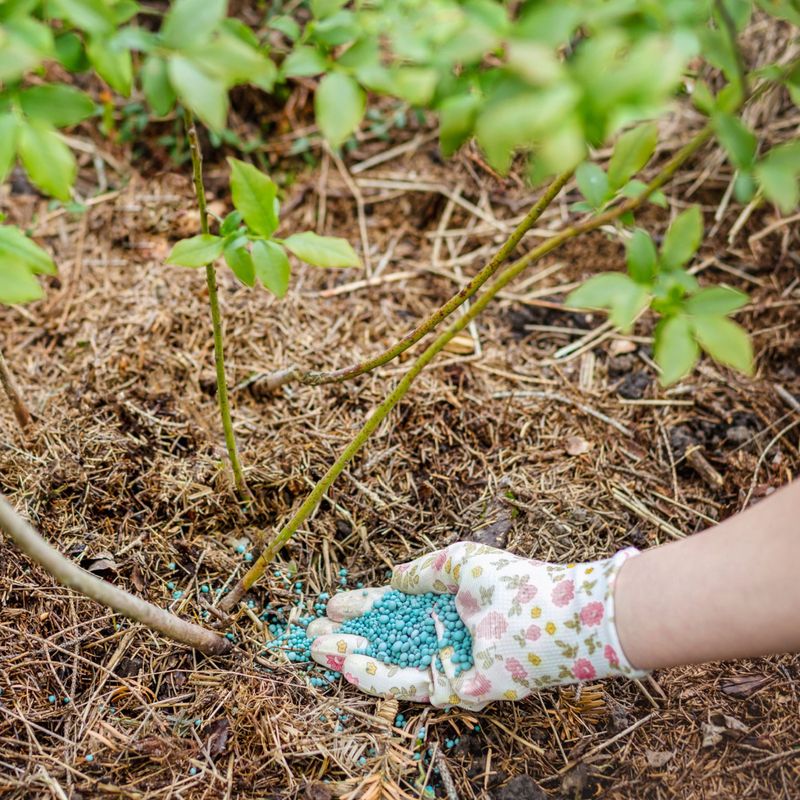
More fertilizer does not mean more berries. Overfeeding blueberry bushes is one of the fastest ways to damage roots and set back next year’s crop.
Blueberry roots are shallow and very sensitive to salt buildup from excess fertilizer. Even one heavy application can scorch roots and cause visible leaf burn.
Stick to the amount listed on the fertilizer label for the size and age of your bush. Younger plants need significantly less than mature ones, so adjust accordingly.
A common starting point for established blueberry bushes is about one ounce of ammonium sulfate per year of plant age, up to a maximum of eight ounces per plant. Always verify that against your specific product’s directions.
Split applications work better than a single large dose. Applying a smaller amount right after harvest and another light feeding in early spring keeps nutrients available without overwhelming the plant.
Spreading fertilizer evenly around the drip line of the bush matters too. Dumping it all at the base near the trunk concentrates salts right where the roots are most dense.
Keep a small notebook or phone note tracking how much you applied and when.
4. Water Well After Applying Fertilizer To Protect The Roots
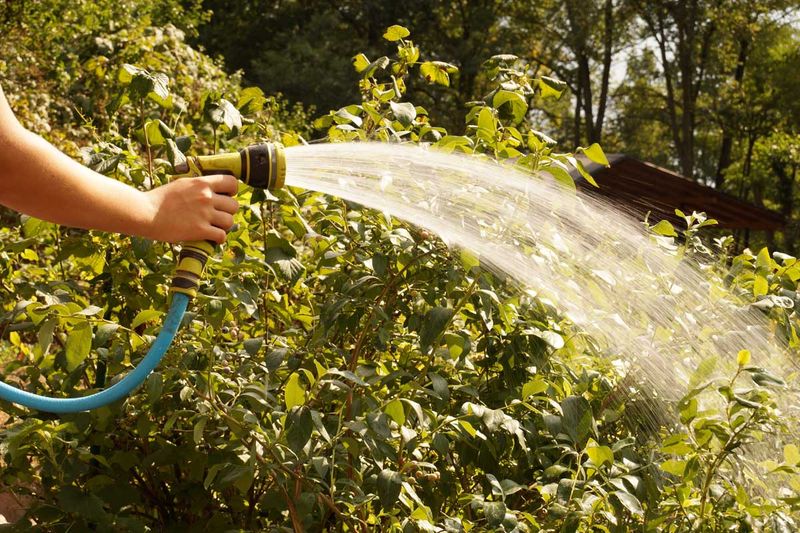
Fertilizer sitting dry on the soil surface is not feeding your plant. It needs water to break down and move into the root zone where it can actually be used.
Watering right after application also protects roots from fertilizer burn. Without moisture, concentrated nutrients sit against roots and cause damage that shows up as brown leaf edges and wilting.
Give your blueberry bushes a deep, slow watering immediately after spreading fertilizer. Aim for enough water to moisten the soil at least four to six inches down.
A soaker hose or drip irrigation system works really well for this. It delivers water slowly and evenly right at the root zone without splashing fertilizer onto leaves or nearby plants.
If rain is in the forecast within a day or two, you can sometimes let nature handle the watering. Just make sure it is a steady rain and not a brief sprinkle that barely wets the surface.
Mulch plays a supporting role here too. A two to three inch layer of pine bark or pine straw around the base of the bush holds moisture in the soil longer after watering.
Blueberry roots stay close to the surface, so they dry out faster than deeper-rooted plants.
5. Avoid Adding Too Much Nitrogen Late In The Season
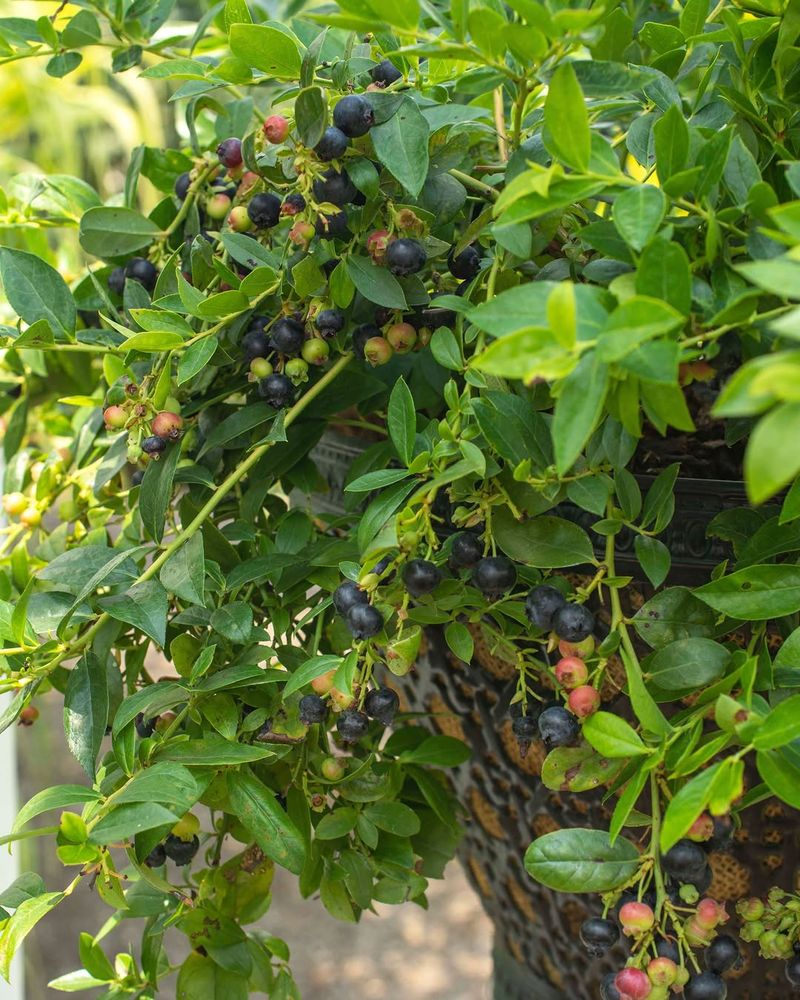
Nitrogen pushes plants to grow fast and green. Right after harvest, that sounds appealing, but late-season nitrogen can actually work against your blueberry bushes.
Heavy nitrogen applications in late summer trigger a flush of soft new growth. That tender growth often doesn’t harden off before cooler temperatures arrive, leaving stems vulnerable to cold damage.
In most parts of Georgia, late summer fertilizing should be light and carefully timed. Pushing too much nitrogen into the plant after July can lead to weak stems heading into fall.
Blueberry bushes need some time to slow down naturally as days get shorter. Excess nitrogen interrupts that process and keeps the plant in growth mode longer than it should be.
If your post-harvest fertilizer already contains nitrogen, use it conservatively. A small, measured application is usually enough to support recovery without triggering excessive new growth.
Organic nitrogen sources release more slowly than synthetic ones. Cottonseed meal or feather meal break down gradually, which lowers the risk of a sudden growth surge late in the season.
Watch your plants closely after any post-harvest feeding. If you see a dramatic flush of bright green growth in late August or September, scale back your nitrogen next year.
6. Check Soil pH Before Deciding Your Bush Needs Feeding
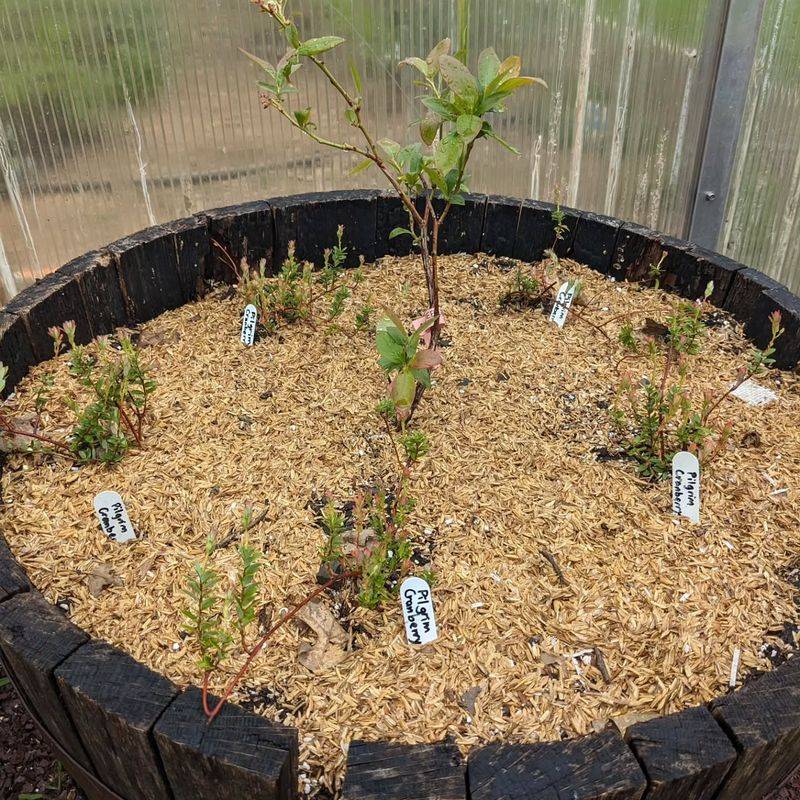
Fertilizer won’t fix a pH problem. Blueberry bushes growing in soil that is too alkaline will struggle to absorb nutrients no matter how much fertilizer you add.
Soil pH controls how available nutrients are to plant roots. When pH climbs above 5.5, blueberries start showing signs of nutrient deficiency even when nutrients are physically present in the soil.
Test your soil before applying anything after harvest.
A simple at-home test kit gives you a good starting point, and a professional soil test from your local extension office gives you a more detailed picture.
In Georgia, many soils naturally lean acidic, which is helpful for blueberry growing. However, irrigation water, lime applied to nearby lawn areas, or wood ash can all gradually raise pH over time.
If your pH reads above 5.5, address that first before fertilizing. Sulfur is the most common amendment used to lower soil pH around blueberry plants.
Applying fertilizer to high-pH soil wastes money and doesn’t help the plant.
Fixing the pH issue first makes every future fertilizer application far more effective.
Soil testing once a year, ideally right after harvest, gives you the clearest view of what your bushes actually need. Results guide your decisions and keep you from guessing every season.
7. Support Strong Growth For Next Year’s Harvest
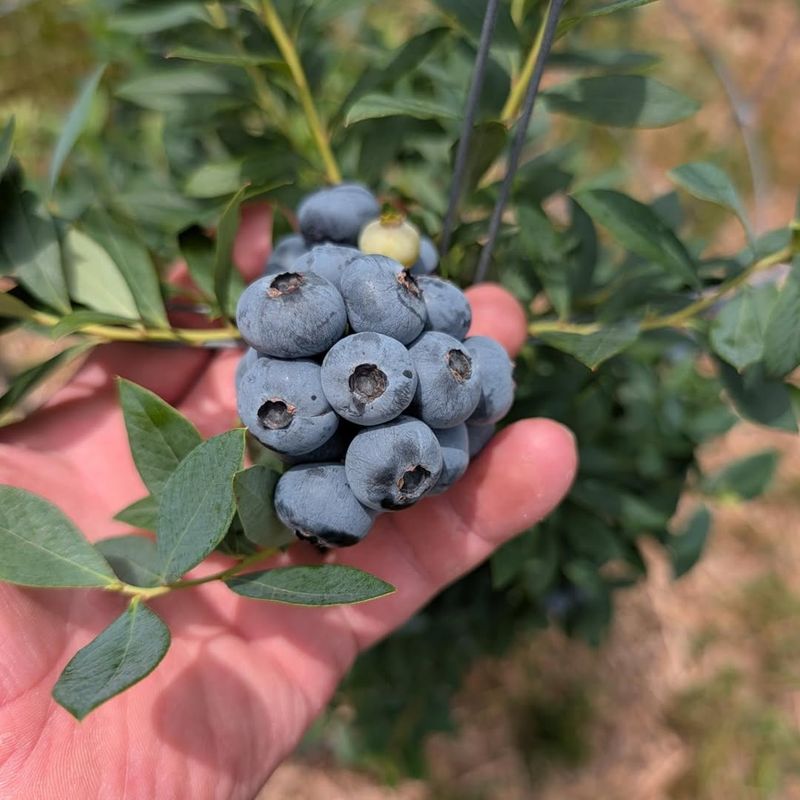
Post-harvest care is really about next year. Every decision you make after picking season directly shapes how well your bushes flower, set fruit, and produce next summer.
Blueberry bushes spend late summer and fall storing energy. Roots are pulling in nutrients, stems are hardening, and flower buds for next year are quietly forming along the branches.
Supporting that process means giving the plant what it needs without overdoing it. A light, well-timed fertilizer application right after harvest can strengthen root activity during that critical storage period.
Pruning after harvest also plays a role in next year’s output. Removing weak, crossing, or low-hanging branches helps the plant focus its energy on the strongest, most productive wood.
Mulching generously around the base of each bush keeps soil moisture steady and temperatures more stable as fall approaches. Pine straw and pine bark are both excellent choices for blueberries.
Consistent care from harvest through fall builds the foundation for a better crop. Skipping post-harvest attention often shows up as lower yields and smaller berries the following summer.
Blueberry bushes are long-lived plants that reward steady, thoughtful care year after year. A bush that gets proper attention after harvest can keep producing strong crops for decades.
Put in the work now and next season’s harvest practically takes care of itself.