The Fast-Growing Arizona Vines That Handle Summer Heat Without Trouble
There is something deeply satisfying about watching a bare, sun-baked fence or block wall disappear behind a wave of lush green growth over the course of a single season.
If you’ve ever stood in your Arizona backyard staring at an exposed wall that radiates heat like a pizza stone every afternoon, you already understand the appeal of a well-chosen vine.
Fast-growing vines are one of those landscaping solutions that deliver on multiple levels at once. Shade, color, coverage, and a serious reduction in reflected heat from surfaces that would otherwise just cook everything nearby.
The catch is that not every vine is up for an Arizona summer. The heat is intense, the air is dry, and block walls can push temperatures even higher in certain spots.
Choosing the right one from the start makes all the difference.
1. Bougainvillea Brings Fast Color When Trained As A Vine
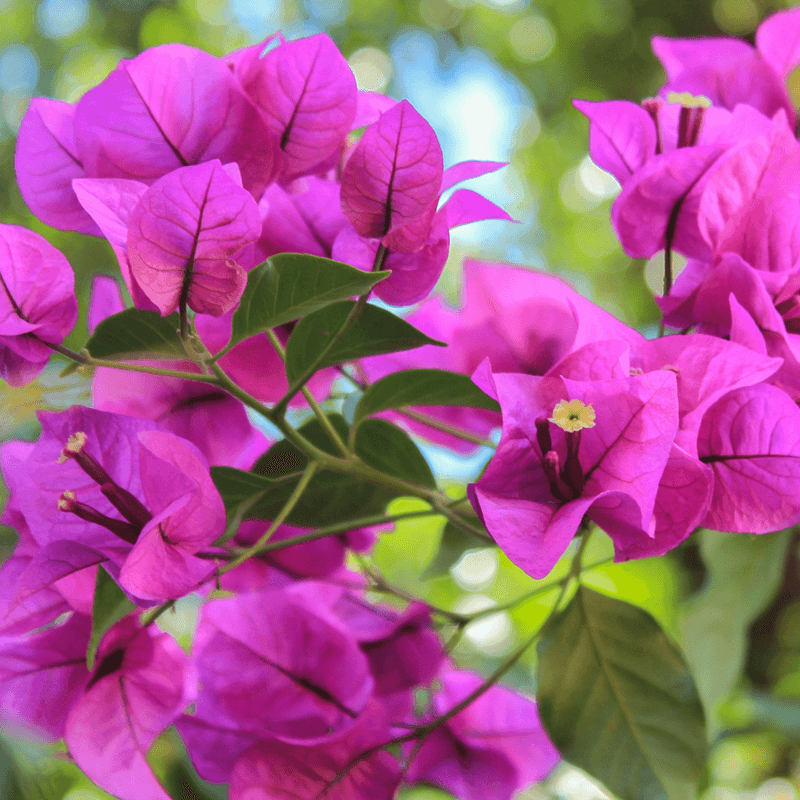
Few plants make a statement on a hot Arizona block wall quite like bougainvillea. With its explosive bursts of magenta, orange, red, or purple color, this thorny vine has become one of the most recognizable plants in the Southwest.
It thrives in full sun and reflected heat, which makes it a natural fit for south- and west-facing walls that would challenge many softer plants.
Bougainvillea is not technically a self-clinging vine. It needs to be tied or woven through a trellis, wire, or fence because it uses its thorns to scramble rather than true climbing structures.
Training it early pays off later, since a well-supported bougainvillea can cover a large fence or courtyard wall with dense, colorful growth over a few seasons.
One thing homeowners should know before planting is that bougainvillea grows aggressively and can get very large. Small patios may feel overwhelmed by its spread if pruning is not kept up regularly.
Watering deeply but infrequently once established encourages deeper roots and more stress-tolerant growth. During Arizona summers, established plants tend to bloom most heavily when water is slightly reduced.
Gloves are strongly recommended when pruning because the thorns are sharp and numerous.
2. Queen’s Wreath Covers Large Structures In High Heat
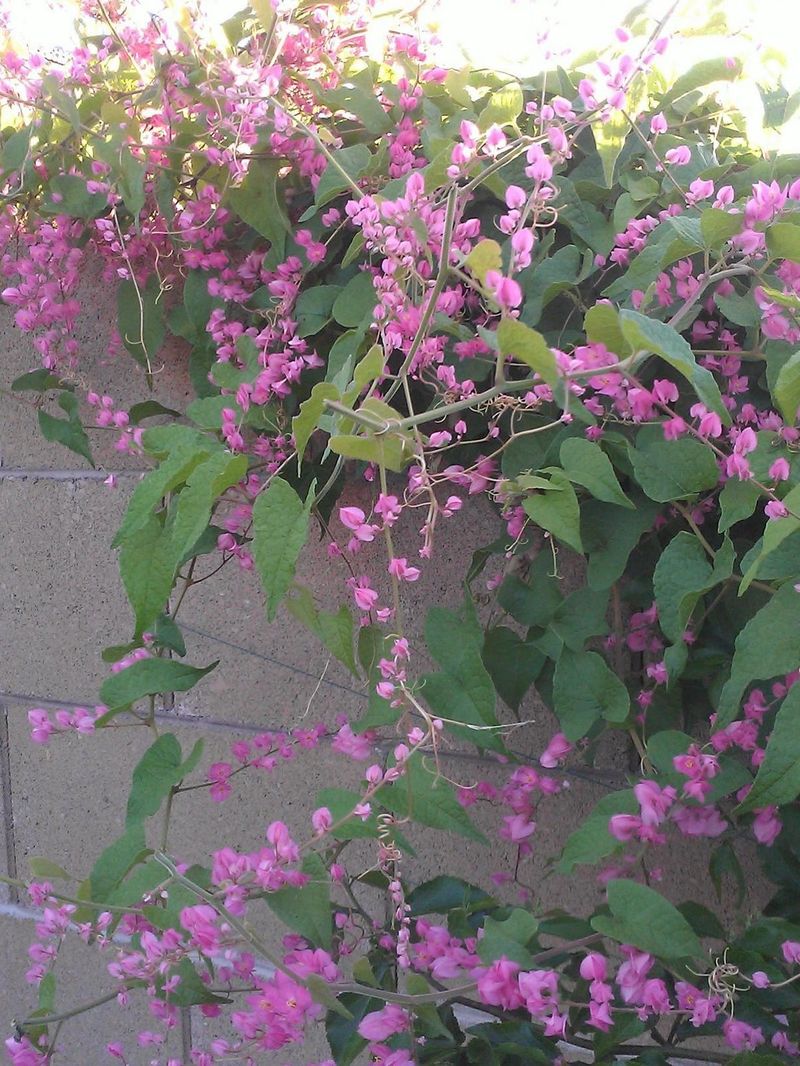
On a summer afternoon in Arizona, a pergola draped in Queen’s Wreath looks almost too beautiful to be real.
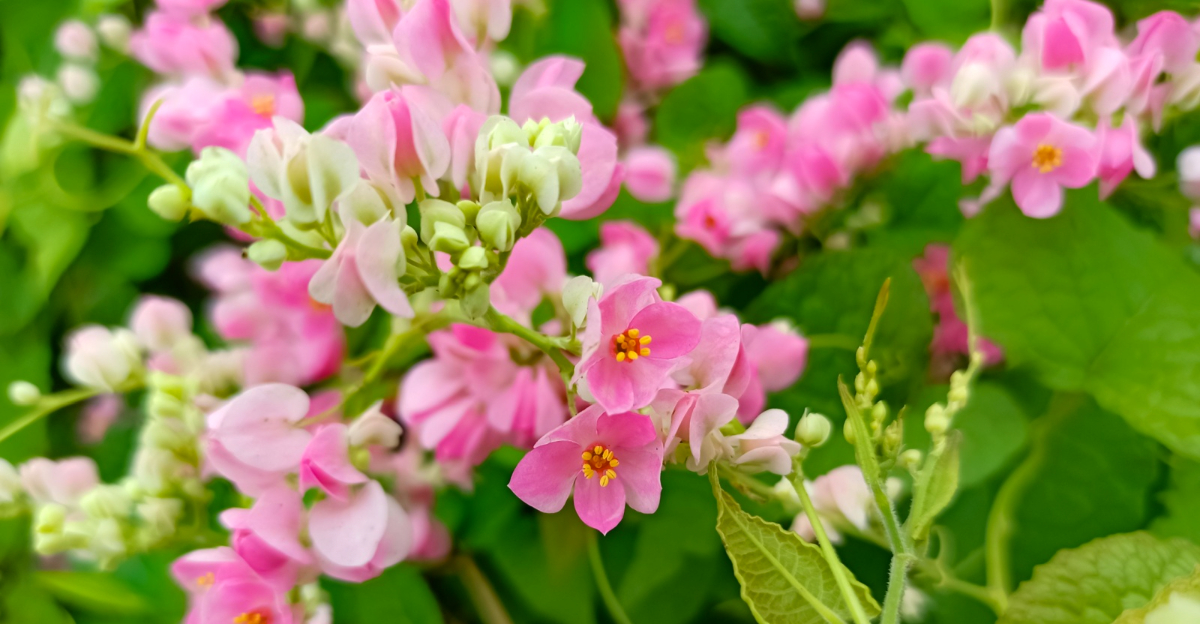
This robust vine produces long, cascading clusters of small lavender to purple flowers that bloom during the warm season, making it a striking choice for large arbors, courtyard walls, and sturdy trellises.
It is a deciduous vine in cooler areas of Arizona but tends to hold more foliage in the low desert where winters stay mild.
Queen’s Wreath, known botanically as Antigonon leptopus, is native to Mexico and thrives in the kind of heat that Arizona delivers all summer long.
It climbs using tendrils, which means it needs something to wrap around, such as wire, chain-link fencing, or a lattice structure.
A solid support system is important because mature vines can become quite heavy.
Growth can be surprisingly fast once the vine is established, especially when summer heat arrives. Homeowners should expect vigorous coverage that may need occasional trimming to keep it within bounds.
Your Arizona Garden Changes Every Week. Your Plan Should Too.
Gardening in Arizona changes quickly throughout the season. Every Friday you’ll receive a simple weekly plan showing exactly what to plant, prune, fertilize, harvest, and protect so you never miss the right timing.
It can spread by seed in some areas, so monitoring the surrounding landscape is wise. Deep watering during the first season encourages the tuberous root system to develop, and once established, Queen’s Wreath handles Arizona summer heat with notable resilience.
It pairs especially well with large courtyard walls or side-yard fences where coverage is the main goal.
3. Tangerine Beauty Crossvine Climbs Quickly With Support
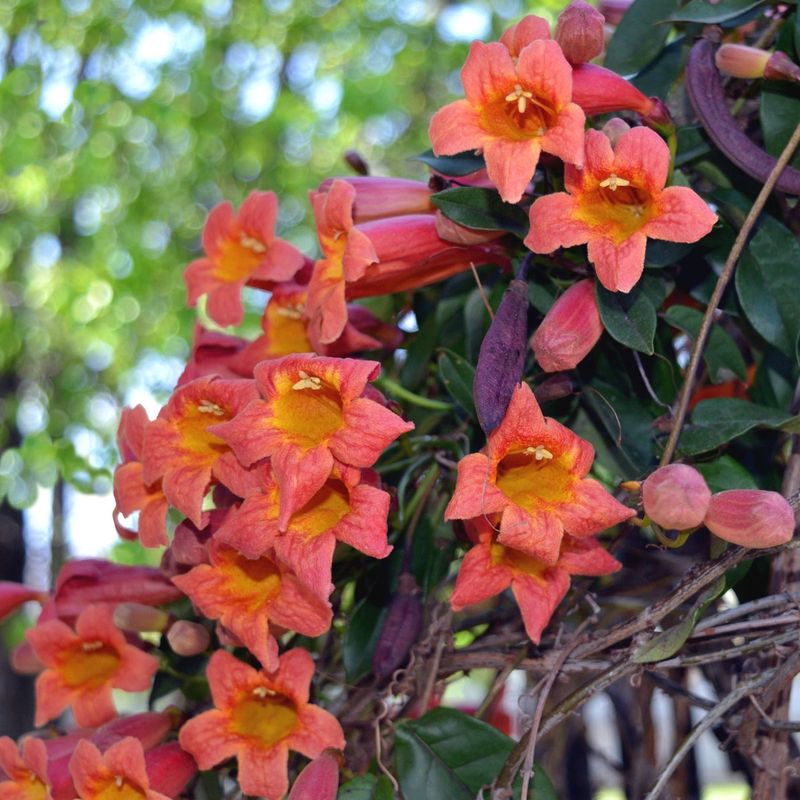
Warm orange and yellow trumpet-shaped flowers covering a trellis in early spring and summer are hard to miss, and Tangerine Beauty Crossvine delivers exactly that kind of visual impact.
This cultivar of Bignonia capreolata is valued in Arizona landscapes for its ability to climb quickly using adhesive discs that allow it to grip surfaces without extra fastening in many cases.
It performs well on fences, trellises, and masonry walls where sun exposure is strong.
One practical advantage of this vine is its semi-evergreen nature in Arizona’s low desert, where winters are typically mild enough to keep some foliage through the cooler months.
The blooms attract hummingbirds, which adds extra life and movement to the yard during the flowering season.
Placement on a structure that receives full to partial sun tends to produce the most reliable flowering.
Homeowners should plan for moderate to vigorous growth once the vine settles in, which can happen relatively quickly after the first season.
Providing a sturdy trellis or wire framework from the start prevents the vine from flopping or growing in unintended directions.
Watering deeply during the establishment period is especially important in Arizona’s dry summer heat.
Once roots are developed, the vine becomes more tolerant of dry spells, though consistent moisture during the hottest months supports better growth and bloom production.
Pruning after the main bloom period helps keep the plant tidy and manageable.
4. Mexican Flame Vine Adds Warm-Season Color Fast
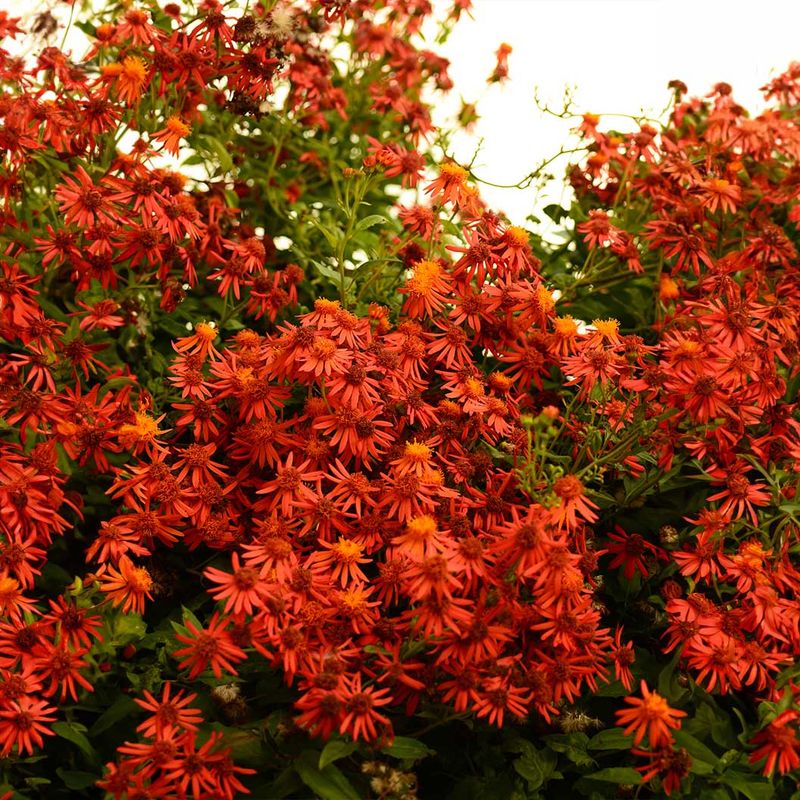
Bright orange blooms clustered together against a backdrop of green foliage create a fiery display that earns Mexican Flame Vine its name.
Known botanically as Pseudogynoxys chenopodioides, this fast-growing vine is a warm-season performer that tends to take off quickly once temperatures rise, making it well-suited to Arizona’s long, hot summers.
It works well on chain-link fences, trellises, and wire structures where it can scramble and spread.
The vine is typically treated as a tender perennial in Arizona, meaning it may experience cold damage during frost events but often regrows from the base when roots are protected.
In frost-free or low-frost areas of the Phoenix metro, it may behave more like a perennial.
Gardeners in cooler Arizona elevations may find it easier to grow as a warm-season annual that provides quick summer color before temperatures drop.
One of the standout qualities of Mexican Flame Vine is how quickly it can cover a fence or trellis during the summer months. Growth can be noticeably fast when the plant receives full sun, warm temperatures, and regular moisture during establishment.
Pruning back overly long stems encourages a fuller appearance and prevents the vine from becoming too sprawling. Because it can spread aggressively in some settings, keeping an eye on its growth pattern is a good habit.
The cheerful orange blooms attract butterflies and add warm-season energy to any Arizona yard.
5. Pink Trumpet Vine Needs Space To Stretch
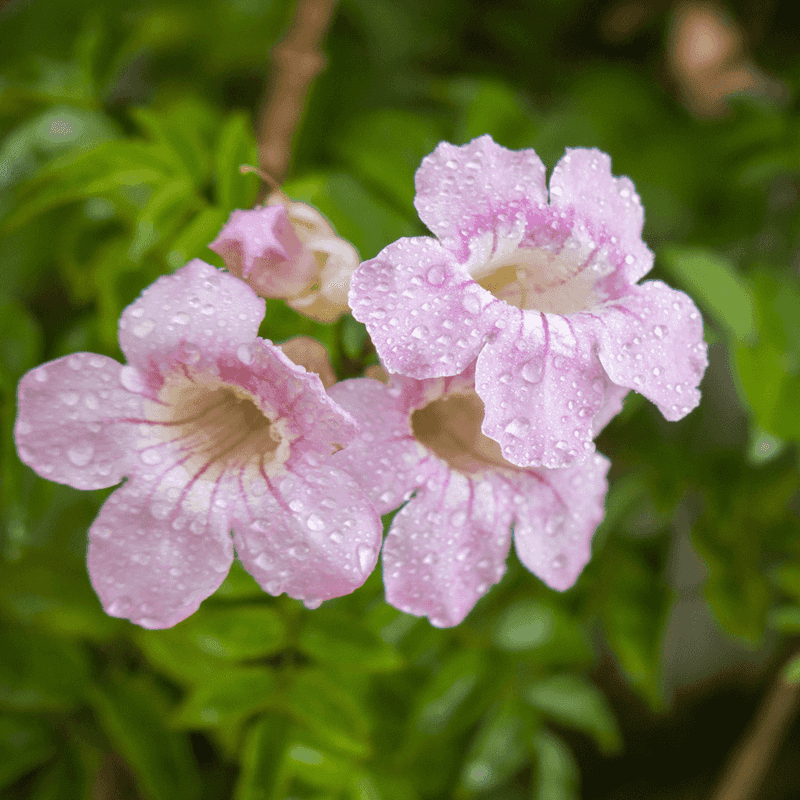
Anyone who has seen Pink Trumpet Vine in full bloom knows it is not a subtle plant. Podranea ricasoliana produces clusters of rosy pink, tubular flowers that bloom in warm weather and create a lush, tropical feel against Arizona’s typically dry surroundings.
It is a large, vigorous vine that can cover substantial structures, which is why placement and planning matter before it goes in the ground.
Pink Trumpet Vine climbs by scrambling and twining, so it benefits from a sturdy fence, block wall, or large trellis that can support its weight as it matures. It tends to perform well in Arizona’s warmer zones, where mild winters allow it to remain semi-evergreen.
In areas with harder freezes, it may lose foliage but often recovers from the root system as temperatures warm again.
The vine grows at a moderate to fast pace and can become quite wide and tall over several seasons.
Homeowners with small patios or limited fence space should think carefully about scale before planting, since managing an overgrown Pink Trumpet Vine requires significant pruning effort.
That said, for large courtyard walls, expansive side-yard fences, or tall block walls that need coverage, it can be an excellent fit.
Watering consistently during the first Arizona summer helps establish a strong root system, and once settled in, the vine shows good tolerance for the region’s intense heat and dry conditions.
6. Violet Trumpet Vine Fills Trellises Once Established
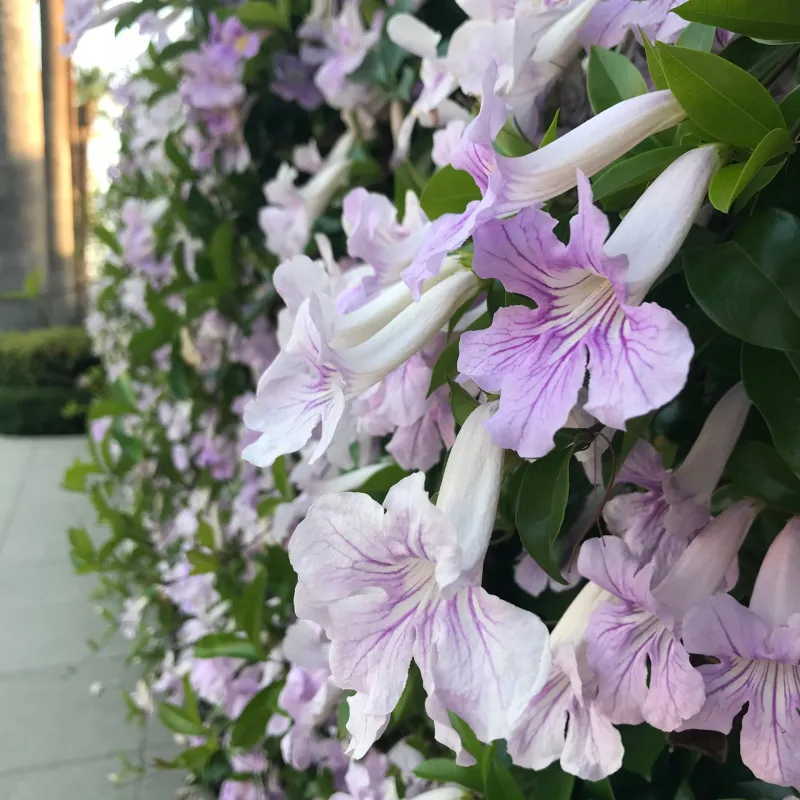
Getting a trellis completely covered with foliage and flowers is a goal many Arizona homeowners have, and Violet Trumpet Vine is one option that can deliver that kind of coverage over time.
Clytostoma callistegioides produces attractive lavender to violet trumpet-shaped flowers during the warmer months and climbs using tendrils that grip trellises, wire, and lattice structures reasonably well.
It tends to be a slower starter but picks up pace once the root system is established.
In Arizona’s low desert, Violet Trumpet Vine appreciates some afternoon shade protection, particularly during the most intense summer heat.
Full reflected sun from a west-facing block wall can stress the plant, so positioning it where it receives morning sun and some afternoon relief may produce better results.
This is one case where “handles summer heat” comes with the important note that placement still matters.
Once established, the vine fills in with dense, attractive foliage that provides good visual coverage for fences and trellises. Pruning after the main bloom period encourages fresh growth and helps manage the vine’s overall size.
Deep, infrequent watering is more beneficial than frequent shallow watering, as it encourages roots to grow deeper into the soil.
Homeowners should give this vine a season or two before expecting full coverage, since rushing establishment with too much water or fertilizer can sometimes cause problems.
Patience with Violet Trumpet Vine tends to pay off in the long run.
7. Yucca Vine Handles Heat With Good Drainage
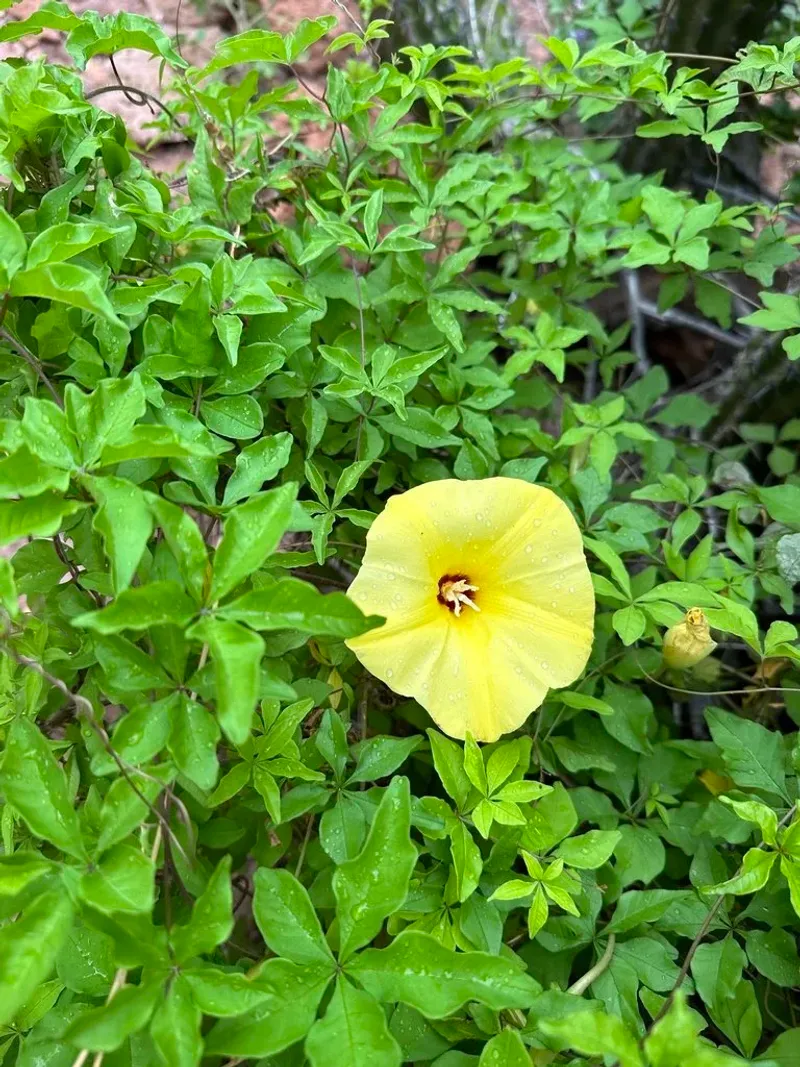
Not every vine that works in Arizona relies on showy tropical blooms to earn its place in the landscape.
Yucca Vine, sometimes referred to as Matelea cordifolia or related species depending on the source, is a heat-tolerant native-region vine that offers interesting foliage and modest flowers suited to naturalistic Arizona gardens.
It tends to perform best when drainage is excellent, which is a key factor in Arizona’s often clay or caliche-heavy soils.
The vine is not as widely planted as bougainvillea or Queen’s Wreath, but it has qualities that make it worth considering for homeowners who want something less common and more regionally appropriate.
Its ability to handle intense sun and dry conditions once established reflects its adaptation to desert and semi-desert environments.
Support in the form of a fence, wire, or natural structure helps it grow in a more directed and manageable way.
Soil preparation matters more for this vine than for some of the tougher scramblers on this list. Improving drainage before planting, particularly in areas with compacted soil or caliche layers, can make a significant difference in how well the vine establishes and grows.
Overwatering is a common issue that can cause root problems, so erring on the side of less frequent but deeper watering is generally a better approach.
For Arizona homeowners interested in low-water, native-adapted planting, this vine offers a quieter but resilient alternative to showier options.
8. Baja Passion Vine Spreads Quickly In Warm Areas
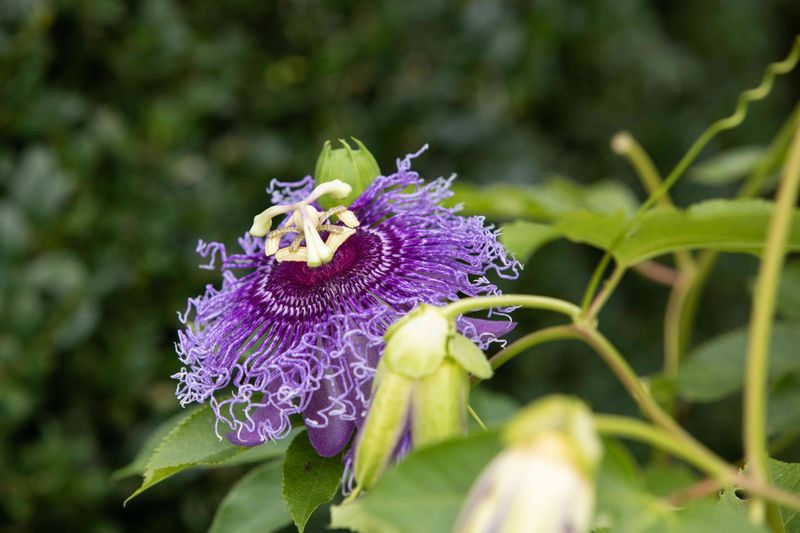
Walking past a fence draped in Passiflora foetida var. laevis, commonly called Baja Passion Vine, is a memorable experience because the flowers are genuinely striking up close.
The intricate, fringed blooms have an almost architectural quality that makes them stand out among more common flowering vines.
In Arizona’s warm zones, this fast-spreading vine can cover a fence or chain-link structure in a relatively short time during the summer growing season.
Baja Passion Vine is native to the Sonoran Desert region, which gives it a natural advantage when it comes to handling Arizona summer heat and dry conditions.
It climbs using tendrils and tends to spread enthusiastically once it gets going, which means it can fill gaps in fencing or cover bare sections of a wall faster than many other options.
That same enthusiasm for growth means it may need occasional trimming to stay within its intended space.
The vine produces small fruit that attracts wildlife, including certain butterfly species that use it as a host plant, adding ecological value to the yard beyond just aesthetics.
It grows best in full sun with well-draining soil and handles reflected heat from walls and fences reasonably well.
During the establishment period, regular deep watering helps the root system develop, after which the plant becomes more drought-adapted.
For Arizona homeowners who want a native-region vine with fast coverage and interesting blooms, Baja Passion Vine is a rewarding choice when given enough room to spread.