How Often Tennessee Gardeners Should Be Watering Vegetables This July
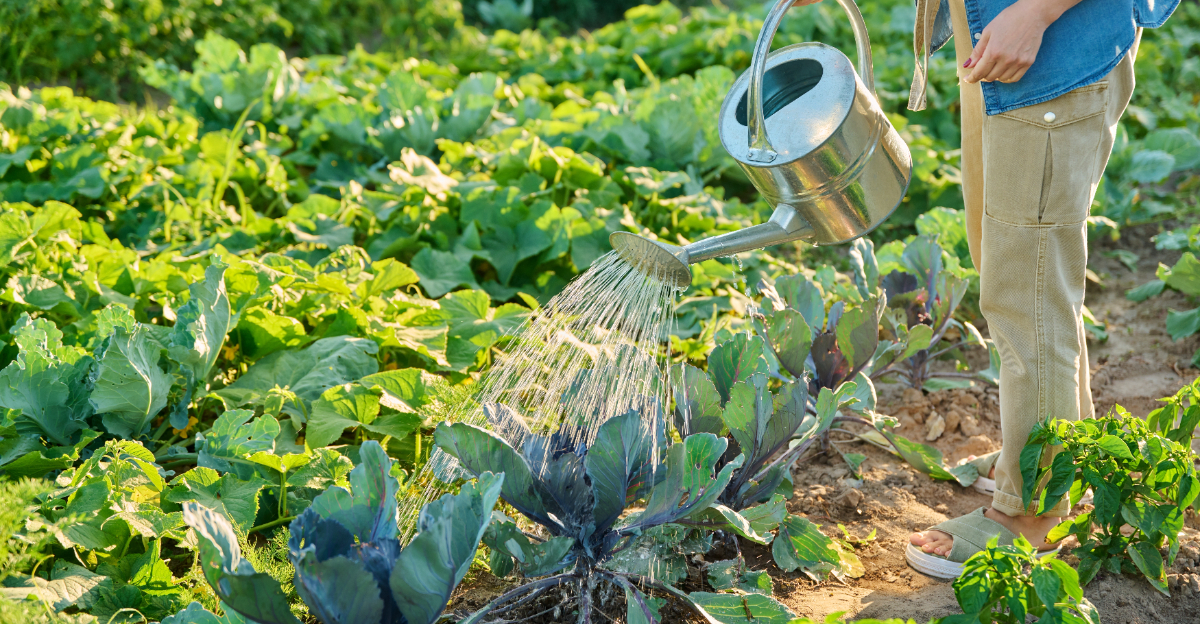
Tennessee summers don’t ease in. One week it’s warm, the next it’s a wall of heat that doesn’t budge until September. Your tomatoes feel it first. Leaves curl, soil cracks, and suddenly your watering can feels small against what the sky is throwing down.
Here’s what most gardeners get wrong: they water on a schedule instead of watching the plant. Peppers, squash, cucumbers, they all pull moisture at different rates, and July heat changes the math daily.
Skip a day at the wrong moment and you’re looking at blossom drop, split tomatoes, or a squash plant that just gives up. None of this needs fancy gear or a science degree, though.
A few sharper habits around timing, depth, and soil coverage can turn a struggling patch into one that barely notices the heat. Here’s exactly when to water, how much, and which soil tricks actually hold moisture where your roots need it.
The Simple Rule For Watering Vegetables In July
One inch per week is the general target. Most vegetable gardens need about one inch of water every seven days, but July heat changes that equation fast.
In Tennessee, summer temperatures regularly push past 90 degrees. That kind of heat pulls moisture out of the soil much faster than spring rains ever replaced it.
So bump your target up to one and a half inches per week during peak summer. Split that into two deep watering sessions rather than daily light sprinkles.
Two sessions per week gives roots time to dry slightly between drinks. That slight drying actually encourages roots to grow deeper, which makes plants stronger overall.
Deeper roots mean plants can access cooler, moister soil layers on their own. Think of it as training your garden to handle the heat independently.
Check your soil before each session by pushing a finger two inches into the ground. If it feels dry at that depth, it’s time to water your vegetables again.
If it still feels damp, skip that session and check again the next day. Overwatering is just as harmful as underwatering in a Tennessee July garden.
Soggy roots suffocate, rot, and attract disease faster than dry roots do. The simple rule is: water deeply, water twice a week, and always check first.
Why Deep Watering Beats Daily Sprinkling
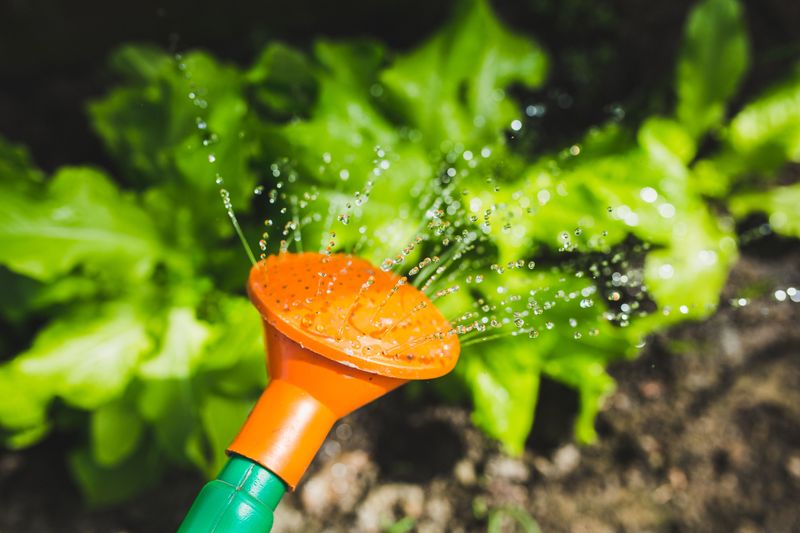
Shallow watering is basically a tease for your plants. It wets the top inch of soil and evaporates before roots can even reach it.
Daily light sprinkles train roots to stay near the surface searching for moisture. Surface roots are weak, fragile, and the first to suffer when July heat spikes.
Deep watering means soaking the soil to a depth of six to eight inches. At that depth, moisture lingers longer because the sun cannot evaporate it as quickly.
Roots follow water downward, building a strong underground system that anchors the plant. A well-anchored plant handles heat, wind, and drought stress with much more resilience.
Your Tennessee Garden Changes Every Week. Your Plan Should Too.
Gardening in Tennessee changes quickly throughout the season. Every Friday you’ll receive a simple weekly plan showing exactly what to plant, prune, fertilize, harvest, and protect so you never miss the right timing.
Deep watering is widely recommended by horticulture experts for producing healthier, higher-yielding vegetable plants. More yield from less water is a win every Tennessee gardener should chase.
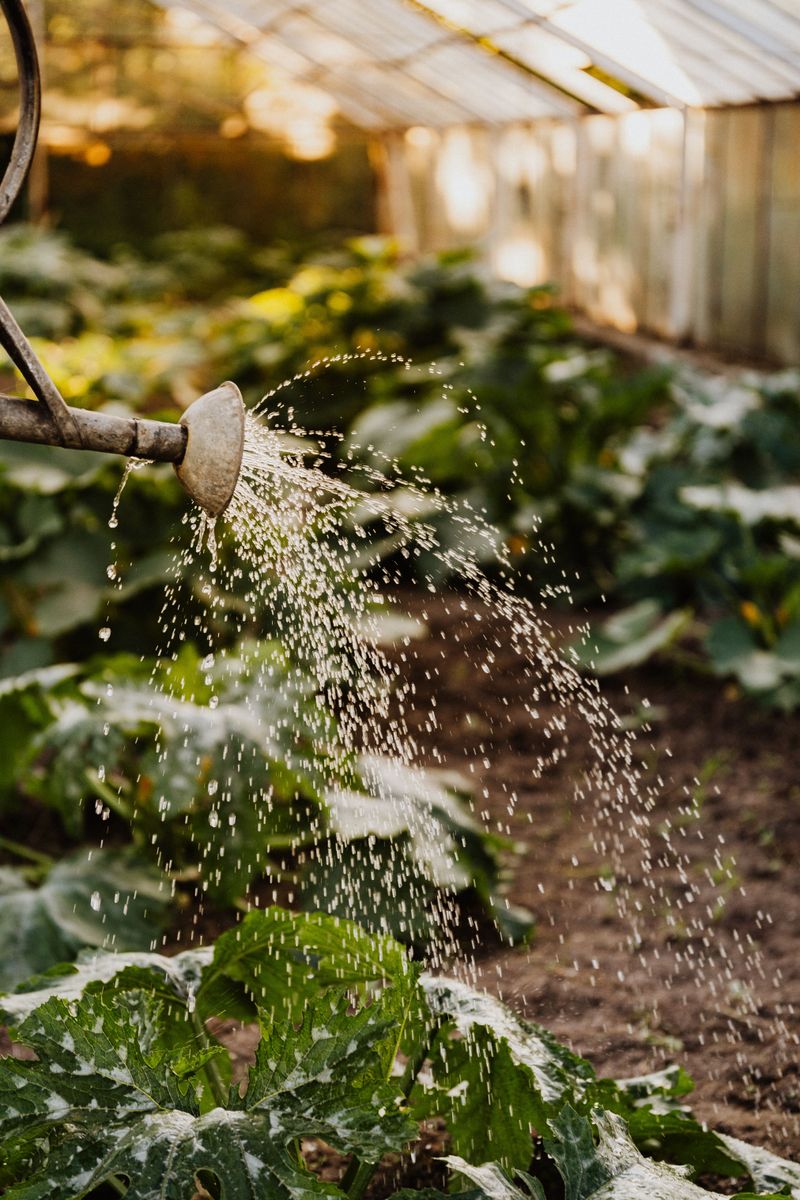
To water deeply, run your hose slowly at the base of each plant for several minutes. A slow trickle penetrates the soil better than a hard blast that runs off the surface.
You can also use drip irrigation or soaker hoses to deliver water directly to root zones. These tools eliminate waste and keep foliage dry, which reduces fungal problems in humid Tennessee summers.
Watering vegetables deeply twice a week consistently outperforms daily sprinkling. Your plants will show the difference within just a few days of switching your approach.
How Raised Beds And Containers Change The Schedule
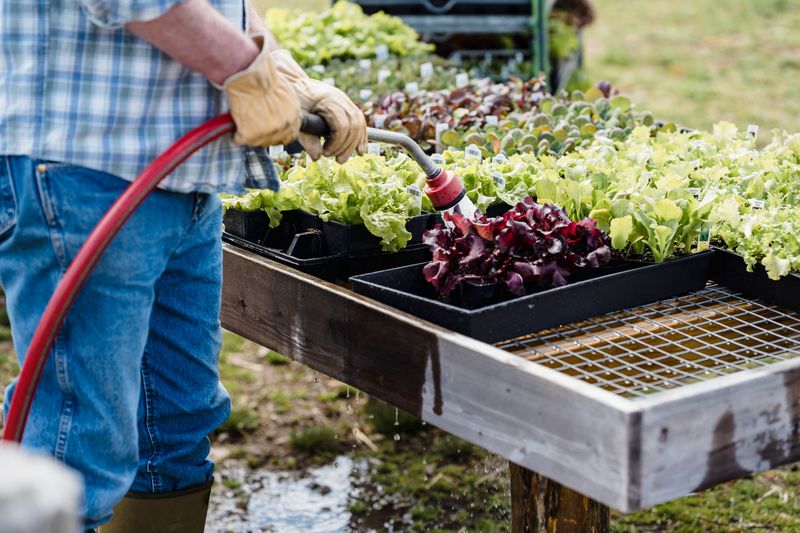
Raised beds and containers play by completely different rules. The drainage in these setups is far more aggressive than in traditional in-ground gardens.
Soil in a raised bed dries out considerably faster than ground soil. That means your twice-a-week schedule for in-ground beds won’t cut it here.
Plan to check raised beds every single day during a Tennessee July. On scorching days above 95 degrees, you may need to water them twice in one day.
Containers are even more demanding than raised beds because they hold less total soil volume. Less soil means less stored moisture, and plants drain that reserve quickly in summer heat.
Small pots often need watering every morning. Large containers can sometimes go a day between sessions, but always check by feel rather than guessing.
Stick your finger two inches into the container soil each morning. If it feels dry, water thoroughly until liquid drains freely from the bottom holes.
One smart upgrade for raised beds is mixing water-retaining crystals or coir into the soil. These materials hold extra moisture and release it slowly as the soil dries around roots.
Grouping containers together also helps because plants create a shared humid microclimate. That small humidity boost can reduce how often you need to water by a surprising amount.
Signs Your Vegetables Actually Need Water
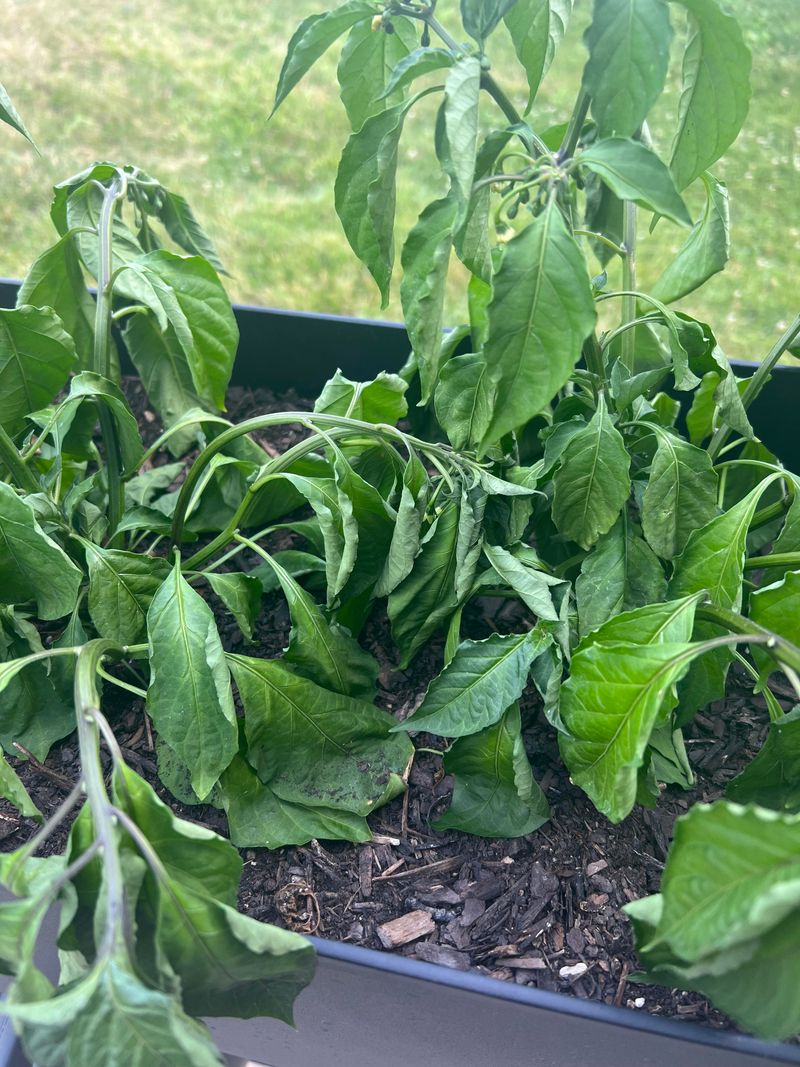
Plants are surprisingly good at asking for help. You just need to learn their language before they start suffering silently.
The most obvious sign is wilting leaves that droop or curl inward during the day. But here’s the catch: some wilting in afternoon heat is totally normal and not a red flag.
Check your plants in the early morning before the sun climbs high. If they’re still drooping at 7 or 8 a.m., that’s a real sign of water stress.
Leaf edges that look brown, crispy, or scorched are another warning. This symptom often appears on tomatoes, beans, and squash when moisture levels drop too low for too long.
Dull or grayish leaf color instead of bright green is a subtler clue. Healthy, hydrated plants have a vibrant sheen that stressed plants simply cannot maintain.
Slow fruit development or blossom drop is also connected to moisture stress. Pepper and tomato plants will shed their flowers when they’re struggling to survive, let alone produce.
The soil surface cracking into small chunks is a clear environmental signal. Cracked soil means the ground has dried past the point where surface roots can function well.
Trust your instincts and your fingers equally. A quick soil check combined with a visual scan of your plants every morning catches problems before they become serious setbacks.
The Best Time Of Day To Water In July Heat
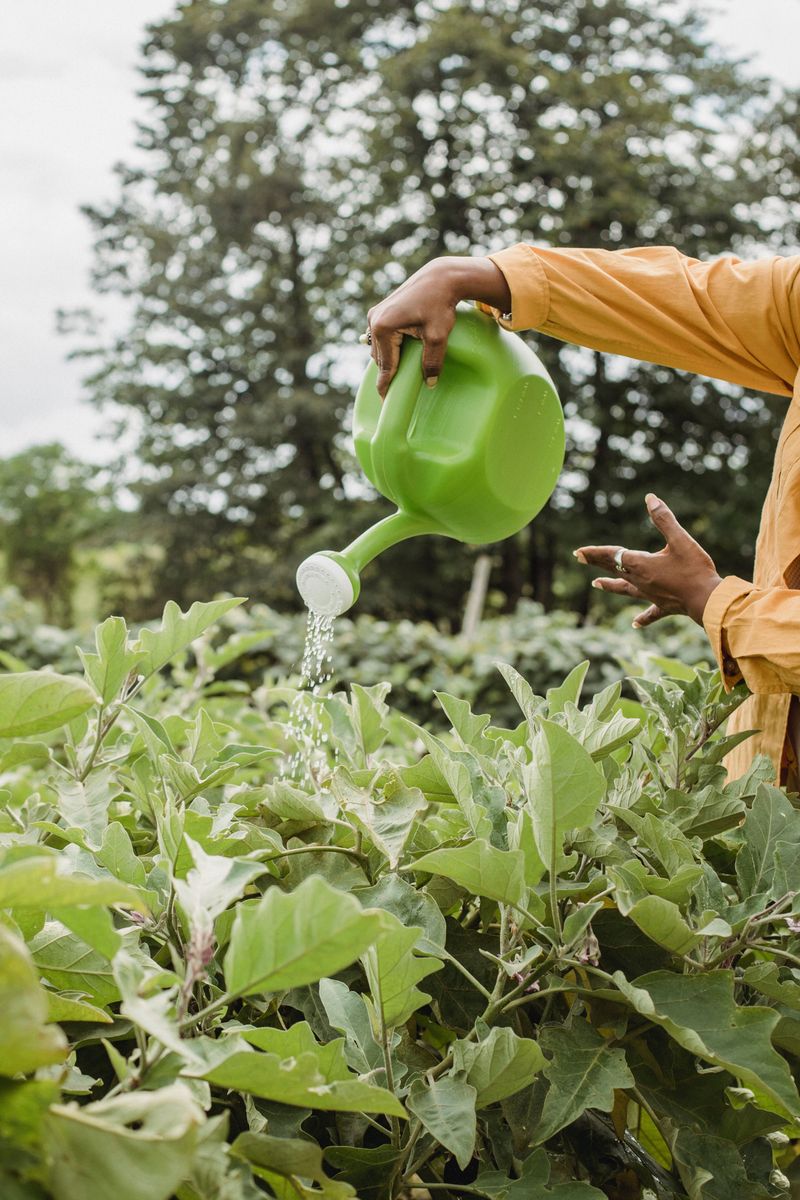
Timing your watering is almost as important as how much you give. Get the timing wrong and you waste water, invite disease, and stress your plants unnecessarily.
Early morning is the undisputed champion for watering vegetables in July. Aim to finish watering before 9 a.m. while temperatures are still manageable and the sun is low.
Morning watering gives soil time to absorb moisture before midday heat begins evaporating it. Plants can draw up that water throughout the hottest hours of the afternoon.
Watering in the afternoon, especially between noon and 4 p.m., is the least effective choice. Evaporation rates are highest then, so much of your effort is wasted before roots can benefit.
Evening watering is the second-best option if mornings aren’t possible for your schedule. Water the soil directly and finish at least an hour before dark to let foliage dry.
Wet leaves overnight in Tennessee’s humid climate create a perfect environment for fungal diseases. Powdery mildew and early blight both thrive when moisture sits on leaves through the night.
If you use a sprinkler system, set the timer for 5 or 6 a.m. automatically. That small scheduling adjustment protects your garden without requiring you to drag a hose before coffee.
Morning watering is the single easiest habit change with the biggest payoff. Your vegetables will reward that early alarm with stronger growth and better production all July long.
Mulch And Other Ways To Stretch Time Between Waterings
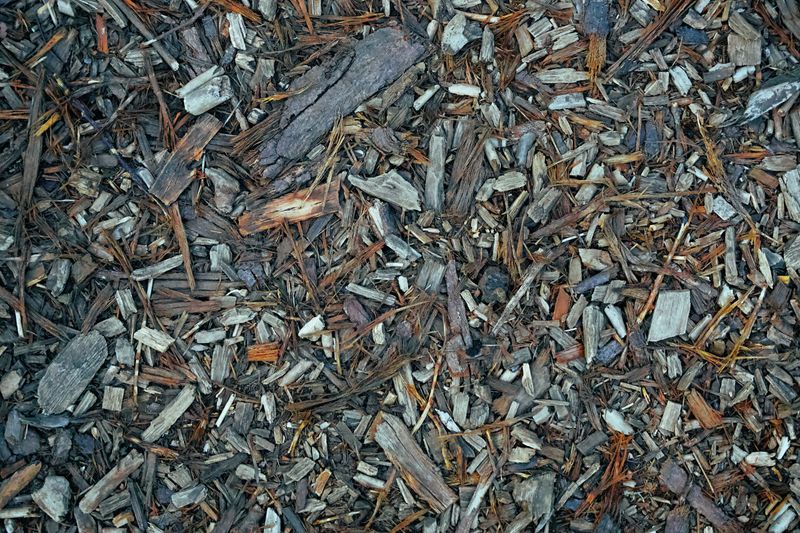
Mulch is one of the simplest tools a gardener can lean on. A three-inch layer of organic mulch can significantly reduce how often you need to water during July.
Straw, shredded leaves, wood chips, and grass clippings all work well as mulch materials. Each one creates an insulating barrier that keeps soil cooler and slows moisture evaporation dramatically.
Spread mulch two to three inches deep around the base of every plant. Keep it a couple of inches away from plant stems to prevent rot where the mulch touches the stalk.
Beyond mulch, consider adding compost to your soil before or during the growing season. Compost improves soil structure and helps it hold moisture longer between watering sessions.
Sandy soils drain fast and need more frequent attention than clay-heavy soils. Adding compost to sandy ground gives it noticeably more water-holding capacity, which makes a real difference in summer.
Drip irrigation is another powerful tool for stretching your schedule. Delivering water slowly and directly to roots means almost nothing is lost to evaporation or surface runoff.
Windbreaks also help more than most gardeners realize. Wind pulls moisture from leaves and soil rapidly, so planting near a fence or using shade cloth can protect against that loss.
Combining mulch with drip irrigation is the ultimate setup for a Tennessee July garden. These two strategies together can transform a high-maintenance garden into a manageable, thriving one.