The One Thing You Must Do To Ohio Hydrangeas In July That Most Gardeners Skip
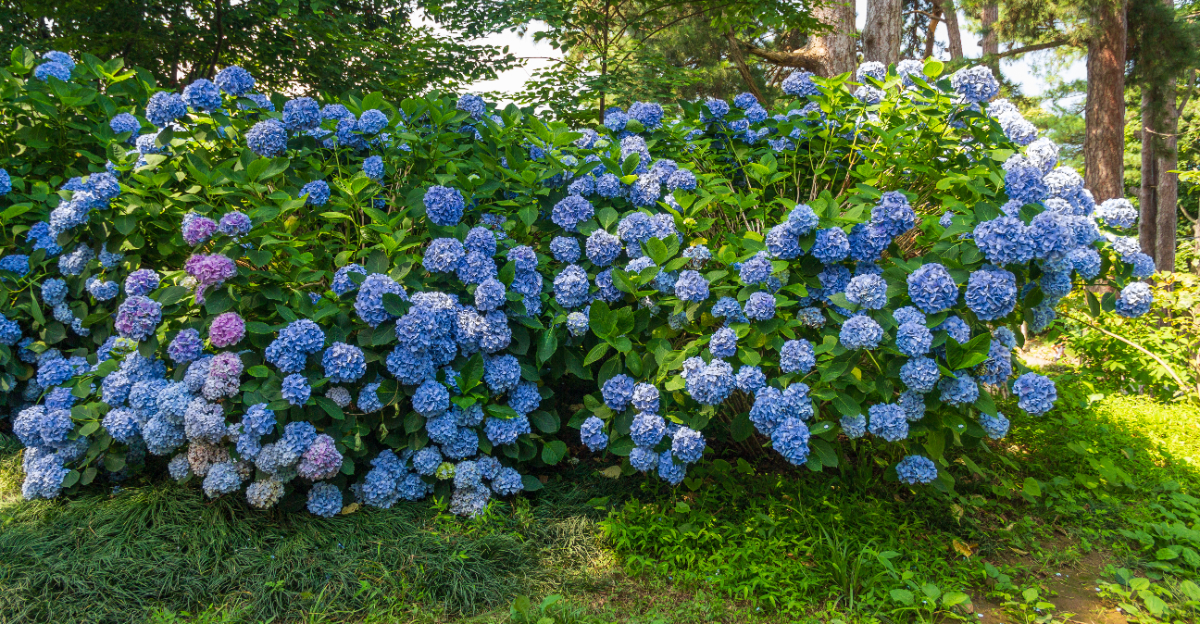
Ohio hydrangeas in July look settled. The early blooms are out, the foliage is full, and most gardeners take that as a sign to leave well enough alone for the rest of the season.
That assumption is where next year’s bloom count quietly starts to suffer. There is one task specific to July that most Ohio hydrangea owners never hear about, mostly because hydrangea advice tends to focus on spring planting and fall pruning.
The gap in between gets skipped entirely, and that gap happens to be exactly when this task matters most. Skipping it does not show up right away.
The hydrangea looks fine through August. The consequences surface next spring, in a bloom count that falls short of what the plant was actually capable of producing.
One task, done now, closes that gap.
Most Ohio gardeners have never even heard it mentioned.
1. Identify Your Hydrangea Type Before Cutting Anything
A faded flower head can tempt anyone to grab pruners, but July is the month when guessing causes the most trouble. Most Ohio gardeners skip identification entirely and jump straight to trimming.
That one skipped step can cost an entire season of blooms.
The four most common hydrangeas grown in local gardens are bigleaf, oakleaf, smooth, and panicle. Each one looks and behaves differently.
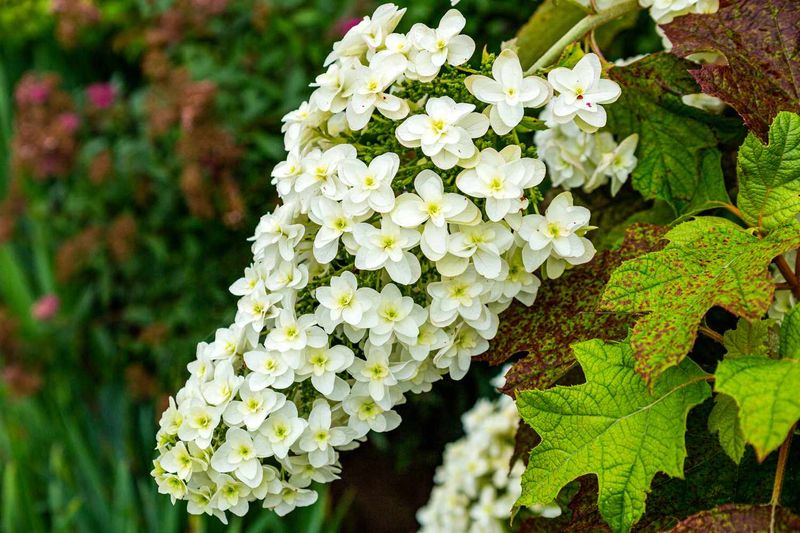
Bigleaf hydrangeas have large, rounded flower clusters and thick, glossy leaves. Oakleaf hydrangeas have cone-shaped flower clusters and lobed leaves that look similar to oak leaves.
Smooth hydrangeas produce dome-shaped white flowers and have softer, matte-finish leaves. Panicle hydrangeas have elongated, cone-shaped clusters and tend to grow taller with more upright stems.
Bloom timing is also a helpful clue. Bigleaf and oakleaf types usually bloom earlier in the season, often on old wood from the previous year.
Smooth and panicle types bloom on new wood grown in the current season. Knowing this difference changes everything about how you care for the plant in July.
If you are still unsure after checking leaves and flowers, take a photo to your local county extension office. OSU Extension offices across this state can help with identification.
Getting this step right makes every other July task much easier and much safer for your shrubs.
2. Leave Old-Wood Hydrangeas Alone In July
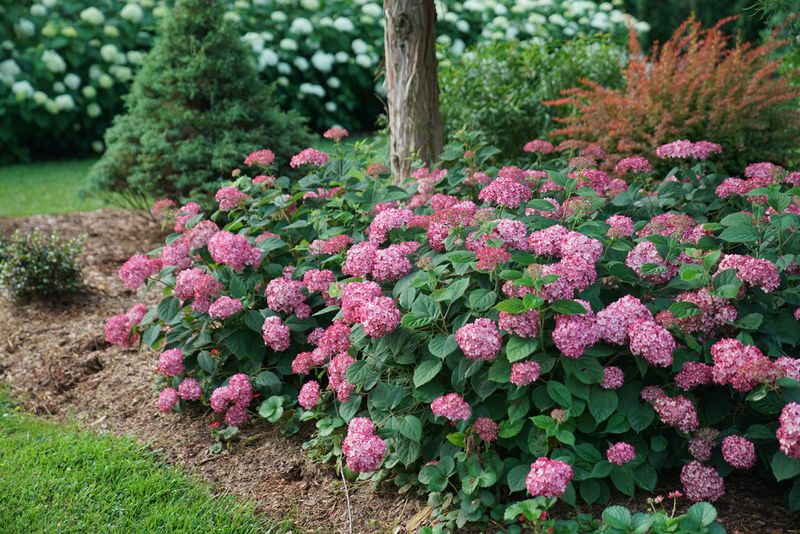
Reaching for pruners on a warm July morning feels productive. For bigleaf and oakleaf hydrangeas, it can quietly erase next year’s flowers before they ever get a chance to form.
These two types are old-wood bloomers. That means they set flower buds on stems that grew during the previous season.
By July, those buds are already developing on old stems. Cutting those stems now removes the buds along with them.
Most Ohio gardeners never realize what happened until spring arrives and the shrub produces all leaves but no flowers. The confusion is real, and it happens in home landscapes across this state every single summer.
There is one exception worth knowing. If a stem is clearly broken, damaged by a storm, or showing signs of disease, removing it is reasonable.
Your Ohio Garden Changes Every Week. Your Plan Should Too.
Gardening in Ohio changes quickly throughout the season. Every Friday you’ll receive a simple weekly plan showing exactly what to plant, prune, fertilize, harvest, and protect so you never miss the right timing.
That kind of cleanup is different from general pruning. The goal is to remove only what is genuinely compromised, not to reshape or tidy the plant.
Bigleaf hydrangeas are especially common in foundation beds and shaded borders. Oakleaf hydrangeas are often used along woodland edges and in shrub borders with dappled light.
Both deserve the same caution in July. Leave the healthy stems alone, keep the plant well-watered, and resist the urge to cut.
The reward shows up in bloom clusters next spring and early summer.
3. Trim Spent Panicle Blooms Only If Needed
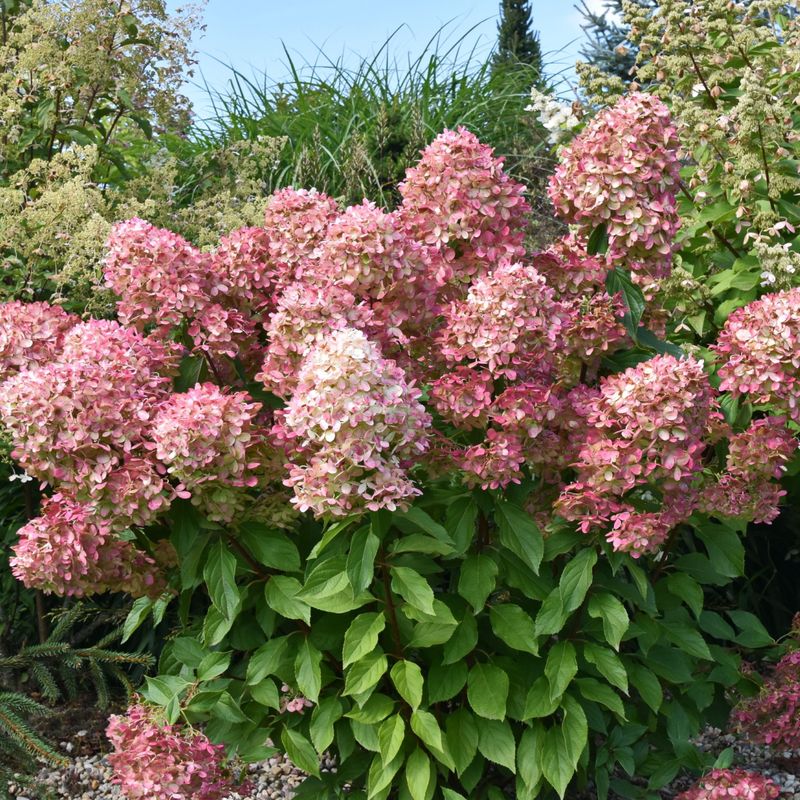
A panicle hydrangea in full bloom is hard to ignore. The long, cone-shaped flower clusters can turn from white to soft pink as summer moves along.
By mid-July, some of those clusters start to look worn or faded, and the question of whether to cut them comes up fast.
Panicle hydrangeas are new-wood bloomers. They produce flowers on stems that grew in the current season.
This means they handle pruning differently than bigleaf or oakleaf types. Light trimming of spent flower clusters on a panicle hydrangea in July is generally low-risk from a bloom standpoint.
It is mostly a cosmetic choice, not a plant-saving one.
That said, heavy cutting in July is still not recommended. The main pruning for panicle hydrangeas is better done in late winter or very early spring, before new growth begins.
July is not the right time to reshape, cut back hard, or significantly reduce the size of the plant. Doing so during summer heat adds stress to the shrub at a time when it is already working hard to stay hydrated.
If a cluster looks genuinely finished and you want to tidy things up, a light snip just below the faded head is fine. Skip the major cutback and save that work for the dormant season.
Container-grown panicle hydrangeas may show stress faster in July heat, so check soil moisture before doing any trimming at all.
4. Water Deeply Before Leaves Wilt In Afternoon Heat
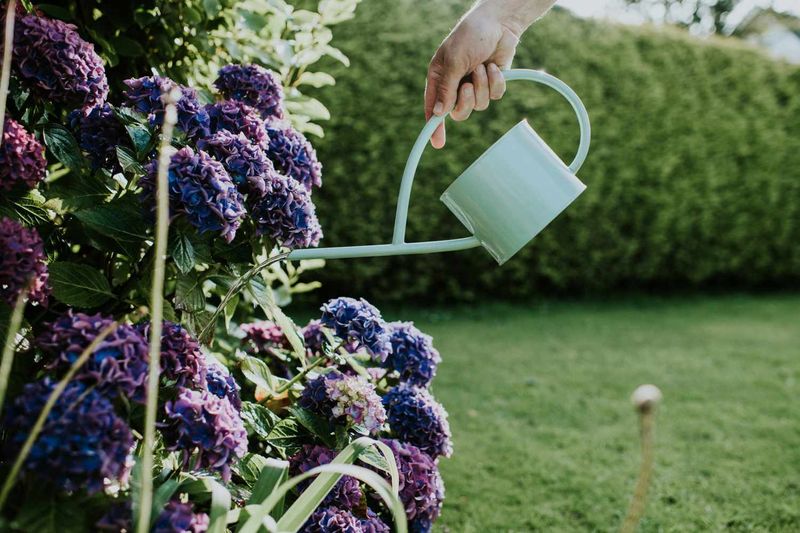
Wilted hydrangea leaves in the afternoon heat are one of the most common sights in summer yards across Ohio. The drooping can look alarming, but it does not always mean the plant is in serious trouble.
Sometimes it is simply a response to midday sun and warm air temperatures.
The real concern is soil moisture. If the soil is dry several inches down, the plant needs water.
If the soil still feels damp at root level, the wilting may be temporary and the plant may recover on its own once evening arrives. Checking soil moisture before reaching for the hose is a smart habit that saves both water and worry.
When watering is needed, deep watering at the root zone is far more effective than a quick sprinkle over the leaves. Water slowly and long enough for moisture to reach six to eight inches into the soil.
Shallow, frequent watering encourages roots to stay near the surface, which makes plants more vulnerable during dry stretches.
Avoid wetting the foliage when possible. Wet leaves in warm, humid weather can invite disease.
Water in the morning or at soil level using a soaker hose or a slow-running garden hose. Container-grown hydrangeas need more frequent moisture checks than those planted in the ground.
Pots can dry out quickly in July heat, sometimes needing water every day or two depending on pot size and sun exposure.
5. Refresh Mulch Without Burying The Crown
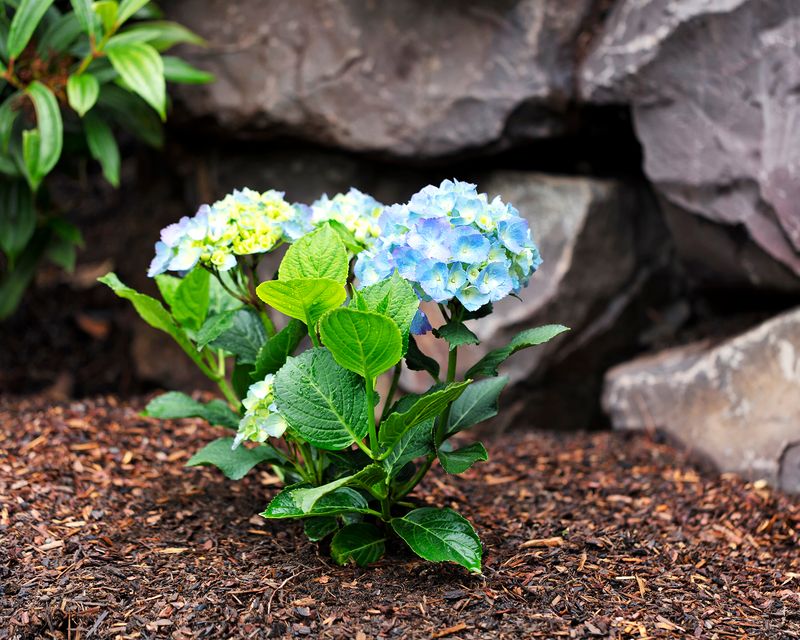
Mulch is one of the most useful tools in a summer garden, and July is a good time to check whether the layer around your hydrangeas is still doing its job. Over time, mulch breaks down, shifts, or thins out.
A thin layer in July means soil dries out faster and soil temperatures swing more widely during heat waves.
A fresh layer of shredded bark, wood chips, or leaf compost can help hold moisture in the root zone and keep soil temperatures more stable. Aim for about two to three inches of mulch around the base of each shrub.
That thickness is enough to make a real difference without creating problems.
The most common mulching mistake is piling it too close to the stem or crown of the plant. Mulch pressed against the base of a hydrangea can trap moisture against the wood, which creates conditions that are not good for the plant over time.
Pull the mulch back a few inches from the crown so air can circulate around the base of the stem.
In foundation beds and shaded borders, mulch also helps suppress weeds that compete with hydrangeas for soil moisture. Check the layer every few weeks during July and August.
If it has thinned to less than an inch, add a bit more. Keep the application simple, even, and away from the main stem.
Consistent mulch management is one of the most skipped but most rewarding summer habits for hydrangea care.
6. Skip Heavy Fertilizer During July Stress
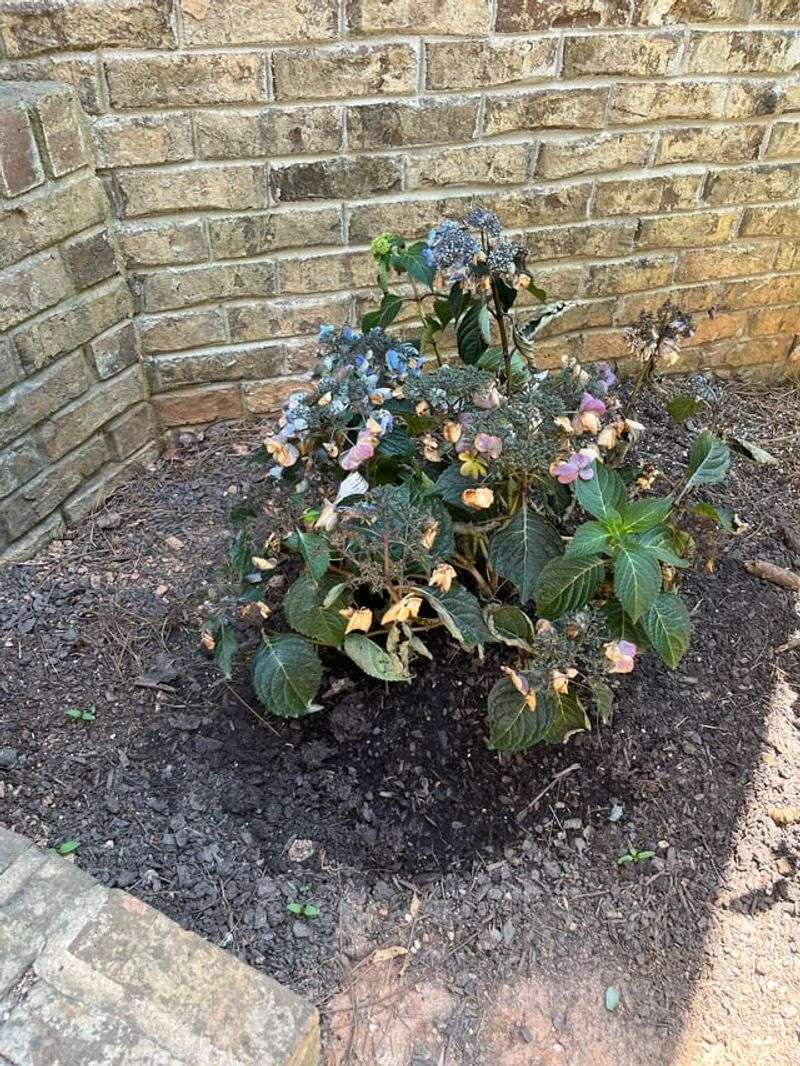
The urge to feed a struggling hydrangea in July is understandable. When a shrub looks off, adding fertilizer feels like doing something helpful.
But heavy feeding during hot, dry weather can actually make things worse rather than better.
High-nitrogen fertilizer applied in July pushes soft new growth quickly. That tender new growth is more vulnerable to heat, drought, and insect pressure.
It also directs the plant’s energy away from the root system and toward above-ground growth at a time when the roots need all the support they can get.
Before reaching for any fertilizer, spend a few minutes diagnosing what is actually going on. A hydrangea that is not blooming in July may have had its buds removed by a late-spring frost, or by pruning at the wrong time.
One that looks pale or weak may be dealing with drought stress, too much direct sun, or compacted soil. Fertilizer does not fix any of those problems.
If you did apply a balanced, slow-release fertilizer earlier in the season, that is usually enough to carry the plant through summer. Most established hydrangeas in local gardens do not need additional feeding in July.
If you feel the soil genuinely needs amendment, use a light top-dressing of compost around the root zone. It is a gentler option than granular or liquid fertilizer during peak summer heat.
Wait until late summer or fall for any more significant soil improvement work.
7. Watch For Leaf Spots In Humid Weather
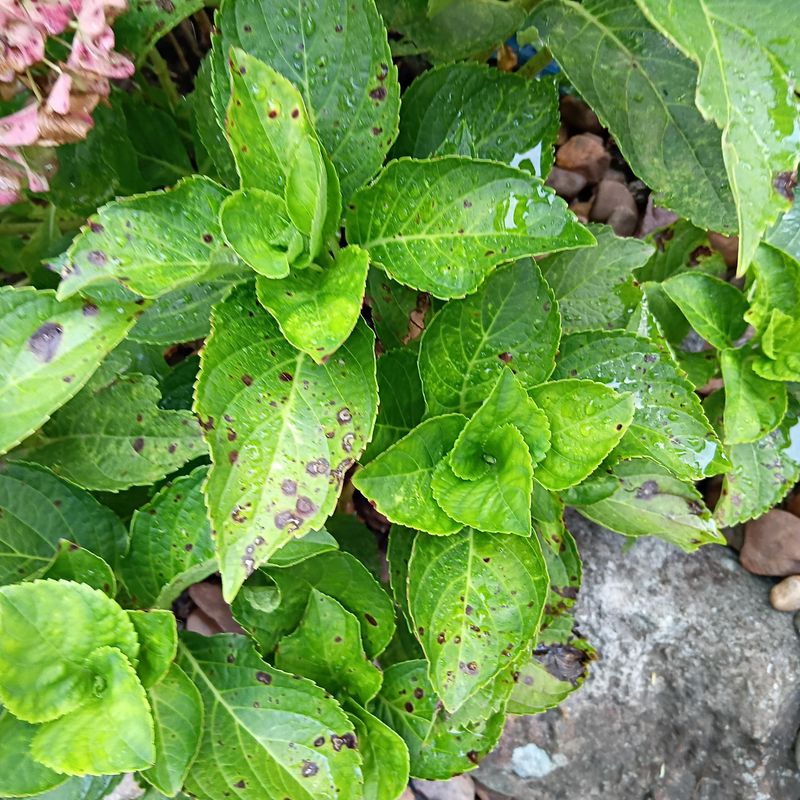
Humid July mornings in this state create perfect conditions for leaf spot diseases on hydrangeas. Cercospora leaf spot is one of the most common fungal issues on hydrangeas here.
It shows up as circular brown or purple-edged spots on the lower leaves first, then spreads upward if conditions stay wet and warm.
Catching it early makes management much easier. Walk through your garden every week or so in July and flip over a few hydrangea leaves.
Spots on the underside often appear before damage is visible from above. If you see early signs, act calmly and do not panic-prune the entire shrub.
The most practical first steps are improving airflow and changing how you water. If plants are crowded, trimming nearby vegetation to open up space around the hydrangea can help.
Switching to base-level watering and avoiding overhead irrigation reduces the leaf wetness that fungal spores need to spread. Fallen leaves with spots should be picked up and removed from the garden rather than left to sit in the mulch.
Avoid spraying pesticides without a clear diagnosis. Misidentified problems lead to wasted products and no improvement.
If spots are spreading rapidly despite good airflow and dry foliage practices, contact your county OSU Extension office for guidance on appropriate fungicide options.
Most well-maintained hydrangeas in home landscapes can tolerate mild leaf spot without losing significant vigor or next year’s bloom potential.
8. Use July To Protect Next Year’s Flowers
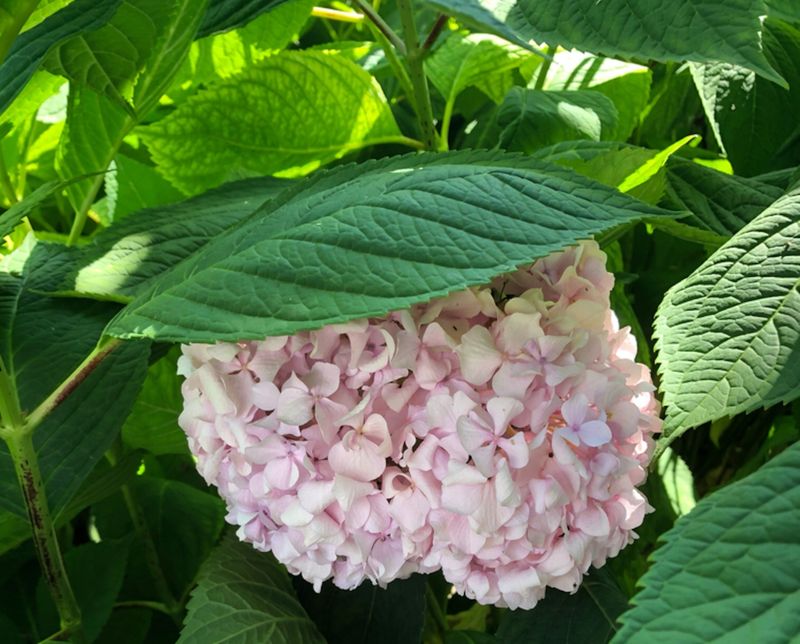
Most gardeners focus entirely on what is blooming right now in July. The bigger picture, though, is what happens next spring.
For old-wood bloomers like bigleaf and oakleaf hydrangeas, July is already the beginning of next year’s flower story. Bud development on old stems starts during summer and continues into fall.
Protecting those stems means avoiding unnecessary cutting, keeping the plant well-watered, and making sure it is not under serious stress from heat, drought, or disease.
A hydrangea that struggles through July in poor condition is less likely to form strong buds for the following season.
The connection between summer care and next-year blooms is real, even if it is not immediately visible.
For smooth and panicle hydrangeas, July care still matters for overall plant health. Strong root systems, steady moisture, and good airflow all contribute to vigorous growth next season.
These new-wood bloomers are more forgiving about summer pruning, but they still benefit from thoughtful care rather than neglect.
Think of July as a maintenance window, not a transformation opportunity. Check your mulch, monitor soil moisture, keep an eye on foliage, and resist the urge to make dramatic changes.
The shrubs that come through summer in solid health are the ones that reward you with full, healthy bloom clusters the following year. Steady, attentive care in July pays off in ways that show up long after the summer heat fades.