Why Ohio Tomatoes Stop Setting Fruit When Temperatures Stay Above 90 Degrees
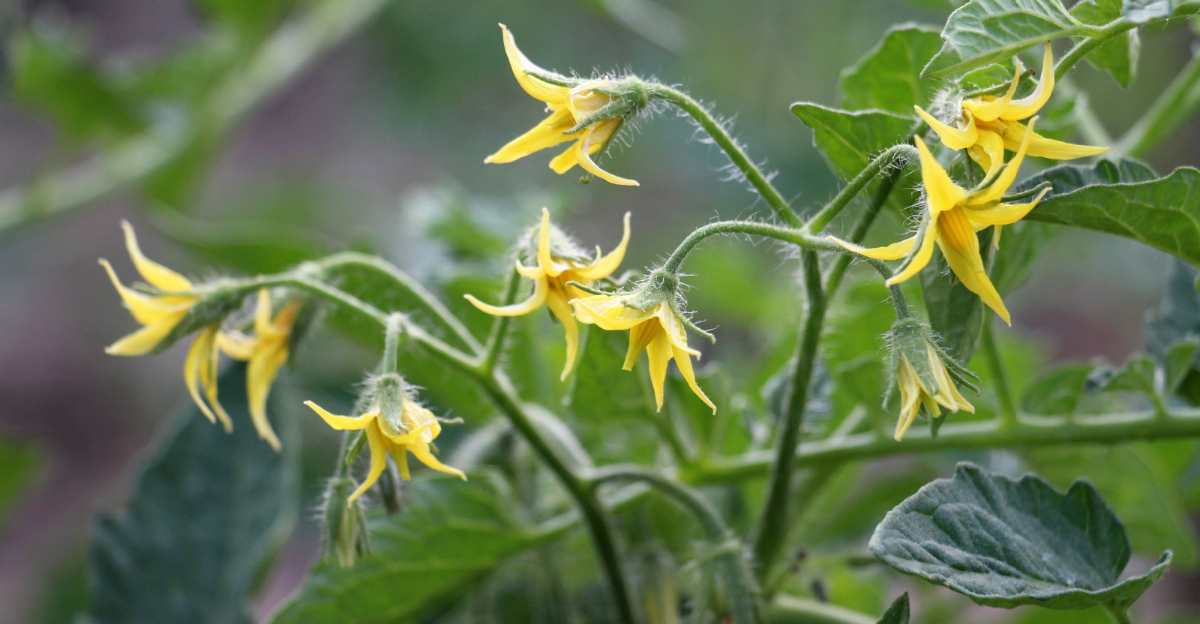
Your Ohio tomato plants look incredible. Full, green, absolutely loaded with lush foliage and bright yellow flowers.
There is just one problem: no tomatoes. If this sounds familiar during a July heat wave, you are not losing your mind and your plants are not broken.
What is actually happening is a lot more interesting and a lot more fixable than most gardeners realize. When temperatures climb above 90 degrees and humid nights follow scorching afternoons, tomato pollination essentially stops working.
The pollen loses viability, blossoms drop before fruit can set, and the whole process just quietly shuts down until conditions improve.
Frustrating? Absolutely. The end of your tomato season? Not even close.
A little shade cloth, deep watering, and some patience can carry your plants right through the heat and into a strong second flush of fruit.
1. High Heat Disrupts Tomato Pollination
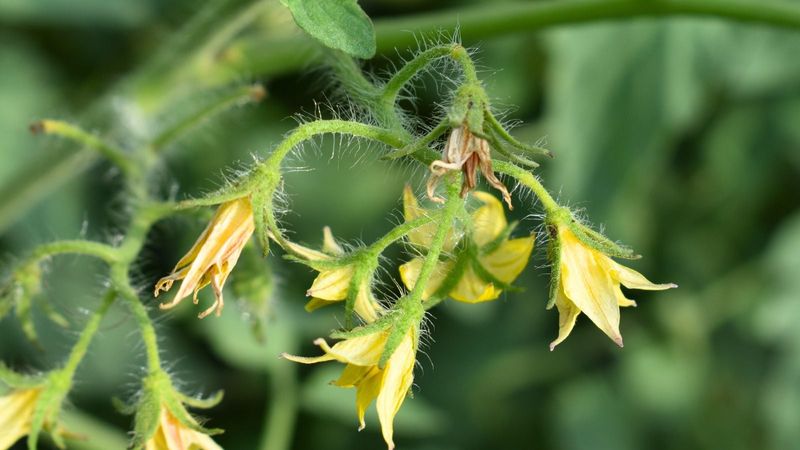
Walk through any Ohio vegetable bed in mid-July and you might spot tomato vines loaded with open yellow flowers but very few new fruits forming beneath them.
That gap between flowering and fruiting is one of the clearest signs that high heat is interfering with pollination.
Tomatoes are self-pollinating plants, meaning each flower carries both the pollen and the surface that receives it, but that process still depends on the right conditions to work reliably.
When daytime temperatures push above 90 degrees and stay there for several days in a row, the internal mechanics of pollination can start to break down.
Pollen may not release properly from the anther, and even when it does, it may not stick to the stigma the way it should under cooler conditions.
The result is that flowers open, look perfectly healthy from the outside, and then close again without setting fruit.
Ohio summers can bring stretches of intense heat that last a week or longer, which gives this problem enough time to become noticeable in residential gardens.
Recognizing that heat is the likely cause can save gardeners from pulling plants or making unnecessary changes before conditions naturally improve.
2. Warm Nights Make Fruit Set Harder
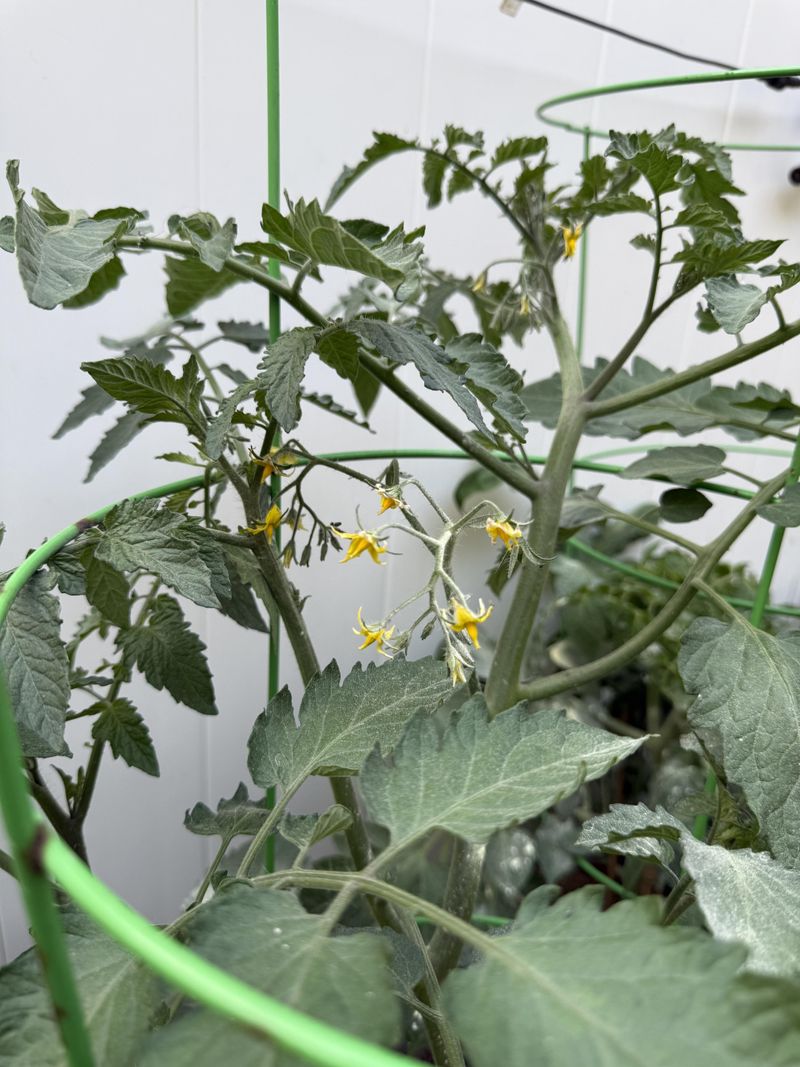
After a long day above 90 degrees, an Ohio gardener might hope that nighttime brings enough relief to help tomato plants recover.
Unfortunately, when overnight temperatures stay above 70 degrees, tomatoes can have just as much trouble setting fruit as they do during the hottest part of the afternoon.
Warm nights are a quiet but significant part of the heat-stress picture that often goes unnoticed.
Tomato plants rely on cooler evening temperatures to complete certain stages of flower development and pollen function. When nights stay warm and humid, that recovery window shrinks or disappears entirely.
The plant may continue to look vigorous, pushing out new growth and opening flowers regularly, but without cooler nights to support the process, fruit set remains low or stalls out completely.
Ohio heat waves often bring both scorching days and muggy nights together, which is why fruit set problems can last for an extended stretch rather than clearing up after just one or two hot afternoons.
Your Ohio Garden Changes Every Week. Your Plan Should Too.
Gardening in Ohio changes quickly throughout the season. Every Friday you’ll receive a simple weekly plan showing exactly what to plant, prune, fertilize, harvest, and protect so you never miss the right timing.
Gardeners who track overnight lows during July and August sometimes notice a clear connection between consistently warm nights and the periods when their tomato plants produce the fewest new fruits.
Knowing this helps set realistic expectations during the hottest weeks of the season.
3. Pollen Becomes Less Effective In Heat
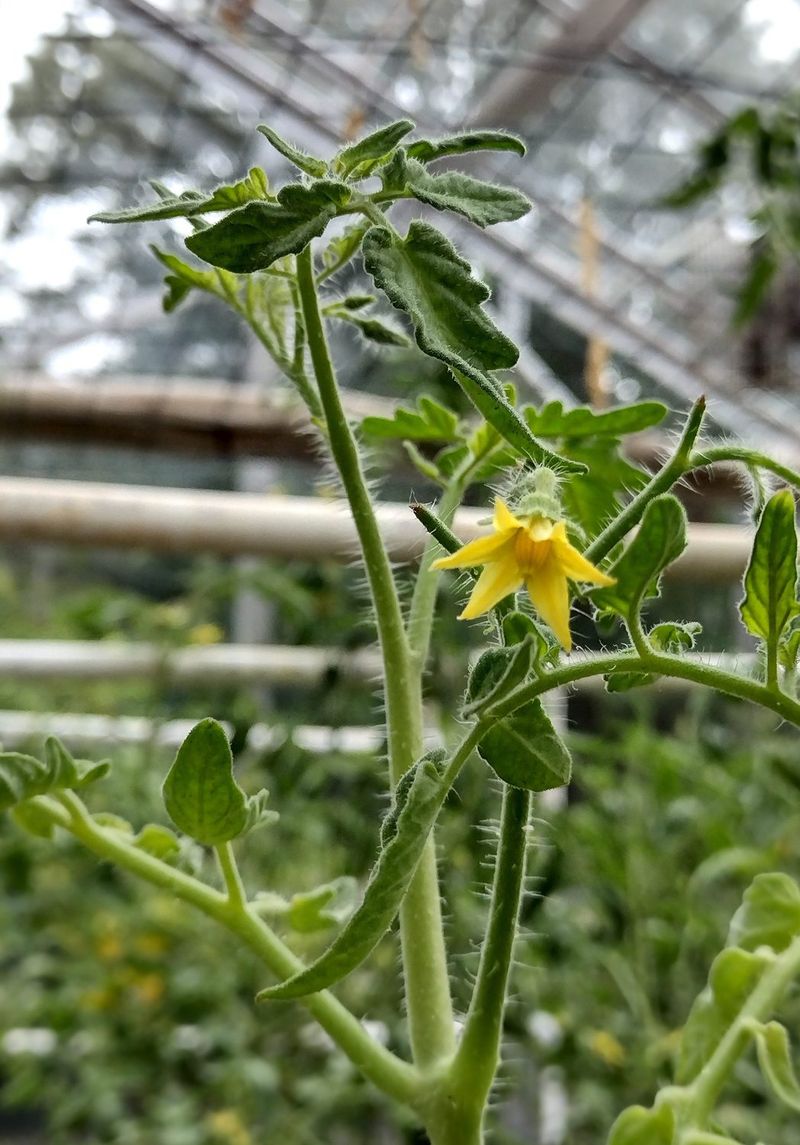
Pollen quality is something most gardeners never think about, but it turns out to be one of the most heat-sensitive parts of the entire tomato growing process.
At temperatures above 90 degrees, tomato pollen can become less viable, meaning it loses some of its ability to successfully fertilize the flower and trigger fruit development.
This happens even when the plant looks completely healthy and is producing plenty of blooms.
Heat can affect pollen in more than one way. High temperatures may cause pollen grains to become sticky or clumped, making them harder to release and transfer.
In some cases, the pollen simply becomes less capable of germinating once it reaches the stigma, which means the fertilization process never gets started even if everything else looks normal from the outside.
Ohio gardeners sometimes notice that their tomatoes flower heavily during a hot spell but produce almost nothing from that flush of blooms. That is often a pollen viability issue rather than a problem with the plant itself.
Once temperatures drop back into a friendlier range, pollen quality tends to improve and fruit set can resume.
Keeping plants well-watered and otherwise healthy during the hot stretch gives them a better foundation to rebound when conditions become more suitable.
4. Flowers May Drop Before Fruit Forms
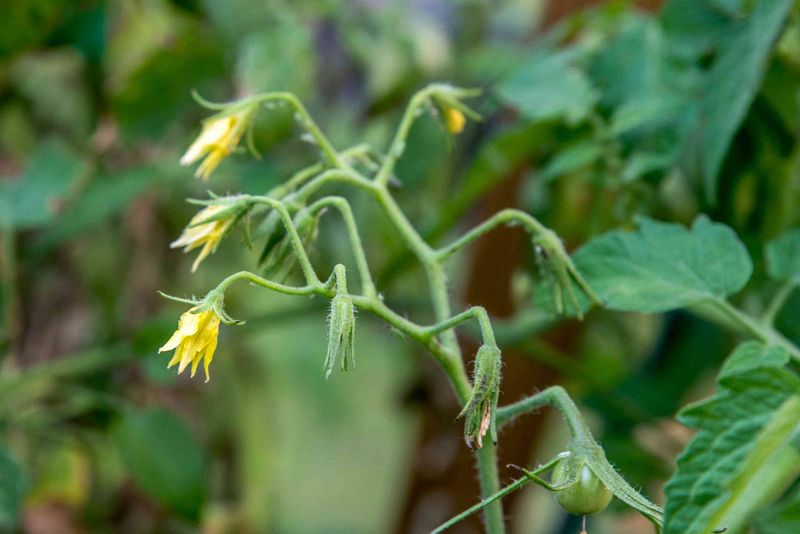
Picking up fallen yellow flowers from the soil beneath a tomato plant is a frustrating experience, especially when the vines look lush and productive.
Blossom drop is one of the most visible signs that heat stress is affecting an Ohio tomato garden, and it tends to spike during the hottest stretches of summer.
Flowers that open during extreme heat may never complete pollination, and the plant responds by releasing them before any fruit has a chance to develop.
This is not a random or wasteful process on the plant’s part. When a tomato flower is not successfully pollinated within a certain window, the plant stops sending energy to support it and the flower detaches naturally.
During a prolonged heat wave in Ohio, this can happen to a large number of flowers in a short period, leaving gardeners puzzled about why their plants are blooming heavily but setting almost nothing.
The encouraging part is that blossom drop caused by heat is usually temporary. Plants that are otherwise healthy, well-watered, and receiving steady care tend to resume normal fruit set once temperatures moderate.
Avoiding excessive fertilizer during the hot stretch and keeping soil moisture consistent can reduce additional stress that might cause even more flowers to drop before conditions improve.
5. Moisture Stress Makes The Problem Worse
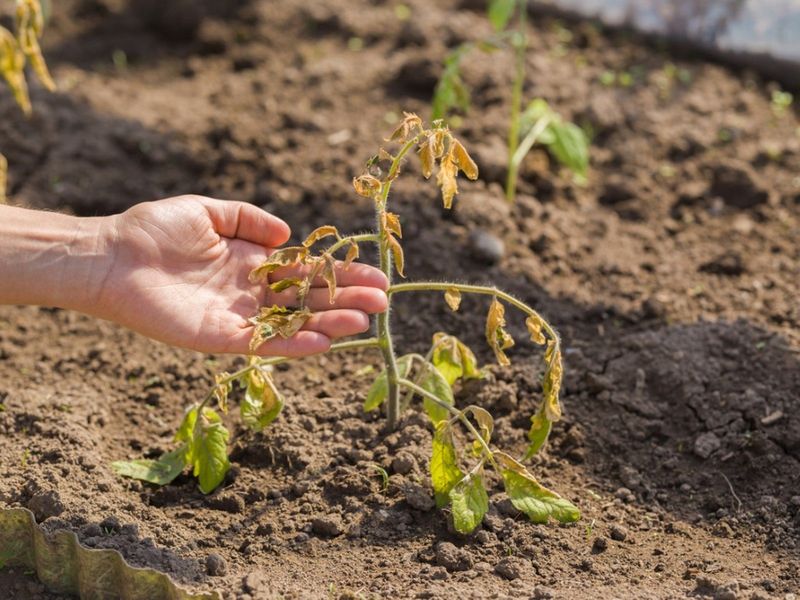
Dry soil and high temperatures are a rough combination for any tomato plant, and Ohio summers can bring both at the same time.
When the ground around tomato roots dries out too quickly between waterings, plants go into a kind of protective mode where they focus on survival rather than reproduction.
Fruit set, which requires real energy and resources, tends to slow or stop when a plant is already under moisture stress.
Tomatoes growing in raised beds, containers, or sandy soils may dry out especially fast during a heat wave. The surface of the soil can look damp while the deeper root zone is already running low on moisture.
Plants might not show obvious wilting until stress is fairly advanced, so checking soil moisture a few inches below the surface is more reliable than looking at the top layer alone.
Keeping soil consistently moist during hot weather helps tomato plants maintain enough internal stability to continue basic functions, even if active fruit set slows temporarily.
Mulching around the base of plants with straw, wood chips, or shredded leaves can significantly reduce how fast the soil dries out between waterings.
In Ohio gardens where summer heat can be relentless for days at a time, that layer of mulch often makes a noticeable difference in how well tomato plants hold up.
6. Too Much Nitrogen Can Push Leaves Over Fruit
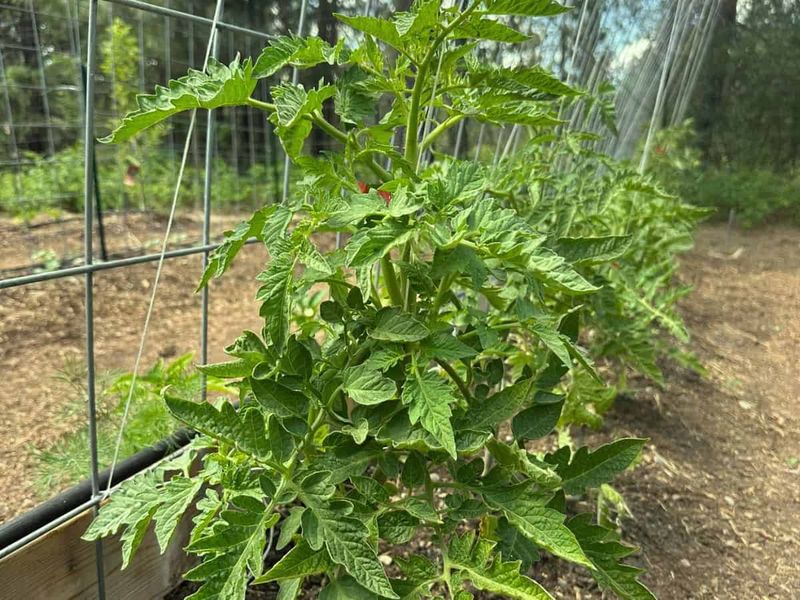
A tomato plant covered in thick, deep-green leaves with very few fruits hanging from it is a familiar sight in some Ohio gardens, and excess nitrogen is often part of the explanation.
Nitrogen encourages leafy, vegetative growth, which is exactly what a young plant needs early in the season.
But when nitrogen levels stay high while the plant is already dealing with heat stress, the balance tips away from fruit production and toward more leaves and stems.
During a heat wave, adding a nitrogen-rich fertilizer in hopes of helping struggling plants can actually work against fruit set. The plant responds to available nitrogen by pushing more foliage rather than focusing energy on developing or setting new fruits.
Gardeners who fertilize heavily throughout the summer sometimes find that their plants look impressively full and green while producing fewer tomatoes than expected.
Backing off on nitrogen once plants are established and flowering is a reasonable approach in Ohio home gardens.
Fertilizers with a higher phosphorus or potassium ratio relative to nitrogen are sometimes preferred once the growing season is well underway.
During a heat wave especially, giving plants time to work through existing nutrients without adding more nitrogen can help shift the plant’s energy back toward fruit development once temperatures become more favorable for setting new tomatoes.
7. Shade Cloth Can Ease Afternoon Heat
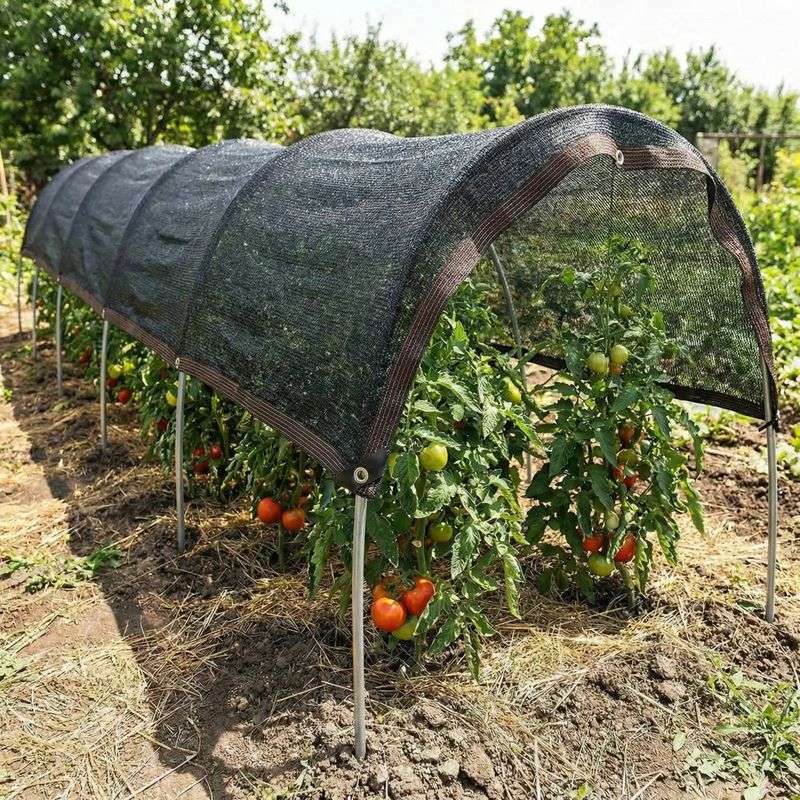
Afternoon sun in an Ohio July can be relentless, and the west-facing side of a tomato bed often takes the brunt of the most intense heat of the day.
For gardeners dealing with repeated days above 90 degrees, shade cloth offers a practical way to reduce the temperature that plants experience without blocking out all of the light they need to grow and flower.
Shade cloth is a lightweight mesh fabric that filters a percentage of sunlight while still allowing air movement and some direct light to reach the plants.
A cloth that blocks around 30 to 40 percent of sunlight is often a reasonable starting point for tomatoes, since they still need plenty of light to function well.
Blocking too much light can slow growth and reduce flowering, so finding a balance matters.
Installing shade cloth on a simple frame or draping it over existing tomato cages is manageable for most home gardeners. The goal is not to keep plants in the dark but to take the edge off the most punishing afternoon heat.
Even a modest drop in leaf-surface temperature can make conditions slightly more favorable for pollen function and reduce the rate of blossom drop during an extended Ohio heat wave.
Removing or adjusting the cloth once temperatures ease allows plants to return to full sun exposure.
8. Deep Watering Helps Plants Ride Out Heat
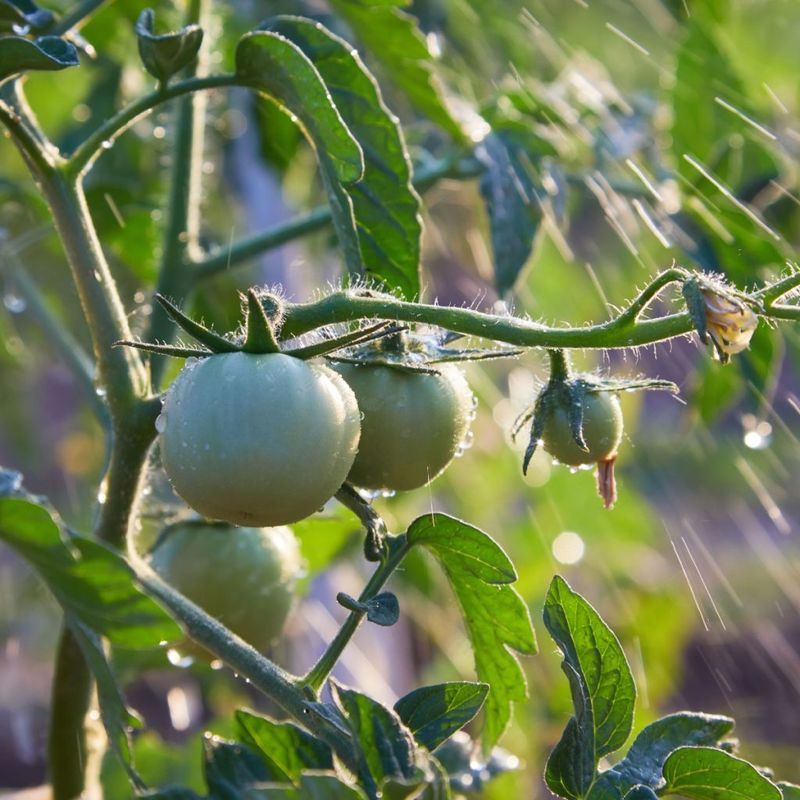
Shallow, frequent watering during a heat wave can give the impression that tomato plants are getting enough moisture while the deeper root zone stays dry.
Roots that stay near the soil surface are more vulnerable to heat and drought, while roots that grow deeper have access to cooler, more stable soil moisture.
Deep watering encourages roots to follow the water downward, which can make plants more resilient during extended hot stretches in Ohio.
A practical approach is to water slowly and thoroughly, allowing moisture to soak down several inches rather than just wetting the top layer of soil.
Soaker hoses and drip irrigation work well for this because they deliver water directly to the root zone at a pace the soil can absorb.
Overhead watering in the evening can leave foliage wet overnight, which is not ideal, so directing water at the base of plants is generally preferred.
How often to water depends on the soil type, container size, and how hot and dry the weather has been. Raised beds and containers tend to dry out faster than in-ground gardens, so they may need attention more frequently during a heat wave.
Checking soil moisture a few inches below the surface before each watering session helps avoid both underwatering and overwatering, keeping Ohio tomato plants as stable as possible while summer heat persists.
9. Fruit Set Usually Returns When Temperatures Ease
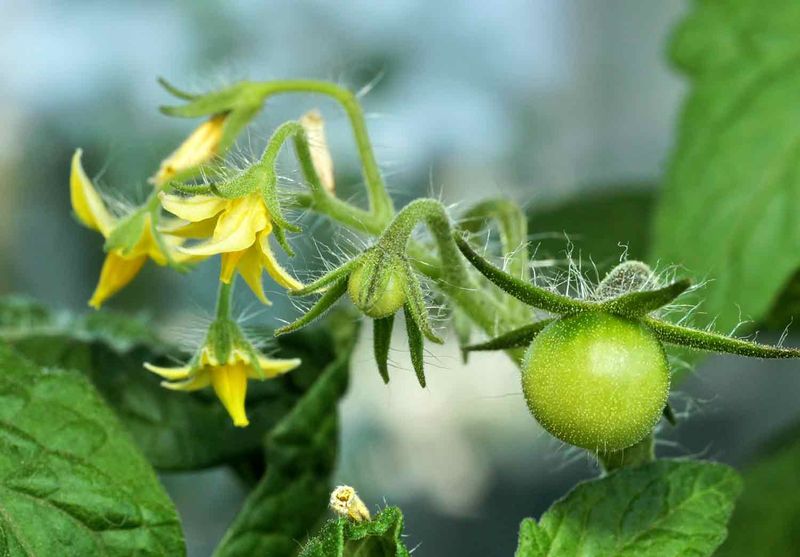
One of the most reassuring things about heat-related fruit set problems is that they are usually temporary.
Ohio tomato plants that have been healthy, well-watered, and properly maintained through a heat wave are often ready to resume setting fruit once daytime temperatures drop back below 90 degrees and nights become cooler.
The flowers that open during more favorable conditions tend to pollinate more successfully, and small fruits begin to appear again on the vine.
Gardeners who have watched their plants stall during a heat wave sometimes worry that the season is over, but that is rarely the case in Ohio. Late July and August still offer plenty of warm growing days that are below the threshold where pollination breaks down.
Many Ohio gardeners find that their best fruit production of the season comes in waves, with a productive stretch, a slower period during peak heat, and then another productive stretch when conditions improve.
Keeping plants healthy through the hot period is the main goal. That means consistent watering, appropriate fertilizing, managing pests, and supporting vines so they stay upright and well-ventilated.
Plants that come through a heat wave in good condition are well-positioned to make the most of the remaining season.
A little patience and steady care go a long way toward a satisfying Ohio tomato harvest, even after a challenging stretch of summer heat.