Massachusetts Conservationists Urge Homeowners To Address Common Buckthorn This Summer
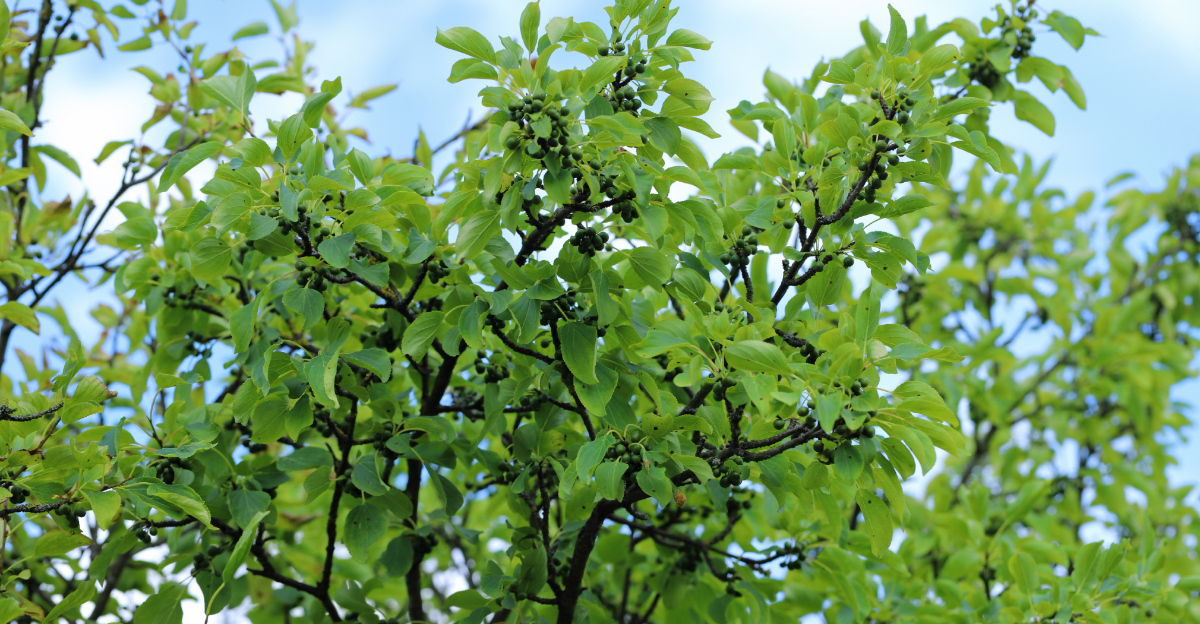
A patch of dense, thorny growth along the fence line might look harmless at first glance. Look closer, though, and you may be staring at common buckthorn, one of Massachusetts’ most persistent invasive shrubs.
This plant doesn’t announce itself. It creeps in slowly, forming thickets that crowd out native shrubs and strip away the habitat local wildlife depends on.
Birds spread its seeds quickly, turning one overlooked shrub into a thicket within a few seasons. Homeowners across the state are noticing the same signs: thinning undergrowth and fewer native seedlings.
Early summer is a smart time to check your property, since buckthorn is easier to spot and remove before it fully leafs out. If a scraggly shrub with dark, cracked bark has been lurking near your yard’s edges, it’s worth a closer look.
The Uninvited Shrub Taking Over Massachusetts Yards
Your yard may have an unwanted guest that has settled in for good.
Common buckthorn has quietly spread across thousands of yards throughout the state, outcompeting native plants at every turn. Many homeowners have no idea it is even there until it has already taken over a significant patch of their property.
This shrub grows fast, spreads aggressively, and thrives in disturbed soil. It loves edges, fence lines, roadsides, and the shady spots under larger trees where other plants struggle.
Buckthorn was originally brought from Europe in the 1800s as a popular hedging plant. Settlers loved how quickly it grew and how dense it became as a natural fence. Few people anticipated the ecological problems it would eventually cause.
Birds eat its berries and spread the seeds far and wide, which is a big reason it keeps showing up in new spots. A single plant can produce thousands of seeds that remain viable in the soil for years.
The common buckthorn issue is now serious enough that conservationists are speaking out publicly. Local land trusts, wildlife groups, and state agencies all agree that summer is the best time to start tackling this problem head-on.
You do not need to be an expert botanist to make a real difference. Identifying and removing buckthorn from your property is something any motivated homeowner can accomplish with the right guidance and a little determination.
How To Recognize Common Buckthorn On Your Property
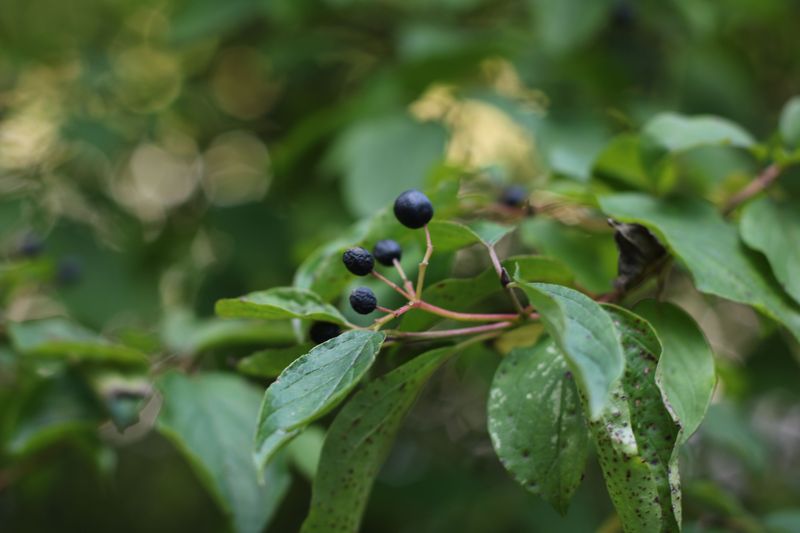
Spotting common buckthorn is easier than most people think once you know the clues.
Start by looking at the bark, which is dark gray-brown with orange streaks visible when scratched. The branches often end in a small sharp thorn, which is one of the most reliable identification features.
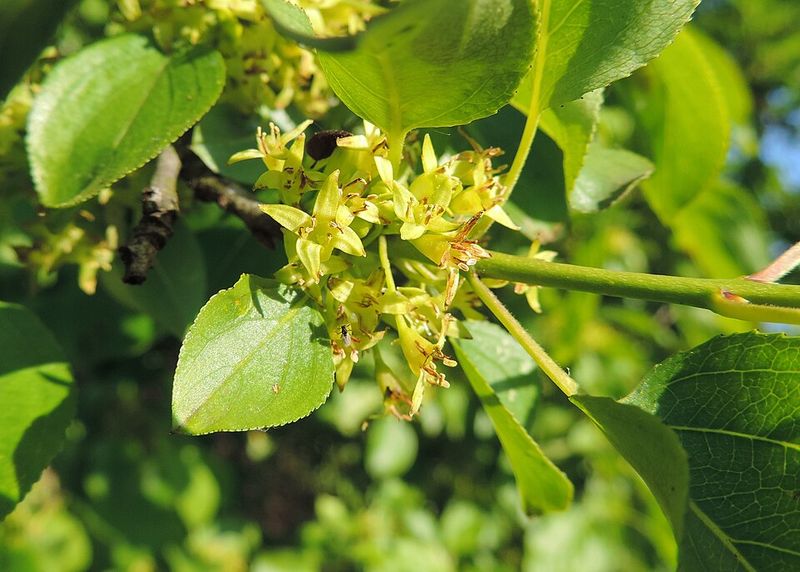
The leaves are oval and slightly glossy, with finely toothed edges and three to five curved veins running toward the leaf tip. They tend to stay green on the plant longer than most surrounding native shrubs in autumn.
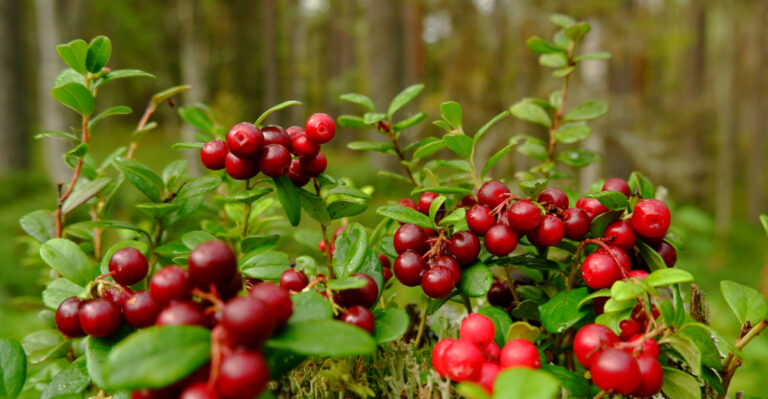
During summer, you will find clusters of small, round berries that start green and turn shiny black when ripe. These berries look tempting but are actually toxic to humans and cause strong digestive upset if eaten.
Your Massachusetts Garden Changes Every Week. Your Plan Should Too.
Gardening in Massachusetts changes quickly throughout the season. Every Friday you’ll receive a simple weekly plan showing exactly what to plant, prune, fertilize, harvest, and protect so you never miss the right timing.
One helpful trick is the scratch test. Scrape a small section of bark with your fingernail or a coin and look for that telltale orange or yellow inner layer. This trick works year-round, even in winter when the leaves are gone.
Common buckthorn often forms dense thickets at the edges of wooded areas or along fence lines and stream banks. If you see a shrub crowding out everything around it with unusual density, buckthorn is a strong suspect.
Younger plants can be mistaken for native shrubs, so take time to check multiple features before you start pulling. Proper identification is the first and most important step toward solving the problem on your property.
Why This Invasive Shrub Is Banned In Massachusetts
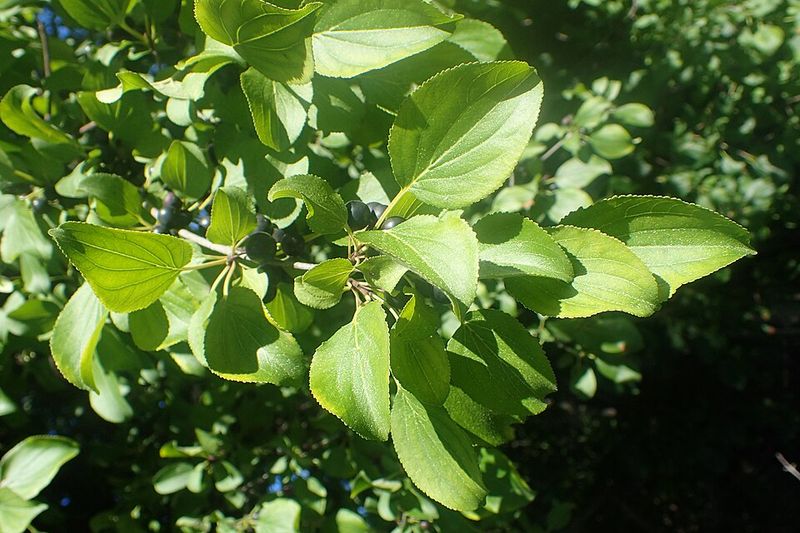
Common buckthorn is not just unwanted, it is officially illegal to sell, plant, or trade in Massachusetts.
The state added it to the prohibited plant list because of the severe ecological damage it causes to forests, wetlands, and native plant communities. This was not a decision made lightly, and the science behind it is clear.
Buckthorn releases a chemical called emodin into the soil through its roots and fallen leaves. That compound suppresses the growth of nearby plants, giving buckthorn a quiet competitive edge.
The shrub also leafs out earlier in spring and holds its leaves later into fall than most native species. That extended growing season gives it a head start over many native plants competing for sunlight and nutrients.
Its berries act as a powerful laxative for birds, which means seeds pass through quickly and get deposited across wide areas. That rapid seed dispersal is a key reason buckthorn spreads so efficiently without any human help.
The ban means nurseries and garden centers cannot legally sell common buckthorn anywhere in the state. If you bought a shrub labeled as buckthorn before you knew better, you are not in trouble, but you are encouraged to remove it responsibly.
Knowing the law helps homeowners understand why conservationists are so urgent about this issue. Common buckthorn removal is not just good gardening practice, it is a matter of protecting the broader natural landscape for future generations.
The Damage Common Buckthorn Causes To Local Ecosystems
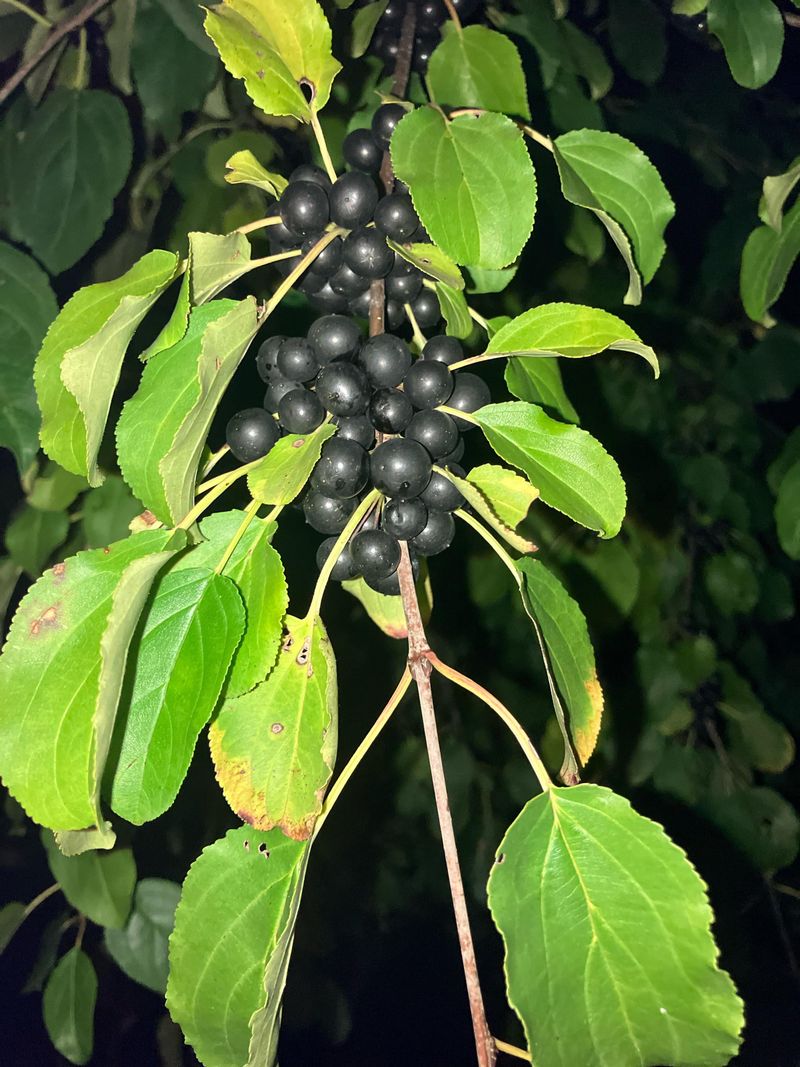
Imagine a forest floor that should be alive with wildflowers, ferns, and young native trees, but instead looks like a wall of dark, thorny shrubs.
That is exactly what happens when common buckthorn moves in and takes over. The damage it causes goes far beyond aesthetics, reaching deep into the ecological web that native wildlife depends on.
Native insects, many of which have evolved alongside specific local plants, struggle to use buckthorn for food or shelter. When native plants disappear under a buckthorn canopy, those insects follow, and the birds and animals that eat them suffer too.
The soil itself changes under a buckthorn thicket. Research has shown that earthworm populations spike dramatically in buckthorn-dominated areas, which disrupts the natural soil structure that native plant roots need to thrive.
Wetland areas are especially vulnerable because buckthorn can grow right up to the water’s edge and shade out plants that protect stream banks. That loss of root structure increases erosion and sends sediment into local waterways.
Deer tend to avoid eating buckthorn, which gives it yet another advantage over native plants that get heavily browsed. This selective pressure means buckthorn keeps growing while everything else around it gets eaten back.
The long-term consequences are significant for biodiversity. Every patch of buckthorn that goes unaddressed is one less patch of habitat for the native species that make Massachusetts ecosystems healthy and resilient year after year.
Effective Ways To Remove Common Buckthorn
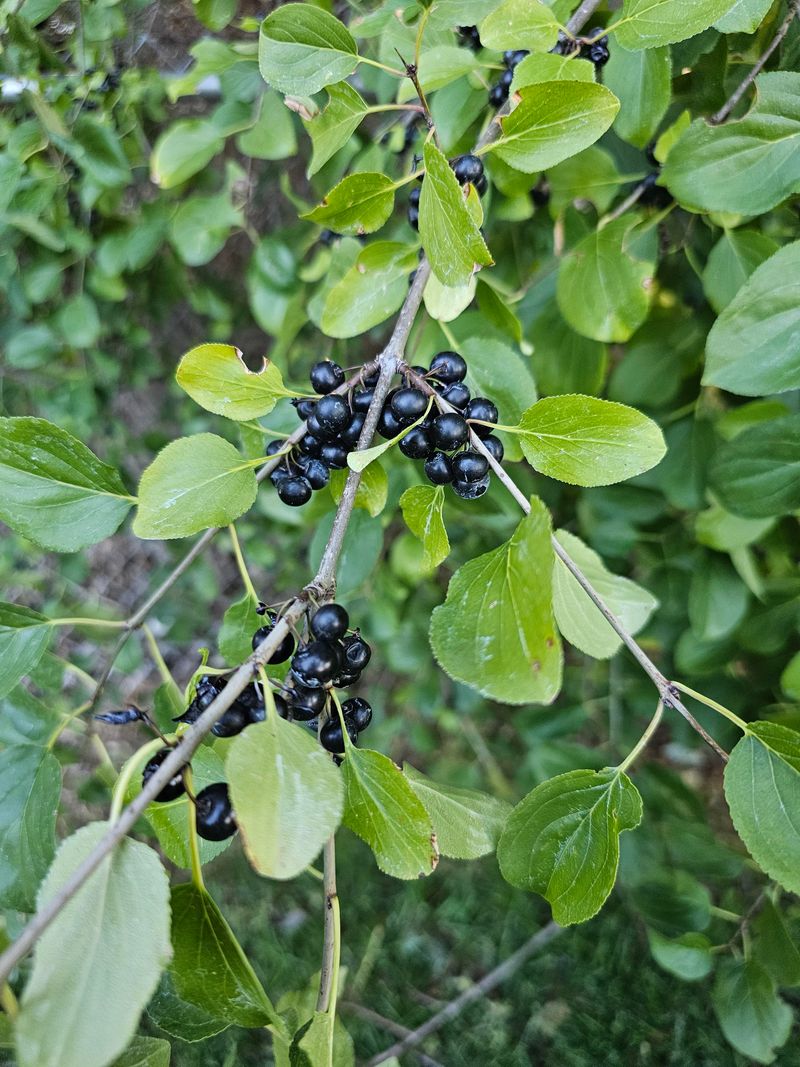
Rolling up your sleeves and getting to work is satisfying once you know what you are doing.
For small plants under half an inch in diameter, hand-pulling is the most effective method when the soil is moist. Grab the stem as close to the ground as possible and pull slowly to get as much of the root system out as you can.
Larger shrubs require cutting at the base, which is best done with loppers or a pruning saw for thicker stems. Cutting alone rarely stops buckthorn, since it often resprouts from the stump if nothing else is done.
To prevent resprouting after cutting, many removal experts recommend applying an herbicide directly to the freshly cut stump surface. This targeted approach limits chemical contact with surrounding plants and soil.
Foliar spraying works well for dense thickets of smaller plants when hand removal is not practical. Late summer into fall is an ideal window because buckthorn stays leafy while native plants begin to go dormant, reducing collateral impact.
Repeated cutting over two to three growing seasons can also exhaust a plant’s root energy without any chemical use. This method takes longer but works well for homeowners who prefer to avoid herbicides entirely.
No matter which approach you choose, disposing of the cut material properly matters. Do not compost buckthorn berries or branches with berries attached, since seeds can survive and spread from your compost pile to new areas.
Preventing Common Buckthorn From Coming Back
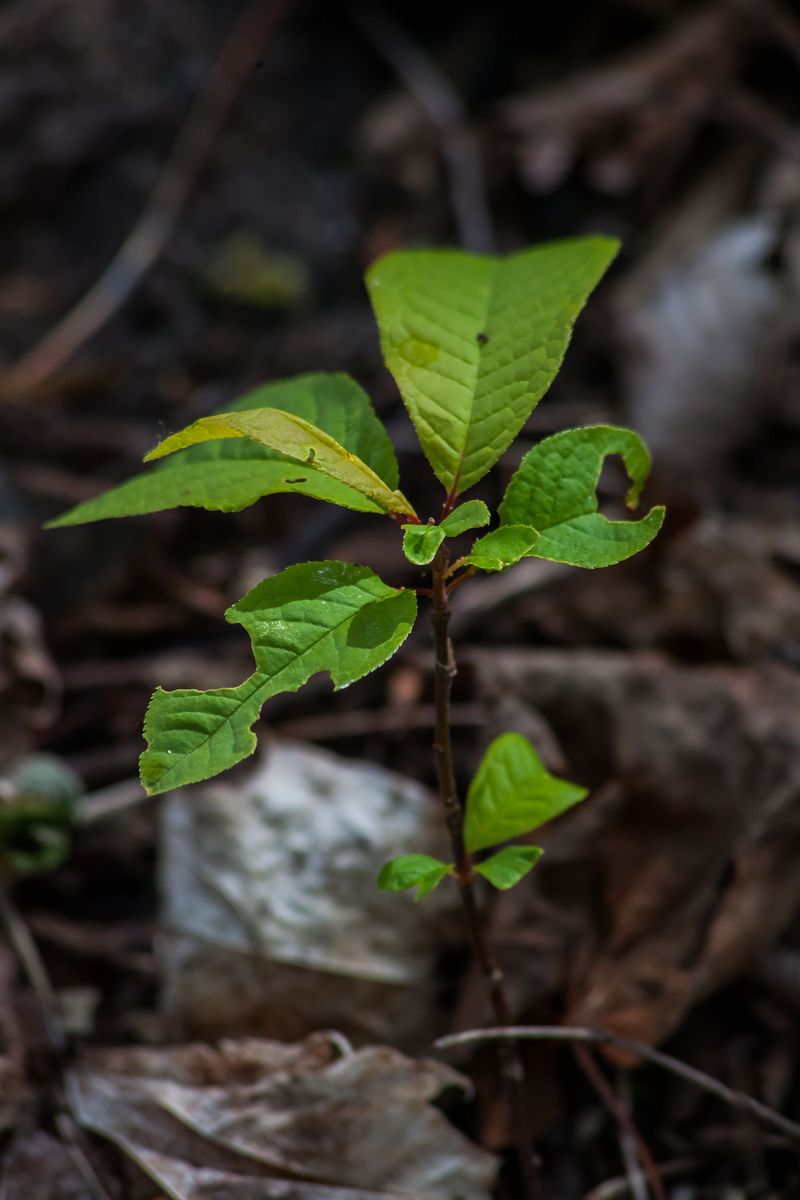
Pulling out buckthorn is only the first step, and the next one is making sure it does not return.
The seeds already in your soil can remain viable for up to six years, which means new seedlings will likely sprout in the seasons following removal. Staying alert and pulling those seedlings early makes the long-term job much easier.
Replacing cleared areas with native plants is one of the smartest moves you can make. Dense native groundcovers and shrubs fill the space quickly, leaving less room for buckthorn seedlings to establish themselves in the open soil.
Good choices for Massachusetts yards include native viburnums, serviceberry, spicebush, and elderberry. These plants offer food and shelter for native wildlife while growing robustly enough to compete with any returning buckthorn seedlings.
Mulching cleared areas with a thick layer of wood chips helps suppress seedling germination significantly. Aim for a three to four inch layer and refresh it each spring to maintain effectiveness through the growing season.
Monitoring your property twice a year, once in late spring and once in late summer, helps you catch new growth before it becomes a big problem again. Young buckthorn plants are much easier to remove than established ones.
Staying consistent is the key to keeping common buckthorn off your property for good. With a little seasonal attention, the native landscape you work to restore can thrive and hold its ground for years to come.