Why Emerald Ash Borer Damage Shows Up Most Clearly In Kentucky Yards By Late Summer
Drive through any Kentucky neighborhood in late August and you might spot it: an ash tree that looked completely fine in June, now thinning out like it’s giving up on the season early.
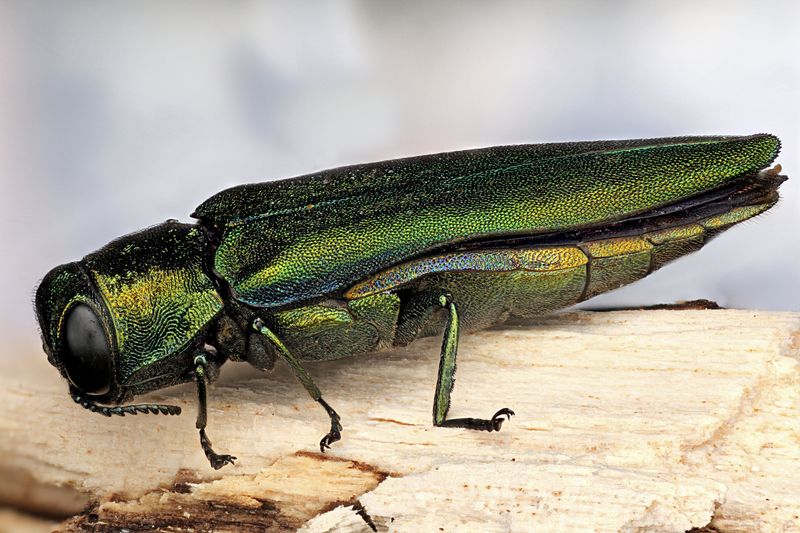
The culprit isn’t drought or bad luck. It’s a beetle smaller than a penny, and it’s been working inside that tree’s bark for years before the damage ever became visible from the sidewalk.
The emerald ash borer doesn’t announce itself. Its larvae tunnel through the inner bark, cutting off the tree’s ability to move water and nutrients, and by the time the canopy starts to look sparse, the infestation is often years old.
Late summer is when the signs finally catch up with the reality underneath the bark. For Kentucky homeowners, knowing what to look for now could mean the difference between saving a tree and losing one.
Larvae Feed All Summer Before Damage Becomes Visible
Beneath the bark, a slow disaster unfolds.
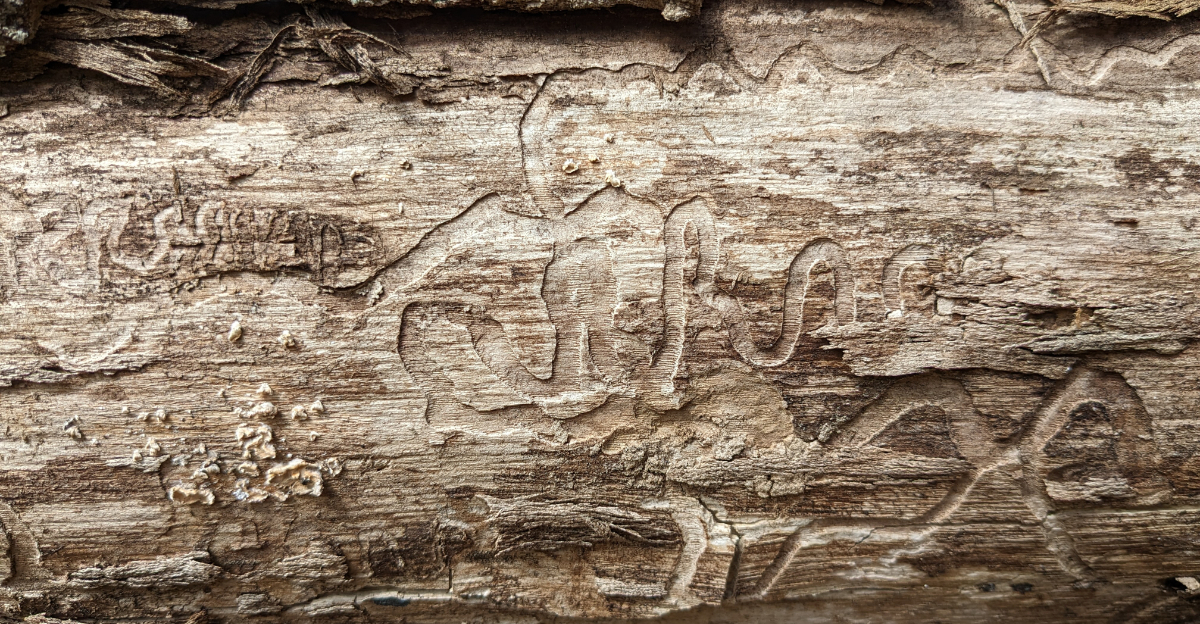
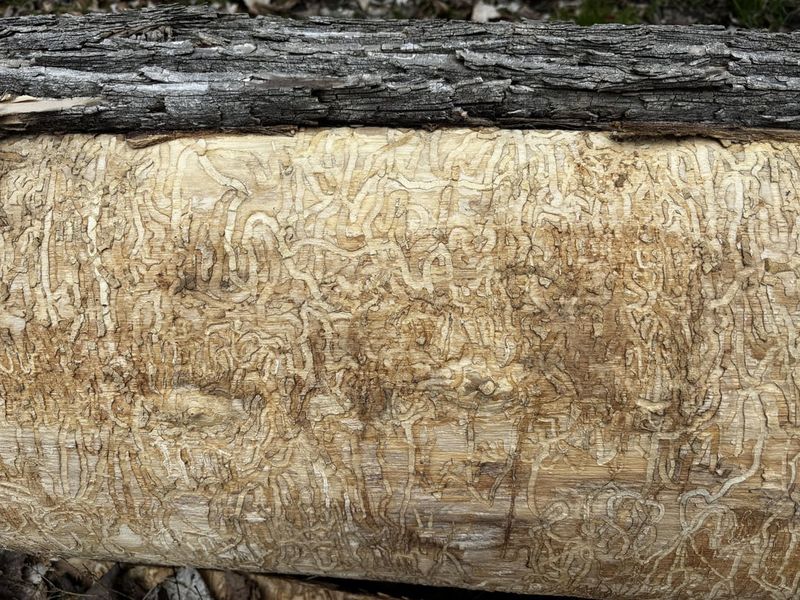
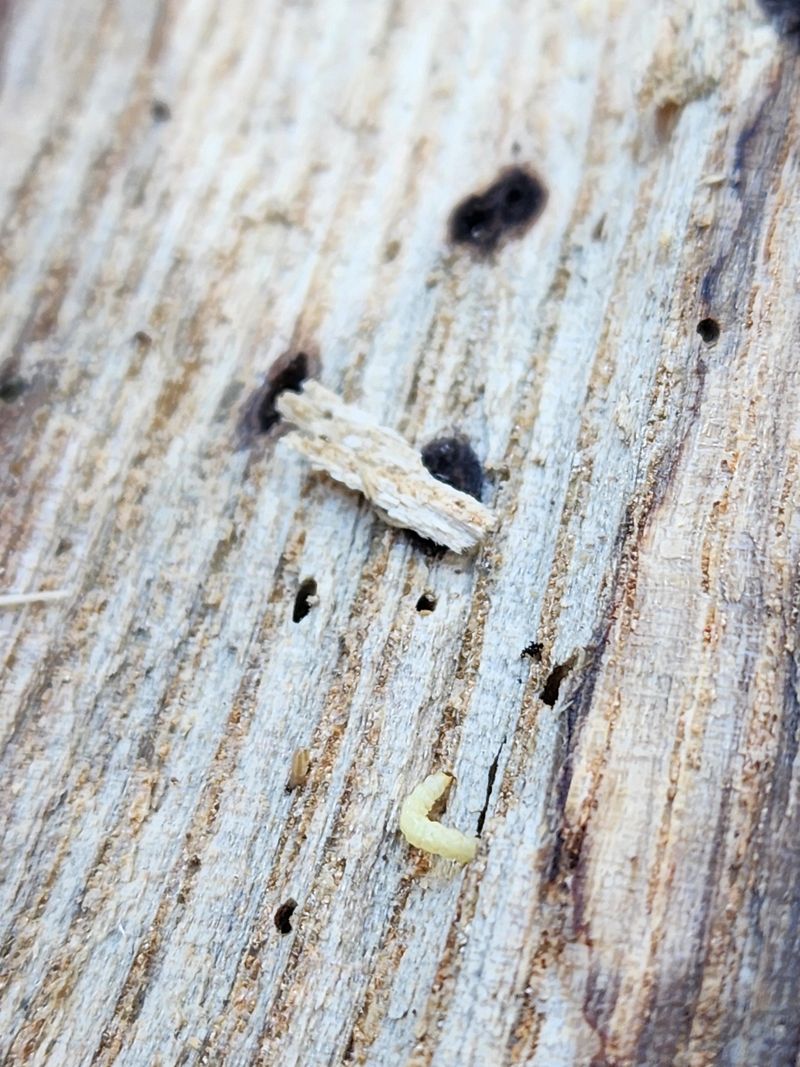
Emerald ash borer larvae spend the entire warm season boring through the inner bark of ash trees. They chew winding, S-shaped tunnels called galleries that cut off the flow of water and nutrients.
Most homeowners have no idea anything is wrong during this phase. The tree looks fine on the outside while the inside is being carved apart.
The larvae hatch from eggs laid by adult beetles in early summer. By midsummer, they are deep inside the tree, feeding aggressively on the cambium layer.
The phloem is the thin tissue responsible for moving food from leaves down to roots, and it runs right alongside the cambium layer larvae are feeding on.
This feeding frenzy lasts for weeks before any outward sign appears. There’s no outward alarm, and the larvae work silently and steadily.
By late summer, enough damage has built up that the tree finally shows symptoms. The timing feels sudden, but the truth is the problem started months earlier.
Catching emerald ash borer activity early means looking below the surface. Peeling back a small section of loose bark can reveal those telltale galleries before the tree reaches a crisis point.
Knowing the hidden timeline of this pest gives homeowners a real advantage. Acting before visible symptoms appear is the best way to protect a valued ash tree.
Signs To Look For In A Kentucky Ash Tree
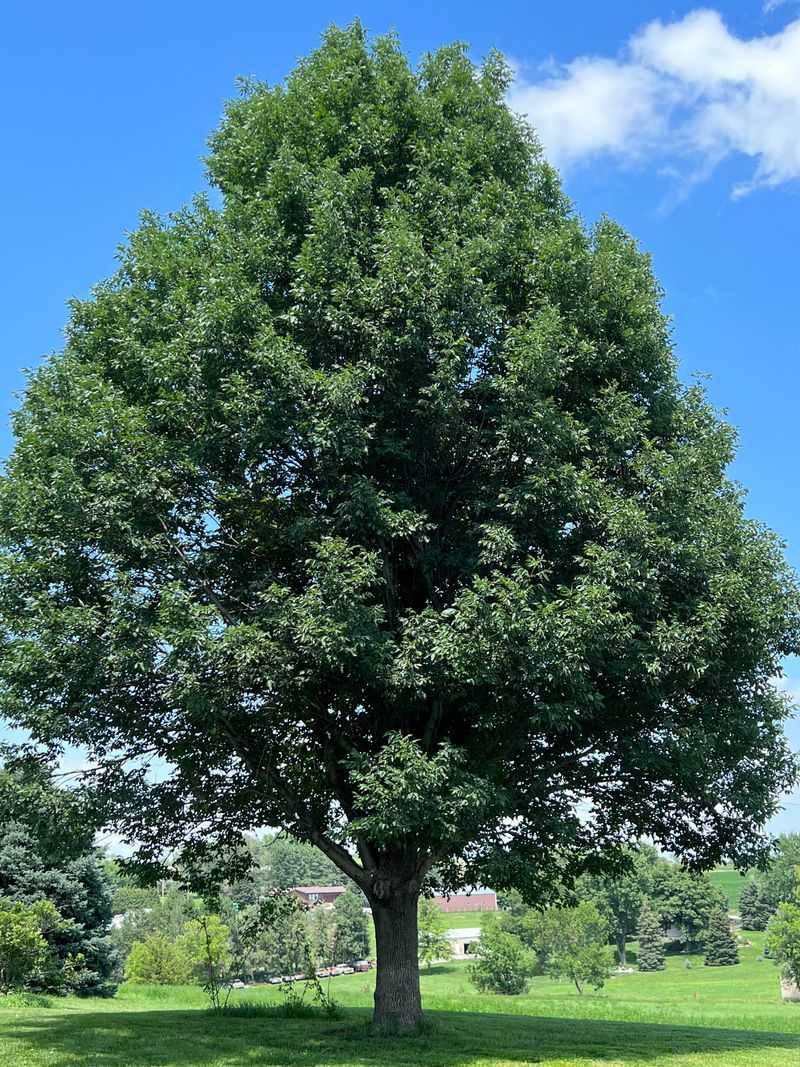
Your ash tree is sending signals, and most people miss them.
One of the earliest visible signs of emerald ash borer trouble is a thinning canopy at the top of the tree. Leaves in the upper branches start to look sparse and pale before lower branches show any change.
Woodpecker activity is another clue worth watching. Birds like downy and red-bellied woodpeckers go after the larvae under the bark, leaving behind rough, scraped patches called blonding.
Blonding looks like someone sanded the outer bark away in uneven strips. If you see this on your ash tree, larvae are almost certainly present underneath.
Sprout growth along the lower trunk and main roots is also a warning sign. The tree pushes out these shoots in a desperate attempt to keep producing leaves when the upper crown is failing.
Your Kentucky Garden Changes Every Week. Your Plan Should Too.
Gardening in Kentucky changes quickly throughout the season. Every Friday you’ll receive a simple weekly plan showing exactly what to plant, prune, fertilize, harvest, and protect so you never miss the right timing.
Bark splits and cracks can appear as the galleries beneath expand. These splits allow you to peek inside and sometimes spot the winding tunnels left by feeding larvae.
Adult beetles leave small, D-shaped exit holes when they emerge in late spring. These holes are about the size of a pencil tip and are easy to miss unless you look closely.
Catching multiple signs together makes a strong case for infestation. A single symptom could have another cause, but a combination of thinning crown, woodpecker damage, and exit holes points clearly to emerald ash borer damage in your yard.
Why Ash Trees Are So Common In Kentucky Yards
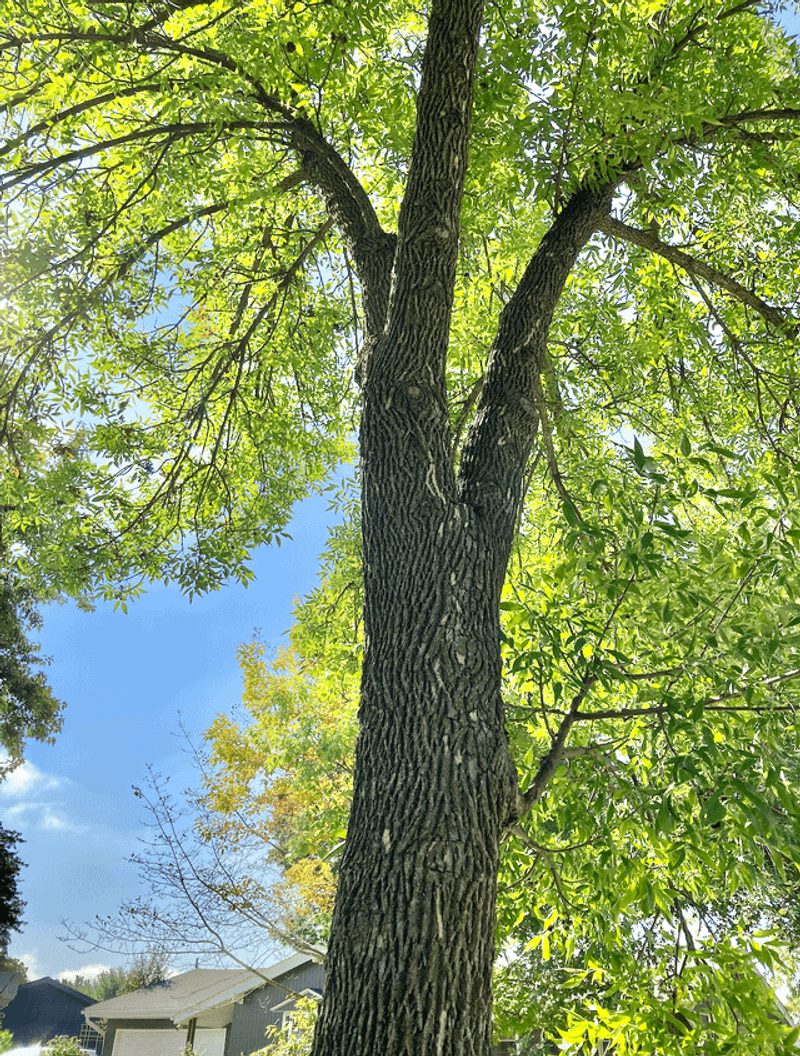
Ash trees have been a backyard staple in the Bluegrass State for generations.
Green ash and white ash were planted widely across Kentucky neighborhoods starting in the mid-to-late 20th century. They were considered ideal street and yard trees because they grew fast, provided dense shade, and tolerated the region’s humid summers.
Many towns planted ash trees along roadsides after Dutch elm disease wiped out enormous numbers of elm trees. Ash seemed like the perfect replacement, and millions were planted across the Midwest and South.
Kentucky’s climate suits ash trees well. The combination of warm summers, moderate winters, and reliable rainfall helped these trees thrive for decades without much fuss.
Their wide canopies make them especially popular in residential yards. A mature ash can spread 50 feet across, turning a plain backyard into a shaded retreat during hot summer months.
Because so many ash trees were planted around the same time, neighborhoods often have large numbers of similarly aged specimens. That concentration becomes a problem when a pest like the emerald ash borer arrives.
A single infected tree can spread the infestation to neighbors quickly. Adult beetles fly short distances and can move from yard to yard within a single season.
Understanding why ash trees are so widespread helps explain why emerald ash borer damage can sweep through an entire neighborhood so fast. The pest does not have to travel far to find its next meal.
The Speed Of Decline Once An Infestation Takes Hold
Speed is what makes this pest so alarming.
A healthy ash tree can go from showing its first symptoms to complete canopy collapse in as few as two to four years. Smaller trees with lighter infestations may decline even faster.
The process accelerates year after year as each new generation of larvae adds fresh damage to tunnels left behind by the last.
By the time a homeowner notices the thinning crown and calls an arborist, the infestation may already be in its second or third year. That head start makes recovery much harder.
Late summer reveals the true extent of the damage because the tree has spent all season trying to push nutrients through damaged pathways. When it finally cannot keep up, the symptoms crash in fast.
Larger, older trees tend to hold on longer than younger ones, but they are not immune. A big tree simply has more tissue for larvae to consume before the system fails completely.
Once more than half the canopy has declined, the tree is considered beyond saving by most arborists. At that stage, treatment costs money without offering a realistic chance of recovery.
Watching a beloved shade tree decline within a few seasons is hard for any homeowner. Acting the moment you spot early emerald ash borer damage gives you the best chance to beat the clock and keep your tree standing.
Treatment Options Before It’s Too Late
Treatment works when you catch it in time.
The most effective treatments for emerald ash borer involve systemic insecticides that move through the tree’s vascular system. These products reach the larvae feeding inside the wood where sprays cannot penetrate.
Soil injection and trunk injection are the two main delivery methods used by professional arborists. Both get the active ingredient into the tree’s tissue, where it poisons feeding larvae before they can complete their damage.
Homeowners can also use soil drench products available at garden centers. These are applied around the base of the tree and absorbed through the roots over several weeks.
Timing matters a great deal with any treatment approach. Applications made in spring, before adult beetles lay new eggs, tend to give the best protection going into the feeding season.
Trees that are treated early and consistently have a strong chance of surviving and recovering. Canopy density often improves noticeably within two growing seasons after successful treatment begins.
A certified arborist can assess whether a specific tree is a good candidate for treatment. Trees that have lost more than 30 to 50 percent of their canopy may not respond well enough to justify the cost.
Protecting a tree you love from emerald ash borer damage is possible with the right plan. Starting treatment before late summer symptoms appear puts you well ahead of the pest.
What To Do With A Tree That Can’t Be Saved
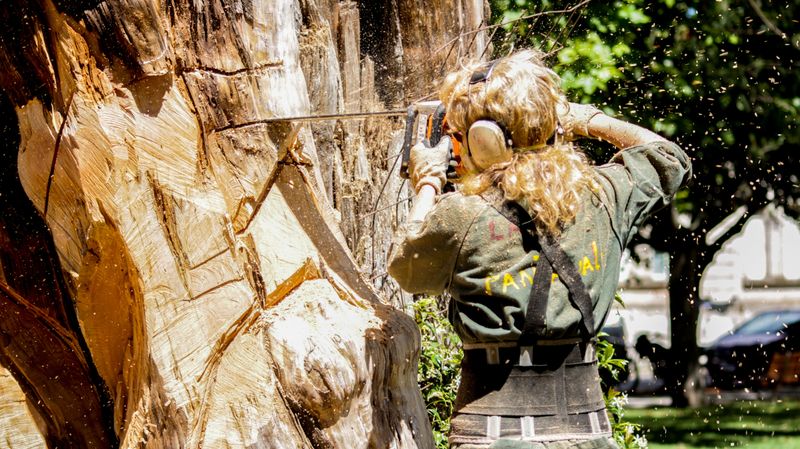
When an ash tree has lost most of its canopy and the main trunk shows extensive damage, removal becomes the safest and most responsible choice. A structurally weakened tree poses real risks to people, rooftops, and power lines.
Scheduling removal sooner rather than later keeps costs manageable. Fallen or collapsed trees cost significantly more to clean up than those removed while still standing.
Before the tree comes down, consider having the wood milled into lumber or cut into firewood. Ash wood is dense and burns well, and some local sawmills will take freshly cut logs.
Do not move ash wood or logs to another location without checking state or county regulations, since some areas still enforce local quarantine rules to slow the spread of emerald ash borer.
After removal, the stump can be ground down and the area replanted with a different species. Choosing a diverse mix of trees protects your yard from losing everything to a single pest in the future.
Good replacement options for Kentucky yards include native species like redbud, serviceberry, or river birch. These trees support local wildlife and add seasonal beauty without being vulnerable to the same threat.
Losing a mature shade tree is difficult, but a thoughtful replanting plan turns loss into an opportunity. New trees planted today become the canopy that future generations of your family will enjoy for decades to come.