Plant These 8 Vegetables This Month For Fresh Fall Produce In Wisconsin
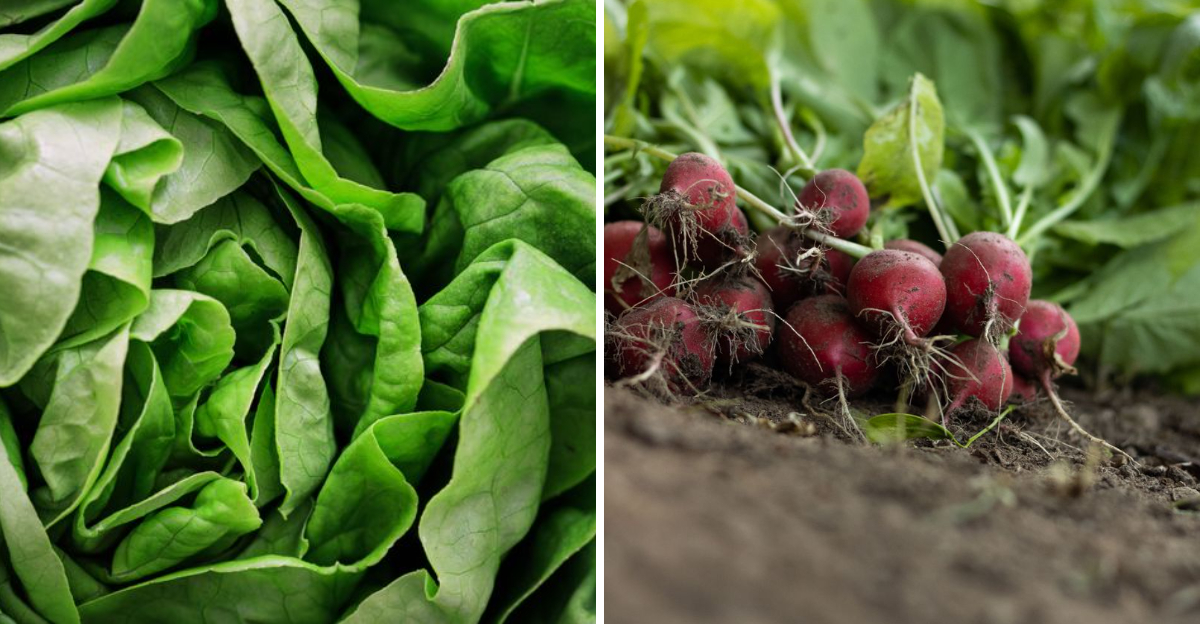
The calendar says summer, but smart Wisconsin gardeners are already thinking about frost. That’s not bad news. It’s an invitation.
Right now, while your tomatoes are still basking in August sun, there’s a second season quietly opening up, one most gardeners walk right past.
Cool nights do something magic to what’s growing in your beds: they slow things down just enough to concentrate sugars, turning bitter into sweet and tough into tender.
What comes out of the ground after the first frost tastes nothing like what you pulled in June. Leaves soften.
Roots turn almost candy-like. Wisconsin’s fall window is short, but it’s real, and it rewards gardeners who move fast.
Grab your seed packets, check your average first frost date, and start counting backward. What thrives in autumn’s chill is waiting, and your garden’s best harvest of the year might still be ahead of you.
1. Bush Beans
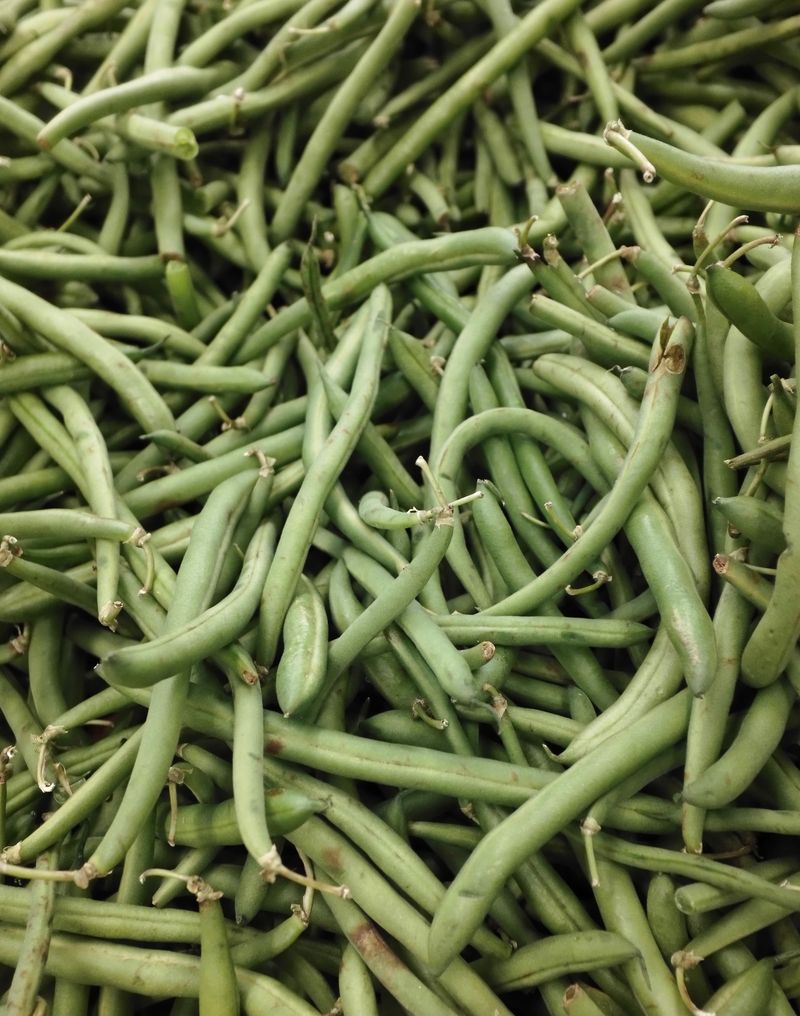
Snap a fresh bean off the vine and you will understand why gardeners keep coming back to bush beans every season.
Unlike the other crops on this list, beans are frost-tender, so they need to be harvested before your first freeze rather than after it.
They do not need stakes or trellises, which makes them perfect for busy gardeners who want results without extra work.
Bush beans grow fast, usually producing pods in 50 to 60 days. That tight timeline is exactly what you need when fall is creeping closer.
Choose a quick-maturing variety like Provider or Contender for the best shot at a solid harvest before frost hits.
Plant seeds about one inch deep and four inches apart in a sunny spot with well-drained soil.
Water consistently but avoid soaking the soil, since beans prefer moisture without sitting in puddles. A light layer of mulch helps keep the ground cool as temperatures shift.
Beans fix nitrogen in the soil, which is a bonus for next year’s garden beds. Harvest pods when they feel firm and snap cleanly, before seeds inside bulge noticeably. Leaving pods too long makes them tough and stringy.
Direct sunlight for at least six hours daily keeps plants productive. A well-timed planting of bush beans can reward you with a generous harvest before the season ends.
Just make sure to seed them early enough to mature before frost hits. Fresh beans from your own garden taste nothing like what you find in a grocery store bag.
2. Beets
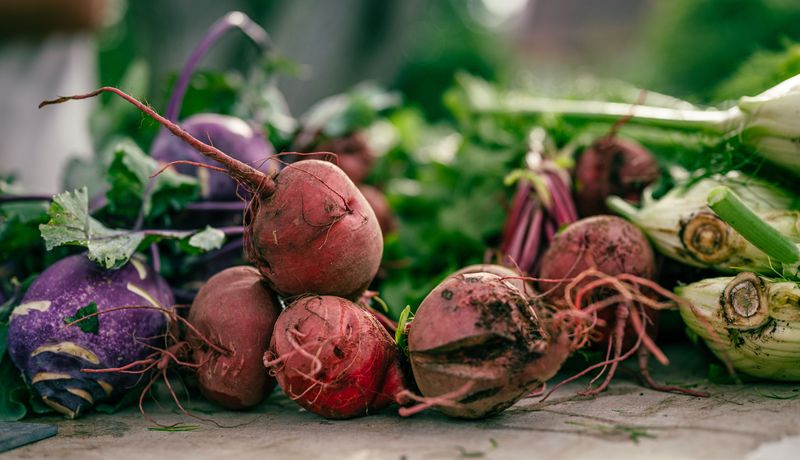
Beets are one of those vegetables that reward patience with serious flavor. Roast them in the oven and they turn sweet and almost candy-like, which is a huge payoff for a simple root crop.
Planting beets now gives them exactly the cool soil they love for developing that deep, rich taste.
Seeds germinate best when soil temperatures are between 50 and 85 degrees Fahrenheit. Late summer in Wisconsin hits that sweet spot perfectly.
Sow seeds about half an inch deep and two inches apart, then thin seedlings to about four inches once they sprout.
Your Wisconsin Garden Changes Every Week. Your Plan Should Too.
Gardening in Wisconsin changes quickly throughout the season. Every Friday you’ll receive a simple weekly plan showing exactly what to plant, prune, fertilize, harvest, and protect so you never miss the right timing.
One thing most gardeners skip is soaking beet seeds overnight before planting. That simple step softens the outer coating and speeds up germination noticeably.
You can expect sprouts in five to ten days when conditions are right. Beets are a two-for-one crop because both the roots and the leafy tops are edible.
Young beet greens taste great sauteed with garlic and olive oil, making them a bonus harvest while you wait for roots to size up. Do not let those greens go to waste.
Aim for roots about one to two inches in diameter at harvest, which usually takes 55 to 70 days. Smaller beets tend to be more tender than oversized ones.
A light frost actually improves sweetness, so do not rush to pull them the moment temperatures drop.
Fresh fall produce in Wisconsin does not get much more satisfying than a tray of roasted homegrown beets.
3. Carrots
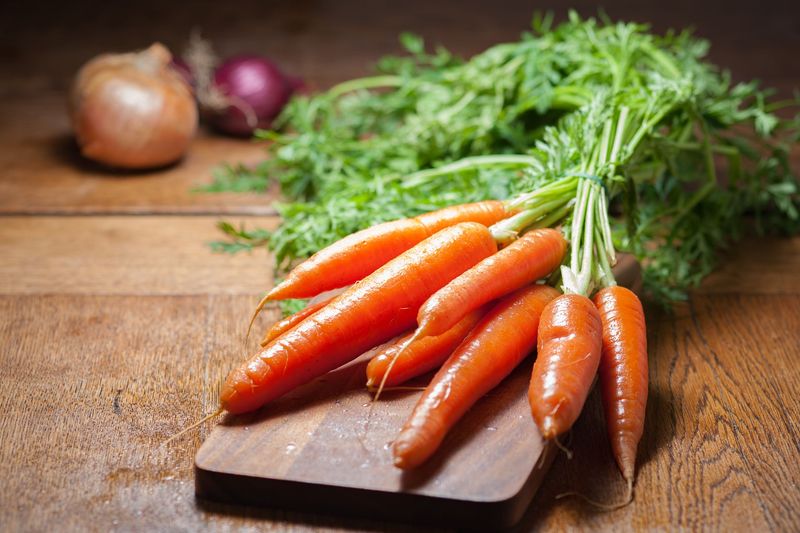
Carrots grown in cool soil have a sweetness that store-bought bags simply cannot match. Cold temperatures trigger the plant to convert starches into sugars, and that process creates flavor that will genuinely surprise you.
Planting carrots now sets you up for one of the best harvests of the entire growing season. Loose, deep, rock-free soil is non-negotiable for straight, well-formed roots.
If your garden has heavy clay, mix in compost or sand to loosen things up before seeding. Compacted soil causes carrots to fork or stunt, which ruins both looks and texture.
Sow seeds thinly in rows about twelve inches apart, covering them with just a quarter inch of soil. Carrot seeds are tiny and slow to germinate, often taking one to three weeks.
Keep the seedbed consistently moist during that waiting period, since dry soil will stop germination cold. Thin seedlings to about two to three inches apart once they reach two inches tall.
Crowded carrots compete for space and end up small and misshapen. Thinning feels wasteful, but it is the single most important step for getting full-sized roots.
Most varieties mature in 70 to 80 days, so timing your planting now aligns perfectly with Wisconsin’s fall schedule.
Nantes and Danvers types handle clay soils better than long slender varieties. Leaving carrots in the ground after a light frost concentrates their natural sugars even further.
Pull one out, brush off the dirt, and take a bite right there in the garden. Many gardeners find it’s worth the wait.
4. Broccoli (Transplants)
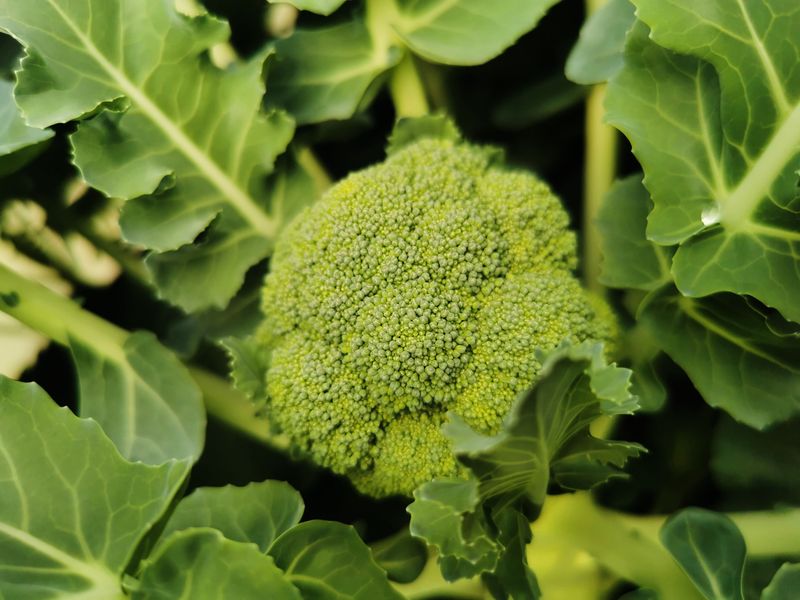
Broccoli is one of those crops that actually gets better when the weather cools down. Heads tighten up and develop a sweeter, nuttier flavor when nighttime temperatures drop into the 40s and 50s.
Starting with transplants instead of seeds right now gives you the head start you need to beat the first hard freeze.
Purchase healthy six-week-old transplants from a local nursery rather than starting from seed at this stage.
Timing is tight for direct seeding broccoli in Wisconsin this late in the season. Transplants shave off valuable weeks and put you in a much stronger position.
Space transplants about 18 inches apart in a sunny bed with rich, well-amended soil. Broccoli is a heavy feeder, meaning it pulls a lot of nutrients from the ground.
Work in a balanced fertilizer or aged compost before planting for the best results. Water deeply after transplanting and keep soil consistently moist throughout the growing period.
Mulching around the base of each plant helps retain moisture and regulate soil temperature as fall progresses. Consistent watering prevents heads from becoming loose and open before harvest.
Harvest main heads when they are tight and dark green, before yellow flowers begin to open. After cutting the central head, smaller side shoots will continue producing for several more weeks.
That extended harvest window is one of the best reasons to grow broccoli in a fall garden. Fresh fall produce in Wisconsin gets a serious upgrade when broccoli is part of the lineup. Side shoots taste just as good as the main event.
5. Kale
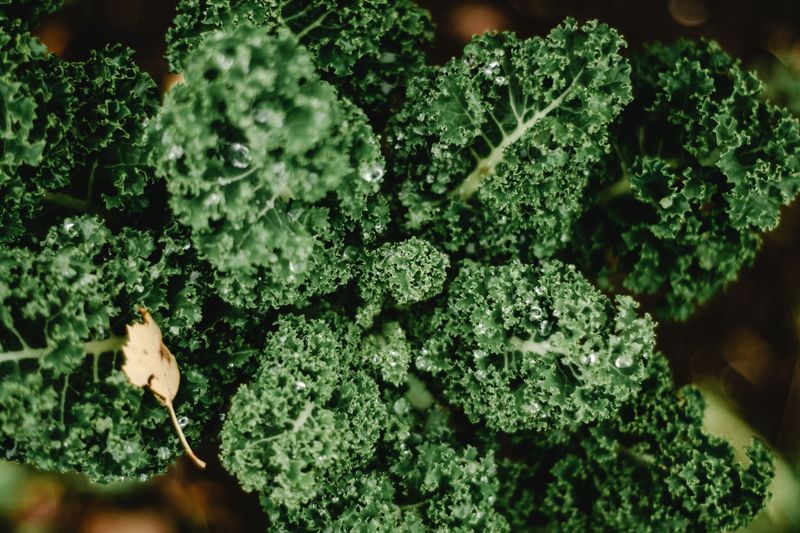
Kale is one of the most dependable crops in the fall garden, and it earns that reputation every single season.
It laughs at frost, keeps producing after most other crops have given up, and actually tastes better after cold weather hits.
Few vegetables are this tough and this rewarding at the same time. Direct sow seeds now or set out transplants for the quickest results.
Kale matures in about 55 to 75 days depending on the variety, so timing is still on your side in Wisconsin. Lacinato, Red Russian, and Curly kale are all excellent choices for fall growing.
Plant seeds half an inch deep in rows about 18 inches apart, thinning to 12 inches between plants once seedlings establish. Good spacing allows air circulation, which reduces disease pressure as the season gets wetter.
Crowded kale plants are more prone to fungal issues. Kale thrives in full sun but tolerates partial shade better than most vegetables.
Consistent moisture during the early growth phase encourages large, tender leaves. Once established, kale handles dry spells without much fuss.
Harvest outer leaves first, leaving the central growing tip intact so the plant keeps pushing out new growth. A single plant can feed a household for weeks when harvested this way.
After a frost, the leaves develop a natural sweetness that makes raw kale salads genuinely enjoyable.
Massaging leaves with olive oil and a pinch of salt softens their texture beautifully. This is one plant that consistently earns its garden space every fall season.
6. Lettuce
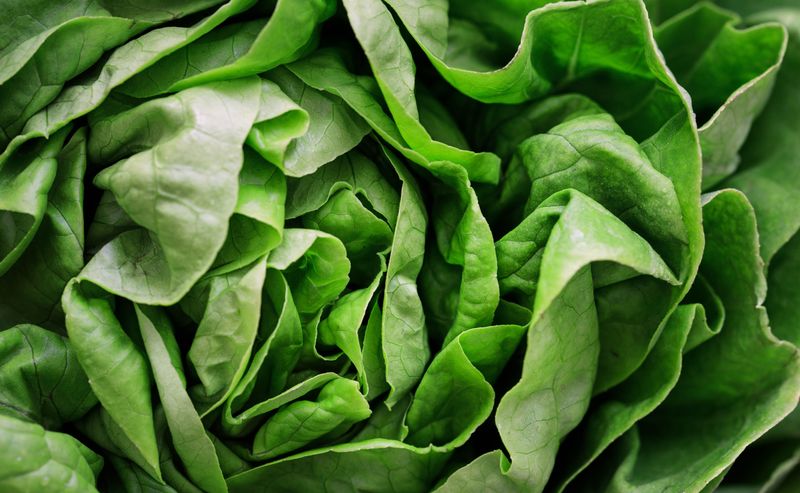
Lettuce is the fastest path from seed to salad bowl in the fall garden. Some varieties are ready to cut in as few as 30 days, which means you could be harvesting fresh greens before the end of next month.
Cool weather is when lettuce truly shines because heat causes it to bolt and turn bitter almost overnight.
Fall temperatures in Wisconsin are practically custom-made for growing tender, crisp heads and loose-leaf varieties. Plant now and you sidestep the summer bolting problem entirely.
Scatter seeds thinly in rows or broadcast them across a raised bed for a cut-and-come-again patch. Cover seeds with just an eighth of an inch of fine soil since they need light to germinate well.
Keep the seedbed moist until sprouts appear, which usually takes five to ten days. Buttercrunch, Black Seeded Simpson, and Oak Leaf are reliable performers for fall planting.
Mix varieties to get a range of colors and textures in every harvest. A diverse bowl of homegrown greens looks as good as it tastes.
Begin harvesting outer leaves once plants reach four to six inches tall, letting the center keep growing. This cut-and-come-again method extends your harvest by weeks.
Row cover fabric adds a few extra weeks of protection once hard frosts threaten. Lettuce can handle light freezes surprisingly well when given a little shelter.
Fresh fall produce in Wisconsin starts right here, with a simple packet of seeds and a few sunny days.
7. Spinach
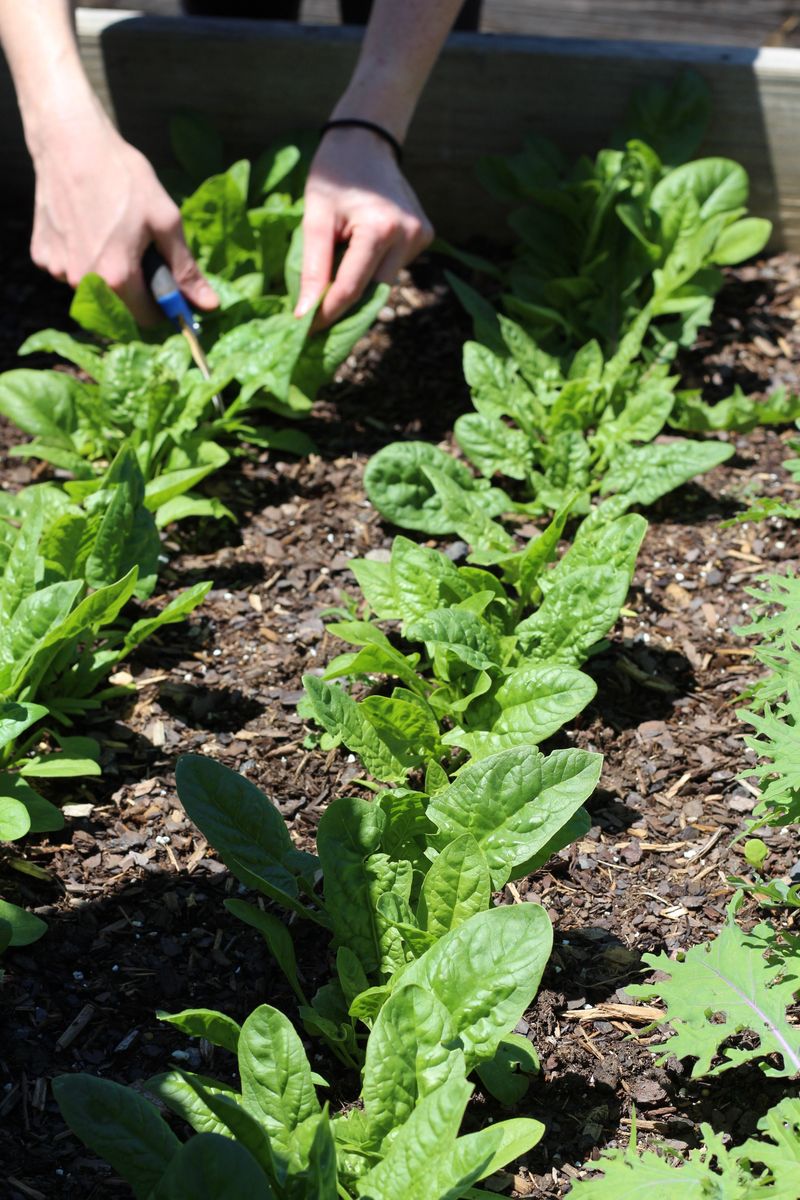
Spinach is the quiet overachiever of the fall garden, growing steadily even as temperatures drop into territory that stops most other crops cold.
It can survive light freezes and even a dusting of snow with minimal protection. Planting it now is one of the smartest moves a Wisconsin gardener can make this time of year.
Seeds germinate best when soil temperatures sit between 45 and 75 degrees Fahrenheit. Late summer soil in Wisconsin is cooling right into that range, creating nearly ideal conditions.
Sow seeds about half an inch deep and two inches apart in rows spaced about a foot apart. Thin seedlings to about four to six inches once they are a couple of inches tall.
Thinning improves airflow and reduces competition, which leads to larger, healthier leaves at harvest. Eat the thinnings raw in a salad since they are tender and delicious.
Bloomsdale Long Standing and Tyee are two varieties known for their cold tolerance and productivity. Both hold up well through Wisconsin’s unpredictable fall weather swings.
Having a hardy variety makes the difference between a long harvest and a short one. Begin picking outer leaves when plants reach four to six inches in height.
Consistent harvesting encourages the plant to keep pushing out new growth from the center. A layer of row cover fabric can extend the season well into November in many parts of the state.
Spinach pulled fresh from a cold garden bed has a clean, slightly mineral flavor that pre-washed bags never quite capture. Give it one season, and it may become a regular part of your fall garden.
8. Radishes
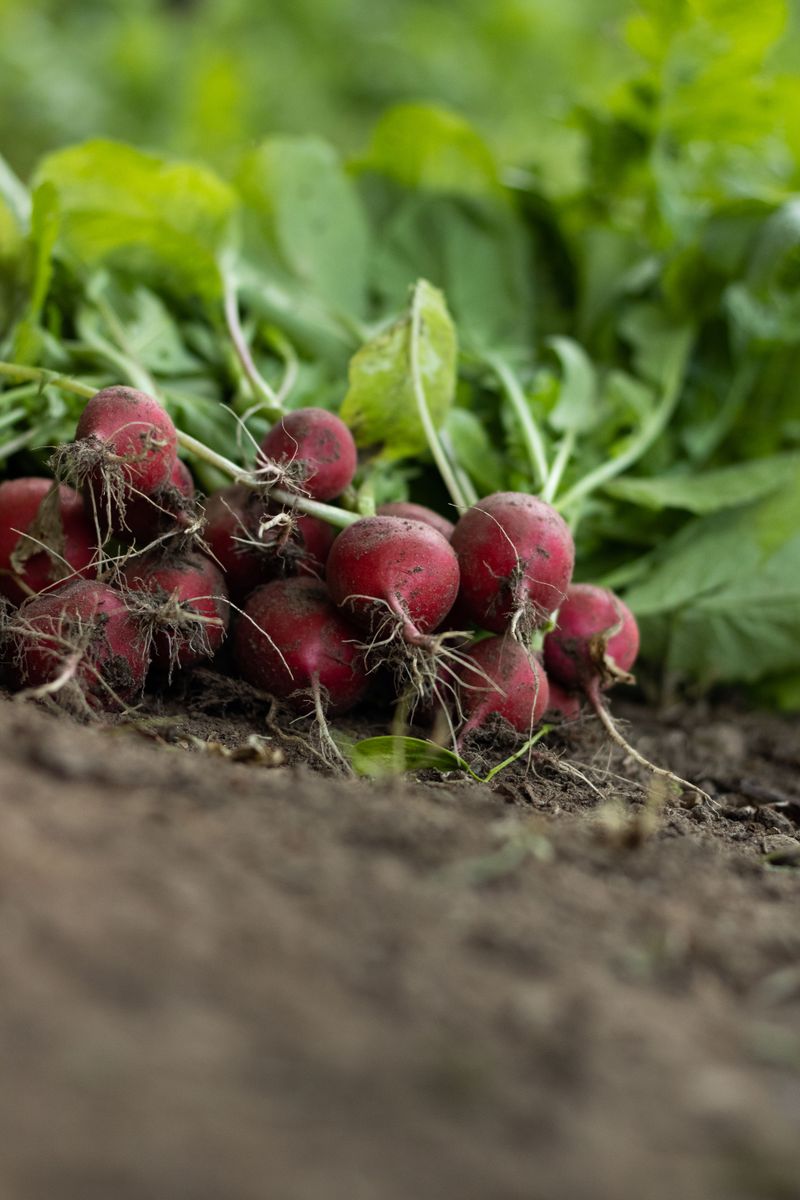
Radishes are one of the fastest crops you can grow, and a great pick for gardeners who want quick results.
Some varieties go from seed to harvest in as few as 22 days, which is notably fast by garden standards.
If you have ever wanted to see quick results, radishes are a reliable way to get them. Cool fall weather makes radishes crisp, mild, and far less spicy than summer-grown ones.
Heat pushes them toward a sharp, almost harsh bite, while cool soil brings out a clean, refreshing crunch. Planting them now means you get the best possible flavor from this humble root vegetable.
Sow seeds half an inch deep and one inch apart in rows about six inches apart. Thin to two inches between plants once seedlings emerge so roots have room to develop properly.
Skipping thinning leads to crowded, misshapen radishes that never fill out right. Cherry Belle and French Breakfast are two classic varieties that perform well in fall conditions.
Both mature quickly and hold their quality in the ground for a week or two without getting pithy. That holding ability gives you flexibility in your harvest schedule.
Water evenly to prevent cracking, which happens when plants get a sudden surge of moisture after dry spells. Radishes make excellent companion plants between slower-growing crops like carrots or beets.
They mark the row, break up soil, and get harvested before neighboring plants need the space.
Fresh fall produce in Wisconsin does not get more accessible than a handful of homegrown radishes pulled straight from the earth. Plant a new row every two weeks for a continuous supply.