This Hardy Native Shrub Is Becoming A Popular Lilac Alternative In Michigan Yards
Lilacs hold a sentimental place in Michigan landscapes, but they come with real limitations including a short bloom window, susceptibility to powdery mildew, and a tendency to look unremarkable for most of the year once flowering ends.
A native shrub has been gaining real traction as an alternative that keeps the appeal lilacs are known for while solving several of their most common frustrations.
It handles Michigan’s soil and climate honestly, resists the disease pressure that plagues so many established lilac plantings, and offers seasonal interest that extends well beyond a brief spring display.
Gardeners making the switch are finding that they are not settling for less. They are getting noticeably more.
1. New Jersey Tea Is The Best Native Lilac Alternative
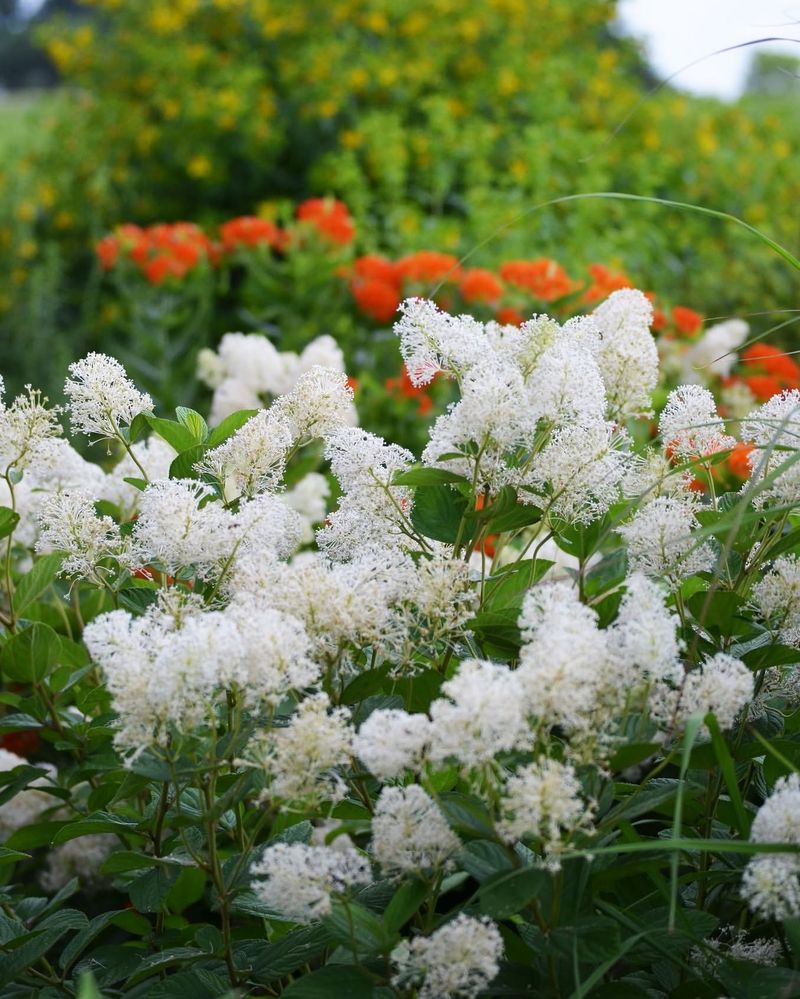
Not every gardener wants a lilac, but many want something that feels just as rewarding.
New Jersey tea, known botanically as Ceanothus americanus, has been catching attention across Michigan as a shrub that brings real charm to native plantings without requiring the kind of high maintenance that many flowering shrubs demand.
It is not a carbon copy of a lilac, and that is actually part of its appeal.
What makes this shrub stand out is its combination of fragrant white flowers, a naturally tidy growth habit, and a deep connection to the native landscape. Lilacs are beloved for their spring show, but New Jersey tea fills a completely different role.
It blooms in summer, holds a compact shape, and fits naturally into dry or sunny borders where lilacs might struggle to thrive.
Michigan gardeners who are interested in building more naturalistic yards are increasingly drawn to plants that do double duty.
New Jersey tea offers visual beauty while also supporting pollinators and fitting into the broader native plant community. It feels right at home alongside prairie species, native grasses, and other low-maintenance shrubs.
Choosing a native shrub over a traditional ornamental is not about settling for less. It is about finding a plant that genuinely belongs in your region and rewards you year after year with minimal fuss.
New Jersey tea brings that authentic, rooted-in-place quality that many Michigan gardeners are actively seeking right now.
2. It Has Fragrant White Summer Flowers
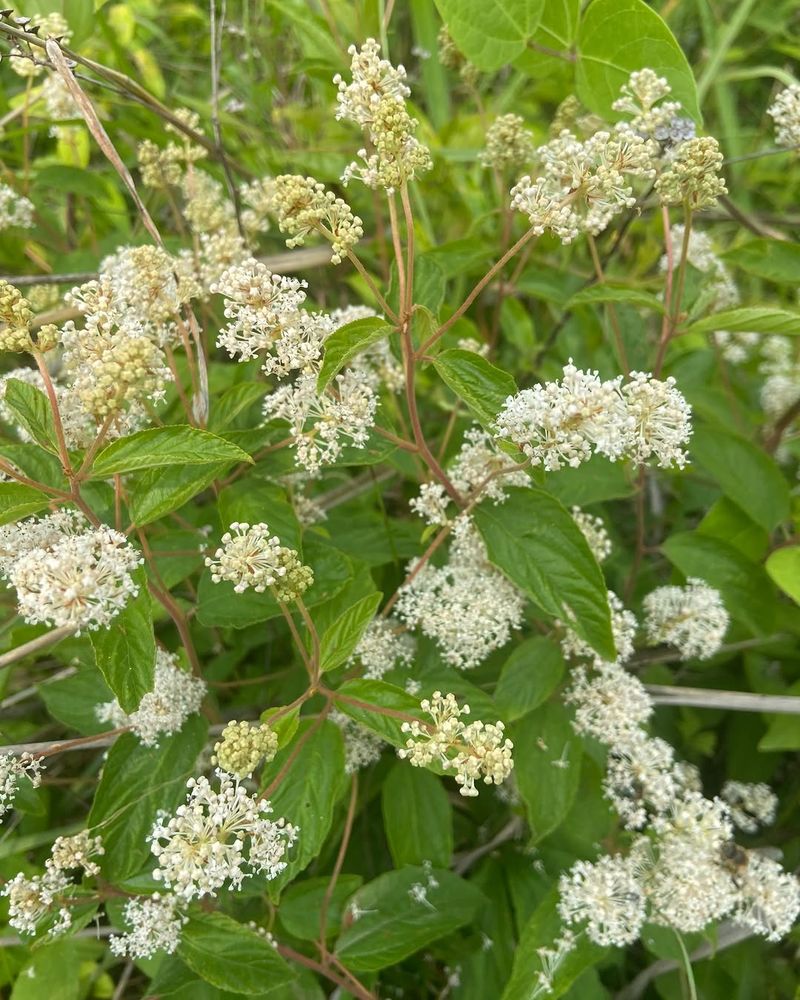
Summer is when a lot of gardens hit a quiet stretch. Spring bloomers have already finished, and fall color is still months away.
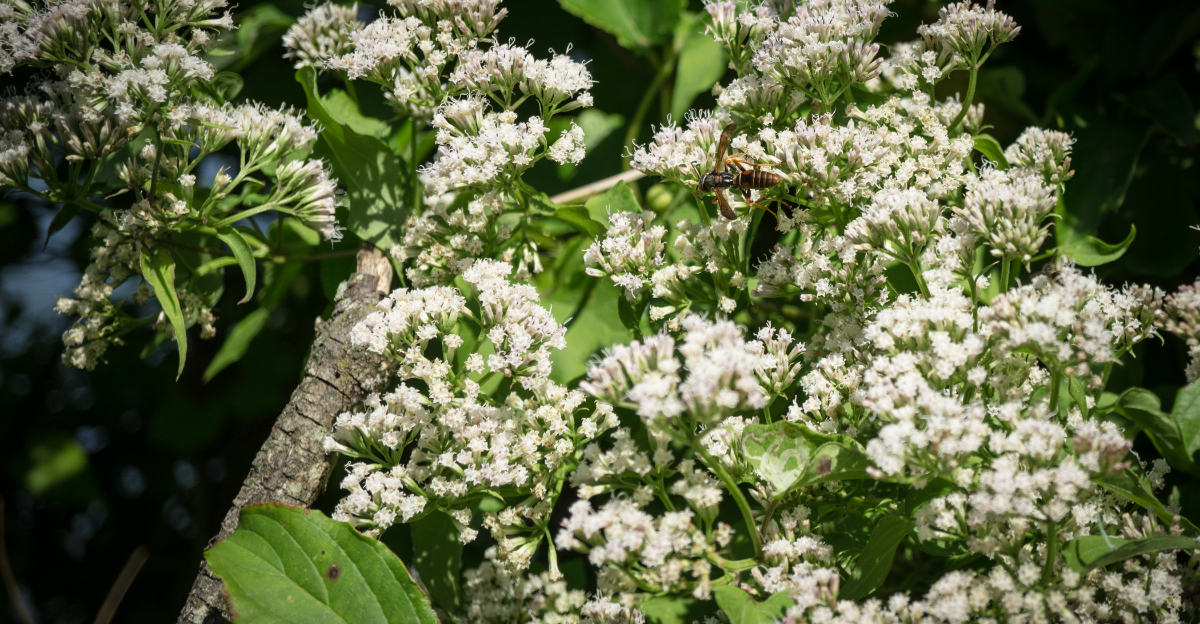
That gap is exactly where New Jersey tea shines brightest. Its clusters of small white flowers open in mid summer, giving gardeners a fresh burst of bloom right when many other flowering shrubs have gone quiet for the season.
Michigan State University describes the flowers as both showy and fragrant, which is a combination that gardeners who love lilacs will immediately appreciate.
The blooms are not as bold or dramatic as lilac panicles, but they carry a delicate sweetness that makes them genuinely pleasant near a patio or garden path.
The white color also pairs beautifully with almost any surrounding planting scheme.
One thing worth knowing is that the bloom timing works in your favor if you plan your garden thoughtfully.
Your Michigan Garden Changes Every Week. Your Plan Should Too.
Gardening in Michigan changes quickly throughout the season. Every Friday you’ll receive a simple weekly plan showing exactly what to plant, prune, fertilize, harvest, and protect so you never miss the right timing.
By planting New Jersey tea alongside spring-blooming shrubs, you can create a border that offers flowers across multiple seasons rather than just one concentrated burst in spring.
That kind of layered bloom sequence keeps the yard feeling lively and interesting from April well into August.
Fragrance in the garden is something that photographs cannot capture, but visitors always notice. Having a shrub that smells lovely in July, when most neighbors have nothing but green foliage, gives your yard a memorable quality.
New Jersey tea delivers that summer sweetness reliably, season after season, without demanding much from the gardener in return.
3. It Stays Compact In Michigan Yards
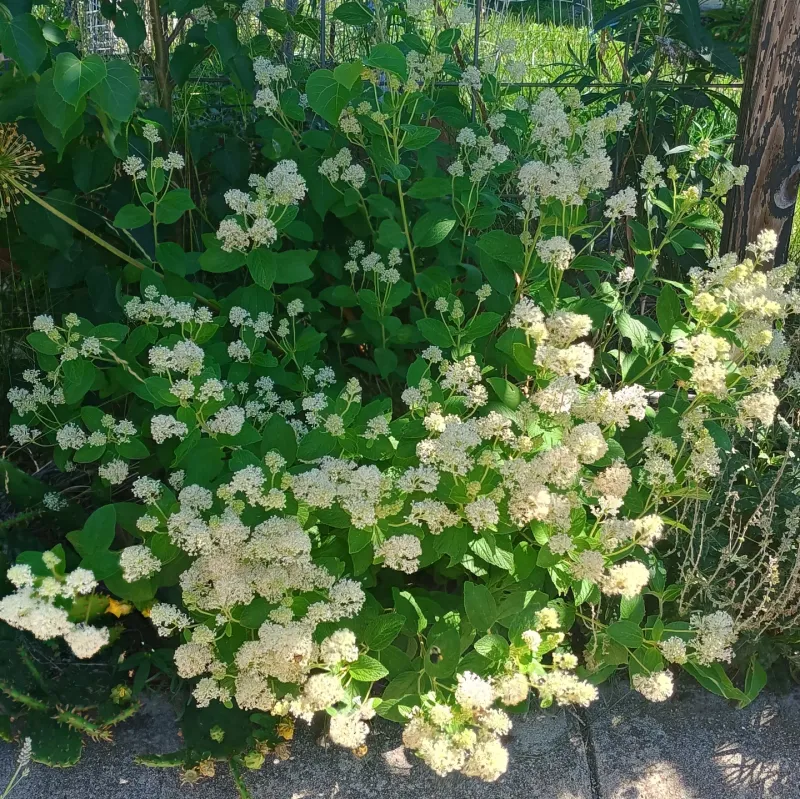
Space is a real consideration for most Michigan homeowners. Not everyone has a sprawling property where oversized shrubs can spread freely without causing problems.
New Jersey tea is a refreshing option because it naturally stays small, typically reaching around three feet tall and three feet wide at maturity. That kind of predictable, compact size makes it genuinely easy to work with.
Fitting a shrub near a foundation bed, along a front walkway, or at the edge of a sunny border becomes much simpler when the plant does not outgrow its space every few years.
Lilacs, by comparison, can reach ten feet or more and often need regular pruning to stay manageable in a smaller yard.
New Jersey tea essentially does the work for you by staying tidy on its own.
The compact form also makes it a natural fit for layered plantings. You can position it in front of taller native shrubs or ornamental grasses and it will hold its place without crowding or overwhelming its neighbors.
That kind of well-behaved growth habit is something experienced gardeners genuinely value when designing a border that is meant to look good year after year.
Dry, sunny borders in Michigan can be tricky to fill with shrubs that look polished rather than scraggly. New Jersey tea handles those conditions gracefully and maintains a rounded, full shape that looks intentional rather than accidental.
For gardeners who want structure without constant intervention, this shrub is a genuinely smart and satisfying choice to consider.
4. It Handles Dry Soil Better Than Lilacs In The Right Spot

Dry summers are becoming more common across Michigan, and gardeners are starting to rethink which shrubs are worth planting in spots that do not get regular irrigation.
New Jersey tea has a real advantage here that most people do not expect from a flowering shrub.
Michigan State University describes it as extremely deep rooted, which is exactly what allows it to access moisture that shallower-rooted plants simply cannot reach.
That deep root system is not just about surviving drought. It also means the shrub anchors itself firmly into the soil over time, making it exceptionally stable and self-sufficient once it is fully established.
MSU notes that it grows well in very dry to average soil moisture, which covers a wide range of conditions that Michigan gardeners commonly deal with in sunny, open beds.
New shrubs do still need consistent watering during their first growing season while those deep roots are getting established. Skipping that early care can stress a young plant and slow down the establishment process significantly.
Think of it as a short-term investment that pays off with years of low-maintenance beauty once the shrub finds its footing in the soil.
Lilacs can struggle in spots that dry out quickly, especially in sandy Michigan soils where moisture does not linger for long.
New Jersey tea thrives in those same conditions, making it a more practical choice for gardeners who want a flowering shrub they do not have to baby through every hot stretch of summer.
That drought resilience alone makes it worth serious consideration.
5. It Fits Sandy And Rocky Michigan Sites
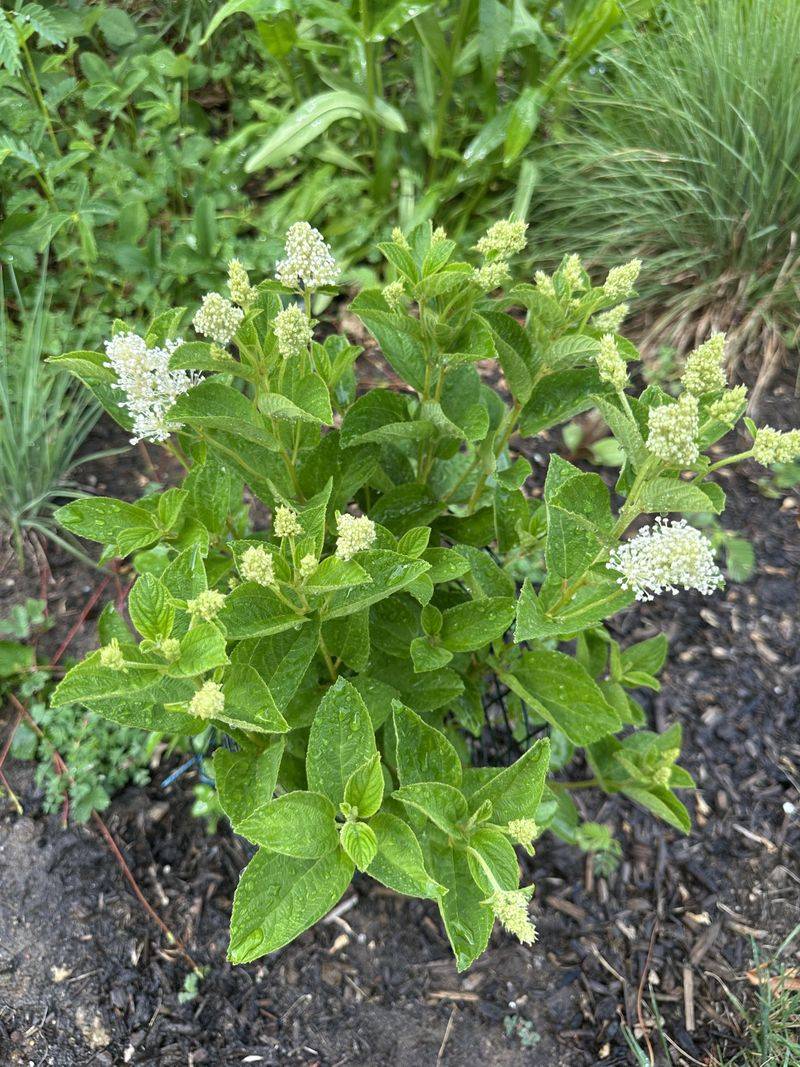
Sandy soil frustrates a lot of Michigan gardeners. Water drains through it quickly, nutrients do not stick around, and many popular shrubs simply sulk or fail to thrive in those lean conditions.
New Jersey tea, on the other hand, actually prefers this kind of site. MSU indicates that it grows best in sandy loams or rocky soils with good drainage, which describes a large portion of Michigan’s landscape quite accurately.
Rocky or gravelly spots in the yard are often treated as problem areas that are hard to plant successfully. Most flowering shrubs want rich, consistently moist soil, and when they do not get it, the results are underwhelming at best.
New Jersey tea flips that script entirely. It performs reliably in the kinds of lean, fast-draining sites where other shrubs often look stressed and unhappy.
There is something deeply satisfying about finding a plant that actually suits your yard rather than fighting against it.
Gardeners who have struggled with sandy beds near driveways, along dry slopes, or in rocky corners of the property will recognize that feeling immediately.
New Jersey tea brings flowers, fragrance, and wildlife value to spots that are often left bare or filled with struggling plants.
Well-drained soil also protects the roots from the kind of prolonged wetness that can cause serious problems for many shrubs over winter.
New Jersey tea is naturally adapted to these conditions, so it goes into each growing season strong and ready rather than weakened by poor drainage.
That kind of site compatibility makes establishment faster and long-term success much more likely.
6. It Brings Pollinators Into The Shrub Border
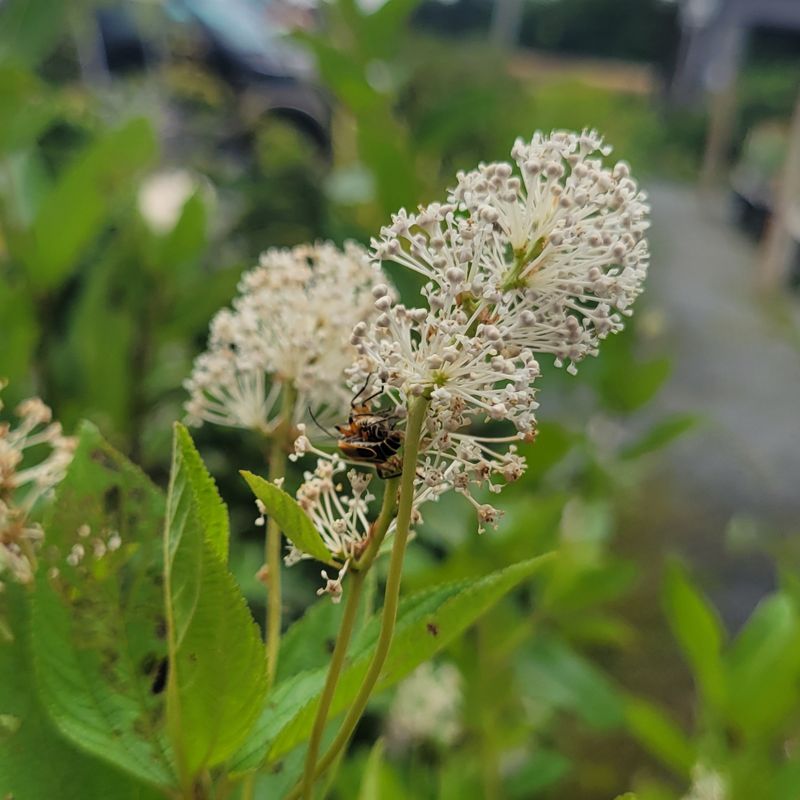
A yard full of flowers is lovely, but a yard full of movement and life is something else entirely. New Jersey tea does more than look pretty in the summer border.
Its blooms actively attract butterflies and hummingbirds, turning a quiet garden space into a buzzing, fluttering scene that feels genuinely alive in a way that purely ornamental plantings rarely achieve.
Butterflies are drawn to the dense clusters of small white flowers, which provide an accessible landing platform and a reliable nectar source during the mid-summer period when some native food sources start to thin out.
Hummingbirds, always on the hunt for energy-rich blooms, also visit regularly. Watching a hummingbird work its way through a flowering New Jersey tea on a warm July afternoon is one of those garden moments that makes all the planning worthwhile.
The benefits extend beyond the bloom season as well. Birds may feed on the seeds that develop after the flowers fade, adding another layer of wildlife activity to the shrub through late summer and into fall.
That kind of multi-season value is something that gardeners focused on supporting local ecosystems genuinely appreciate when choosing what to plant.
Native shrubs like New Jersey tea have co-evolved with local insects and birds over thousands of years, which means they support wildlife in ways that non-native ornamentals often cannot replicate.
Adding even one or two native shrubs to a Michigan yard can make a meaningful difference for pollinators that are working hard all season long. It is one of the most rewarding reasons to give this plant a spot in your garden.
7. It Works Best In Sun Or Light Shade
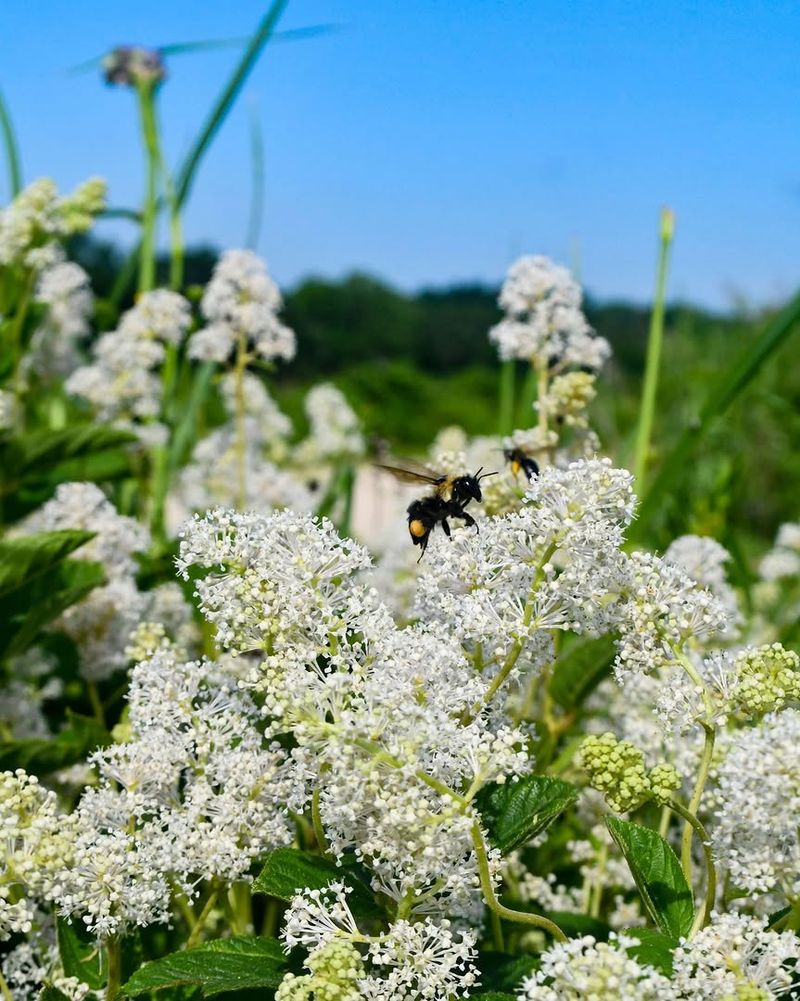
Placement matters more than most gardeners realize, and getting it right with New Jersey tea is actually pretty straightforward. This shrub grows well in full sun to partial sun, giving you flexibility when choosing a spot in the yard.
The key thing to keep in mind is that flowering tends to be strongest and most impressive when the plant receives plenty of direct light throughout the day.
A spot that gets at least six hours of sun is ideal for maximum bloom production. Partial shade can work, especially in hotter microclimates where some afternoon relief helps the plant stay comfortable.
However, planting New Jersey tea in deep shade or under a dense tree canopy will reduce flowering significantly and may cause the plant to stretch and become less attractive over time.
Soil drainage is equally important when choosing a planting location. New Jersey tea absolutely does not want to sit in wet, heavy soil that stays soggy after rain.
Those conditions can damage the root system and prevent the shrub from establishing the deep, resilient roots that make it so tough in dry conditions. Always check that water drains freely from a planting site before committing to it.
Michigan yards often have a mix of sun and shade zones, and knowing where New Jersey tea will perform at its peak saves a lot of guesswork.
Sunny slopes, open borders along south or west-facing fences, and dry foundation beds with good exposure are all strong candidates.
Match the plant to the right light and drainage, and it will reward you with reliable, beautiful blooms every summer without much fuss.
8. It Is Better For Native Gardeners Than A Standard Lilac Replacement
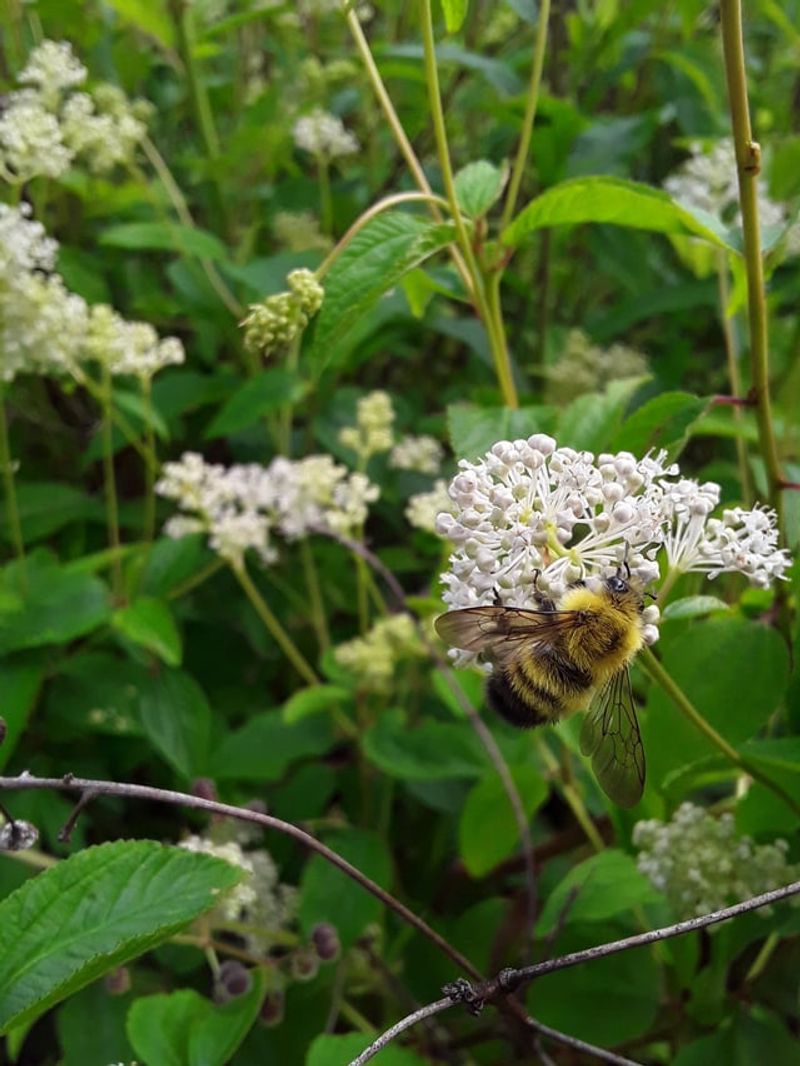
Framing New Jersey tea as a straight swap for a lilac sets up an unfair comparison. Lilacs are iconic spring bloomers with a scent so strong and recognizable that they are practically woven into the fabric of Midwestern gardening culture.
New Jersey tea is doing something completely different, and understanding that distinction is what helps gardeners appreciate it on its own terms rather than as a lesser substitute.
Where lilacs offer a dramatic spring show, New Jersey tea brings compact size, summer bloom, and serious drought tolerance to the table.
Those are qualities that lilacs simply do not provide, and for gardeners working with dry sandy soil or smaller yard spaces, those qualities matter enormously.
The two shrubs serve different purposes and suit different garden situations rather than competing head to head.
For gardeners who are actively building native plantings, New Jersey tea carries an additional layer of value that no non-native shrub can match. It belongs to this landscape.
It supports the insects, birds, and ecological relationships that have developed here over time. That native authenticity is increasingly important to Michigan gardeners who want their yards to do more than just look nice from the street.
Thinking of New Jersey tea as a native alternative rather than a direct lilac replacement opens up a more honest and satisfying relationship with the plant.
You stop comparing it to something it was never meant to be and start appreciating it for the compact, summer-blooming, pollinator-friendly, drought-tough native shrub that it genuinely is.
That shift in perspective is where the real enthusiasm for this plant begins.