6 Michigan Lawn Habits That Make Mosquitoes Less Likely To Stick Around All Summer
Mosquito control in Michigan tends to focus on standing water and obvious breeding spots, but several lawn maintenance habits play a much bigger role in mosquito activity than most homeowners realize.
How often you mow, how you manage moisture in low spots, and even how you handle lawn debris all influence whether mosquitoes find a yard genuinely hospitable or move on to look elsewhere.
None of these six habits require special products or significant extra effort.
They are adjustments to routines most Michigan homeowners are already doing, just done with slightly more attention to what mosquitoes are actually responding to throughout the season.
1. Empty Standing Water Every Week
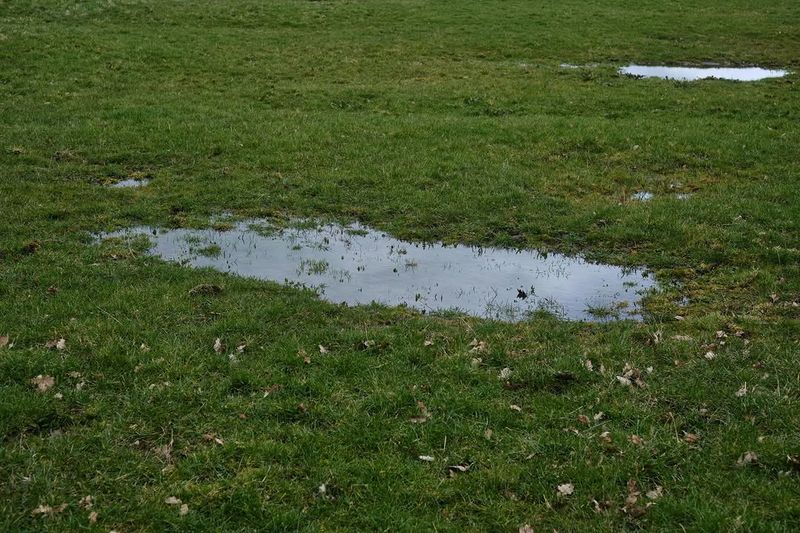
Most people never think twice about a bucket sitting in the corner of the yard, but that innocent container could be the reason mosquitoes keep showing up at your summer cookouts.
Mosquitoes need standing water to complete their life cycle, and they can find it almost anywhere.
Even a small amount of water left sitting for just a few days is enough for them to get started.
Walk around your Michigan yard once a week and look for anything holding water. Buckets, old tires, plastic toys, tarps with low spots, plant saucers, wheelbarrows, and even bottle caps can collect enough water to become a problem.
You might be surprised how many water traps are hiding in plain sight once you start looking.
The fix is simple: flip it, drain it, or store it somewhere covered. If you have containers you use regularly, like watering cans or garden buckets, store them upside down between uses so they cannot collect rainwater.
Birdbaths and decorative water features are fine to keep, but they need regular attention, which is covered later in this list.
Michigan gets plenty of summer rain, so water can collect fast after a storm. Making your weekly check a habit right after a rainstorm is a smart way to stay ahead of the problem.
Think of it as a five-minute walk around the yard that pays off in weeks of fewer mosquitoes buzzing around your patio. It is one of the easiest and most effective things any Michigan homeowner can do to take back their outdoor space.
2. Keep Gutters And Downspouts Flowing
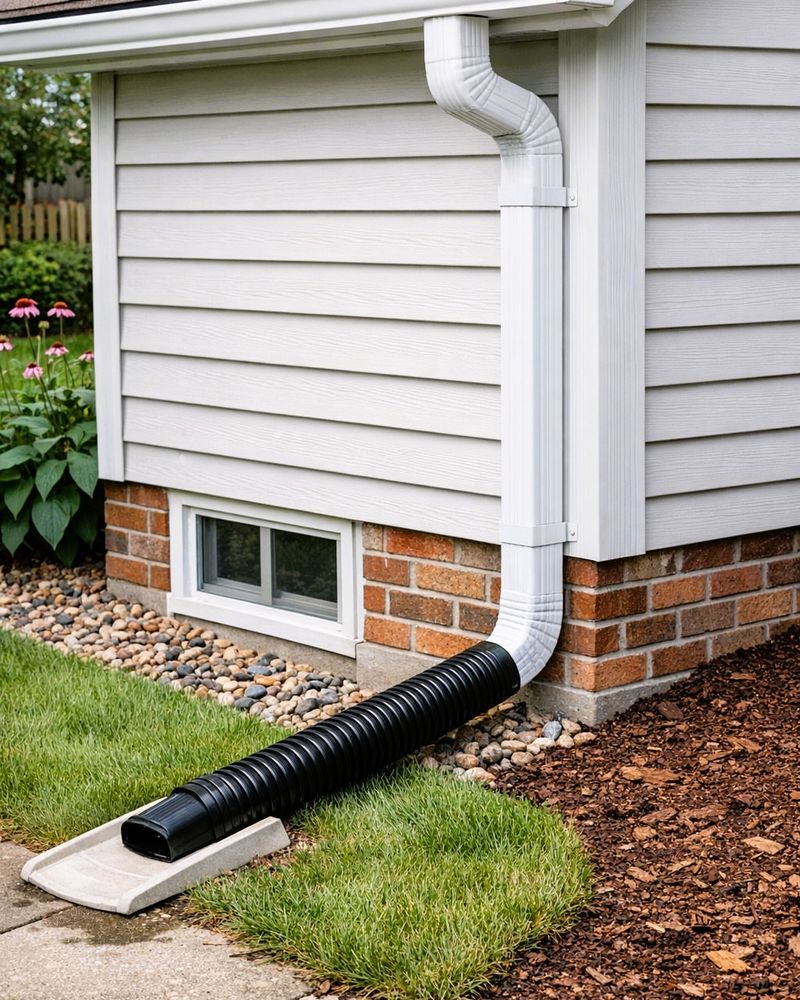
Gutters might not be the first thing that comes to mind when you think about mosquitoes in your yard, but clogged gutters are one of the sneakiest breeding spots around a Michigan home.
When leaves, twigs, and debris build up in the gutter trough, they hold moisture and create a shallow pool of sitting water right above your roofline. That warm, stagnant spot is exactly what mosquitoes look for.
Cleaning your gutters at least twice a year is a good starting point, but in Michigan, where trees drop leaves heavily in fall and seeds and pollen fill gutters in spring, you may want to check them more often during warm months.
After a heavy rainstorm, take a quick look at your downspouts. If water is not flowing out the bottom or is dripping along the side of the house, there may be a blockage worth clearing out.
Your Michigan Garden Changes Every Week. Your Plan Should Too.
Gardening in Michigan changes quickly throughout the season. Every Friday you’ll receive a simple weekly plan showing exactly what to plant, prune, fertilize, harvest, and protect so you never miss the right timing.
Downspouts matter just as much as the gutters themselves. A downspout that empties water right against the foundation can create a soggy, low-draining area near your home.
Extending downspouts so water drains at least a few feet away from the house helps keep the soil from staying wet for days at a time.
Gutter guards can be a worthwhile investment if cleaning gutters is a regular struggle at your home. They reduce how much debris collects and help water flow more freely year-round.
Keeping your gutters clean and flowing is one of those behind-the-scenes habits that quietly makes your whole yard healthier, drier, and much less inviting to mosquitoes looking for a place to settle in for the summer.
3. Fill Low Spots That Hold Puddles
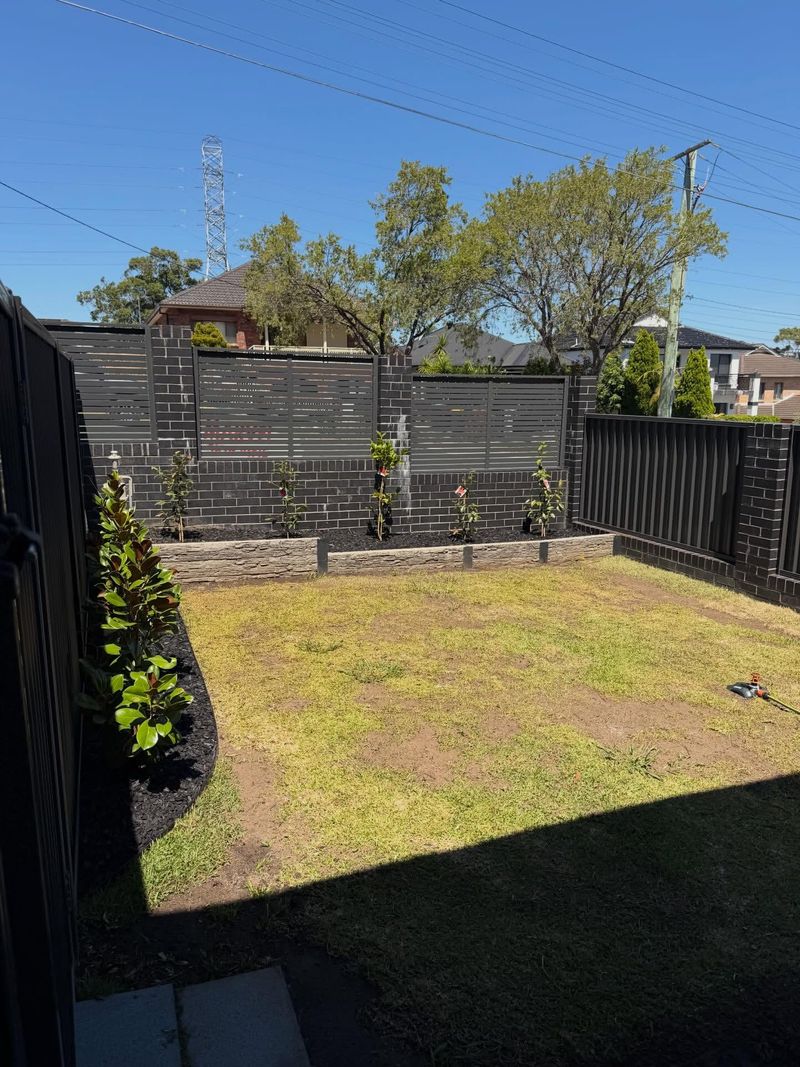
After a good Michigan rainstorm, most lawns dry out within a day or two. But if you notice certain spots in your yard that stay wet for three or four days after rain, those areas deserve some attention.
Shallow puddles and soggy patches are some of the most overlooked mosquito hotspots in a typical backyard, simply because homeowners assume the water will eventually soak in on its own.
Low spots can form for several reasons. Tire ruts from driving across soft ground, areas where the soil has settled or compacted over time, and spots near garden beds where mulch has shifted can all create small dips that collect water.
Even a puddle the size of a dinner plate is enough for mosquitoes to take advantage of if it sits long enough.
The best fix is to level those areas by adding topsoil or a sand-and-soil mix and tamping it gently to create an even surface.
For larger drainage issues, you might consider adding a French drain or a simple gravel trench that moves water away from problem zones.
Aerating compacted lawn areas in spring also helps rainwater soak into the soil faster instead of pooling on top.
One habit worth building is walking the yard the day after a heavy rain, just to notice where water is collecting. Once you identify the repeat offenders, you can address them one at a time over the season.
A flatter, better-draining lawn not only looks better and supports healthier grass growth, it also gives mosquitoes far fewer reasons to treat your Michigan yard as a summer hangout spot.
4. Mow And Trim Overgrown Edges
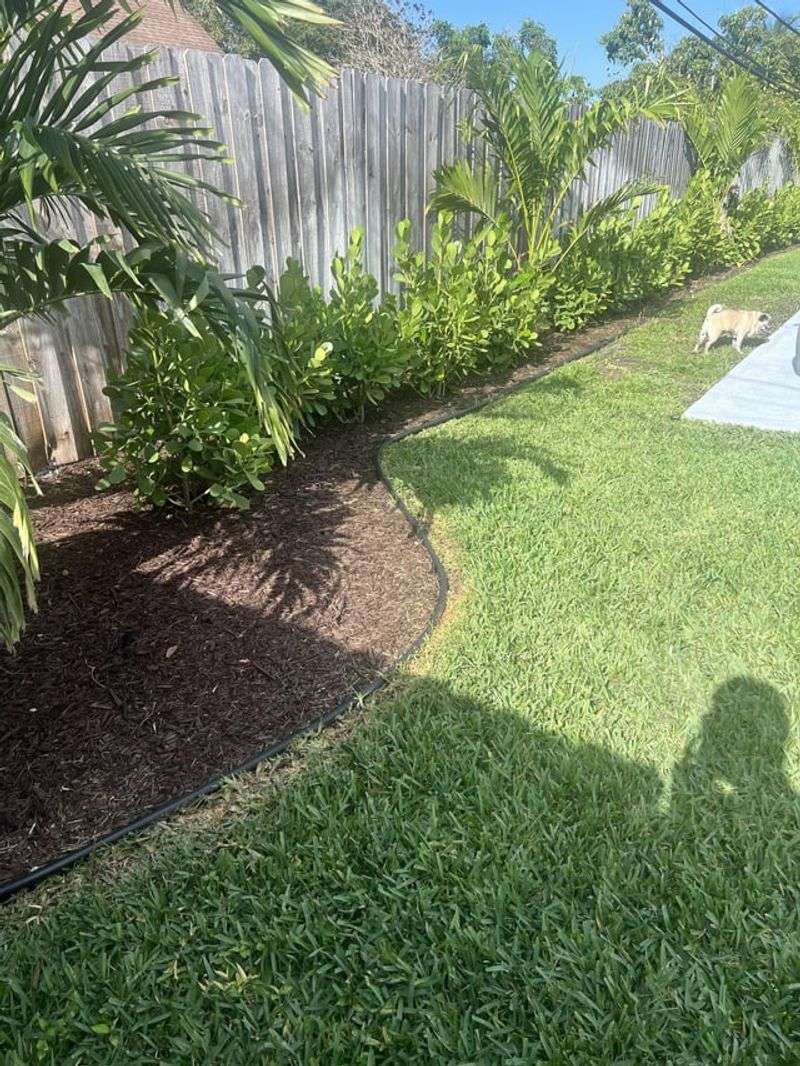
Adult mosquitoes spend most of their daytime hours resting, not flying around looking for a target.
They tuck themselves into cool, shaded, slightly damp spots and wait for evening when temperatures drop and conditions feel right for them to become active.
Overgrown lawn edges, tall weeds, dense shrubs, and tangled vines along fences and garden borders give them exactly the kind of cover they prefer during the heat of the day.
Keeping the edges of your Michigan lawn neatly trimmed does not mean turning your yard into a bare, manicured showpiece. The goal is simply a cleaner border between your lawn and whatever is growing along the edges.
Trimming weedy patches along the fence line, cutting back overgrown ornamental grasses, and keeping low-hanging shrub branches off the ground removes a lot of the daytime resting spots mosquitoes rely on.
Regular mowing at the right height also plays a role. Grass that is kept between two and a half and three and a half inches tall stays healthier and dries faster after rain or morning dew, which makes it less attractive as a resting spot.
Letting the lawn go too long between mowings creates a damp, sheltered microclimate close to the ground where mosquitoes feel right at home.
Tackling one overgrown section of the yard at a time is a manageable approach if the task feels overwhelming.
Even clearing out a shady corner near the house or cutting back a few weedy patches along the back fence can noticeably reduce where mosquitoes choose to hang around during the day.
It makes your evenings outside noticeably more pleasant throughout the Michigan summer.
5. Water The Lawn Without Making Puddles
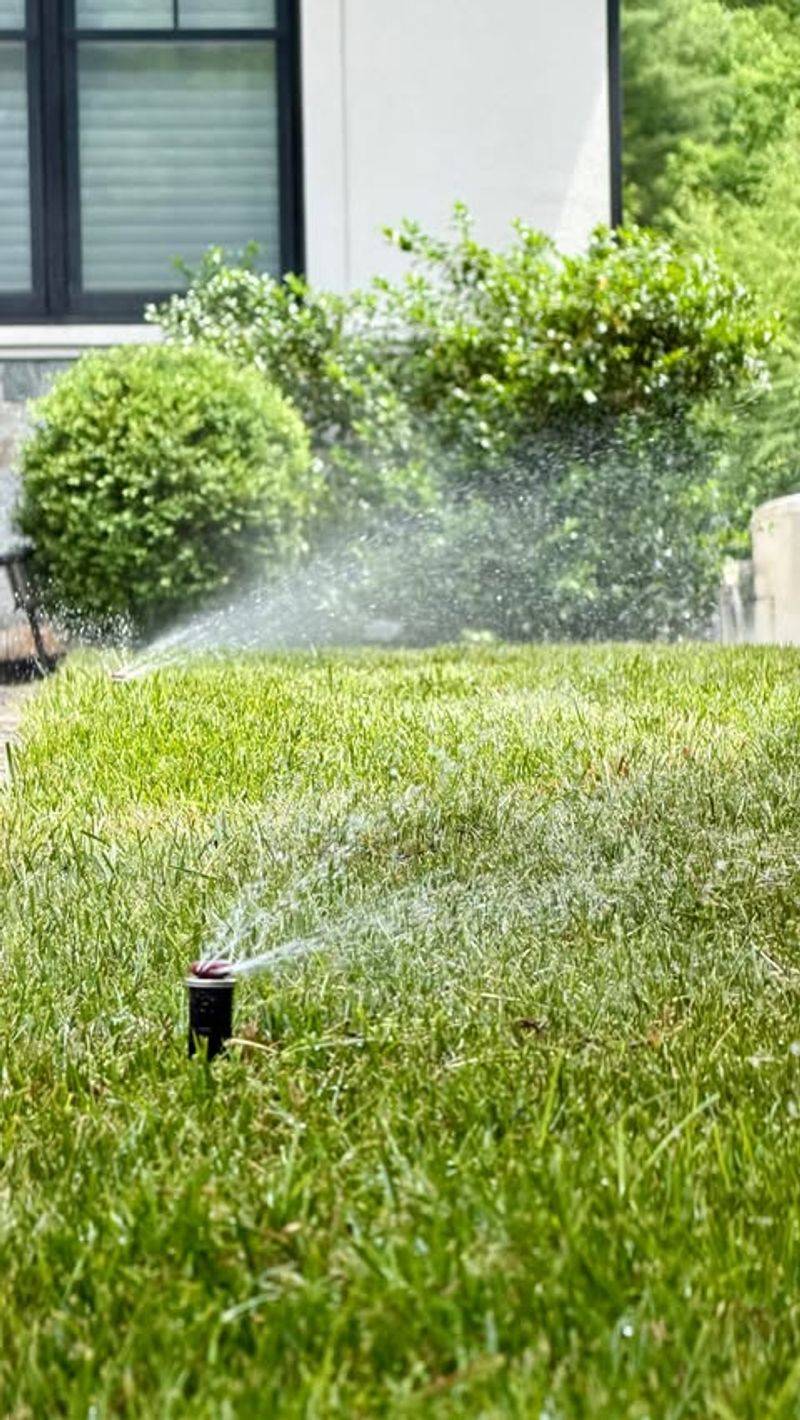
Watering a lawn seems straightforward, but the way you do it can either help or quietly work against your mosquito-reduction efforts.
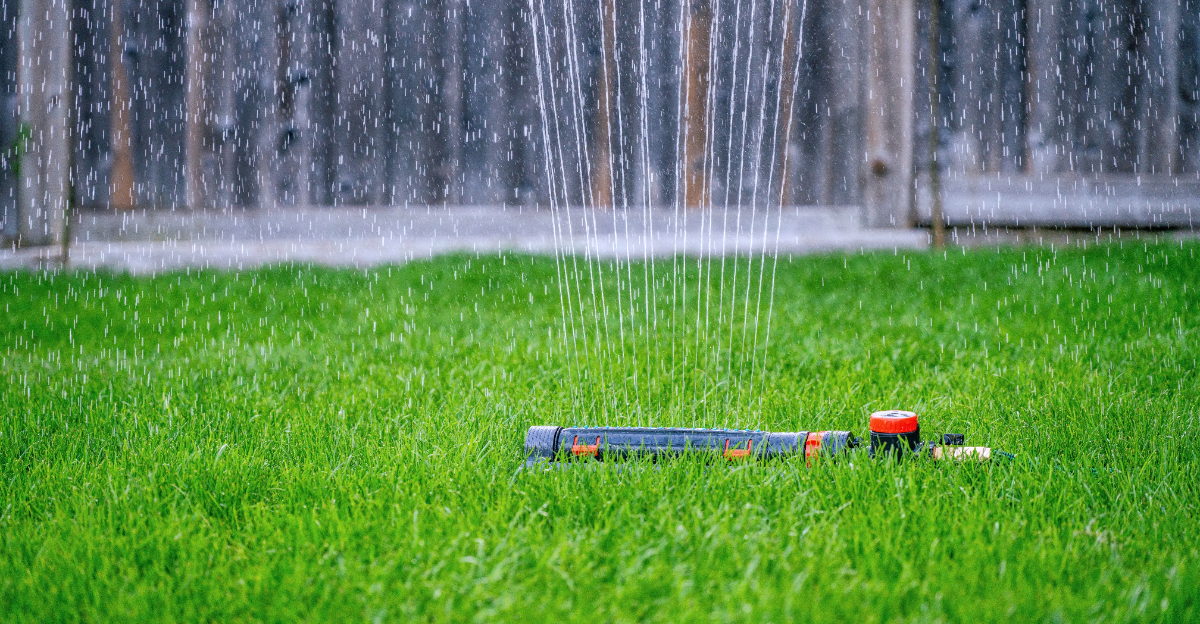
Running sprinklers too long or at the wrong time of day can leave water sitting in low areas along sidewalks, near garden bed borders, and in spots where the soil is already compacted.
That leftover water does not just go away quickly, especially on humid Michigan summer mornings.
The most effective approach is to water deeply but less frequently, which encourages grass roots to grow downward and makes the lawn more drought-tolerant overall. Aim for about one inch of water per week, either from rainfall or your sprinkler system.
Watering early in the morning gives the lawn time to absorb moisture before the heat of the day, and the surface dries out faster than it would with evening watering.
After you run the sprinklers, take a walk around the yard to check whether water has collected anywhere. Pay close attention to spots near downspouts, along the edges of the driveway, and around garden beds where mulch can slow absorption.
If you notice the same areas collecting water repeatedly, those spots may need some drainage improvement or a simple adjustment to where the sprinkler head points.
Drip irrigation is another option worth considering for garden beds, since it delivers water directly to plant roots without spraying across the soil surface.
Thoughtful watering habits keep your lawn healthy and green while removing the unintended puddles and soggy patches that mosquitoes in Michigan are always scanning for.
A little extra attention to how and when you water goes a long way toward a more comfortable backyard all season long.
6. Keep Birdbaths And Pet Bowls Fresh
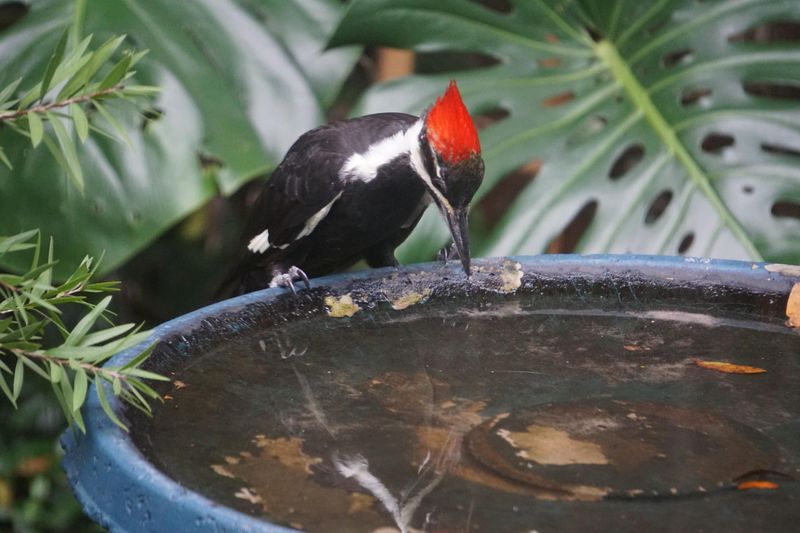
Here is a surprising fact: a mosquito can begin its life cycle in as little water as a bottle cap holds.
That means the birdbath you filled last week, the pet water bowl sitting on the patio, and the small decorative dish tucked into your garden can all become breeding spots if the water inside them goes unchanged for too long.
In warm Michigan summers, that timeline moves faster than most people expect.
Birdbaths are a wonderful addition to any yard and genuinely attract beautiful birds that many people enjoy watching. The key is changing the water at least once a week, and scrubbing the basin to remove any algae or residue before refilling it.
Mosquitoes prefer still, stagnant water, so keeping birdbath water fresh and clean makes it far less appealing to them while still welcoming to the birds you actually want visiting your yard.
Pet bowls left outside need even more frequent attention. Refreshing outdoor pet water bowls daily is a good habit for both mosquito prevention and your pet’s health.
If you have a dog that drinks from an outdoor bowl throughout the day, rinsing it out and refilling it each morning takes less than a minute and removes a potential breeding spot before it has a chance to become one.
Small water dishes tucked into garden beds, decorative containers with drainage holes that are partially blocked, and even the trays under potted plants count too.
A quick scan of all the small water-holding spots around your Michigan yard, done once a week, can make a meaningful difference in how many mosquitoes you encounter on warm summer evenings spent outside.