These Texas Garden Animals Are The Most Active And Beneficial During July Heat
July in Texas is no joke. The sun blazes, the air shimmers with heat, and most people head indoors to cool off. But out in the garden, some incredible animals are just getting started.
From tiny ladybugs crawling through your vegetable beds to hummingbirds darting between bright blooms, Texas gardens come alive with creatures that are not just surviving the summer heat but actually thriving in it.
These animals do some seriously important work. They pollinate flowers, hunt harmful pests, protect seedlings, and keep the whole garden ecosystem in balance.
Without them, your tomatoes, peppers, sunflowers, and herbs would struggle a lot more than they already do in the Texas heat. The best part?
You do not need fancy equipment or expensive products to attract them. Understanding who they are and what they do is the first step to working with nature instead of against it.
So take a closer look at what is happening in your backyard this July. You might be surprised by how much help you already have.
1. Ladybugs
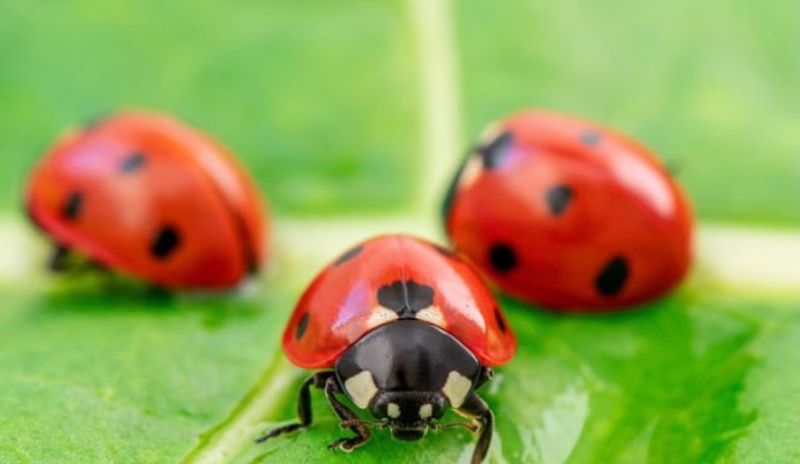
Few garden visitors are as welcome as a ladybug. That cheerful red shell dotted with black spots is not just pretty to look at.
It signals something much more useful: a tireless hunter of the pests that love to wreck your plants. Ladybugs belong to the beetle family Coccinellidae, and they are some of the most hardworking insects you will ever find in a Texas garden.
During July, when aphid populations explode in the heat, ladybugs go into overdrive. A single adult ladybug can eat up to 5,000 aphids in its lifetime.
That is an enormous amount of pest control happening naturally, without any sprays or chemicals. They also feed on scale insects, whiteflies, and other soft-bodied pests that drain the life right out of your vegetable plants and flower beds.
What makes ladybugs especially valuable in Texas summers is their tolerance for heat. While many insects slow down when temperatures rise, ladybugs stay active and keep feeding.
They are commonly spotted on tomato plants, pepper bushes, roses, and herbs like basil and dill. You can attract more of them by planting flowers such as marigolds, fennel, and yarrow nearby.
Avoid using broad-spectrum pesticides in your garden. These products harm ladybugs along with the pests.
If you want a healthy garden full of natural helpers, give ladybugs a safe environment to live and breed. You can even purchase ladybugs from garden centers to give your garden a helpful boost at the start of summer.
2. Praying Mantises
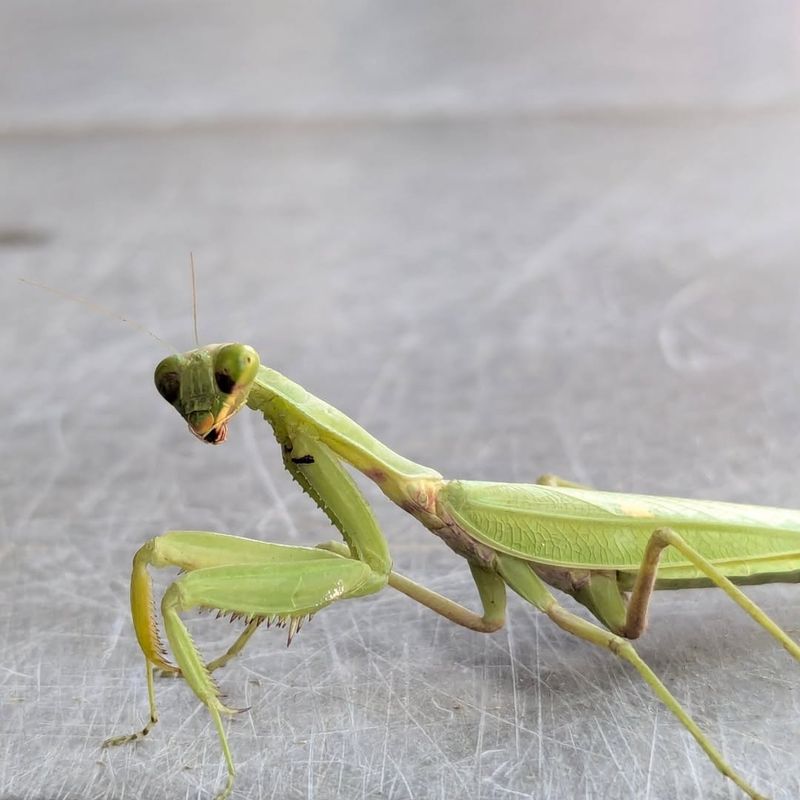
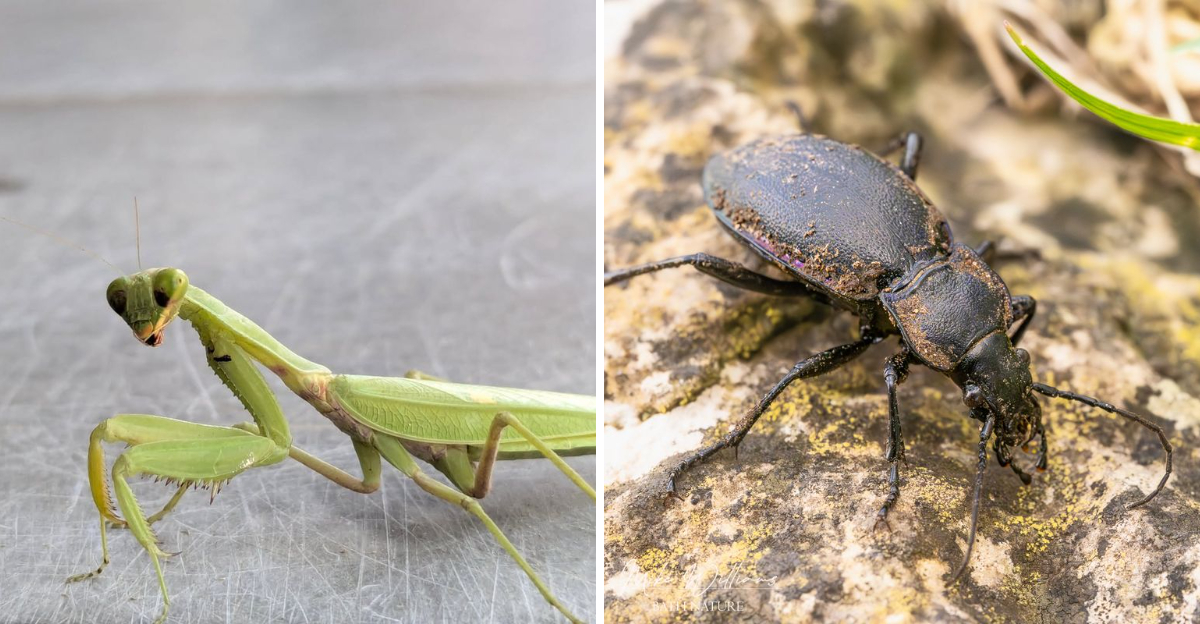
There is something almost prehistoric about a praying mantis. It stands perfectly still, front legs folded like it is deep in thought, and then strikes faster than your eye can follow.
Praying mantises are ambush hunters, and they are incredibly effective at controlling pest populations in Texas gardens throughout the summer months.
July is prime time for praying mantises in Texas. Warm temperatures and longer daylight hours mean more insects are active, which gives mantises plenty of food.
They feed on caterpillars, beetles, grasshoppers, flies, and even moths. Because these pests can cause serious damage to garden plants, having a mantis or two around is like having a free, all-natural pest control service working around the clock.
Your Texas Garden Changes Every Week. Your Plan Should Too.
Gardening in Texas changes quickly throughout the season. Every Friday you’ll receive a simple weekly plan showing exactly what to plant, prune, fertilize, harvest, and protect so you never miss the right timing.
One fun fact: praying mantises are the only insects known to have just one ear, located on their belly. They can hear ultrasonic sounds, which helps them detect bats and other threats.
They can also rotate their heads 180 degrees, making them exceptional hunters in all directions. Their camouflage is remarkable too.
They blend into leaves, stems, and branches so well that you might walk right past one without noticing.
To attract praying mantises to your garden, reduce pesticide use and plant a variety of flowering plants that draw in other insects. Tall grasses and shrubs also give them great hunting spots.
You can purchase mantis egg cases from garden stores in early spring so they hatch just in time for the summer pest season. Welcoming mantises into your garden is one of the smartest moves any Texas gardener can make.
3. Honeybees
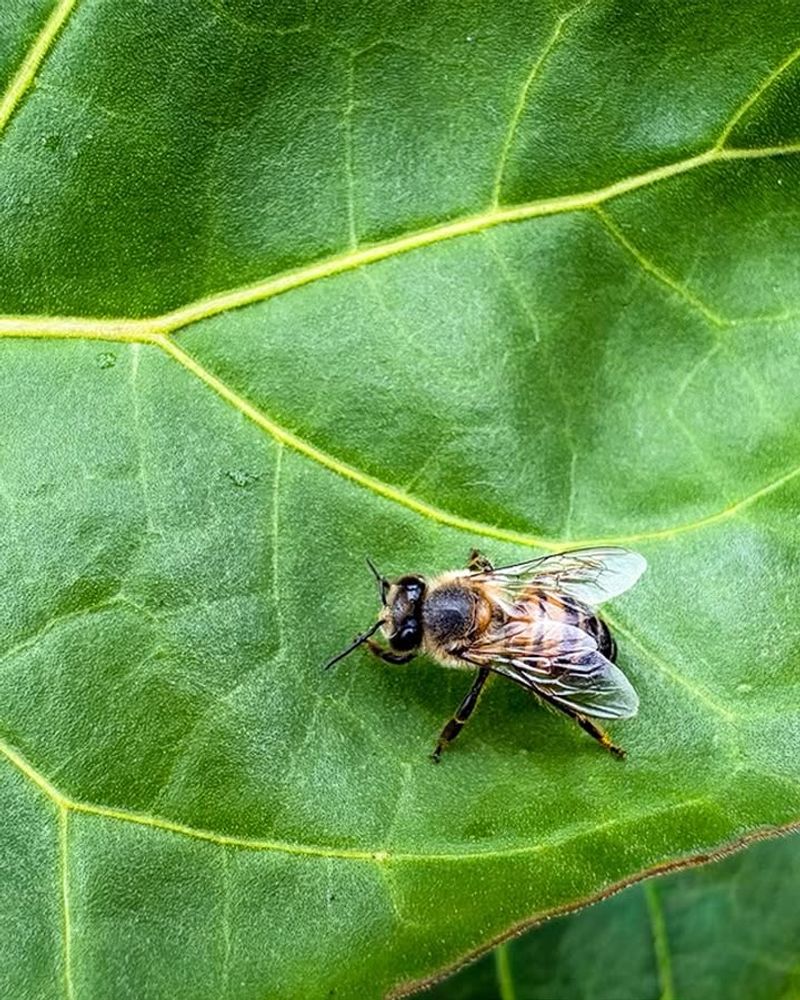
Walk through a Texas garden in July and you will likely hear them before you see them. That familiar buzzing sound is a honeybee at work, and it is one of the most important sounds a gardener can hear.
Honeybees are the gold standard of pollinators, and during peak summer bloom, they are absolutely everywhere.
Honeybees visit hundreds of flowers each day, transferring pollen as they go. This process is what allows fruits, vegetables, and flowers to produce seeds and grow.
Without bees, crops like squash, cucumbers, melons, and peppers would produce far fewer fruits. In Texas, July is one of the busiest months for honeybees because so many plants are flowering at the same time.
Native wildflowers, garden vegetables, and ornamental plants all depend on bee visits to thrive.
A single honeybee colony can contain up to 60,000 bees during summer. Each worker bee visits around 2,000 flowers per day.
That adds up to an enormous amount of pollination happening in and around your garden every single day of the month. Their impact on food production is hard to overstate.
You can support honeybees by planting bee-friendly flowers like lavender, sunflowers, zinnias, and black-eyed Susans. Avoid pesticide use during early morning and late afternoon when bees are most active.
Leaving a shallow dish of water out for bees helps them stay hydrated in the Texas heat. If you spot a swarm, contact a local beekeeper rather than disturbing them. Bees are gentle, hardworking partners in your garden, and they deserve your protection.
4. Hummingbirds
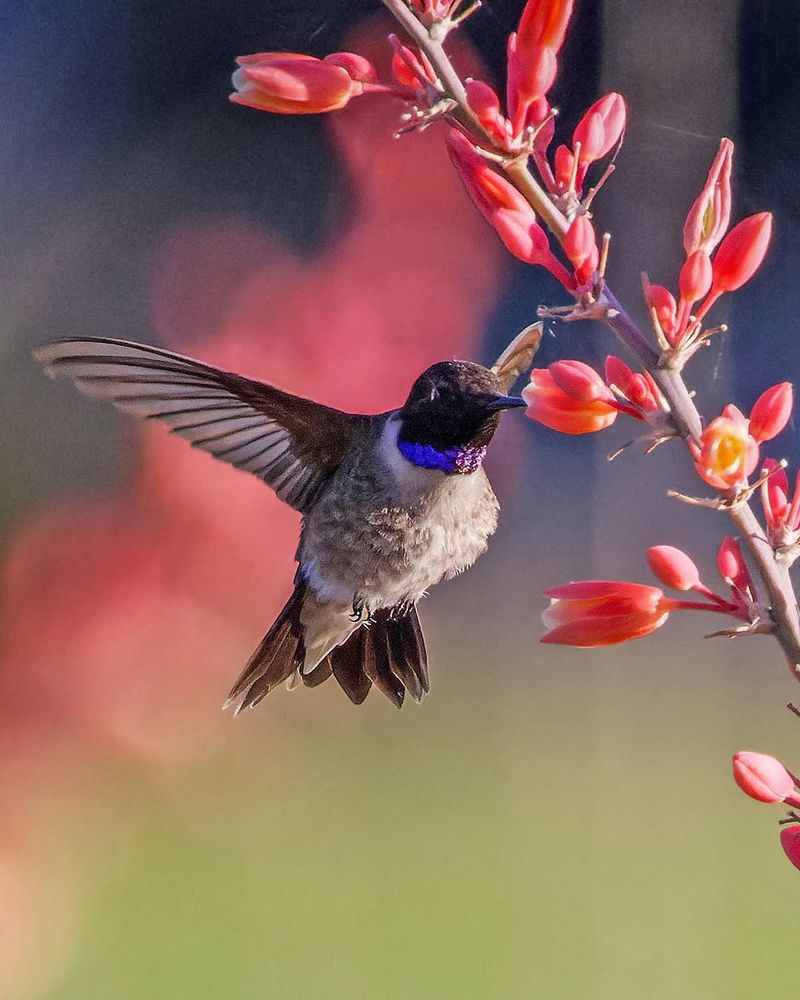
Blink and you might miss one. Hummingbirds move so fast that they can seem more like flashes of color than actual birds.
But if you plant the right flowers in your Texas garden, these tiny, jewel-toned visitors will show up reliably every July, bringing energy, beauty, and serious pollination power with them.
Hummingbirds feed on nectar from tubular flowers, and Texas summers offer plenty of options. Texas Sage, Lantana, Salvia, Turk’s Cap, and Cardinal Flower are among their favorites.
As a hummingbird hovers and sips nectar, its head and beak brush against the flower’s pollen. When it moves on to the next bloom, it carries that pollen with it, completing cross-pollination in a way that many other animals simply cannot do.
What is remarkable about hummingbirds is their metabolism. Their hearts beat up to 1,200 times per minute, and they must eat constantly to fuel that energy.
A single hummingbird may visit over 1,000 flowers in a single day. In July, when temperatures soar, hummingbirds are most active during the cooler parts of the day, early morning and late evening, though they can be spotted throughout the afternoon as well.
To attract hummingbirds, create a layered garden with native Texas plants at different heights. Hanging a simple nectar feeder with a four-to-one water-to-sugar solution also helps, especially during dry spells.
Keep feeders clean and change the solution every few days to prevent spoilage in the heat. Hummingbirds remember reliable food sources and will return season after season once they discover your garden.
5. Spiders
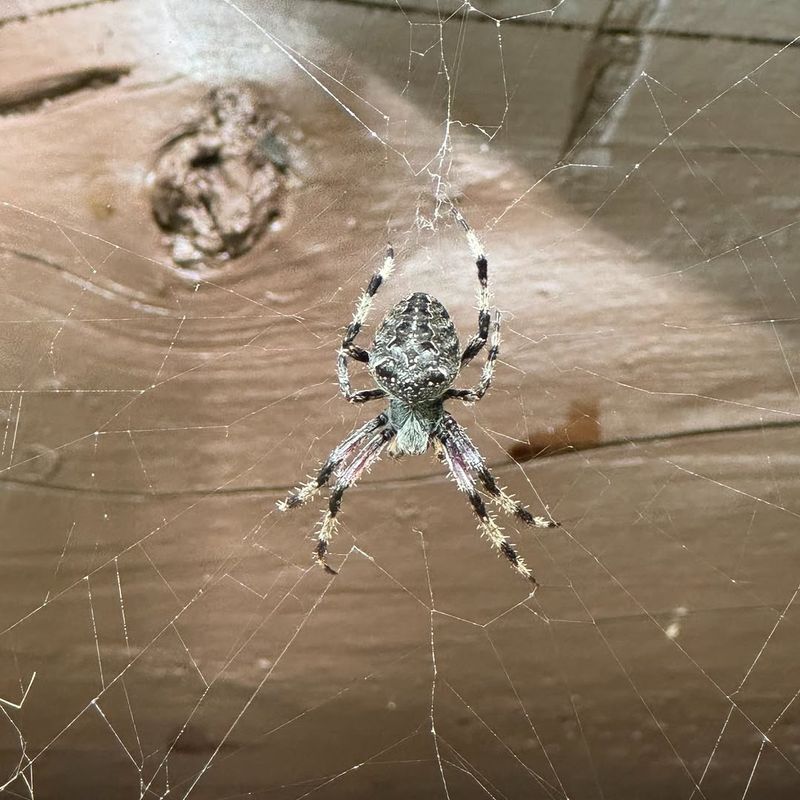
Not everyone is thrilled to find a spider in the garden, but hear this out: spiders are one of the most effective pest controllers on the planet.
In Texas gardens during July, they are working overtime, catching beetles, flies, leafhoppers, and other insects that would otherwise chew through your plants without a second thought.
Texas is home to many garden-friendly spider species, including the bold and beautiful black and yellow garden spider, also known as Argiope aurantia. These spiders build large, intricate webs in open spaces between plants and wait patiently for prey.
Other species like wolf spiders and jumping spiders hunt without webs, chasing down insects on the ground and on plant stems. Together, they cover nearly every part of the garden ecosystem. Spiders do not target plants. They are purely insect hunters.
This makes them completely safe for your vegetables, flowers, and herbs. A garden with a healthy spider population tends to have fewer pest outbreaks because spiders provide round-the-clock, low-maintenance pest management.
Studies have shown that spiders collectively consume hundreds of millions of tons of insects globally every year.
To encourage spiders in your garden, avoid disturbing webs you find between plants. Leave some leaf litter and mulch on the ground where ground-dwelling spiders can hide.
Reducing broad-spectrum pesticide use is also key, since these products harm spiders just as much as they harm pests. Once you start viewing spiders as allies rather than threats, your whole approach to garden pest management can shift in a much healthier direction.
6. Ground Beetles
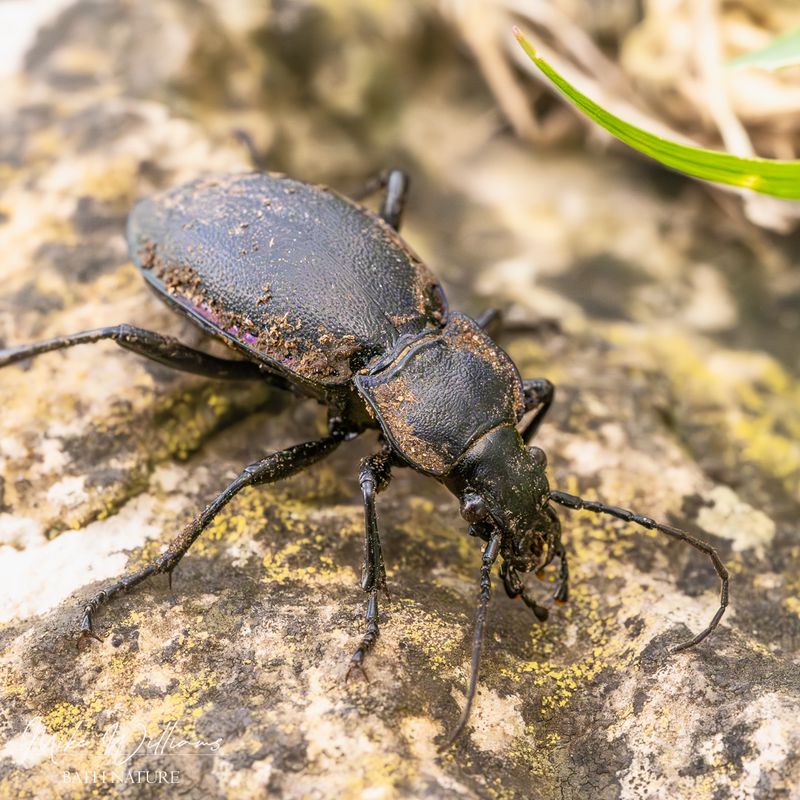
Most gardeners never notice ground beetles because they do their best work at night. While you are asleep, these sleek, dark-shelled insects are patrolling the soil surface of your garden, hunting slugs, snails, cutworms, and the larvae of other damaging insects.
Ground beetles are quiet heroes, and in July, they are especially active in Texas gardens. There are over 2,000 species of ground beetles in North America, and many of them are found right here in Texas.
Most are dark brown or black with a glossy shell, and they move quickly across the soil. They prefer moist, shaded areas under mulch, logs, or dense plant cover.
During the hot Texas summer, they tend to hide during the day and emerge at night when temperatures drop slightly and their prey becomes more active.
Ground beetles are particularly valuable for protecting young plants and seedlings. Slugs and snails are notorious for chewing through tender new growth overnight, and cutworms can sever seedlings right at the soil line.
Ground beetles hunt all of these pests aggressively, making them natural guardians for the most vulnerable parts of your garden.
You can encourage ground beetles by keeping a layer of mulch in your garden beds and avoiding soil disturbance as much as possible. Tilling the soil frequently disrupts their habitat and can reduce their numbers.
Planting ground covers and leaving some areas of the garden slightly shaded also helps. These beetles are not harmful to humans or pets, so there is absolutely no reason to disturb them. Let them work their nighttime magic undisturbed.
7. Tree Swallows
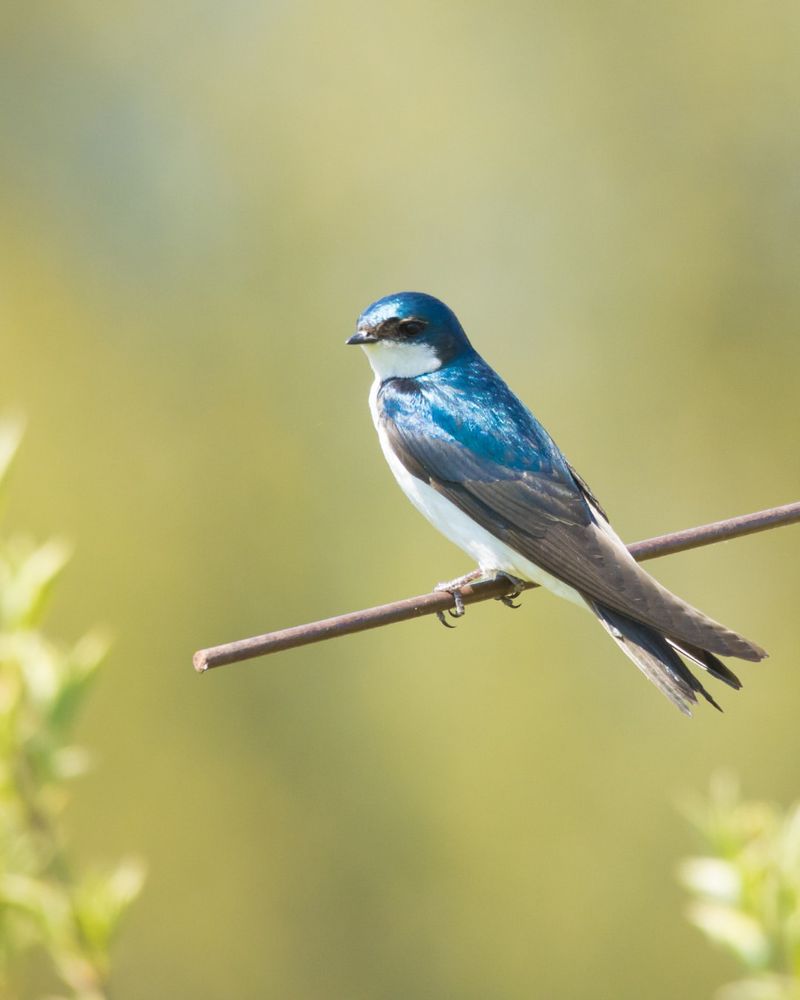
Watching tree swallows swoop and dart through the air above a garden is one of the great pleasures of a Texas summer evening. These birds are aerial acrobats, and every twist and turn they make has a purpose: catching flying insects.
For gardeners, that means free, fast, and highly efficient pest control happening right above their heads.
Tree swallows feed almost entirely on flying insects, including mosquitoes, gnats, flying beetles, and leafhoppers. During July in Texas, insect populations are at their peak, which means tree swallows have no shortage of food.
A single tree swallow can consume thousands of insects per day, making a small flock of them an incredibly powerful force for reducing pest pressure around gardens and open spaces.
These birds are strongly associated with water. They typically nest near ponds, streams, or wetlands, which is why Texas gardens near natural water sources are especially likely to attract them.
They nest in tree cavities or nest boxes placed on poles near open areas. If you have the space, installing a bluebird-style nest box near your garden can bring tree swallows in as seasonal residents.
Tree swallows also contribute to biodiversity in a broader sense. Their presence indicates a healthy local ecosystem with enough insect life to support a food chain.
They arrive in Texas for the warmer months and are most active from late spring through summer. Encouraging them is as simple as providing nesting habitat and avoiding pesticide use that reduces their food supply.
A garden that supports tree swallows is a garden that is genuinely thriving from the ground up to the sky.