The Fence And Hedge Mistakes North Carolina Homeowners Do Not Realize They Are Making
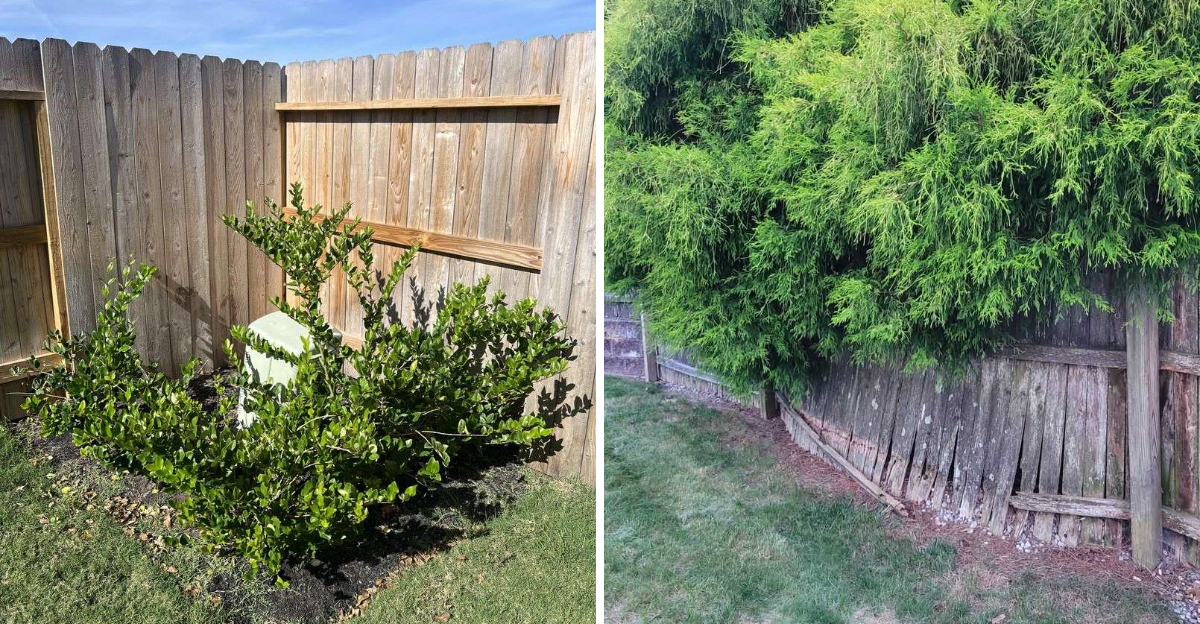
Putting up a fence or planting a hedge sounds like a straightforward weekend project until it is not.
North Carolina homeowners run into serious trouble when they skip a few key steps that many people never think to check.
The consequences range from a tense conversation with a neighbor to a formal notice requiring removal of something you spent real money installing.
Property lines are rarely where homeowners assume they are. Local rules vary dramatically from one municipality to the next. Road rights of way extend further into front yards than many people realize. And HOA covenants cover far more than just paint colors.
A fence built in the wrong spot or a hedge planted too close to the road can lead to fines, neighbor disputes, or a forced removal that costs more than the project itself.
None of these problems are difficult to avoid once you know what to check.
Eight common mistakes North Carolina homeowners make with fences and hedges, and exactly how to sidestep every one of them before the first post goes in the ground.
1. Skipping The Property Line Survey
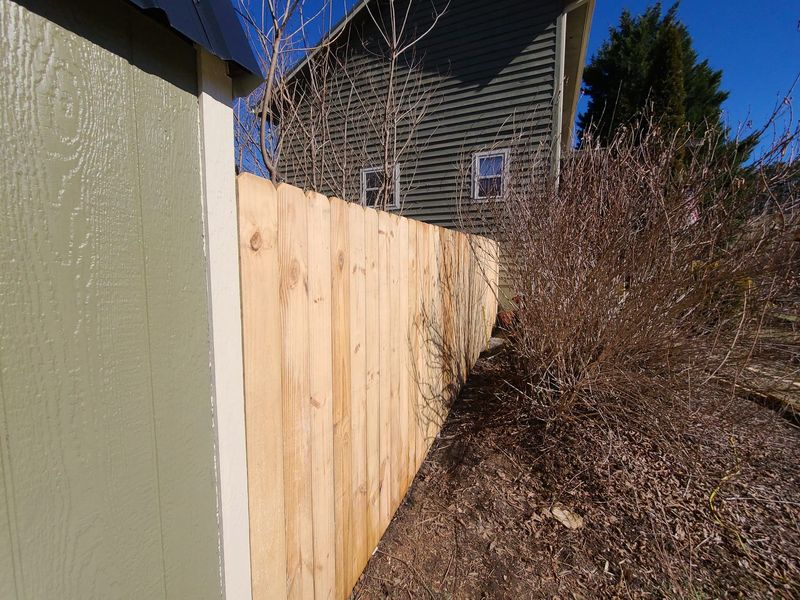
Many homeowners assume they already know where their property ends and their neighbor’s begins.
That assumption has caused more fence disputes in North Carolina than most people realize. Without a current survey, you are essentially guessing, and guessing with a post hole digger can get expensive fast.
A licensed land surveyor can locate your exact boundary corners and mark them clearly before any digging begins.
NC State Extension and local county planning offices consistently recommend getting a survey done before any permanent structure goes up.
This is not just good advice. It is the kind of step that protects you legally if a neighbor ever challenges your fence placement.
Survey costs vary by property size and terrain, but they are almost always cheaper than tearing out and relocating a fence after the fact.
Some older plats on file at the county register of deeds can give you a starting point, but they are not a substitute for a fresh survey on the ground. Relying on a neighbor’s word or an old stake you found in the yard is a gamble that rarely pays off.
Before you purchase a single panel or post, contact a registered surveyor in your county.
Your county GIS map is a helpful reference tool, but it is not precise enough for fence placement. Get the lines confirmed on paper and on the ground first, before any work begins.
2. Planting Inside The Right Of Way

Road rights of way are strips of land that belong to the public, even when they sit right next to your front yard.
In North Carolina, NCDOT manages state road rights of way, and many local municipalities manage their own. Planting a hedge or installing a fence inside that strip can lead to a removal notice with very little warning.
The width of a right of way varies by road type and location.
Your North Carolina Garden Changes Every Week. Your Plan Should Too.
Gardening in North Carolina changes quickly throughout the season. Every Friday you’ll receive a simple weekly plan showing exactly what to plant, prune, fertilize, harvest, and protect so you never miss the right timing.
Some residential roads carry a 30-foot right of way from the center line, while larger roads can be much wider. That means the grassy area between your sidewalk and the street may not actually be yours to plant in freely.
Utility crews, road maintenance teams, and emergency services all need access to right-of-way areas.
If your hedge is growing in that zone, workers may trim it back or remove it entirely without compensation. That privacy screen you spent years growing could disappear in an afternoon.
Some municipalities do allow limited plantings within the right of way with a permit, so it is worth asking before you assume it is off limits.
Contact your local public works department or NCDOT regional office to confirm the boundaries and any rules that apply. A quick call now can prevent a costly removal later.
3. Ignoring Local Setback Rules
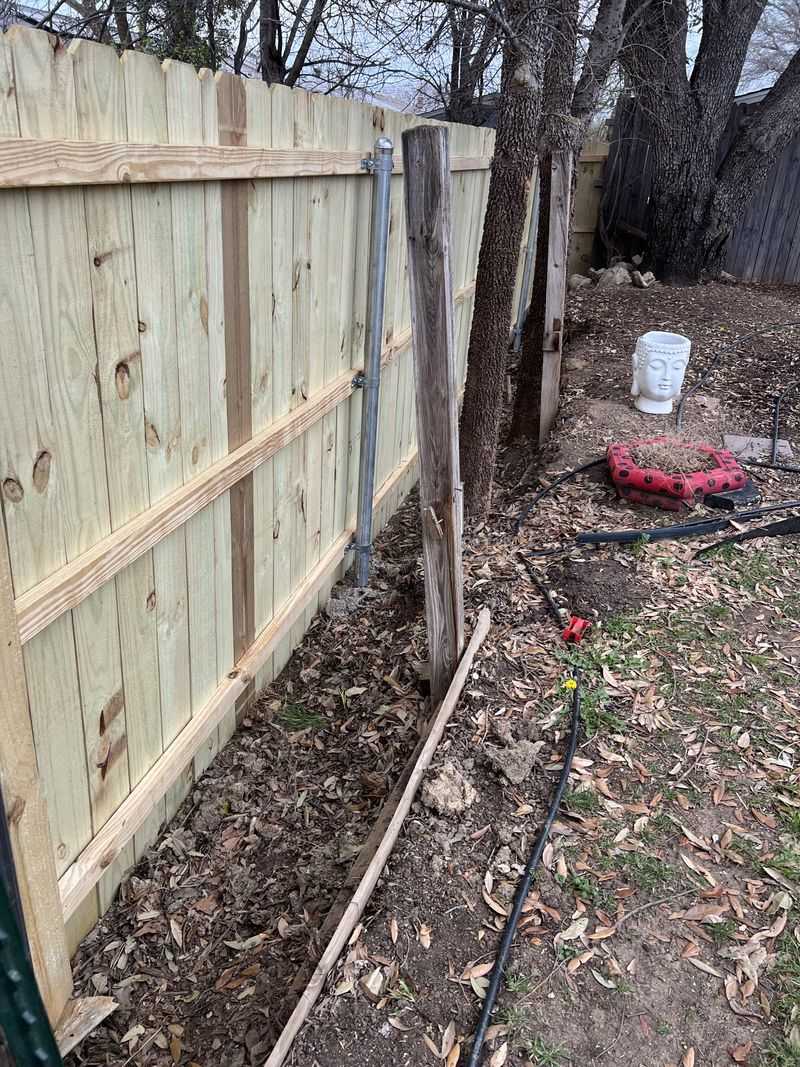
Setback rules tell you how far a fence or structure must sit from a property line, sidewalk, or road.
North Carolina cities and counties each set their own rules, and they are not all the same. What is allowed in Raleigh may not be allowed in Asheville, and what works in a rural county may be completely off-limits inside city limits.
Front yard fences often have the tightest restrictions.
Many municipalities cap front yard fence heights at four feet and require open or decorative styles rather than solid privacy panels.
Backyard fences typically allow more height, sometimes up to six feet, but setback distances from the property line still apply. Skipping this research is one of the most common mistakes homeowners make.
Materials matter too. Some neighborhoods and zoning districts restrict the use of chain link, barbed wire, or certain wood types.
Building a fence with the wrong material can trigger a code violation even if the height and placement are correct. Always verify what materials are permitted in your specific zoning district before purchasing supplies.
Your county or city planning department is the best place to start.
Many North Carolina municipalities post their zoning ordinances online, making it easy to look up fence regulations by district. Getting written confirmation of what is allowed gives you protection if questions arise later.
4. Blocking Sight Lines Near Driveways
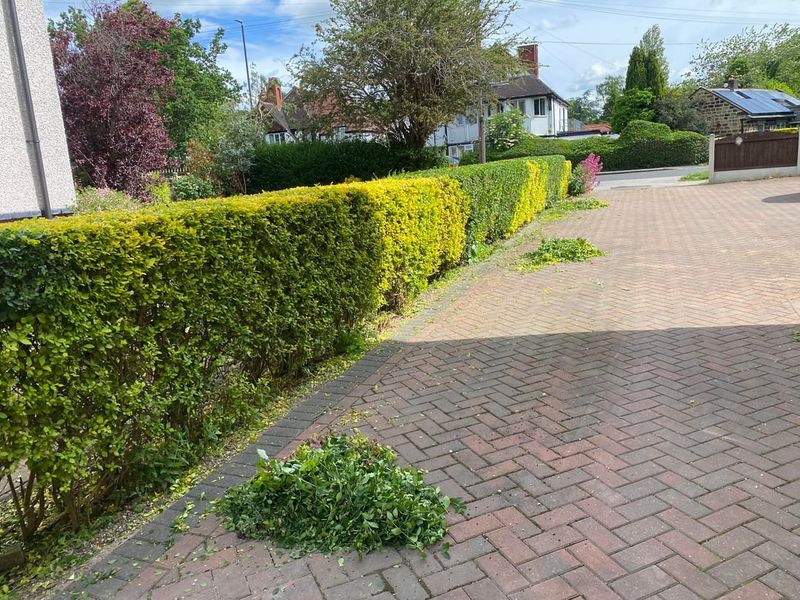
A tall hedge at the corner of your driveway might feel like a nice privacy touch, but it can create a serious safety hazard.
Drivers pulling out of driveways need a clear line of sight in both directions. When a hedge or solid fence blocks that view, the risk of an accident goes up significantly. This is not just a courtesy issue. It can become a legal liability.
Many North Carolina municipalities follow visibility triangle standards, which define a clear zone near intersections and driveways where nothing should obstruct the view.
These triangles typically extend 10 to 30 feet along each road or driveway edge from the corner point. Planting inside that triangle, or letting a hedge grow into it, can put your household at risk and may violate local codes.
The same concern applies at road intersections where hedges on corner lots can block drivers and pedestrians from seeing each other clearly.
Some cities in North Carolina actively enforce sight line rules and will require trimming or removal of plants that block visibility. Sidewalk users, cyclists, and children crossing streets are all affected when hedges grow unchecked near traffic areas.
Before planting near a driveway or road corner, check your municipality’s visibility triangle standards.
Keeping plants low or choosing open-style fencing in these zones keeps everyone safer and keeps you in compliance with local rules.
5. Letting Hedges Cross The Boundary
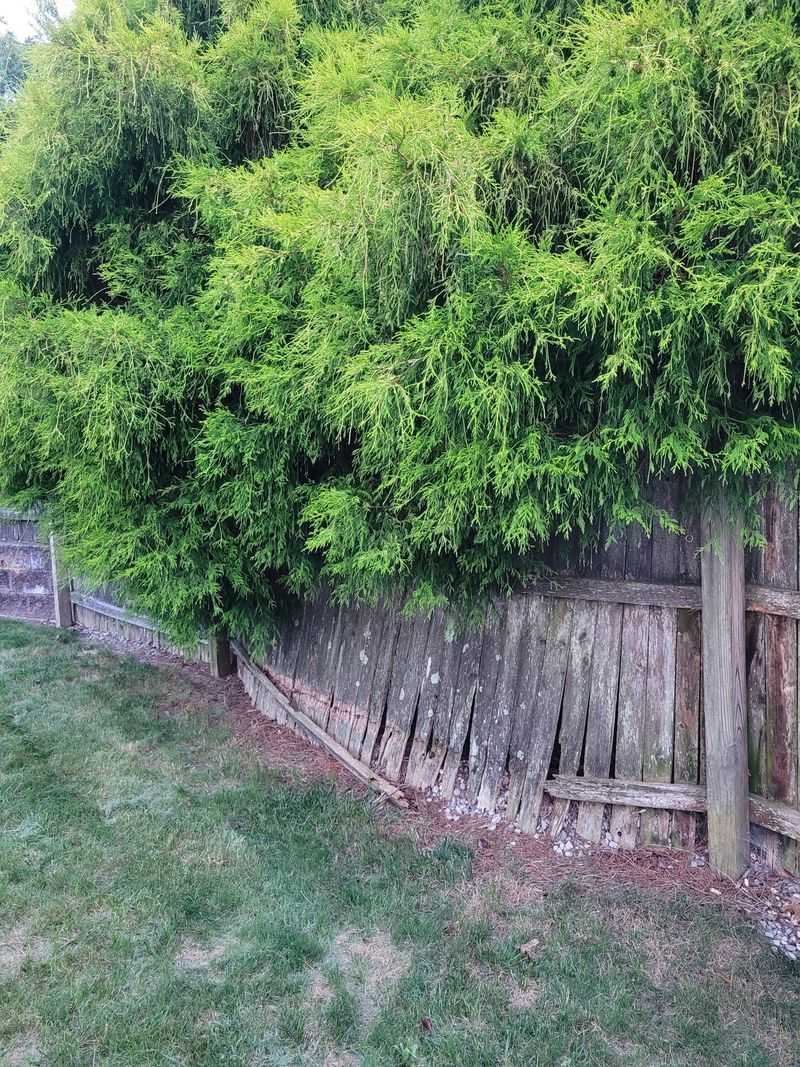
Hedges grow. That sounds obvious, but a surprising number of homeowners plant a row of shrubs without thinking about where those plants will be in five or ten years.
When branches and roots creep past the property line, the situation can go from a minor annoyance to a real neighbor dispute in a hurry.
North Carolina law generally allows a neighbor to trim branches and roots that cross the property line up to that boundary, but the rules around who pays for the work and who is responsible for damage can get complicated.
The safest approach is to keep your hedge well inside your own property and maintain it regularly so it never becomes the other person’s problem. Regular trimming is not just about looks. It is about responsibility.
Overgrown hedges can also damage neighboring structures, block gutters, and shade out gardens on the other side of the line.
What starts as a minor encroachment can turn into a costly dispute if it goes unchecked for years. Open communication with neighbors goes a long way, but consistent maintenance goes even further.
Plan for the mature spread of any hedge plant before you put it in the ground. If a plant naturally spreads six feet wide, do not plant it two feet from the boundary line.
Give yourself a buffer, commit to a trimming schedule, and check the boundary side of your hedge at least once a year to catch any creeping growth before it becomes a bigger issue.
6. Forgetting Utility Easements Underfoot
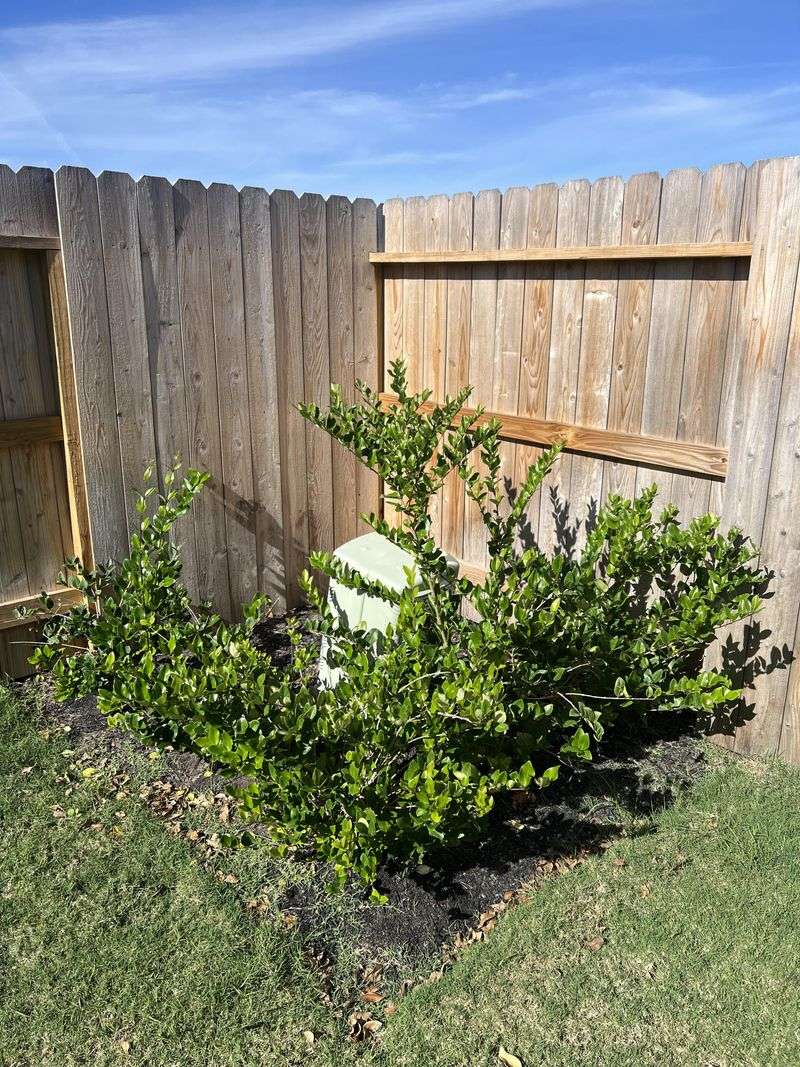
Underground utility easements are legal rights that allow utility companies to access buried lines running through your property.
Water, sewer, gas, electric, and cable lines often run through easements that cross residential yards.
Planting a hedge directly over one of these zones can create real problems when a utility company needs to access or repair that line.
Deep-rooted hedge plants are especially problematic.
Roots can wrap around pipes, crack sewer lines, or interfere with underground cables over time. When repairs are needed, the utility crew has the legal right to access the easement, which could mean removing your plants without reimbursement.
That mature privacy hedge you spent years growing could be gone in a single workday.
Call 811 before you dig anywhere in North Carolina. That free service marks the location of underground utilities so you know what is buried in your yard.
But even if you are not digging deep, knowing where easements run helps you choose smarter planting locations. Easement boundaries are often shown on your property survey or can be found through your county register of deeds.
Shallow-rooted plants and annual flowers are generally safer choices for planting near utility easements.
If privacy screening near a utility zone is your goal, talk with a local landscape professional about plant species that are less likely to cause long-term interference.
A little planning now keeps your yard and your utilities working the way they should.
7. Choosing Plants That Outgrow The Space

Leyland cypress trees are one of the most popular privacy screen choices in North Carolina, and they are also one of the most frequently regretted.
They can grow two to four feet per year and reach heights of 60 to 70 feet if left unchecked. A plant that looks perfectly sized at the nursery can become a towering maintenance headache within a decade.
NC State Extension has documented many cases where fast-growing screening plants caused structural damage to fences, shaded out neighboring gardens, and created conflicts with overhead utility lines.
Choosing a plant based on its size at purchase rather than its mature size is a mistake that compounds year after year. The pruning workload alone can become overwhelming for the average homeowner.
Root spread is another issue that often gets overlooked.
Some popular hedge plants have aggressive root systems that can lift sidewalks, crack driveways, and interfere with shallow utility lines.
Researching the full root behavior of a plant, not just its above-ground growth, is a step that pays off over time.
Before buying any screening plant, look up its mature height and width and compare that to the actual space you have available.
Native North Carolina shrubs like inkberry holly, wax myrtle, or American beautyberry can offer excellent privacy with more manageable growth habits.
A local nursery professional or NC Cooperative Extension agent can help you find the right fit for your specific yard size and conditions.
8. Skipping HOA Approval Before Planting
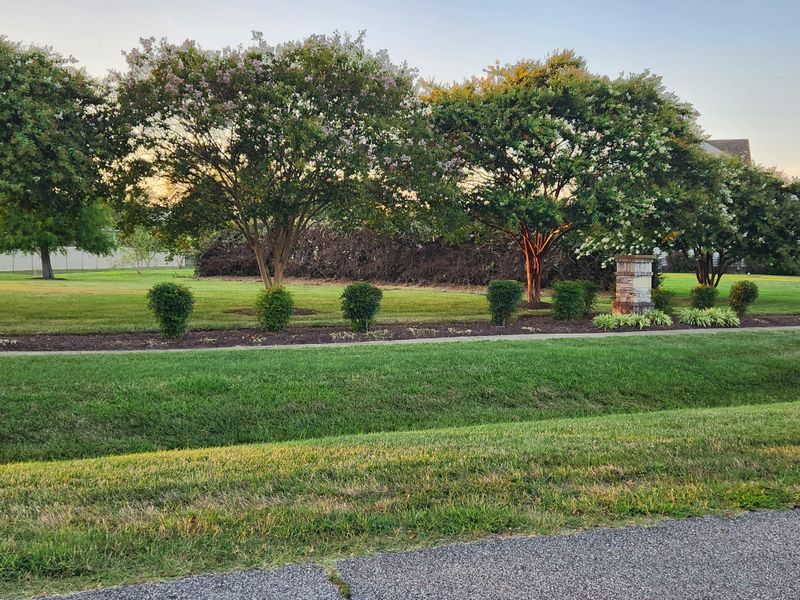
Homeowners associations in North Carolina have broad authority to regulate what goes up and what gets planted on your property.
Fence materials, colors, heights, and styles are commonly controlled by HOA covenants. Hedge heights and species choices can also fall under HOA review.
Starting a project without written approval is a risk that many homeowners take without realizing the consequences.
HOA violations can result in fines, forced removal of the fence or hedge, and even legal action in some cases.
North Carolina law gives HOAs significant enforcement power, and courts have generally upheld their right to require removal of non-compliant structures.
A fence that cost several thousand dollars to install could be ordered taken down simply because you skipped the approval step.
The approval process itself is usually straightforward.
Most HOAs have an architectural review committee that evaluates requests within a set number of days. Submitting a simple plan with dimensions, materials, and plant species is typically all that is required.
Getting that written approval before you start protects you if questions arise later from neighbors or HOA board members.
Read your CC&Rs carefully before planning any fence or hedge project.
If the language is unclear, contact your HOA management company directly and ask for written clarification. Keep copies of all approval letters and correspondence in a safe place.
A small amount of paperwork upfront can prevent a frustrating and expensive conflict down the road.