The Native Georgia Plants That Handle Poor Clay Soil Better Than Most Ornamentals
Some parts of a yard seem to make gardening harder than it should be. You plant something that looks healthy, give it a good start, and expect it to settle in.
A few months later, it barely grows while another plant nearby is doing just fine. That can leave anyone wondering what went wrong.
Heavy clay soil is often the real reason. It holds water differently, drains more slowly, and creates conditions that many ornamental plants never fully adapt to.
No amount of extra attention can completely change how certain plants respond to those conditions.
Native plants tell a different story. They have spent generations adapting to Georgia’s soils instead of relying on perfect growing conditions.
That natural advantage helps many of them thrive where popular ornamentals struggle. Choosing the right plants from the beginning can save time, effort, and plenty of disappointment.
1. Oakleaf Hydrangea Grows Well In Heavy Soil
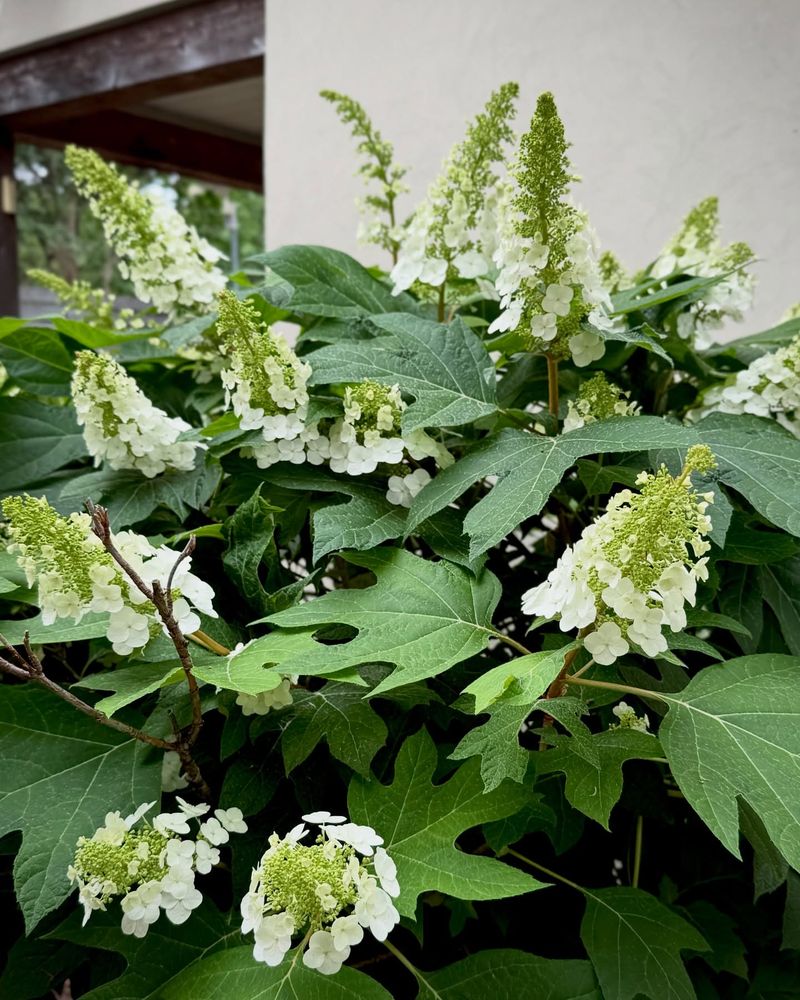
Bold, dramatic, and completely unbothered by dense ground, Oakleaf Hydrangea earns its place in any tough-soil garden. Most hydrangeas throw a fit in clay, but not this one.
It pushes through compacted ground without much complaint.
Native to the Southeast, it grows naturally along stream banks and woodland edges where soil drains slowly. That background makes it well-suited for spots other shrubs avoid.
Expect large, cone-shaped white blooms from late spring through summer.
Flowers fade to a soft pink-tan and stay attractive well into fall. Even the peeling cinnamon-colored bark adds winter interest.
Few shrubs offer that kind of year-round appeal.
Mature plants reach six to eight feet tall and wide, so give them room. Once established, they need very little watering.
Clay actually holds moisture longer, which works in this plant’s favor during dry stretches.
Partial shade suits it best. Full afternoon sun in hot climates can scorch the leaves, especially in areas with intense summer heat.
Morning light with afternoon shade is the sweet spot.
Pollinators love the blooms, and birds often shelter in the dense foliage. Planting it near a fence or wall can give it some wind protection.
Add a layer of mulch at the base to regulate soil temperature and keep roots settled.
Over time, the mulch breaks down and adds organic matter that helps improve the structure of heavy clay soil.
2. Virginia Sweetspire Handles Wet Areas With Ease
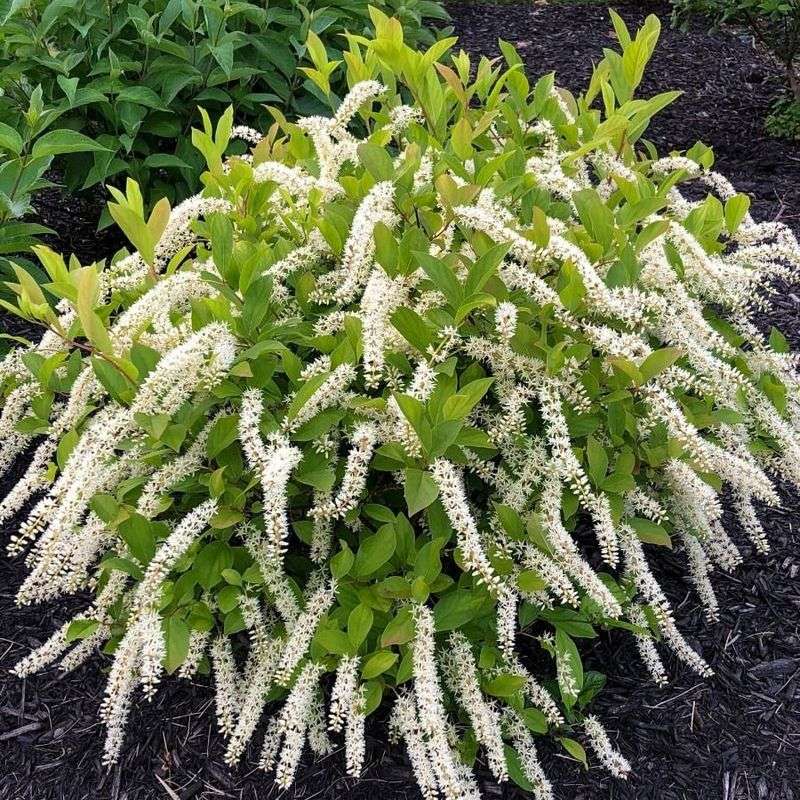
Soggy spots after a heavy rain? Virginia Sweetspire actually wants to be there.
Most ornamental shrubs rot in standing water, but this native handles wet clay like it was born for it, and honestly, it was.
It grows naturally along creek banks and low-lying woodlands across the Southeast. That origin story means it tolerates both wet winters and dry summer stretches without losing its footing.
Few shrubs pull off that range.
Fragrant white flower spikes appear in late spring and early summer. They droop slightly at the tips, giving the plant a graceful, arching look.
Pollinators, especially native bees, visit frequently during bloom time.
Fall color is where this shrub really shines. Leaves turn brilliant shades of red, orange, and purple, often all at once on the same plant.
Your Georgia Garden Changes Every Week. Your Plan Should Too.
Gardening in Georgia changes quickly throughout the season. Every Friday you’ll receive a simple weekly plan showing exactly what to plant, prune, fertilize, harvest, and protect so you never miss the right timing.
That kind of color in a tough-soil garden is genuinely impressive.
Plants typically reach three to five feet tall and spread slowly by suckers. Over time, they form a dense thicket that works well as a natural screen or erosion control on slopes.
The spreading habit is manageable and easy to contain with occasional pruning.
Full sun to partial shade both work well. In heavier shade, flowering may be reduced but foliage still looks healthy.
Low maintenance and high reward make this one a reliable choice for problem areas in the yard.
3. American Beautyberry Does Well In Dense Ground
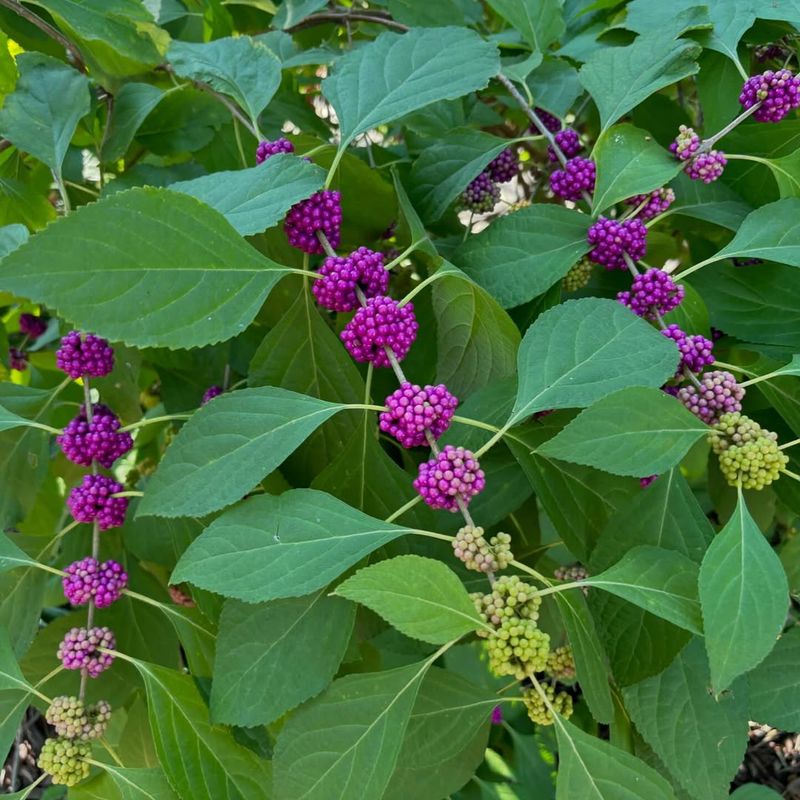
Purple berry clusters so bright they look almost fake, that is what American Beautyberry brings to the table every fall. It is a showstopper in the landscape, and it grows in clay soil without any fuss at all.
Found naturally in forests and woodland edges across the Southeast, this shrub is used to working with whatever soil it lands in. Clay does not slow it down.
Roots establish quickly and plants fill out within a couple of growing seasons.
Spring brings small pink to lavender flowers that are easy to miss but important for native bees. By late summer, the berries begin forming in tight clusters that wrap around each stem.
Birds go after them quickly once they ripen.
Height ranges from four to eight feet depending on sun exposure and moisture. More sun tends to mean more berries.
In shadier spots, growth is a bit more open and relaxed.
Stems can look scraggly by late winter. Cutting them back hard in early spring encourages fresh, vigorous growth and better berry production.
New growth comes back fast and strong.
No serious pest or disease issues affect this plant under normal conditions. It is drought tolerant once established, though it does appreciate some moisture during its first season.
Pair it with native grasses or ferns for a layered, naturalistic planting that works all season long.
4. Black-Eyed Susan Keeps Blooming In Tough Conditions
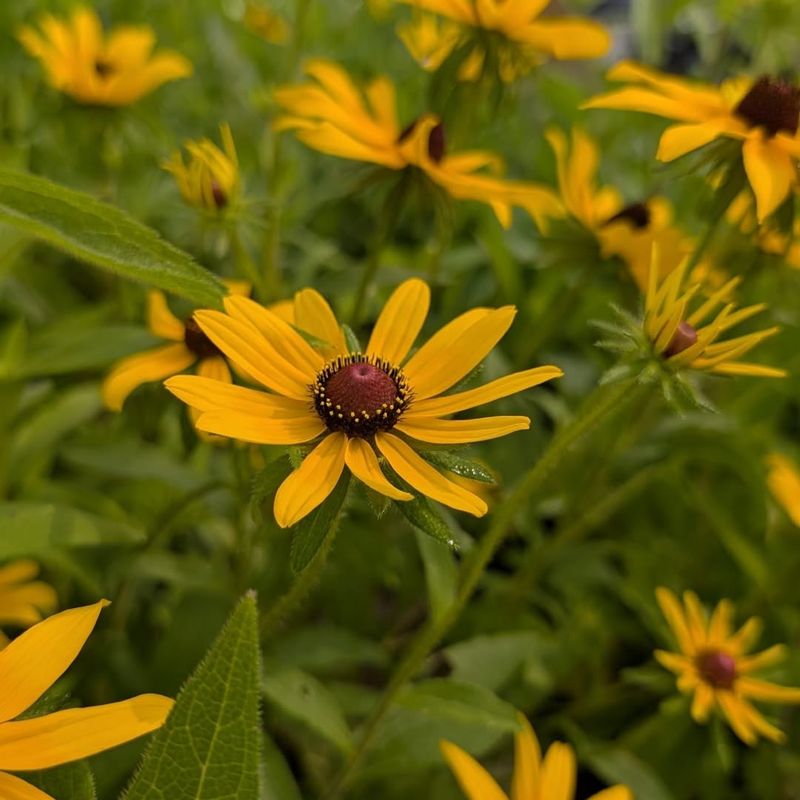
Bright yellow petals around a dark brown center, Black-Eyed Susan is one of the most recognizable wildflowers in North America. It blooms from summer into fall and barely notices when conditions get rough.
Clay soil does not stop it. Poor drainage, compacted ground, low fertility, none of these things shut it down the way they would most ornamentals.
It evolved in meadows and roadsides where soil quality varies wildly.
Blooms attract a wide range of pollinators. Bumblebees, butterflies, and native sweat bees all visit regularly.
Leaving seed heads standing through winter feeds goldfinches and other small birds during colder months.
Plants grow one to three feet tall depending on moisture and light. Full sun brings out the best flowering.
In partial shade, stems may stretch and lean slightly but blooming still continues.
Short-lived perennials by nature, they reseed freely and come back year after year in most gardens. Once you plant them, they tend to naturalize on their own.
Managing the spread is simple with occasional deadheading if you want to limit reseeding.
Drought tolerance is solid once plants are established. During the first season, some watering helps roots settle in.
After that, rainfall alone is usually enough in most parts of the Southeast. Pair with Purple Coneflower for a classic wildflower combination that carries color through the whole warm season.
5. Eastern Red Columbine Prefers Woodland Gardens
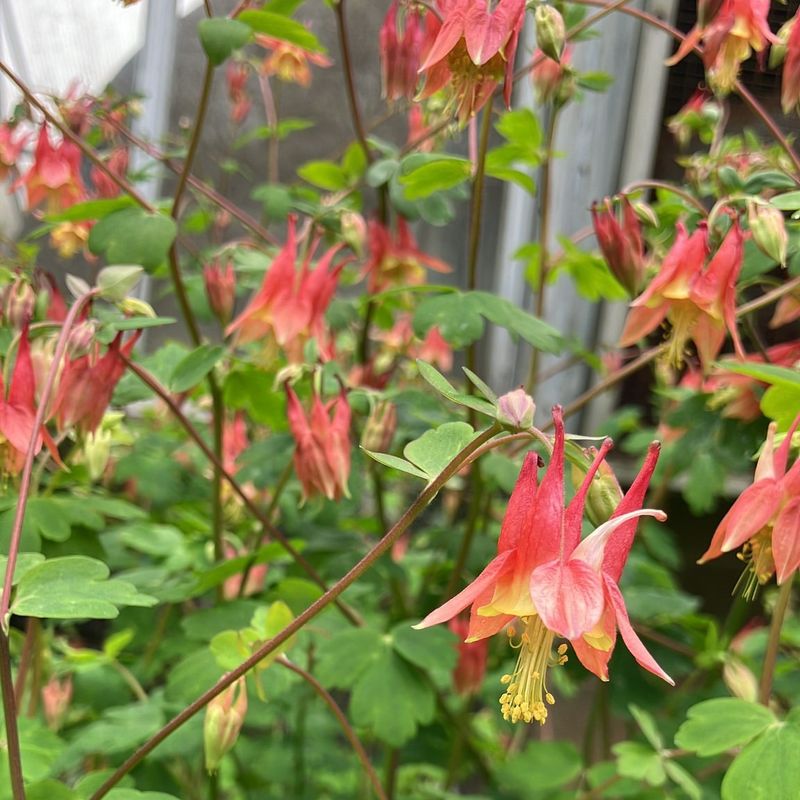
Hummingbirds find Eastern Red Columbine before most gardeners even notice it is blooming. Delicate red and yellow flowers hang like little lanterns from slender stems in early spring, making it one of the earliest native bloomers available.
Woodland edges and rocky slopes are its natural home. It handles clay reasonably well as long as water does not pool around the crown for extended periods.
Good drainage within a clay bed matters more than soil type alone.
Plants stay relatively compact, usually reaching one to two feet tall. That makes them useful in layered plantings beneath taller shrubs or along shaded borders.
The blue-green foliage stays attractive even after blooms fade.
Ruby-throated hummingbirds are the primary pollinators, timed perfectly to arrive when flowers open. Long-tongued bumblebees also visit, though they sometimes cheat by piercing the spur rather than entering the flower properly.
After blooming, plants go partly dormant in summer heat. That is completely normal.
Other plants filling in around them help cover any gaps left in the garden.
Reseeding happens freely under the right conditions. Allowing seed pods to mature and drop naturally keeps new plants coming up each year.
Thin crowded seedlings in early spring to give each plant enough room. Consistent moisture during establishment speeds things up considerably, but once settled, Eastern Red Columbine manages well with minimal attention from the gardener.
6. Purple Coneflower Blooms Without Rich Soil
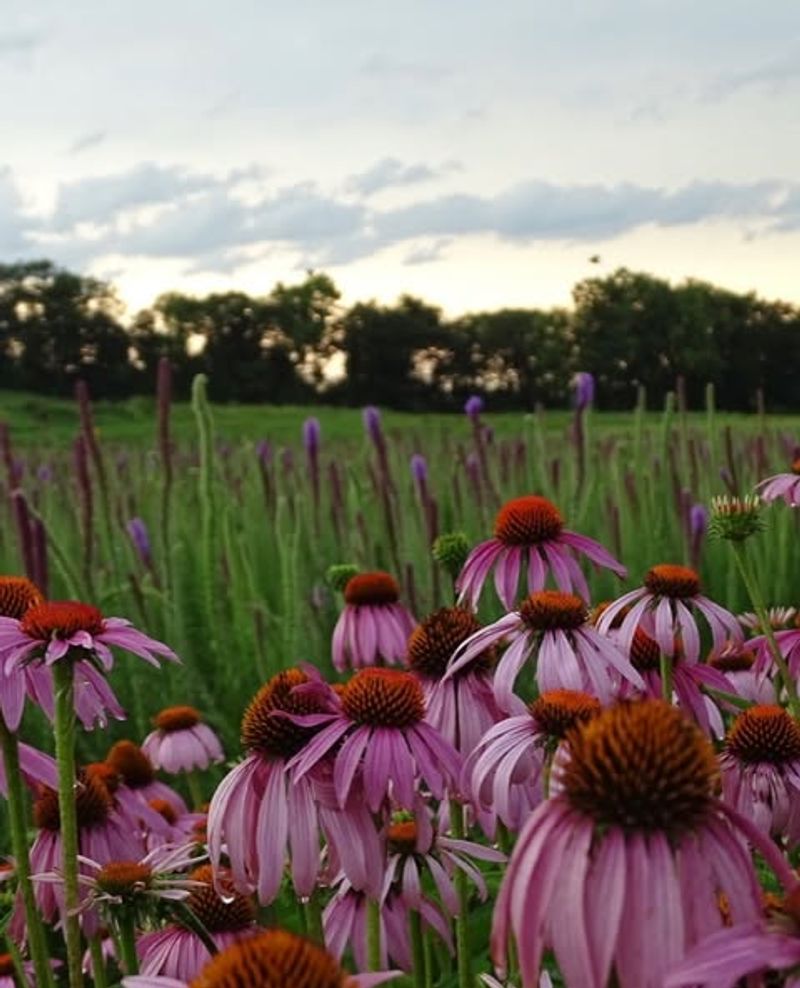
Rich, amended soil is not a requirement here. Purple Coneflower performs best in lean, well-drained conditions, and clay soil with average fertility suits it just fine.
Overfeeding actually makes plants flop and bloom less.
Native across much of eastern North America, it is one of the most adaptable wildflowers available to home gardeners. Roadsides, open meadows, and dry prairies are its natural habitat, which tells you a lot about how tough it actually is.
Blooms run from midsummer through early fall. Petals are a soft pink-purple, surrounding a raised, spiky orange-brown center cone.
As flowers fade, those cones remain standing and become a food source for goldfinches and other seed-eating birds.
Height ranges from two to four feet. Clumps widen slowly over time and can be divided every few years to refresh growth and share plants with other gardeners.
Division in early spring works best.
Full sun is ideal. Six or more hours of direct light per day keeps plants compact and blooming heavily.
In shadier spots, stems tend to lean and flower production drops noticeably.
Established plants handle summer dry spells without much stress. First-year plants benefit from occasional watering during prolonged dry periods.
After the first full growing season, they are largely self-sufficient. Pair with Black-Eyed Susan or Little Bluestem for a low-maintenance native planting that supports pollinators all season long.
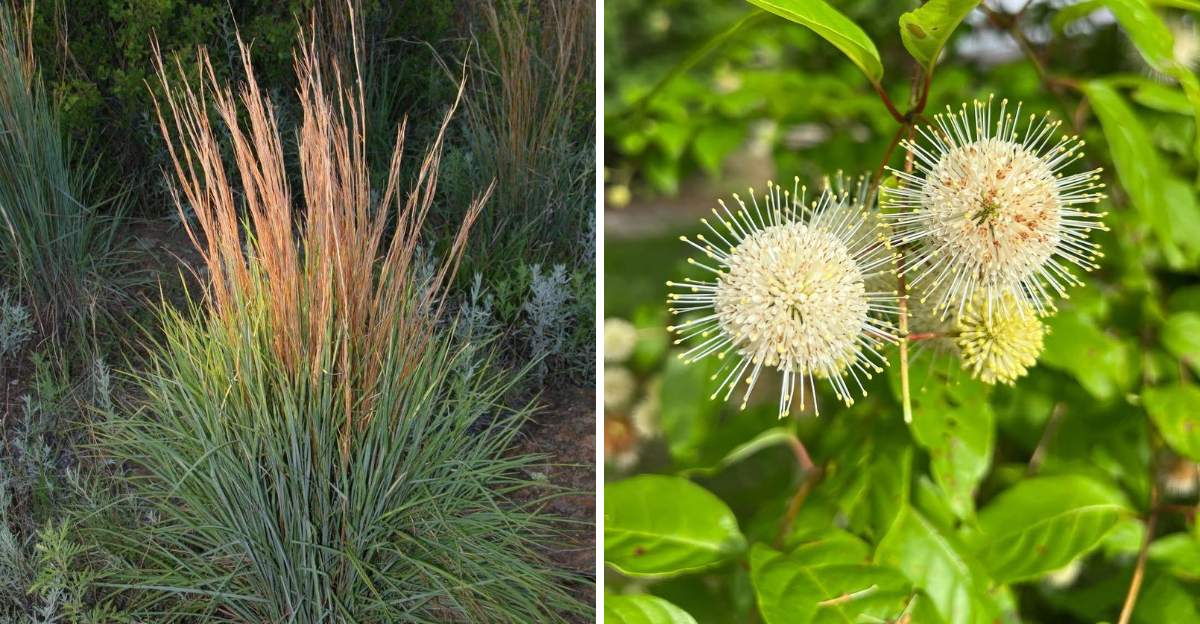
7. Little Bluestem Stays Strong Through Dry Spells
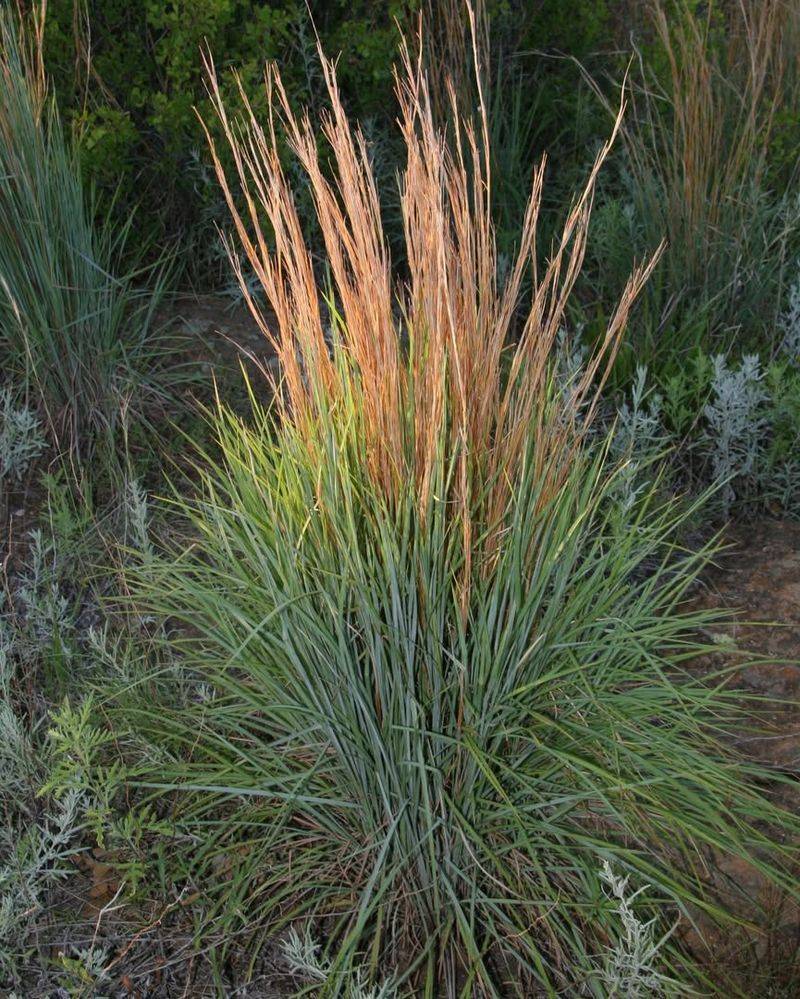
Summer heat that wilts everything else around it does not slow Little Bluestem down at all. Blue-green in summer, copper-red in fall, this native grass changes color like clockwork and asks for almost nothing in return.
Clay soil suits it well, especially in sunny, open areas. Roots go deep once established, which helps it access moisture that shallower-rooted plants cannot reach.
That deep root system also helps break up compacted clay over time.
Plants grow two to four feet tall with a slightly upright, clumping habit. Silvery white seed heads appear in late summer and persist through winter, catching light beautifully on clear days.
Birds pick through the seeds once temperatures drop.
Full sun is non-negotiable. Shade causes stems to flop and the plant loses its upright structure.
In a sunny border or meadow planting, it stays tidy without any staking.
Avoid rich, amended soil with this one. Too much fertility causes lush, floppy growth.
Lean clay in full sun actually brings out its best qualities, including better fall color and stronger stem structure.
Cut plants back to about six inches in late winter before new growth emerges. That keeps clumps looking fresh and prevents old growth from smothering new shoots.
Division every three to four years helps maintain vigor. Pair with Purple Coneflower or Black-Eyed Susan for a classic native combination that covers all three seasons with very little upkeep required.
8. Buttonbush Is Perfect For Poorly Drained Spots
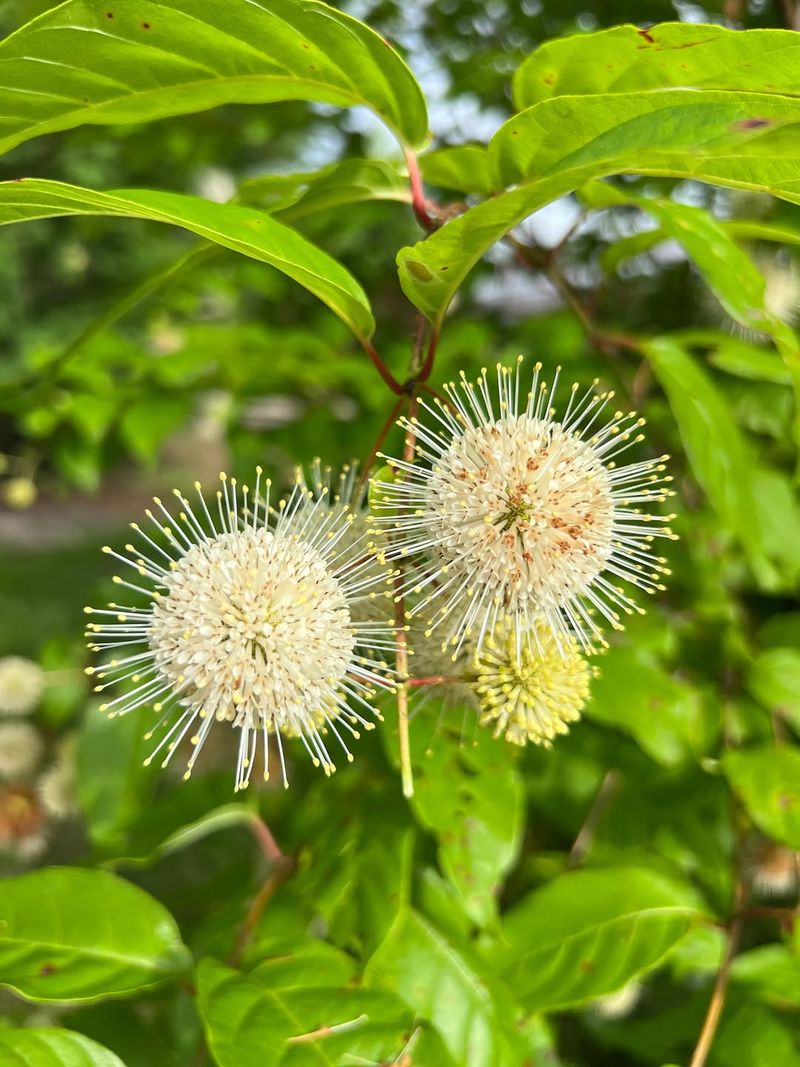
Standing water after a hard rain is a problem for most plants. Buttonbush sees it as an opportunity.
Few native shrubs tolerate true flooding as well as this one does, making it the go-to choice for the worst drainage spots in the yard.
Found naturally along pond edges, stream banks, and wetland margins across the eastern United States, Buttonbush is built for saturated conditions. Clay soil that holds water for days after rain is exactly the environment it came from.
Round, white, pin-cushion-like flower heads appear in summer and are genuinely striking up close. Butterflies, bees, and hummingbirds all visit the blooms.
Few flowering shrubs attract that range of wildlife in a single season.
Mature plants reach six to twelve feet tall depending on moisture and light. In very wet spots, growth tends to be more vigorous.
Full sun to partial shade both work, though more sun encourages heavier flowering.
Small, round seed heads follow the flowers and persist into fall. Waterfowl and shorebirds eat the seeds where plants grow near open water.
Even in a residential yard, birds notice and visit regularly.
Pruning is straightforward. Cut back in late winter to control size and shape.
Plants recover quickly from hard pruning. Avoid planting in well-drained areas since it genuinely needs consistent moisture to thrive.
In Georgia, this shrub fills a niche that almost nothing else can match.