8 Crops Gardeners Should Avoid Planting In Maryland This July
Maryland gardeners know the drill. Late June rolls in, the air turns to soup, and suddenly your tomato cages feel like the only thing thriving out there.
Once the thermometer parks itself above 90 for days on end, your garden stops being a hobby and starts testing your patience, and the plants feel it even more than you do. Before you tear open another seed packet this July, take a breath and think twice.
Certain vegetables just weren’t built for this kind of sticky, relentless heat, and putting them in the ground now sets you up for bolted stems, bitter leaves, and a whole lot of nothing on your dinner plate. The crops on this list belong to cooler months.
They stretch and flourish when spring or fall temperatures are kind, but Maryland’s mid-summer swelter sends them straight into shock. Skip these crops now, and your fall garden will reward you tenfold.
1. Lettuce
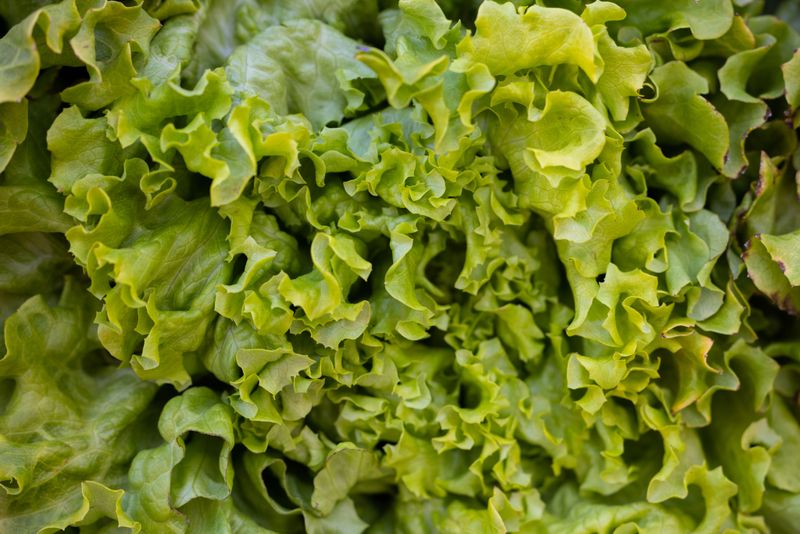
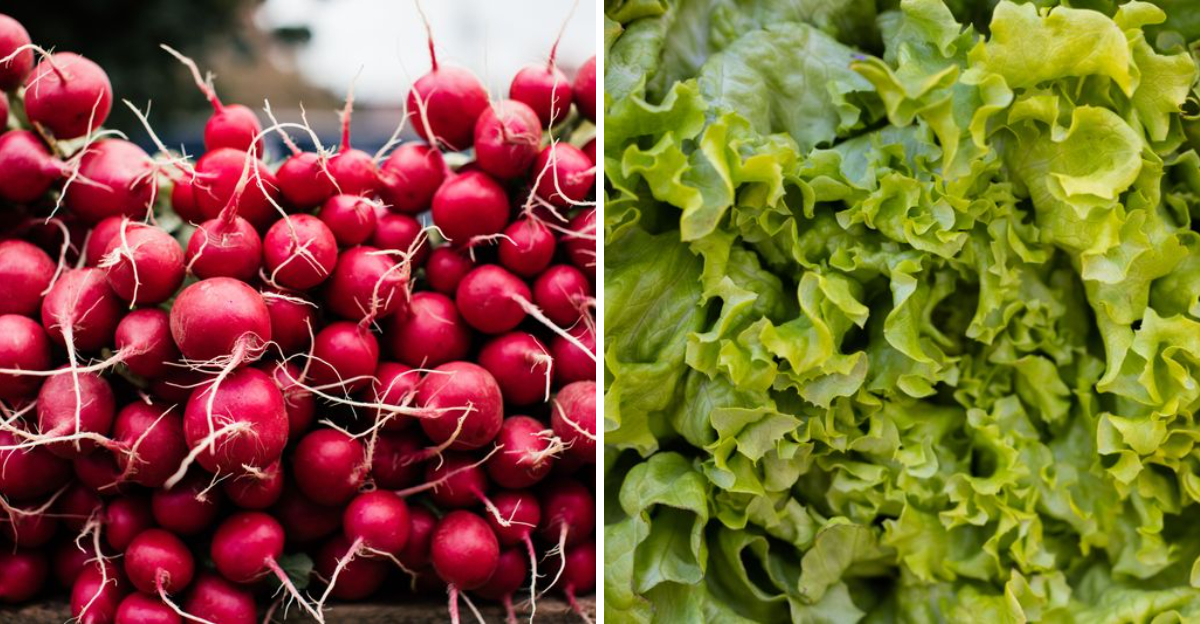
Lettuce is basically the drama queen of the vegetable garden. The moment temperatures creep above 80 degrees, it responds to heat stress by bolting to seed almost immediately.
Bolting means the plant shifts its energy from growing edible leaves to producing flowers and seeds. The leaves turn bitter almost overnight, and no amount of watering will bring back that crisp, sweet flavor you want in a salad.
Maryland July heat is especially brutal for lettuce because nights stay warm too. Cool nights are what help lettuce recover from daytime stress, but July rarely offers that relief.
Once soil temperatures exceed 75 degrees, lettuce seeds struggle to germinate at all. You might plant an entire row and see almost nothing sprout, which is a frustrating waste of good seed.
Even transplants from a nursery will sulk and bolt within days of hitting your hot garden bed. The plant is not being difficult on purpose; it is simply wired to respond to heat as a survival signal.
Experienced gardeners in the region wait until late August or September to sow lettuce again. That timing gives plants cool fall temperatures to develop properly without the stress of July heat crushing their growth.
If you are desperate for fresh greens in summer, try heat-tolerant alternatives like Malabar spinach or Swiss chard. These crops actually enjoy the warmth and will keep your salad bowl full when lettuce has completely given up on life.
2. Spinach
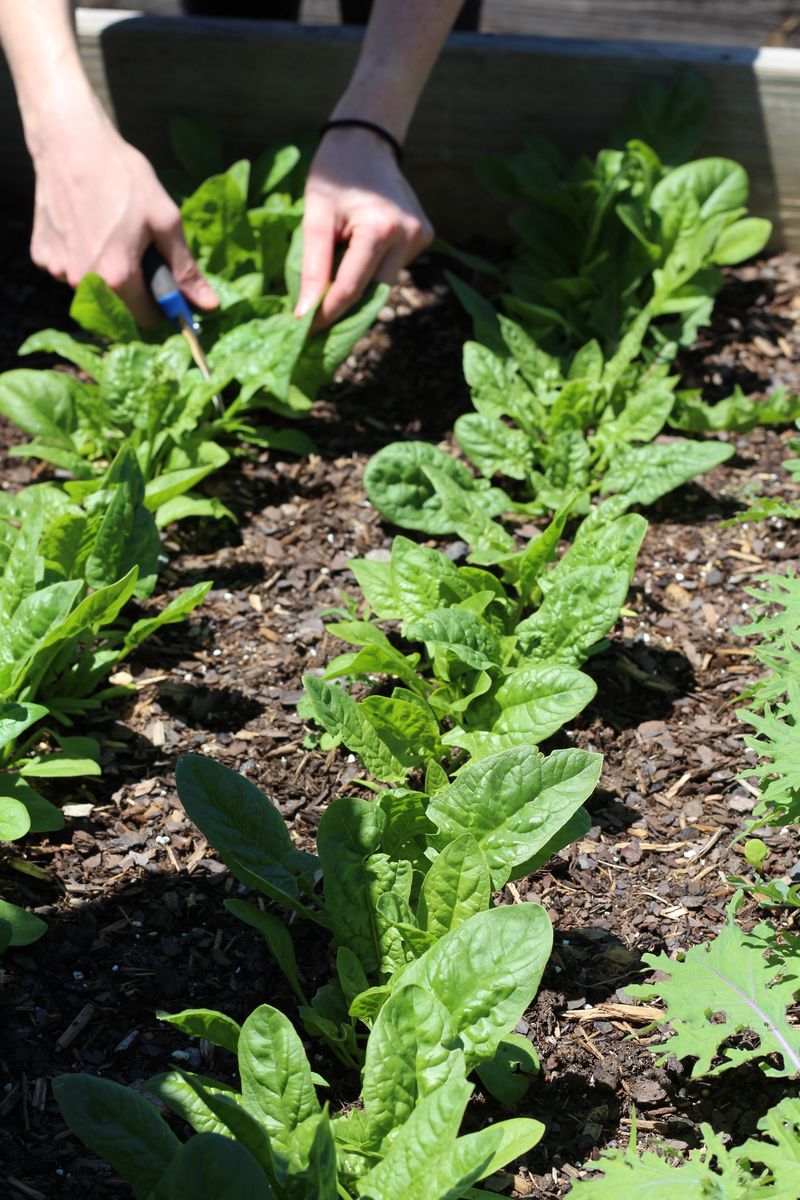
Spinach and summer heat have a famously bad relationship. Plant it in July and you will watch it race to flower faster than you can say “garden salad.”
This leafy green is a true cool-season crop that prefers soil temperatures between 50 and 65 degrees. Maryland soil in July can hit 85 degrees or hotter, which creates a genuinely hostile environment for spinach roots.
When spinach bolts, the leaves become tough and intensely bitter. Nobody wants to eat that, and the plant stops producing anything useful almost immediately after sending up its flower stalk.
Long summer days make the problem even worse. Spinach is triggered to bolt by both heat and long daylight hours, so July combines two of the biggest stressors spinach struggles with.
Your Maryland Garden Changes Every Week. Your Plan Should Too.
Gardening in Maryland changes quickly throughout the season. Every Friday you’ll receive a simple weekly plan showing exactly what to plant, prune, fertilize, harvest, and protect so you never miss the right timing.
Germination is another major hurdle in summer. Spinach seeds have a built-in dormancy mechanism that kicks in when soil gets too warm, causing poor or minimal sprouting even with perfect watering.
Many gardeners try to outsmart the heat by planting spinach in shaded spots during summer. While shade helps a little, it rarely provides enough relief from the intense July heat Maryland dishes out week after week.
Your best move is to save those spinach seeds for a September planting. Fall-grown spinach is often sweeter, more tender, and far more productive than anything you could coax out of a July garden bed struggling against the heat.
3. Peas
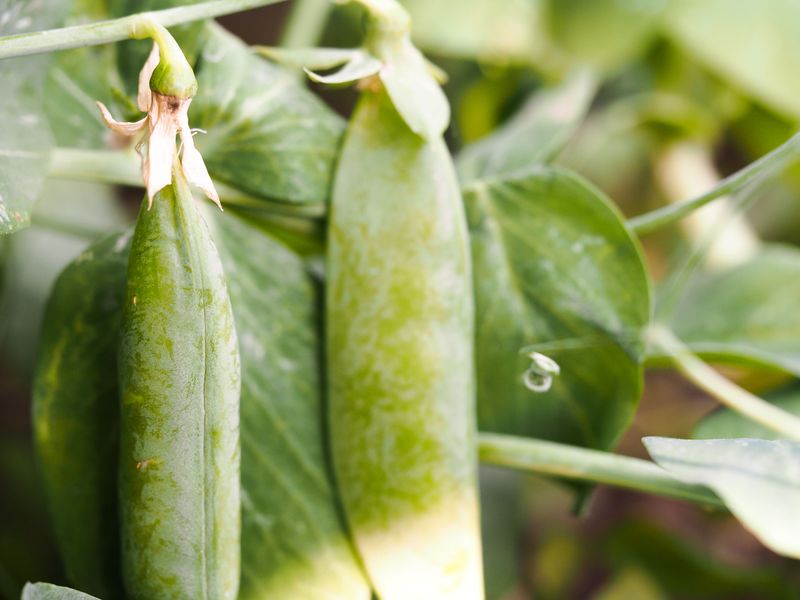
Few things are as satisfying as fresh garden peas, but July is absolutely the wrong time to chase that satisfaction in Maryland. Peas are cold-weather lovers that begin to suffer the moment temperatures climb past 75 degrees.
Heat causes pea vines to stop flowering almost completely. Without flowers, there are no pods, and without pods, your pea planting is just a tangle of struggling vines taking up valuable garden space.
Even if a few flowers do manage to open in the heat, they often drop off before forming pods. This phenomenon is called blossom drop, and it is one of the more frustrating outcomes a gardener can face.
Pea seeds themselves struggle to germinate in warm soil. Soil temperatures above 70 degrees slow germination significantly, and anything above 85 degrees makes sprouting nearly impossible for most varieties.
The vines also become more vulnerable to powdery mildew in hot, humid conditions. Maryland summers are notoriously muggy, creating conditions that make pea plants far more susceptible to mildew.
Some gardeners try planting heat-tolerant pea varieties in July, but even those struggle to produce a meaningful harvest in the Mid-Atlantic summer climate. The crop simply is not designed for these conditions.
Mark your calendar for late February or early March instead. A spring planting of peas in Maryland will reward you with a sweet, abundant harvest before the July heat arrives and shuts everything down.
4. Asparagus (Crowns)
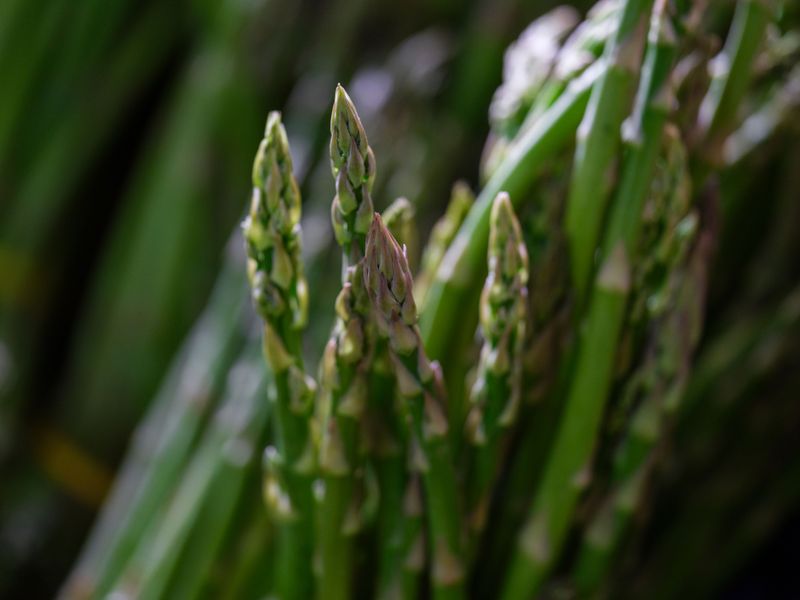
Planting asparagus crowns in July can seem harmless, but it overlooks a few key things about how the plant establishes itself. Asparagus crowns need cool soil and gentle conditions to establish their root systems successfully.
July soil in Maryland is warm, dry, and difficult for new roots to handle. Crowns planted in these conditions face immediate stress before they even have a chance to send up their first tentative shoots.
Asparagus is a long-term investment crop. A well-established bed can produce for 20 years or more, but that longevity depends entirely on giving the crowns a proper start in cool-season conditions.
When crowns go into hot, dry soil, they often fail to establish root systems strong enough to survive. Many simply rot before they can anchor themselves, especially if summer rains are inconsistent.
Even crowns that do manage to push up a few spears in July will be weak and stressed. Those early spears are a sign the plant is struggling, not thriving, and a stressed first-year crown often struggles to recover fully.
The ideal time to plant asparagus crowns in Maryland is early spring, usually March or April. Cool soil temperatures and consistent spring moisture give the roots the best possible environment to spread and strengthen.
Patience is the real secret to asparagus success. Skip the July planting temptation, wait for spring, and in two or three years you will have a bed that produces abundantly every single season without the July heat drama.
5. Rhubarb
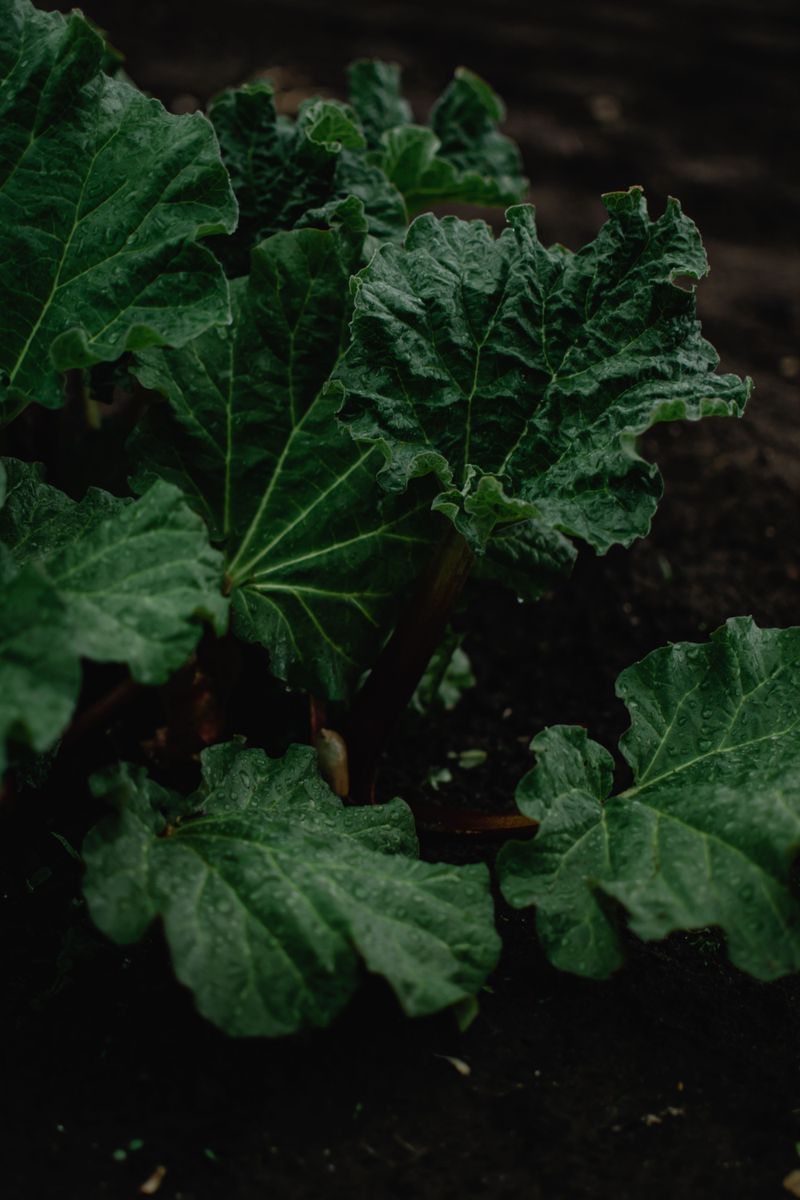
Rhubarb is a plant that genuinely requires cold winters and cool summers to perform well. It is one of the few edible garden plants that actually needs a hard freeze to perform well the following season.
Planting rhubarb in July in Maryland is almost pointless. The heat causes the plant to go dormant almost immediately, shutting down growth as a self-protection response to the stress of high temperatures.
Even established rhubarb plants struggle during Maryland’s hottest weeks. The large leaves wilt dramatically in afternoon heat, and the stalks lose their firm, tart quality that makes rhubarb so appealing in pies and jams.
New transplants or crowns put in the ground during July face an uphill battle from day one. The roots need energy to establish, but the plant is spending all its resources just trying to survive the heat.
Rhubarb also prefers rich, well-draining soil that stays consistently moist. Maryland summers often bring stretches of drought followed by heavy rain, which creates an inconsistent moisture cycle that stresses newly planted rhubarb severely.
Another problem is that rhubarb stressed by summer heat often produces thinner, less flavorful stalks. The taste and texture rarely match what you’d get from a properly timed spring crop.
Early spring planting, ideally in March or April, gives rhubarb the cool start it craves. A properly timed planting means stronger roots, better stalks, and a crop that keeps producing for many seasons ahead.
6. Carrots
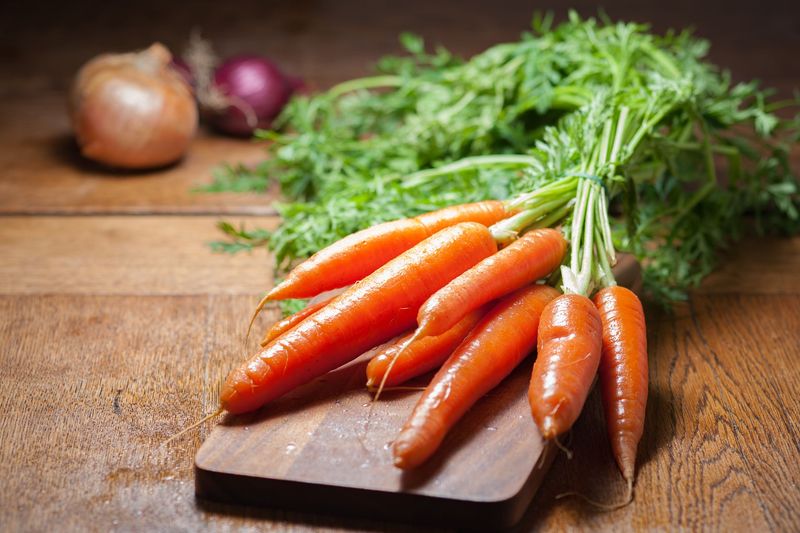
Carrots seem tough, but they are more temperature-sensitive than most people expect. Planting them in Maryland’s July heat sets up a chain of problems that starts before the seeds even sprout.
Carrot seeds need soil temperatures between 55 and 75 degrees for reliable germination. July soil in Maryland often sits well above that range, causing seeds to either rot or simply refuse to sprout at all.
Even when seeds do manage to germinate in the heat, the seedlings are fragile and easily scorched. The soil surface in summer can get hot enough to damage tender emerging sprouts before they even stand up straight.
Carrots also develop their best flavor and texture in cool conditions. Heat causes the roots to become pithy, woody, and sometimes cracked, producing a harvest that tastes nothing like the sweet, crisp carrots you were hoping for.
Forked and misshapen roots are another common result of summer planting. Heat stresses the developing root and causes it to split or fork as it tries to push through warm, compacted soil.
Keeping carrot soil consistently moist in July is nearly impossible without constant attention. The surface dries out fast in summer heat, forming a hard crust that physically blocks seedlings from pushing through.
Aim for a late July or early August sowing for a fall carrot harvest instead. Seeds planted when temperatures start to ease will germinate more reliably and produce sweeter, better-shaped roots as the season cools down.
7. Radishes (Spring Varieties)
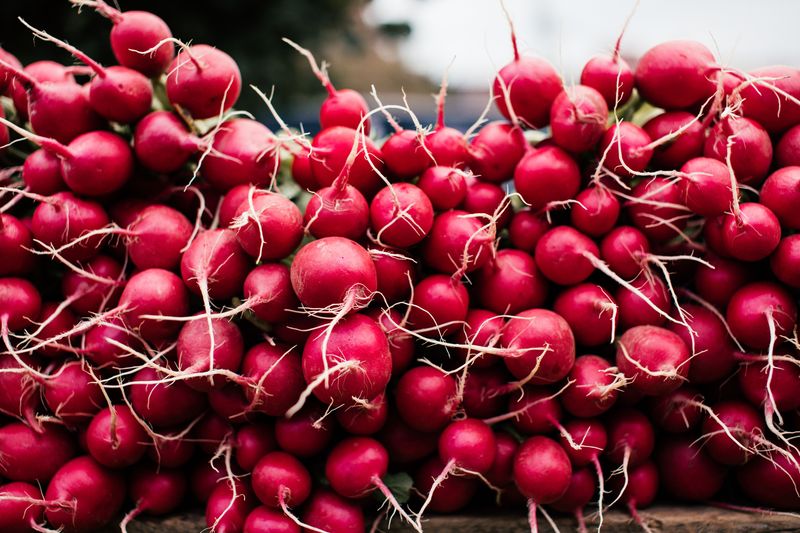
Spring radishes are the speedsters of the vegetable garden, maturing in as little as three weeks. But that fast growth only happens when temperatures are cool, and July in Maryland is anything but cool.
When spring radishes hit heat, they bolt almost immediately. Instead of forming the plump, crisp roots you want to slice into a salad, the plant shoots straight up into a flowering stalk and calls it a day.
The roots that do form in the heat are typically small, pithy, and unpleasantly sharp in flavor. That intense bite is a sign the radish is stressed, not a sign of good quality.
Spring varieties like Cherry Belle and French Breakfast are specifically bred for cool weather performance. They were never designed to handle the humidity and heat that Maryland summers deliver with such relentless consistency.
Germination is also unreliable in hot soil. Radish seeds prefer soil temperatures between 45 and 85 degrees, and once you push past that upper limit, germination rates drop sharply and unevenly across the row.
Hot weather also brings an increase in flea beetle pressure. These tiny pests thrive in warm conditions and can damage radish seedling leaves quickly enough to stunt young plants or stop them from developing before they form any root at all.
If you want summer radishes, look for heat-tolerant daikon or summer varieties instead. Better yet, sow spring types again in late August and enjoy a perfect fall crop when the July heat finally breaks and temperatures settle down.
8. Beets
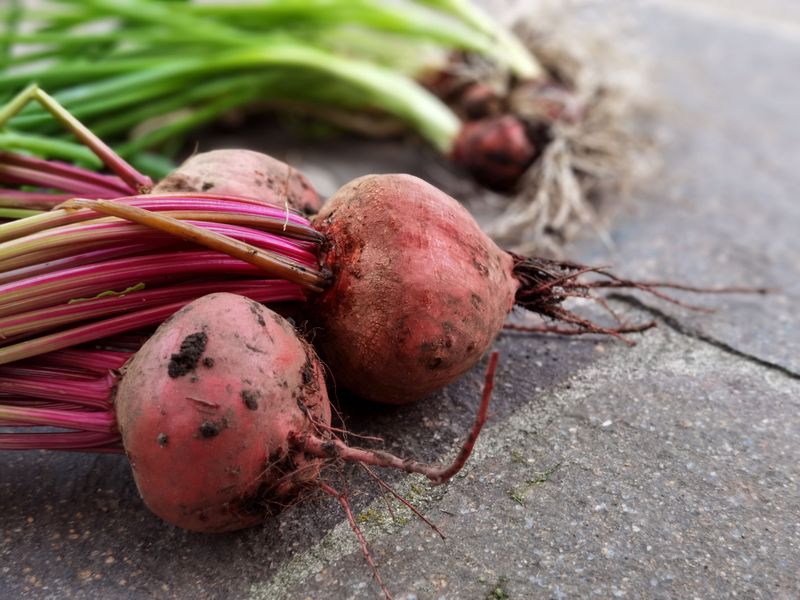
Beets have a reputation for being tough, but that reputation only holds up in mild temperatures. Push them into a Maryland July, and you will quickly discover just how heat-sensitive these colorful roots actually are.
Germination is the first major problem. Beet seeds germinate best in soil temperatures between 50 and 85 degrees, and July soil often exceeds that upper limit by a significant margin in the Mid-Atlantic region.
When beets do manage to sprout in summer heat, the seedlings grow slowly and unevenly. The heat saps their energy, leaving you with a patchy stand of stressed plants instead of the full, productive row you envisioned.
Root development also suffers dramatically in hot conditions. Beets grown in warm soil tend to be small, tough, and sometimes develop a strong, unpleasant flavor that makes them hard to enjoy roasted or pickled.
Diverting energy is another heat response beets show in summer. The plants put more effort into producing leafy tops than developing the swollen roots, which means lots of greens but almost nothing edible underground.
Bolting is a real risk too, especially for older or open-pollinated varieties. Once a beet bolts in the summer heat, the root becomes woody and inedible almost overnight, wasting weeks of watering and care.
Waiting until late August to sow beets is the smarter play for Maryland gardeners. A fall planting avoids the worst of the July heat and produces sweeter, more tender roots as the season shifts toward cooler conditions.