Catch These 8 Signs Before A Groundhog Wrecks Your Maryland Garden

Last summer, I lost an entire row of beans overnight. No tracks, no noise, just gone.
Turns out, a groundhog had moved in under my shed and was treating my garden like a buffet. These stocky little diggers are sneakier than you might expect, and far more destructive.
Maryland gardeners know the frustration well. You water, weed, and wait, then something undoes it all before you even notice.
Groundhogs are often the quiet culprit behind missing vegetables, collapsed soil, and half-eaten stems. The good news?
They leave clues. Once you learn what to look for, you can catch the problem early and protect what you have worked so hard to grow.
I wish I had known these signs before that row of beans disappeared, and now you will.
1. Snapped Stems Are A Groundhog Calling Card
You walk out one morning and your pepper plants are gone, snapped clean at the base. That clean, almost surgical cut is one of the most telling signs a groundhog has been visiting.
Unlike deer, which tend to tear and shred, groundhogs have sharp front teeth that slice through soft stems with surprising precision.
Gardeners often mistake this damage for rabbit activity, but there are differences. Clean low cuts can point to a groundhog or rabbit, but repeated heavy damage near a burrow makes groundhog more likely.
The stems are often gone completely, dragged a short distance or eaten on the spot.
You might notice the cuts happening close to the ground, usually within two to four inches of the soil surface. Groundhogs prefer young, tender growth, so seedlings and recently transplanted vegetables are especially at risk.
Once they find a reliable food source, they return night after night.
Protecting your plants starts with recognizing this pattern early. If you see multiple stems cut cleanly across different plant types in the same area, that repetition is a strong clue.
One or two damaged plants could be coincidence, but a row of sliced stems tells a story.
A groundhog in your Maryland garden is not just nibbling. It is working through your plants systematically, like a slow-moving lawnmower with a very specific appetite.
Catching this sign early means you still have time to act.
2. Large Burrow Holes Near Your Garden
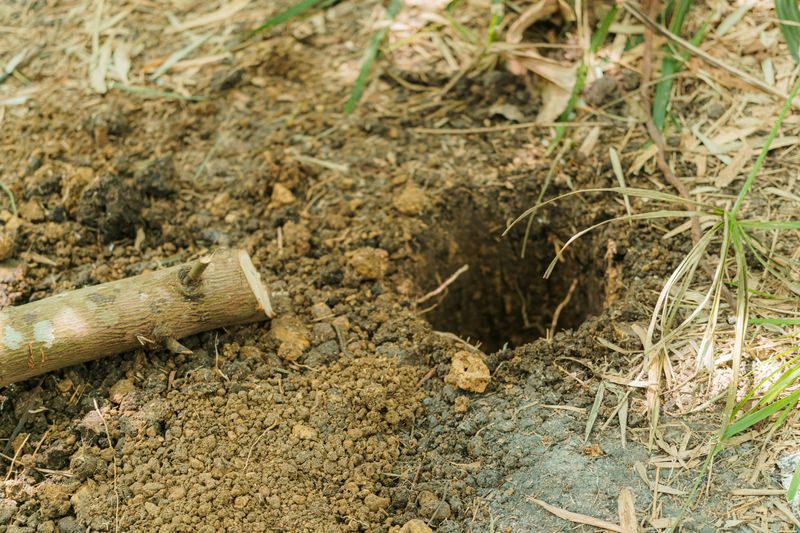
A softball-sized hole near your raised beds is never a good sign. Groundhog burrow entrances are typically four to six inches wide.
The main entrance is usually surrounded by a mound of freshly dug soil, while secondary escape holes have no soil mound at all.
That dirt pile is a giveaway because the animal pushes it out as it digs deeper underground.
These tunnels are not shallow scratches in the dirt. A groundhog can dig a burrow that stretches twenty to thirty feet long, and in rare cases even further, going several feet below the surface.
That underground network can run right beneath your garden without you ever knowing until a plant suddenly collapses.
You might find the main entrance near a fence line, under a deck, or at the edge of a garden bed. Groundhogs are strategic about their home placement.
Your Maryland Garden Changes Every Week. Your Plan Should Too.
Gardening in Maryland changes quickly throughout the season. Every Friday you’ll receive a simple weekly plan showing exactly what to plant, prune, fertilize, harvest, and protect so you never miss the right timing.
They want easy access to food and a quick escape route if a predator shows up.
Check for secondary entrances too. A groundhog burrow often has a hidden back door, usually without a soil mound, that serves as an emergency exit.
Finding one hole means there could be another just a few feet away.
The presence of a burrow this close to your growing space is a serious warning. It means the animal has already settled in and considers your garden part of its territory.
Acting quickly after spotting a burrow gives you the best chance of reclaiming your outdoor space before the real destruction begins.
3. Missing Vegetables And Plants
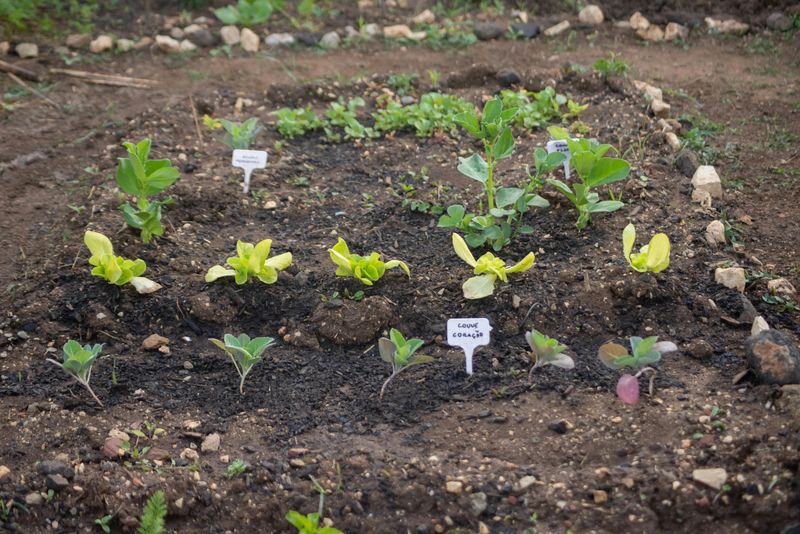
You planted six rows of green beans last Tuesday. Now three of them are just gone.
Not wilted, not yellowed, just completely absent from the earth like they were never there. Missing vegetables and whole plants are one of the most obvious signs that a groundhog has made your garden its personal buffet.
These animals are not picky eaters. They go after lettuce, beans, peas, squash, carrots, and almost any leafy green you can name.
A single groundhog can eat up to a pound or more of vegetation per day. Over a week, that adds up to serious losses for a home gardener.
What makes this frustrating is the pattern. Groundhogs tend to hit the same section of a garden repeatedly.
You might notice one corner of your plot looking emptier each day while the rest seems untouched, at least for now. That concentrated damage zone is a behavioral signature worth paying attention to.
Sometimes the entire plant disappears, roots and all. Other times only the above-ground portion is eaten, leaving a stubby stem behind.
Both scenarios point to the same culprit, especially when the damage appears overnight or in the early morning hours.
Replacing lost plants without addressing the source of the problem is a losing battle. Every new seedling you put in the ground becomes a fresh invitation.
Recognizing missing plants as a pattern rather than a random loss is the first step toward getting your garden back under control this season.
4. Tracks In Soft Soil

Soft soil after rain is the closest thing a garden has to a security camera.
Groundhog tracks are distinctive once you know what to look for. The front feet leave four-toed prints while the back feet show five toes, and both sets are relatively wide and rounded compared to a rabbit or squirrel.
The stride pattern also gives them away. Groundhogs walk with a waddling, flat-footed gait, so the prints tend to appear in a slightly irregular, shuffling line rather than a neat bounding pattern.
You might see drag marks between prints where the belly brushes the ground on particularly soft soil.
Look for tracks near garden edges, along fence lines, and around burrow entrances. Groundhogs are creatures of habit and tend to use the same pathways repeatedly.
Over time, you might even notice a worn trail through the grass leading from the burrow to the garden.
Tracking apps and wildlife guides can help you confirm what you are seeing, but a simple side-by-side comparison with online photos usually does the trick. The key measurements to note are the width of the print and the spacing between steps.
Finding fresh tracks in your garden soil after a rainy night is one of the clearest pieces of evidence you can gather. It confirms that an animal was physically present in your growing space recently.
That kind of direct proof takes the guesswork out of the situation and helps you respond with the right strategy.
5. Gnaw Marks On Woody Plants
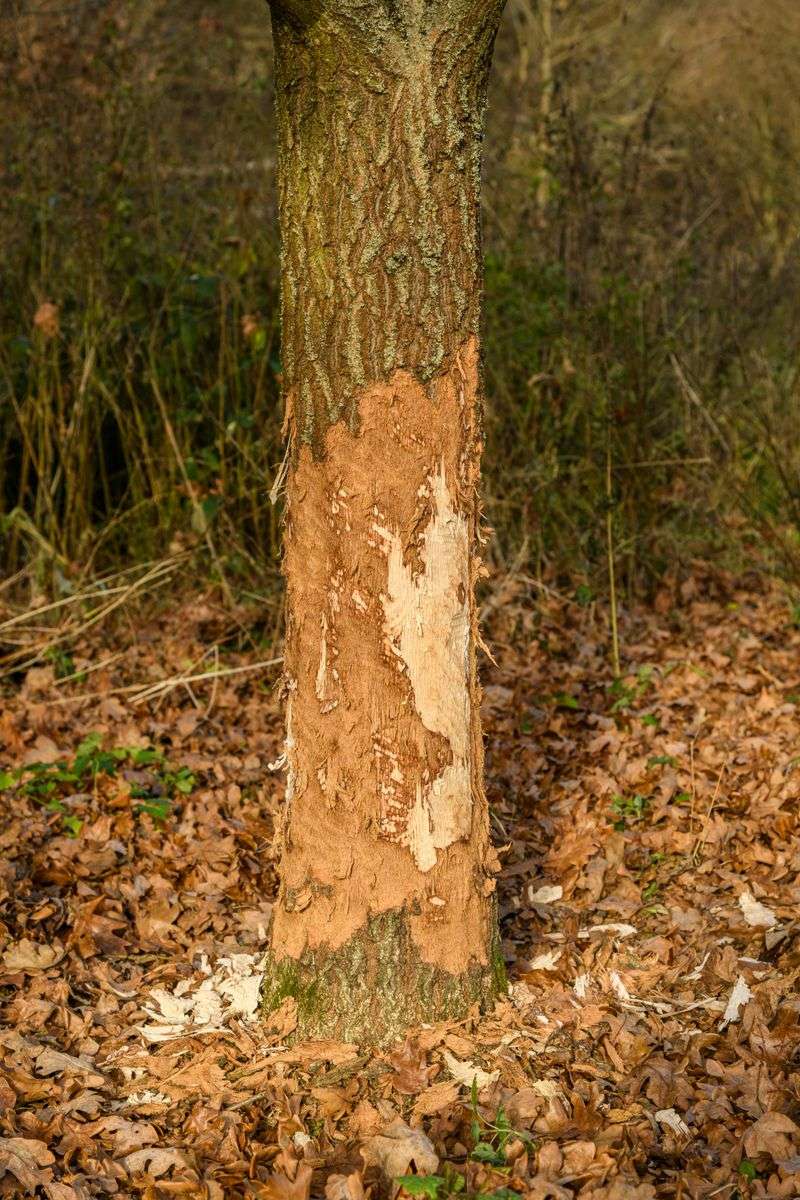
Gnaw marks on a young fruit tree or woody shrub are not just cosmetic damage. When a groundhog chews through the bark of a woody plant, it can disrupt the flow of water and nutrients moving through the stem.
That kind of wound can weaken or eventually end a plant that took years to establish.
Groundhog teeth marks are wider and deeper than those left by mice or voles. You will often see a rough, irregular surface where the bark has been stripped away, sometimes in patches several inches long.
The exposed wood underneath may appear pale or slightly dried out if the damage happened a few days ago.
Young trees and shrubs are most vulnerable because their bark is still thin and relatively soft.
A groundhog chews on woody plants to sharpen its teeth, access moisture, or find food when preferred vegetation is scarce.
Check the base of any young trees, berry bushes, or ornamental shrubs near your garden. Damage near the soil line is especially concerning because it is harder to treat and leaves the plant exposed to disease and insects.
Spotting this kind of chewing early gives you a chance to protect the plant with a physical barrier like hardware cloth wrapped around the base. Waiting too long means the damage can circle the entire trunk, which cuts off the plant’s ability to survive.
Gnaw marks are a quiet warning that deserves a quick and decisive response.
6. Droppings Near The Garden
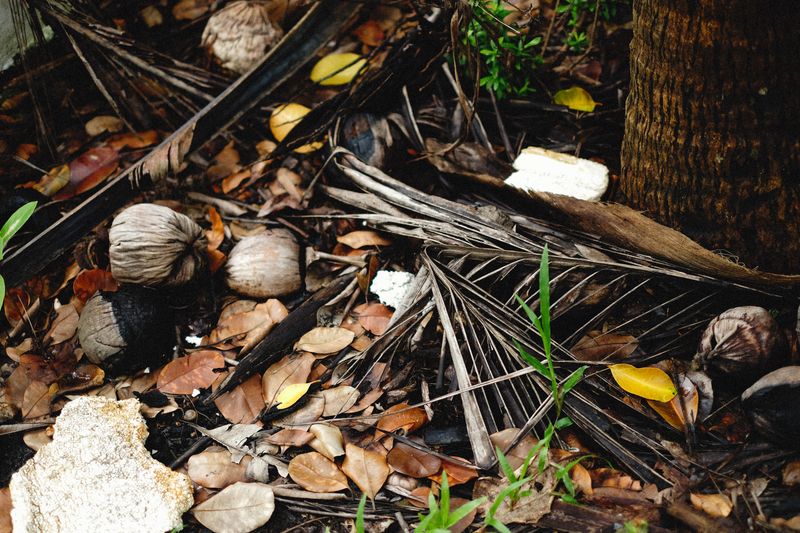
Animal droppings might not be the most glamorous clue, but they are one of the most reliable ones. Groundhog scat is dark, pellet-like or clustered droppings may support the case, but should not be used alone.
It looks somewhat similar to rabbit droppings but tends to be a bit larger and less perfectly rounded.
You will usually find these droppings near the garden perimeter, along known travel paths, or close to burrow entrances. Groundhogs are not random about where they go.
They tend to use the same general areas repeatedly, so finding a cluster of droppings in one spot suggests a regular route or resting point nearby.
Fresh droppings have a moist, dark appearance, while older ones dry out and fade to a lighter brown. If you are seeing fresh ones regularly, it means the animal is active and visiting your garden consistently.
That frequency matters when you are trying to gauge how serious the situation has become.
Always wear gloves when handling or examining any wildlife droppings. While groundhogs are not known as major disease carriers to humans, basic hygiene around wild animal waste is always a smart habit.
Think of droppings as a trail of evidence that tells you exactly where the animal spends its time. Once you map out where they appear most often, you have a clearer picture of the groundhog’s routine.
That information can guide where you place deterrents, fencing, or traps if you choose to go that route. Knowledge is your best gardening tool.
7. Disturbed Or Collapsed Soil Around Plant Roots
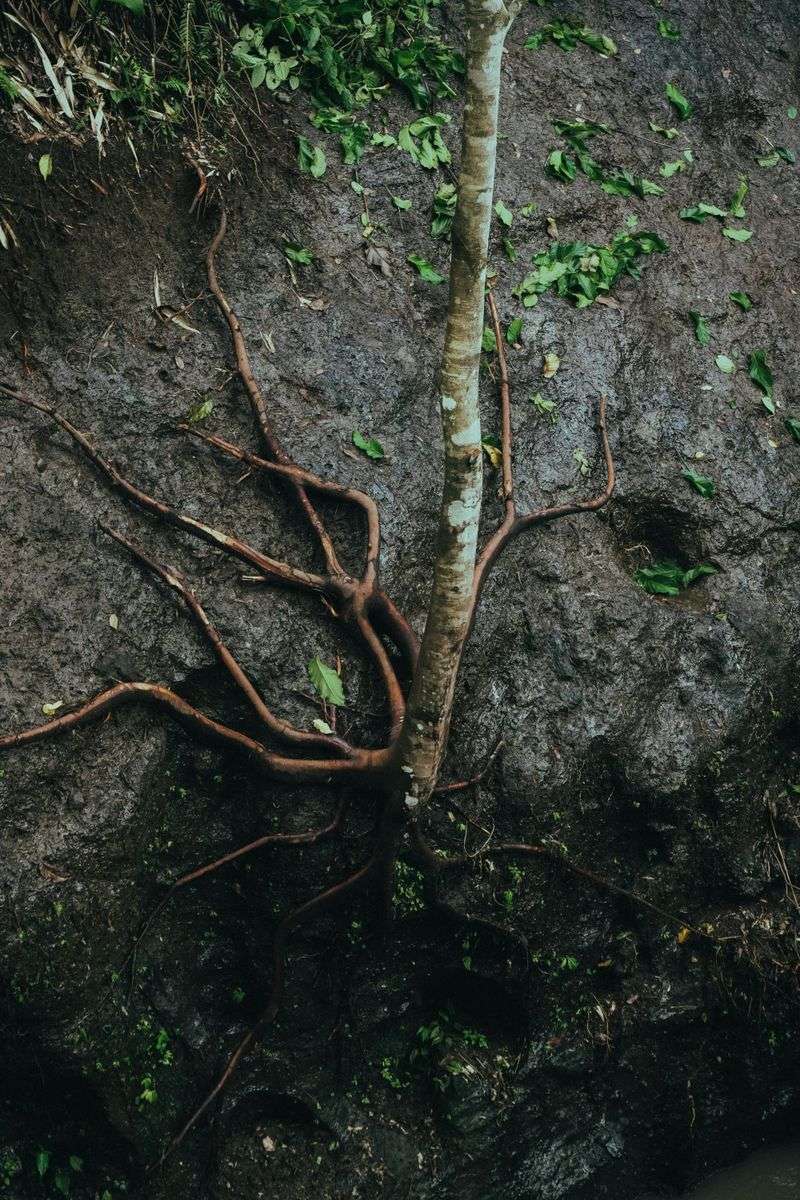
Sunken, crumbly soil around a healthy-looking plant is a red flag that something is happening underground. When a groundhog tunnels beneath a garden bed, the soil above can shift, settle, or collapse.
Plant roots lose their firm grip on the earth, and the plant may begin to wilt even when watering is consistent.
This is one of the sneakier signs because the damage is invisible at first. You might notice a plant looking stressed without any obvious above-ground cause.
Pulling gently on the stem sometimes reveals that the root system has been undermined, and the plant lifts out of the ground far too easily.
Groundhog tunnels can run directly beneath raised beds and in-ground plots alike. The animal is not trying to eat the roots in most cases.
It is simply digging toward a destination, and your garden happens to be in the way. The disruption to root systems is collateral damage from that underground activity.
Look for soft spots in the soil when you walk through your garden. A slight give underfoot, especially in a straight line, can indicate a tunnel running just below the surface.
Pressing down gently with your foot in suspicious areas can help you map out the underground path.
Addressing tunnel damage quickly protects both current plants and future ones. Filling tunnels with soil and tamping it down firmly can help restore some stability over time.
Pairing that repair with a deterrent strategy gives your garden the best chance of bouncing back strong and staying protected through the rest of the growing season.
8. Sightings At Dawn Or Dusk
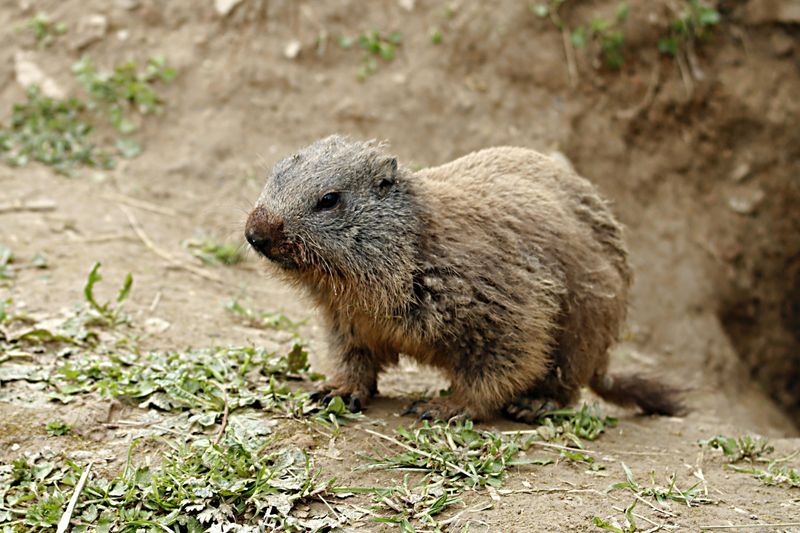
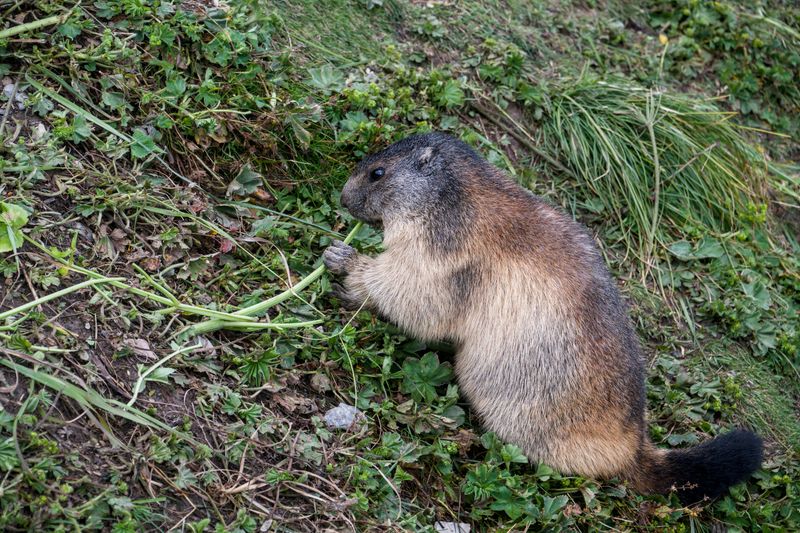
Spot a chunky brown animal waddling along your fence at dawn, and you will not forget it.
Groundhogs are most active during the early morning and late afternoon hours, which is exactly when many gardeners are outside watering or checking on their plants. That timing is not a coincidence.
Spotting one in person is the most direct confirmation you can get. A groundhog is hard to mistake once you see it up close.
It has a heavy, low-slung body, short legs, and a flat, broad head. Adults typically weigh between five and twelve pounds, making them noticeably larger than squirrels or rabbits.
Repeated sightings at the same time of day near the same area of your yard suggest a resident animal, not a passing visitor. Groundhogs are territorial and tend to stick to a home range of a few acres at most.
If you keep seeing one near your garden, it has likely set up permanent residence nearby.
Paying attention to where the animal enters and exits your yard can help you locate the burrow. Watch from a distance and note which direction it travels after feeding.
That observation can save you a lot of searching later.
Seeing a groundhog near your garden in the morning light is both a beautiful and frustrating moment. It is beautiful because wildlife is fascinating, and frustrating because you know what comes next.
Acting on that sighting right away is the smartest move for any Maryland gardener who wants to protect their hard work this season.