8 Vegetables Tennessee Gardeners Should Harvest Daily In July
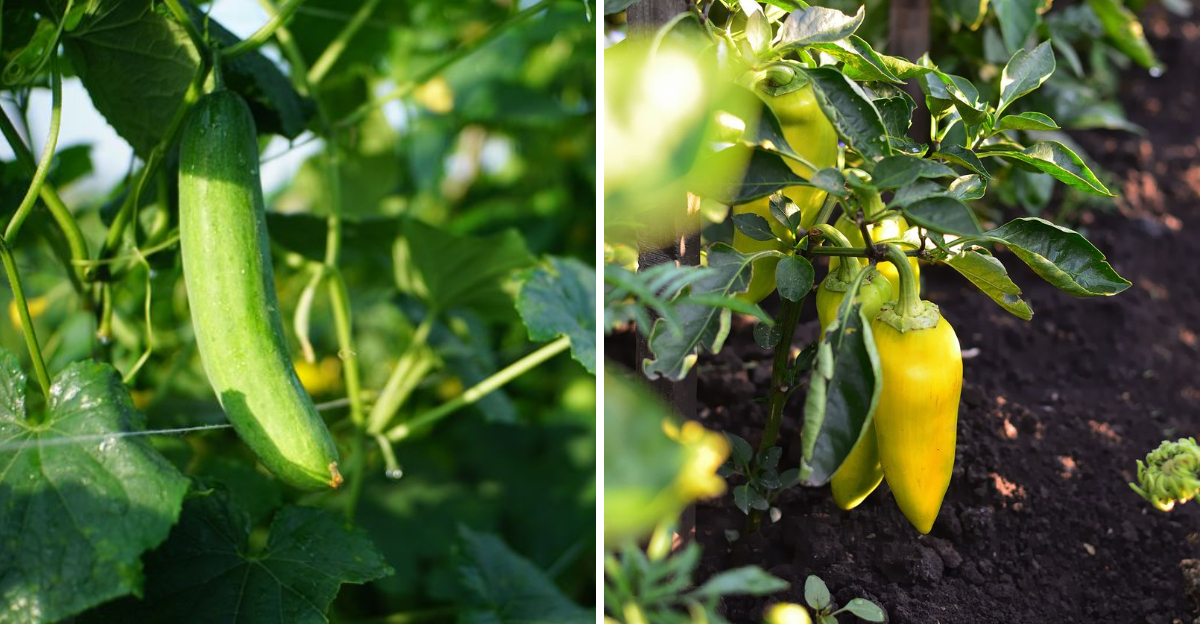
Tennessee in July doesn’t wait for anyone, least of all your vegetable patch. The heat climbs before breakfast, the air feels like a warm towel, and every plant in the yard is racing to turn sunlight into food before the season shifts.
Skip a morning walk through the rows and you’ll pay for it: zucchini the size of baseball bats, beans gone tough and stringy, tomatoes splitting on the vine. Daily harvesting isn’t a chore here, it’s how the garden stays in motion.
Every pick tells the plant one thing: keep going, there’s more room to grow. Leave the fruit hanging too long, and the plant reads that as permission to slow down.
This list covers eight vegetables that need your attention every single day this month, rain or shine. Bring a basket big enough for the job, because Tennessee gardens in July don’t do things halfway.
1. Tomatoes
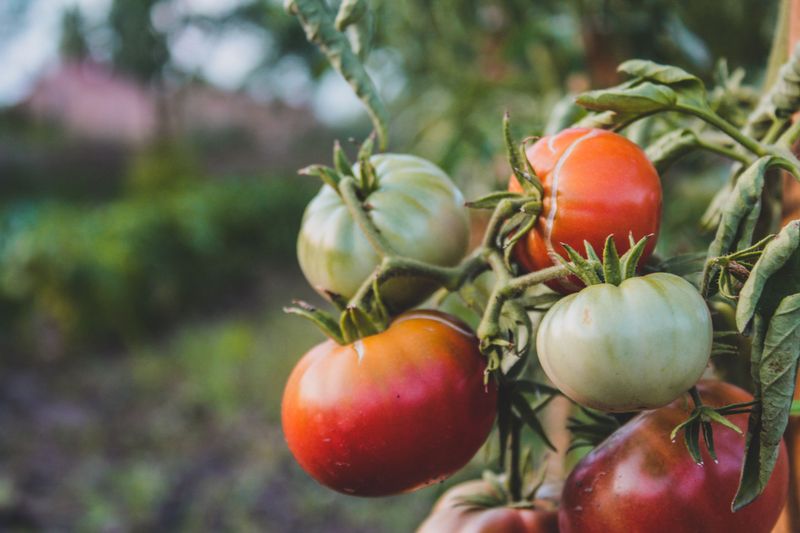
Nothing says summer like a warm tomato plucked straight from the vine. That first bite, juicy and sweet, is the reason most home gardeners even bother planting in the first place.
Tomatoes are the crown jewel of the July harvest in Tennessee. The heat pushes them to ripen fast, sometimes overnight, so checking your plants every single morning is non-negotiable.
Leaving a ripe tomato on the vine too long invites trouble. Cracking, rotting, and pest damage can ruin a perfect fruit in just 24 hours during hot, humid weather.
Pick tomatoes the moment they reach full color and give slightly under gentle pressure. You do not need to wait for them to fall off the plant to know they are ready.
Daily harvesting also keeps the plant focused on producing new fruit rather than pouring energy into overripe ones. More picking means more tomatoes throughout the season.
Store freshly picked tomatoes at room temperature rather than in the fridge. Cold temperatures tend to dull the flavor and make the texture mealy faster than you’d expect.
If you find yourself overwhelmed with tomatoes, try roasting a batch and freezing them. Roasted tomatoes add incredible depth to soups, sauces, and pasta dishes all winter long.
A few minutes of roasting turns a summer glut of tomatoes into a pantry staple you’ll be grateful for come January.
2. Zucchini
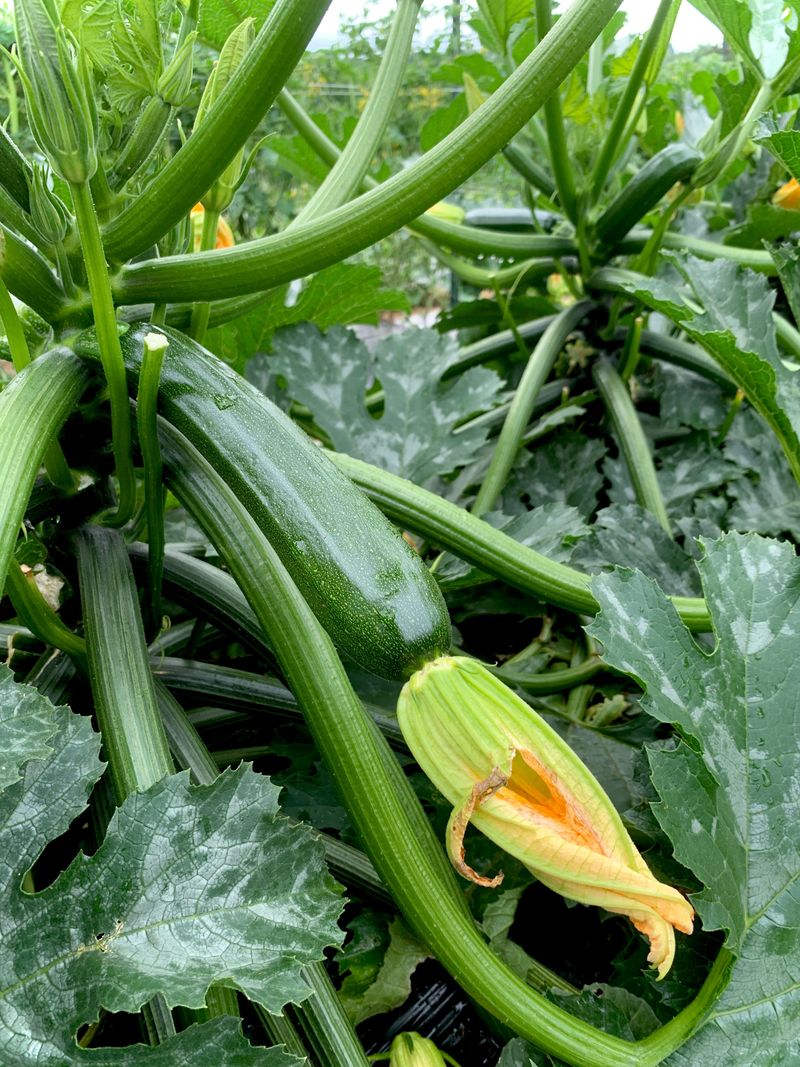
Blink once, and your zucchini goes from finger-sized to baseball bat. This vegetable grows at a speed that genuinely surprises first-time gardeners every single summer.
In July, zucchini plants are in full sprint mode. Warm soil and long daylight hours push the fruit to grow several inches overnight, turning tender squash into woody giants if you are not paying attention.
The sweet spot for harvesting zucchini is between six and eight inches long. At that size, the skin is tender, the seeds are small, and the flavor is mild and sweet.
Once zucchini passes ten inches, the texture gets spongy and the seeds become tough. Oversized zucchini is still edible, but it loses the quality that makes fresh garden squash so enjoyable.
Your Tennessee Garden Changes Every Week. Your Plan Should Too.
Gardening in Tennessee changes quickly throughout the season. Every Friday you’ll receive a simple weekly plan showing exactly what to plant, prune, fertilize, harvest, and protect so you never miss the right timing.
Picking daily also protects the plant’s energy. A zucchini left to grow enormous pulls resources away from new blossoms, slowing down your overall production significantly.
Use a sharp knife or garden scissors to cut the stem cleanly. Twisting or yanking the fruit can damage the vine and introduce stress to the whole plant.
Zucchini works beautifully in stir-fries, on the grill, or spiralized into noodles. Even neighbors who claim they dislike zucchini often change their minds when it is fresh and properly cooked.
Stay one step ahead of your zucchini plant, and it’ll reward you with tender, sweet squash all season long.
3. Green Beans
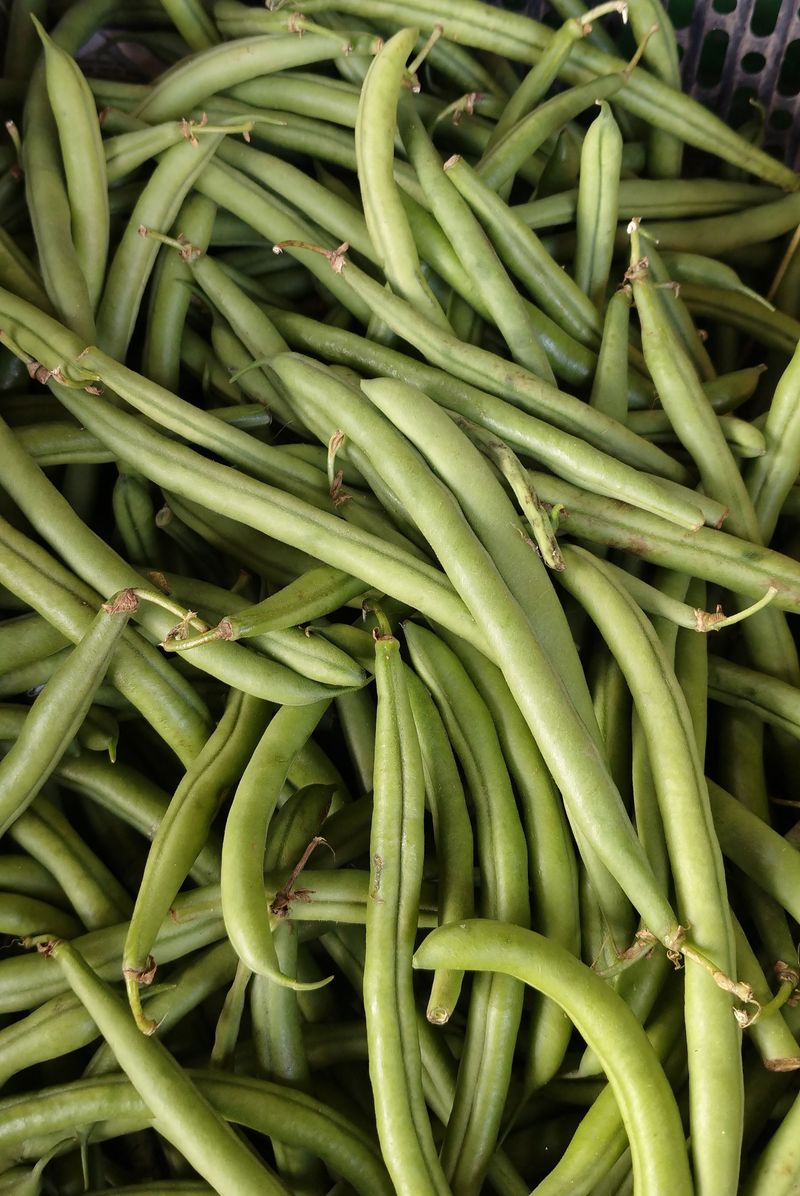
Green beans have a quiet confidence about them. They do not demand much attention to grow, but they absolutely demand attention at harvest time in July.
Bush and pole varieties both hit their peak production during the hottest weeks of summer in Tennessee. Pods fill out quickly and can go from perfect to tough and stringy in just a couple of days.
Harvest green beans when the pods are firm, smooth, and snap cleanly when bent. If the pod bends instead of snapping, it has already passed its prime eating stage.
Check your plants every morning before the heat of the day sets in. Cooler morning air keeps the pods crisp and makes the whole experience of picking much more pleasant.
Regular picking encourages the plant to set new flowers and develop fresh pods. Skipping even two days can cause older pods to become tough and signal the plant to slow its production.
Blanch and freeze any excess green beans right away to lock in their flavor and bright color. A quick blanch followed by an ice bath makes all the difference in quality.
Green beans are one of the most versatile summer vegetables in any Southern kitchen. From simple sauteed side dishes to slow-cooked pots with smoked meat, they shine in nearly every preparation.
A little daily attention keeps this Southern staple crisp, tender, and coming back for more.
4. Peppers
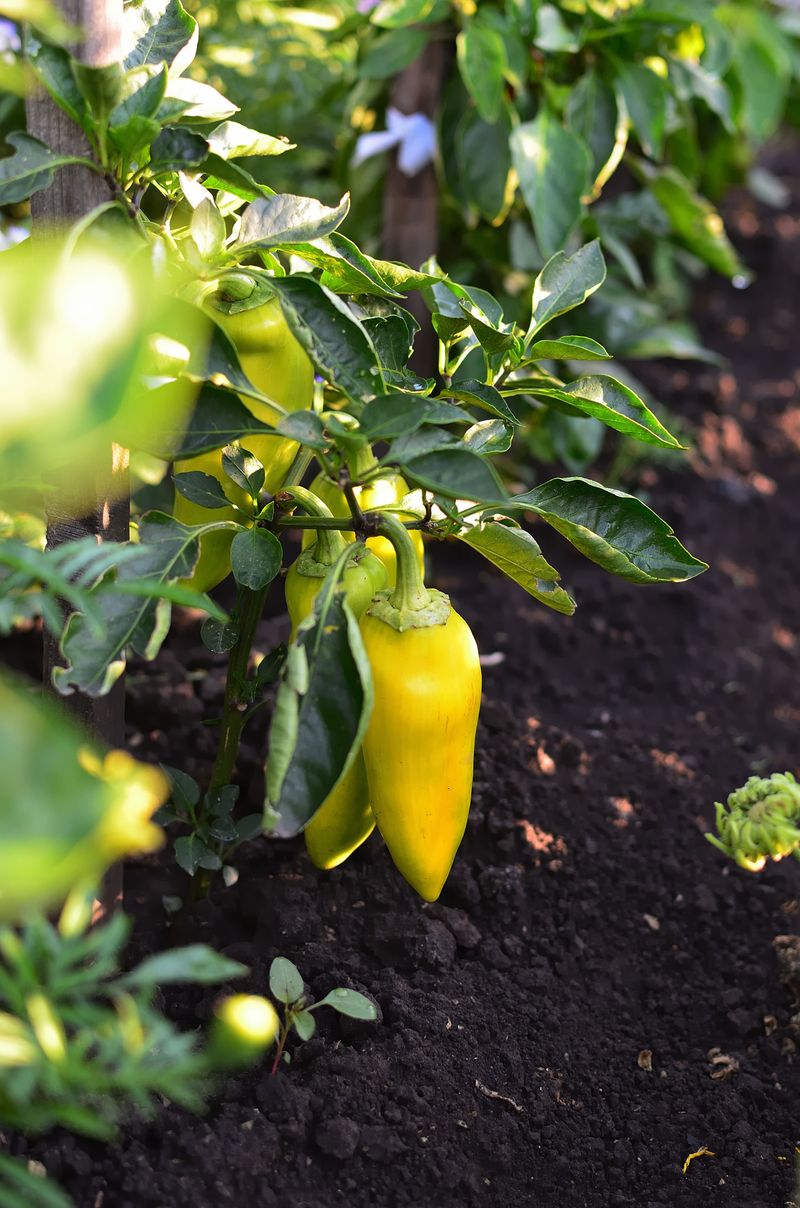
Peppers are patient plants, but July is when they finally show off. After weeks of building strength in the heat, they suddenly start loading up with fruit that needs your attention every day.
Both sweet and hot pepper varieties thrive in the warm, humid conditions that define Tennessee summers. The key is knowing when each type is ready and not letting them linger too long on the plant.
Sweet bell peppers can be picked green for a crisp, mild flavor, or left to turn red, yellow, or orange for a sweeter, richer taste. Either stage works, depending on what you are cooking.
Hot peppers like cayenne, jalapeños, and banana peppers should be picked regularly to keep the plant producing. Leaving mature peppers on the plant signals it to stop flowering and focus on ripening existing fruit.
Use clean garden shears to cut pepper stems rather than pulling the fruit off. Pulling can snap entire branches, which sets your harvest back by weeks.
Sweet peppers store well in the refrigerator for up to two weeks after picking, while hot peppers are best used within a week for peak flavor.
Roasting fresh peppers over an open flame brings out a smoky sweetness that store-bought versions simply cannot match. It takes only a few minutes and transforms the flavor completely.
Whether sweet or spicy, a daily check keeps your pepper plants working harder for you all July
5. Cucumbers
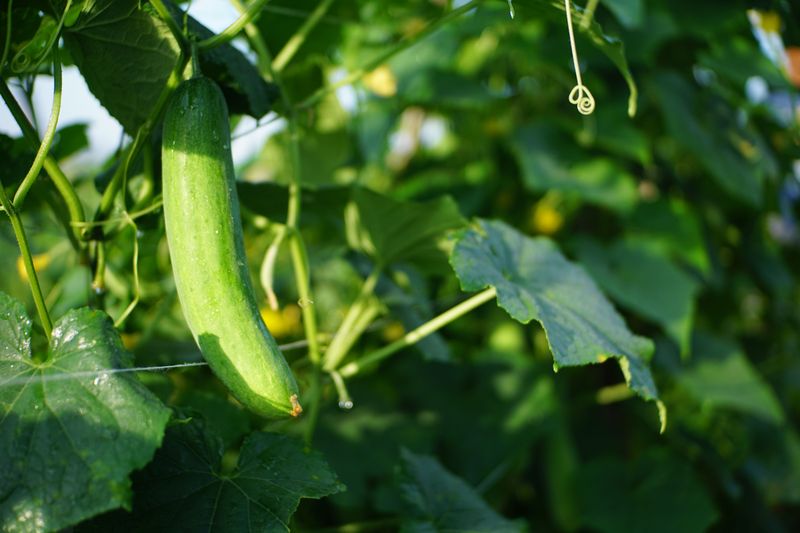
Image Credit: © Agung Sutrisno / Pexels
Cucumbers are the cool kids of the July garden, literally. Crisp, hydrating, and refreshing, they are one of the most satisfying vegetables to pull off the vine on a sweltering afternoon.
In Tennessee’s July heat, cucumber vines grow rapidly and produce fruit that can go from ideal to overgrown in just 48 hours. Missing a day of harvesting often means finding a yellow, bloated cucumber the next morning.
Slicing cucumbers are best picked at six to eight inches, while pickling varieties should come off the vine at two to four inches for the best texture. Size matters more with cucumbers than almost any other garden vegetable.
Yellowing is the clearest sign that a cucumber has stayed on the vine too long. Yellow cucumbers become bitter and seedy, and they also drain energy from the plant that could go toward new fruit.
Pick cucumbers in the morning before the sun gets intense. Morning-harvested cucumbers stay crisper longer and are much more pleasant to handle in the cooler air.
Cucumber vines need consistent moisture alongside consistent harvesting. Irregular watering combined with infrequent picking leads to bitter fruit, a frustrating combination after all your hard work.
Toss sliced cucumbers into cold water with mint and lemon for an instant summer drink that tastes like a garden in a glass. It is one of the simplest and most refreshing ways to enjoy a fresh harvest.
Keep the vines picked clean, and cucumbers will keep the heat of July a little more bearable.
6. Okra
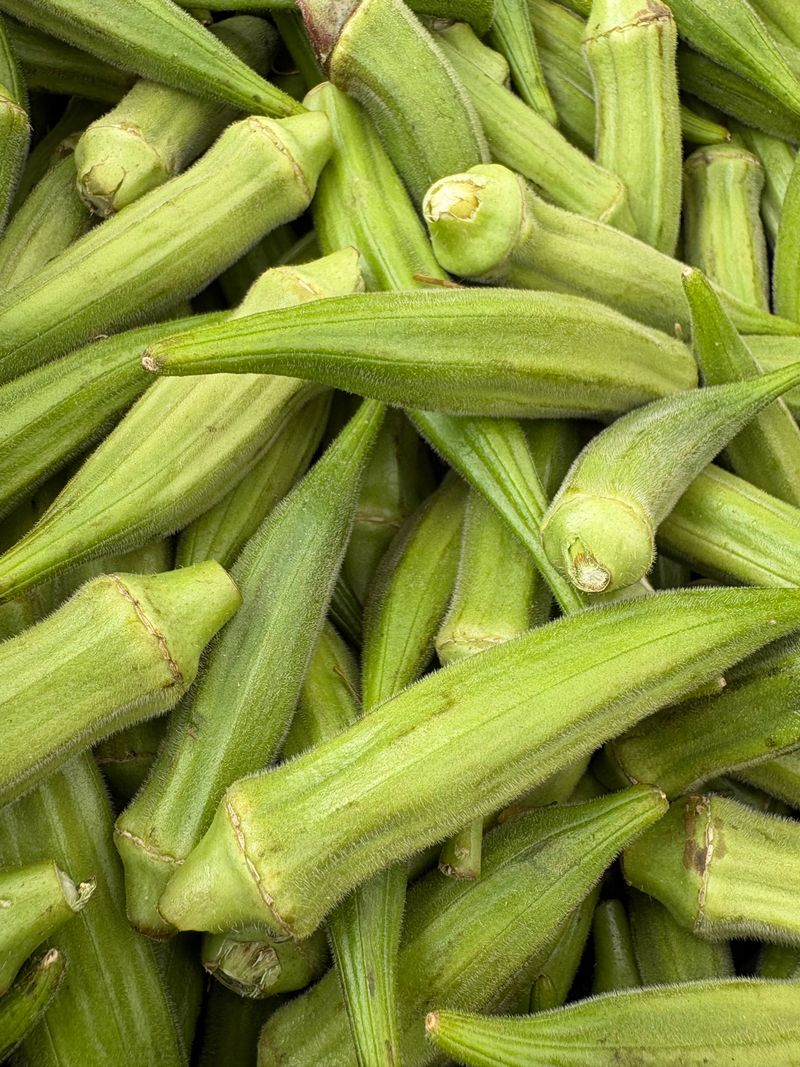
Okra is the unsung hero of the Southern summer garden. It thrives in heat that would wilt most other vegetables, making it a perfect fit for Tennessee’s relentless July sun.
Once okra plants start producing, they do not slow down. New pods appear daily, and they grow from perfect to tough and woody in an almost comically short amount of time.
The ideal harvest window for okra is when pods reach two to four inches long. At that size, they are tender, flavorful, and easy to cook in a dozen different ways.
Pods that grow past five inches become fibrous and nearly inedible. Even a single day of missed picking can push several pods past their prime, which is why daily harvesting is so critical in July.
Wear gloves and long sleeves when picking okra. The plants have tiny spines that can irritate skin, especially in the heat when you are already sweaty and uncomfortable.
Use garden scissors to cut pods cleanly from the stem. Leaving a short piece of stem attached keeps the pod fresh longer after picking and reduces damage to the plant.
Okra shines in gumbo, fried crispy in a cast iron skillet, or roasted whole with olive oil and seasoning. Its reputation for sliminess disappears completely when it is cooked at high heat.
Stay ahead of okra’s fast growth, and you’ll never run out of ideas for using it in the kitchen.
7. Summer Squash
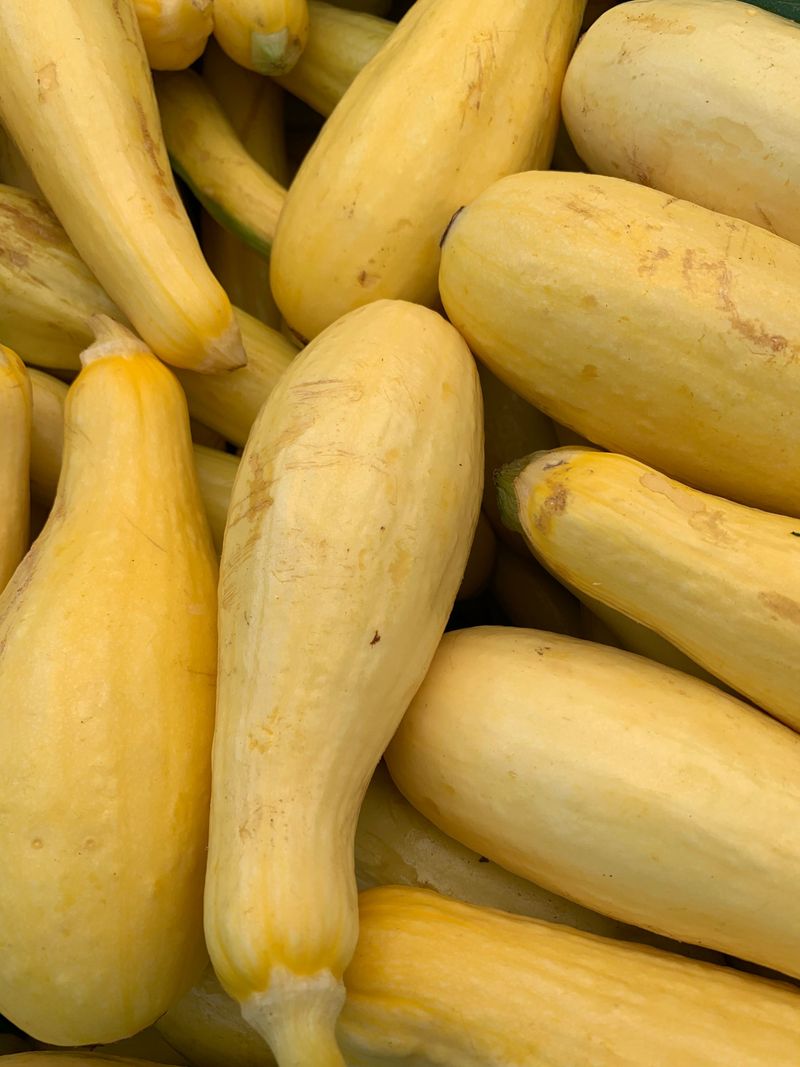
Summer squash is zucchini’s cheerful yellow cousin, and it deserves just as much daily attention in the July garden. Left unchecked, it swells into something closer to a small watermelon than a vegetable.
Yellow crookneck and straight-neck squash are the most common varieties grown across Tennessee. Both produce generously in July and need to be picked at peak size for the best eating experience.
Aim to harvest summer squash when it reaches four to six inches long. The skin should be glossy and firm, and the fruit should feel solid when you give it a gentle squeeze.
Oversized summer squash develops a thick, tough skin and a spongy interior filled with large seeds. It is not dangerous to eat, but the texture and flavor drop off significantly past the ideal size.
Picking daily sends a clear message to the plant to keep flowering and setting new fruit. A neglected squash plant that holds large fruit will often stop producing new blossoms within just a few days.
Summer squash cooks quickly, which makes it a weeknight dinner hero. Slice it thin, toss it with olive oil and garlic, and it goes from raw to perfectly caramelized in under ten minutes.
It also pairs beautifully with fresh herbs like basil and thyme, both of which are likely thriving in your summer garden right alongside it. A little creativity with what you already have goes a long way.
Stay on top of your squash and it will stay on top of your dinner table all month long.
Consistent picking is the difference between a squash plant that gives up and one that keeps delivering through August.
8. Eggplant
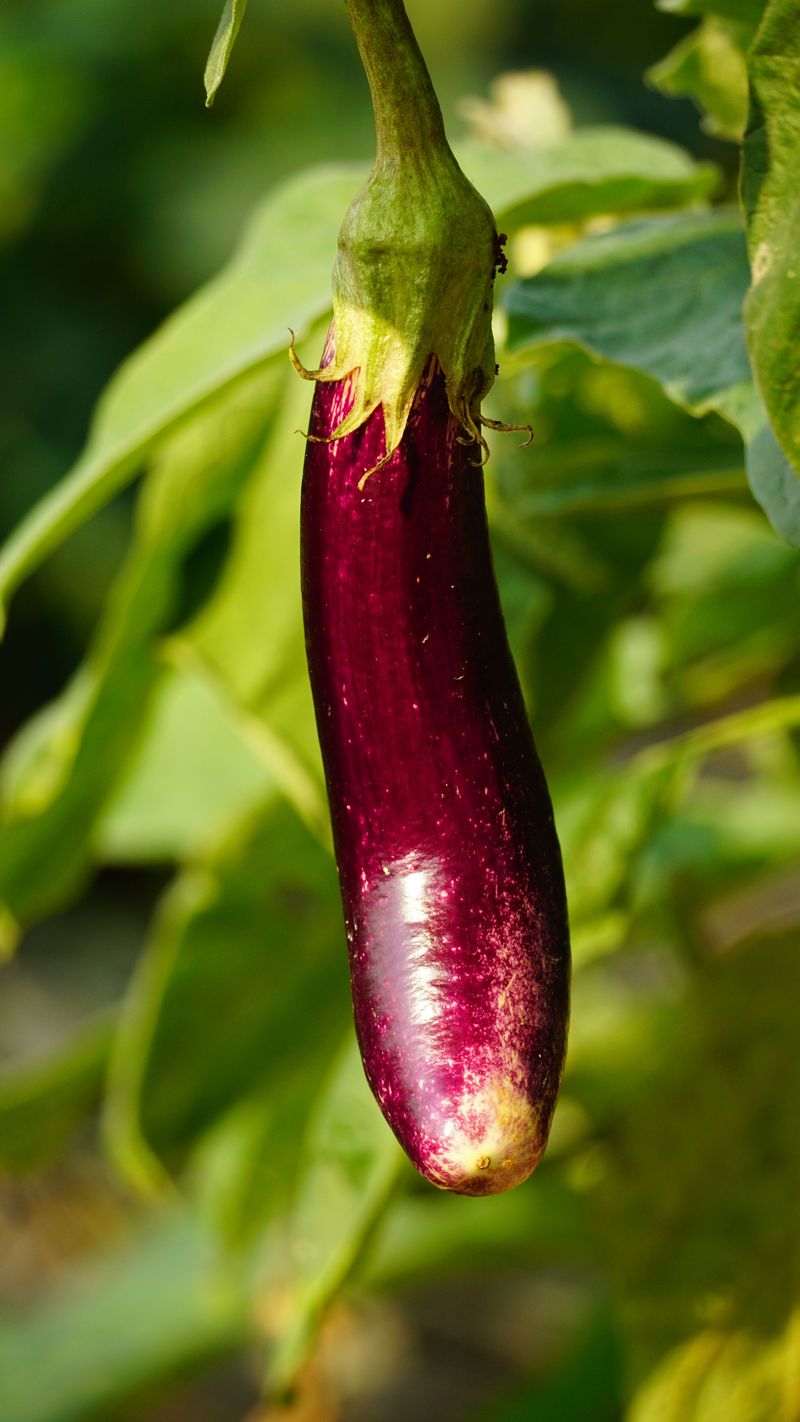
Eggplant has a dramatic, almost theatrical presence in the garden. Those deep purple, glossy fruits hanging from sturdy stems look like something out of a painting, and they taste just as impressive as they look.
July is peak eggplant season in Tennessee, when the warm nights and blazing days push the plants into high production mode. Checking plants daily helps you catch fruit at exactly the right moment.
Harvest eggplant when the skin is shiny and taut and the fruit feels firm but gives slightly under pressure. Dull, wrinkled skin is a sign the fruit has been on the plant too long.
Overripe eggplant develops a bitter, seedy interior that can ruin a dish even with expert cooking. Picking at peak ripeness is one of the most important factors in enjoying great-tasting eggplant.
Use a sharp knife to cut the stem, leaving about an inch attached to the fruit. Eggplant stems are tough and woody, so a clean cut protects both the plant and the harvested fruit.
Fresh eggplant shines when roasted, grilled, or layered into a hearty baked dish. The flesh soaks up bold flavors beautifully, making it one of the most satisfying vegetables to cook from scratch.
Fun fact: eggplant is technically a berry, botanically speaking. That little detail tends to surprise people at the dinner table and makes for a great conversation starter.
Catch eggplant at its glossy peak, and you’ll understand why so many cooks consider it a summer favorite.