8 Simple Ways To Revive Fading Coneflowers In Your Tennessee Garden
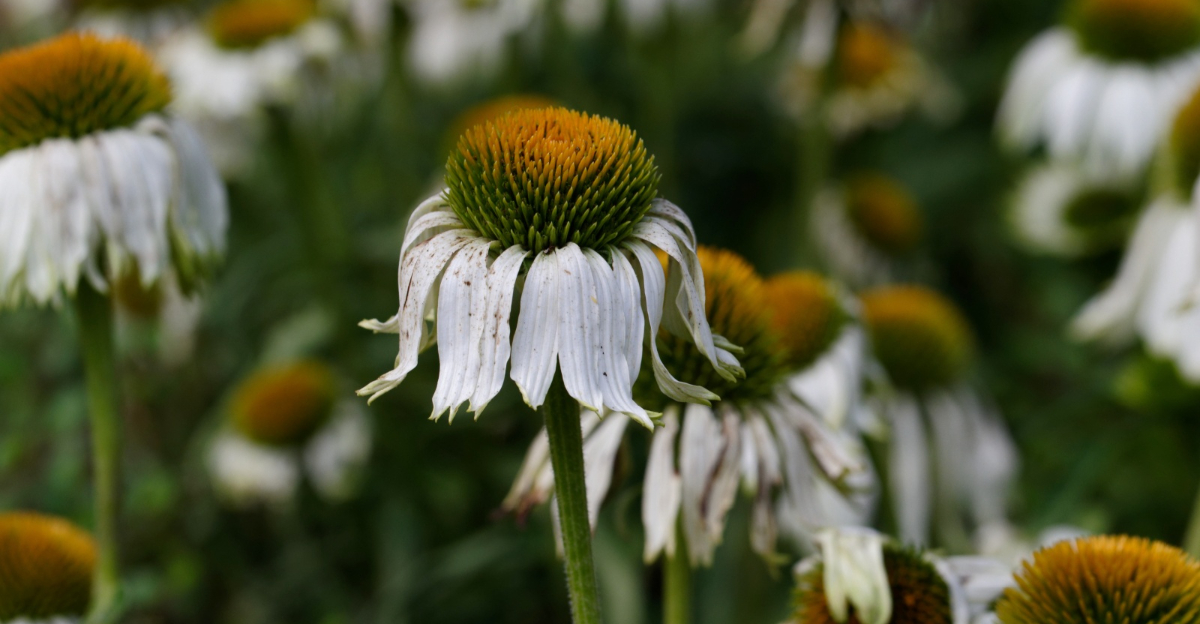
Your coneflowers threw a party in June, and it showed. Now they’re slumped over like guests who stayed past closing time.
Brown centers, crispy petals, stems bowing toward the dirt. If you’re gardening anywhere in Tennessee, this scene probably feels personal.
The humidity climbs. The sun turns relentless, and even tough native perennials start waving a white flag.
Here’s the part nobody tells you at the garden center: this slump isn’t the end credits. It’s a plot twist.
Coneflowers are scrappy, sun-loving natives built for exactly this kind of heat, and a little intervention now can pull them out of their midsummer sulk.
Trim back the spent blooms, adjust your watering rhythm, and watch for the pests that thrive in Tennessee’s sticky August air, and you’ll have flowers stretching well into fall.
1. Snip Spent Blooms To Encourage A Second Flush
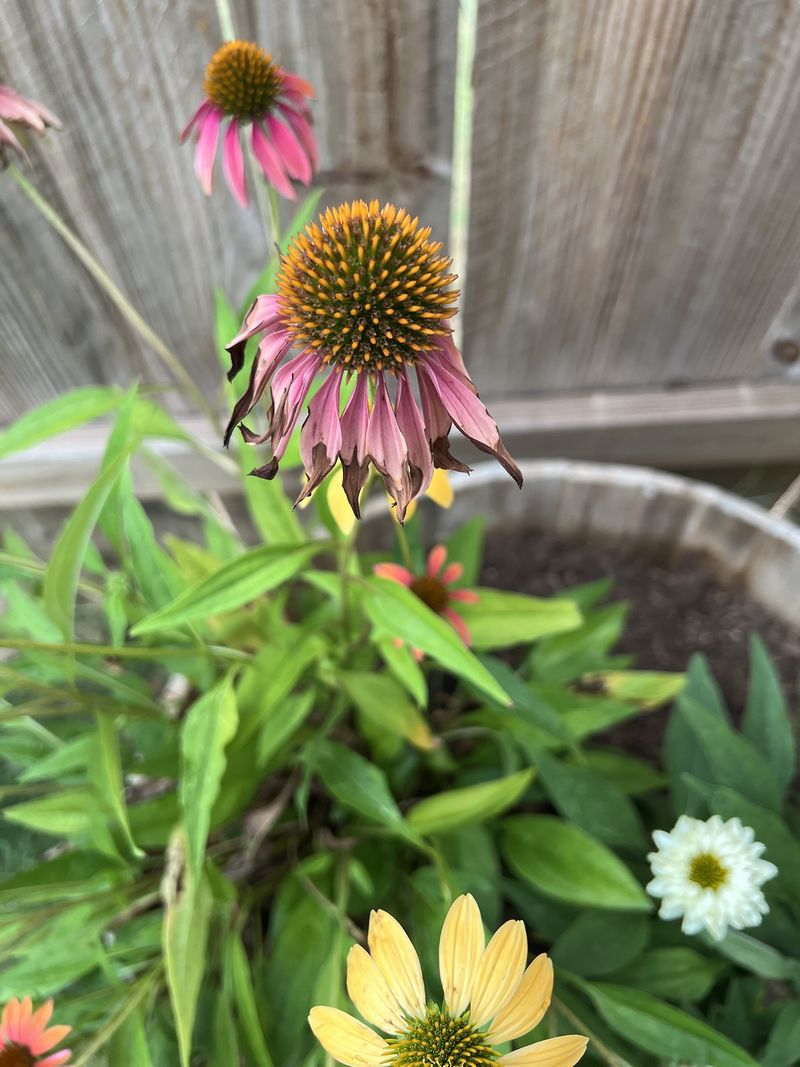
Your coneflowers are basically begging for a trim. Snipping spent blooms is one of the fastest ways to revive fading coneflowers in your garden.
When a flower finishes its cycle, the plant shifts energy toward making seeds. That means fewer new blooms for you and a tired-looking garden.
Grab a clean pair of scissors or garden shears. Cut the faded flower head just above the next set of leaves or a side bud.
This simple snip sends a signal to the plant. It tells the roots to push out fresh growth instead of pouring resources into seed production.
You might see new buds forming within a week or two. That second flush of color can carry your garden well into September.
Make it a habit to walk your garden every few days. A quick look around lets you catch spent blooms before they slow the whole plant down.
Some gardeners call this the “haircut trick” for summer perennials. It works beautifully on coneflowers, black-eyed Susans, and many other cottage-style favorites.
Do not toss every clipped bloom into the compost right away. Save a few to watch for early goldfinch visits, which happen sooner than most people expect.
This kind of trimming takes about ten minutes per plant session. The payoff is weeks of fresh, cheerful color that makes your whole yard feel alive again.
2. Trim Selectively Instead Of A Full Cutback If Plants Look Leggy
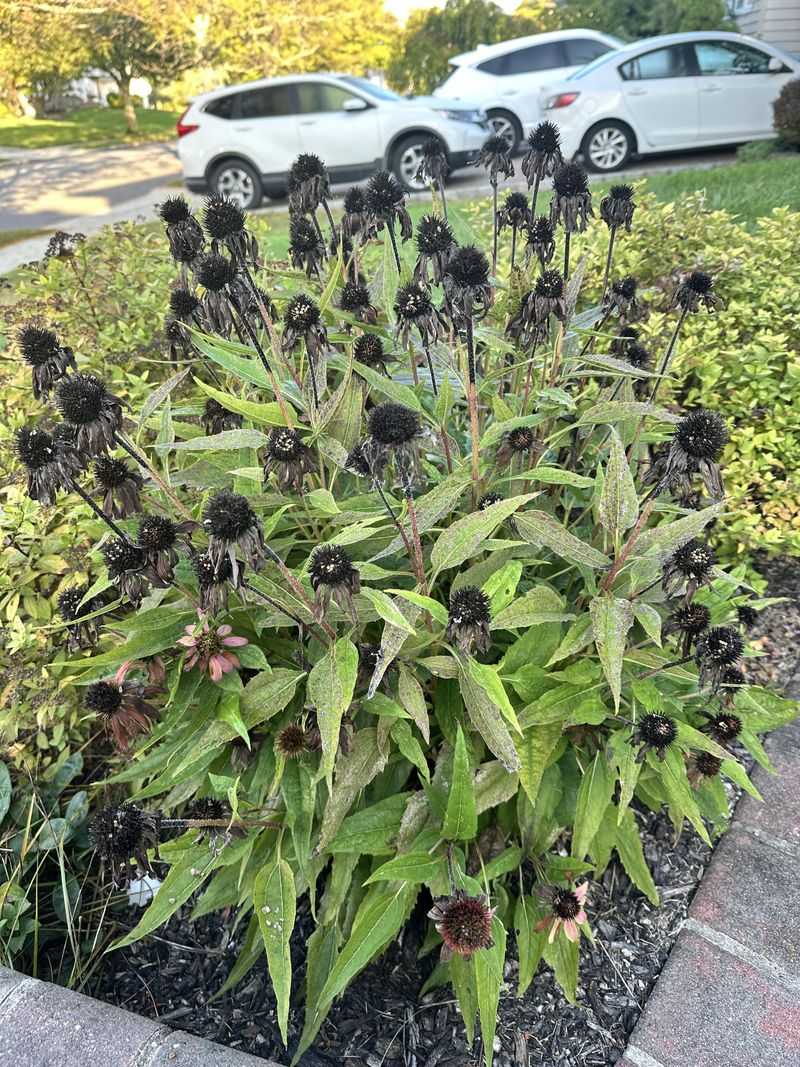
Leggy coneflowers show up fast once July heat kicks in. Stems stretch toward light, blooms fade, and suddenly your once-proud plants look like tired teenagers.
That one-third cutback you may have heard about, often called the “Chelsea chop,” is actually a spring technique, done before buds form to delay and control bloom. By midsummer, your coneflowers are already flowering, so a hard cutback now does more harm than good.
Instead, focus on selective trimming. Identify the tallest, floppiest stems and cut just above a leaf node or side bud, removing only the worst offenders rather than a third of the whole plant.
If a stem is snapped or completely bare, cut it back hard. Otherwise, leave healthy green growth intact so the plant keeps producing through late summer.
Your Tennessee Garden Changes Every Week. Your Plan Should Too.
Gardening in Tennessee changes quickly throughout the season. Every Friday you’ll receive a simple weekly plan showing exactly what to plant, prune, fertilize, harvest, and protect so you never miss the right timing.
Staking or gently corralling floppy stems with garden twine can also help upright plants without cutting away blooms you’d otherwise enjoy.
Make a note to try the real Chelsea chop next spring, before flowering starts. Done at the right time, it builds shorter, sturdier plants that need less rescuing come July.
3. Water Deeply During Tennessee’s Hot, Dry July Stretches
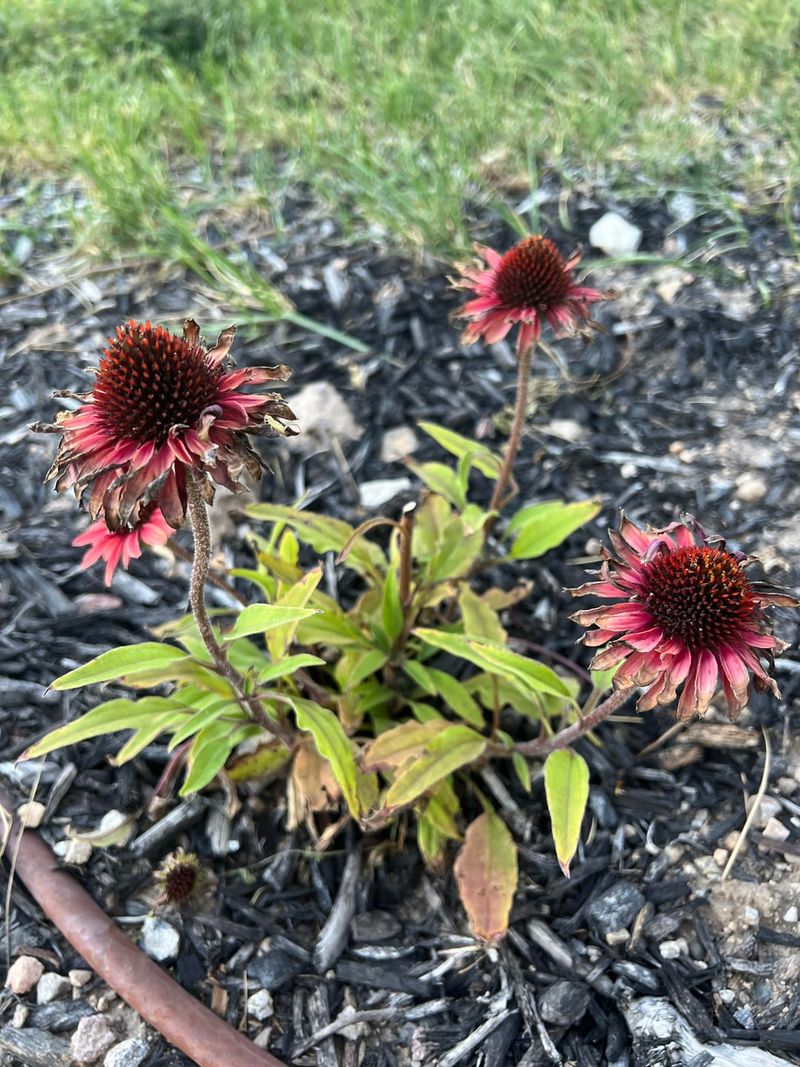
July in Tennessee tests everyone’s patience, coneflowers included, once the dry spell hits. Shallow watering is one of the biggest mistakes gardeners make when plants start to fade.
Coneflowers have deep taproots that need moisture pushed well below the surface. A quick sprinkle from a hose barely reaches where it counts.
Water slowly and deeply at the base of each plant. Aim for about one inch of water per week, adjusting for rainfall and heat intensity.
The best time to water is early morning before the sun peaks. Morning hydration gives leaves time to dry out, which helps prevent fungal problems common in humid Southern summers.
Avoid getting water on the foliage if you can help it. Wet leaves sitting in afternoon heat create the perfect conditions for mildew and rot.
A soaker hose is a fantastic tool for coneflower beds. It delivers moisture directly to the root zone without wasting water on foliage or bare soil between plants.
Stick your finger about two inches into the soil near the base of a plant. If it feels dry at that depth, it is definitely time to water.
During extreme heat waves, you may need to water twice a week. Watch for wilting in the early morning as a reliable sign that plants need more moisture.
Consistent deep watering builds stronger root systems over time. Strong roots mean healthier plants that bounce back faster from summer stress.
4. Check For Powdery Mildew Common In Humid Southern Summers

That white dusty coating on your coneflower leaves is not decoration. Powdery mildew is a fungal problem that thrives in the humid, warm conditions that Tennessee summers deliver in abundance.
It spreads fast, weakens plants, and makes your garden look neglected. Catching it early is the key to keeping your coneflowers from declining further.
Check the undersides of leaves too, not just the tops. Mildew often starts there before spreading to the more visible surfaces of the plant.
Good airflow is the easiest way to keep this fungal nuisance from taking hold. Plants that are crowded together trap moisture and create the warm, still conditions mildew loves.
Thin out any dense clusters of stems and remove leaves that are heavily coated. Bag and toss the affected material rather than composting it.
A simple home remedy involves mixing one tablespoon of baking soda with one gallon of water. Spray it on affected leaves every few days to slow mildew spread.
Neem oil is another popular organic option that many gardeners swear by. Apply it in the early morning so it can work without burning leaves in direct afternoon sun.
Avoid overhead watering once mildew appears in your garden. Keeping foliage dry significantly reduces the chance of the fungus spreading to neighboring plants.
Some coneflower varieties are bred to resist powdery mildew better than others. If mildew is a recurring battle, consider swapping to a more resistant cultivar next season.
5. Mark Overcrowded Clumps For Dividing In Fall Or Spring
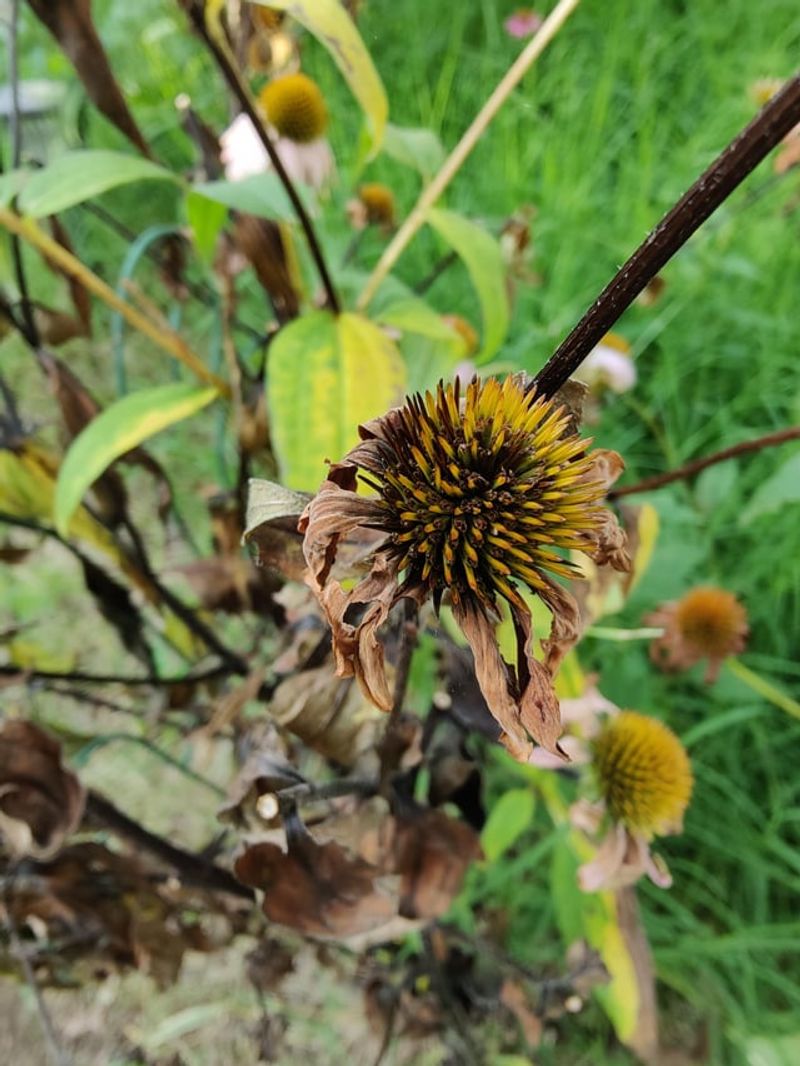
Coneflowers multiply quietly underground while you are busy admiring their blooms. After a few seasons, those clumps get so crowded that plants start competing for water, nutrients, and light.
Division is the solution, but timing matters more than most gardeners expect. Resist the urge to divide in the heat of summer.
Wait until early fall, once flowering has finished, or hold off until next spring when new growth appears.
When the time comes, use a sturdy garden fork to loosen the soil around the entire clump. Work in a circle about six inches from the center of the plant to avoid slicing through roots.
Once loose, lift the clump out of the ground and set it on a flat surface. You will probably see it naturally separates into several smaller sections.
Pull or cut those sections apart, making sure each piece has healthy roots and at least a few leaves attached. Discard any sections that look brown, mushy, or completely hollow in the center.
Replant divisions at the same depth they were growing before, spacing them at least eighteen inches apart, then water well and keep the soil consistently moist while roots settle in.
6. Skip Heavy Nitrogen Fertilizer That Delays Reblooming
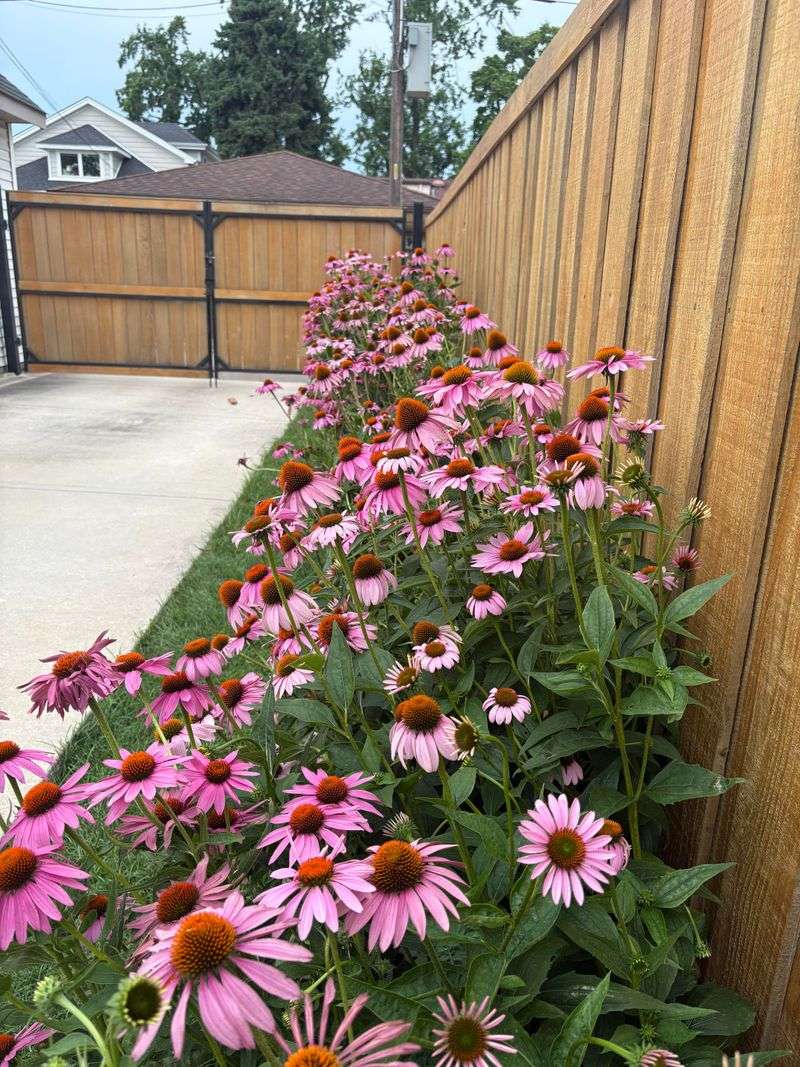
Grabbing a bag of fertilizer when plants look sad feels like the natural thing to do. But with coneflowers, heavy nitrogen is actually the wrong move at the wrong time.
Nitrogen is the nutrient that pushes leafy, green growth. When you apply too much in summer, your plant puts all its energy into stems and leaves instead of flowers.
You end up with a big, lush, green plant that refuses to bloom. That is frustrating when all you wanted was more color in your garden.
Coneflowers are native prairie plants that evolved in lean, nutrient-poor soils. They actually perform better without heavy feeding, which is great news for low-maintenance gardeners.
If you feel compelled to feed, choose a low-nitrogen, phosphorus-rich fertilizer. Phosphorus supports root development and encourages flower production, which is exactly what you want right now.
A balanced slow-release granular fertilizer applied in early spring is usually all these plants need for the whole season. Mid-summer feeding often does more harm than good.
Compost is a gentler alternative that many experienced gardeners prefer. A light top-dressing of finished compost around the base provides slow, steady nutrients without overwhelming the plant.
Check your soil before adding anything at all. A basic soil test from your local cooperative extension office can tell you exactly what your garden needs and what it does not.
Skipping the heavy fertilizer is one of the easiest ways to help fading coneflowers rebloom. Sometimes doing less is the smartest move you can make in the garden.
7. Leave A Few Spent Blooms For Goldfinches Later On
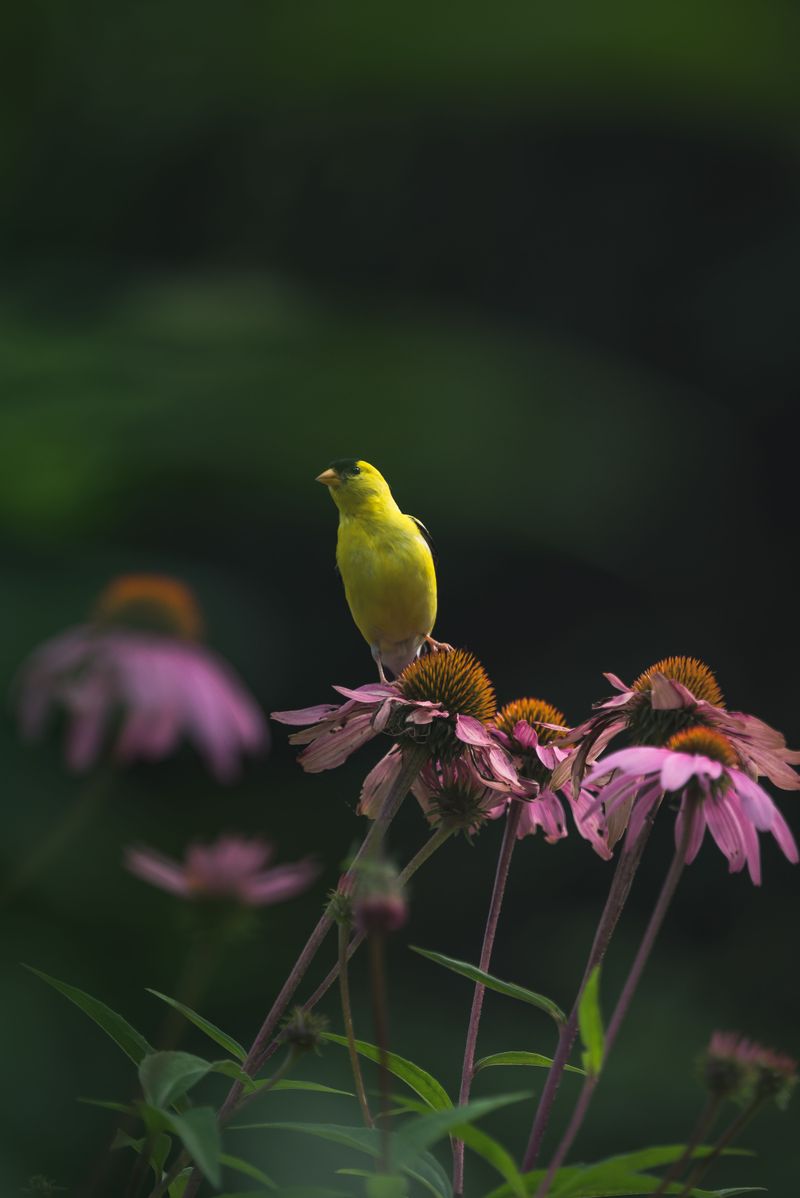
Not every spent bloom needs to go straight to the compost pile. Leaving a handful of finished flower heads on your plants is one of the kindest things you can do for local wildlife.
Goldfinches absolutely love coneflower seeds, and they will visit your garden like clockwork once the seed heads dry out. Watching them hang upside down on a dried bloom counts as one of summer’s quiet little rewards.
The key is balance. Trim most of your spent blooms to encourage reblooming, but intentionally leave a few in a visible spot for the birds
Choose seed heads that are fully dried and brown rather than ones still in the fading stage. Fully mature seeds are what the goldfinches are actually after.
Leaving seed heads also benefits other small birds like chickadees and sparrows. They visit coneflower patches throughout fall and into early winter when other food sources get scarce.
Beyond birds, dried coneflower heads add interesting texture and structure to the garden during the off-season. Many gardeners consider them a form of natural garden art.
You do not need to leave every single spent bloom standing. Even two or three seed heads per plant create a meaningful food source for visiting wildlife.
Place a simple bird feeder nearby to attract even more activity to that corner of your yard. The combination of seed heads and a feeder turns your garden into a neighborhood bird hotspot.
Letting nature take a small role in your garden creates a richer, more connected outdoor space. Your coneflowers turn into more than just a pretty flower bed.
8. Mulch Around The Base To Conserve Soil Moisture
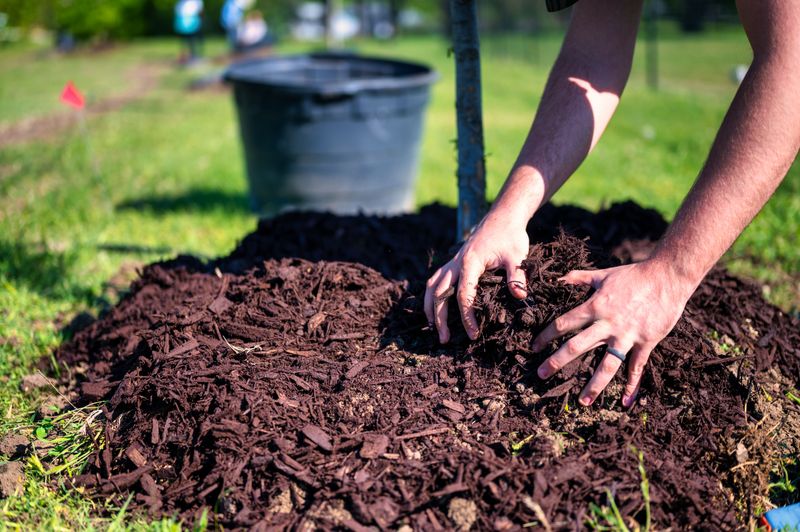
Hot pavement is not the only thing baking in a Tennessee summer. Your garden soil loses moisture at a shocking rate when left bare and exposed to direct sun.
Mulching around the base of your coneflowers does more work than most gardeners give it credit for. A good layer of mulch acts like a blanket that keeps moisture locked in the soil where roots can actually use it.
Apply two to three inches of organic mulch around each plant. Wood chips, shredded bark, or straw all work well and break down slowly over the season.
Keep the mulch pulled back about an inch from the main stem. Piling it directly against the stem traps moisture against the base and can lead to rot over time.
Beyond moisture retention, mulch also helps regulate soil temperature. Cooler soil during peak heat means less stress on the root system and more energy available for reblooming.
Mulch also suppresses weeds that compete with your coneflowers for water and nutrients. Fewer weeds mean less work for you and more resources for your plants.
As organic mulch breaks down, it adds nutrients back into the soil. That slow release of organic matter improves soil structure season after season without any extra effort from you.
Refresh your mulch layer if it thins out during the season. A quick top-up keeps all those benefits working through the hottest months of the year.
Mulching is a small habit with an outsized effect on a struggling garden. Your fading coneflowers will respond with stronger roots and more vibrant blooms when the soil stays cool and moist.