Why Petunias Stop Blooming Right When Summer Starts
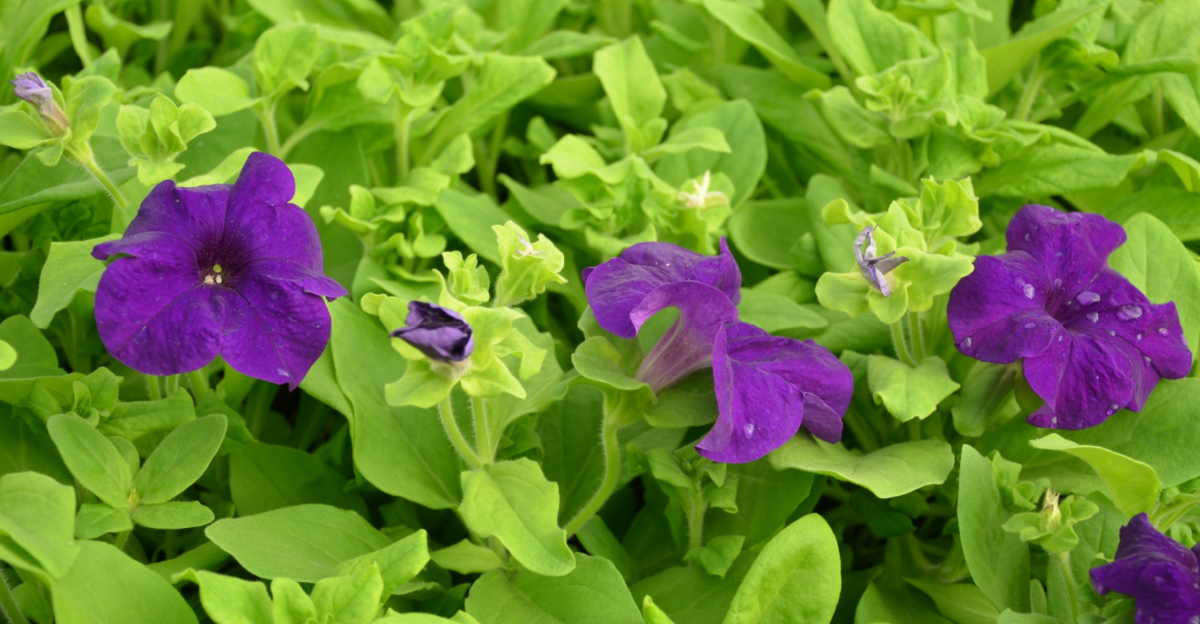
You bought six trays of petunias in May, absolutely convinced this was going to be the summer of nonstop color spilling over your porch.
Then July arrived with its usual intensity, the sun turned relentless, and something shifted. Your plants went quiet. Not struggling exactly, not wilting either, just done talking.
The blooms you were counting on stopped showing up, leaving you with green leaves and a lot of unanswered questions.
Here’s what almost nobody realizes while staring at their flowerless petunias, wondering what went wrong: the answer isn’t hiding in some mysterious plant disease or bad luck.
It’s sitting in plain sight, tucked into a daily routine that felt normal until it wasn’t. Something small changed weeks ago, and your petunias have been quietly reacting to it ever since.
Once you know where to look, the fix is almost embarrassingly simple. But first, you have to know what you’re looking for.
1. Heat Stress Halts Flower Production
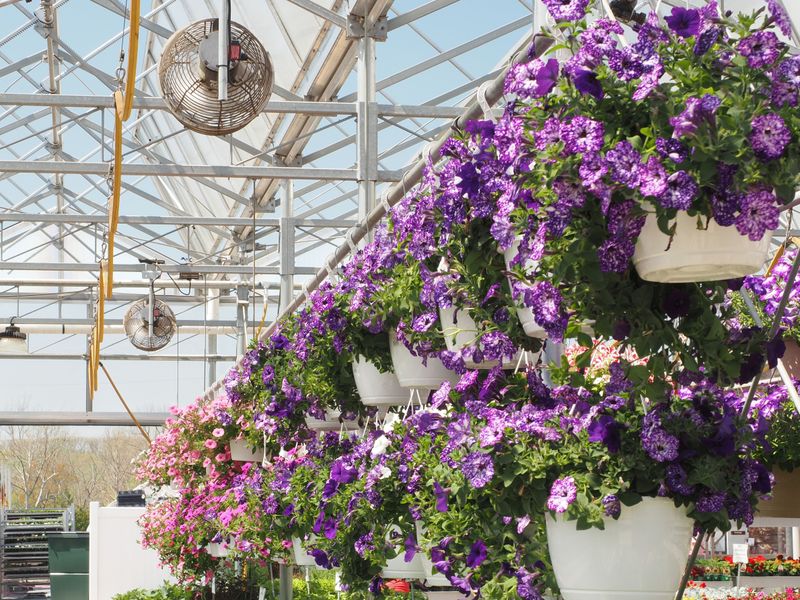
Summer heat can quickly stress petunias into a defensive state. When daytime temperatures regularly climb into the 90s, many petunias slow or stop blooming to conserve energy, though heat tolerance varies by variety.
Plants under heat stress redirect resources away from flowers. They focus on keeping leaves alive instead of producing new buds.
Petunias are cool-season bloomers at heart, even though we plant them in summer. Most petunia varieties thrive between 60 and 75 degrees, though heat-bred cultivars like Wave or Supertunia tolerate higher temperatures.
Move container plants to a spot with afternoon shade during peak heat. Even two hours of shade relief can help restart bloom production, often within a week or two, though recovery time varies by plant.
Mulching around in-ground petunias helps cool the soil by several degrees. Cooler roots mean a calmer, happier plant that can focus on flowering again.
Try watering early in the morning so plants stay hydrated before the sun peaks. Hydrated petunias handle heat far better than thirsty ones struggling in dry soil.
Heat stress is one of the most common reasons petunias stop blooming right when summer starts. Address it first before blaming anything else in your garden routine.
2. Roots Get Pot-Bound And Crowded
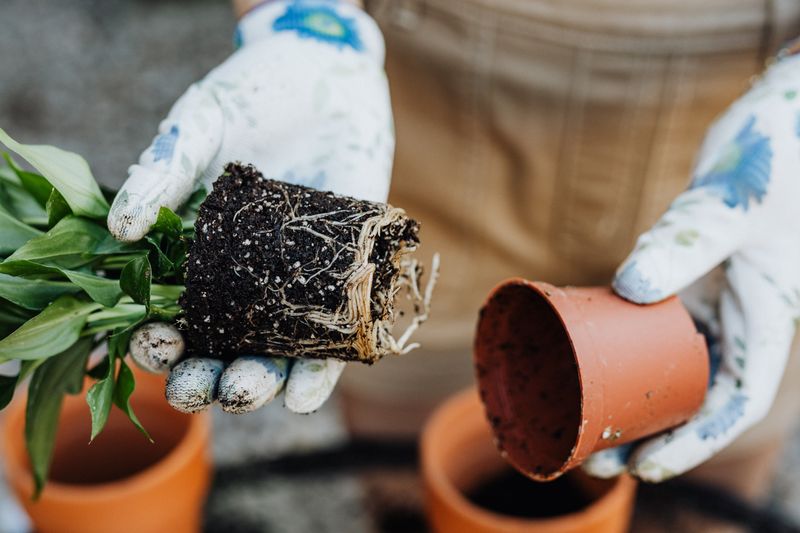
Roots hitting the container wall is a common but overlooked problem for petunias. Once roots run out of room, the whole plant shifts into a stressed state.
A pot-bound petunia cannot absorb nutrients or water efficiently. Flowers become the first thing to go when the plant feels squeezed.
Check for roots poking out of drainage holes as your first clue. That is a clear sign your petunia has outgrown its current home.
Transplanting into a pot one size larger gives roots room to spread. Fresh soil mixed in during repotting also delivers a much-needed nutrient boost.
Window boxes and hanging baskets are especially prone to this problem by midsummer. Plants that looked perfect in May can become root-bound before the Fourth of July.
After repotting, water thoroughly and place the plant in bright but indirect light for a few days. This recovery period lets roots settle before full sun exposure resumes.
Crowded roots explain why so many gardeners see their petunias stop blooming suddenly. Give those roots breathing room and watch the flowers return with surprising speed.
3. Nutrients Run Low In Soil
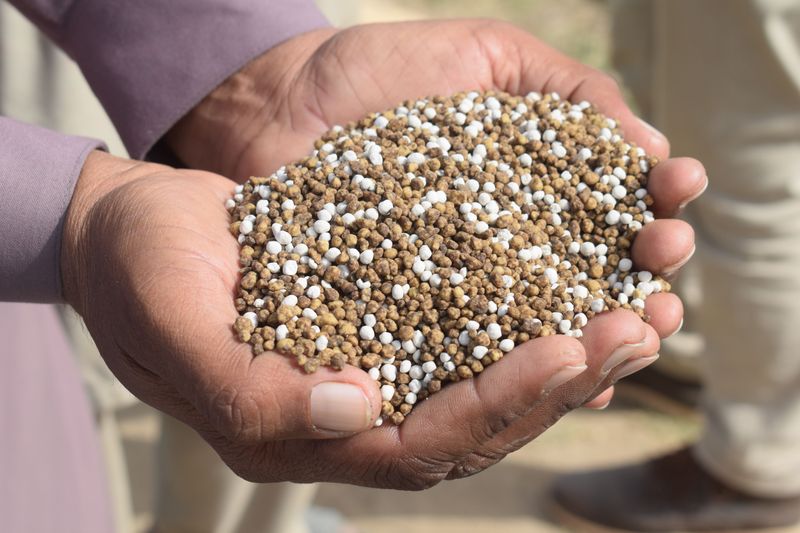
Petunias are heavy feeders, and they will drain soil nutrients faster than you expect. By midsummer, most garden soil is running on empty.
Nitrogen, phosphorus, and potassium all play roles in bloom production. When any one of them drops too low, flowering slows down or stops completely.
Container plants face this problem even faster than in-ground petunias. Every watering session flushes nutrients right out through the drainage holes below.
A balanced liquid fertilizer applied every two weeks keeps petunias well-fed through the season. Look for formulas with a higher middle number, which signals more phosphorus for blooms.
Yellowing leaves paired with fewer flowers usually points to nitrogen deficiency. Pale, washed-out color across the whole plant often signals multiple nutrients are missing at once.
Slow-release granular fertilizers mixed into the soil at planting give a steady base. Liquid feeding on top of that keeps levels consistent between granule releases.
Feeding your petunias on schedule is one of the easiest fixes when they stop blooming. A well-fed plant has every reason to reward you with armloads of color.
4. Spent Blooms Get Left On Too Long
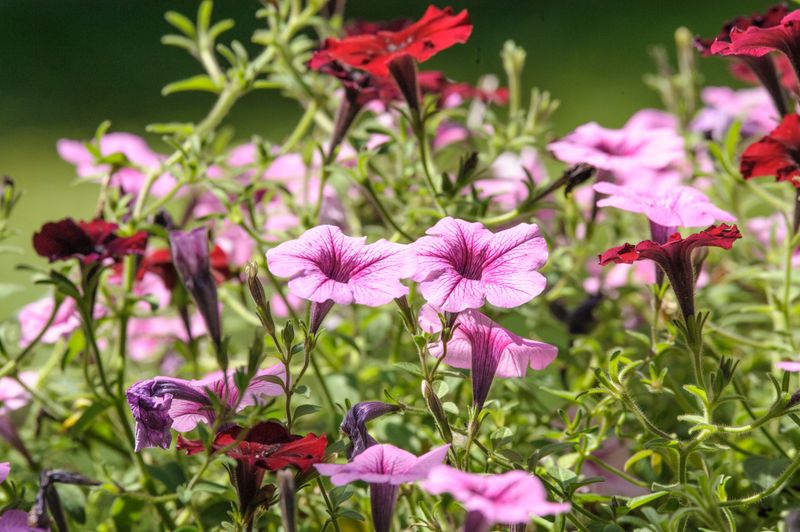
Leaving spent flowers on a petunia sends the plant a very clear signal. That signal says the job is done, seeds are forming, stop making new blooms.
Petunias are programmed to reproduce, and faded flowers are step one of that process. Once seed pods start forming, energy flows away from new bud production entirely.
Removing spent blooms sounds like a chore, but it takes less than five minutes per plant. Pinch or snip just below the faded bloom where it meets the stem.
Some newer petunia varieties claim to be self-cleaning, meaning old blooms fall off naturally. Even those benefit from occasionally removing spent blooms by hand to keep production at peak levels.
Make removing spent blooms part of your morning garden walk two or three times a week. Consistency matters more than perfection when it comes to keeping petunias blooming all season.
Combine this task with a quick inspection for pests or disease while you work. Two tasks handled at once saves time and keeps plants healthier overall.
Skipping this step is one of the top reasons petunias stop blooming mid-season. Stay on top of spent flowers and your plants will reward you generously.
5. Watering Turns Inconsistent In Heat
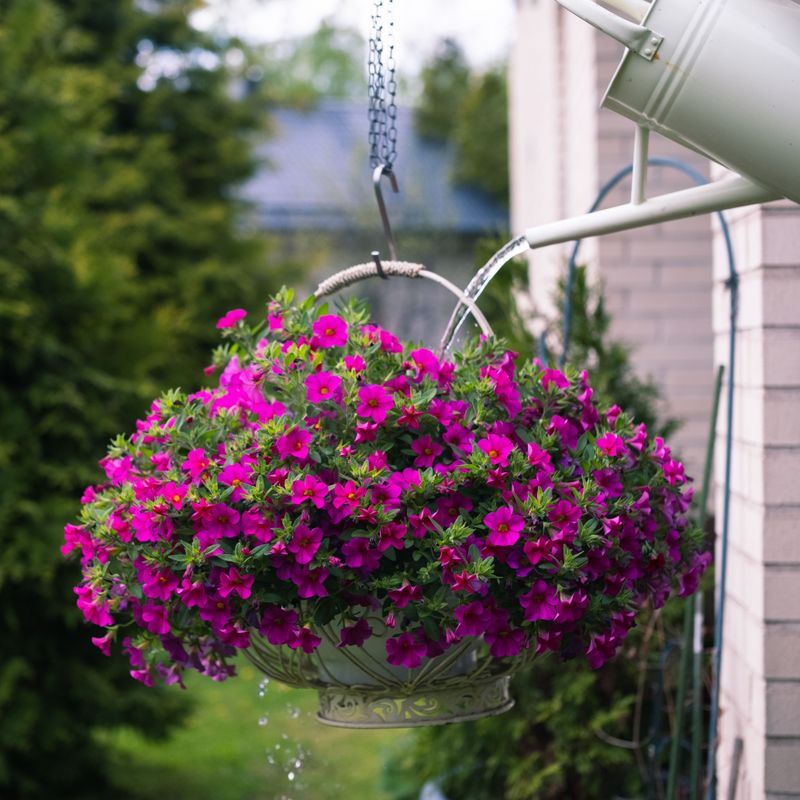
Petunias are surprisingly picky about water, and summer throws off every routine. Too much one day and too little the next creates stress that shuts down blooming.
Inconsistent moisture causes plants to spend energy managing stress instead of flowering. Boom-and-bust watering cycles are harder on petunias than a steady dry spell.
Stick your finger an inch into the soil before reaching for the hose. If it feels moist, wait another day before watering again.
Container petunias dry out much faster than in-ground plants during summer heat. Hanging baskets often need daily watering when temperatures stay above 85 degrees, depending on pot size and exposure.
Self-watering containers are a game-changer for busy gardeners who forget to check daily. They maintain consistent moisture levels without any guesswork involved in the process.
Drip irrigation systems work beautifully for in-ground petunia beds in hot climates. Slow, steady moisture delivery keeps roots happy without soaking foliage that can lead to rot.
Steady hydration is a simple but powerful way to keep petunias blooming strong. Fix your watering schedule now, and flowers should gradually start returning as the plant recovers.
6. Legginess Takes Over The Stems
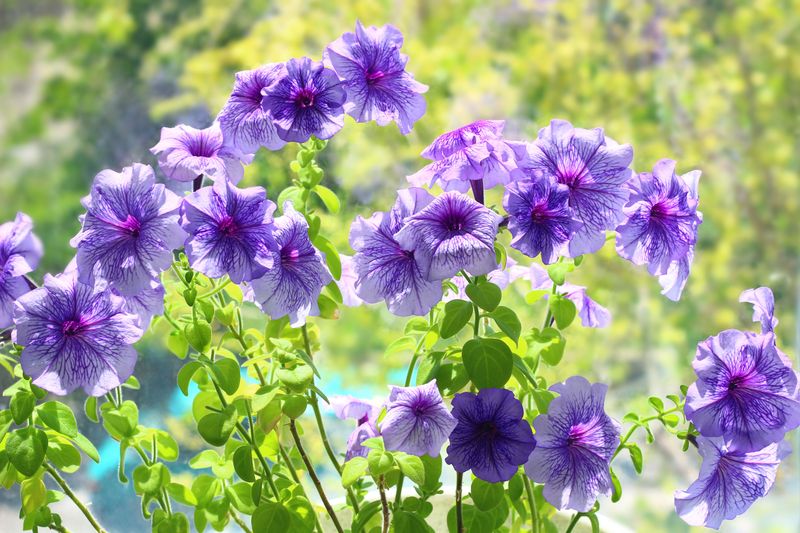
Long, bare stems with a few sad flowers at the tips are a classic sign. Petunias get leggy fast when they are not pruned back regularly during summer.
Legginess happens when plants stretch toward light or simply grow unchecked for too long. The result is a plant that looks scraggly and produces far fewer blooms.
Cutting stems back by one-third is the standard fix gardeners swear by. Use clean scissors and cut just above a leaf node to encourage branching.
After cutting back, petunias may look a little rough for about a week. Then new growth emerges from the cut points, and buds follow shortly after that.
Midsummer is generally a good time to do a hard cutback on leggy plants, though exact timing depends on your growing zone. Doing it before August gives the plant enough warm weeks to rebound fully.
Pairing a cutback with fresh fertilizer gives petunias the fuel to grow back stronger. Think of it as a reset button for a plant that has lost its shape.
Legginess is one reason petunias stop blooming that gardeners often overlook completely. A bold trim now sets up a spectacular fall finish for your containers.
7. Humidity Invites Fungal Problems
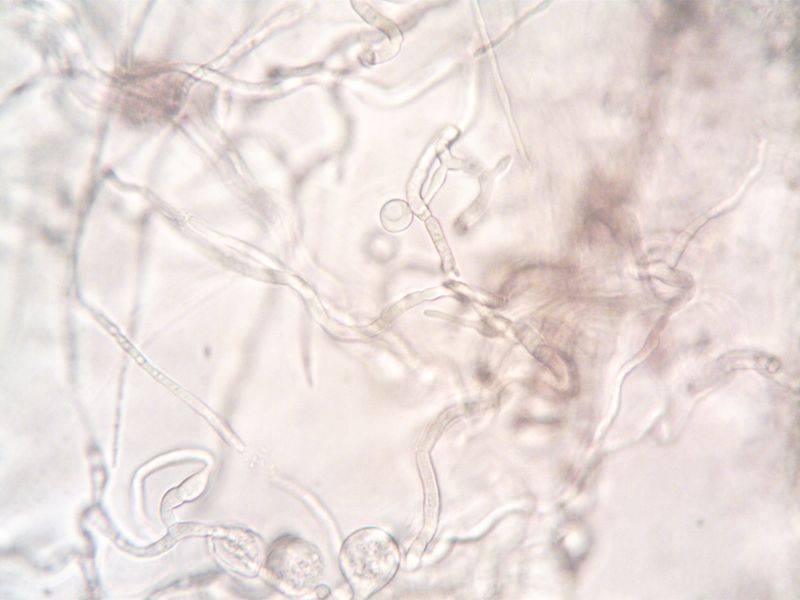
High humidity and warm nights are a recipe for fungal trouble on petunias. Botrytis and powdery mildew are the two most common offenders during sticky summer months.
Botrytis shows up as gray fuzzy patches on flowers and stems. Powdery mildew coats leaves with a chalky white film that blocks sunlight from reaching the plant.
Both conditions weaken petunias significantly, reducing their ability to produce new blooms. An infected plant diverts energy toward disease response rather than flowering.
Improving air circulation around your petunias is the first line of defense. Space plants at least 12 inches apart and avoid crowding them against walls or fences.
Watering at the base of the plant keeps foliage dry, which discourages fungal spores. Wet leaves sitting overnight in humid air are basically an open invitation for disease.
Neem oil spray applied in the early morning may offer mild suppression of fungal issues, though horticultural fungicides are more reliable for active infections. Remove badly infected stems before spraying to reduce the overall fungal load on the plant.
Fungal problems sneak up quietly and explain why petunias stop blooming in humid regions. Catching them early makes treatment far easier and far more successful.
8. Overcrowding Blocks Light And Air
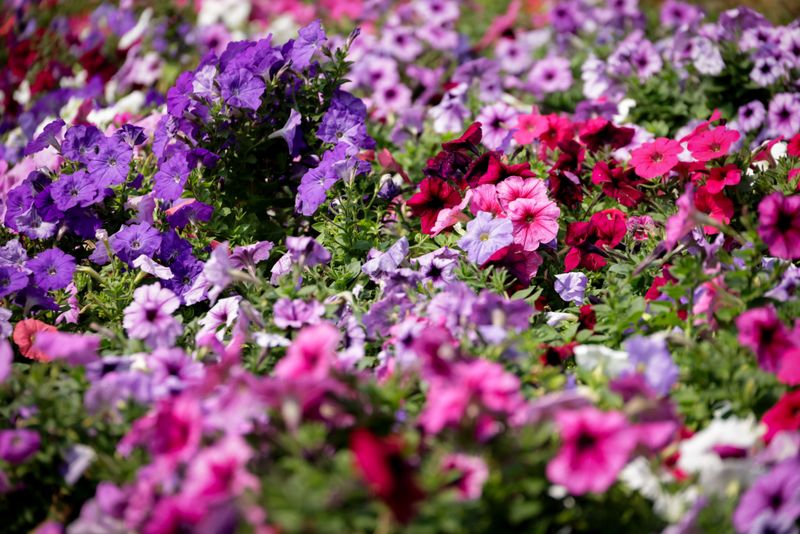
Planting petunias too close together feels generous, but it backfires quickly. Crowded plants compete for light, water, and nutrients all at the same time.
When leaves overlap and shade each other out, lower stems stop receiving enough sunlight. Without light, those stems cannot support bud formation or flower development.
Most petunia varieties need at least 10 to 12 inches of space between plants. Spreading types like Wave petunias need even more room to trail and branch properly.
Thinning out overcrowded beds mid-season feels counterintuitive but pays off quickly. Removing every third plant gives the remaining ones a dramatic improvement in airflow and light access.
Container overcrowding is just as problematic as in-ground spacing issues. A 12-inch pot typically supports two to three mounding petunias, fewer if you’re growing spreading Wave-type varieties.
Good airflow between plants also reduces humidity buildup around leaves and stems. Lower humidity means fewer fungal problems layered on top of the crowding stress already present.
Overcrowding is an easy mistake that explains why petunias stop blooming faster than expected. Give each plant its own breathing space and the difference shows up within days.
9. Fertilizing Falls Behind On Schedule
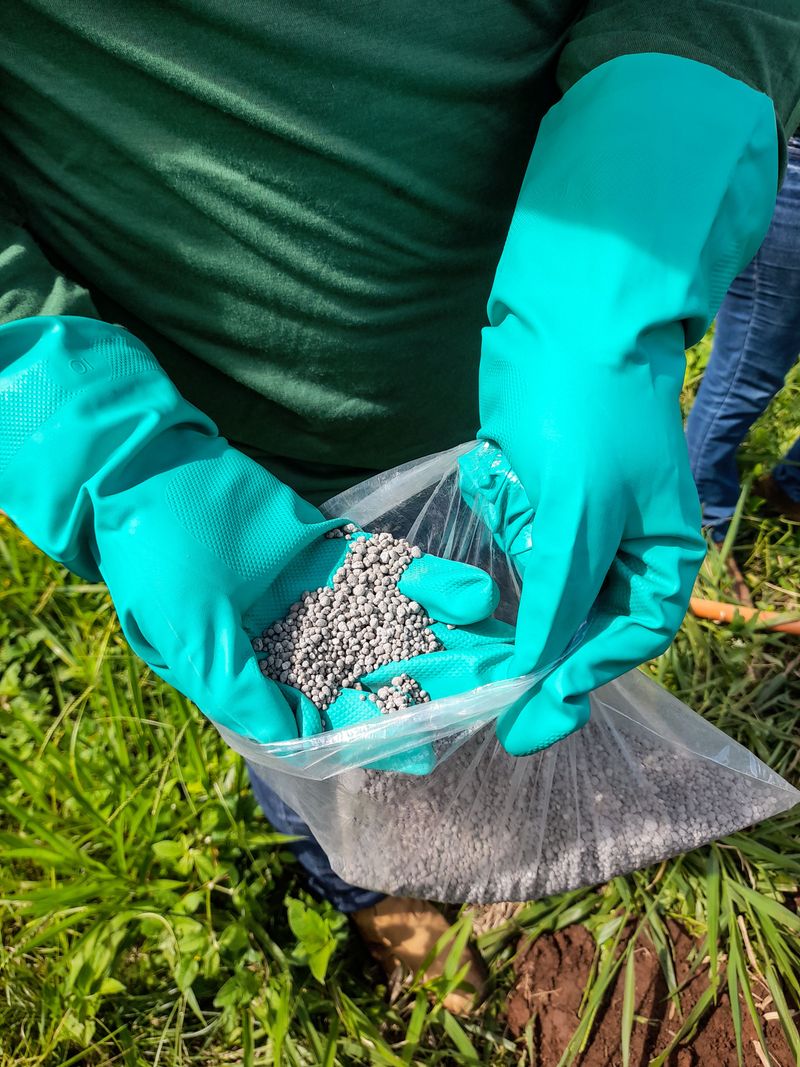
Missing a feeding or two might seem harmless, but petunias notice right away. These plants burn through nutrients at a rate that surprises most casual gardeners.
Skipping fertilizer for three weeks during peak summer can cause a noticeable bloom drop. Plants look fine at first, then flower production quietly tapers off without obvious warning signs.
Setting a phone reminder every two weeks for liquid feeding removes the guesswork entirely. Consistency in fertilizing is what separates lush summer petunias from sparse, struggling ones.
Bloom-boosting fertilizers with higher phosphorus content are especially helpful during summer. Phosphorus directly supports root health and flower bud development in flowering annuals like petunias.
Over-fertilizing with too much nitrogen causes lush green growth at the expense of blooms. Balance matters, so follow package directions rather than doubling up for faster results.
Granular slow-release fertilizers applied at the start of summer provide a helpful base layer. Liquid fertilizer on top of that fills in the gaps between granule releases effectively.
Falling behind on fertilizing is one of the quieter reasons petunias stop blooming mid-season. Get back on schedule now, and blooms should gradually reappear as the plant rebuilds its energy.
10. Pests Damage Buds And Leaves
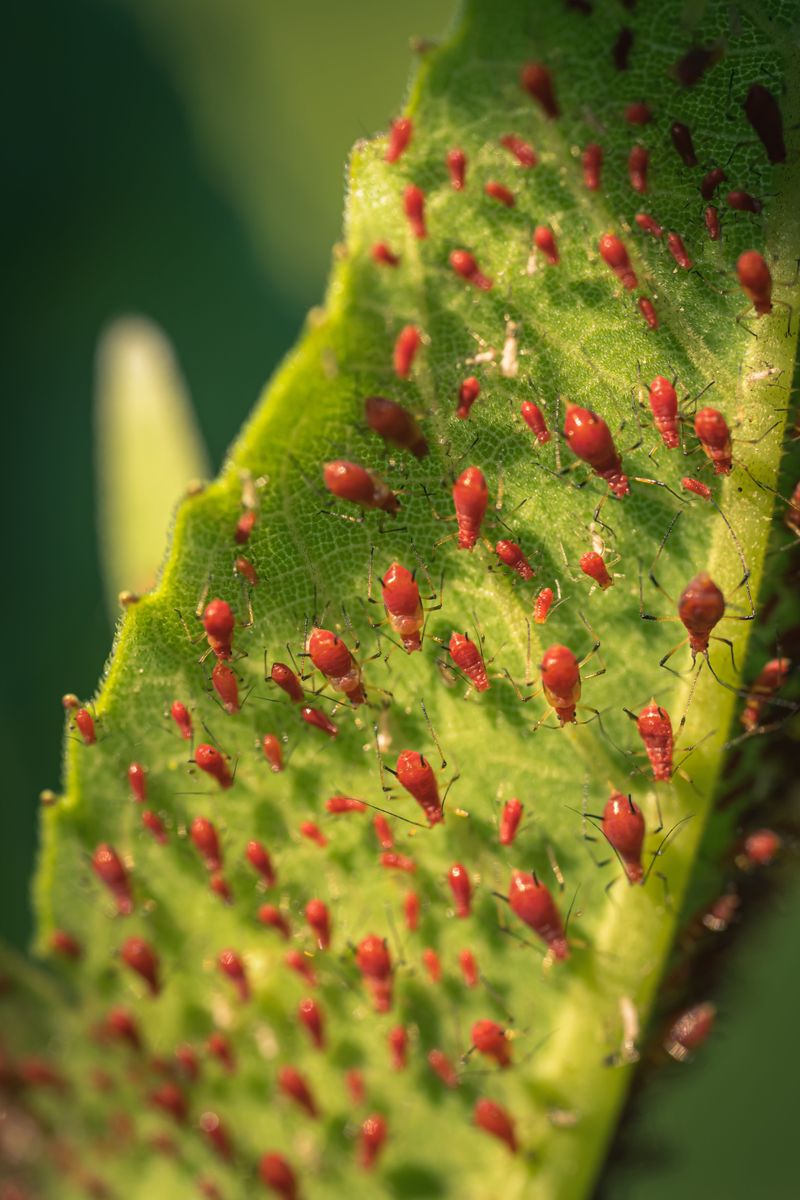
Tiny insects can cause significant damage before you notice them on your petunias. Aphids, thrips, and budworms are the most destructive summer pests for these plants.
Budworms are easy to miss because they tunnel directly into flower buds before blooming. You end up with hollow, chewed buds that never open, which looks like a bloom failure.
Aphids cluster on new growth and suck sap from tender stems and leaves. Their feeding weakens plants quickly and can also spread viral diseases between petunias in the same bed.
Thrips leave behind streaked, distorted petals that look bleached or silvery in sunlight. Heavy thrip infestations can halt bloom production entirely within a short period of time.
Inspect the undersides of leaves weekly because that is where most pests hide. Early detection makes treatment faster, cheaper, and far more effective overall.
Insecticidal soap spray handles aphids and thrips without harsh chemicals on your blooms. For budworms, Bacillus thuringiensis, known as Bt, is a safe and targeted biological solution.
Pest damage is a sneaky reason petunias stop blooming that gardeners often miss entirely. Stay vigilant with weekly checks and your flowers will keep coming all season long.