This Is The Pennsylvania Native Plant Grandmothers Grew And Grandchildren Should Revive
There’s a plant that used to grow in almost every Pennsylvania grandmother’s garden. You might remember seeing it without ever knowing its name.
A familiar presence along a fence, tucked into a corner of the backyard, or spreading quietly through a sunny garden bed, blooming faithfully every season without anyone making much of a fuss over it. It was just always there.
Somewhere along the way it fell out of fashion. Newer, trendier plants took its place, and this old faithful quietly disappeared from most Pennsylvania gardens.
But gardeners who know their native plants never stopped growing it. And for good reason.
This plant is tough, beautiful, and genuinely useful. It’s perfectly adapted to Pennsylvania’s climate, supports local wildlife generously, and brings a warmth and character to a garden that newer ornamentals simply can’t replicate.
There’s something meaningful about reviving the plants our grandmothers grew. Here’s why this one deserves a comeback in every Pennsylvania garden.
Meet Bee Balm
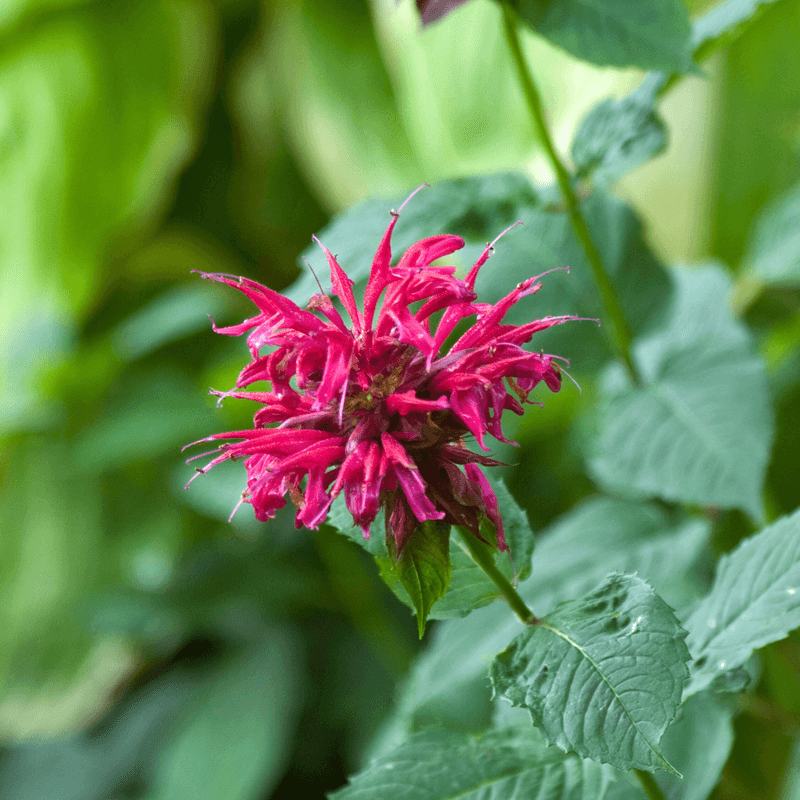
Picture a tall, bold plant standing at the back of a summer garden, covered in bright red flowers that look almost like fireworks frozen in place. That is bee balm.
Its scientific name is Monarda didyma, but most people know it by its friendlier names: scarlet bee balm or Oswego tea. It is a true Pennsylvania native, meaning it has grown naturally in this region long before anyone planted a formal garden.
Bee balm grows between two and four feet tall. Its stems are sturdy and square-shaped, which is a classic sign that it belongs to the mint family.
The leaves are long, slightly fuzzy, and have a strong, pleasant smell when you rub them between your fingers. Some people say the scent is a little like oregano mixed with citrus.
The flowers bloom in mid to late summer and sit in layered, spiky clusters at the top of each stem.
The red variety is the most well-known, but bee balm also comes in pink, purple, and white. Each color brings something slightly different to a garden bed.
The red form, though, is the one most closely tied to old Pennsylvania cottage gardens. It has a bold, old-fashioned look that feels instantly familiar, even if you have never grown it before.
Planting bee balm is a little like finding something you forgot you loved. It is cheerful, easy to recognize, and has a personality that stands out from the moment the first bud opens in summer.
Why It Feels Nostalgic
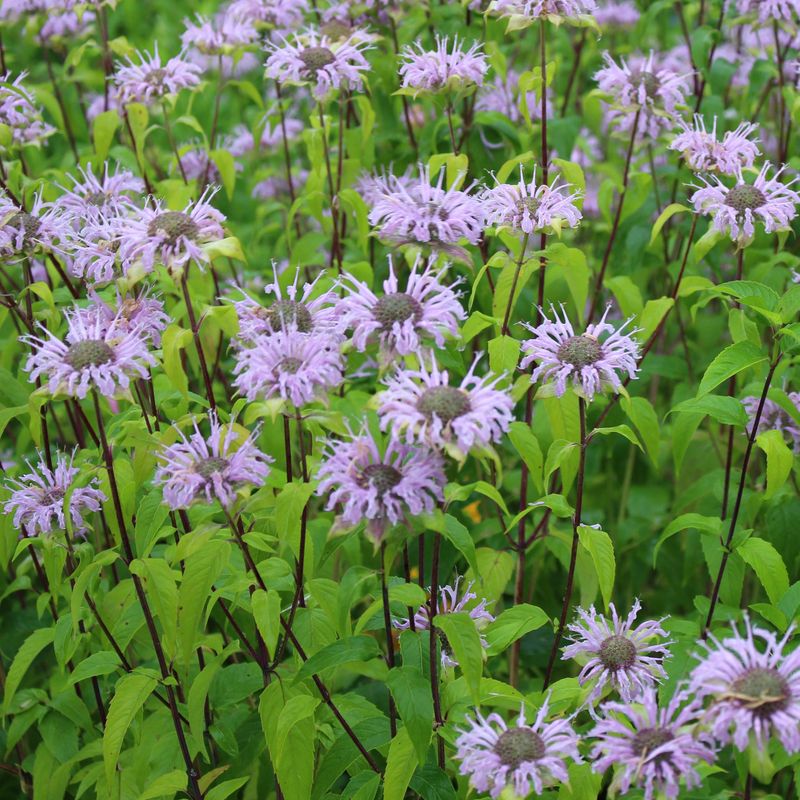
There is something about bee balm that takes people straight back to a grandmother’s yard. Maybe it is the tall, slightly wild look of the stems.
Maybe it is the way the red blooms catch the afternoon light. Or maybe it is the fact that generations of American families grew this plant without ever thinking twice about it, because it just belonged in the garden.
Bee balm has a cottage garden feel that is hard to fake. It looks like it has always been there, growing alongside hollyhocks, black-eyed Susans, and other classic summer plants.
Your Pennsylvania Garden Changes Every Week. Your Plan Should Too.
Gardening in Pennsylvania changes quickly throughout the season. Every Friday you’ll receive a simple weekly plan showing exactly what to plant, prune, fertilize, harvest, and protect so you never miss the right timing.
That easy, natural beauty is part of what makes it so comforting to look at. Older gardeners often grew it in clusters near fences or along borders, letting it spread slowly over the years into full, lush patches.
Beyond its looks, bee balm has a history as a useful herb. The Oswego people, a Native American group from the Great Lakes region, used the plant for centuries.
Early American colonists learned to brew the dried leaves into a tea, which is how the name Oswego tea came about. Some historians say that after the Boston Tea Party, when colonists refused British tea, Oswego tea became a popular alternative.
That kind of layered history gives bee balm a depth that goes well beyond its good looks. Growing it today connects you to a long line of people who valued both beauty and usefulness in their gardens, and that connection feels genuinely worth keeping alive.
Why Pennsylvania Gardens Need It
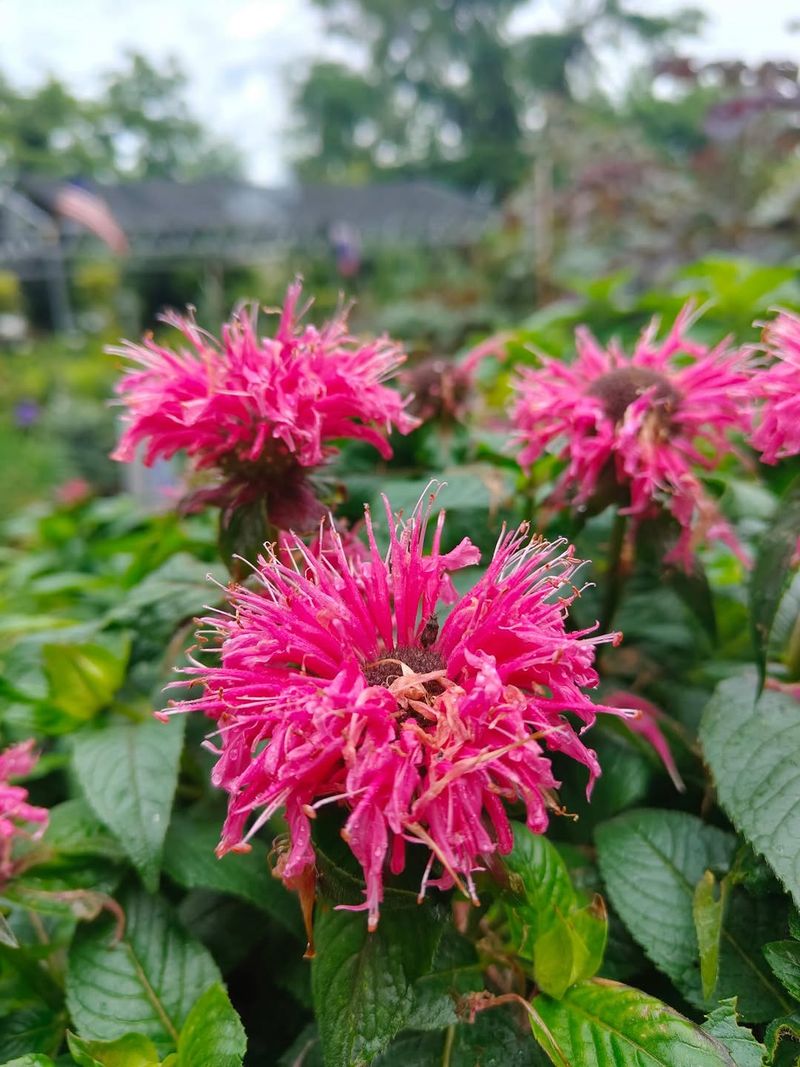
Pennsylvania sits in a rich ecological zone where native plants play a huge role in keeping local ecosystems healthy. When people replace native plants with ornamental imports, local insects and animals lose the food sources and habitats they depend on.
Bringing bee balm back into Pennsylvania yards is one small but meaningful way to help reverse that trend.
Bee balm is perfectly adapted to Pennsylvania’s weather. It handles humid summers, cold winters, and everything in between without much fuss.
It thrives in the moist, partly shaded spots that are common in Pennsylvania landscapes, like areas near tree lines, along streams, or in low parts of a yard where water tends to collect after rain. It also does well in full sun when the soil stays consistently moist.
Modern landscaping trends are moving toward native plant gardens, rain gardens, and pollinator-friendly borders, and bee balm fits all three categories beautifully.
It works as a middle-height plant in a layered native border, holding its own between shorter groundcovers and taller grasses or shrubs.
Rain gardens especially benefit from bee balm because it tolerates short periods of standing water far better than many other flowering plants.
Using native plants like bee balm also means less watering, less fertilizing, and fewer pest problems over time, since the plant already knows how to live here.
For anyone trying to garden in a smarter, more sustainable way, bee balm is one of the easiest and most rewarding choices a Pennsylvania homeowner can make right now.
What It Brings To The Garden
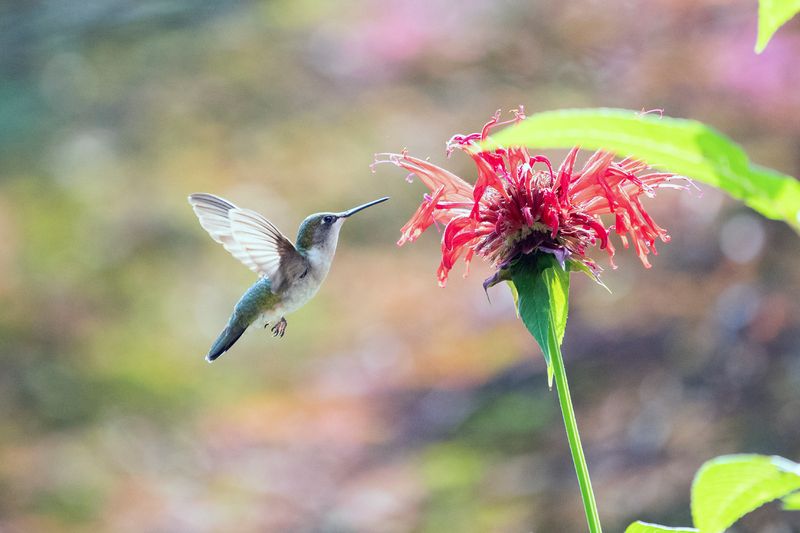
Few plants earn their place in a garden as quickly as bee balm does once the flowers open. The moment those red blooms appear in mid-summer, the garden comes alive.
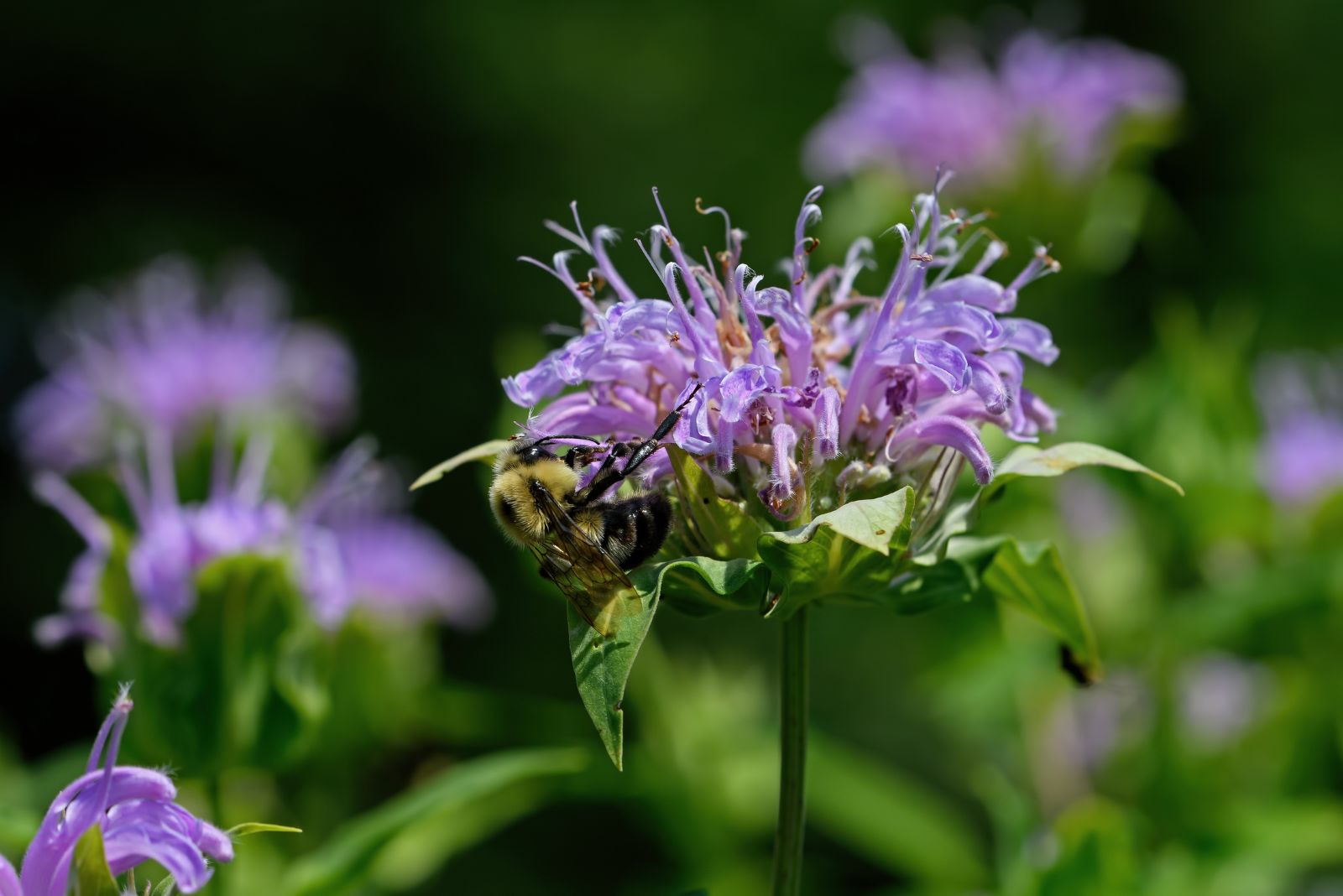
Hummingbirds show up almost immediately. They are drawn to the tubular shape and rich red color of the flowers, which are perfectly designed for their long beaks.
Watching a ruby-throated hummingbird hover at a bee balm plant is one of those small moments that makes gardening feel completely worth it.
Bumblebees love it too. So do butterflies, including swallowtails and fritillaries, which feed on the nectar throughout the summer.
Native bees of all kinds visit bee balm regularly, making it one of the most productive pollinator plants you can grow in Pennsylvania. At peak bloom, a single clump of bee balm can have dozens of visitors in a single afternoon.
Beyond wildlife value, bee balm does something important for the visual balance of a summer garden. Many flowering plants peak in spring and then fade before August.
Bee balm blooms right through that midsummer slump, adding strong color when other plants have gone quiet. The bright red flowers photograph beautifully and stand out against green foliage in a way that instantly lifts the look of any garden bed.
If you deadhead the spent flowers regularly, bee balm will often rebloom, extending the color well into late summer. For gardeners who want a plant that works hard, feeds wildlife, and looks stunning all at once, bee balm delivers on every single count.
Where It Grows Best
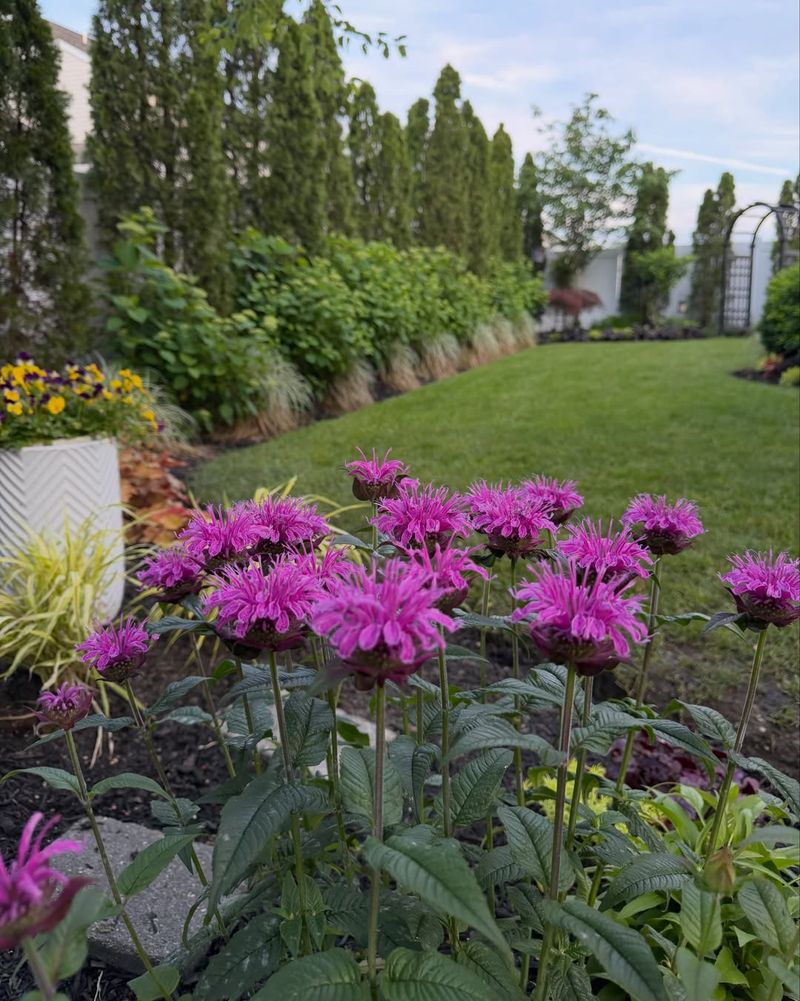
Getting bee balm to thrive is not complicated, but a few smart choices at planting time make a real difference. Full sun to part shade is the ideal light range.
In hotter parts of Pennsylvania, a spot that gets morning sun and afternoon shade can actually help the plant stay healthier through the warmest weeks of summer.
Too much deep shade, though, and the plant will grow leggy and produce fewer flowers. Soil matters a lot with bee balm. It prefers moist, rich, well-drained soil.
Think of the kind of soil you might find near a woodland edge or along a stream bank, slightly dark, full of organic matter, and never fully dry. If your soil is sandy or dry, mixing in compost before planting will help.
Mulching around the base of the plant also keeps moisture in and reduces how often you need to water.
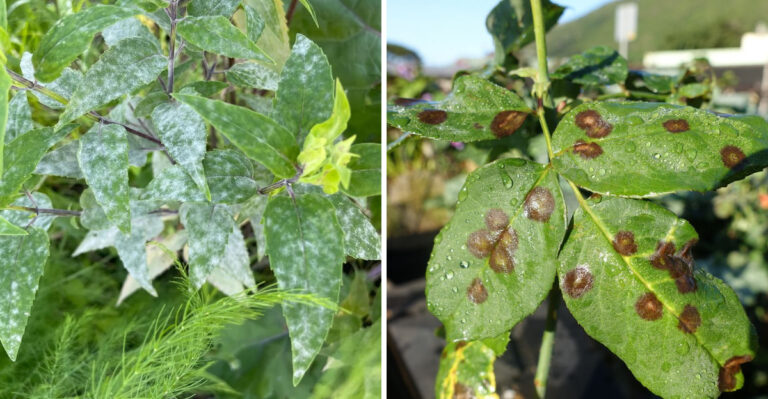
One thing to watch for is powdery mildew, a white coating that can appear on the leaves in late summer, especially when air circulation is poor. It rarely harms the plant seriously, but it does not look great.
Spacing plants at least 18 to 24 inches apart allows good airflow and reduces the chance of mildew developing. Several newer bee balm varieties have been bred specifically for mildew resistance, and choosing one of those makes garden care noticeably easier.
Varieties like Jacob Cline and Raspberry Wine are popular choices in Pennsylvania gardens and tend to hold up well through the humid summer months without losing their good looks.
How To Bring It Back
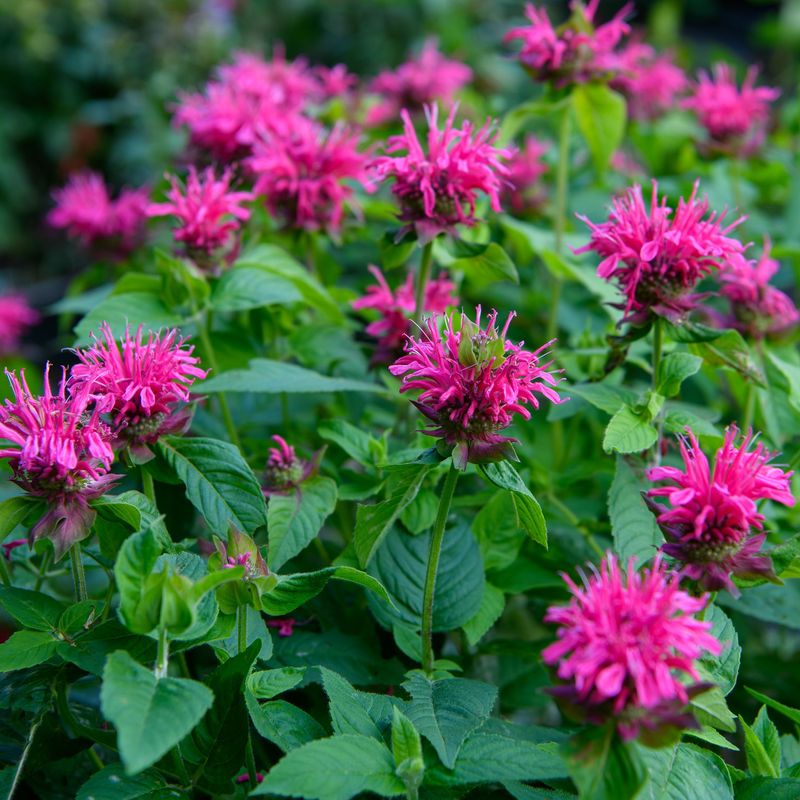
Starting with bee balm is easier than most people expect. You can find plants at local native plant nurseries, garden centers, and plant sales hosted by Pennsylvania native plant societies.
Buying plants rather than starting from seed gives you a head start and means you will likely see blooms in the very first summer. Look for healthy plants with sturdy stems and no signs of yellowing or mildew on the leaves.
Planting in groups of three or more creates the most visual impact and gives pollinators a larger target to find. Bee balm spreads by underground runners, so over a few years, a small group will naturally fill in and become a fuller clump.
When the clump gets crowded, usually every two to three years, you can dig it up in spring and divide it into smaller sections. Each section can be replanted or shared with a neighbor, which is exactly how these plants moved from grandmother’s garden to the next generation in the first place.
Deadheading spent flower heads keeps the plant looking tidy and can encourage a second round of blooms before the season ends.
In fall, you can cut the stems back or leave them standing through winter to provide shelter for beneficial insects. Either approach works fine. The most important thing is simply to get started.
Planting even one bee balm this season connects your garden to Pennsylvania’s natural heritage, supports local wildlife, and carries forward a tradition of growing plants that are beautiful, purposeful, and genuinely worth passing down. That is a pretty powerful thing for one plant to do.