The Evergreens Minnesota Gardeners Need To Prune Before August, And Why Waiting Is A Mistake
Minnesota summers move fast, and so does the window for cutting your evergreens without them paying for it later.
Prune too close to fall and you’re not shaping the plant, you’re catching it off guard right before it needs to settle in for winter.
Instead of hardening off like it should, it’s left scrambling to recover, and by the time spring rolls around, you’ll notice something’s off, even if you can’t quite name what changed.
This isn’t just a scheduling detail gardeners like to fuss over. It’s the quiet difference between a hedge that sails through a Minnesota winter looking exactly as it should, and one that comes out the other side a little worse for wear.
The good news is the fix is simple, and the timing isn’t complicated once you know it. If your shears have been sitting untouched since spring, this is the moment to pick them back up, before the season quietly closes that window on you.
Arborvitae
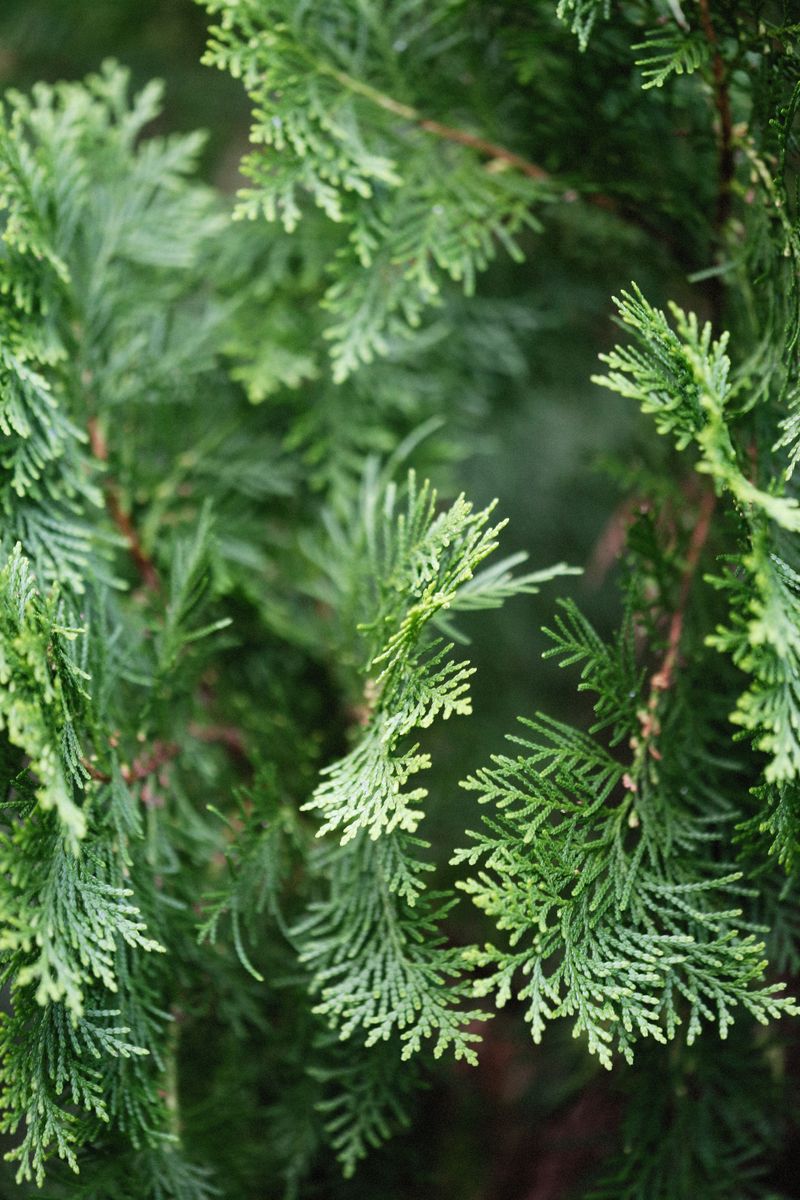
Arborvitae are the tall, feathery sentinels of the American backyard. They line fences, frame driveways, and create green privacy walls that neighbors envy all year long.
Pruning arborvitae before August gives new growth time to toughen up. Soft, fresh shoots need weeks of warm weather to harden before cold nights arrive.
Skip the late-summer trim and those tender tips will suffer when frost hits. Browning tips in spring are often the common result of poorly timed fall cuts.
Arborvitae do not regrow from old brown wood, so cutting back too far is an irreversible change. Always trim into green growth only, and never more than one-third of the plant at once.
Mid-June through mid-July is generally the ideal pruning window for most arborvitae varieties in cooler climates like Minnesota. You get the benefit of shaping while giving the plant a full month to recover before August heat peaks.
Light shaping beats aggressive cutting every single time with this species. A pair of quality hand shears and a steady eye will serve you far better than power trimmers.
Arborvitae respond well to annual light maintenance rather than occasional heavy cuts. Keep them tidy each season and they will reward you with dense, lush green walls for decades.
Yew
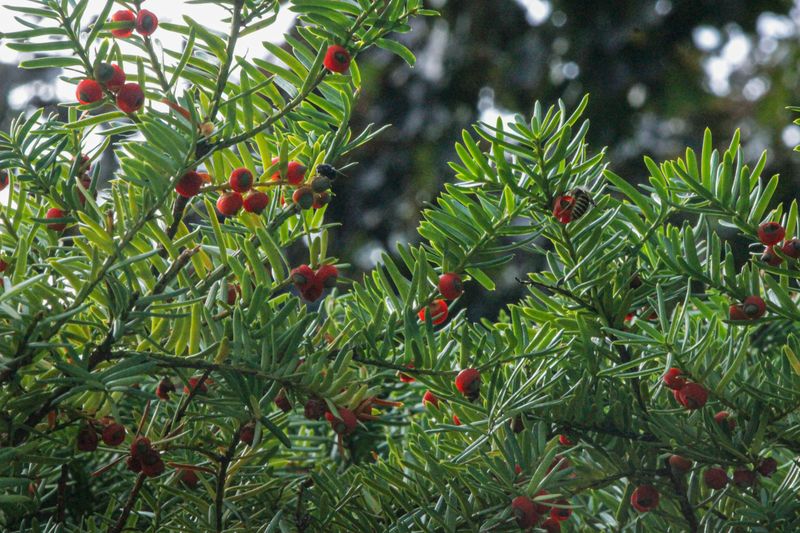
Yew shrubs have been shaping formal gardens for centuries, and they are among the most forgiving evergreens you can grow. They tolerate heavy pruning better than almost any other needle-leafed plant in the landscape.
That forgiving nature, though, has limits. Pruning yews too late in the season pushes them to produce a flush of soft new growth at exactly the wrong time.
New yew shoots that emerge in August or September simply cannot harden off before frost arrives. Those tender stems turn brown and die back, leaving the plant looking ragged come spring.
In most northern climates, the best time to prune yews is from late May through mid-July. This timing allows the plant to push new growth, harden it fully, and settle in before the first cold snap.
Your Minnesota Garden Changes Every Week. Your Plan Should Too.
Gardening in Minnesota changes quickly throughout the season. Every Friday you’ll receive a simple weekly plan showing exactly what to plant, prune, fertilize, harvest, and protect so you never miss the right timing.
Yews also respond well to a second light trim in early spring before growth begins. That combination of spring cleanup and summer shaping keeps them looking crisp and intentional all year.
Unlike arborvitae, yews can regrow from older wood if you cut back hard. That makes them more flexible for renovation pruning, but timing still matters even when you are going deep.
A sharp bypass pruner beats dull blades every single time when working with yews. Clean cuts close faster and let less disease in, which is exactly what you want heading into fall.
Boxwood
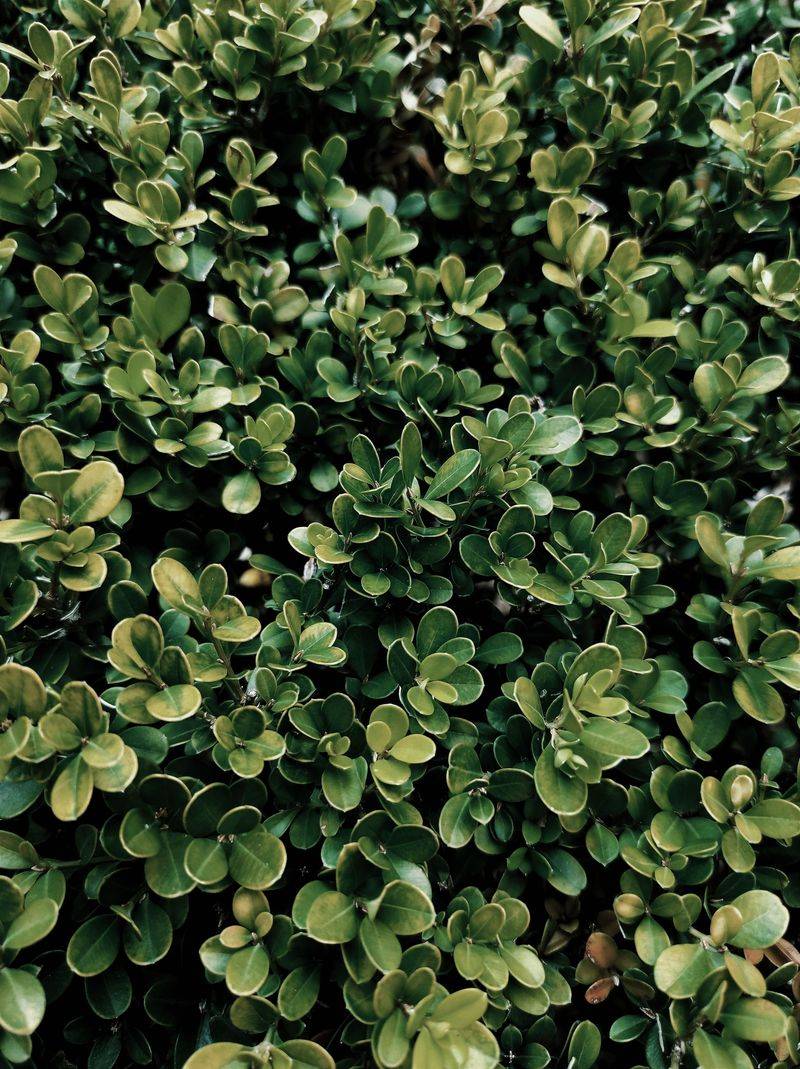
Boxwood is the workhorse of American foundation planting, and almost every neighborhood has at least a few. Those tidy little globes and hedges frame front doors and garden beds across the country.
Pruning boxwood at the right time is not just about looks. It is about keeping the plant healthy enough to survive disease pressure and winter stress.
Boxwood blight is a serious fungal issue that spreads quickly through wet foliage and fresh wounds. Pruning late in the season creates entry points right when conditions are most favorable for that fungus.
In most northern climates, aim to finish all boxwood pruning by late July at the latest. Earlier is better, giving the plant time to seal those cuts before humidity and cooler temps arrive.
After pruning, clean your tools with a diluted bleach solution between each plant. Boxwood blight spreads on contaminated blades faster than most gardeners realize.
Boxwood also benefits from light thinning inside the canopy to improve airflow. Dense interior growth traps moisture and creates the perfect environment for fungal problems to take hold.
Do not fertilize boxwood right after pruning in summer heat. Fertilizer pushes soft new growth that cannot handle the stress of both heat and fresh pruning at the same time.
Healthy, well-timed pruning keeps boxwood looking sharp and living long. These shrubs can live for many decades if you treat them right every single season.
Juniper
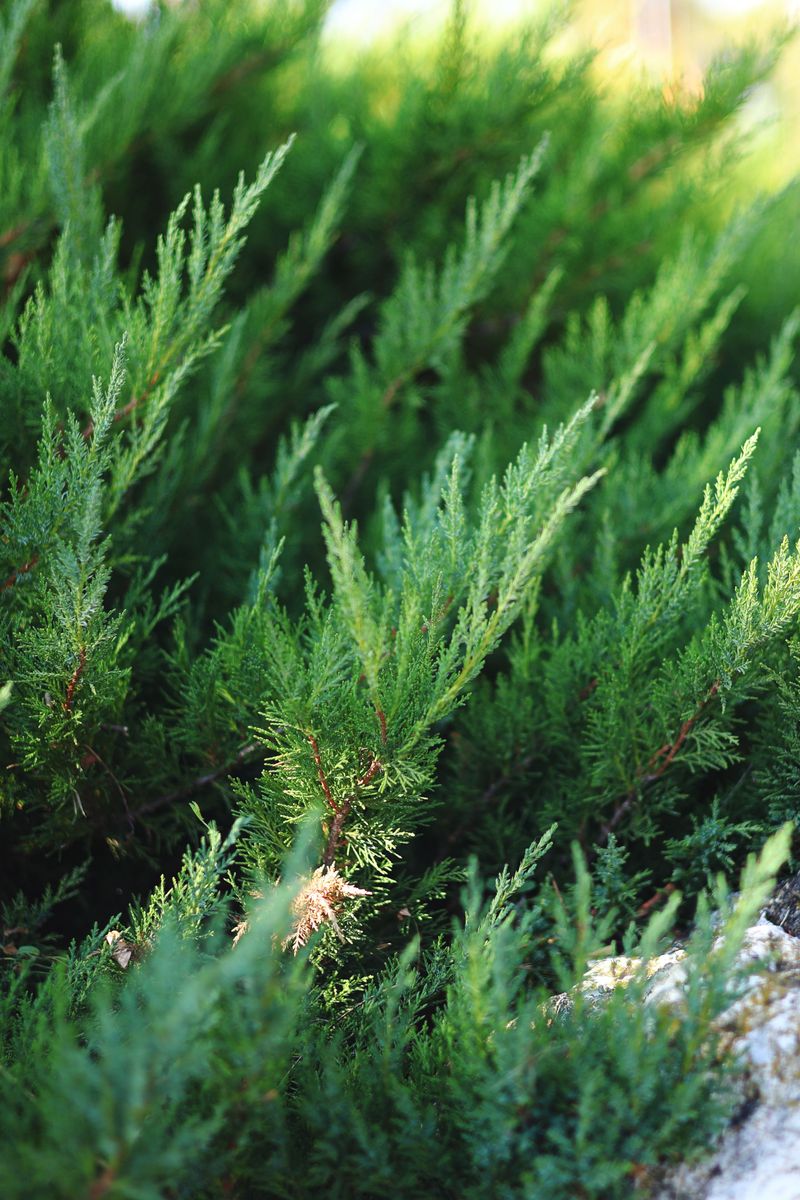
Junipers are tough, adaptable, and often underappreciated in the American landscape. They come in every shape imaginable, from ground-hugging spreaders to tall columnar forms that reach skyward.
Despite their toughness, junipers have one major pruning rule that gardeners break constantly. Never cut back into the inactive interior zone, that brown wood that gets no light and no longer grows.
Juniper branches that are cut into old, brown, dormant wood will not regrow. That is a permanent change to the plant, and it often looks worse than leaving it alone.
Pruning junipers before August keeps cuts in the active green zone where healing happens fast. The plant is still in full growth mode and can respond to trimming with vigor.
Late August or September cuts, however, catch the plant as it begins to slow down. Healing stalls, wounds stay open longer, and cold air hits exposed tissue that was not ready.
Focus on removing wayward branches and shaping the natural silhouette rather than forcing a rigid form. Junipers look best when they are allowed to express their natural character with just a little editing.
Spider mites are among the most common pest threats to junipers, and they target stressed plants. Timely pruning followed by proper watering keeps stress low and mite pressure manageable.
Junipers pruned well before August look sharp, stay healthy, and head into fall with confidence. Give them that seasonal attention and they will reward you for years.
New Growth Needs Time To Harden Off Before Frost
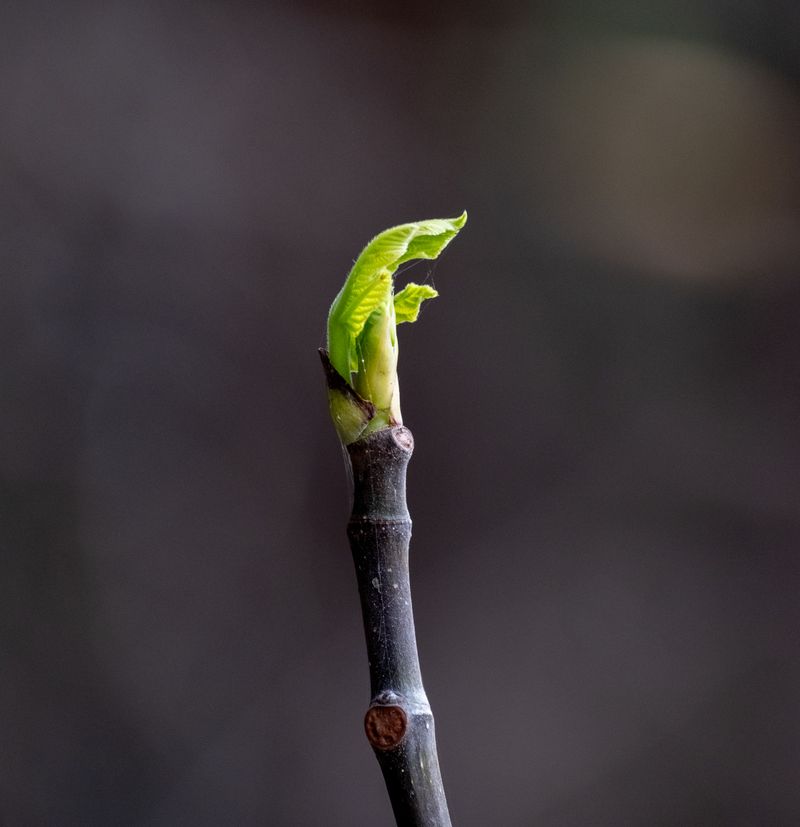
Every cut you make on an evergreen triggers a response. The plant pushes energy toward that wound and surrounding area, producing fresh new shoots to replace what was removed.
That new growth is soft, bright, and beautiful in summer. But it is also incredibly vulnerable to cold temperatures because it has not had time to toughen up.
Plant cells in new shoots are full of water and have not yet developed the protective structures that mature growth has. When frost hits those cells, the water inside expands and the tissue breaks down.
Hardening off is the process where plants gradually adjust to cooler conditions over several weeks. It requires time, and that time needs to come before the first frost, not after.
Prune your evergreens before August and new growth typically has several weeks of warm weather ahead of it to harden off. That window is usually enough for most species to harden adequately.
Wait until September to prune and you may get only a few weeks before frost arrives. That is simply not enough time for tender shoots to develop cold tolerance.
Gardeners who understand this process stop treating pruning like a chore they can push off indefinitely. Timing is the difference between a plant that thrives and one that struggles every spring.
Protecting new growth from frost starts with making smarter cuts earlier in the season. The calendar is your best pruning tool, and August is where the window closes.
Late Pruning Triggers Tender Shoots That Winter Damages
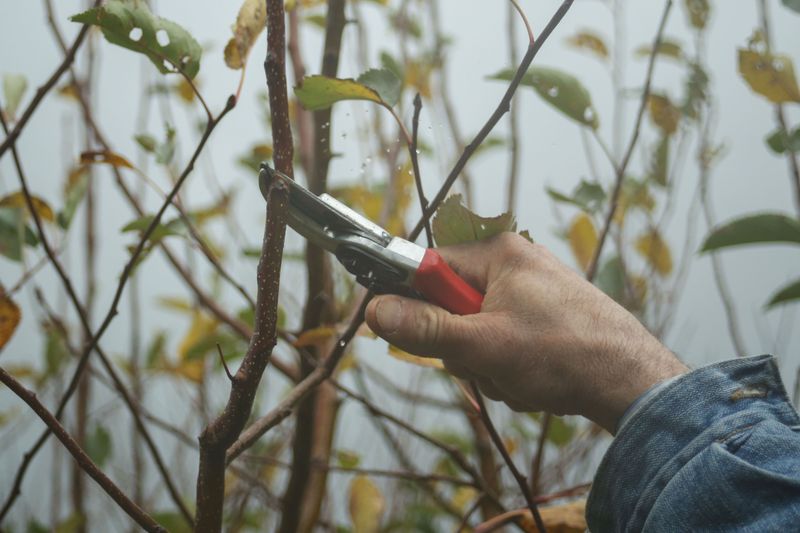
Late pruning is one of the most common mistakes backyard gardeners make with evergreens. It feels productive, but the timing works directly against the plant’s natural rhythm.
When you prune in late August or September, you send a growth signal at exactly the wrong moment. The plant responds by pushing out new, soft shoots just as temperatures begin to drop.
Those late-season shoots have no time to develop the cellular strength needed for cold survival. They are essentially the plant’s most vulnerable tissue exposed at its most dangerous time of year.
Winter damage from late pruning looks like browning or blackened shoot tips in early spring. Many gardeners assume it is disease or a harsh winter, but the real cause happened months earlier.
The frustrating part is that the damage is entirely preventable with better timing. Finishing your pruning by late July gives the plant a fighting chance to prepare properly.
Some gardeners try to protect late-pruned evergreens with burlap or frost cloth. While that helps in some cases, it is a bandage solution for a problem that should not have happened.
Building a habit of early-season pruning changes the outcome dramatically. Your plants stay healthier, look better in spring, and require less intervention to recover from seasonal stress.
Late pruning does not just hurt the plant this year. It creates a cycle of stress that builds over multiple seasons and weakens the shrub long-term.
Wounds Heal Slower Once The Plant Slows Down In Fall
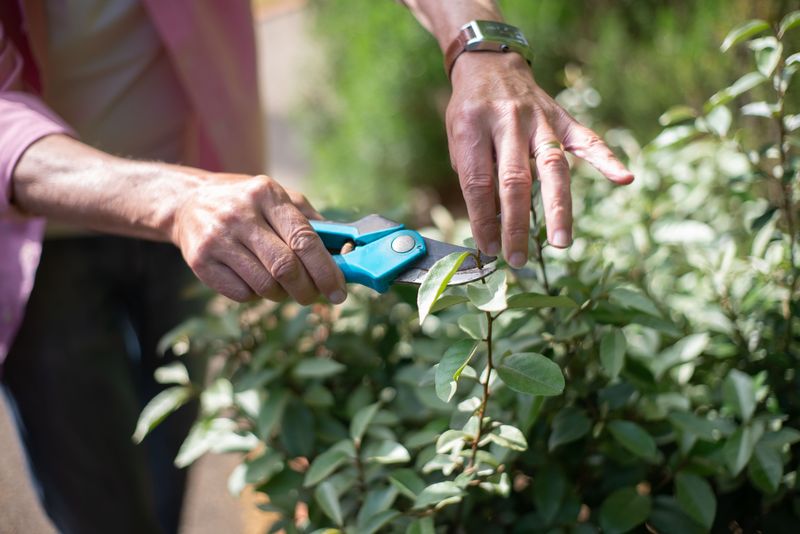
Plants are not passive. They actively respond to wounds by sealing them off with specialized tissue, a process called compartmentalization. It is their version of a bandage.
This healing process requires energy, warmth, and active growth. All three are abundant in summer and increasingly scarce as fall approaches and temperatures drop.
Prune an evergreen in June or July and the plant seals that wound within weeks. The cut surface dries, new tissue forms at the edges, and the plant moves on with minimal stress.
Prune that same plant in September and the story changes completely. Growth is slowing, energy is being redirected to roots, and the wound sits open far longer than it should.
Open wounds are entry points for pathogens, insects, and moisture. The longer a wound stays unsealed, the more exposure the plant gets to threats it cannot easily fight off in a weakened state.
This is especially true for plants already dealing with environmental stress like drought or pest pressure. A slow-healing wound on a stressed plant is a serious problem heading into winter.
Timing your cuts for peak growing season is the simplest way to support fast healing. The plant does the hard work naturally when conditions are right.
Think of it like scheduling a procedure. You want it done when recovery conditions are optimal, not when everything is shutting down for a long rest.
Disease And Pests Find Easier Entry Through Fresh Late Cuts
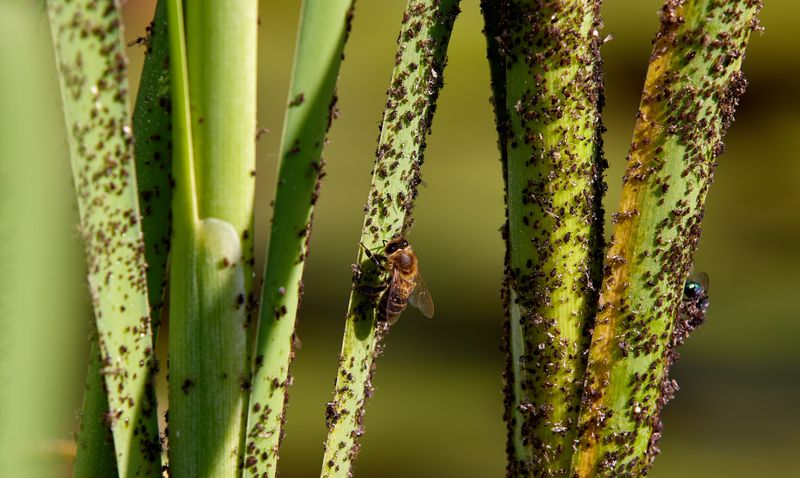
Fresh pruning cuts are open doors, and the wrong visitors are always looking for a way in. Fungi, bacteria, and boring insects target stressed or wounded plant tissue with remarkable efficiency.
Summer pruning done early gives wounds time to close before those threats are at their worst. Many fungal pathogens peak in late summer and early fall when humidity is high and nights are cooler.
Cut your evergreens in August or September and you create an opening for disease organisms right at their most active period. This is one of the least favorable timing windows from a plant health standpoint.
Cytospora canker is one example of a disease that exploits late-season wounds on stressed conifers. It spreads through fresh cuts and damaged bark, causing branches to die back slowly over months.
Certain bark beetles also key in on fresh resin from new cuts. They follow the scent to weakened plants and can cause serious structural damage if populations are high in your area.
Pruning before August reduces this risk significantly. Wounds close faster in warm weather, the plant’s natural defenses are stronger, and pest populations are typically lower in early summer.
Disinfecting your pruning tools between plants adds another layer of protection. A simple wipe with rubbing alcohol prevents you from carrying pathogens from one shrub to the next.
Pruning your evergreens before August is the simplest way to close that window of vulnerability. Smart timing is the most underrated form of plant protection available.