The Summer Container Mistake Virginia Gardeners Should Avoid
Every summer, Virginia gardeners lose their favorite container plants to the same sneaky culprit, and it isn’t the heat.
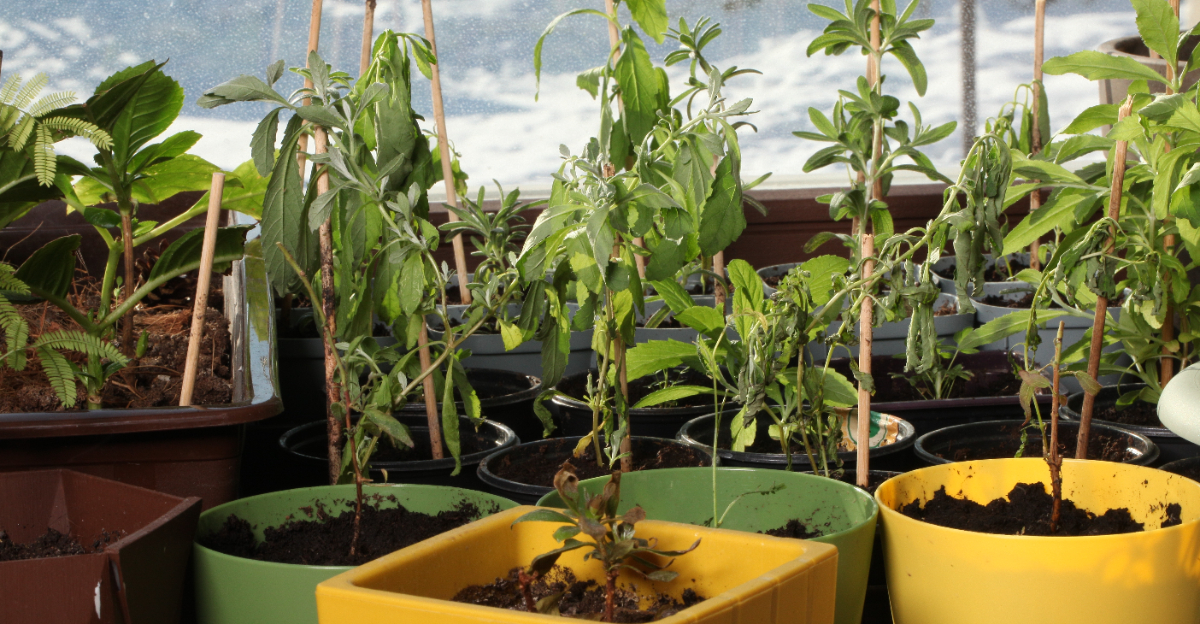
Petunias go limp. Leaves turn yellow, then brown, then mush. Most people blame the sun and respond in exactly the way that makes things worse.
Here’s the twist nobody expects: the real damage happens quietly, long before wilting shows up on the surface. By the time you notice, the roots are already in trouble.
Virginia’s summers make this trap easy to fall into. The air is thick, the soil looks dry on top even when it’s soaked underneath, and every instinct points you in the wrong direction.
The fix isn’t complicated once you see what’s actually happening in that pot. A few small changes can turn wilting containers into the thriving porch display you pictured back in May.
1. Overwatering Is The Summer Container Mistake Virginia Gardeners Make Most
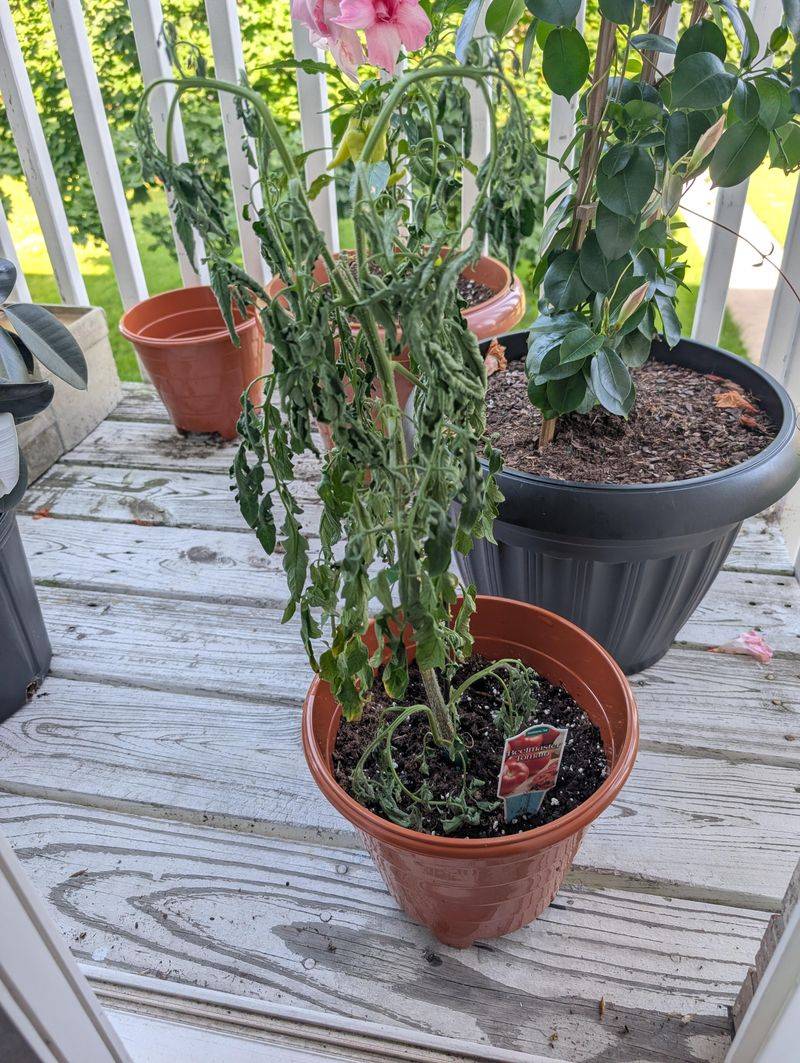
Your plant looks sad, so you water it again. That instinct feels right, but it is often the worst thing you can do in summer.
Overwatering is one of the most common summer container mistakes Virginia gardeners repeat season after season. Roots sitting in wet soil cannot breathe, and without oxygen, they begin to rot.
Most container plants need soil to dry out slightly between waterings. When pots stay constantly wet, the roots suffocate before the leaves even show distress.
Gardeners often confuse heat stress with thirst. A drooping plant on a 95-degree afternoon may just need shade, not more water.
The tricky part is that overwatered plants look almost identical to underwatered ones. Both show wilting, yellowing, and a general look of defeat.
Beginners and experienced gardeners alike fall into this trap every summer. The fix is not complicated, but it does require changing a deeply ingrained watering habit.
Healthy roots are firm and white or light tan in color. Rotted roots turn brown, mushy, and smell unpleasant when you pull a plant from its pot.
Catching this early gives your container plants a real chance at recovery. Waiting too long means starting over with new plants and a lighter wallet.
2. How Virginia’s Heat And Humidity Set This Trap
Step outside in Richmond or Norfolk in July and the air feels like a warm, wet towel. That relentless humidity changes everything about how containers behave.
In drier climates, excess water evaporates from the soil relatively fast. But in Virginia, moisture lingers in the pot for days, keeping roots in a dangerous wet zone.
High nighttime temperatures also prevent soil from cooling and drying out overnight. By morning, the pot is still wet, and gardeners add more water thinking the heat must have dried things out.
This cycle repeats until root rot sets in and the plant collapses. The combination of heat, humidity, and frequent watering creates the perfect conditions for fungal disease too.
Fungal pathogens love warm, moist environments and spread quickly in waterlogged container soil. Black spots, gray mold, and slimy stems often follow overwatering in humid summers.
Your Virginia Garden Changes Every Week. Your Plan Should Too.
Gardening in Virginia changes quickly throughout the season. Every Friday you’ll receive a simple weekly plan showing exactly what to plant, prune, fertilize, harvest, and protect so you never miss the right timing.
Virginia’s coastal and Piedmont regions get the worst of this humid heat. Even mountain areas in the western part of the state see enough summer moisture to make overwatering a genuine risk.
Understanding your local microclimate helps you water smarter. A shaded north-facing patio dries out much more slowly than a sun-drenched south-facing deck.
Adjusting your watering schedule to match your specific conditions is one of the most powerful moves you can make this season.
3. Signs Your Container Plants Are Getting Too Much Water
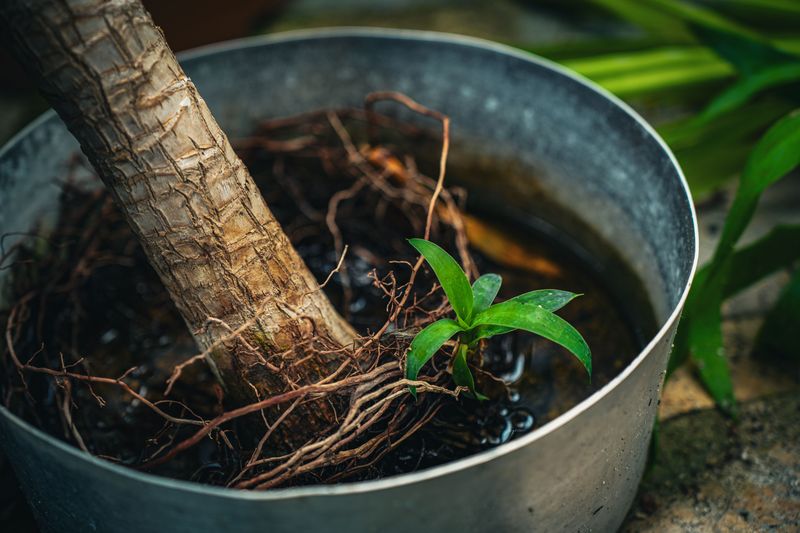
Yellow leaves on a container plant feel alarming, but before you reach for the watering can, pause and look closer. Yellow leaves are one of the clearest signs of too much moisture, not too little.
Leaves that turn yellow starting at the bottom of the plant and move upward are a classic overwatering signal. The plant is telling you its roots are struggling to function properly.
Soggy or compacted soil that never seems to dry out is another major red flag. Healthy container soil should feel slightly moist but never wet and heavy like a sponge.
A sour or musty smell rising from the pot means anaerobic bacteria are active in waterlogged soil. That smell is the scent of root rot beginning underground.
Stems that feel soft or squishy near the base are past the early warning stage. At that point, the damage is already working its way up through the plant.
Algae or green slime growing on the outside of pots also signals chronically wet conditions. Terracotta pots are especially good at showing this kind of moisture buildup.
Fungus gnats hovering around your containers are another telltale sign. These small pests breed in moist soil and are far less common in well-managed, properly watered pots.
Catching these signs early gives you a real window to correct course before losing the plant entirely.
4. How To Check Soil Moisture Before You Water
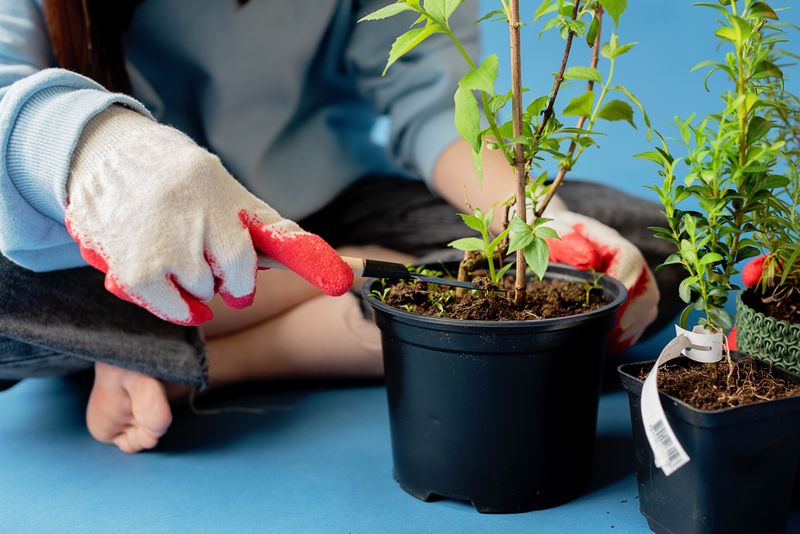
The finger test sounds too simple to matter, but it genuinely works better than any schedule. Push your index finger about an inch into the soil before every watering session.
If the soil feels moist at that depth, put the watering can down and walk away. Most container plants do not need water until that top inch has dried out completely.
For larger containers, go two inches deep before making your call. Bigger pots hold moisture much longer than small ones, especially when planted with less root mass.
A wooden chopstick or pencil works as a simple soil probe if you prefer a tool. Insert it several inches into the pot and pull it out to check for clinging soil or moisture marks.
Moisture meters are inexpensive and available at most garden centers. They take the guesswork out of watering and pay for themselves quickly by saving plants you would otherwise lose.
Lifting the pot is another surprisingly effective method. A dry pot feels noticeably lighter than a wet one, and with practice, you can judge moisture level by weight alone.
Checking pots in the morning rather than the afternoon gives you a more accurate reading. Afternoon heat can cause temporary wilting that misleads even experienced gardeners into thinking the soil is drier than it actually is.
Building this check into your morning routine takes less than a minute and saves your plants from the most common summer container mistake.
5. Smarter Watering Habits For Virginia’s Summer Containers
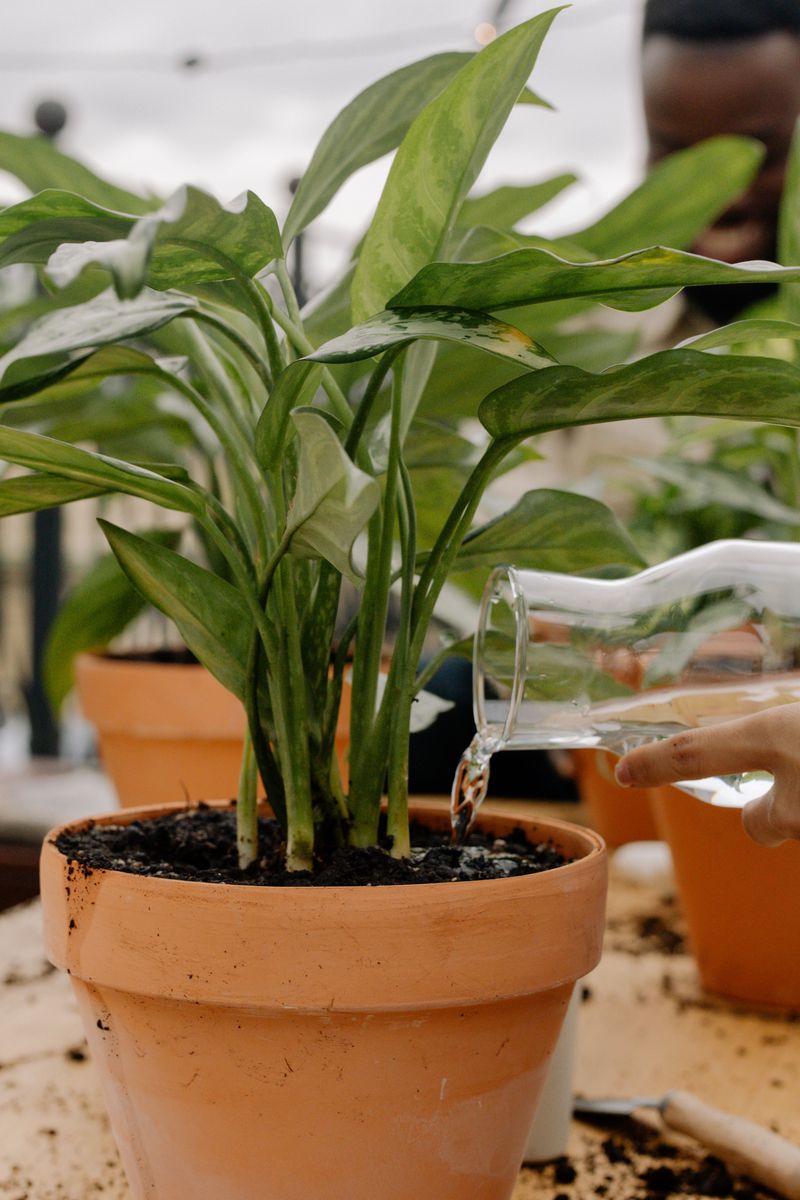
Morning watering is a game changer for container gardens in hot climates. Watering early gives plants time to absorb moisture before the heat peaks and reduces fungal risk overnight.
Avoid watering in the evening during Virginia summers. Wet soil combined with warm nights creates the ideal breeding ground for mold, mildew, and root rot pathogens.
Water deeply and less often rather than giving a little water every day. Deep watering encourages roots to grow down into the pot instead of staying shallow and vulnerable.
When you water, pour slowly until it drains from the bottom holes freely. That drainage tells you the entire root zone has received moisture, not just the top layer.
Group containers together in partial shade during peak summer weeks. Clustering pots reduces evaporation, keeps roots cooler, and cuts down on how frequently each pot needs attention.
Self-watering containers with built-in reservoirs are worth considering for busy weeks. They deliver moisture from below, which keeps the surface dry and discourages fungus gnats.
Mulching the top of container soil with a thin layer of wood chips or gravel slows evaporation. Even a half-inch layer makes a noticeable difference during a heat wave.
Adjusting your habits now, before the worst of summer arrives, puts your containers in the best possible position to thrive through August and beyond.
6. Container And Soil Choices That Prevent Waterlogging
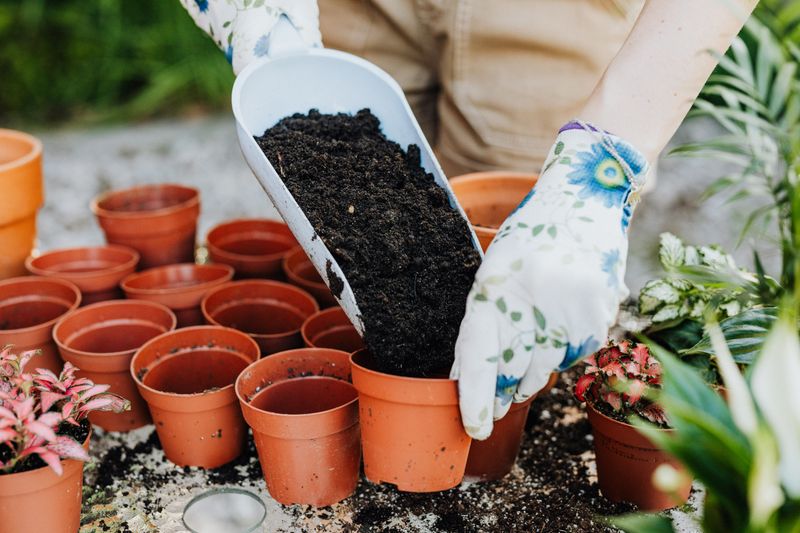
Not all pots are created equal when it comes to drainage. Choosing the right container is just as important as choosing the right watering schedule.
Terracotta pots are breathable and allow moisture to evaporate through their walls. They dry out faster than plastic or glazed ceramic, which makes them ideal for summer containers in humid climates.
Fabric grow bags are another excellent option for hot, humid summers. Their porous walls allow air to reach roots from all sides, which naturally prevents waterlogging and encourages healthy root structure.
Always check that your containers have at least one drainage hole at the bottom. A pot without drainage is essentially a bucket, and no amount of careful watering will save a plant trapped in standing water.
Avoid placing saucers under pots during summer unless you empty them regularly. Standing water in a saucer wicks back up into the soil and keeps roots wet long after you thought you were done watering.
Potting mix matters enormously too. Standard garden soil is too dense for containers and holds moisture far longer than roots can tolerate.
Choose a high-quality potting mix labeled for containers, and consider blending in perlite at a ratio of about one part perlite to four parts mix. That simple adjustment dramatically improves drainage and air circulation around roots.
Smart container choices are your first defense against the summer container mistake that trips up so many gardeners every year.