These Are 7 Blue Ridge Virginia Natives That Thrive When Planted In Fall
Everyone rushes to plant in spring and misses the quiet advantage sitting right in front of them.
Autumn in Virginia works a kind of magic most gardeners overlook: cooler air up top, warm soil below, and months of undisturbed growing time before anything above ground even wakes up.
Roots stretch out, settle in, and build the kind of foundation that spring transplants can only dream of.
If your yard has felt a little flat or foreign lately, fall is the moment to fix that with plants that actually belong here.
Virginia’s Blue Ridge is packed with native species built for this exact climate, this exact soil, this exact rhythm of seasons. Skip the fussy imports and the constant watering schedule.
These natives thrive with less effort, support local wildlife, and reward patient gardeners once spring finally rolls around. Grab a shovel. The best planting window of the year just opened.
1. Black-Eyed Susan
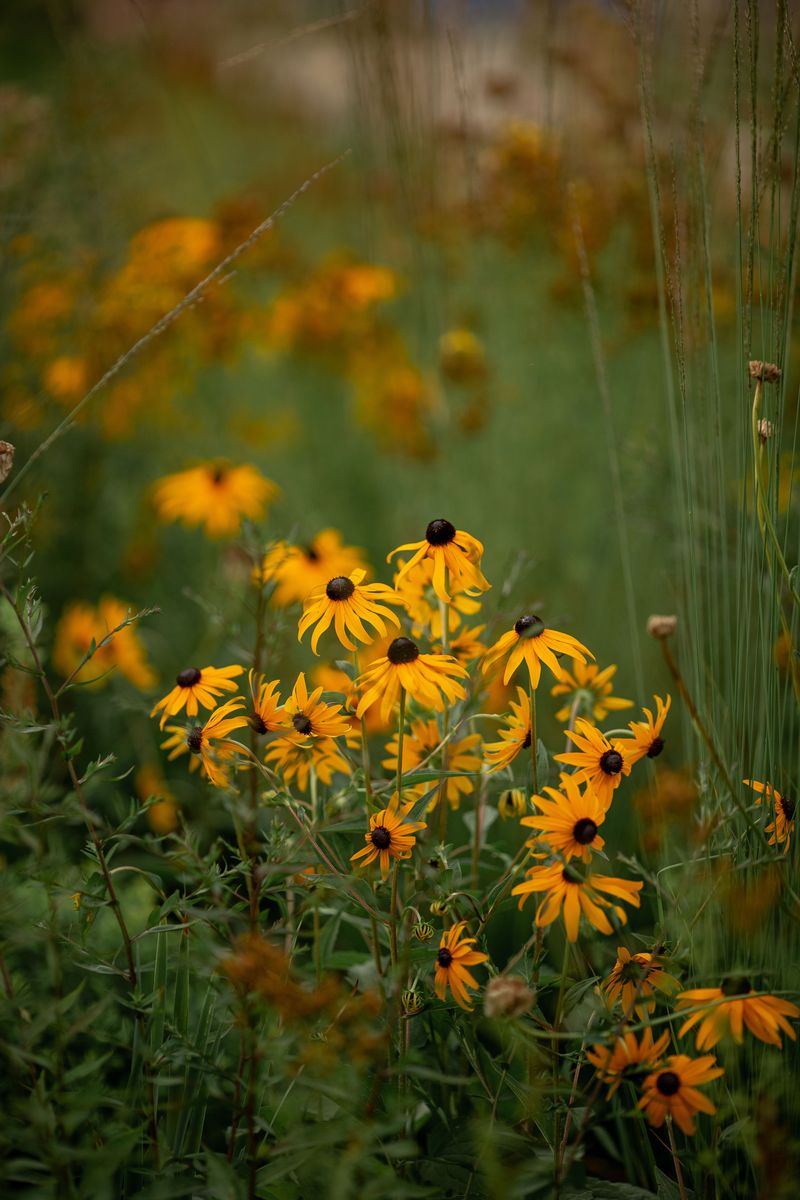
Sunshine in flower form, that is exactly what Black-Eyed Susan delivers year after year. These cheerful yellow blooms define wildflower meadows across the Blue Ridge region.
Fall planting works beautifully for this native because the cool soil encourages strong root development without the stress of summer heat. By the time next summer arrives, the plant is already well-established, thriving instead of just surviving its first hot season.
Black-Eyed Susan loves full sun and tolerates drought once it settles in. It is the kind of plant that rewards low-maintenance gardeners who prefer to let nature do most of the heavy lifting, content with nothing more than a sunny spot and decent drainage.
Historically, Indigenous communities used parts of this plant for medicinal purposes, treating everything from colds to skin irritations. That long relationship with the land gives it extra meaning when grown in a native garden today.
Birds like goldfinches flock to the seed heads left behind after blooming fades. Skipping the fall cleanup lets wildlife feast through the colder months, turning your garden into a quiet food source when little else is available.
These plants naturalize easily, spreading gently across open beds and sunny slopes. Over a few seasons, a small patch can grow into a glorious golden sweep stretching across the yard.
Pairing Black-Eyed Susan with native grasses creates a layered, textural look that feels natural and intentional. The combination also supports a wider range of insects and birds throughout the growing season.
Plant these Blue Ridge Virginia natives in groups of three or more for the boldest visual impact. A single plant is lovely, but a cluster is truly unforgettable.
2. Virginia Bluebells
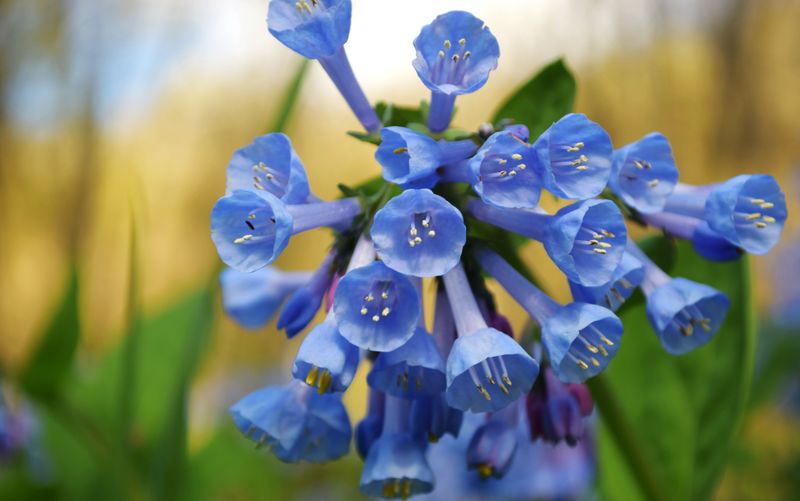
Walking through a forest carpeted in Virginia Bluebells feels like stepping into a fairy tale. These delicate trumpet-shaped flowers shift from pink buds to sky-blue blooms as they open, creating a color show that changes daily.
Planting corms or bare-root plants in fall gives them exactly the cold stratification they need to thrive. Without that winter chill, spring flowering can be weak, delayed, or unpredictable at best.
Your Virginia Garden Changes Every Week. Your Plan Should Too.
Gardening in Virginia changes quickly throughout the season. Every Friday you’ll receive a simple weekly plan showing exactly what to plant, prune, fertilize, harvest, and protect so you never miss the right timing.
Virginia Bluebells prefer shaded or partially shaded spots with moist, rich soil. A location near a stream bank or under a canopy of deciduous trees suits them perfectly, mimicking their natural woodland habitat.
They are considered ephemeral plants, meaning they emerge, bloom, and fade all before summer heat arrives. Planting later-emerging perennials nearby fills the gaps they leave behind once the foliage fades.
Hostas and ferns make excellent companions for Virginia Bluebells in a woodland garden setting. Their foliage expands just as the bluebells begin to retreat underground for the season, keeping the space full and green.
Deer tend to leave this plant alone, a small mercy for Blue Ridge gardeners who battle hungry wildlife regularly. That natural resistance makes it a smart, low-stress choice for unprotected garden areas.
Once established, colonies of Virginia Bluebells spread slowly and gracefully over the years. Patience pays off because a mature patch in full bloom is absolutely breathtaking to witness, carpeting the ground in soft color.
Few spring wildflowers carry the same emotional punch as a sea of blue and pink. Planting them this fall means you will be rewarded with one of spring’s most stunning surprises.
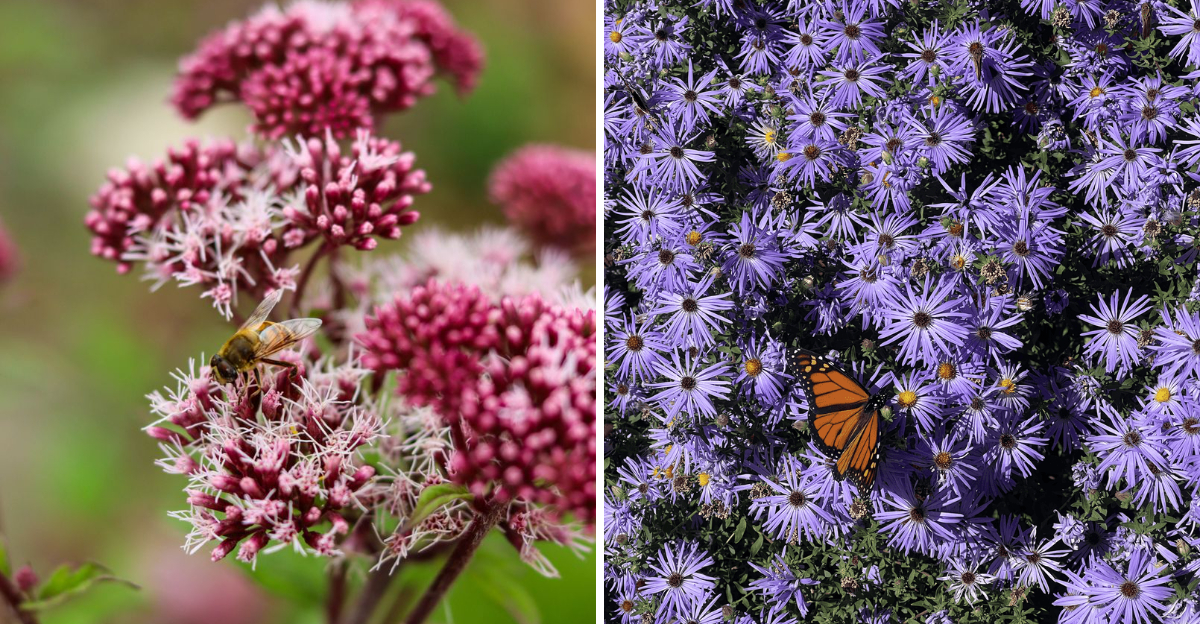
3. New England Aster
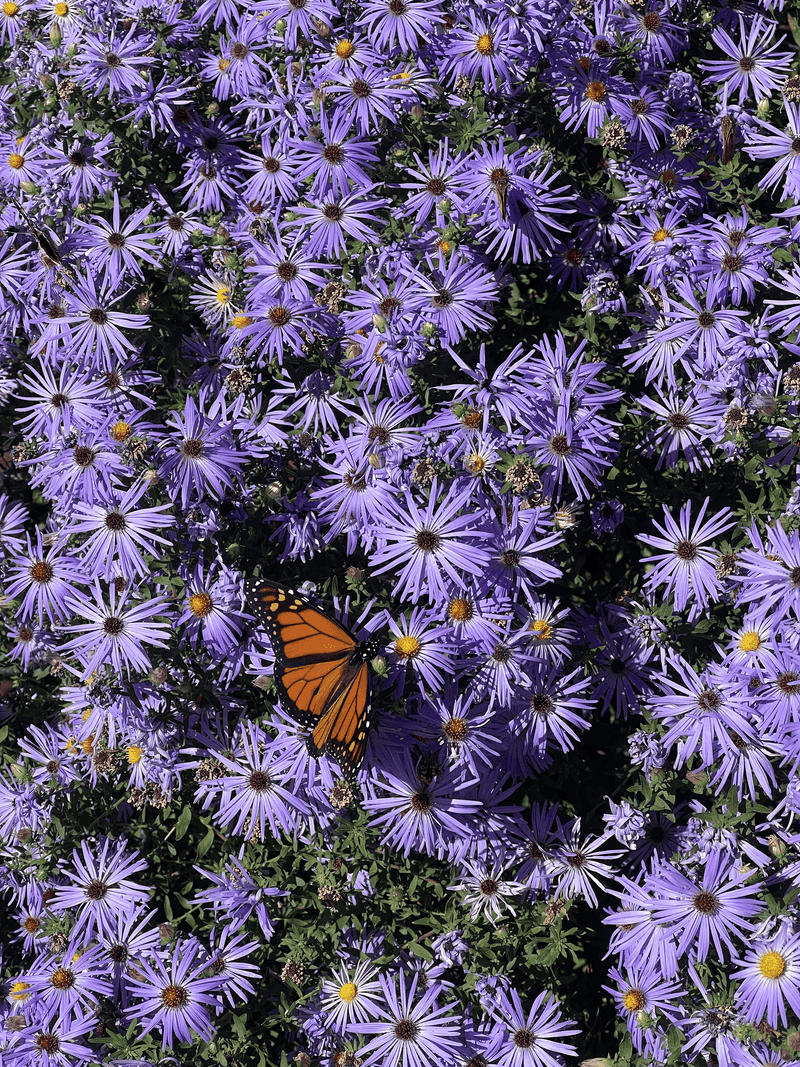
Purple petals and golden centers make this plant one of fall’s true showstoppers. New England Aster bursts into bloom just as most other flowers are fading out, extending the color in your garden well past its expected end date.
Planting it in fall gives the roots time to anchor deep before winter sets in. Come spring, you will notice strong new growth pushing up fast and confidently, already ahead of plants started later in the season.
This native thrives in full sun and handles clay-heavy Blue Ridge soil surprisingly well. It does not ask for much, just decent drainage and a little breathing room between plants to encourage airflow.
Pollinators go wild for New England Aster, no exaggeration needed. Bees and butterflies treat it like a late-season buffet, which makes your whole yard feel alive right before the first frost arrives.
Heights can reach four to six feet, so place it toward the back of a garden bed. Taller stems may need light staking in exposed, breezy corners of the yard, especially during fall storms.
Removing spent blooms keeps the plant tidy and encourages more flowers. However, leaving some seed heads through winter feeds birds when food sources get scarce elsewhere.
New England Aster spreads gradually through self-seeding, so expect friendly volunteers popping up nearby each spring. A little thinning keeps the garden from getting too crowded over time and preserves its shape.
Few native plants offer this much color this late in the growing season. Once you plant one, you will wonder why you waited so long to bring it home.
4. Butterfly Weed
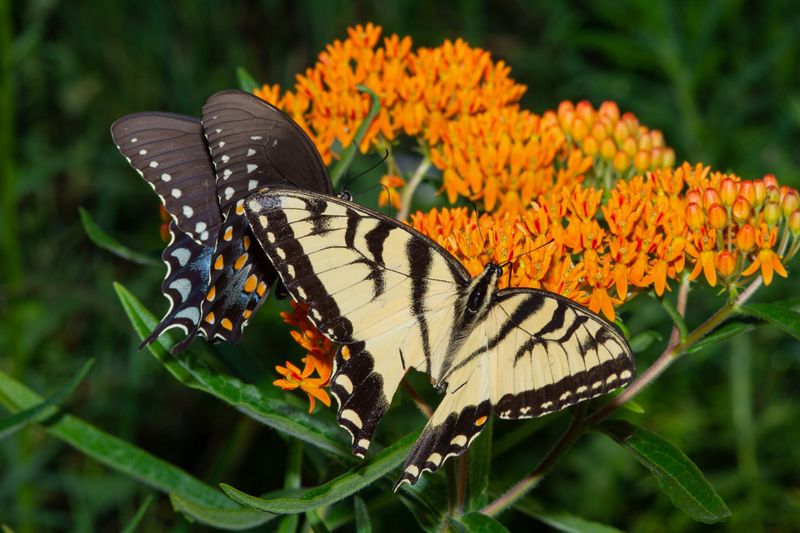
If monarchs could vote, Butterfly Weed would win every election by a landslide. This fiery orange native milkweed is essential for monarch butterfly reproduction and survival, serving as both host plant and nectar source.
Fall is an ideal time to plant Butterfly Weed because it develops a deep taproot that anchors it firmly over winter. That same taproot is why transplanting established plants later on is so notoriously difficult.
Starting from bare-root stock in fall sets you up for much better success than spring planting. The plant channels all its early energy underground, right where it matters most for long-term survival.
Butterfly Weed thrives in poor, well-drained soil and full sun exposure. Rich, amended soil can actually cause it to flop and underperform, so resist the urge to over-fertilize or baby it too much.
Beyond monarchs, this plant attracts a remarkable range of native bees, fritillary butterflies, and hummingbirds. Your yard transforms into a buzzing, fluttering hub of ecological activity all summer long, alive with movement and color.
The seed pods that form after flowering are architecturally stunning on their own. They split open in fall to release silky white seeds that drift on the breeze like tiny parachutes.
Butterfly Weed stays compact, usually reaching just one to two feet tall. That manageable size makes it easy to tuck into borders, rock gardens, or any sunny corner that needs a pop of color.
Watching a monarch caterpillar feast on your Butterfly Weed is one of gardening’s most rewarding moments. Plant it this fall and start building that connection between your yard and the wider natural world.
5. Eastern Red Columbine
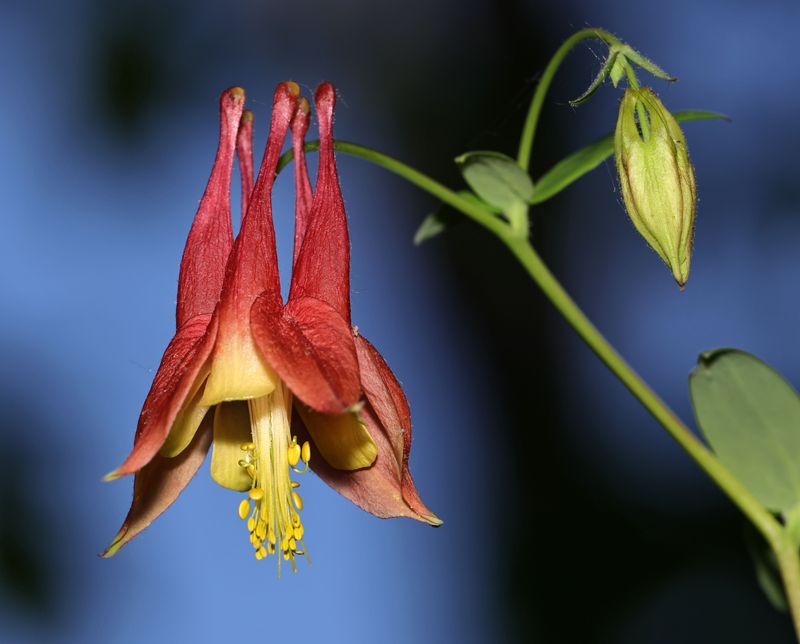
Hummingbirds arrive in spring like they have a map straight to Eastern Red Columbine. Those nodding red and yellow blooms are perfectly shaped for long hummingbird beaks, almost as if the flower was designed with them in mind.
Planting seeds or young plants in fall mimics the natural seeding cycle of this woodland native. Cool temperatures and winter moisture help break dormancy so spring germination is strong, reliable, and right on schedule.
Eastern Red Columbine grows beautifully in partial shade, making it ideal for spots under open tree canopies. It also tolerates rocky, thin soils that many other plants simply refuse to grow in.
The foliage has a soft, blue-green color that looks attractive even when the plant is not in bloom. That extended visual interest makes it a solid contributor to any native garden design year-round.
Self-seeding is one of this plant’s best qualities because it fills gaps naturally without any effort from you. Over time, a small planting grows into a relaxed, cottage-style sweep of color across the bed.
Native bees with long tongues also visit the flowers alongside hummingbirds while the show lasts. That dual attraction makes Eastern Red Columbine an early-season magnet for pollinators of every kind.
Plants stay relatively compact at one to three feet, fitting neatly into layered garden compositions. Pair them with native ferns or wild ginger for a lush, layered woodland aesthetic.
There is something nostalgic about Eastern Red Columbine, like it belongs in a grandmother’s garden. Planting it this fall honors the Blue Ridge Virginia landscape in the most personal way possible.
6. Joe-Pye Weed
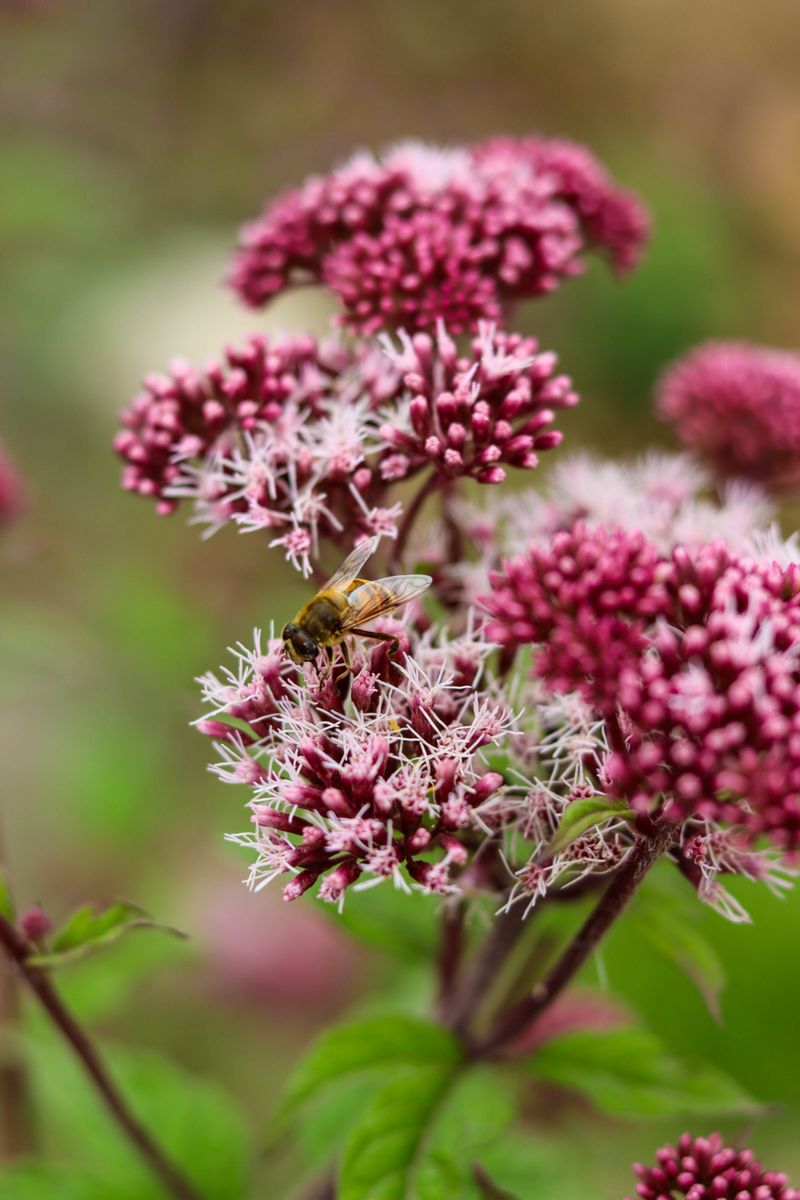
Standing six to eight feet tall, Joe-Pye Weed commands attention in any garden space. Its dusty pink flower clusters bloom late, bridging the gap between summer and fall with effortless, understated drama.
Named after a legendary Native American healer, this plant carries a rich cultural history. Some stories say Joe Pye used it to treat typhus, though modern research on that claim varies and remains largely unconfirmed.
Fall planting lets this giant settle its roots before the ground freezes for winter. Come spring, you will see vigorous regrowth that quickly reclaims its impressive height by midsummer, as if it never slowed down.
Joe-Pye Weed prefers moist soil and thrives near rain gardens, pond edges, or low-lying areas. It handles occasional wet feet far better than most native perennials can manage without struggling.
Pollinators swarm this plant in late summer, especially swallowtail butterflies and native bumblebees. The flat-topped flower clusters offer an easy landing pad that insects visit again and again.
Despite its towering size, the plant has a soft, airy quality that never feels overwhelming in a landscape. Grouping several together creates a bold, naturalistic backdrop that looks both wild and intentional.
Cutting stems back by half in early summer encourages a bushier, shorter plant if height is a concern. This simple trick keeps the blooms at a more manageable level without sacrificing flower production.
Joe-Pye Weed is one of those Blue Ridge Virginia natives that earns its space every single season. Once you plant it, your garden will feel strangely bare without it.
7. Virginia Sweetspire
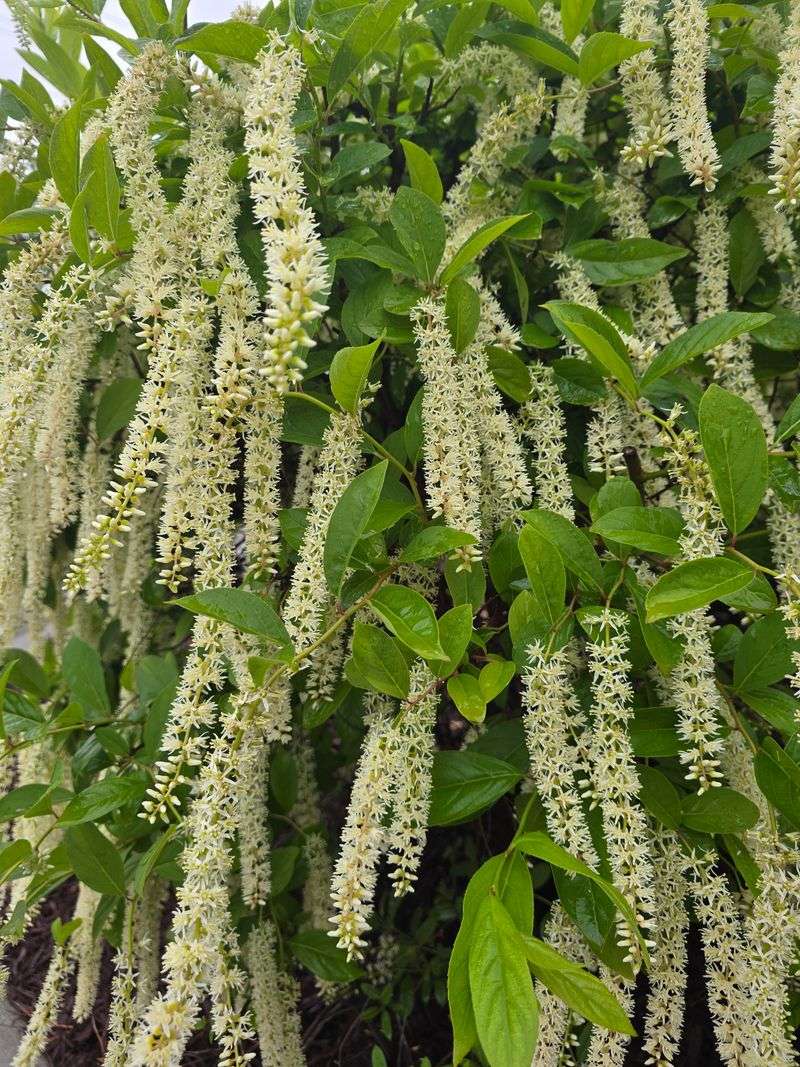
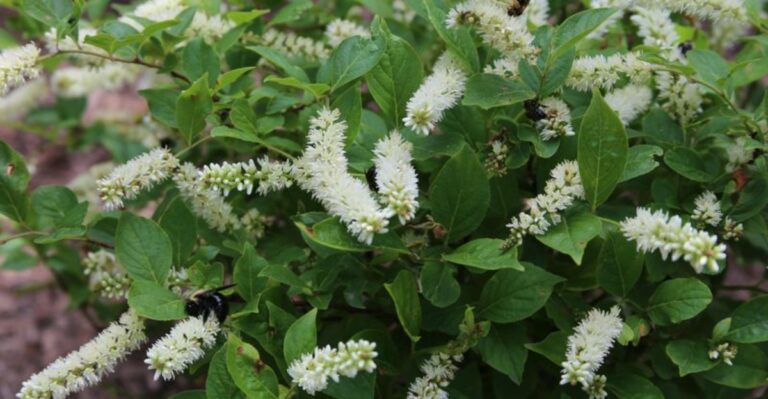
Named right after the state it calls home, Virginia Sweetspire brings fragrant, bottlebrush-shaped blooms to the late spring garden. Those cascading white flower spikes hang gracefully from arching branches, drawing the eye long before fall ever arrives.
Planting this native shrub in fall gives the root system a full season to establish before summer heat arrives. Strong roots mean better drought tolerance and a fuller flush of blooms the following spring.
Virginia Sweetspire adapts to nearly any light condition, from full sun to partial shade, making it one of the most flexible natives on this list. It also tolerates wet, poorly drained soil far better than most flowering shrubs, thriving along stream banks and low-lying areas.
The foliage puts on a genuine show each autumn, turning brilliant shades of red, burgundy, and purple that rival any tree in the yard. That color often lingers for weeks after most other shrubs have gone bare.
Pollinators flock to the fragrant blooms each spring, especially native bees and a variety of butterflies. The scent alone is enough to draw them in from across the yard.
This shrub typically grows three to five feet tall, with a naturally arching, fountain-like form. Left alone, it spreads slowly by suckering, forming a loose colony that works well for erosion control on slopes.
Pruning is rarely necessary, though thinning older stems after flowering keeps the shape tidy. Avoid heavy pruning in fall or winter, since next year’s flower buds are already set by then.
Virginia Sweetspire quietly does everything right: fragrant blooms, fiery fall color, and true Blue Ridge Virginia roots. These native plants deserve a permanent, prominent spot in your landscape this fall.