Plant These 7 Bulbs In July For A Stunning Minnesota Fall Garden
Everyone assumes bulb season ends the moment tulips fade in May. That assumption is costing gardeners a show they don’t even know they’re missing.
July is prime time for planting bulbs that wait patiently underground, then burst gently into color just as summer flowers start giving up.
Minnesota’s crisp autumn air, the kind that turns leaves gold and sends everyone hunting for sweaters, happens to be exactly what these bulbs crave to bloom their best.
While your neighbors are pulling out spent annuals in October, your garden could be doing the opposite: coming alive.
Most people have never planted a bulb in the heat of summer, let alone heard of the varieties that thrive on this schedule.
But Minnesota gardeners willing to break the spring-only rule are the ones getting compliments well into fall. These bulbs deserve a spot in your yard before summer slips away.
1. Showy Autumn Crocus
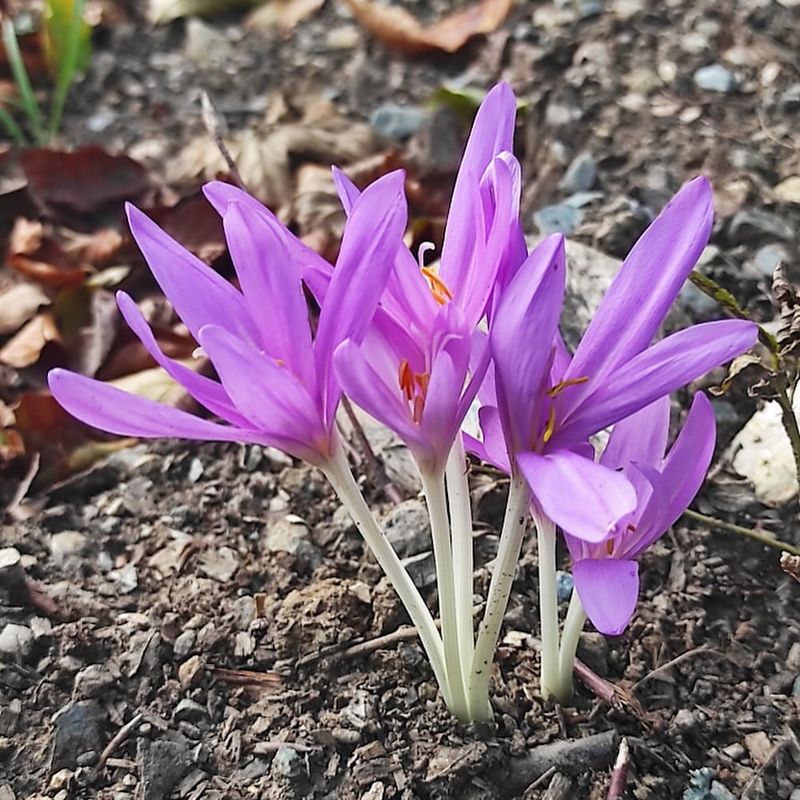
Bigger, bolder, and impossible to ignore. Colchicum speciosum is the showiest member of the autumn crocus family, producing large goblet-shaped blooms in rich shades of rose, purple, and white.
Gardeners who discover it rarely go back to smaller varieties, and it’s easy to see why once those first cups unfurl.
These corms grow larger than most bulbs you have handled before, almost surprising for a first-timer pulling them out of the bag.
Plant them about five inches deep in a spot that gets at least six hours of sun daily. Good drainage keeps them healthy through Minnesota’s freeze-thaw cycles, which can be brutal on less resilient plantings.
The flowers stand four to six inches tall and face upward like tiny cups waiting to catch rain. Each bloom lasts about two weeks, which is impressive for a fall-blooming plant working against shortening days.
A grouping of ten or more corms creates a sweeping patch of color that photographs beautifully, the kind of display neighbors ask about over the fence.
Unlike its smaller cousin, Colchicum speciosum handles light frost without flinching. Blooms often persist well into October in Minnesota, long after most annuals have given up and gone limp.
That extended season makes it worth every penny you spend in July. Spring foliage arrives broad and glossy, almost like a hosta leaf.
It feeds the corm all season before fading back quietly, storing up energy for the next autumn performance.
Plant low-growing ground covers nearby to mask the yellowing leaves and keep your garden looking tidy year-round. This species rewards patient gardeners with a fall Minnesota garden display that genuinely turns heads.
2. Kotschy’s Crocus
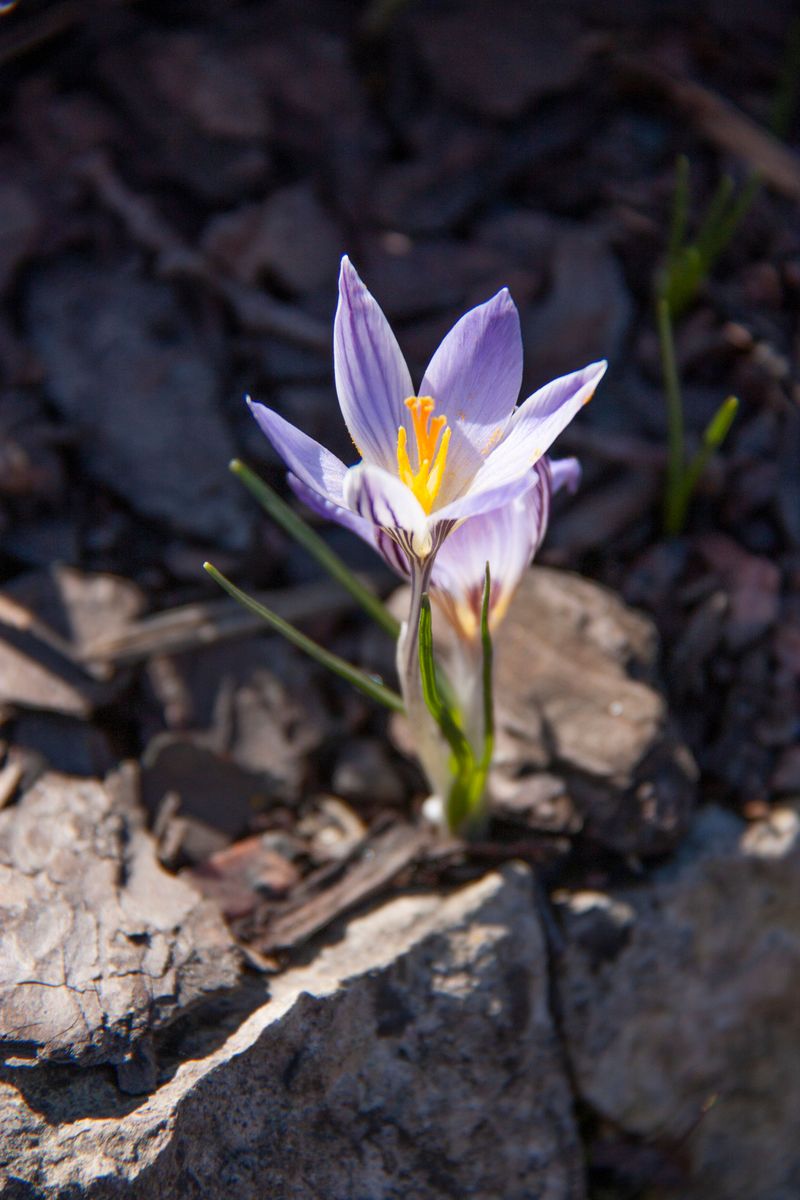
Pale lilac petals with a soft yellow throat make Crocus kotschyanus look like it belongs in a watercolor painting.
This species blooms in early fall, often beating other autumn crocuses to the party by several weeks. Gardeners in Minnesota appreciate that early start since the season feels short and every extra week of color counts.
Named after Theodor Kotschy, a nineteenth-century Austrian botanist and plant explorer, this crocus has a long history of charming gardeners across Europe and North America.
Your Minnesota Garden Changes Every Week. Your Plan Should Too.
Gardening in Minnesota changes quickly throughout the season. Every Friday you’ll receive a simple weekly plan showing exactly what to plant, prune, fertilize, harvest, and protect so you never miss the right timing.
It adapts well to rocky, lean soils where other plants struggle to establish. That toughness translates perfectly to Minnesota’s variable growing conditions, from sandy patches to gravelly slopes.
Plant corms three to four inches deep in a sunny, well-drained location. Sandy or gravelly soil suits this species especially well.
Raised beds and rock gardens are ideal settings where drainage is naturally excellent and roots never sit in standing water.
Each corm sends up multiple flowers over a two-to-three-week period, extending your fall color window considerably.
The blooms open wide on sunny days and close tightly at night, which protects them from frost damage. That smart behavior helps them last longer than you might expect in cooler temperatures.
Crocus kotschyanus spreads reliably each year, forming cheerful drifts along pathways or garden edges. Pair it with low-growing sedums or creeping thyme for a textured, layered look that fills in gaps naturally.
Planting these in July gives the corms exactly the right amount of settling time before autumn arrives in your Minnesota garden.
3. Waterlily Autumn Crocus
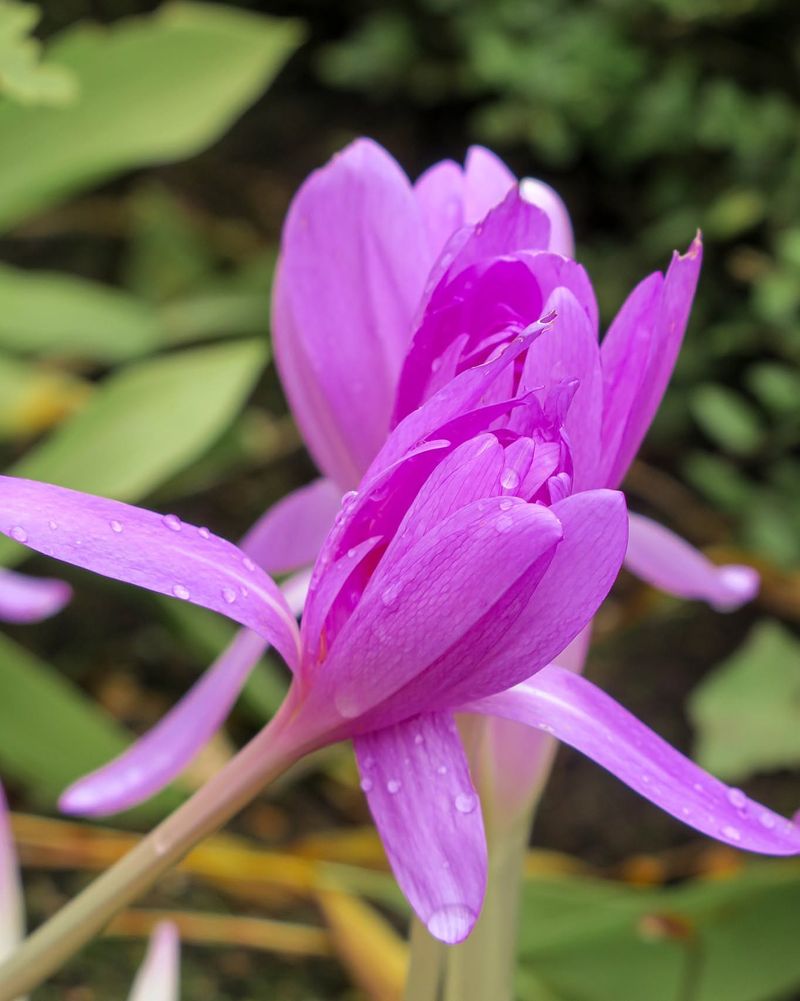
Nobody expects a crocus to look like a waterlily, yet here we are. Colchicum ‘Waterlily’ produces fully double flowers packed with up to twenty petals each, creating a lush, almost peony-like effect in the fall garden.
It is genuinely one of the most striking bulbs you can plant in July, the kind that makes visitors do a double take.
The double blooms sit low to the ground, which actually protects them from autumn wind and keeps them looking pristine longer than taller varieties.
Colors range from soft lilac to deep rosy purple depending on the individual corm, so no two clusters look quite the same.
Plant several together for maximum visual impact in borders or naturalized lawn areas where they can spread out and shine.
Set corms about five inches deep and space them eight inches apart for a lush, full look that fills in nicely by year two.
They thrive in full sun but tolerate partial shade without losing much flower power. Amend heavy clay soil with compost before planting to keep roots happy all season and prevent the rot that ruins so many bulb plantings.
Colchicum ‘Waterlily’ was developed in the Netherlands and has been cultivated and admired since the early twentieth century.
Despite its delicate appearance, it is surprisingly cold-hardy. Minnesota winters do not affect this cultivar much, even after a brutal early freeze.
Because the double flowers are heavier than single-bloom types, they benefit from a light mulch layer for support. Straw or shredded leaves work perfectly and also insulate the corms through winter.
By September, your fall Minnesota garden will feature a bloom that guests will photograph and ask about every single time.
4. Autumn Crocus
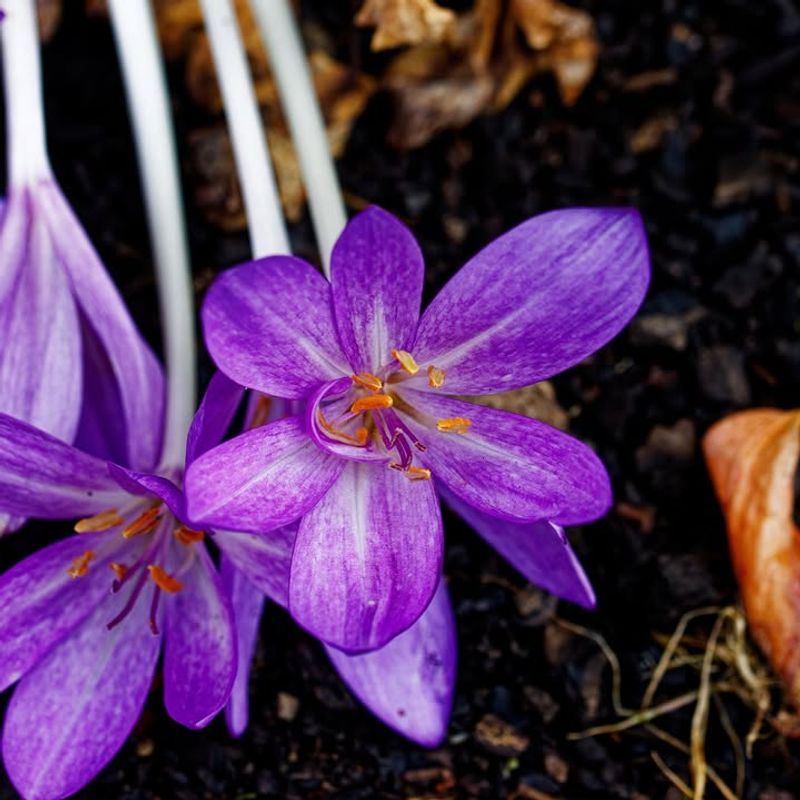
Surprise guests when bare soil suddenly comes alive with soft lilac blooms come September.
Colchicum autumnale does exactly that, producing elegant chalice-shaped flowers without a single leaf in sight.
It earns the nickname “naked crocus” for a good reason, since the ground looks completely empty right up until the moment it isn’t.
Plant these corms about four inches deep and six inches apart in a sunny or lightly shaded spot. Well-drained soil is key since soggy ground causes rot fast.
July planting gives the corm time to settle in before its big autumn debut, letting roots establish quietly while the rest of the garden hums along in summer heat.
Each corm can produce up to four flowers in a single season, which feels like a magic trick given how little effort it demands.
The blooms push up through mulch, fallen leaves, and even light grass without any help from you. That kind of toughness makes this plant a Minnesota gardener’s best friend, especially for anyone tired of coddling fussier perennials.
The leaves emerge in spring, soak up sunlight, then vanish completely by early summer. This cycle means you barely notice the plant during warm months, freeing up visual space for other blooms to take center stage.
Come fall, the flowers arrive like a surprise guest nobody expected, catching even seasoned gardeners off guard.
Colchicum autumnale naturalizes beautifully, meaning it spreads slowly and steadily each year on its own. After a few seasons, you will have generous clusters of blooms carpeting the same patch without any replanting.
One small investment in July pays off for decades of stunning fall color, turning a quiet Minnesota garden bed into something people stop to ask about.
5. Fall Crocus
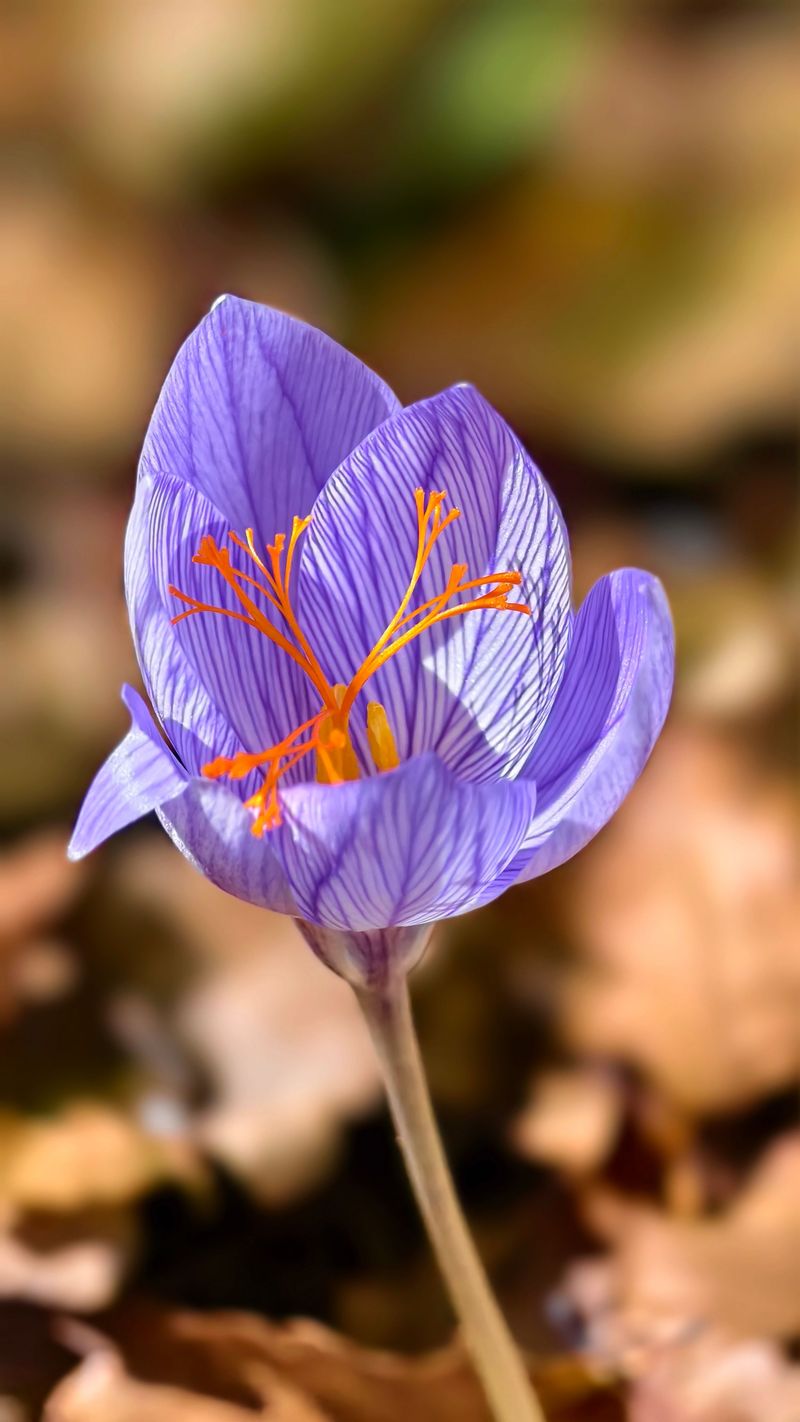
Bright orange stamens flash against violet-blue petals like tiny flames in the October garden. Crocus speciosus is the true fall crocus, blooming weeks after most flowers have called it quits.
It is small in size but enormous in impact, the kind of bloom that rewards anyone who bothers to look closely.
Plant the corms about three inches deep and four inches apart in well-drained soil. Full sun is ideal, but this species handles dappled shade better than most crocus types.
A spot under a deciduous tree works beautifully since the leaves fall right as the blooms appear, creating a striking contrast against bare branches.
Each flower only lasts a few days, but a large planting produces wave after wave of fresh blooms through September and October.
The effect is like a rolling tide of color across your garden floor. Plant at least twenty-five corms for a display that feels intentional and lush rather than scattered and sparse.
Crocus speciosus naturalizes aggressively, spreading by seed and corm offsets each year. After three seasons, one small patch can triple in size without any effort from you.
This self-sufficient quality makes it a favorite among busy Minnesota gardeners who want results without constant maintenance or fussing.
The bright orange stigmas are actually harvested in related species to produce saffron, which adds a fun story to share with curious visitors.
This species itself is purely ornamental, but the connection is still cool enough to spark conversation. Plant these in July for a fall Minnesota garden moment that is both beautiful and surprisingly conversation-worthy.
6. Fall-Blooming Allium
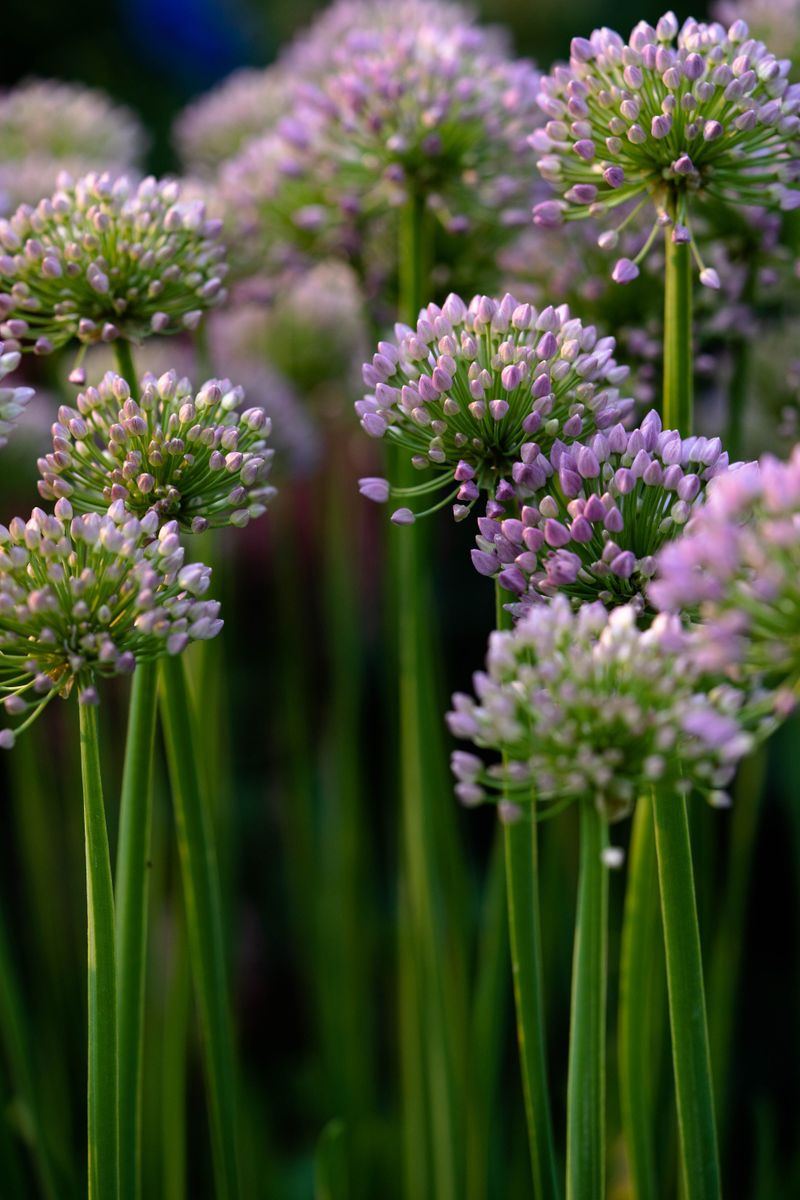
While everyone else plants alliums in spring, you can enjoy rosy-purple globe flowers all through autumn with Allium thunbergii.
This compact, clump-forming species blooms in October when most gardeners have already packed away their trowels.
It is an unconventional choice in the best possible way, thriving on a schedule nobody else bothers with.
Native to Japan and Korea, Allium thunbergii brings an elegant, airy quality to fall garden beds. The flower heads are smaller than spring alliums, sitting atop slender stems about twelve inches tall.
That delicate scale makes it perfect for front borders or container plantings where bulkier plants would feel out of place.
Plant bulbs about three inches deep in July, spacing them four to six inches apart. Full sun produces the most abundant flowering, though partial shade works in a pinch without sacrificing too much color.
Soil that drains quickly is non-negotiable since standing water causes bulb rot fast. The foliage stays green and grass-like through summer, providing soft texture before the blooms arrive.
When October rolls around, clusters of small rosy flowers open above the foliage like tiny fireworks catching the last of the season’s light. Pollinators, especially late-season bees, absolutely love these flowers and show up in numbers.
Allium thunbergii is also generally deer-resistant, which is a helpful bonus for Minnesota gardeners dealing with wildlife pressure.
The mild onion scent deters browsing animals without bothering humans nearby. Plant a generous sweep of these bulbs in July and let them anchor your fall Minnesota garden with dependable, cheerful color through the first frost.
7. Naked Lady Crocus
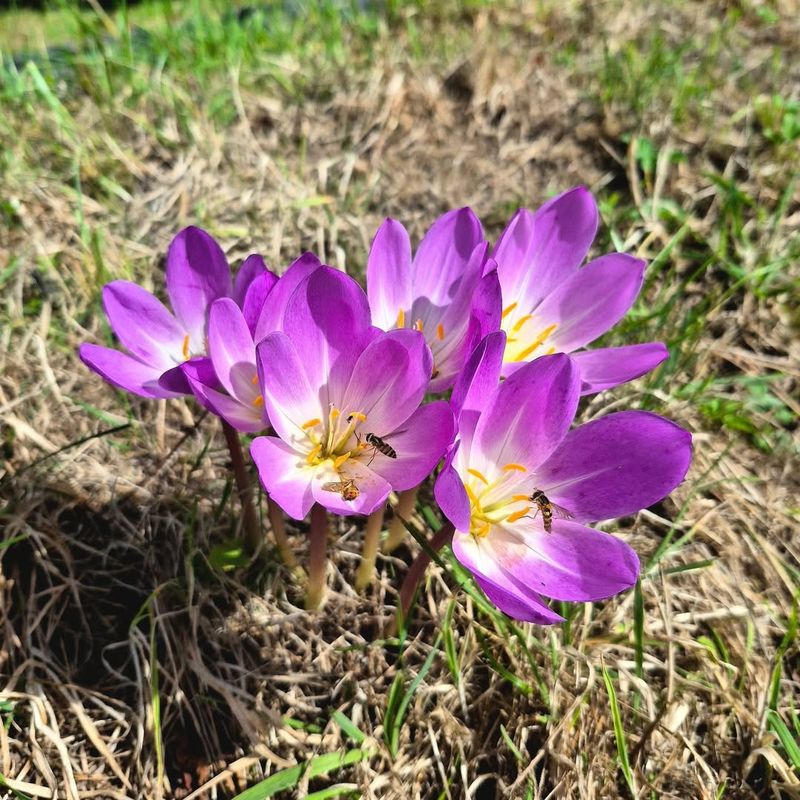
Rich violet blooms rising from completely bare stems give Crocus nudiflorus its unforgettable nickname. The naked lady crocus is one of the most striking fall-blooming species available, producing deep purple flowers with feathered edges that look almost hand-painted.
Few plants earn this many compliments with this little effort involved. Originally from southwestern France and northern Spain, this crocus has been cultivated in gardens for centuries.
It spreads by underground stolons, meaning it slowly colonizes an area over several years rather than staying confined to one spot.
That spreading habit creates naturalistic drifts that look effortlessly beautiful in lawn edges or woodland borders.
Plant corms about four inches deep in late July, choosing a spot with good sun exposure. Light, well-drained soil gives the best results, though this species tolerates clay better than most crocuses.
Mixing in coarse sand at planting time improves drainage considerably in heavier Minnesota soils.
The flowers appear in September and October before any foliage emerges, which creates a dramatic, striking effect against bare earth.
Narrow leaves follow in spring, feeding the corm through early summer before disappearing completely. That leafless flowering habit is what makes this plant so visually striking and memorable to anyone who spots it.
Crocus nudiflorus pairs beautifully with low ornamental grasses or autumn-flowering sedums. The contrast of bare stems against textured foliage amplifies the visual drama even further.
Plant these in July and watch your fall Minnesota garden transform into something that feels wild, intentional, and completely unforgettable.