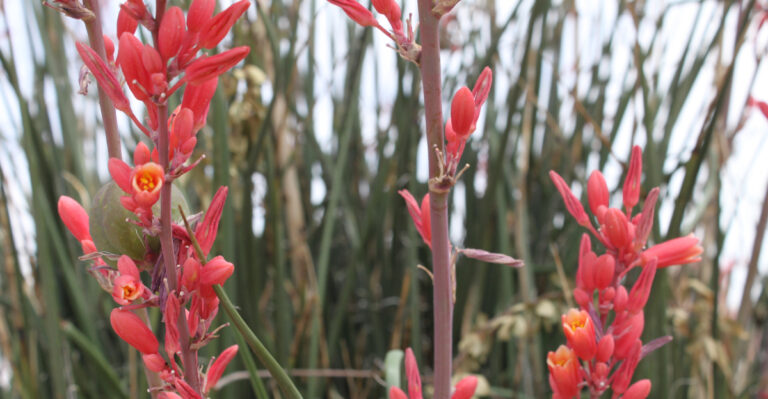
These Arizona Yard Mistakes Make Mosquito Problems Worse During Monsoon Season
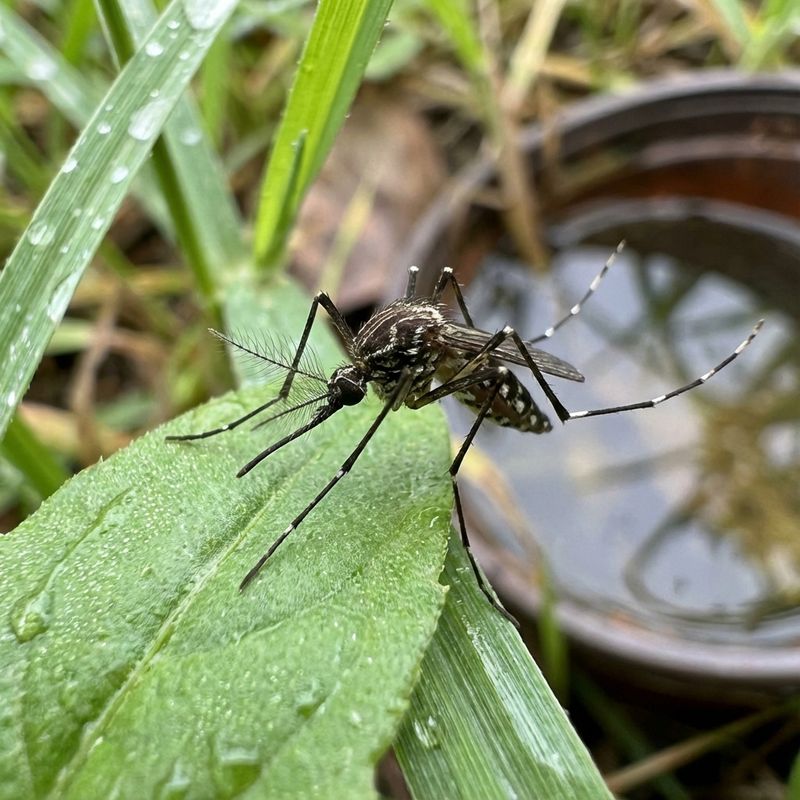
It doesn’t take long for a yard to feel completely different once the monsoon season settles in. The air becomes heavier, everything seems to grow faster, and suddenly mosquitoes start showing up where you barely noticed them before.
Even a space that felt comfortable a week ago can become one you want to leave as soon as the buzzing begins.
Most people assume the extra insects are simply part of the season, but that’s not always the whole story.
Small details around your property can make a much bigger difference than you might expect, often without drawing any attention until the problem gets out of hand.
Arizona homeowners unknowingly create ideal conditions for mosquitoes every year through simple habits that are easy to overlook.
Spotting those mistakes early can make spending time outside far more enjoyable, even while monsoon weather is at its peak.
1. Empty Standing Water After Every Monsoon Storm
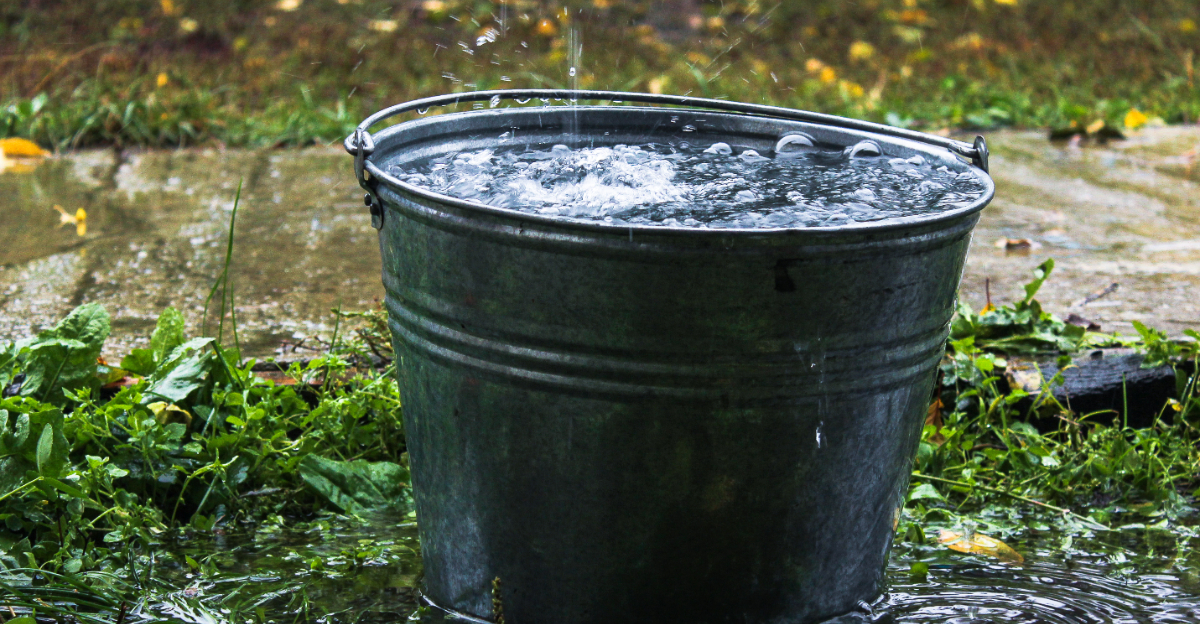
After a monsoon storm rolls through, standing water appears faster than most people expect. Low spots in the yard, plant saucers, overturned lids, and forgotten containers all collect water quickly.
Mosquitoes can lay eggs within 24 to 48 hours after water appears, so waiting a few days to clean up is already too late.
Walk your yard within a few hours after every storm. Look under bushes, behind sheds, and near fences where water tends to hide.
Flat ground that holds puddles is a serious problem spot. Gravel yards common across the desert Southwest can mask shallow water pooling beneath the surface.
Flip over anything that holds water and does not need to. Store unused containers in a garage or shed.
Even a small depression in the soil can hold enough water to become a breeding site. Fill low spots with soil or gravel to encourage drainage after rain.
Mosquito eggs hatch fast in warm weather, and summer temperatures speed up their life cycle even more. Staying consistent about checking after every storm matters more than a single big cleanup.
Make it a habit, not a chore you put off. A quick 10-minute walk around the yard after rain can prevent hundreds of new mosquitoes from ever emerging.
2. Clean Gutters Before Rainwater Starts Collecting
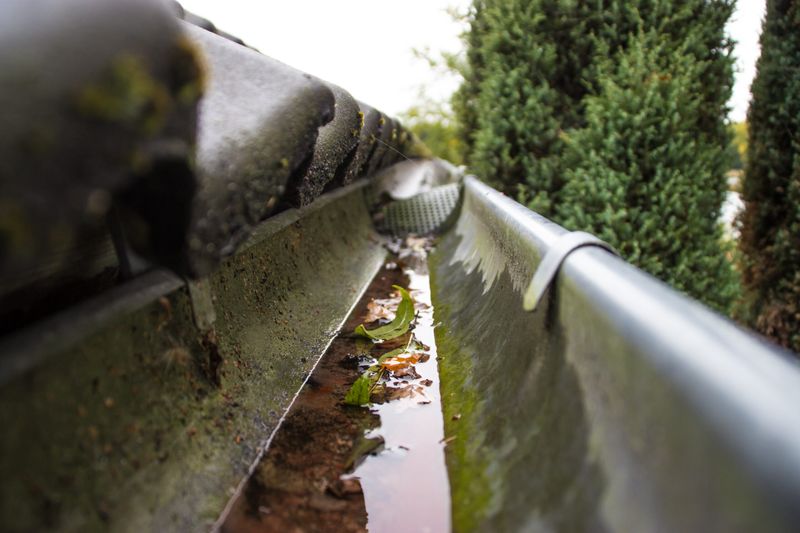
Clogged gutters are one of the sneakiest mosquito breeding spots on any property. Leaves, seed pods from desert trees, and wind-blown debris pack into gutters and hold water long after a storm ends.
Most homeowners never think to look up there, but that standing gutter water is a perfect nursery for mosquito larvae.
Clean gutters at least once before monsoon season begins, usually in late May or early June. After major storms, check them again.
Debris builds up fast, especially near mesquite, palo verde, and other trees common across desert yards.
Water sitting in a clogged gutter can stay there for days or even weeks depending on shade and airflow. That is more than enough time for a full mosquito hatch cycle.
A simple gutter scoop and a garden hose flush can clear them out in under an hour.
Your Arizona Garden Changes Every Week. Your Plan Should Too.
Gardening in Arizona changes quickly throughout the season. Every Friday you’ll receive a simple weekly plan showing exactly what to plant, prune, fertilize, harvest, and protect so you never miss the right timing.
Consider adding gutter guards if debris buildup is a recurring problem on your property. Guards do not eliminate maintenance entirely, but they reduce how often clogs form.
Downspouts also need attention. A blocked downspout backs water up into the gutter and keeps it trapped.
Check that water flows freely from gutter to downspout all the way to the ground. Clear drainage means fewer breeding spots, and fewer breeding spots means fewer mosquitoes buzzing around your yard every evening.
3. Trim Dense Plants Where Mosquitoes Rest During The Day
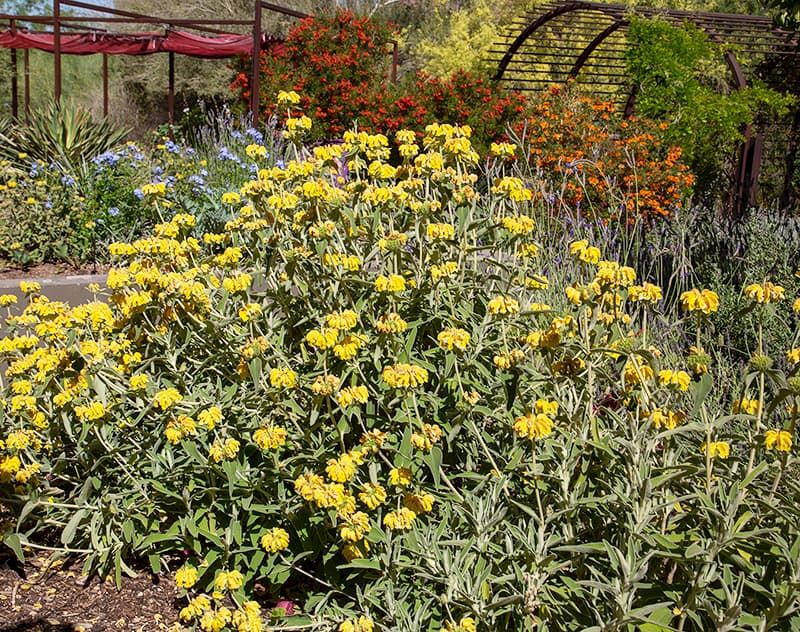
Mosquitoes are not active all day. During peak heat hours, they hide in cool, shaded, damp spots to rest.
Dense shrubs, thick ground cover, and overgrown ornamental grasses give them exactly the shelter they need to survive until evening when they come out to feed.
Trimming back heavy vegetation reduces the number of resting spots available in your yard. Pay close attention to plants growing along walls, fences, and shaded corners.
Those spots stay cool and humid even on the hottest desert afternoons, making them prime resting zones.
You do not need to remove plants entirely. Regular trimming to open up airflow and reduce shade near the ground is enough to make a real difference.
Aim for plants that do not sit directly on the soil with thick canopies blocking air movement underneath.
Ground-level density is the biggest issue. Mosquitoes prefer resting close to the ground where moisture lingers.
Lift the canopy of low shrubs by removing lower branches. Rake out thick leaf litter underneath plants where moisture and shade combine.
A well-maintained yard with good airflow is noticeably less attractive to resting mosquitoes than a yard full of dense, untrimmed vegetation.
Consistent trimming throughout monsoon season, not just once at the start, keeps resting habitat from building back up between storms and warm summer nights.
4. Change Birdbath Water At Least Once A Week
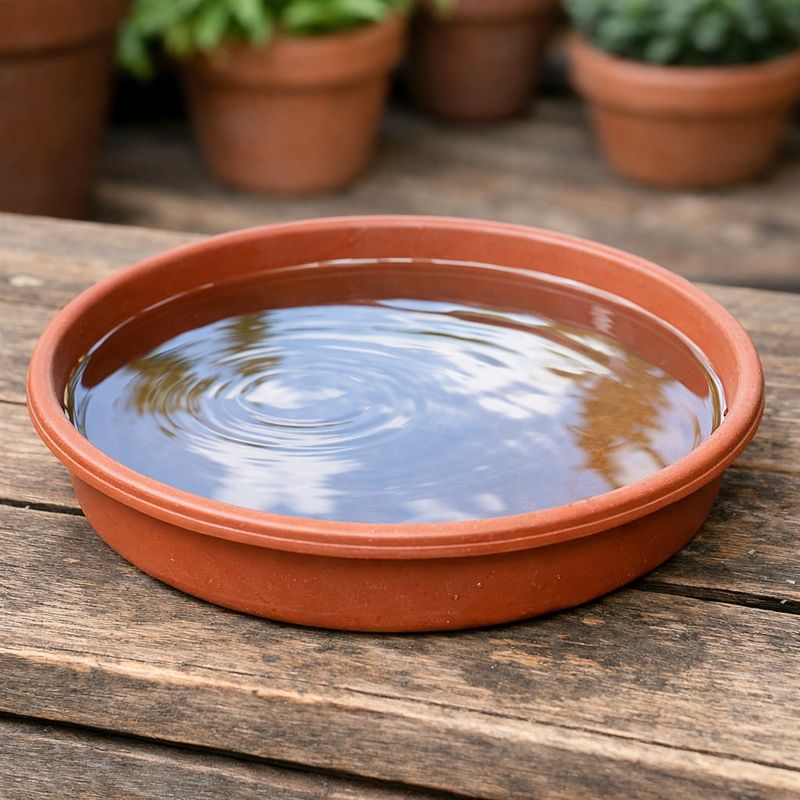
Birdbaths are one of the most overlooked mosquito breeding spots in any yard. Water in a birdbath sits still, warms up quickly in summer heat, and rarely gets changed often enough.
That combination is exactly what mosquito larvae need to develop into adults ready to bite.
Changing birdbath water at least once a week is a minimum. During monsoon season, do it every three to four days.
Scrub the basin with a stiff brush when you refill it. Algae and organic buildup on the basin walls give larvae something to feed on and hide against.
If you want to keep birds visiting without worrying as much about mosquitoes, consider adding a small solar-powered fountain or agitator to the birdbath. Moving water is much harder for mosquitoes to breed in.
Stagnant water is the real problem, not the birdbath itself.
Mosquito dunks are another option. These small tablets release a naturally occurring bacteria that targets mosquito larvae without harming birds, pets, or other wildlife.
Drop one into the birdbath and replace it monthly. They are inexpensive and widely available at hardware stores.
Combining regular water changes with either a fountain or a dunk gives you strong protection. A birdbath can stay a welcoming spot for local birds without becoming a source of the mosquito problem you are trying to reduce.
5. Keep Buckets, Pots, And Tarps Free Of Rainwater
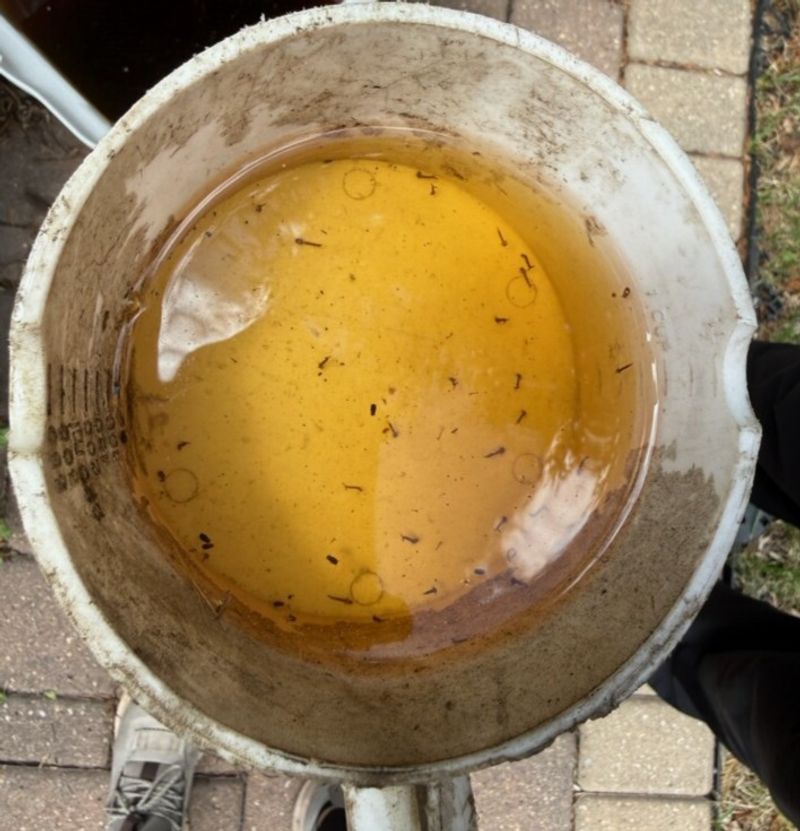
Buckets, pots, and tarps are some of the worst offenders when it comes to holding water in a yard. Most people set them down and forget about them, but after a monsoon storm, every one of them becomes a potential mosquito breeding container.
Even a small amount of water is enough.
Empty any bucket or container that is not being actively used. Store them upside down or inside a shed or garage.
Pots without drainage holes are especially problematic. Water collects in the bottom and sits there for days with no way out.
Tarps are a major issue in yards across the Southwest. People use them to cover firewood, equipment, patio furniture, and outdoor tools.
When a tarp sags in the middle, rainwater pools there instantly. Check tarps after every storm and shake off or drain any collected water.
Pot saucers deserve special attention. Many gardeners use saucers under outdoor containers to catch irrigation water, but during monsoon rains those saucers overflow and stay full.
Dump saucer water regularly. If a saucer is not needed for plant health, remove it entirely during rainy months.
Getting into the habit of scanning the yard for any container that could hold water takes only a few minutes.
Making that scan a regular part of your routine after rain events cuts down breeding opportunities significantly and keeps mosquito populations from exploding in your outdoor space.
6. Fix Leaky Faucets And Irrigation Leaks Quickly
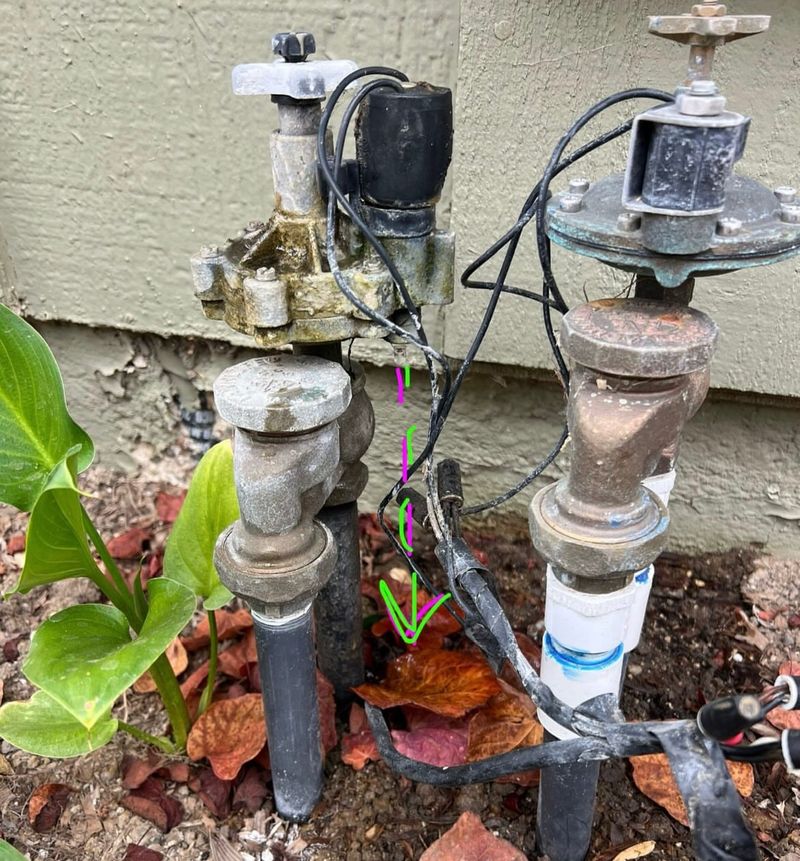
Slow drips and irrigation leaks create moisture problems that never fully dry out, even between rainstorms. A leaky outdoor faucet dripping just once per second produces a surprising amount of standing water over 24 hours.
Mosquitoes do not need a puddle. Wet soil and a small pool near a drip point are enough.
Irrigation systems are common across desert yards, and leaks in drip lines or emitter connections often go unnoticed for weeks.
Look for soggy patches in the soil, unexplained wet spots near plant beds, or areas where moss or algae are growing where they should not be.
Fix leaks as soon as you spot them. Drip line repairs are usually simple and inexpensive.
Replacing a worn washer on an outdoor faucet takes only a few minutes. Putting off small repairs lets moisture accumulate day after day, creating a consistently wet area that mosquitoes will use regardless of whether it rains.
Walk your irrigation zones at least once a month during active watering season. Look at every emitter connection and check hose bibs for drips.
Wet mulch that stays damp for days after watering is also worth monitoring. Reducing unnecessary moisture sources around the yard removes one more reason for mosquitoes to set up near your home.
Dry conditions between rain events work in your favor, and fixing leaks helps you keep as much of the yard dry as possible.
7. Clear Clogged Drains So Water Does Not Pool
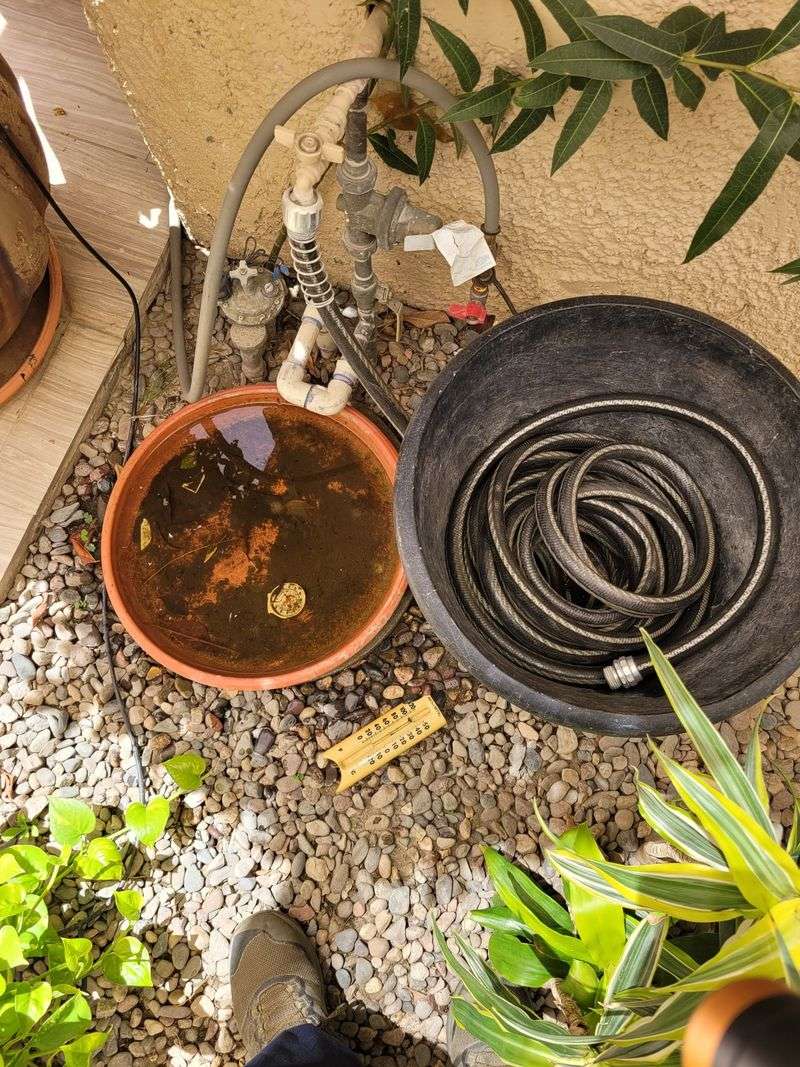
Clogged yard drains are a fast track to serious mosquito problems after monsoon storms. When drains get blocked by leaves, dirt, gravel, or root debris, water backs up and sits on the surface for days.
Warm, shallow water in a shaded drain area is exactly where mosquito eggs get deposited.
Check every drain on your property before monsoon season gets going. Patio drains, area drains in the yard, and downspout outlets near the foundation all need to be clear.
A quick flush with a garden hose tells you immediately if water is moving through or backing up.
Drains near block walls and paved areas are especially prone to clogging in desert yards. Wind blows debris against walls, and it settles right over drain openings.
After a storm, check these spots first. If water is still standing 12 hours after rain stops, there is likely a drainage issue to address.
Clean drain covers and grates with a stiff brush to remove buildup. Pull out packed debris by hand when needed.
For drains with persistent clogging problems, a plumber or landscaper can assess whether the drain line itself needs flushing or repair.
Keeping drains clear is not glamorous yard work, but it has a direct impact on how quickly water disappears after rain. Fast drainage means fewer standing water spots and far fewer opportunities for mosquitoes to breed right outside your back door.