White Coating On Black-Eyed Susans Is A Common June Problem In Minnesota

Your Black-Eyed Susans looked fine last week. Now they are covered in something white and powdery, and it is spreading. It is not dirt, and it is not leftover rain residue.
That chalky coating has a name: powdery mildew. It moves fast once it settles in, and Minnesota Junes hand it everything it needs. Warm days, cool nights, and just enough humidity to get things going.
Your plants can look perfectly healthy one week and half-covered the next. Most gardeners do not notice until the damage is already spreading. But catching it early makes all the difference.
Powdery mildew is treatable, your Black-Eyed Susans are tougher than they look, and with a few targeted steps, your garden can absolutely bounce back.
Powdery Mildew Is The Culprit Behind That White Coating
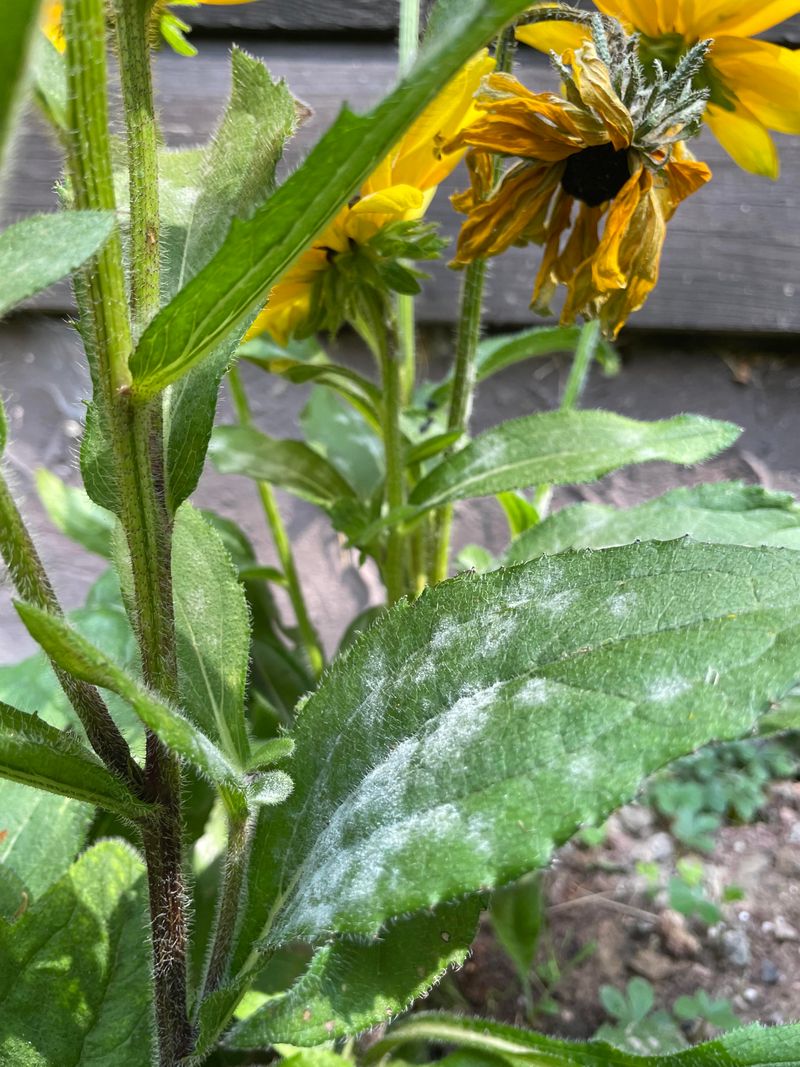
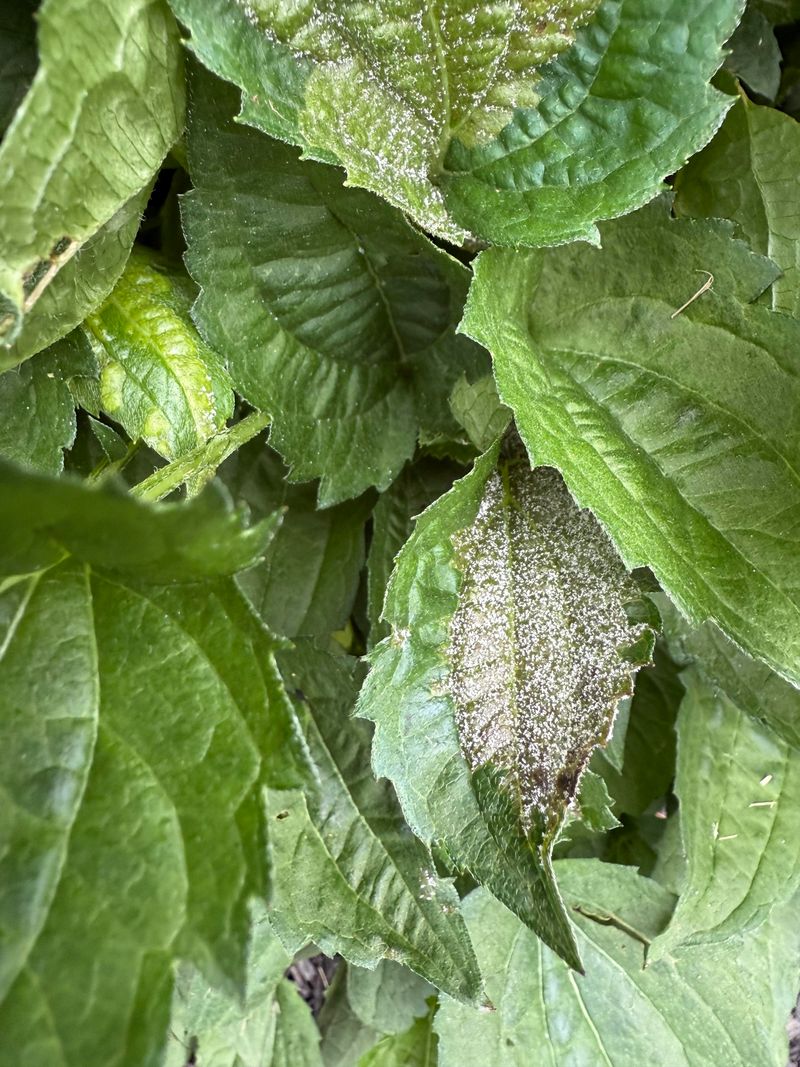
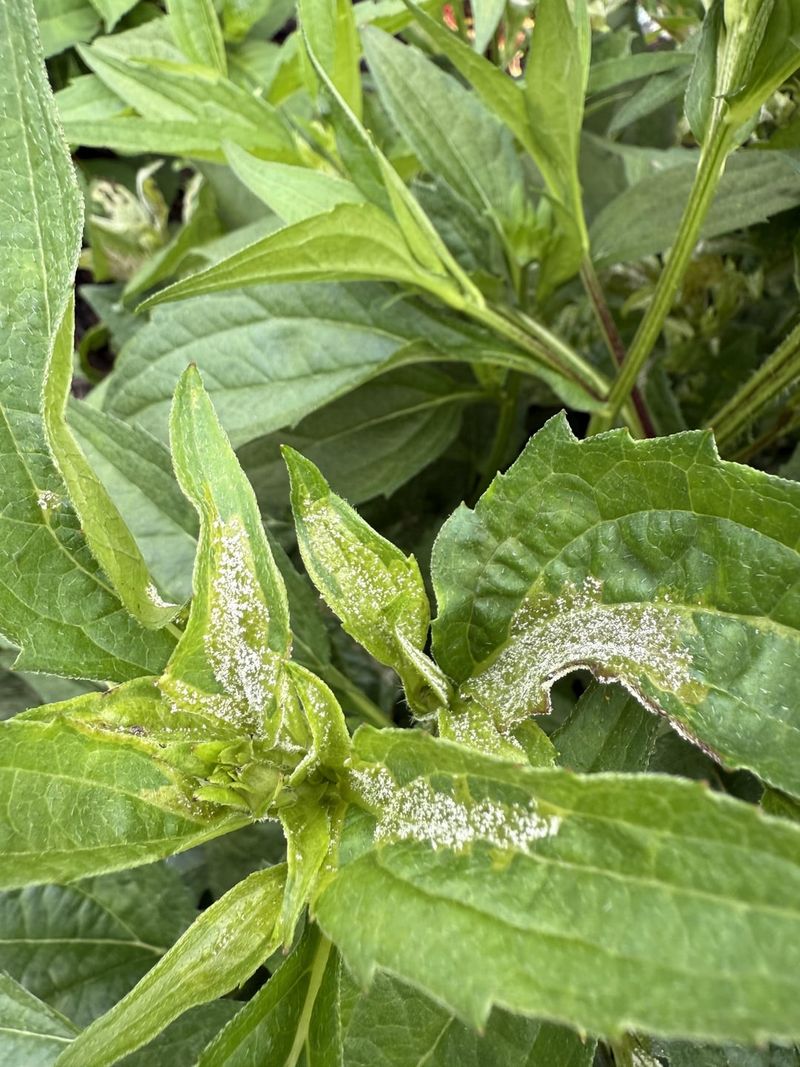
That flour-like dust on your flowers is not decorative. Powdery mildew is a fungal disease that coats plant leaves in a white, chalky film.
The fungus spreads through tiny airborne spores you cannot see. Those spores land on leaves and start colonizing fast when conditions are right.
Unlike most fungi, powdery mildew does not need wet leaves to spread. It actually thrives in warm days paired with cool nights, which is classic early-summer weather in the upper Midwest.
The white coating on Black-Eyed Susans is a common June problem in Minnesota because of exactly those temperature swings. Humid air without rain is the fungus’s favorite playground.
Powdery mildew belongs to a group called Erysiphales, a family of obligate parasites. That means it needs a living plant host to survive and reproduce.
It pulls nutrients directly from leaf cells, weakening the plant over time. Leaves may yellow, curl, or drop early if the infection spreads unchecked.
The white patches often start on lower leaves first. From there, the fungus creeps upward toward new growth.
Spotting it early gives you the best shot at controlling it. Once the whole plant is coated, recovery takes longer and requires more effort.
The frustrating part is that powdery mildew looks alarming but rarely wipes out a mature plant outright. Still, repeated infections season after season do add up to real damage.
Knowing exactly what you are dealing with is the first step toward fixing it confidently.
Why June Is Prime Time For Powdery Mildew In Minnesota

June in Minnesota feels amazing to gardeners, but the weather is basically a welcome mat for fungal problems. Days warm up fast, nights stay cool, and humidity hangs in the air without much rain to wash things clean.
That combination creates the perfect launchpad for powdery mildew spores. They float in on the breeze and settle onto your Black-Eyed Susans before you even notice.
Temperatures between 60 and 80 degrees Fahrenheit are the sweet spot for this fungus. June in the Twin Cities and across greater Minnesota hits that range almost daily.
Low soil moisture actually stresses plants, making them easier targets. A slightly drought-stressed Black-Eyed Susan has thinner natural defenses against fungal attack.
Spring plantings are especially vulnerable because new growth is soft and tender. Mature foliage has tougher cell walls, but young leaves absorb spores more easily.
Your Minnesota Garden Changes Every Week. Your Plan Should Too.
Gardening in Minnesota changes quickly throughout the season. Every Friday you’ll receive a simple weekly plan showing exactly what to plant, prune, fertilize, harvest, and protect so you never miss the right timing.
Gardens with poor air circulation hold onto that moist, stagnant air the fungus loves. Crowded beds give spores exactly the conditions they need to settle and spread fast.
Afternoon shade can also extend the problem by keeping leaves cooler longer. Plants in full sun dry off faster, giving spores less time to take hold.
Rainfall patterns in June also matter a lot. A dry June with no leaf-washing rain keeps spore loads high across the whole garden.
Understanding the seasonal timing helps you prepare before symptoms show up. Getting ahead of the problem in late May saves a lot of frustration in mid-June.
The Black-Eyed Susan Types That Powdery Mildew Targets First
Not every Black-Eyed Susan in your yard will suffer equally. Some plants are far more exposed than others, and knowing which ones helps you protect the right spots first.
Plants in shaded or partially shaded areas tend to get hit hardest. Less sun means slower drying, and slower drying means spores have more time to germinate on leaf surfaces.
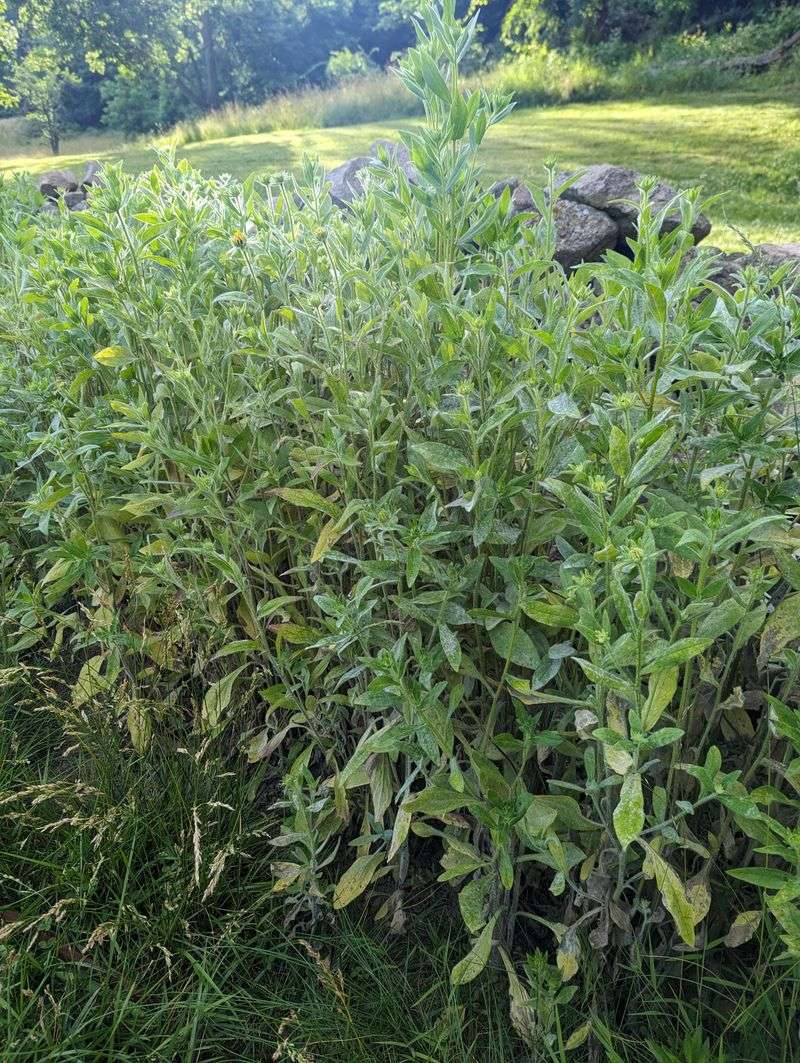
Crowded clumps where leaves overlap are the highest-risk zones in any garden. Air cannot move through dense foliage, so humidity builds up right where the fungus wants it.
Older, established clumps that have not been divided in several years are also prime targets. The center of a big clump gets almost no airflow, creating a humid microclimate all its own.
Container-grown Black-Eyed Susans near walls or fences face similar airflow problems. Walls trap heat and block breezes, creating a stagnant pocket of air around the plant.
Plants that were stressed by late frost damage in May are more susceptible too. Frost injury weakens cell walls, and weakened tissue is easier for spores to penetrate.
Rudbeckia hirta, the classic annual or short-lived perennial form, tends to be more sensitive than some native species. Rudbeckia fulgida is slightly more resistant but not immune.
Younger transplants set out in May have not yet hardened off fully by June. Their soft new growth is exactly what airborne spores are searching for.
Targeting your care toward these higher-risk plants first makes your whole approach more efficient. A little focused attention early saves a lot of widespread damage later.
Signs The Problem Is Getting Worse

Catching powdery mildew early is easy once you know the warning signs. The tricky part is that the progression from mild to serious can happen surprisingly fast in June heat.
Stage one looks like faint white or gray patches on the upper surface of lower leaves. At this point, the infection is still limited and much easier to manage.
Stage two is when those patches expand and start connecting across the whole leaf. The leaf surface looks uniformly dusty, and you may notice the tissue underneath turning pale yellow.
Leaf curl is a key sign that the fungus is pulling significant nutrients from the plant. Curled or cupped leaves are struggling to photosynthesize normally.
When stems and flower buds start showing white coating, the infection has become severe. Buds coated in mildew often fail to open properly, cutting your bloom display short.
Premature leaf drop is another escalation signal you should not ignore. A plant shedding leaves in June is under serious stress and cannot direct energy toward healthy growth.
Check the undersides of leaves too, not just the tops. Some infections spread from the bottom surface upward, and early signs are easy to miss on a quick glance.
A musty or slightly earthy smell near infected plants can also tip you off. Fungal colonies produce subtle odors that are noticeable up close on a still morning.
Once you see bud damage or stem coating, act immediately. Waiting even a few days at that stage lets the spore load multiply across the whole bed.
Simple Steps To Treat Powdery Mildew On Black-Eyed Susans
Good news: you do not need expensive chemicals to fight powdery mildew effectively. Several simple, affordable treatments work well when applied consistently.
Baking soda spray is a classic home remedy that actually has research support behind it. Mix one tablespoon of baking soda, one teaspoon of dish soap, and one teaspoon of oil in a gallon of water.
Spray the mixture on all leaf surfaces, top and bottom, early in the morning. Morning application gives leaves time to dry before evening, reducing any chance of secondary issues.
Neem oil is another strong option that disrupts the fungal life cycle at multiple stages. Dilute it according to label directions and apply every seven to ten days during active infection.
Potassium bicarbonate products sold at garden centers work even faster than baking soda. They change the surface pH of the leaf, making it hostile to fungal growth.
Pruning off heavily infected leaves and stems removes active spore sources from the bed. Bag those clippings immediately and do not add them to your compost pile.
Thinning crowded clumps improves airflow and drops humidity levels around remaining plants. Even removing a few stems from the center of a dense clump makes a measurable difference.
Water plants at the base, never from overhead. Wet foliage from sprinkler irrigation is an open invitation for spores already floating nearby.
Consistency matters more than any single treatment. Applying your chosen spray every seven to fourteen days through June gives you the best control over white coating on Black-Eyed Susans.
How To Keep It From Coming Back Next Season
Prevention is almost always more effective than treatment with powdery mildew. A few smart habits in fall and early spring can dramatically cut your June headaches.
Cut plants back hard in late fall after the first hard frost. Removing old foliage eliminates overwintering spores that would otherwise relaunch the cycle next spring.
Divide crowded clumps every three to four years to restore healthy spacing. Good spacing is honestly the single most effective long-term prevention strategy available to home gardeners.
Aim for at least twelve to eighteen inches between plants when replanting divided sections. That gap keeps air moving freely and keeps leaf surfaces drier throughout the season.
Choose resistant cultivars when adding new plants to the bed. Rudbeckia fulgida varieties like Goldsturm show better tolerance than many other selections commonly sold at nurseries.
Amend soil with compost each spring to support strong root systems. Healthy, well-fed plants mount a better natural defense against fungal pressure than nutrient-stressed ones do.
Avoid high-nitrogen fertilizers in late spring, which push lush soft growth that spores love. A balanced, slow-release fertilizer supports steady, tougher growth instead.
Apply a preventive neem oil spray in late May before symptoms appear. Getting ahead of the spore cycle is far easier than chasing an active infection across your whole garden.
Keeping a simple garden journal helps you track when white coating on Black-Eyed Susans first appeared each year. That record tells you exactly when to start prevention efforts next season.