What Summer Heat Really Does To Artificial Turf In Arizona
Artificial turf looks almost the same in every season, which is why many homeowners rarely stop to think about what is happening beneath the surface.
It stays green when natural grass struggles, so it is easy to assume summer does not affect it very much.
That assumption often lasts until the hottest weeks of the year arrive and spending time outside feels different than expected.
Heat changes more than the air temperature. It affects the surfaces around your home as well, and some of those changes are far more noticeable than others.
They can influence comfort, everyday use, and even the amount of maintenance your yard needs during the middle of summer.
For homeowners in Arizona, artificial turf faces some of the harshest conditions of the year. Looking beyond its appearance reveals a side of summer that many people never expect until they experience it for themselves.
1. Surface Temperatures Climb Far Above Natural Grass
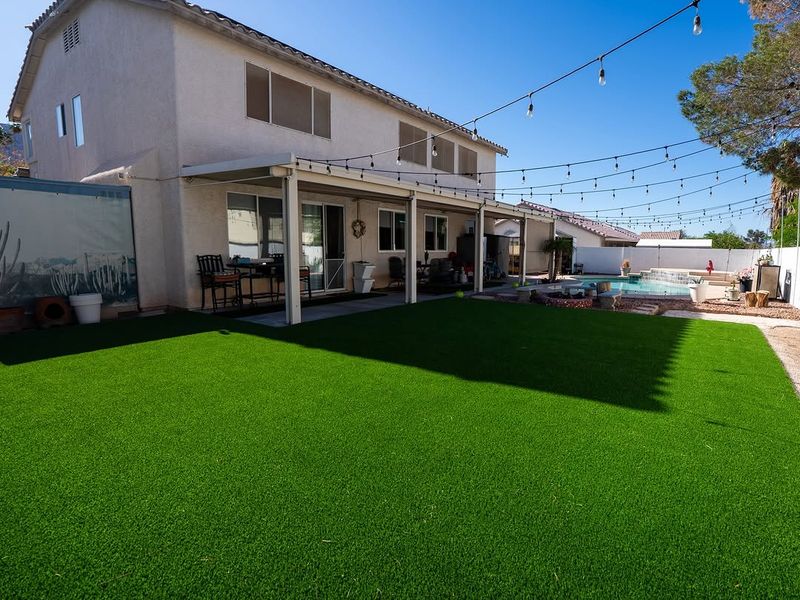
Grab a thermometer and hold it just above artificial turf on a July afternoon. You might be shocked at what it reads.
Surface temperatures on synthetic turf can reach between 150 and 200 degrees Fahrenheit during peak summer hours. Natural grass in the same conditions usually stays 40 to 70 degrees cooler.
Turf blades absorb and trap solar radiation. They have no moisture inside them to release as cooling vapor.
Natural grass pulls moisture up through roots and releases it slowly, which naturally lowers surface temperature.
Crumb rubber infill, commonly used in older turf systems, gets especially hot. It holds heat longer than sand or organic infill materials.
Even after the sun moves, rubber-filled turf stays warm well into evening.
Newer infill options like cork or coated sand run cooler. Some products now include reflective coatings on blade surfaces to reduce heat absorption.
Still, no synthetic turf product currently matches the cooling effect of healthy, irrigated natural grass.
Homeowners in desert climates should factor this in when choosing turf placement. Shaded areas under trees or patio covers stay significantly cooler.
Full sun installations are the ones that reach the most extreme surface temperatures during peak summer heat.
2. Bare Feet And Paws Heat Up Within Seconds
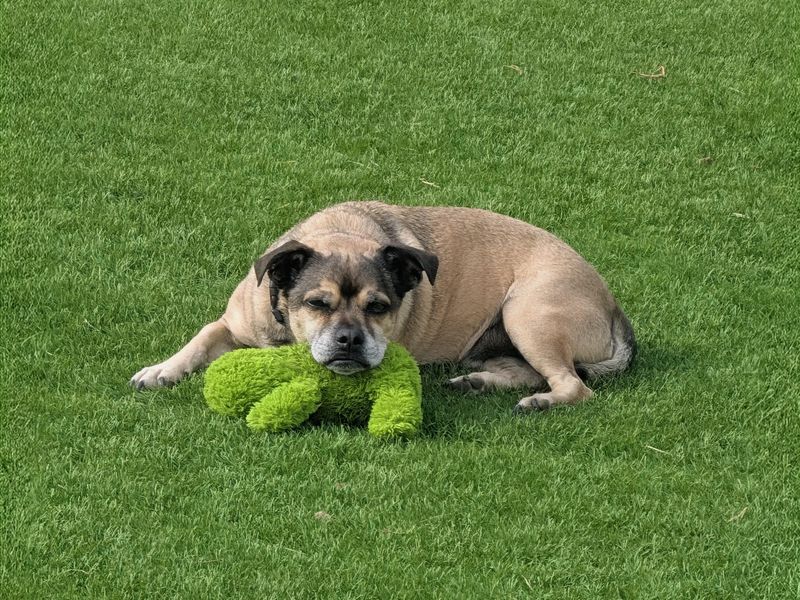
Step onto artificial turf barefoot at 2 p.m. in summer and you will feel it instantly. It is not a slow warmth.
It is sharp, immediate heat.
Synthetic blades conduct heat directly to skin and paw pads. Within a few seconds of contact, the surface can cause real discomfort.
Prolonged exposure risks burns on sensitive skin.
Dogs are especially vulnerable. Paw pads have no shoes for protection.
A dog that walks across hot turf repeatedly may develop cracked, tender pads within days.
Children playing barefoot face similar risks. Young kids do not always recognize when a surface is too hot until discomfort sets in.
Parents in the Phoenix area and surrounding desert communities need to be especially cautious during July and August.
A simple test: press the back of your hand firmly to the turf surface. If you cannot hold it there comfortably for five seconds, it is too hot for bare feet or paws.
Your Arizona Garden Changes Every Week. Your Plan Should Too.
Gardening in Arizona changes quickly throughout the season. Every Friday you’ll receive a simple weekly plan showing exactly what to plant, prune, fertilize, harvest, and protect so you never miss the right timing.
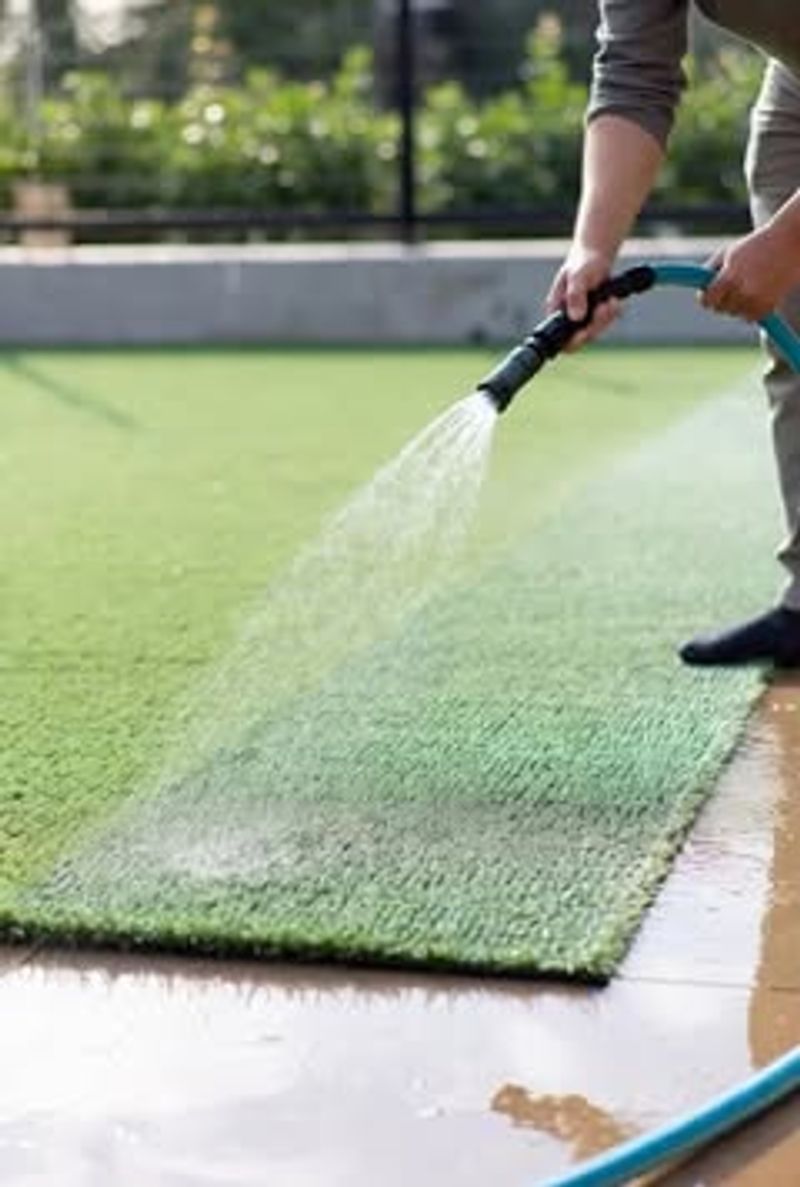
Watering the turf briefly before outdoor use can drop the surface temperature by 30 to 50 degrees temporarily. It is not a permanent fix, but it does make the surface safer for short periods of use.
3. Direct Sun Speeds Up Wear And Fading
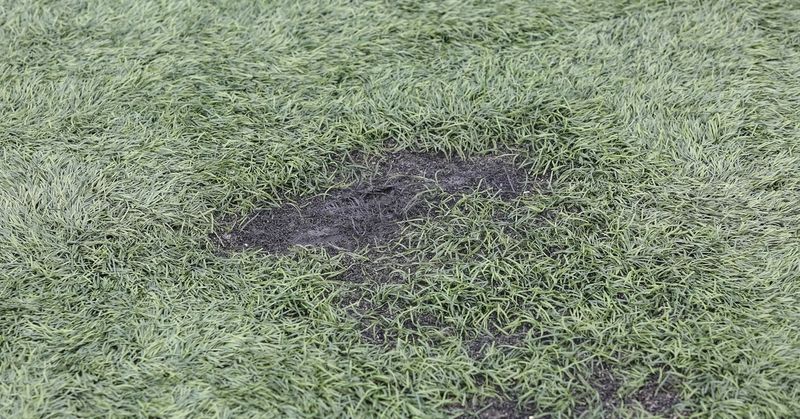
UV radiation is relentless in desert climates. Over time, it breaks down synthetic turf fibers at a molecular level.
Most turf products are treated with UV stabilizers during manufacturing. Those stabilizers slow the fading process, but they do not stop it completely.
After several years of intense direct sun, blade color shifts noticeably from vibrant green toward a dull olive or yellowish tone.
Blade tips wear down faster than the base. Constant heat softens the polymer structure slightly, making fibers more brittle over time.
Foot traffic on heat-softened blades causes them to flatten and mat down rather than spring back upright.
Quality matters a great deal here. Budget turf products often use lower-grade polyethylene or polypropylene blends.
Premium turf uses more durable materials with better UV resistance ratings. The difference in longevity can be several years.
Shading plays a major role in turf lifespan. Turf installed under a shade sail or covered patio lasts significantly longer than turf in full sun.
Even partial shading for a few hours each day reduces cumulative UV damage over a season.
Routine brushing keeps blades upright and reduces matting. Rinsing the surface periodically also removes dust and debris that can trap additional heat against the fibers.
Small maintenance habits extend the usable life of synthetic turf noticeably.
4. High Heat Makes Summer Use Less Comfortable
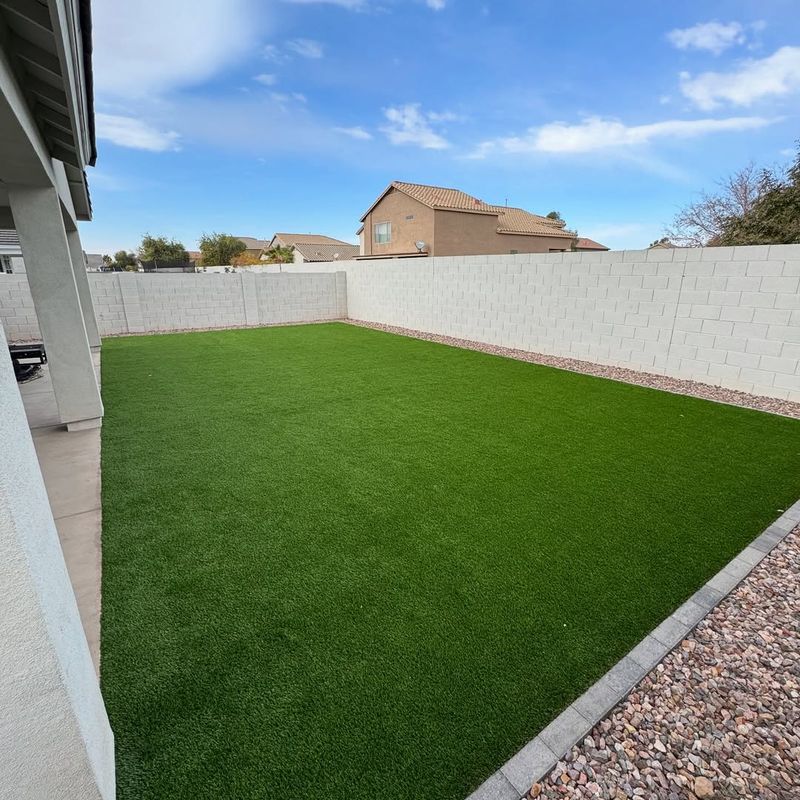
A backyard should feel like a retreat. During Arizona summers, hot turf can make it feel more like a furnace.
Radiant heat rising from synthetic surfaces creates an uncomfortable outdoor environment. Even when air temperatures drop slightly in the late afternoon, turf that has been baking all day continues releasing stored heat.
Sitting near it or on it feels stifling.
Outdoor furniture placed directly on hot turf heats up quickly. Metal chair legs can get uncomfortably warm.
Plastic furniture may warp slightly when exposed to combined air and surface heat over extended periods.
Outdoor dining and casual lounging become difficult when the ground beneath you is radiating 150-plus degrees. Natural grass areas nearby feel noticeably more comfortable because they release moisture rather than heat.
Pool areas with surrounding synthetic turf can be particularly uncomfortable. The hot turf surface makes that short barefoot walk from the house to the pool genuinely unpleasant.
Many homeowners end up placing stepping stones or pavers across turf areas for this exact reason.
Some families with synthetic turf in their yards admit they use the space far less during peak summer months. The investment in turf was made for year-round convenience, but summer heat limits practical usability.
5. Cooling It Down Often Takes Extra Water
One of the selling points of synthetic turf is water savings. That benefit gets complicated in extreme summer heat.
Homeowners who want to use their turf during summer often end up hosing it down first. A good soaking can drop surface temperatures by 30 to 50 degrees.
That cooling effect is real but short-lived, lasting roughly 30 to 60 minutes depending on air temperature and sun exposure.
Repeated watering sessions add up. Some turf owners in desert climates report running sprinklers over their synthetic lawn daily during summer.
The water use is still generally lower than maintaining natural grass, but it is not the near-zero water situation many people expect.
Misting systems installed around the turf perimeter offer a more hands-off solution. They run on timers and keep the surrounding air cooler.
Misting does not directly cool the turf surface as effectively as direct watering, but it improves the overall comfort of the outdoor space.
Drainage matters too. Turf that drains poorly can hold moisture underneath, which contributes to odor issues when combined with heat.
Well-designed drainage systems let water pass through quickly without pooling.
The takeaway is straightforward: synthetic turf in hot, sunny climates is not a completely water-free solution.
6. Natural Grass Stays Cooler In Summer
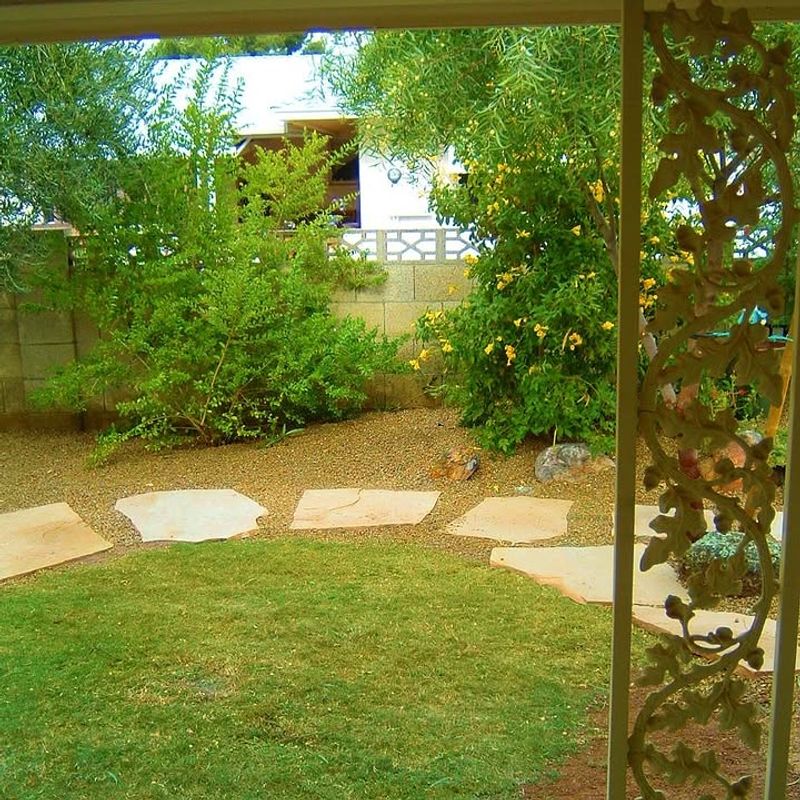
Natural grass has a built-in cooling system. Synthetic turf simply does not.
Through a process called evapotranspiration, grass releases moisture from its blades and soil. That moisture evaporation actively cools the surface.
On a hot day, a well-watered natural lawn can stay 40 to 70 degrees cooler than artificial turf sitting in the same sunlight.
Soil underneath natural grass also insulates. It holds a stable temperature more effectively than the compacted base material under synthetic turf.
That thermal mass helps moderate surface temperatures throughout the day.
Grass roots pull water up continuously. Blades release it slowly.
It is a quiet, constant process that makes natural grass remarkably effective at staying cool even in intense heat.
The trade-off is obvious. Natural grass in desert climates demands significant water to survive summer.
Without consistent irrigation, it dries out and goes dormant. Maintaining a lush natural lawn through July and August in a desert region requires real commitment and real water bills.
Still, from a pure surface temperature standpoint, natural grass wins clearly.
Families who want a cooler outdoor surface during summer months and are willing to manage the water requirements may find natural grass a more comfortable option than synthetic turf.
7. Desert Ground Covers Stay Cooler Than Artificial Turf
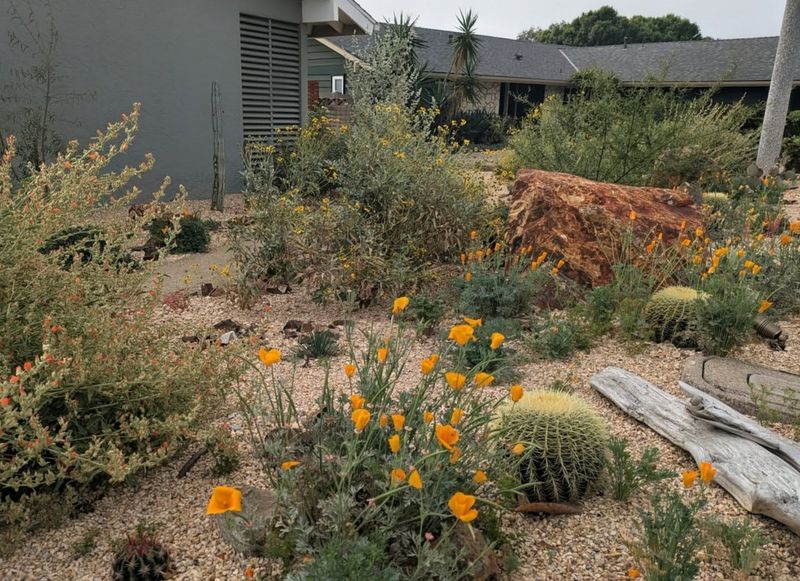
Not every yard needs grass at all. Desert-adapted ground covers offer a surprisingly comfortable alternative to synthetic turf in extreme heat.
Decomposed granite, a common landscaping choice in desert regions, absorbs less heat than synthetic turf. Light-colored gravel reflects sunlight rather than trapping it.
Surface temperatures on pale decomposed granite typically run lower than dark-colored synthetic turf under the same sun exposure.
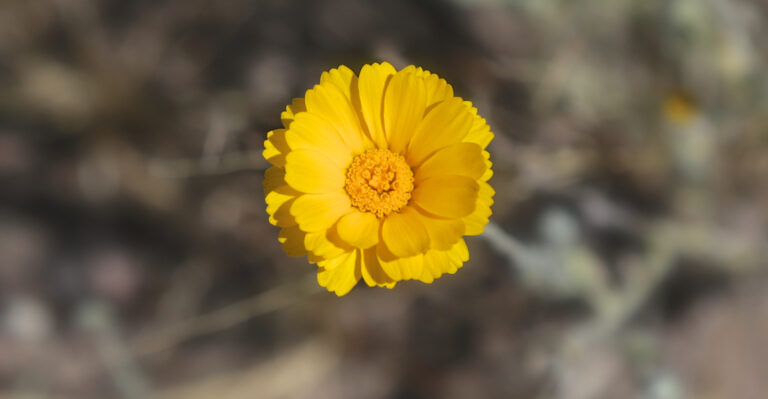
Native ground cover plants like desert marigold, trailing rosemary, and lantana spread low across the ground and provide some evaporative cooling. They require far less water than natural grass.
Once established, many desert natives survive on minimal irrigation.
Shade trees planted strategically over gravel or ground cover areas create comfortable outdoor zones. Under a mature palo verde or mesquite, ground temperatures stay manageable even on the hottest afternoons.
Mulch is another option. Organic mulch breaks down slowly, feeds soil microbes, and keeps surface temperatures lower than bare dirt or synthetic turf.
Shredded bark mulch in shaded areas stays noticeably cooler than any synthetic surface under full sun.
Xeriscape design, which combines native plants, gravel, and shade trees, has become genuinely popular in desert communities for good reason. It handles summer heat better than synthetic turf while using a fraction of the water required by natural grass.