The Pennsylvania Native Most Gardeners Overlook That Does More For Tick Control Than Any Spray
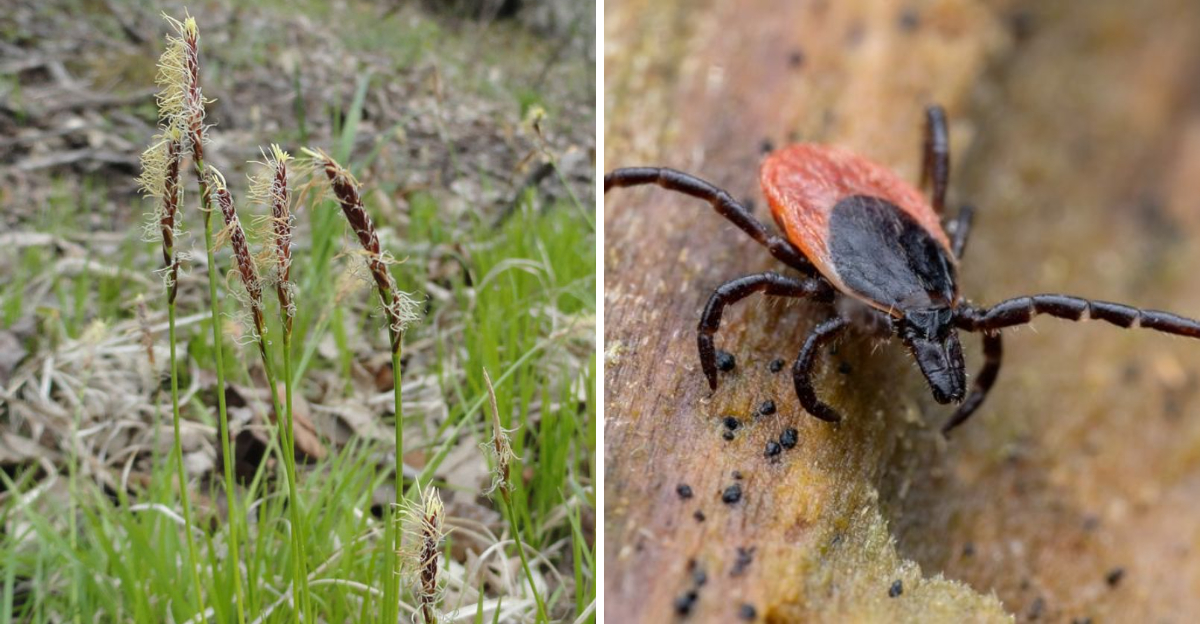
Most Pennsylvania gardeners dealing with ticks default to the same approach. Spray the yard, treat the perimeter, repeat every few weeks and hope for the best.
It works to a degree, but it’s expensive, it’s ongoing, and it puts chemicals into an environment where kids, pets, and beneficial insects are also spending time. There’s a native Pennsylvania plant that takes a completely different approach to tick control.
And it outperforms most sprays in ways that tend to surprise people the first time they hear about it. This plant has been growing across Pennsylvania’s natural landscapes for centuries.
It creates conditions in and around your garden that ticks genuinely avoid, and it does this passively, without any intervention from you once it’s established. No reapplication schedule, no protective gear, no environmental tradeoffs.
Most gardeners walk right past it without giving it a second thought. Here’s the native plant that deserves a front row spot in every Pennsylvania tick management strategy.
Meet Pennsylvania Sedge
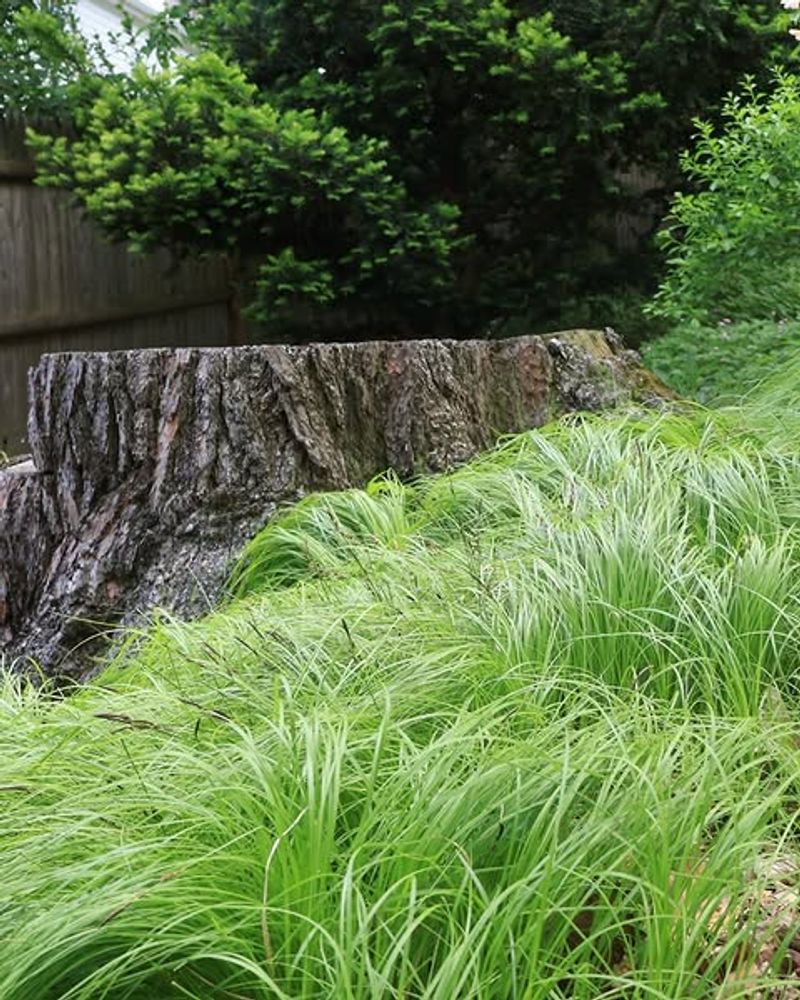
Carex pensylvanica, better known as Pennsylvania sedge, is one of those plants that quietly earns its place in the garden without ever asking for attention. It looks like a fine-bladed, arching grass, staying only about six to ten inches tall.
The leaves are narrow, soft, and a warm shade of green that holds up well even in dry, shady conditions where most plants give up.
What makes it special is where it grows. Pennsylvania sedge thrives in partial to full shade, under tree canopies, along woodland edges, and in those awkward side yards that feel impossible to manage.
Regular lawn grass often browns out and thins in these spots, leaving bare soil or weedy patches. Pennsylvania sedge steps in and fills those gaps with a consistent, low-growing carpet of green.
It is native to Pennsylvania and much of the eastern United States, which means it evolved here. Local insects recognize it.
Local soil supports it. Once established, it asks for very little water and almost no fertilizer. You do not need to mow it regularly, though a light trim in early spring keeps it looking tidy.
Gardeners who discover Pennsylvania sedge often wonder why they spent so many years fighting their shady spots instead of working with them. It spreads slowly by underground rhizomes, filling in over time without becoming aggressive or invasive.
For homeowners who want a lower-maintenance, more natural-looking yard that also supports native wildlife, Pennsylvania sedge is a smart and satisfying starting point. It is genuinely one of the most useful native groundcovers available in the region.
Why Tick Habitat Builds Up
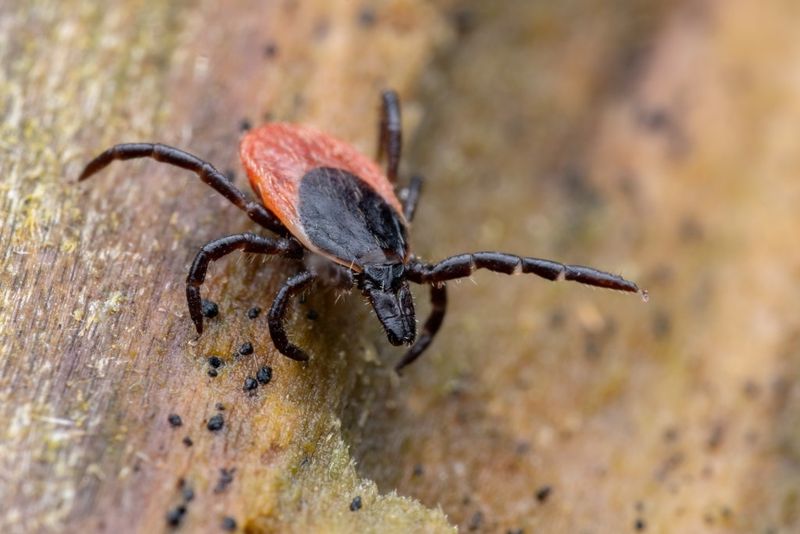
Ticks are not randomly scattered across your yard. They are picky about where they spend their time, and certain conditions attract them more than others.
Understanding what they prefer is the first step toward making smarter choices about how you manage your outdoor space.
Ticks need moisture to survive. They lose water quickly in open, sunny, dry areas, so they seek out protected spots that stay humid and cool.
Your Pennsylvania Garden Changes Every Week. Your Plan Should Too.
Gardening in Pennsylvania changes quickly throughout the season. Every Friday you’ll receive a simple weekly plan showing exactly what to plant, prune, fertilize, harvest, and protect so you never miss the right timing.
Leaf litter is a top favorite. A thick layer of fallen leaves holds moisture for days, giving ticks a cozy, sheltered environment.
Brushy edges where shrubs meet lawn, tall grass that stays damp at the base, and weedy borders along fences or tree lines all create the same kind of protected, humid microclimate that ticks find comfortable.
Wooded yard edges are especially high-risk zones. The transition between lawn and woods is where ticks concentrate most heavily.
They wait on the tips of low vegetation, in a behavior called questing, holding their front legs out and grabbing onto anything that brushes past. People and pets moving through tall grass or brushy edges are easy targets.
A shady yard that has not been managed carefully can quietly become a very tick-friendly place. Debris piles up, weeds grow tall, leaf litter accumulates under trees, and edges get overgrown.
None of it looks dangerous, but each piece adds to the overall habitat quality for ticks. Recognizing these conditions helps you see your yard differently.
Small changes in how you manage shady, weedy, or brushy spots can reduce tick pressure more than most people expect.
How Sedge Helps
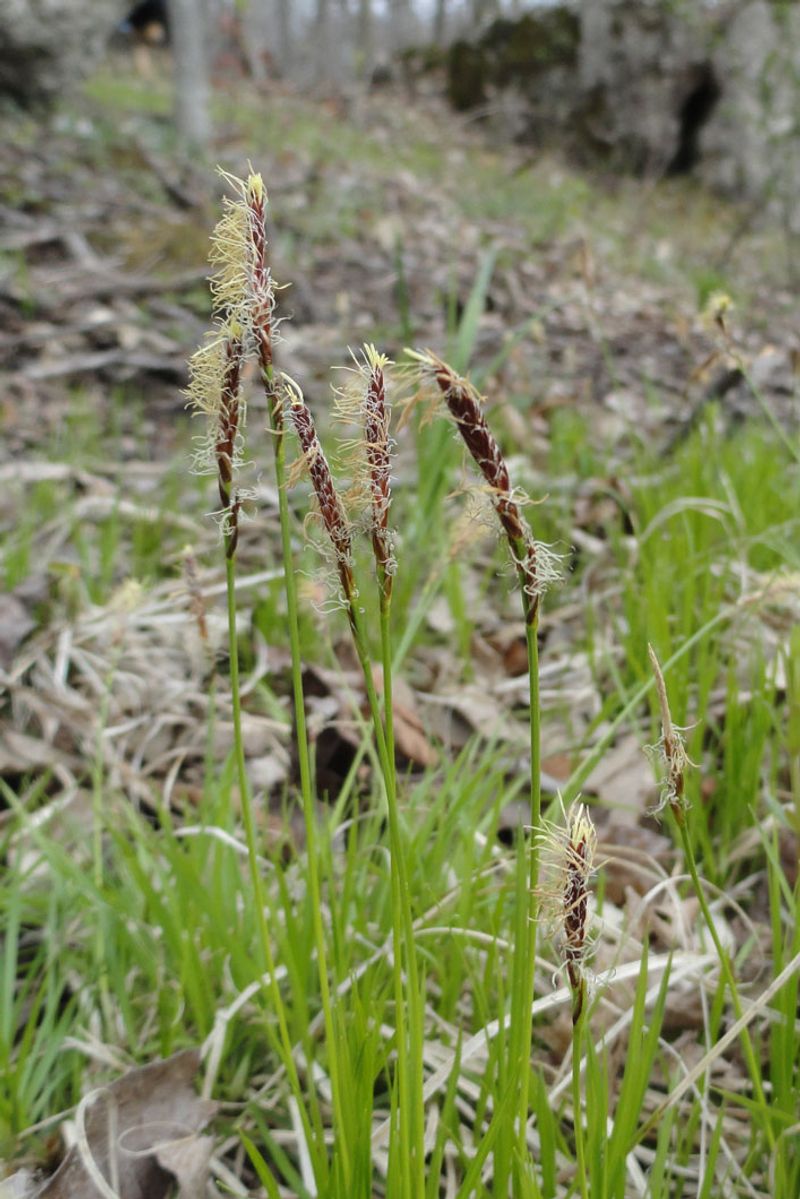
Let’s be straightforward about something: Pennsylvania sedge does not repel ticks. It does not release any chemical that drives them away, and it does not trap or harm them in any physical way.
Anyone who tells you a plant alone will eliminate ticks from your yard is overpromising. The real value of Pennsylvania sedge is more practical, and in many ways, more lasting.
Its power comes from replacement. When you plant Pennsylvania sedge in a shady, weedy, or bare area of your yard, you are swapping out the kind of messy, unmanaged growth that ticks love for a controlled, low-growing native groundcover.
Weeds that grow tall and hold moisture at their base get crowded out. Bare patches of soil that collect leaf debris get covered. The overall texture and height of the planting stays low and consistent.
A managed sedge planting creates a much less inviting environment for ticks than an overgrown, weedy patch. Ticks need that combination of height, moisture, and debris to feel at home.
A short, tidy groundcover that drains better and stays lower to the ground simply does not offer the same shelter.
Think of it as changing the neighborhood rather than chasing out individual residents. You are not targeting ticks directly.
You are redesigning the space so it no longer suits their needs as well. Paired with regular yard maintenance, Pennsylvania sedge becomes a useful piece of a broader strategy.
It is not a magic fix, but it is a genuinely smart and sustainable choice that works with nature rather than against it.
Why Low Growth Matters
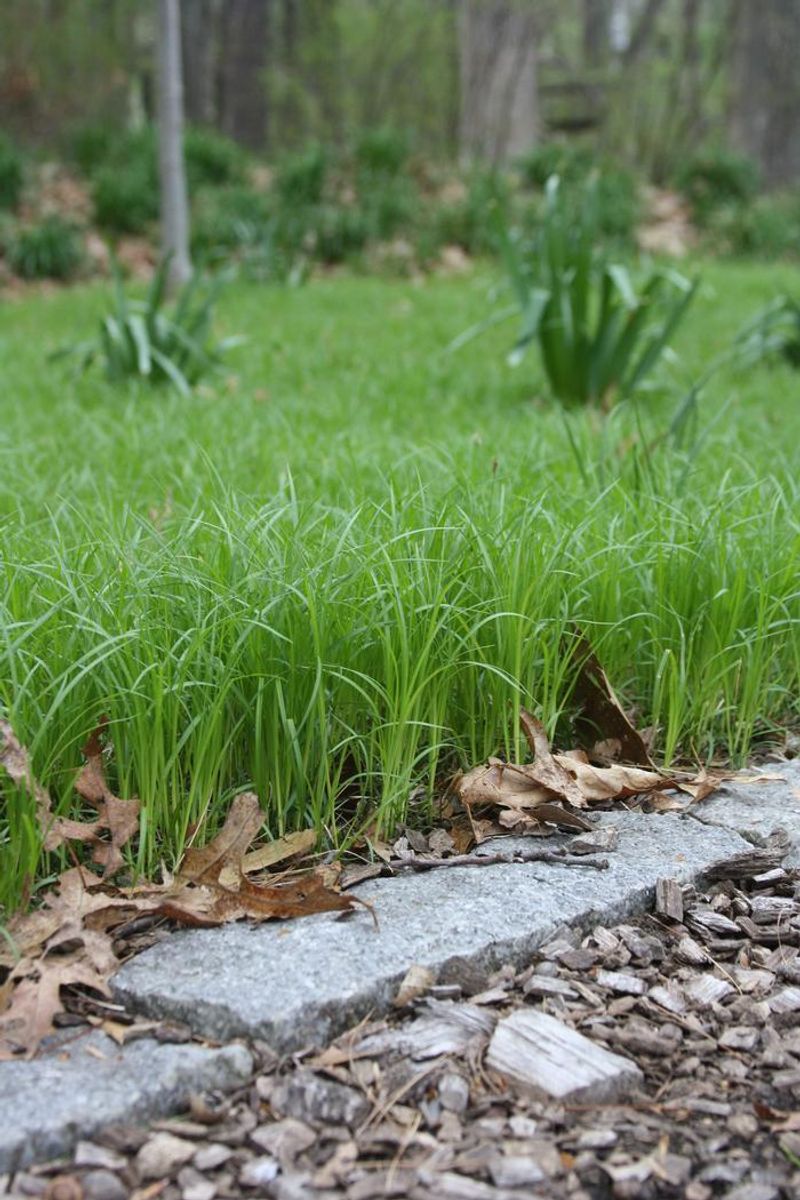
Height matters more than most gardeners realize when it comes to tick habitat. Ticks quest from the tips of vegetation, meaning they climb up plant stems, hold on, and wait for a host to brush past.
Taller plants give them more surface area to work with and more height to reach passing people and pets. Short, managed groundcovers reduce that advantage significantly.
Pennsylvania sedge naturally stays between six and ten inches tall. It arches gently at the tips rather than standing stiff and upright, which means it stays close to the ground even without frequent mowing.
Compare that to an unmanaged weedy border, which can reach two to three feet tall by midsummer, and the difference in tick-questing opportunity becomes clear.
Low growth also affects moisture levels. Taller, denser vegetation traps humidity near the ground, creating the damp microclimate ticks need to stay hydrated.
A shorter, more open planting allows better air circulation. The soil surface dries out more quickly after rain, making the environment less hospitable for ticks trying to survive between host encounters.
Pairing Pennsylvania sedge with regular cleanup makes the combination even stronger. Raking out leaf litter from the sedge planting, trimming any nearby brush, and keeping surrounding edges tidy removes the debris layer that ticks rely on for shelter.
The sedge handles the ground-level coverage while your maintenance habits handle the vertical and debris-related risks.
Together, these two things create a yard edge that is noticeably less tick-friendly than what most shady Pennsylvania yards currently offer. Small adjustments in plant height and debris management genuinely add up over a season.
Where To Plant It
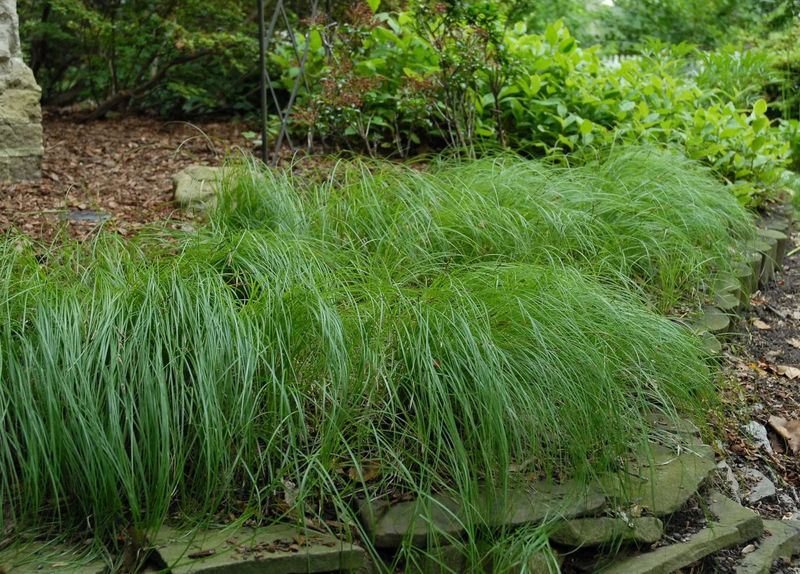
One of the best things about Pennsylvania sedge is how flexible it is about location. It does not need a carefully prepared, sunny flower bed.
It actually prefers the spots most gardeners find frustrating: shady side yards, the dry ground under mature trees, sloped areas where erosion is a concern, and those weedy woodland edges where nothing else seems to thrive.
Under trees is one of the most popular uses. Tree roots and shade make it nearly impossible to grow regular lawn grass in these areas.
Pennsylvania sedge handles both challenges well. Its roots are not as aggressive as turf grass, so it coexists with tree roots without causing damage. Once established, it tolerates the dry, root-filled soil that makes other plants struggle.
Slopes are another excellent spot. Pennsylvania sedge spreads by underground rhizomes, which help hold soil in place and reduce erosion on inclines.
It is a much better solution than bare soil or repeated mulch applications that wash away in heavy rain. Woodland garden edges, shaded paths, and low-traffic lawn alternatives are all strong candidates as well.
For planting, choose a spot that gets partial shade to full shade. Morning sun with afternoon shade works well.
Space plants about one foot apart and water consistently during the first season while roots get established. After that, Pennsylvania sedge is remarkably self-sufficient.
It does not need supplemental watering in most Pennsylvania summers once it is settled in. Starting with a small planting and letting it fill in naturally over two to three years is a relaxed, low-effort approach that most gardeners find very satisfying and manageable.
Keep The Edges Clean
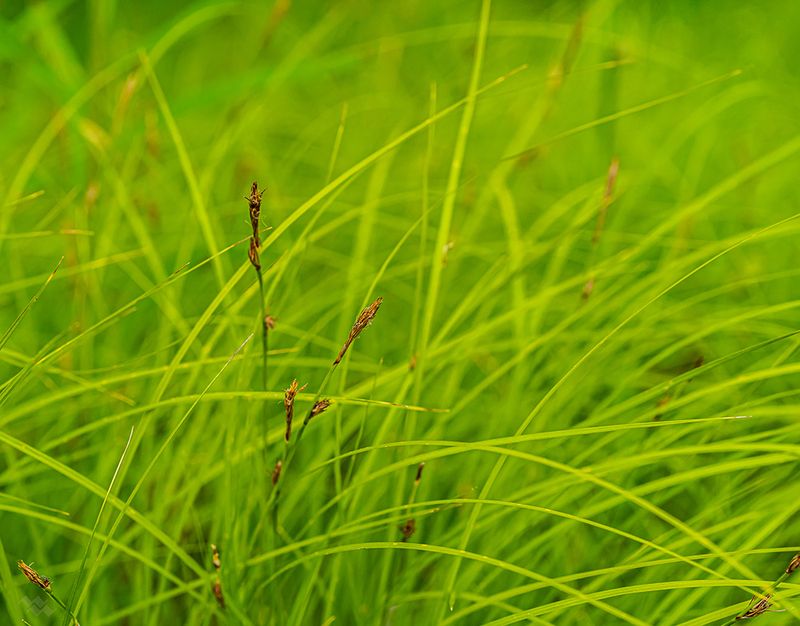
Planting Pennsylvania sedge is a great move, but the plant works best when it is part of a consistently maintained yard.
Even the most well-chosen native groundcover loses its advantage if debris, leaf piles, and overgrown brush are allowed to build up around it. Keeping edges clean is where the real tick-control benefit gets locked in.
Start with leaf litter. Fallen leaves are the single biggest contributor to tick-friendly habitat in most Pennsylvania yards.
Rake them out from your sedge planting regularly, especially in autumn when leaf drop is heaviest. You do not need to remove every single leaf, but heavy accumulation should not be left sitting through winter and spring, as that is prime tick-sheltering territory.
Trim back any brush or shrubs that overhang or crowd the sedge planting. Brushy edges that stay tall and tangled are where ticks concentrate most heavily.
Keeping those borders neat and open removes a key piece of their habitat. Along paths and play areas, create a clear buffer between the sedge or any wooded edge and the spaces where children and pets spend most of their time.
Avoid letting the sedge itself become buried under mulch, debris, or fallen branches. It needs to stay visible, low, and relatively open to do its job well.
A quick walk around the yard edges every few weeks during spring and summer helps you catch problems before they grow. Pennsylvania sedge is genuinely low-maintenance, but low-maintenance is not the same as no-maintenance.
A little consistent attention to the edges of your yard makes the whole system work together and gives you a noticeably tidier, more comfortable outdoor space all season long.