What Causes Tomato Leaves To Curl In Early Summer
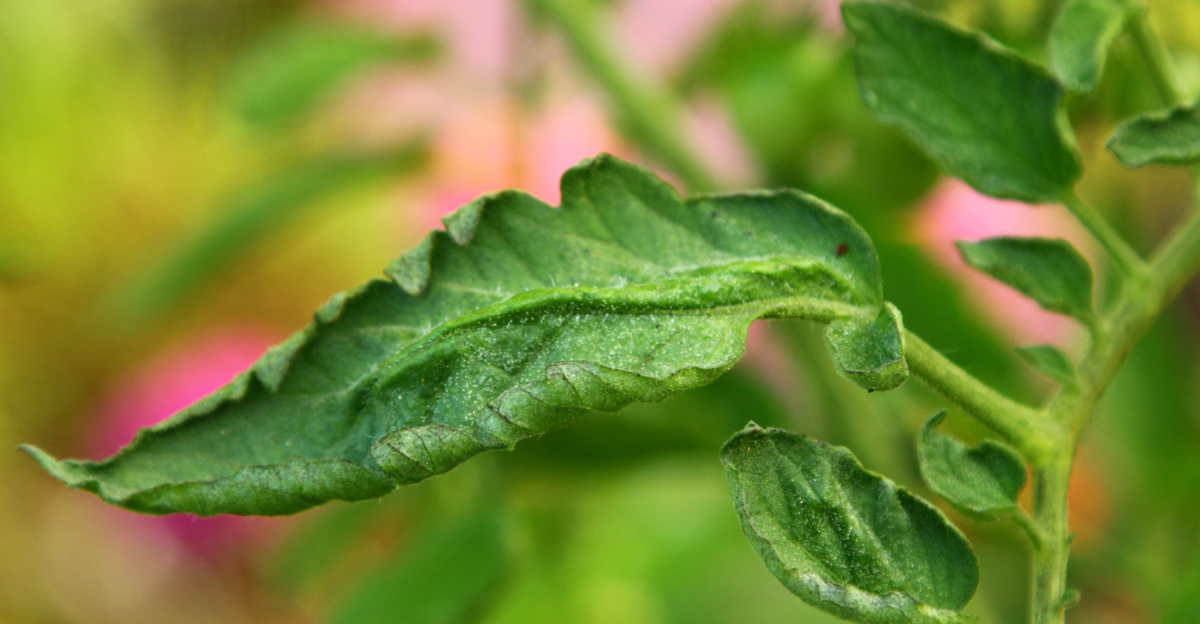
You step outside for your usual morning check on the tomatoes. Then you spot it. The leaves have twisted inward, curling tight like they’re flinching away from something. Your first thought jumps to worry.
Did you overwater? Is a bug feasting on the roots? Did some disease sneak in overnight while you were asleep? Take a breath.
Leaf curl is one of those garden puzzles that looks alarming but usually points to something fixable, not something dire.
Heat stress, inconsistent watering, heavy-handed pruning, herbicide drift, pests, and a handful of other culprits can all twist those leaves into knots. Each one leaves its own subtle clues if you know where to look.
Here’s what’s really going on with your tomato leaves this summer. You don’t have to guess anymore. Fix the real problem and watch your plants bounce back.
1. Heat Stress Triggers Leaves To Curl Inward For Protection
Tomato plants have a natural response to heat stress. When temperatures climb into the 90s Fahrenheit, leaves curl inward as a self-defense move, though the exact trigger point varies by variety and growing conditions.
This curling reduces the surface area exposed to direct sun. Less exposure means less water lost through the leaves.
Think of it like the plant closing its curtains on a blazing afternoon. The curl is not damage, it is a protective response.
Early summer heat waves are the most common trigger for this type of curling. Gardeners in southern states often see it happen almost overnight.
The leaves usually uncurl in the evening when temperatures drop. If they bounce back by morning, heat stress is almost certainly the culprit.
You can help by adding a layer of mulch around the base of each plant. Mulch keeps soil cool and holds moisture longer during hot spells.
Shade cloth is another solid option for extreme heat days. A 30-percent shade cloth can help lower leaf temperature, though the exact drop depends on airflow and climate conditions.
Watering deeply in the early morning gives roots access to moisture before afternoon heat hits. Avoid watering at midday when evaporation is highest.
Tomato varieties like heat-set types handle high temperatures better than standard varieties. Choosing the right plant for your climate makes a real difference.
Heat stress curling is the most forgiving cause on this list. Catch it early, adjust your care routine, and your plants will likely recover just fine.
2. Overwatering Deprives Roots Of Oxygen And Causes Upward Curling
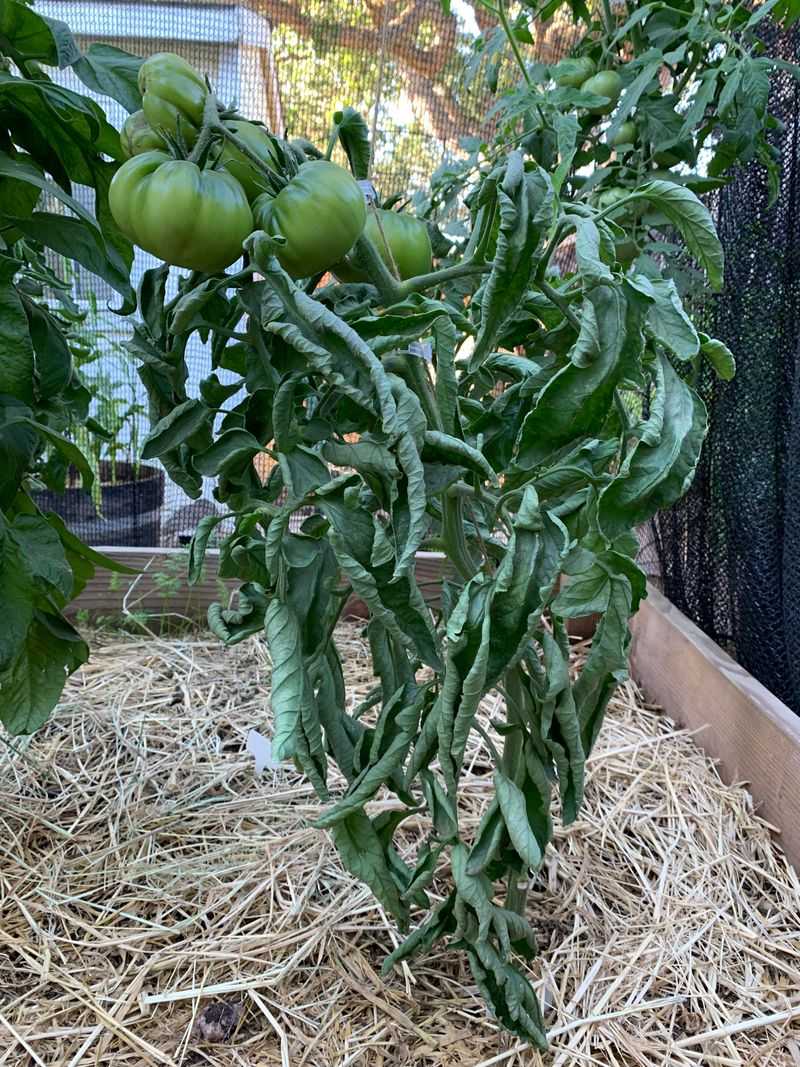
Too much water can seriously stress your tomato plants. Overwatering is one of the sneakiest causes of leaf curl in early summer.
When soil stays saturated, oxygen cannot reach the roots. Roots without oxygen start to weaken and lose their ability to absorb nutrients.
The plant responds by curling leaves upward, showing visible signs of stress. This upward curl is different from the inward curl caused by heat.
Overwatered tomatoes often look droopy even when the soil is wet. That drooping plus upward-curled leaves is a strong signal you have gone too far with the hose.
Check your soil before you water every single time. Stick your finger two inches into the ground, and if it feels moist, skip the watering session.
Clay-heavy soils hold water much longer than sandy soils. If your yard has clay, you may need to water far less frequently than you expect.
Raised beds and containers drain better, which makes overwatering less likely. Good drainage is one of the easiest ways to avoid this problem entirely.
Adding compost to your garden bed improves soil structure over time. Better structure means water moves through properly instead of pooling around roots.
If you suspect overwatering, let the soil dry out before the next watering session. Most tomato plants recover quickly once drainage improves.
Your garden hose is not always your plant’s best friend. Sometimes the kindest thing you can do is simply walk away.
3. Underwatering Makes Leaves Curl To Conserve Moisture
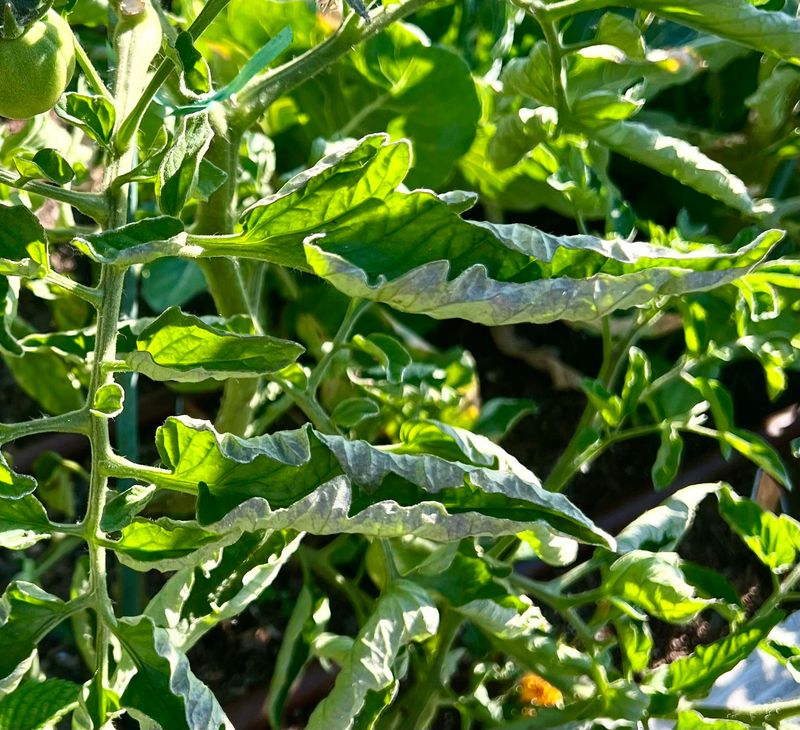
Flip the script from overwatering, and you land on an equally frustrating problem. Underwatering causes tomato leaves to curl as the plant tries to hold onto every drop of moisture it has left.
When soil dries out completely, roots cannot pull water up to the leaves. The plant curls its leaves to slow down water loss through evaporation.
This type of curl usually looks tighter and more dramatic than heat stress curling. The leaves may also feel dry or slightly crispy at the edges.
Early summer is tricky because the weather shifts fast. A week of mild temperatures can suddenly turn into a dry heat wave with no warning.
Check your soil moisture every morning during hot stretches. The top inch drying out is normal, but two to three inches of dry soil means your plants are thirsty.
Deep, infrequent watering is far better than shallow daily watering. Deep watering encourages roots to grow down where soil stays cooler and wetter longer.
A soaker hose or drip irrigation system delivers water directly to the root zone. This method wastes less water and keeps foliage dry, which also reduces disease risk.
Mulching around plants helps lock in soil moisture between watering sessions. A two to three inch layer of straw or wood chips makes a big difference.
Tomato plants need about one to two inches of water per week. Consistency is the key to keeping leaves flat, green, and healthy all season long.
4. Excessive Nitrogen Fertilizer Leads To Leaf Curl
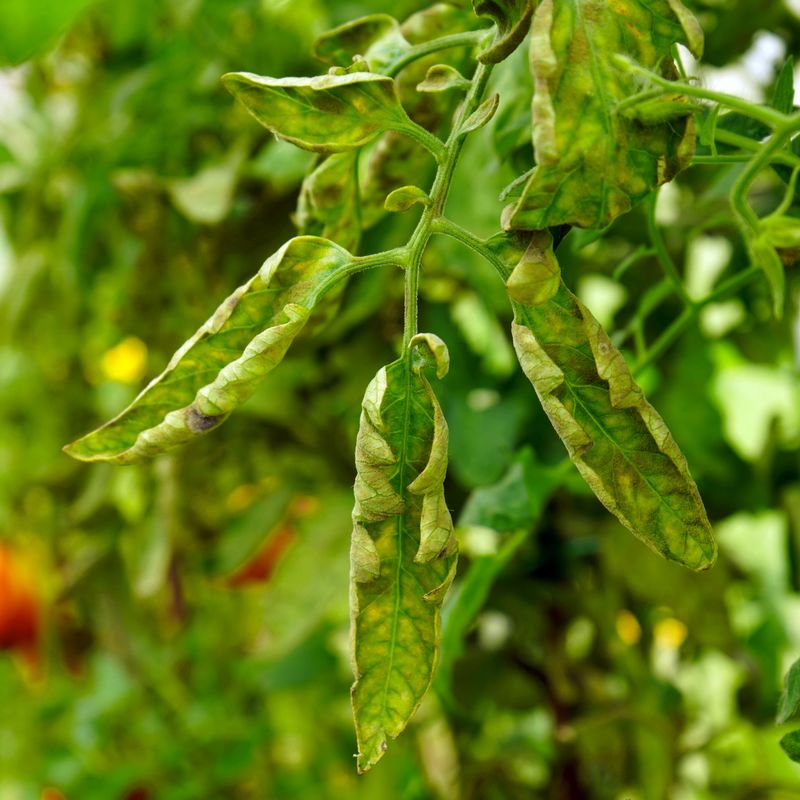
More fertilizer does not always mean a better harvest. Dumping too much nitrogen on your tomato plants can throw growth off balance in ways that sometimes show up as curling leaves.
Nitrogen drives leafy, green growth, but too much of it can throw the plant off balance, often producing thick, dark green leaves.
Leaf curl linked directly to nitrogen excess is less well established than curl caused by heat, drought, or waterlogging, so treat this as a possible factor rather than a confirmed cause.
Gardeners often over-fertilize in early summer thinking they are giving plants a head start. The truth is, tomatoes need balanced nutrition, not a nitrogen overload.
A fertilizer high in phosphorus and potassium is better for fruiting plants. Nitrogen-heavy blends are better suited for leafy greens like lettuce or spinach.
If you suspect nitrogen overload, stop fertilizing immediately. Give the plant time to work through the excess before adding anything new to the soil.
Heavy rainfall or deep watering can help flush excess nitrogen through the soil. This is called leaching, and it happens naturally over time.
Always read fertilizer labels before applying anything to your garden. The numbers on the bag, like 10-10-10, tell you the ratio of nitrogen, phosphorus, and potassium.
Soil testing is the best way to know exactly what your garden needs. A simple test kit from a garden center can save you from costly fertilizing mistakes.
Feed your plants smart, not heavy, and your tomatoes will thank you with fruit instead of foliage.
5. Aphids And Other Pests Distort Leaf Shape
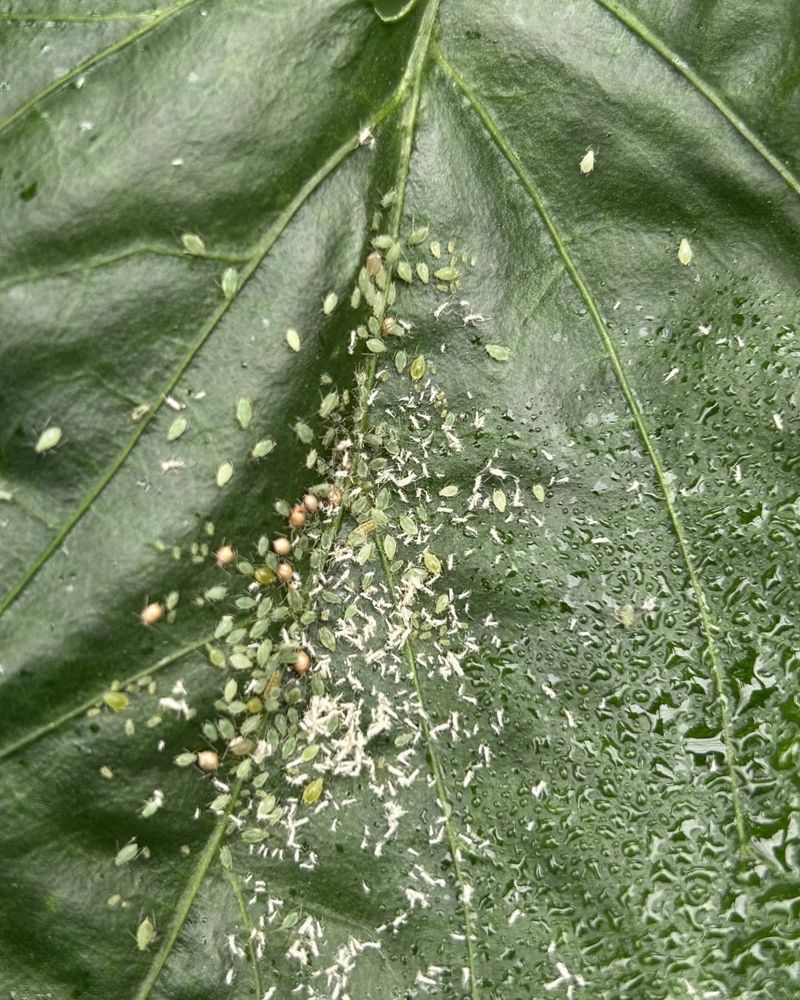
Tiny bugs can cause big headaches in the tomato garden. Aphids are small, soft-bodied insects that cluster on the undersides of leaves and suck out plant sap.
As they feed, they inject saliva into the leaf tissue. That saliva causes leaves to curl, pucker, and distort in unusual ways.
Aphids reproduce incredibly fast in warm early summer weather. A small colony can multiply rapidly, reaching thousands of insects within just a few days.
Look for clusters of tiny green, yellow, or black insects on the undersides of curled leaves. Sticky residue called honeydew is another telltale sign of an aphid problem.
Other pests like thrips and broad mites also cause leaf distortion. Broad mites are nearly invisible to the naked eye, making them especially tricky to diagnose.
A strong blast of water from a garden hose knocks aphids off plants effectively. Repeat this every few days to keep populations from bouncing back.
Neem oil spray is a popular organic option for controlling soft-bodied insects. Mix it with water and a few drops of dish soap, then apply it to affected leaves.
Insecticidal soap spray works in a similar way and is safe for most beneficial insects. Always spray in the evening to avoid harming bees during their active hours.
Ladybugs and lacewings are natural predators that feast on aphids. Encouraging these beneficial insects in your garden creates a natural pest control system. Catching pest problems early keeps damage minimal and recovery fast.
6. Viral Infections Cause Persistent Leaf Curling
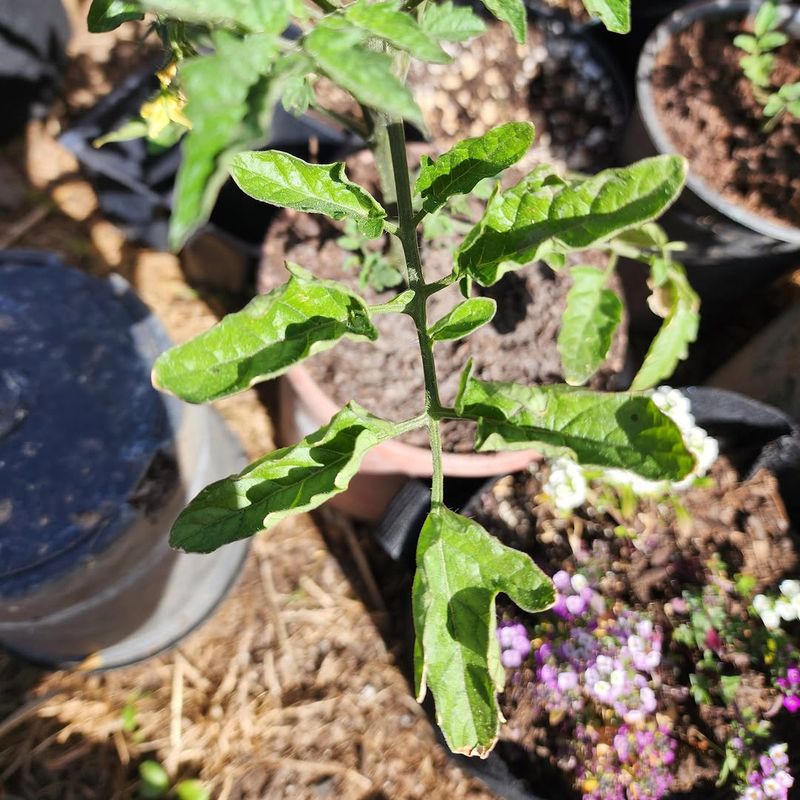
Not all leaf curl problems have an easy fix. Viral infections are one of the more serious causes of persistent leaf curling in tomato plants during early summer.
Tomato yellow leaf curl virus is one of the most damaging culprits. It is spread by tiny whiteflies that move from plant to plant in warm weather.
Infected leaves curl upward and inward, often turning pale yellow or light green. New growth at the top of the plant is usually the first place symptoms appear.
Unlike heat stress curling, viral curl does not go away overnight. The leaves stay curled regardless of watering, temperature, or fertilizer adjustments.
Tomato mosaic virus is another common offender. It causes leaves to curl along with mottled yellow and green patterning that looks almost marbled.
Some viruses, like tomato mosaic virus, spread through garden tools and hands, while others, like tomato yellow leaf curl virus, spread almost exclusively through whiteflies. Wash your hands after handling infected plants and sanitize pruning tools between uses.
There is no chemical cure for plant viruses once a plant is infected. Removing and disposing of infected plants is often the most responsible choice.
Do not compost infected plant material, bag it and toss it in the trash instead. Composting can allow the virus to persist and spread to future plantings.
Controlling whitefly populations with yellow sticky traps helps reduce viral spread. Planting reflective mulch around tomato beds also confuses and deters these insects.
Choosing virus-resistant tomato varieties is your strongest long-term defense against this problem.
7. Herbicide Drift Damages Leaf Tissue And Curls Edges
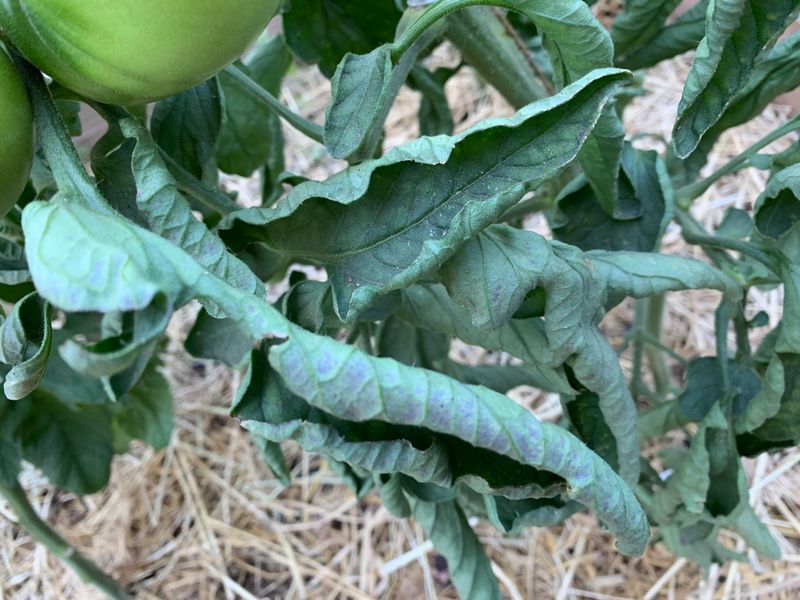
Herbicide from nearby spraying can unintentionally affect your tomato plants. Herbicide drift happens when chemical sprays travel through the air and land on unintended plants nearby.
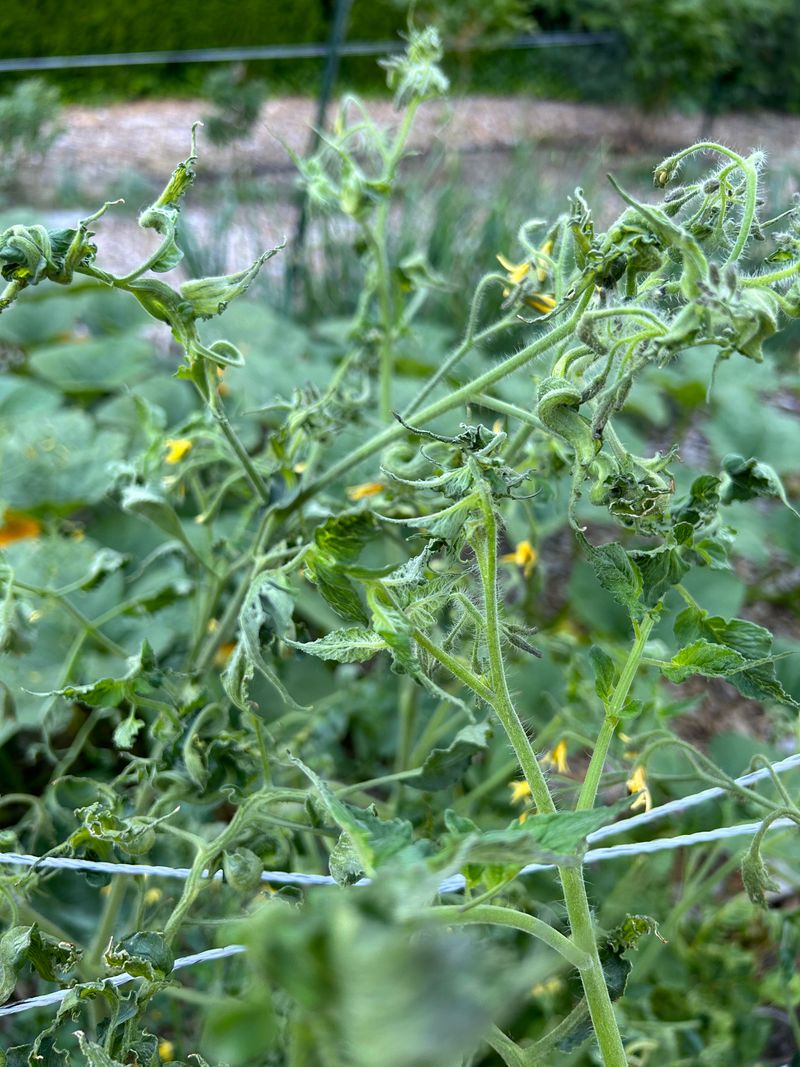
Tomatoes are extremely sensitive to herbicides, especially broadleaf weed control products. Even a tiny amount of drift can cause dramatic leaf curling and twisted growth.
The damage usually appears within a day or two of a neighbor spraying their lawn. Leaves curl downward and cup in a very distinctive way that looks unlike any other cause.
New growth often looks twisted, narrow, or fern-like after herbicide exposure. This is called epinasty, and it is a classic sign of hormone-disrupting herbicide contact.
Common culprits include 2,4-D and dicamba, both widely used in lawn care products. These chemicals mimic plant growth hormones and disrupt normal growth patterns.
If you suspect herbicide drift, act fast by giving plants a thorough rinse with clean water. Washing leaves removes surface residue before it absorbs further into the tissue.
Mildly affected plants often recover over several weeks as new growth replaces damaged leaves. Severely affected plants may not recover fully and could impact your fruit yield.
Talk to neighbors before lawn-spraying season about your garden location. Most people are happy to adjust their spraying schedule or direction once they know the risk.
Planting a physical barrier like a fence or tall hedge can reduce drift reaching your garden. Protection is always easier than recovery when herbicide damage is involved.
8. Pruning Stress Temporarily Curls Nearby Leaves
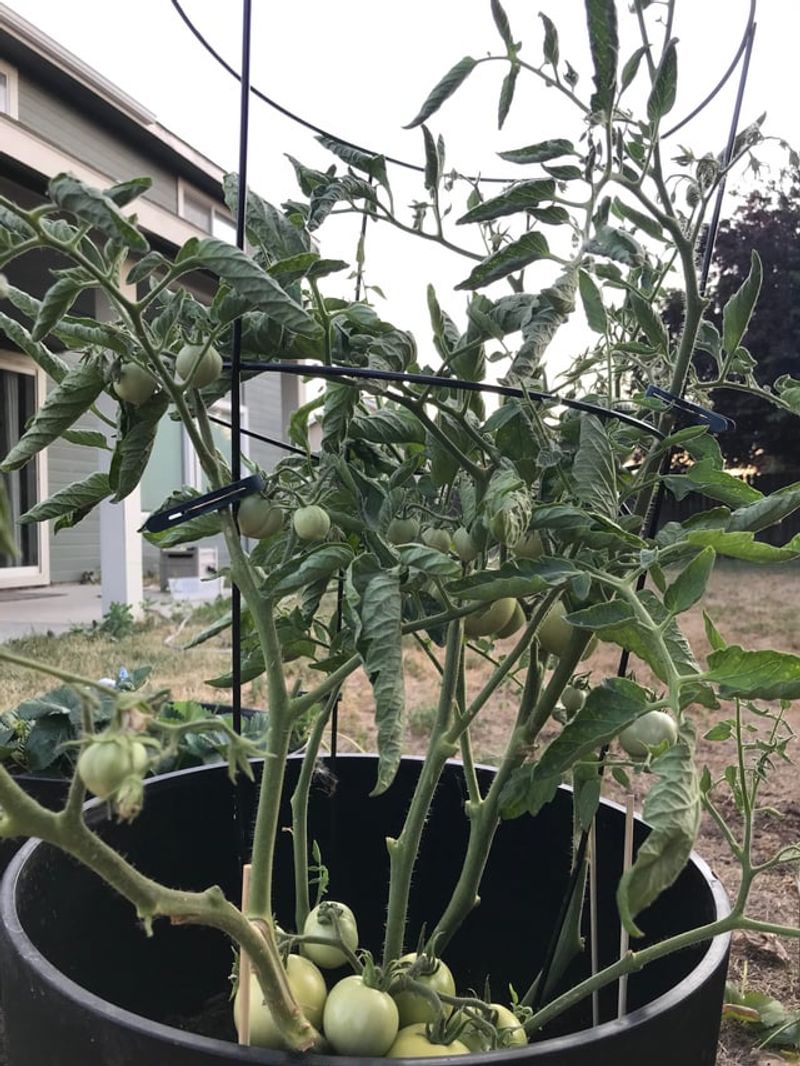
Grab your pruning shears with confidence, but know that your tomato plant will react. Removing suckers or large stems causes a temporary stress response that can curl nearby leaves.
When you prune a tomato plant, you change how it moves water and nutrients through its stems. The leaves closest to the pruning site may curl slightly as the plant adjusts.
This type of curling is short-lived and typically resolves within a few days. It is a brief, mild stress response that fades within a few days.
Pruning is still highly recommended for indeterminate tomato varieties. Removing suckers keeps energy focused on fruit production rather than excessive leafy growth.
The key is to prune in small sessions rather than removing large amounts at once. Taking off too much foliage in one go shocks the plant more than gradual pruning does.
Always use clean, sharp pruning shears to make smooth cuts. Ragged cuts from dull blades create larger wounds that take longer to heal properly.
Pruning in the morning gives plants the full day to start recovering before nighttime temperatures drop. Morning pruning also reduces the risk of fungal issues developing at cut sites.
After pruning, water your plants normally and avoid fertilizing for a few days. Let the plant stabilize before introducing additional changes to its routine.
Leaf curl caused by pruning is the least worrying cause on this list. A little patience goes a long way when your tomato plant is just catching its breath after a trim.