These Are The Reasons Your Christmas Cactus Leaves Go Pale Every Summer
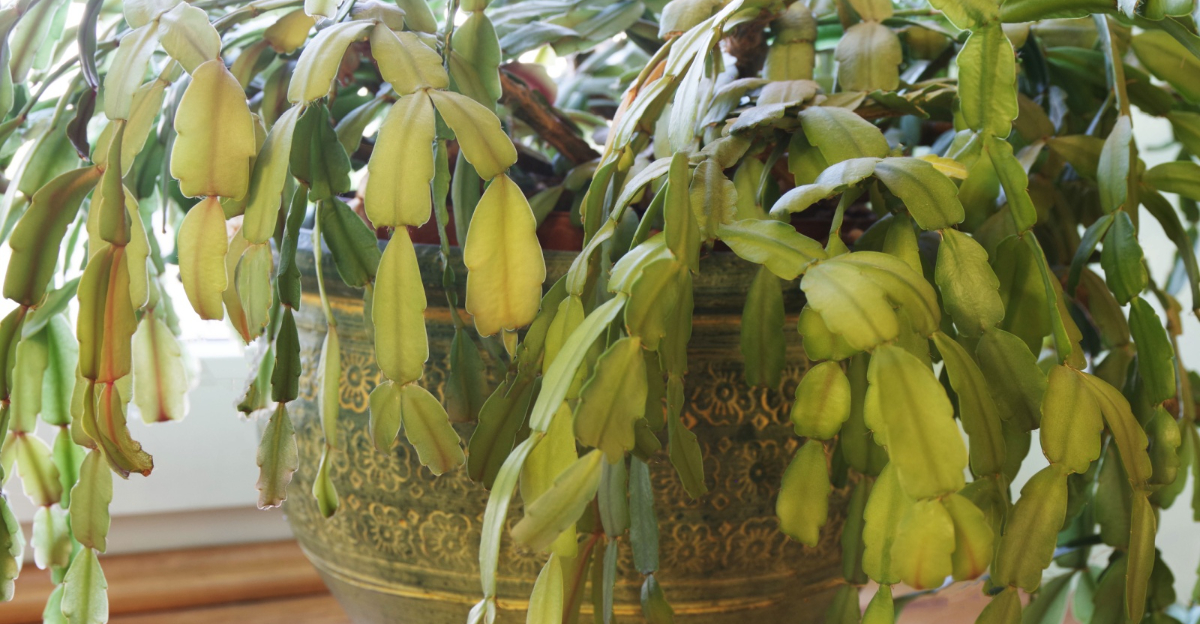
Christmas cacti collapse in summer for reasons most plant guides completely ignore. Something shifted the moment heat arrived.
Pale, washed-out leaves signal a specific stress response, not random decline. Chlorophyll production drops when light intensity exceeds what this jungle-floor plant can metabolize.
Direct sun bleaches pigment faster than the plant rebuilds it. Most growers face this problem without ever identifying the real cause.
Move your plant away from south-facing windows immediately. Filtered light through a sheer curtain changes everything almost overnight. Humidity matters too.
Dry indoor air triggers a shutdown of moisture-sensitive leaf cells. Your watering schedule also needs a dramatic shift during summer months. Less frequent watering prevents root rot without starving the plant.
Temperature swings between air-conditioned rooms and outdoor heat crack cellular walls. What happens next inside those cells will permanently change how you care for this plant.
1. Too Much Direct Sunlight Bleaches The Leaves
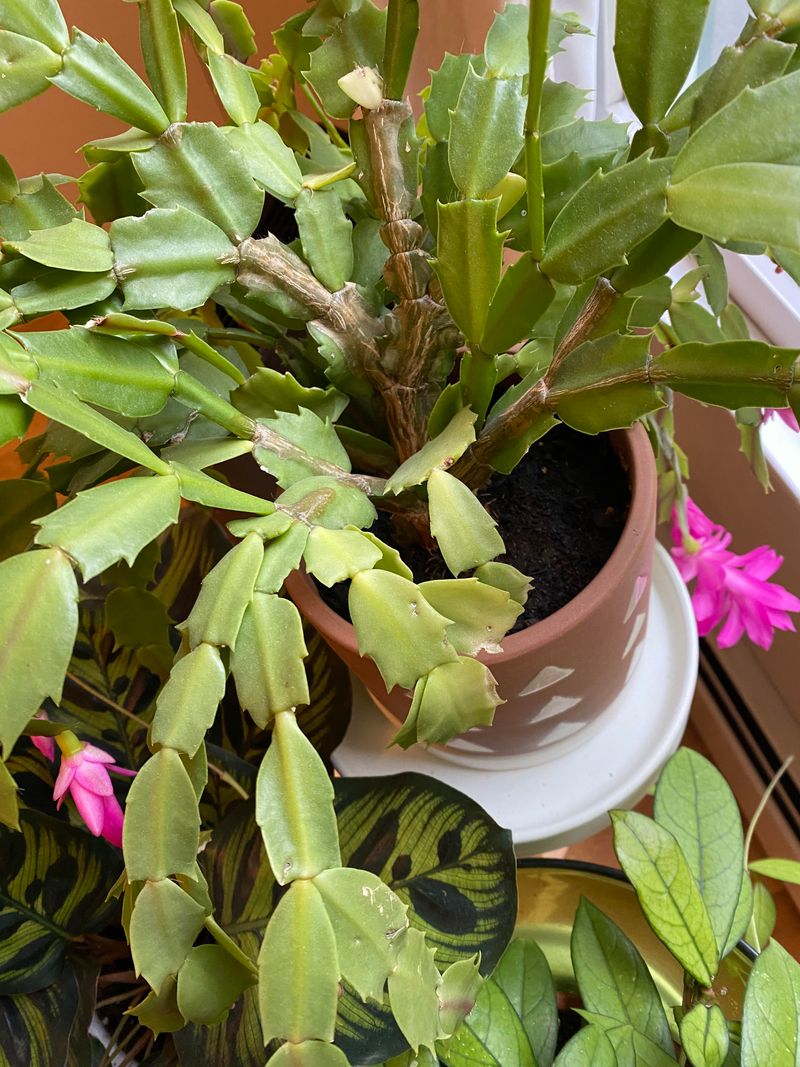
Sunlight is supposed to help plants, right? Not always, especially for Christmas cactus leaves that evolved under a canopy of shade.
This plant originally grew in the rainforests of Brazil. It thrived beneath tall trees that filtered the harsh rays overhead.
When you place it in a south-facing window during summer, the intense rays hit those flat, fleshy segments hard. The color literally fades out like a shirt left in the sun too long.
Bleached or pale leaves are one of the most common signs of light overexposure. The plant is not absorbing the light properly; it is being overwhelmed by it.
You might notice the paleness starting on the side of the plant facing the window. That directional fading is a clear clue that sunlight is the culprit.
Moving the plant back from the glass by even a few feet can make a noticeable difference. A sheer curtain between the window and the plant works effectively as a light filter.
East-facing windows are often the sweet spot for this plant in summer. Morning light is gentle, and the afternoon shade gives the plant a much-needed break.
Outdoor placement under a porch or beneath a leafy tree mimics its natural Brazilian habitat perfectly. Bright but indirect light keeps those segments rich, glossy, and deeply green all season long.
2. High Temperatures Stress And Drain Color
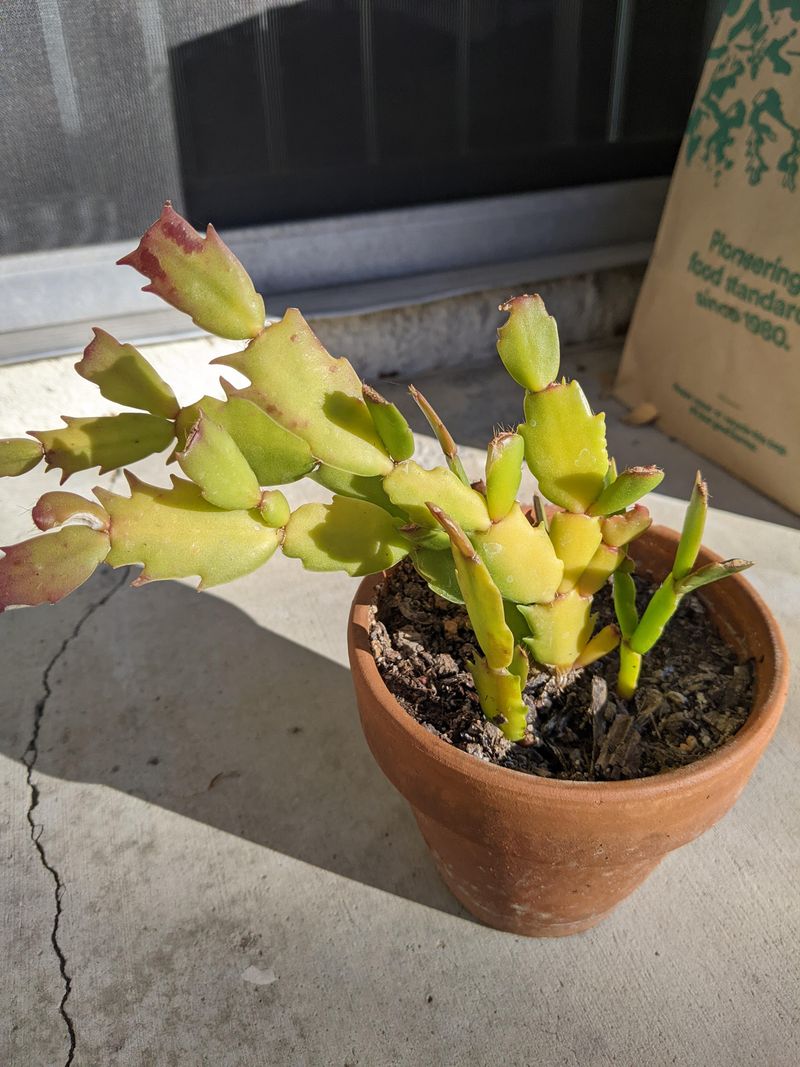
Picture your Christmas cactus sitting near a heating vent or on a sun-baked patio in July. That kind of heat is steadily depleting pigment and moisture from its leaves.
This plant prefers temperatures between 60 and 70 degrees Fahrenheit. Anything consistently above 80 degrees begins putting it under physiological stress.
Heat breaks down chlorophyll, the green pigment responsible for that rich, deep color you love. As chlorophyll fades, the leaves shift toward yellow or a washed-out pale green.
Summer heat does not just bleach the color out. It also speeds up moisture loss, leaving the plant dehydrated and unable to maintain normal cell function.
Plants under heat stress often close their pores to conserve water. This shutdown slows photosynthesis and contributes to the overall dull, faded appearance.
Keep your Christmas cactus away from heating vents, sunny car-door-hot windowsills, and glass doors that trap heat. Even indoor temperatures can spike to damaging levels in summer.
If you notice pale leaves combined with slightly limp segments, heat stress is likely the cause. Moving the plant to a cooler room can stop the damage quickly.
Air conditioning can actually help during peak summer months. Just avoid placing the plant directly in the path of cold air blasts, which create a different kind of stress entirely.
3. Soil Is Too Dry Between Waterings
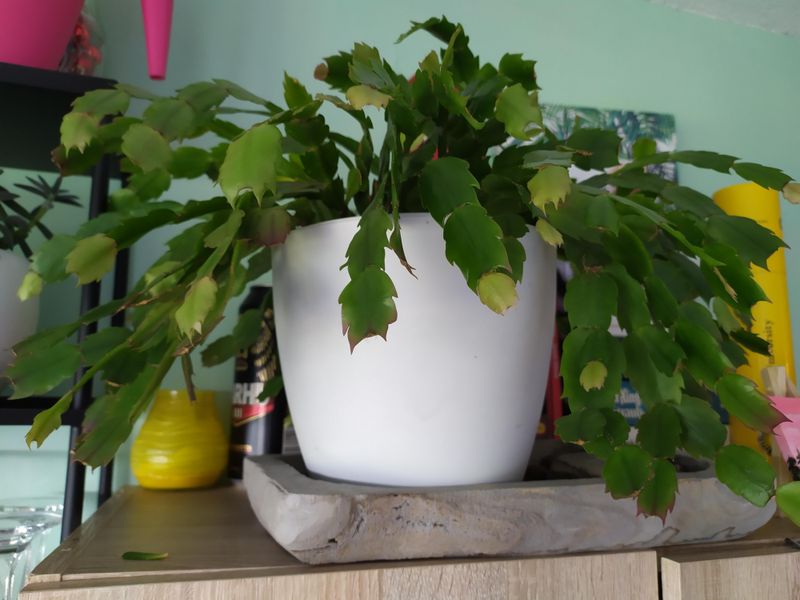
Run your finger an inch into the soil of your Christmas cactus right now. If it feels completely dry to the touch, you have found your problem.
Many people treat this plant like a desert cactus and water it sparingly. That is a mistake, because this species comes from humid tropical forests, not sandy desert floors.
When the soil stays too dry for too long, the plant cannot pull enough water up through its roots. Without adequate moisture, the cells in those flat leaf pads deflate and lose their vivid color.
Pale, slightly wrinkled segments are the telltale sign of chronic underwatering. The plant loses cell turgor gradually as moisture reserves drop too low.
Summer heat makes this worse because evaporation speeds up dramatically. A pot that held moisture for a week in spring might dry out in just two or three days by July.
The fix is refreshingly simple. Water your plant thoroughly when the top inch of soil feels dry, and let the excess drain completely from the bottom.
Never let the plant sit in standing water, but do not let it go bone dry either. Consistent moisture, not flooding or drought, is what keeps the color rich and the segments plump.
Checking the soil every two to three days during summer is a smart habit. Your Christmas cactus will reward that small effort with noticeably greener, healthier-looking leaves all season.
4. Overwatering Causes Root Rot
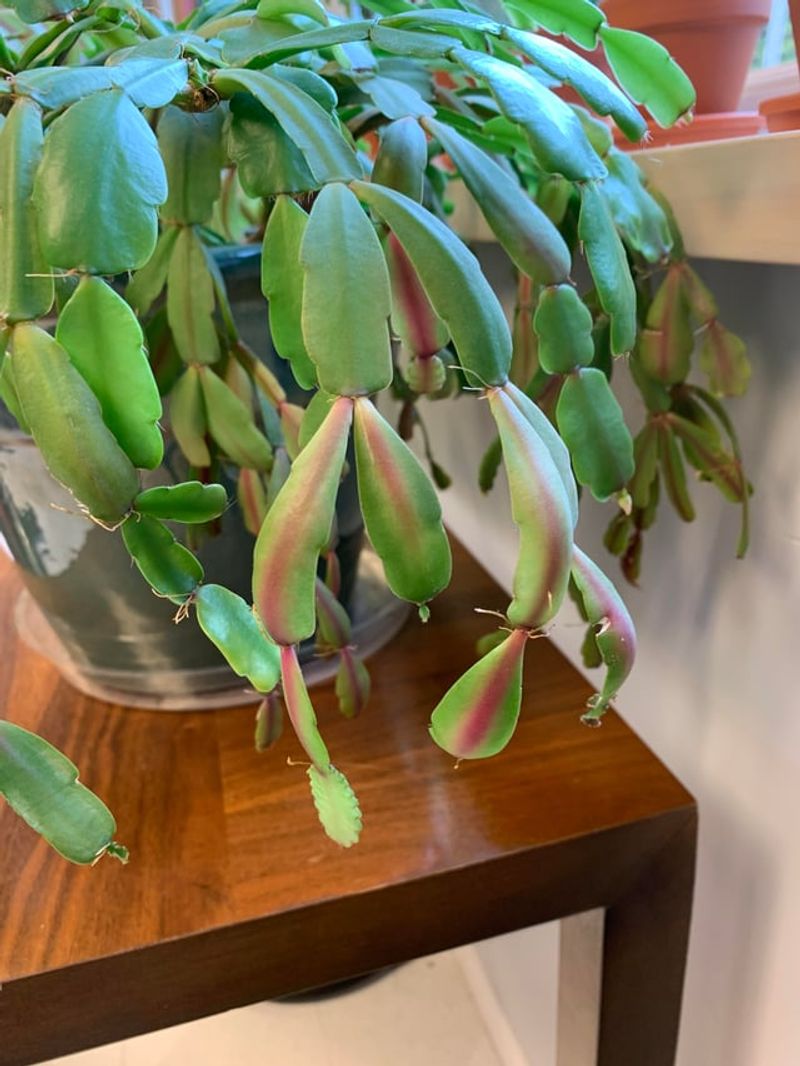
Here is a plot twist that surprises most plant parents: too much water can cause the exact same pale leaves as too little. The reason is root rot, and it is sneaky.
When roots sit in soggy soil for too long, they begin to break down. Damaged roots cannot absorb water or nutrients, even if both are sitting right there in the pot.
The plant cannot absorb nutrients despite adequate moisture sitting right there in the pot. Those pale, yellowing Christmas cactus leaves are the visual result of that internal starvation.
Root rot is caused by fungal organisms that thrive in wet, oxygen-deprived soil. They spread quickly and can cause serious root damage if waterlogged conditions persist.
Signs beyond pale leaves include stems that feel mushy at the base and soil that smells sour or earthy in an unpleasant way. If you notice those signs together, address it promptly.
Unpot the plant and inspect the roots. Healthy roots look white or tan and feel firm; rotted roots appear dark, slimy, and fall apart when touched.
Trim away any damaged roots with clean scissors and let the plant air out for a few hours. Repot into fresh, well-draining cactus mix and a pot with drainage holes.
Hold off on watering for a week after repotting to let the roots settle. Catching root rot early gives your plant a solid chance at full recovery.
5. Soil Is Depleted Of Nutrients
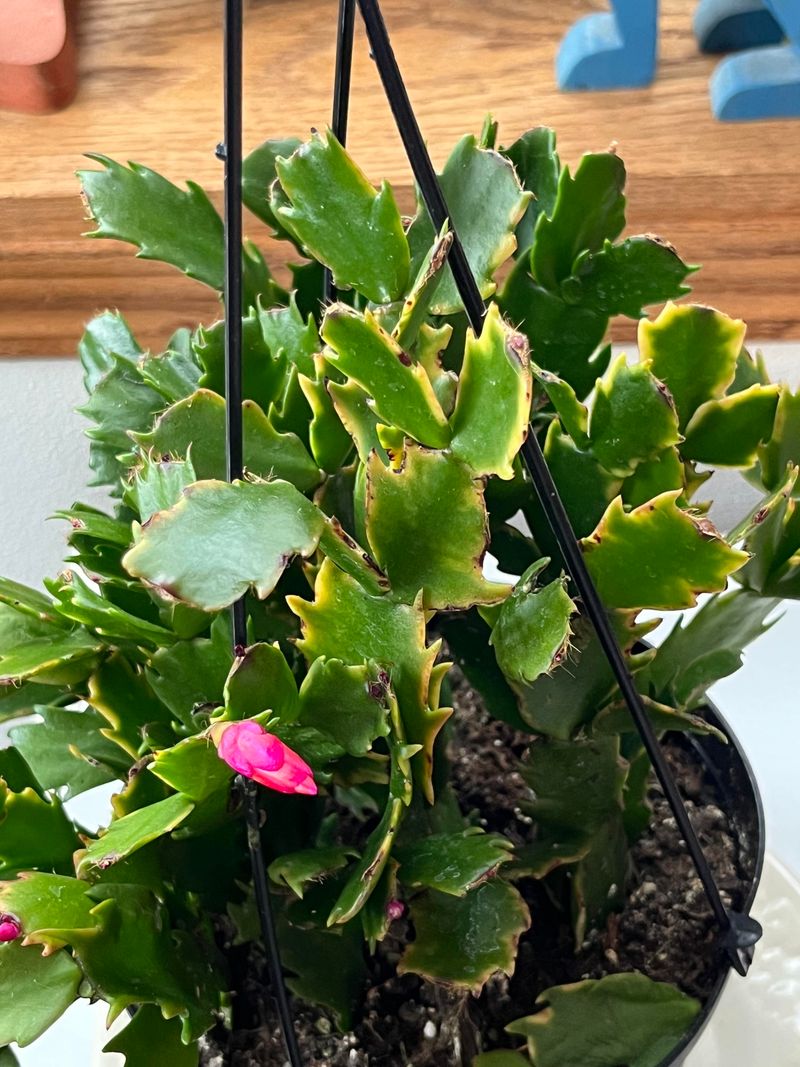
Soil does not stay nutritious forever, and most people forget that entirely. After a year or two, the nutrients in potting mix get used up or washed away with every watering.
Nitrogen is the big one for leaf color. Without enough of it, the plant cannot produce chlorophyll, and those once-vibrant green segments start looking pale and tired.
Summer is actually a great time to fertilize because the plant is in active growth mode. It is hungry and ready to absorb what you offer it.
A balanced liquid fertilizer, like a 10-10-10 formula, works well for Christmas cactus during the growing season. Apply it every two to four weeks from spring through early fall.
Avoid fertilizing in fall and winter when the plant naturally slows down and prepares for blooming. Feeding during that rest period can actually interfere with flower development.
If you have not repotted your plant in two or more years, the soil is likely exhausted. Fresh potting mix provides an immediate nutrient boost without any additional feeding required.
Watch for other signs of nutrient deficiency alongside pale leaves. Slow growth, smaller new segments, and a generally lackluster appearance all point to a plant that needs feeding.
Starting a simple fertilizing schedule is one of the easiest ways to restore color. Consistency matters more than perfection, and even a monthly feeding makes a visible difference in leaf vibrancy.
6. Low Humidity Speeds Up Moisture Loss
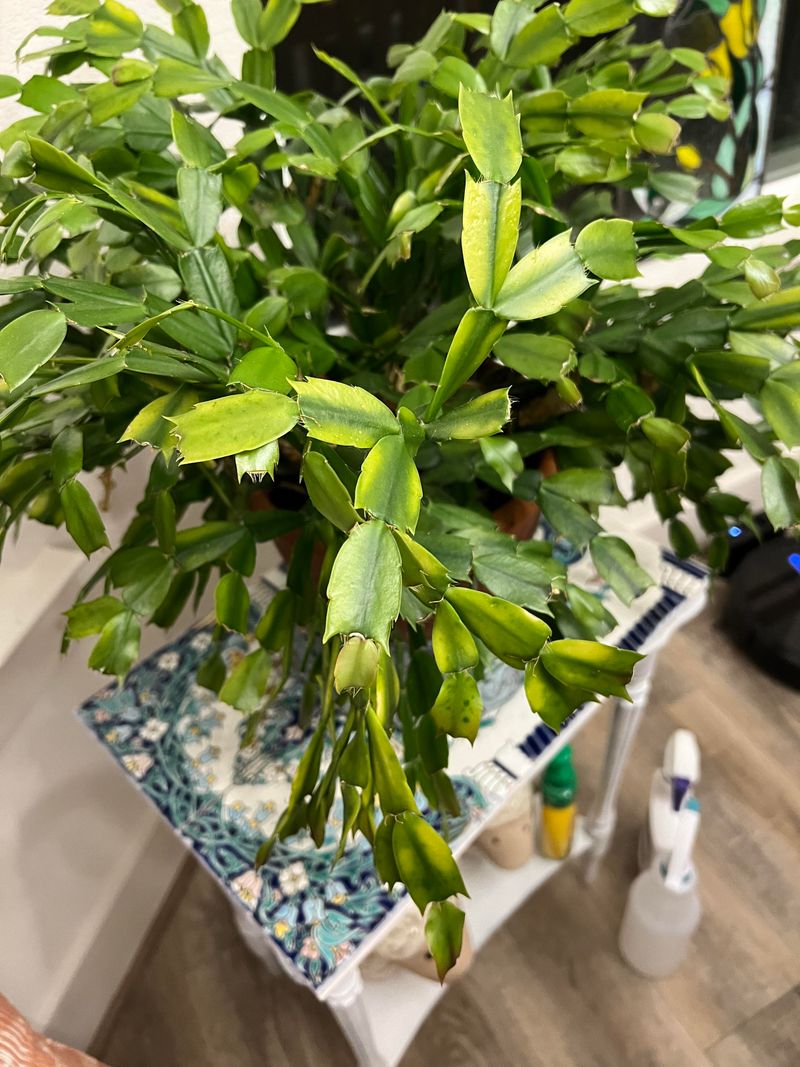
Air conditioning feels amazing for people in summer, but your Christmas cactus is not a fan. Those cooling systems pull moisture right out of the air, creating conditions this tropical plant struggles with.
Christmas cactus evolved in humid rainforests where moisture levels hover between 60 and 80 percent. Most air-conditioned homes in summer sit closer to 30 or 40 percent humidity.
When the air around the plant is too dry, moisture evaporates rapidly from the leaf surface. The plant cannot replace that moisture fast enough, and the segments begin to look pale and slightly shriveled.
Low humidity also slows down the movement of nutrients through the plant. Without adequate moisture in the air, internal processes slow, and leaf color suffers as a result.
A simple humidity tray can help a lot. Fill a shallow dish with pebbles and water, then set the pot on top so it sits above the waterline.
As the water evaporates, it raises the humidity immediately around the plant. This low-effort trick creates a microclimate that the plant genuinely appreciates.
A small humidifier nearby is another option if you have multiple moisture-loving houseplants grouped together. Grouping plants also raises the collective humidity as they release moisture through their leaves.
Misting directly on the leaves is less effective and can encourage fungal issues if the foliage stays wet overnight. Stick with the tray method for a safer, steadier humidity boost.
7. Plant Is Rootbound And Can’t Absorb Water Or Nutrients
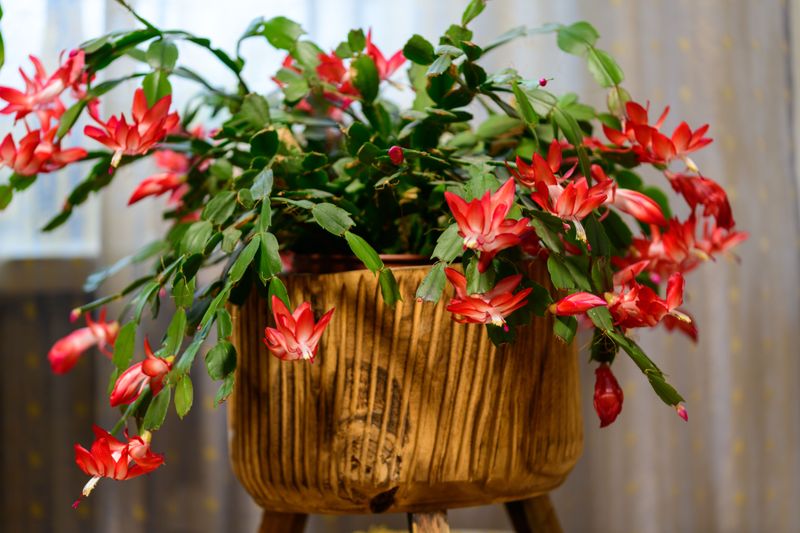
Flip your Christmas cactus pot over and look at the drainage holes. If roots are poking out the bottom, your plant has officially outgrown its home.
A rootbound plant has packed every inch of available soil with roots. There is so little growing medium left that water passes straight through without being absorbed properly.
Without adequate soil contact, roots cannot pull in the water and nutrients the plant needs. The result is pale, undernourished Christmas cactus leaves even when you are watering and feeding regularly.
Interestingly, this plant does not mind being a little snug in its pot. Many growers find this plant blooms more reliably when slightly crowded.
But there is a difference between comfortably snug and severely rootbound. When the roots have nowhere left to grow, the plant begins to suffer visibly.
Repotting into a container just one or two inches wider gives the roots room to breathe and expand. Choose a pot with drainage holes and use a fresh, well-draining cactus or succulent mix.
Spring or early summer is the best time to repot so the plant has the whole growing season to settle in. Avoid repotting in fall, as that is when it prepares for its winter blooming cycle.
After repotting, hold off on fertilizing for about a month. Fresh soil has enough nutrients to carry the plant through its initial adjustment period with ease.
8. Sudden Location Change Has Shocked The Plant
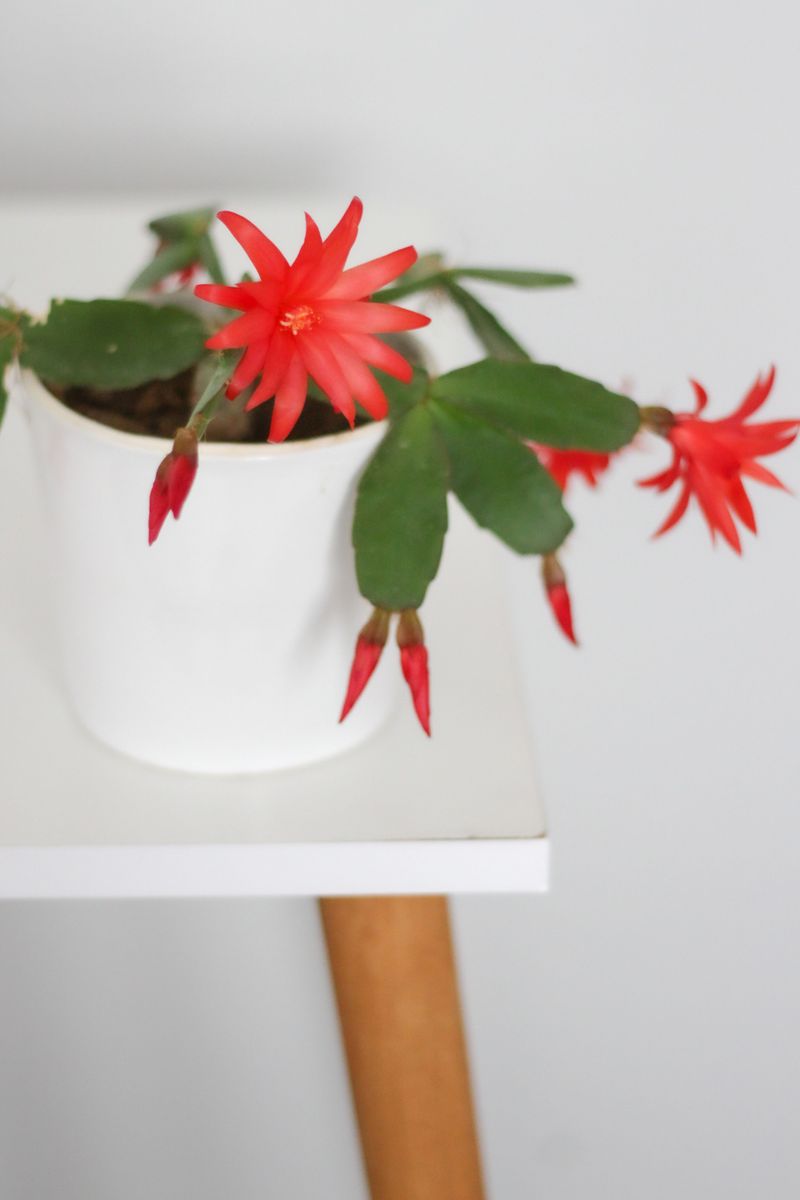
Moving your Christmas cactus from a dim corner to a sunny patio feels like a kind gesture. To the plant, it means encountering a dramatically different environment in a very short time.
Plants acclimate slowly to their environments, adjusting their internal chemistry to match the light, temperature, and humidity around them. A sudden shift in any of those conditions triggers what growers call transplant or environmental shock.
Pale leaves following a location change are the plant’s distress signal. It is telling you the new conditions are too different, too fast for it to handle gracefully.
This is especially common in early summer when gardeners move houseplants outdoors. The jump from filtered indoor light to bright outdoor conditions overwhelms the plant almost immediately.
The fix is a process called hardening off. Start by placing the plant in deep shade outdoors for a few days, then gradually introduce it to brighter spots over two to three weeks.
The same principle applies when moving the plant indoors from outside in fall. Gradual transitions protect the plant from color loss, leaf drop, and general stress responses.
If the shock has already happened and your Christmas cactus leaves are pale, move the plant back to its previous location. Give it time to recover before attempting another move.
Patience is the most powerful tool here. A slow, respectful transition keeps this resilient plant colorful, calm, and thriving no matter where summer takes it.