What California Greywater Rules Let You Do In The Garden And What To Watch Out For
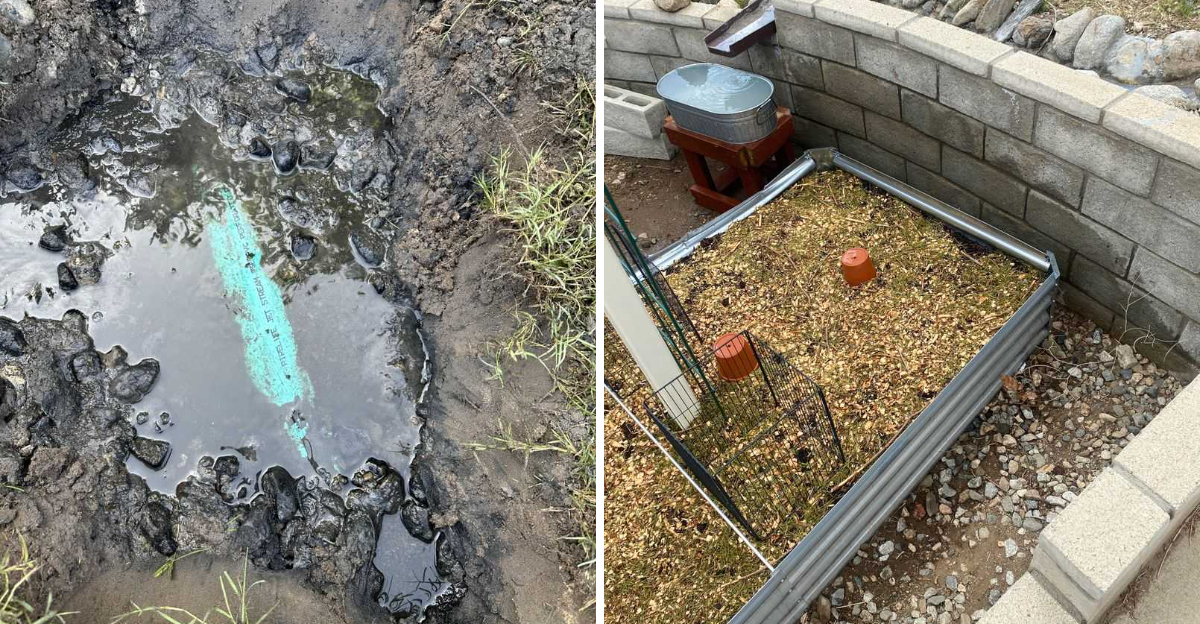
Water is precious in California, and every drop saved in the garden counts.
Greywater, the lightly used water from sinks, showers, and washing machines, offers a smart way to keep plants alive without running up your water bill during the months when outdoor irrigation becomes the biggest expense on the statement.
Most homeowners never think to ask the question that actually matters: do you know what the rules say you can and cannot do with that water?
California has a surprisingly flexible greywater system, but there are real limits that protect your family, your neighbors, and the environment.
The state updated its greywater rules to make simple systems easier to set up, yet many people still get caught off guard by details that seem small but carry real consequences.
Some rules give you more freedom than you might expect. Others could catch you off guard if you skip the fine print.
These eight things worth knowing cover exactly what California allows, what it forbids, and how to make the most of every sudsy gallon flowing through your home.
1. Use Laundry Water Without A Permit
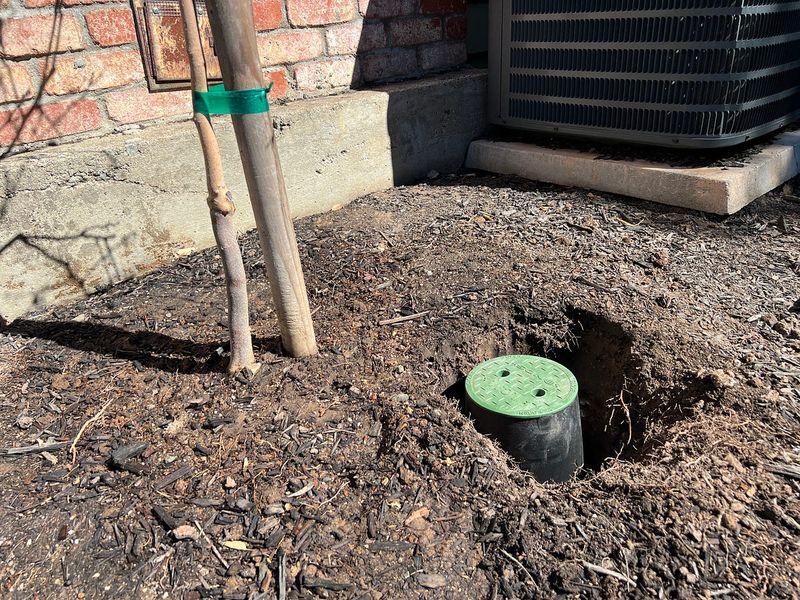
Your washing machine might already be your garden’s best friend, and California law makes it surprisingly easy to put that laundry water to work.
Under the California Plumbing Code, a laundry-to-landscape system is classified as a simple greywater system. That means no permit is required to set one up, as long as you follow the basic rules.
The system must serve a single-family home.
Flow must go directly from the washing machine to the landscape through a pipe that stays below the mulch surface. You cannot store the water in a tank before sending it to plants. The water must reach the soil right away.
One washing machine can produce up to 15 gallons per load, so the savings add up fast.
That is a lot of free irrigation, especially during a dry California summer. The total daily greywater flow from a laundry-to-landscape system cannot exceed 250 gallons per day for a single-family home, though most households fall well under that limit.
The system also must have a three-way diverter valve so you can send water to the sewer when needed, like when you wash heavily soiled clothes.
Keep records of your setup in case a local inspector ever asks. Even without a permit, your system must still meet code requirements. Check with your county, because some areas add extra local rules on top of state minimums.
2. Send Water Through A Diverter Valve
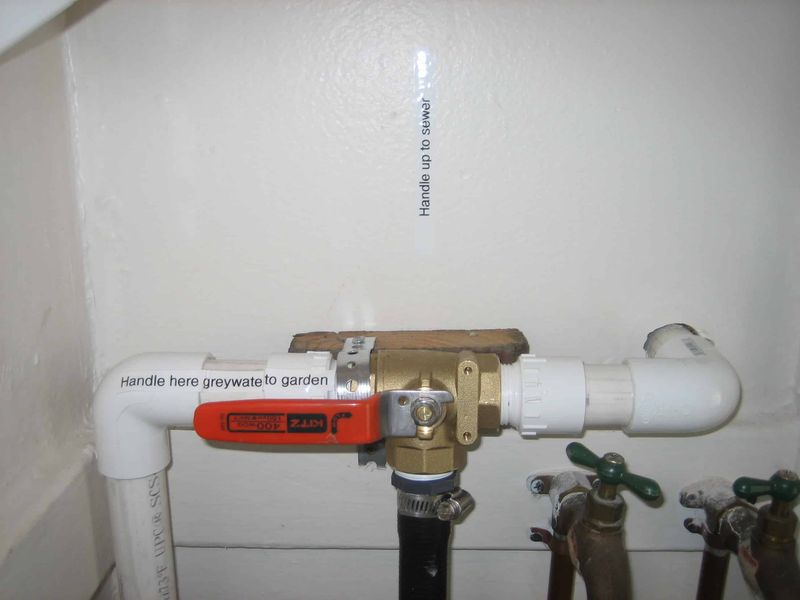
A small plastic valve does a surprisingly big job in any greywater system.
The three-way diverter valve is the control center that lets you switch the flow of water between your sewer or septic system and your garden landscape. California code requires this valve on every laundry-to-landscape setup, and for good reason.
Not every load of laundry is safe for the garden.
Wash cycles that include bleach, diapers, or heavily soiled items should go straight to the sewer, not to your plants. The diverter valve makes that switch simple and fast. No tools needed, just a turn of the handle.
Your California Garden Changes Every Week. Your Plan Should Too.
Gardening in California changes quickly throughout the season. Every Friday you’ll receive a simple weekly plan showing exactly what to plant, prune, fertilize, harvest, and protect so you never miss the right timing.
The diverter valve is essentially the traffic director of your greywater system, keeping the right water going to the right place at the right time.
Valves must be easy to reach and clearly labeled so anyone in the household can operate them. They should default to the sewer position so that if the valve fails or gets left alone, water does not accidentally flood the garden.
That default setting is a safety net built right into the design.
Installation is straightforward for mant homeowners with basic plumbing knowledge.
The valve connects to the washing machine drain line before it reaches the main sewer line. Make sure the valve you buy is rated for greywater use and matches the pipe size in your laundry room.
A proper fit prevents leaks and keeps the system running cleanly.
3. Keep Greywater On Your Property
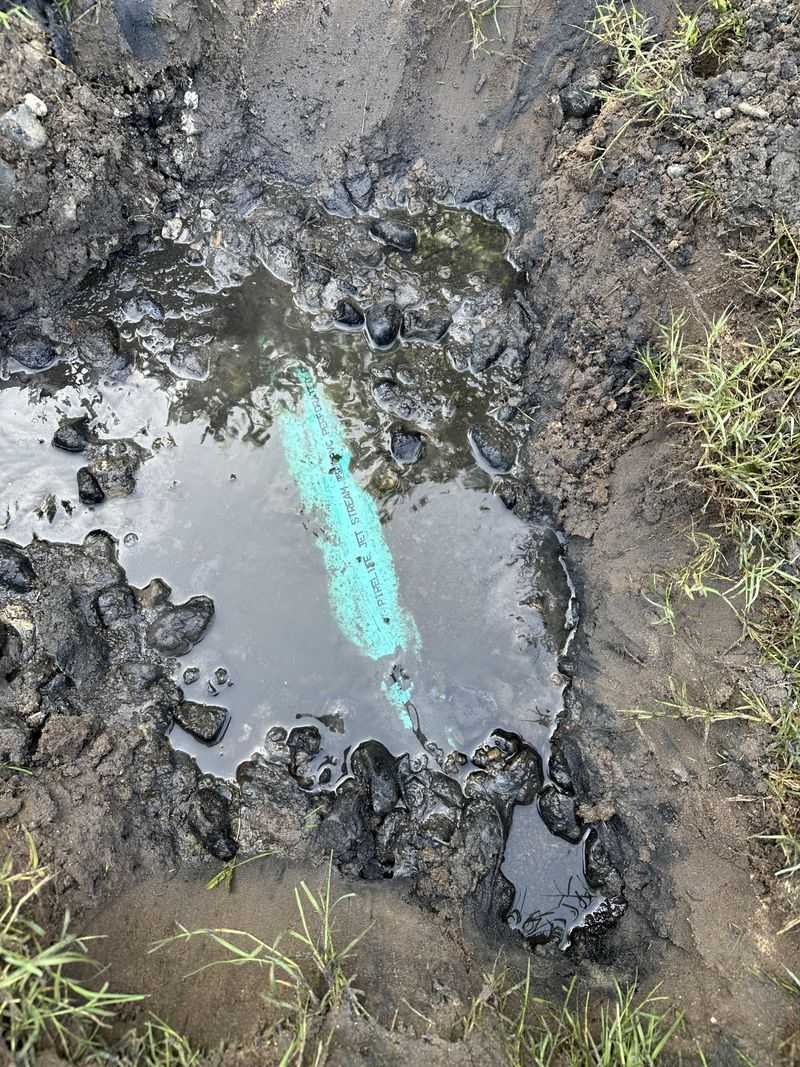
Greywater is generous when it stays home. California law is crystal clear on this point.
Greywater must stay within the boundaries of the property where it is produced. It cannot run off onto a neighbor’s yard, a public sidewalk, a street, or into a storm drain.
Runoff is one of the most common violations in greywater systems.
It usually happens when too much water is applied to one spot, or when the soil is already saturated and cannot absorb more. Clay-heavy soils are especially prone to this problem because water moves through them slowly.
Greywater that reaches a storm drain becomes a public health issue.
Storm drains flow directly to local waterways without treatment. Soap residue, bacteria, and other contaminants from household water can harm aquatic life and water quality downstream.
That is why California treats runoff as a serious violation, not just a technicality.
Keeping greywater on your property requires a little planning.
Space out your irrigation zones so no single area gets overloaded. Rotate which trees or shrubs receive water on any given day.
Use mulch basins to slow absorption and give the soil time to soak up moisture before it can escape.
If your yard slopes toward the street or a neighbor’s fence, pay extra attention to how water moves across the surface.
Greywater that wanders off your lot can lead to fines, mandatory system removal, and a very awkward conversation next door. Keep it contained and keep it legal.
4. Deliver Water Under Mulch
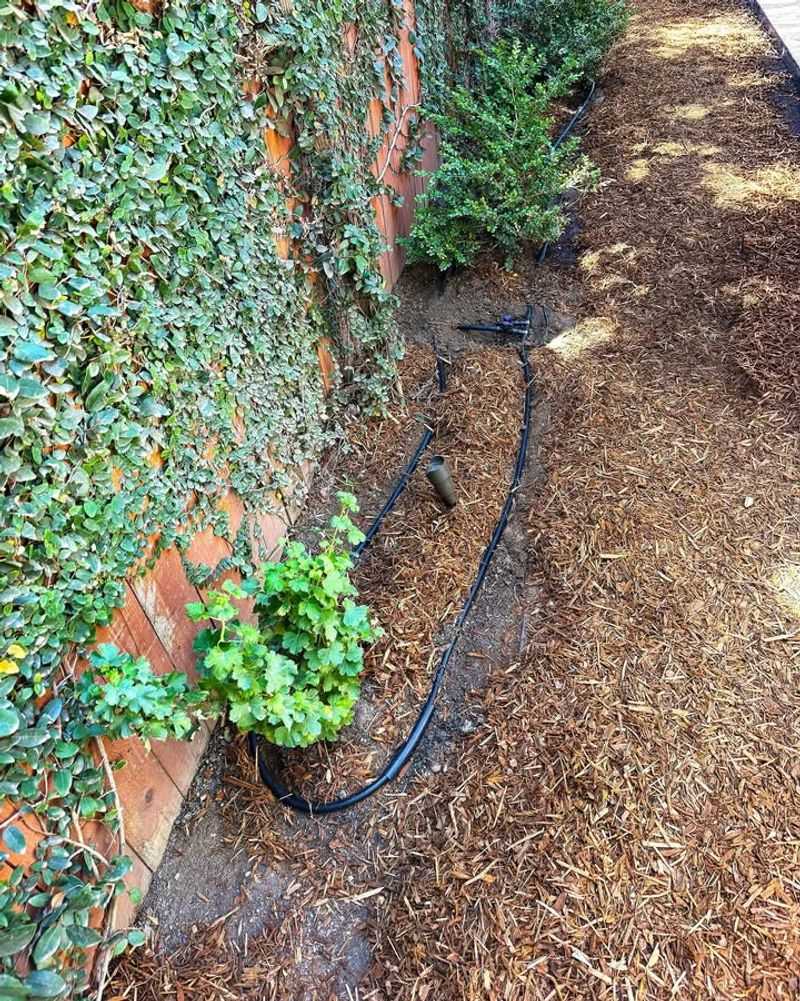
Greywater delivery in California is all about going underground, or at least under cover.
State code requires that greywater be applied below the mulch surface or through a subsurface system. Spraying greywater into the air is not allowed, and the reasons behind that rule are practical.
Exposed greywater spray creates aerosols that people and pets can inhale.
It can also land on surfaces where children play, on edible plant parts, or drift onto neighboring properties. Keeping water under mulch eliminates most of those risks in one simple step.
Mulch basins are the most popular delivery method for laundry-to-landscape systems.
A mulch basin is a shallow depression filled with several inches of wood chips or bark placed around the base of a tree or shrub.
The greywater pipe empties into the basin, and the mulch filters and slows the water as it soaks into the root zone below.
Wood chips work especially well because they break down slowly and improve soil health over time.
They also hide the pipe outlet, keep the area looking tidy, and reduce evaporation. The pipe outlet should be at least two inches below the top of the mulch layer to prevent surface pooling.
Refresh the mulch every season as it breaks down, because a thin mulch layer loses its filtering ability quickly.
A well-maintained mulch basin makes your greywater system work harder and last longer without any extra effort on your part.
5. Skip Edible Parts That Touch Soil
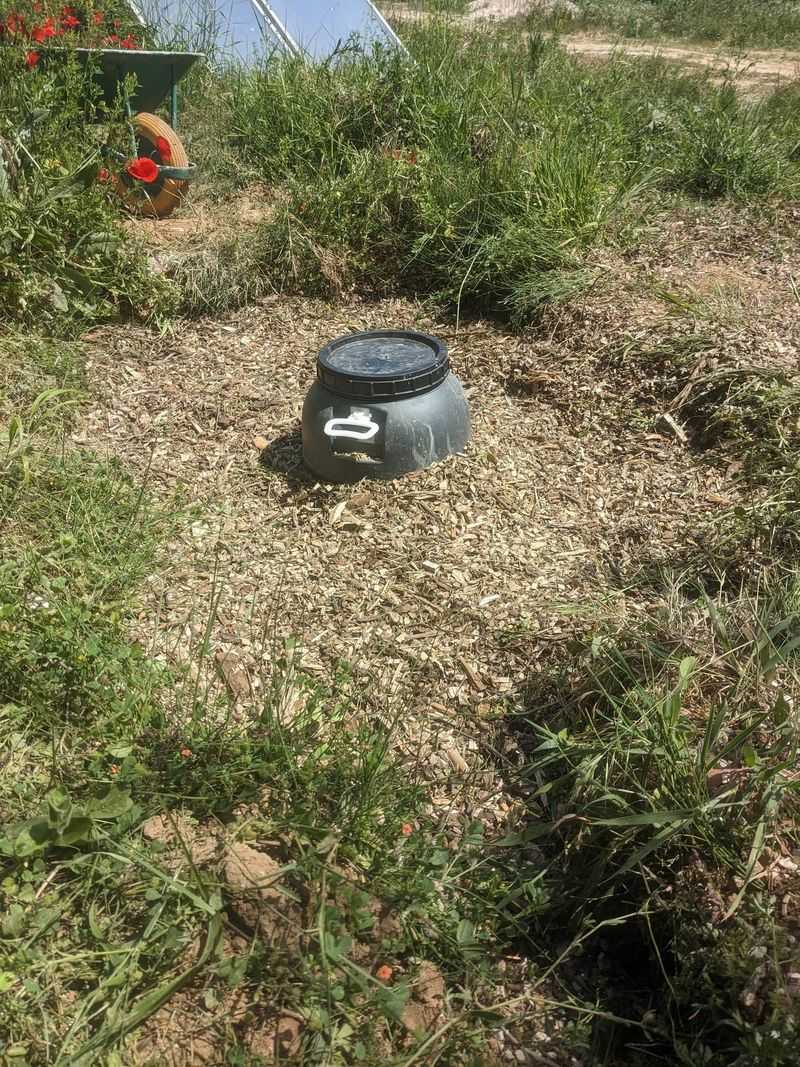
Food safety is the heart of greywater rules around edible plants.
California code prohibits greywater contact with any part of a plant that will be eaten. That rule sounds simple, but it gets tricky when you look at how different plants grow.
Root vegetables like carrots, beets, and radishes grow underground where greywater soaks in.
Greywater should never be used to irrigate root crops because the edible part lives right in the soil where the water travels.
Leafy greens like lettuce and spinach sit close to the ground, making them easy targets for soil splash even when water is applied carefully.
Fruit trees and berry bushes are generally safer options for greywater irrigation.
The edible fruit grows well above the soil line, far from where the water is delivered. Ornamental plants, lawns, and non-edible shrubs are also excellent candidates for greywater use.
A practical rule of thumb: if you would eat the part of the plant that touches the soil or the water, keep greywater away from it.
Many greywater educators recommend sticking to fruit trees and ornamentals to stay comfortably on the safe side.
Always wash homegrown produce thoroughly before eating, regardless of how it was irrigated.
Greywater from laundry often contains trace amounts of detergent, skin cells, and bacteria. Even well-designed systems carry some risk if applied carelessly around food crops.
Smart placement protects your harvest and your household.
6. Avoid Bleach Boron And Salts
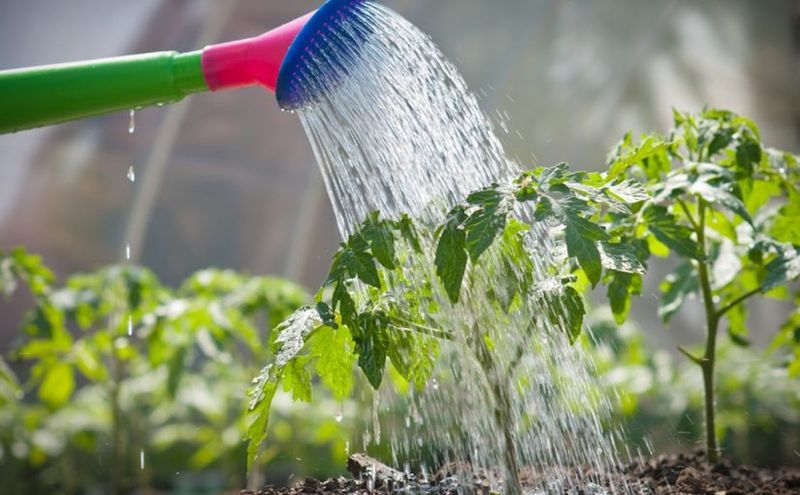
What goes into your washing machine eventually goes into your soil.
That connection makes product choice one of the most overlooked parts of running a safe greywater system. Certain common laundry ingredients can quietly damage your garden over time.
Bleach is the biggest offender.
It reduces the population of beneficial soil microbes that plants depend on for nutrient uptake. Even small amounts of bleach, used regularly, can strip the biological activity out of garden soil and leave plants struggling.
If you use bleach in a wash cycle, always divert that load to the sewer using your three-way valve.
Boron is another sneaky troublemaker.
Many laundry detergents contain boron as a cleaning booster, but boron builds up in soil and becomes toxic to plants at even moderate concentrations.
Check your detergent label carefully. Products marketed as greywater-safe or plant-safe typically leave out boron entirely.
Sodium, the salt found in many softeners and some detergents, is equally harmful.
Sodium disrupts soil structure by breaking down the clay particles that help soil hold its shape and drain properly.
Over time, sodium-heavy greywater turns garden soil into a dense, compacted problem that roots cannot penetrate.
Look for detergents labeled as biodegradable, low-sodium, and boron-free.
Brands specifically formulated for greywater systems are available at many hardware and natural food stores.
Switching products is one of the easiest upgrades you can make, and your plants will reward you with healthier growth all season long.
7. Prevent Ponding Runoff And Sprays
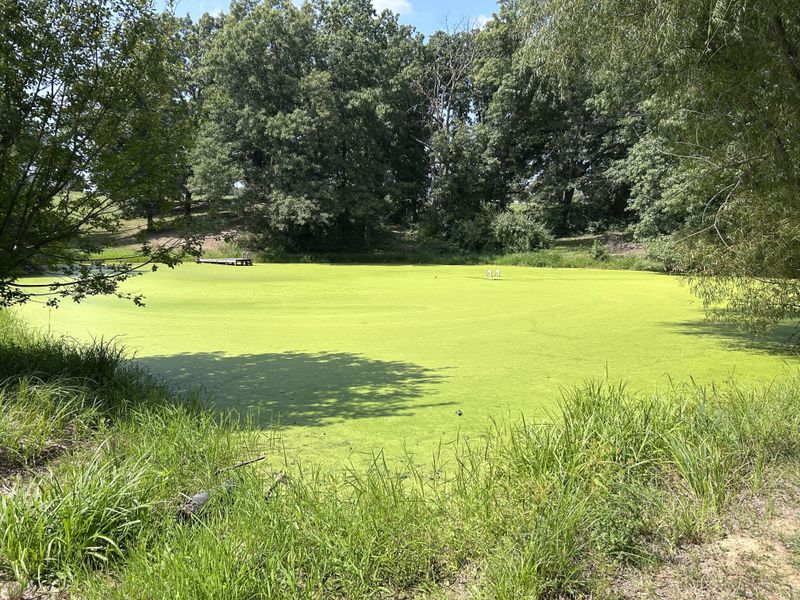
Standing water is a red flag in any greywater system.
California code specifically prohibits ponding, surface runoff, and spray from greywater systems. Each of those three problems creates a different kind of risk, and all of them are preventable with good system design.
Ponding happens when water pools on the surface instead of soaking into the soil.
It creates a breeding ground for mosquitoes and can attract animals. It also signals that the soil is saturated or that too much water is being delivered to one spot at once.
Spreading water across more zones or reducing flow frequency usually solves the problem quickly.
Surface runoff is greywater that moves across the ground instead of soaking in.
It can carry bacteria and soap residue off your property and into areas where people or animals walk. Sloped yards are the most vulnerable to runoff, especially during heavy irrigation or after rain when the ground is already wet.
Spray is the riskiest of the three because it creates tiny airborne droplets that people can inhale.
California law bans any greywater delivery method that produces spray or mist. Drip-style or mulch basin systems eliminate this risk entirely by keeping water at or below the soil surface.
Check your system regularly for leaks, clogs, or overflow at the pipe outlet.
Clean the pipe ends every few months and refresh your mulch basins seasonally. A little maintenance goes a long way toward keeping your system safe, legal, and odor-free all season long.
8. Check Permits For Bigger Systems
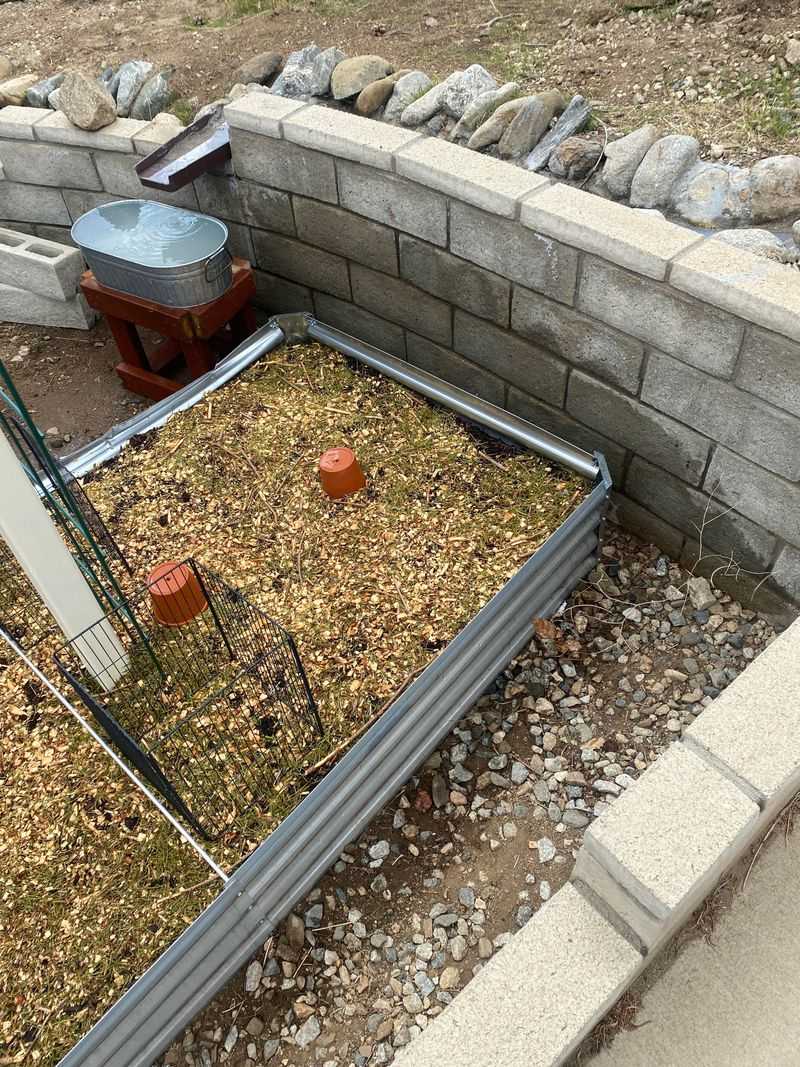
Laundry-to-landscape systems get to skip the permit line, but bigger greywater setups play by different rules.
Once you move beyond a single washing machine source, California requires a permit and professional involvement. Knowing where that line falls can save you from a costly surprise down the road.
A complex greywater system, under California code, includes any setup that uses water from showers, bathtubs, or bathroom sinks in addition to or instead of laundry water.
These systems must be designed and installed according to specific plumbing code standards. A permit from your local building department is required before any work begins.
Complex systems often require a licensed plumber or contractor to handle the installation.
They may also require inspections at multiple stages of the project. The permit process exists to make sure the system is safe for your household and the surrounding environment.
Some California counties go beyond state minimums with their own local greywater ordinances.
Los Angeles, Santa Cruz, and Marin counties, among others, have published detailed local guidance that homeowners should review before starting any project. What is acceptable in one county may require extra steps in another.
Greywater systems installed without required permits can be ordered removed at the homeowner’s expense and can affect home insurance and resale value.
Getting the right permit upfront protects your investment and keeps you on the right side of the code. When in doubt, a quick call to your local building department costs nothing and tells you exactly where you stand.