The Signs Your California Orange Tree Is Getting Too Much Water In Summer
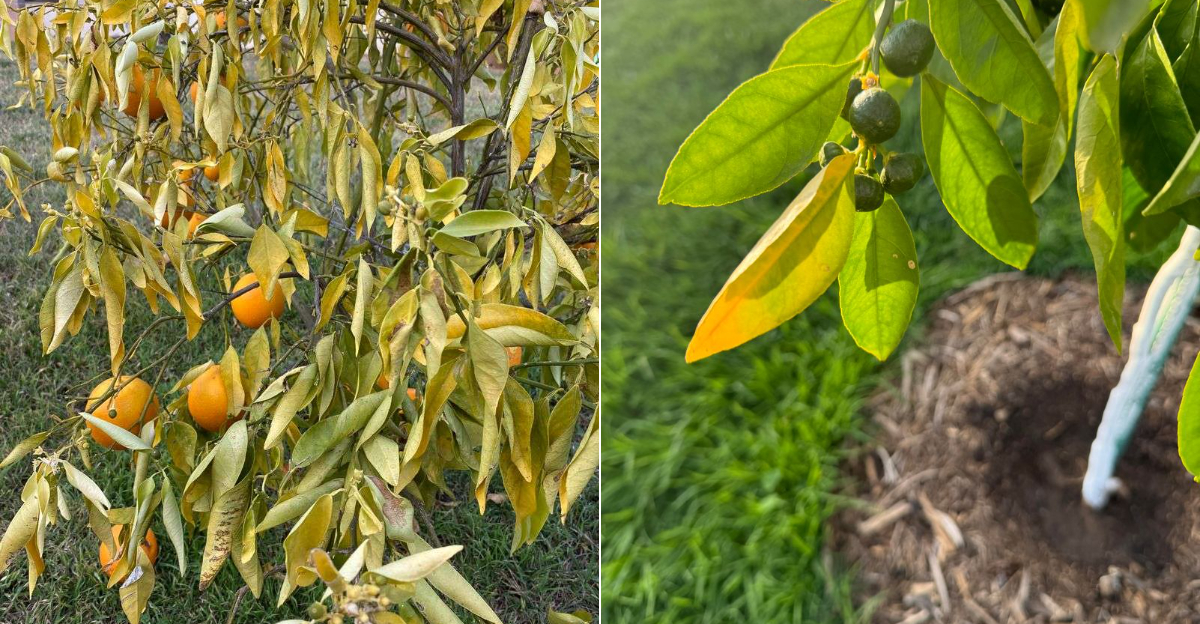
An orange tree can look thirsty in summer even when the real problem is too much water. That mix-up happens a lot in California yards, especially when heat makes leaves curl or fruit drop.
More water may seem like the safe answer, but soggy roots can leave the tree weaker instead. The clues often show up slowly.
Leaves may yellow in odd patterns. New growth may look tired instead of fresh.
The soil may stay damp long after watering day has passed. Once roots lose the air they need, the whole tree can struggle to keep up.
The good news is that orange trees usually give warnings before the problem gets worse. Learn how to read those signs, and you can adjust your watering before summer stress takes over.
1. Yellow Leaves Can Signal Waterlogged Roots
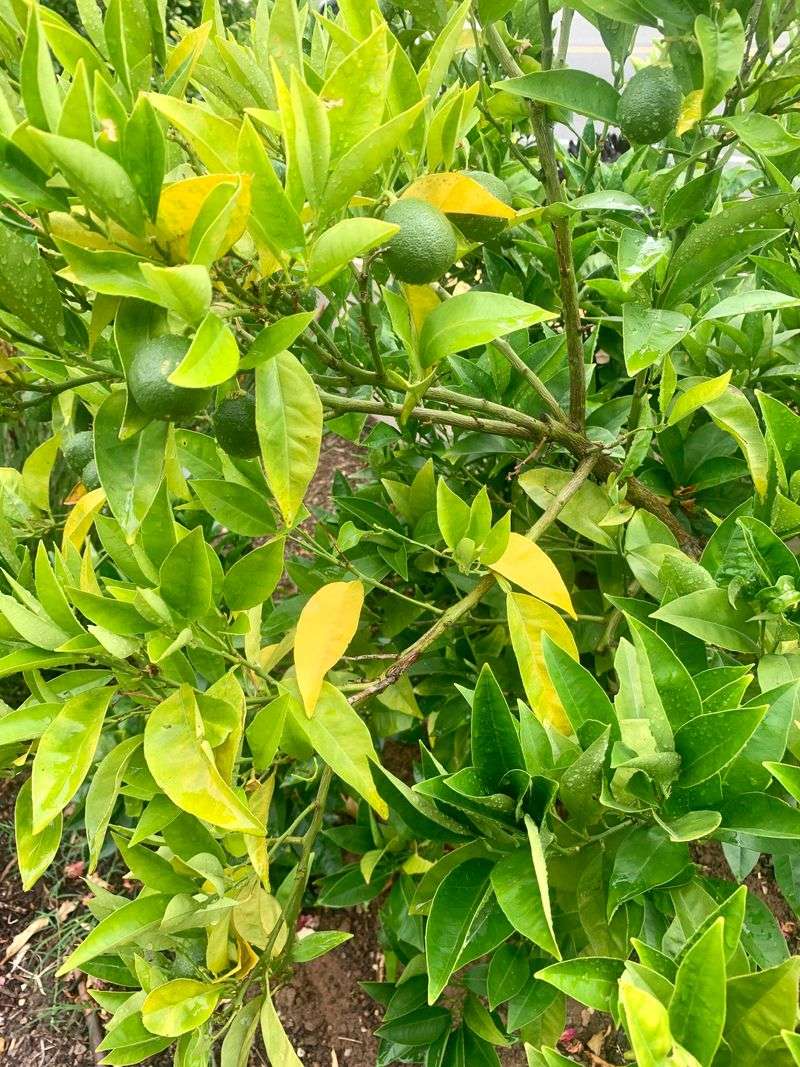
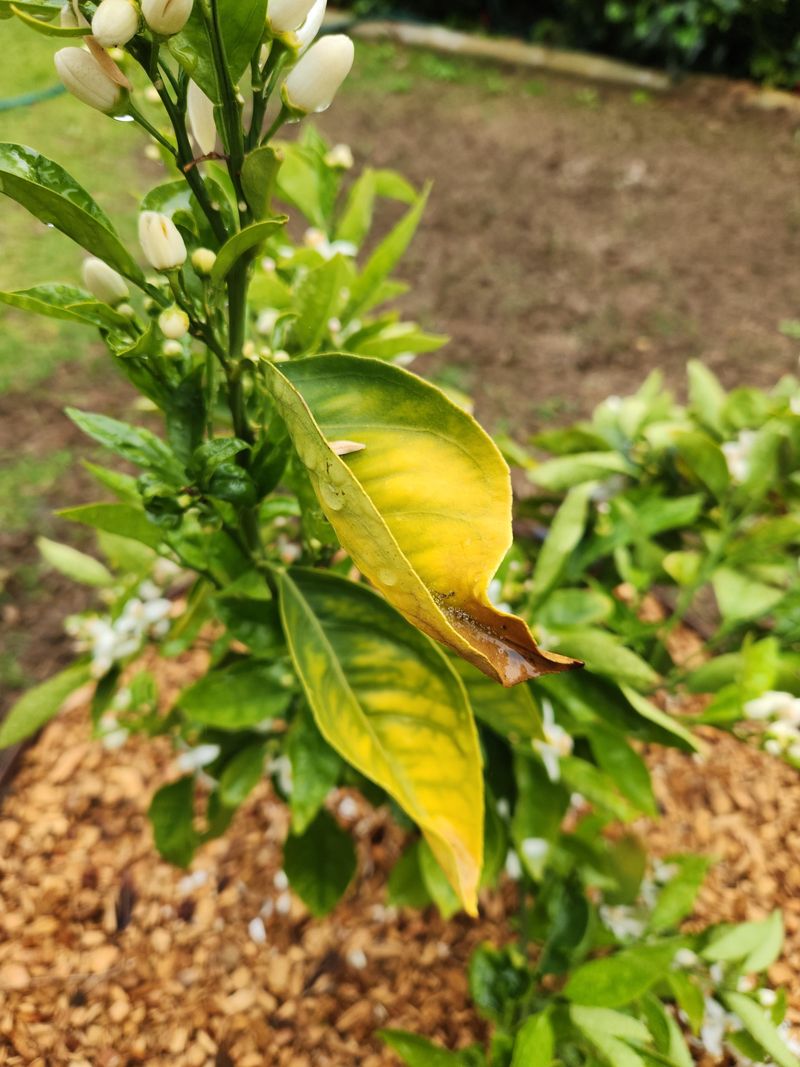
Yellow leaves on an orange tree are one of the first things growers notice when something is off. Most people assume the tree needs more fertilizer, but waterlogged roots are actually a very common cause of this problem.
When roots sit in wet soil for too long, they struggle to pull in nutrients even when those nutrients are present in the ground.
The yellowing usually starts on older leaves near the bottom or inside of the canopy. It then spreads outward if the overwatering continues.
The leaves may turn a uniform pale yellow or show a mottled pattern with green veins and yellow patches between them.
This pattern is called chlorosis, and it happens because the roots cannot absorb iron and other minerals properly when they are waterlogged. Cutting back on water and letting the soil dry out a bit can help the tree recover.
Check the soil about two inches deep before watering again. If it still feels damp, hold off another day or two.
Healthy roots need air just as much as they need moisture. Giving the soil time to breathe between watering sessions makes a noticeable difference.
Adding a layer of mulch around the base of the tree, but kept a few inches away from the trunk, can also help regulate soil moisture more evenly during the hottest weeks of summer.
2. Leaves May Drop Even When The Soil Feels Wet
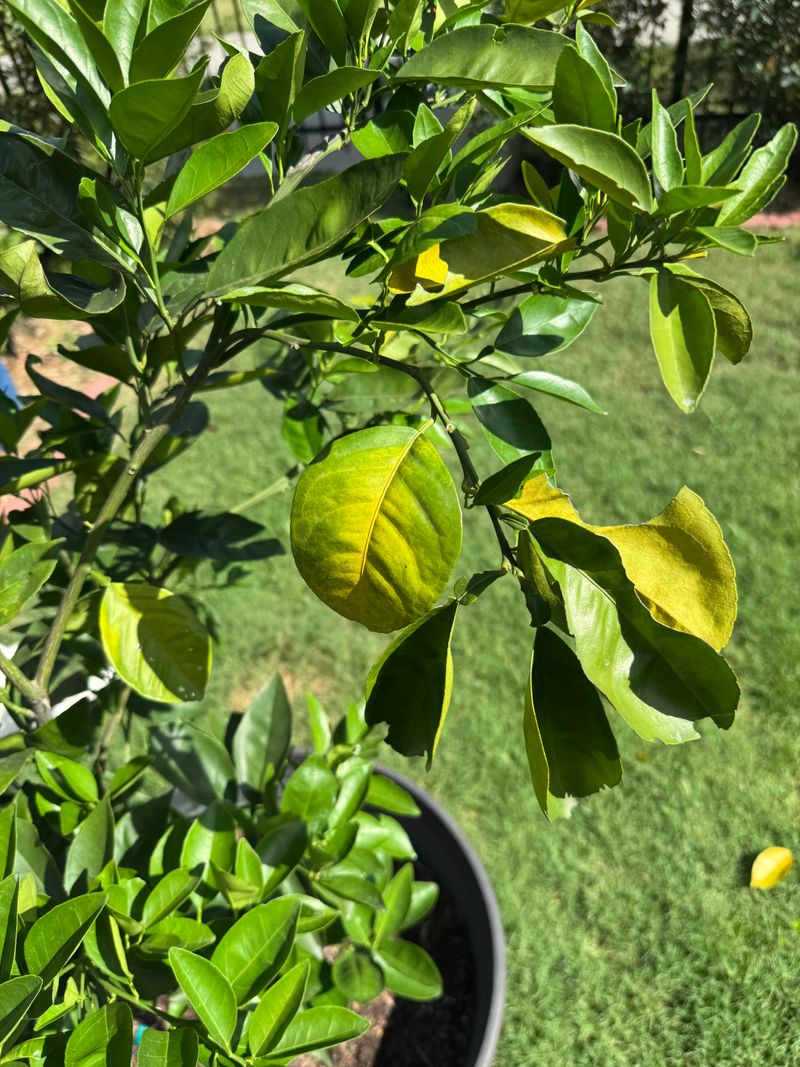
Finding leaves on the ground under your orange tree can be alarming, especially when the soil looks and feels plenty moist.
You might think the tree needs more water, but wet soil paired with leaf drop is actually a strong signal that overwatering is the real issue.
The tree is shedding leaves as a stress response, not a drought response.
When roots are deprived of oxygen due to waterlogged soil, the tree cannot transport water and nutrients up through its system efficiently. The leaves essentially get cut off from what they need, so the tree lets them go.
This is the tree protecting itself the only way it can.
California summer leaf drop caused by overwatering tends to happen quickly and affects a noticeable number of leaves at once. You may also see the remaining leaves looking dull or slightly droopy before they fall.
Your California Garden Changes Every Week. Your Plan Should Too.
Gardening in California changes quickly throughout the season. Every Friday you’ll receive a simple weekly plan showing exactly what to plant, prune, fertilize, harvest, and protect so you never miss the right timing.
The best step is to stop watering immediately and let the soil dry out for several days. Poke a stick or your finger about three inches into the ground to check moisture levels before resuming your watering schedule.
Improving drainage around the tree by aerating the soil or adjusting your irrigation system can prevent this problem from repeating.
Consistent overwatering weakens the tree over time, so catching this sign early really does matter for long-term tree health.
3. New Growth Can Look Weak, Pale, Or Limp
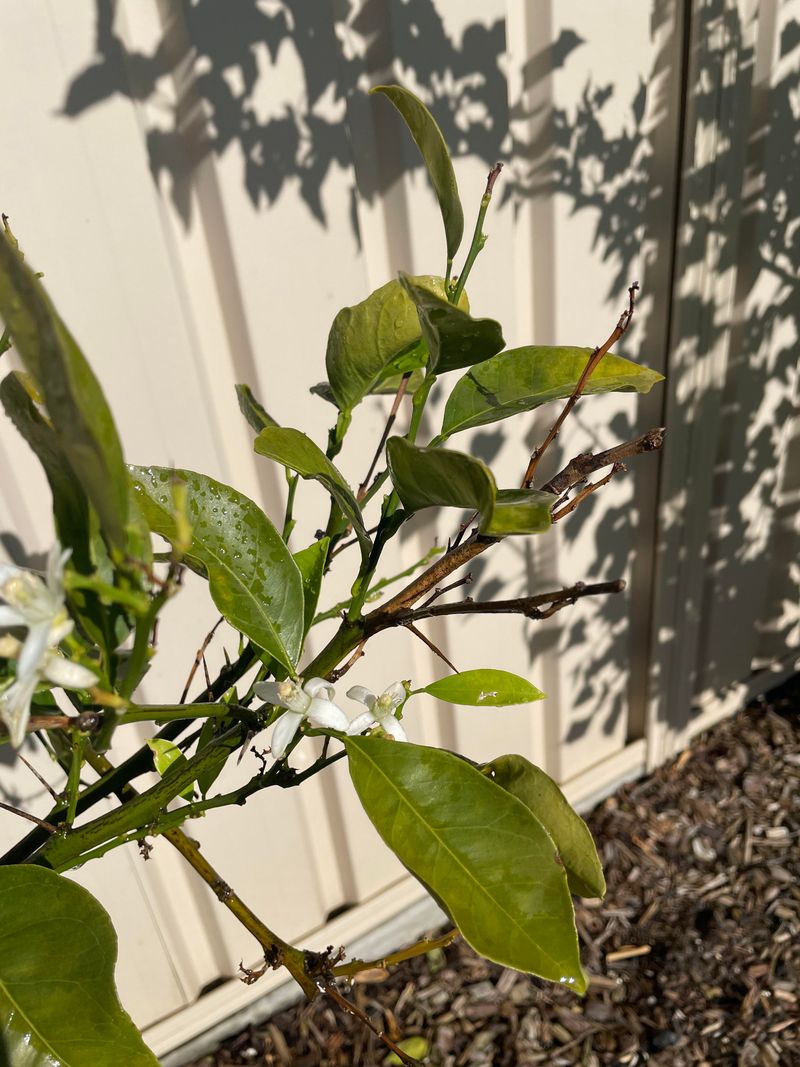
Watching new growth emerge on your orange tree should feel exciting, but weak, washed-out shoots are a sign that something is wrong underground. Healthy new growth should be bright green, firm, and upright.
When it comes in looking pale, soft, or drooping, overwatering is often to blame.
Excess water in the soil limits how well roots function. Even though water is everywhere around the roots, the plant cannot use it properly when oxygen is missing from the soil.
This creates a condition that actually mimics drought stress, which is why the new growth looks starved even in soggy ground.
Pale new leaves may also have a slightly yellowish or whitish tint rather than the deep green you would expect. The shoots may bend or curl instead of growing straight and strong.
This is the tree telling you that its root system is under serious pressure. Reducing your watering frequency is the most important first step.
Switch to a deep watering schedule where you water thoroughly but less often, allowing the top few inches of soil to dry between sessions.
In the hotter parts of California, this might mean watering once every five to seven days rather than every two or three.
Pairing this with well-draining soil or raised planting beds can help prevent the problem from returning in future summers.
4. The Tree May Wilt Despite Regular Watering
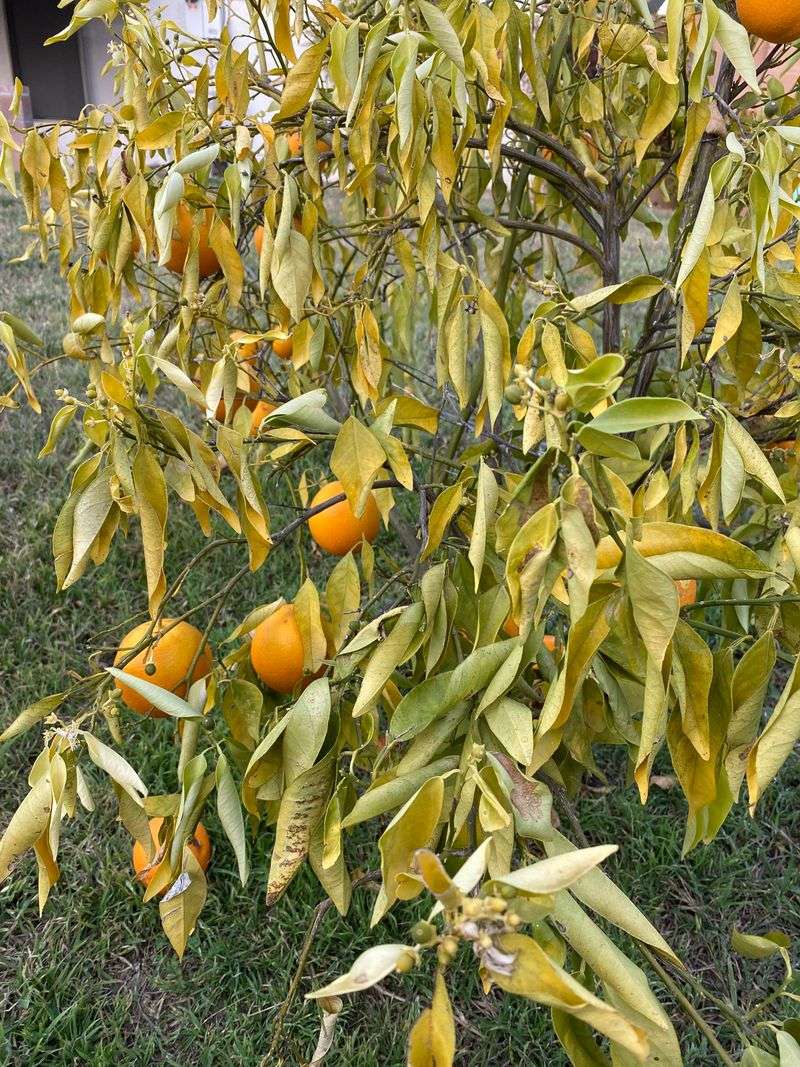
Wilting is usually the first thing people connect to drought, so seeing a droopy orange tree makes most growers reach for the hose.
But here is the surprising part: wilting can happen just as easily from too much water as it can from too little.
If you are already watering regularly and the tree still looks limp, stop watering and check the soil first.
Overwatered roots begin to break down over time. They lose their ability to absorb water and push it up through the tree.
So even though the soil is soaking wet, the tree behaves as though it is parched because its root system is no longer working the way it should.
The wilting from overwatering tends to look a little different from drought wilting. Drought wilting often comes with dry, crispy leaf edges, while overwatering wilting tends to produce soft, limp leaves that feel almost rubbery.
The color may still look greenish at first before fading. Checking the soil moisture level at a depth of three to four inches is the smartest way to tell the difference.
If the soil is wet and the tree is still wilting, ease up on irrigation right away. Let the soil drain and dry before watering again.
In poorly drained areas of northern regions, this problem is especially common during the peak of summer heat.
5. Fruit Drop Can Get Worse With Water Stress
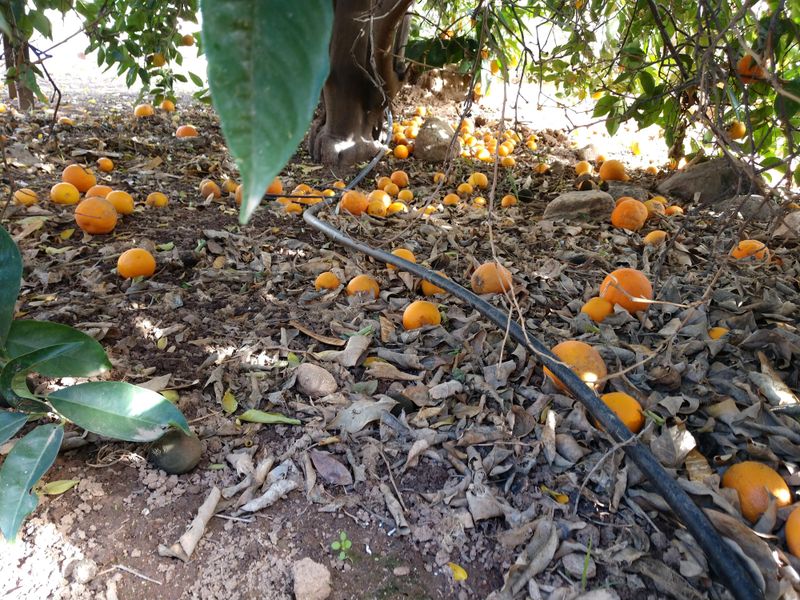
Losing fruit before it is ready to pick is frustrating, and overwatering is one reason it happens more than growers realize. Orange trees drop fruit naturally when they are under stress, and too much water is a major stressor.
If you are seeing small, unripe oranges on the ground regularly, your watering schedule may need a serious adjustment.
Water stress from overwatering disrupts the hormonal balance inside the tree. The tree essentially decides it cannot support the fruit it is carrying, so it releases the fruit early as a survival response.
This tends to get worse during the hottest weeks of summer when the tree is already working hard to manage heat.
Fruit drop caused by overwatering often happens in waves rather than a steady trickle. You might notice a cluster of small fruits falling after a period of heavy irrigation or after a stretch of particularly wet weather.
Checking your irrigation schedule and adjusting for the actual needs of the tree during summer is key.
Citrus trees in California generally need more water in July and August, but the soil should never stay soggy for days at a time.
Watering deeply once or twice a week, depending on your soil type and local temperatures, is a much better approach than light daily watering that keeps the soil constantly damp and oxygen-poor.
6. Soggy Soil Around The Trunk Is A Warning Sign
Soil that stays wet and squishy around the base of your orange tree for days after watering is not something to ignore.
That level of moisture around the trunk creates the perfect environment for root problems and fungal issues to develop quickly.
Orange trees need well-drained soil, and consistently soggy ground around the trunk is a clear sign that something needs to change.
One of the most damaging things that can happen when soil stays wet near the trunk is a condition called crown rot. The area where the trunk meets the soil is especially sensitive to prolonged moisture.
Keeping that zone dry and well-aired is one of the most important things you can do for a citrus tree in summer.
Check your irrigation setup to make sure water is not pooling directly against the trunk. Drip emitters should be placed at the edge of the canopy, not right at the base.
If your yard has poor drainage, consider building a small raised berm around the tree to direct water away from the trunk zone. Mixing compost or coarse sand into heavy clay soil can also improve drainage significantly over time.
Mulching around the tree helps, too, but always keep mulch pulled back at least six inches from the trunk itself.
These small changes can make a noticeable difference in how your tree performs through a long, hot summer season.
7. Standing Water Means The Roots Are Losing Air
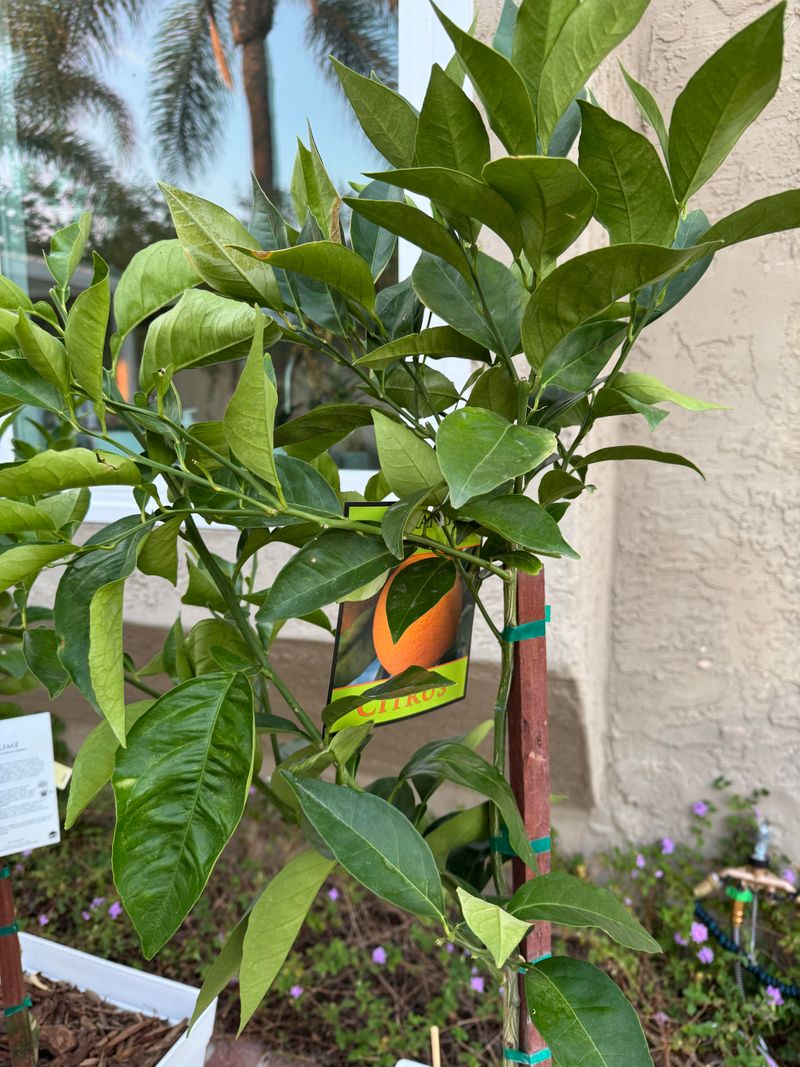
Puddles that linger around your orange tree long after watering is a sign your soil drainage needs attention. Roots need both water and air to stay healthy.
When water fills every air pocket in the soil and refuses to drain away, the roots are essentially being suffocated, even though they are surrounded by moisture.
Standing water is especially problematic in compacted clay soils, which are common in many parts of California. Clay holds water tightly and drains very slowly.
During summer when irrigation is more frequent, this can mean roots spend days without access to the oxygen they need to function.
You can test your drainage by digging a hole about a foot deep near the drip line of your tree and filling it with water. If the water has not drained within an hour, your soil drainage is poor and needs improvement.
Breaking up compacted soil with a garden fork can help in the short term. For a longer-term fix, working organic matter into the soil improves its structure and drainage capacity over time.
In areas with naturally poor drainage, planting orange trees in raised beds or mounded soil gives the roots the aerated environment they need.
Adjusting your irrigation timer to water less frequently, especially after rainy periods or in naturally wet northern regions, also helps prevent standing water from becoming a recurring problem.
8. A Sour Or Rotten Soil Smell Points To Root Trouble
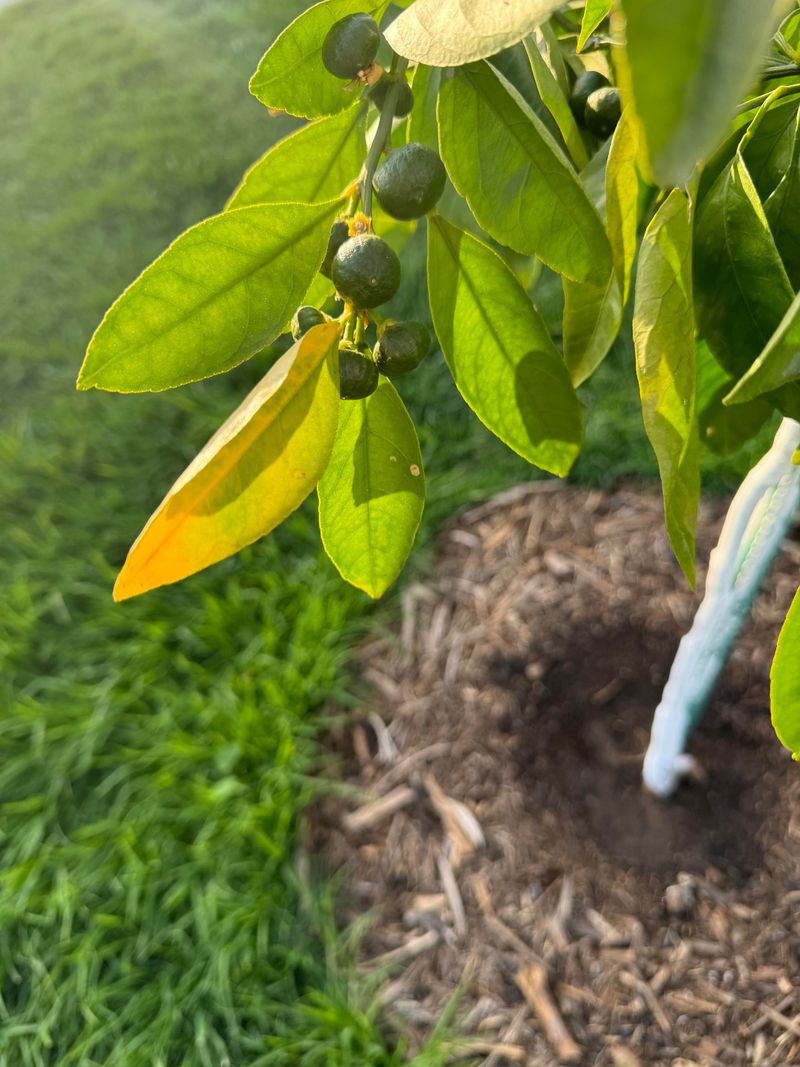
Healthy California garden soil has an earthy, clean smell that most people find pleasant. So when the ground around your orange tree starts to smell sour, musty, or rotten, that odor is telling you something important.
A foul smell from the soil is one of the clearest signs that the root zone has become oxygen-deprived and is starting to break down.
That unpleasant smell comes from anaerobic bacteria that thrive in waterlogged, airless soil. These bacteria produce gases as they break down organic matter without oxygen, and those gases are what you are smelling.
The same process damages root tissue and creates conditions where harmful fungi can spread quickly.
If you catch this smell early, there is still time to make changes before the tree suffers serious setbacks. Stop watering immediately and let the soil dry out completely before resuming.
Gently pull back any mulch near the trunk to allow the surface soil to air out faster. If the smell is very strong or you notice dark, mushy roots when you dig near the tree, the problem has already progressed.
Improving soil aeration by adding organic compost and reducing compaction can help restore a healthier root environment.
Switching to a drip irrigation system with a timer also gives you much better control over how much water the tree receives, which is the single best way to prevent overwatering from happening again in future summers.