The Florida Walkway Planting Trick That Helps Make Ticks And Fire Ants Less Welcome
Most Florida walkways are planted for looks and nothing else. Something low, something green, something that fills the border without much thought.
That missed opportunity runs right alongside every path in the yard, twice a day, every single day. The plants closest to where people walk matter more than anywhere else in the yard.
Ticks and fire ants both work at ground level. Both have strong reactions to certain plant compounds.
Both tend to avoid specific textures and scents that the right walkway planting delivers without any extra effort. Not a perfect solution.
Nothing with ticks and fire ants ever is. But a walkway that quietly works against both pests while looking intentional is a smarter setup than one that just looks good and does nothing else.
Florida has plants built for exactly this spot. Most homeowners have never thought to put them there.
1. Start With A Cleaner Walkway Edge

Picture yourself stepping out the front door and noticing the plants along your walkway have crept halfway across the path. That creeping, tangled edge is exactly where ticks and fire ants prefer to set up camp.
The real “planting trick” is not a single magical plant. It is a cleaner, more open walkway edge with low plantings, trimmed borders, and fewer places for pests to hide.
Ticks are far more likely to be encountered in brushy, overgrown zones where tall grass or sprawling plants brush against shoes and ankles. Fire ant mounds are easier to spot early when the edge is not buried under dense growth or clutter.
Keeping your walkway border visible and tidy gives you a clear advantage.
Start by removing withered stems, overgrown groundcovers, and any plants that have grown beyond the edge of the path. Trim back anything that leans over the walking surface.
A neat, open border lets you see what is happening at soil level, which is exactly where both pests prefer to stay. Routine inspection becomes much easier when the edge is clear and well-maintained throughout the season.
2. Choose Low Plants That Do Not Trap Moisture
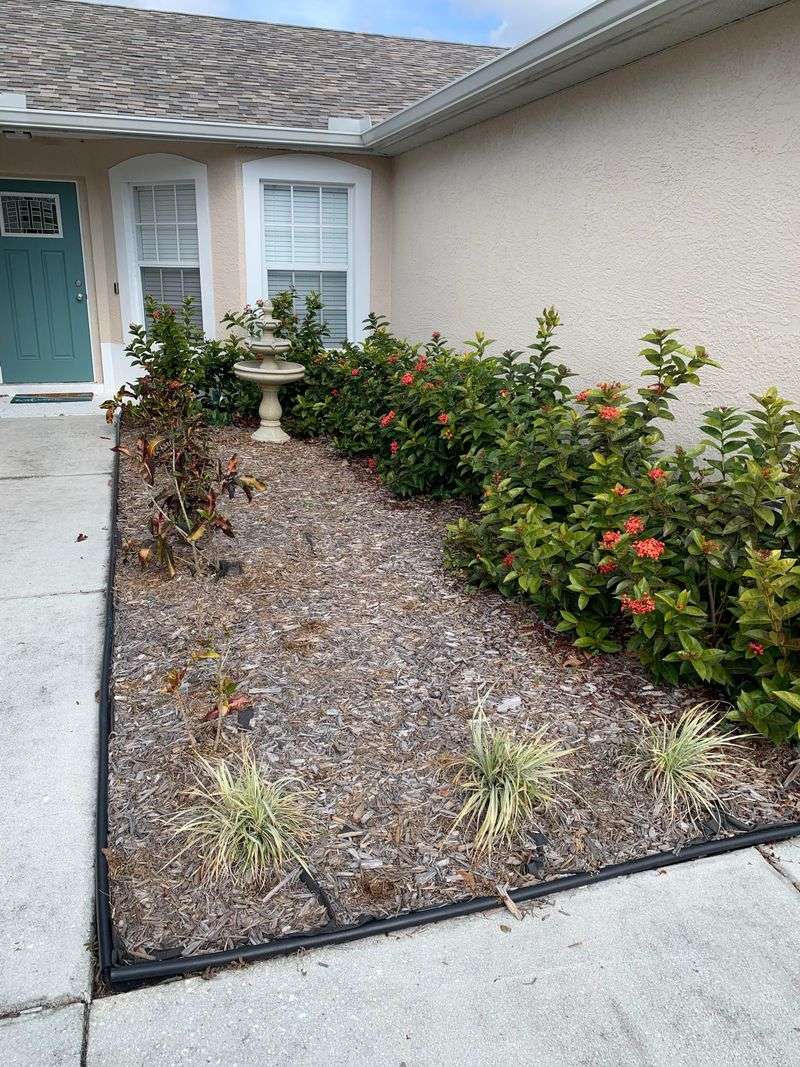
Soggy, crowded plantings along a walkway create exactly the kind of microclimate that makes pest management harder. When plants are dense, sprawling, and constantly shaded, moisture lingers near the soil surface long after rain.
That damp, hidden layer becomes a comfortable zone for insects looking for shelter and stable conditions.
Choosing low, airy plants that fit the actual width, sun exposure, and drainage of your walkway helps prevent that buildup. The best choices stay compact, allow airflow at ground level, and do not require constant cutting back to stay in bounds.
No specific plant has been proven to repel ticks or fire ants on its own, so the focus here is on structure and site fit rather than any claimed repellent quality.
Plants that spread too wide, root deeply near pavement edges, or hold water in their crowns make maintenance harder and reduce visibility along the border.
A well-chosen low plant that dries out reasonably between waterings is more useful than a lush, dense groundcover that stays wet.
Your Florida Garden Changes Every Week. Your Plan Should Too.
Gardening in Florida changes quickly throughout the season. Every Friday you’ll receive a simple weekly plan showing exactly what to plant, prune, fertilize, harvest, and protect so you never miss the right timing.
Check with your local extension office for plant recommendations suited to your region, soil type, and light conditions before making changes to your walkway plantings.
3. Keep Leaf Litter Away From The Path

After a summer storm rolls through, it only takes a day or two for fallen leaves, palm frond pieces, and windblown debris to pile up along a walkway edge. Most homeowners sweep the path itself but leave the buildup tucked against the border plants.
That damp, layered pile is one of the most pest-friendly spots in the Florida yard.
Leaf litter holds moisture, blocks sunlight, and creates a protected zone at soil level. Ticks can shelter in that kind of debris while waiting for a passing host.
Fire ant colonies also benefit from hidden, undisturbed edges where loose organic matter softens the soil and reduces exposure to the elements. Clearing that material away is a simple step that improves visibility and reduces shelter at the same time.
Organic mulch has real value in garden beds, so the goal is not to strip every bit of natural material from the landscape. The problem is buildup specifically against the walkway edge, where it stays damp and goes unnoticed.
After storms, windy days, or heavy growth periods, take a few minutes to clear the path border. Keeping that narrow strip clean and dry makes the edge far less useful as a hiding spot for either pest.
4. Avoid Dense Growth Where Ticks Can Wait
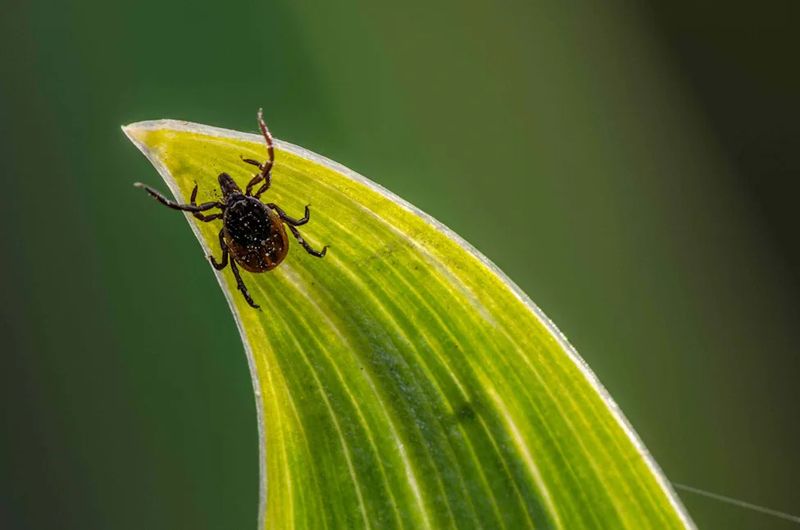
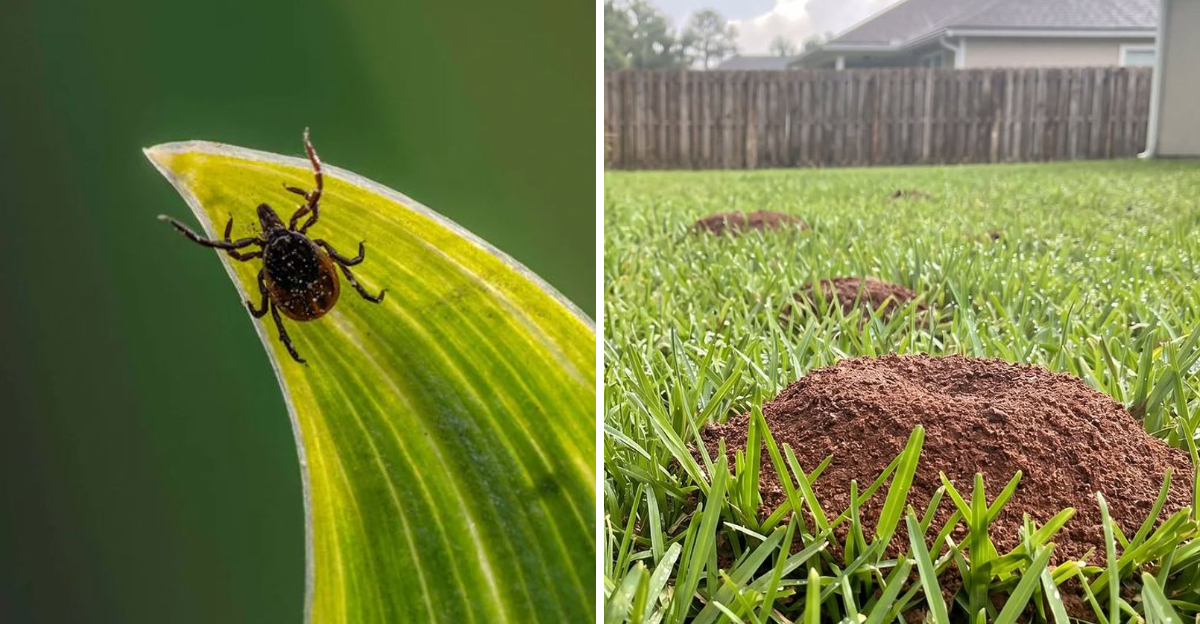
Ticks do not jump or fly. They use a behavior called questing, where they climb to the tips of grass blades, low stems, or plant edges and wait for a warm-blooded host to brush past.
That simple fact makes dense, leaning plants along a walkway a real concern for anyone spending time outdoors in a warm-weather yard.
When shrubs arch over a path, or groundcovers spread to ankle height across the walking surface, every person, pet, and visitor is exposed. Each one becomes a potential ride for a questing tick.
Keeping plants trimmed back from the walking zone reduces the number of contact points available. A clear walking lane with low, managed vegetation on each side is far less risky than a leafy tunnel where plants brush against legs with every step.
Trim back any stems that reach across the path edge, and keep grass or groundcovers near the border at a manageable height. Avoid letting ornamental grasses or spreading shrubs form a canopy over the walkway, even a low one.
Personal tick checks still matter after any time spent in the yard. Check clothing, shoes, skin, and pets after outdoor work, especially during warmer months when tick activity in warm-weather regions tends to increase.
5. Break Up Fire Ant Friendly Nesting Spots
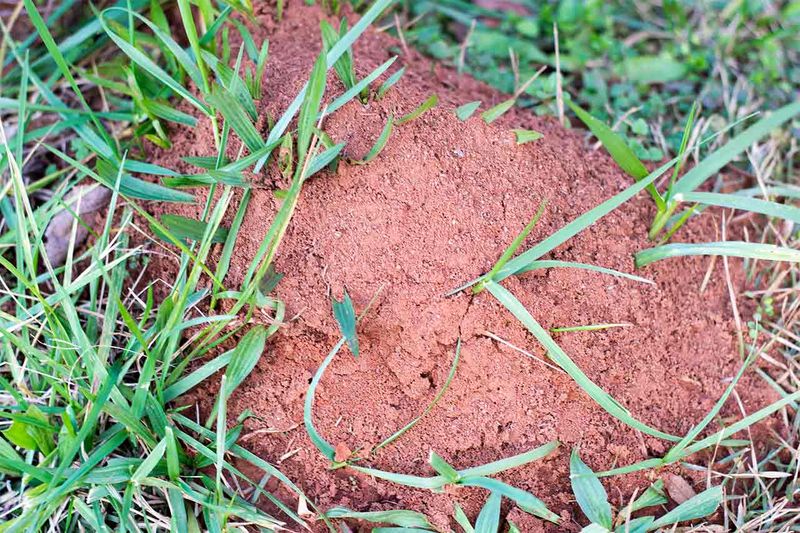
Fire ants are resourceful builders. They tend to favor sunny, disturbed, or open areas with easy access to loose or compacted soil.
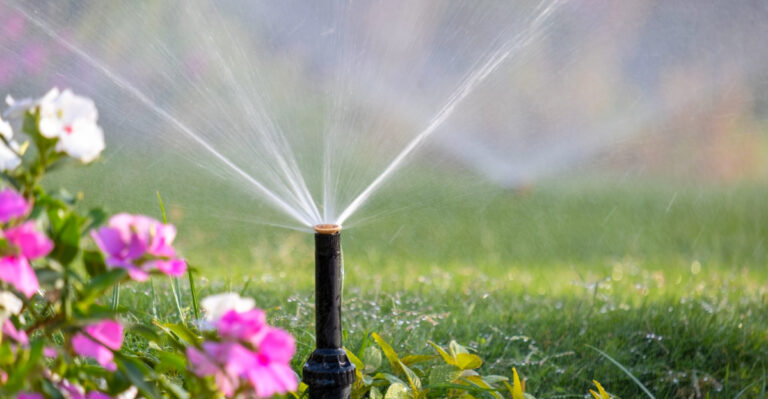
Walkway edges often check several of those boxes at once. Gaps between stones, cracked pavement edges, and loose soil near irrigation heads can all become early nesting spots.
Bare patches between border plants can do the same if left unmonitored.
Keeping borders tidy helps reduce those hidden pockets where a new colony can get started without being noticed. Fix irrigation leaks promptly, since moist soil near a water source is attractive nesting ground.
Avoid leaving loose soil piles or disturbed areas along the path edge after planting or edging work. Filling in gaps between stones or pavers with appropriate materials can also reduce available nesting space.
Planting choices may help improve inspection by keeping the border open and visible, but no plant prevents fire ants from building nearby. The goal is to reduce clutter and make the edge easier to check on a regular basis.
If you suspect a fire ant mound along your walkway, do not kick or disturb it carelessly. Identify the problem correctly and follow guidance from UF/IFAS or your county extension office for approved management options suited to your situation.
6. Watch For Mounds Before They Spread
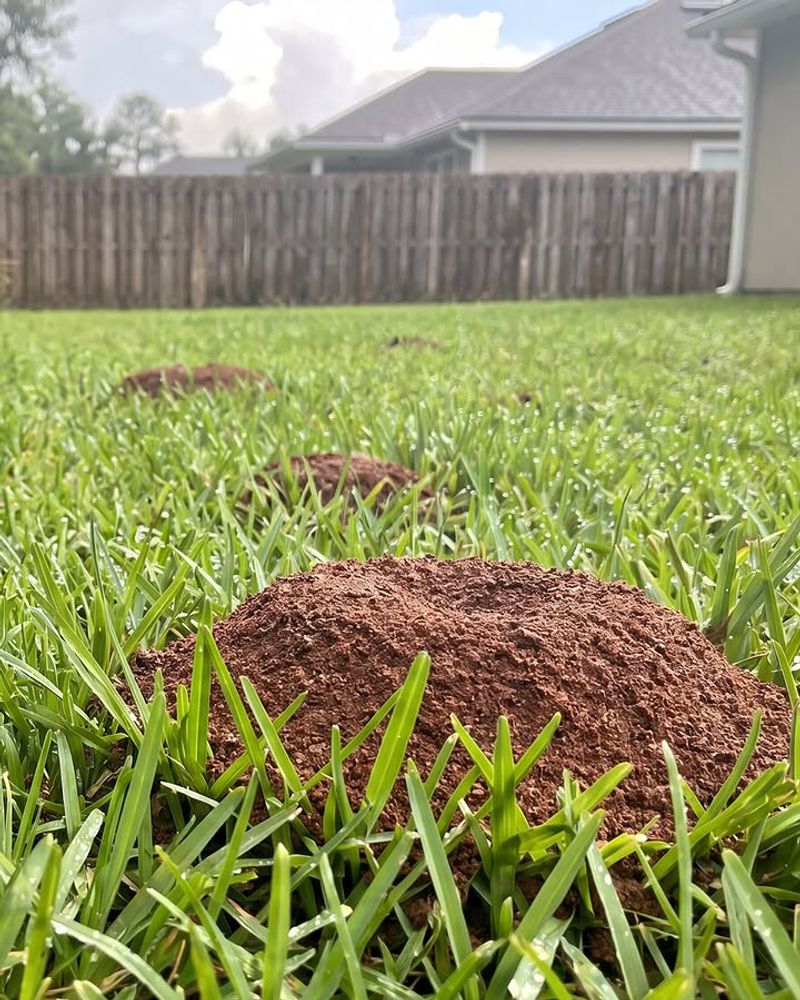
Rain in warm-weather regions can bring fire ant mounds to the surface almost overnight. After a heavy downpour or a deep irrigation cycle, fresh mounds often appear along path edges, planting beds, and sunny open borders.
Catching them early gives you far more options than waiting until a large colony is fully established near a high-traffic area.
Make walkway inspection part of your routine after storms, irrigation days, or any significant soil disturbance in the Florida yard. Look along the full length of the path border, including spots near edging materials, pavers, and the base of border plants.
Fresh mounds are usually softer, less compacted, and easier to identify before they become large and well-defended. Early detection is one of the most practical tools available to homeowners.
Never kick, step on, or poke a suspected mound without a plan. Disturbing a colony carelessly can scatter workers quickly and lead to stings for anyone nearby, including children and pets using the walkway.
Identify the mound as fire ants before treating, since not every mound belongs to this species. Follow current UF/IFAS or county extension recommendations for safe, approved treatment methods.
Keeping the walkway edge visible and open makes these inspections faster and more reliable throughout the year.
7. Use Mulch And Gravel Borders Wisely
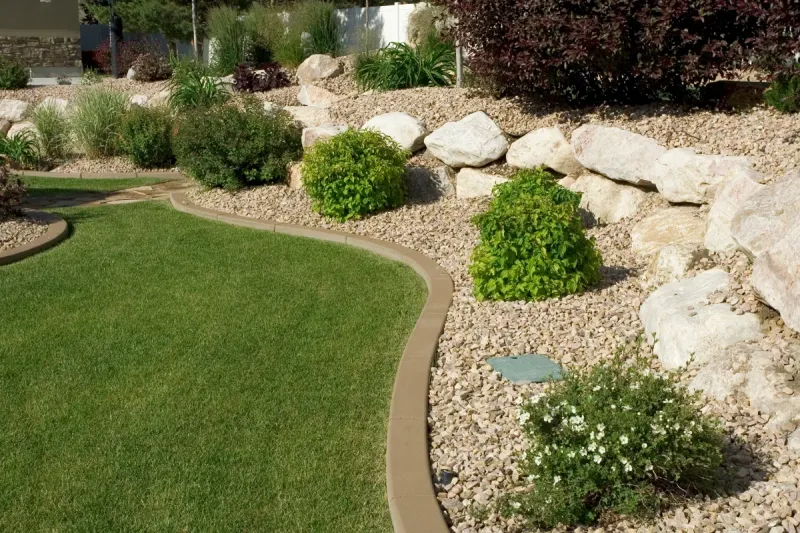
A well-placed border material can do a lot of good along a walkway edge, but the same material used carelessly can create new problems. Thin, even layers of mulch help retain soil moisture, reduce weeds, and keep plant roots stable.
Deep, soggy mulch piles stacked against plant stems create hidden, damp pockets. Piles pushed tight against the path edge benefit neither the plants nor your pest management goals.
Gravel strips are worth considering in spots where moisture tends to linger or where planting beds meet the walking surface directly.
A narrow gravel border creates a defined visual edge, dries out faster after rain, and makes it easier to spot fire ant activity or other soil disturbances.
It also reduces the amount of organic material available right at the path edge, which can lower tick shelter in that zone.
Keep mulch layers at a reasonable depth, generally two to three inches, and avoid piling it against plant crowns or walkway edges. Rake it back periodically to check what is happening at soil level.
A defined, visible border between the planting bed and the walking surface makes the entire edge easier to monitor. Good border design is a practical, low-cost part of keeping the walkway area less welcoming to pests over time.
8. Treat The Yard As A Habitat Problem
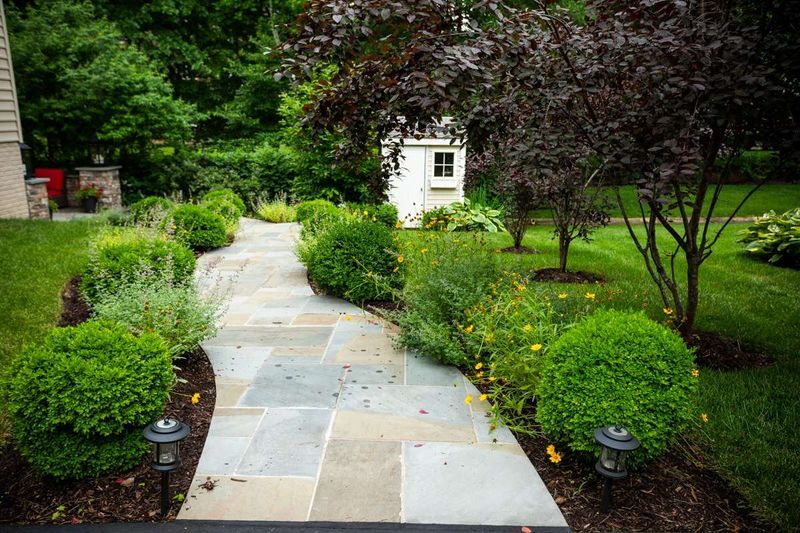
Pest pressure along a walkway rarely starts at the walkway itself. Ticks and fire ants are part of the larger yard environment.
Conditions in nearby beds, lawn areas, fence lines, and drainage spots all influence what ends up along the path edge.
Treating the walkway in isolation while leaving dense overgrowth or soggy corners nearby limits how much any border improvement can accomplish.
Reducing overgrowth across the yard, improving drainage in low spots, and keeping edges maintained consistently are all part of the same habitat management approach.
Watch for wildlife pathways near the yard, since ticks often arrive on deer, rodents, or other animals moving through the property.
After storms, check the full yard, not just the walkway, for new mounds, debris buildup, or drainage issues that could shift pest activity toward the path.
Chemical-free prevention starts with habitat changes, and those changes are worth making even if a serious pest problem eventually calls for approved management.
Skip the viral home remedy hacks and rely on UF/IFAS, your county extension office, and public health guidance for anything beyond basic maintenance.
The practical takeaway is straightforward: a Florida walkway that stays low, dry, open, and easy to inspect is a walkway that gives ticks and fire ants far fewer reasons to stay.