The Best Set-And-Forget Florida Flowers For Full Sun That Don’t Burn Out By July
Florida full sun is not regular full sun. It is relentless, punishing, and it has a track record of turning promising flower beds into crispy disappointments before summer even hits its stride.
Most flowers that look great in spring simply cannot hold up once July decides to show up and mean business. So what actually survives?
Better question, what genuinely thrives without you hovering over it, adjusting irrigation, or replacing plants every few weeks? That is where set-and-forget flowers earn their reputation.
The right varieties do not just survive Florida’s full sun. They settle in, spread out, and keep performing through the kind of heat that sends most plants into survival mode.
This list is built specifically for Florida conditions, not generic sun-tolerant plants that fold the moment humidity and heat arrive together. These flowers have already proved themselves.
Your job is just to plant them.
1. Pineland Lantana Keeps Native Color Going Through Summer Heat
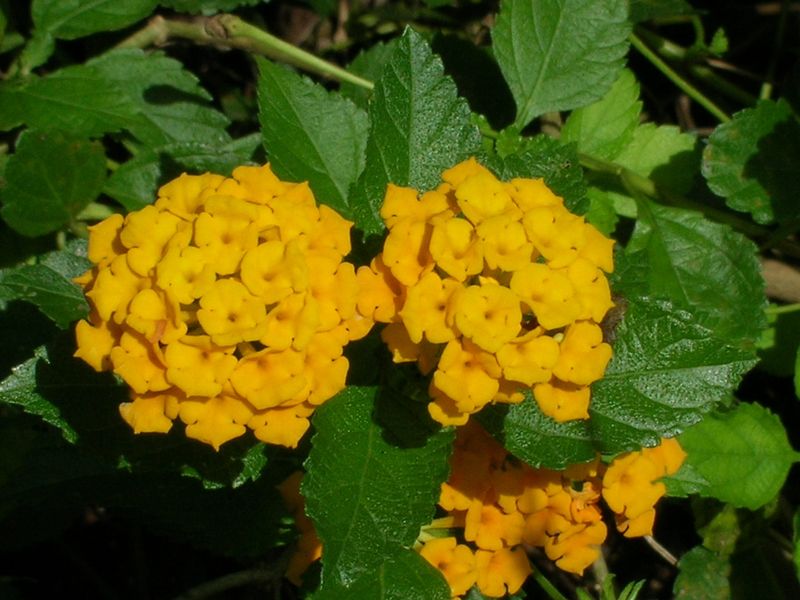
Walk past a patch of Pineland lantana in late June and you will notice something surprising: the color has not faded at all. Unlike many flowering plants that peak in spring and fade fast, this native groundcover-style shrub seems to wake up as temperatures rise.
Pineland lantana, known scientifically as Lantana depressa, is native to South Florida’s pine rocklands and coastal areas. It is important to understand that this is not the same plant as the common non-native lantana sold at most big-box stores.
Non-native lantana varieties can become invasive in this state, so always check the species label before buying. Pineland lantana stays lower and spreads more gently.
It also supports native pollinators including butterflies and bees without the aggressive spreading behavior of its non-native relatives. It thrives in full sun, sandy or rocky well-drained soil, and hot open sites where many other plants struggle to survive.
Once established, it handles dry spells with impressive resilience. Give it proper watering during the first few weeks after planting, then ease back as roots settle in.
Avoid planting it in soggy or poorly drained spots, as wet roots are its biggest weakness. For sunny native beds, wildflower strips, or low-water landscape borders, this plant delivers consistent seasonal color without asking for much in return.
2. Angelonia Stands Tall When Other Blooms Sag
By the time July rolls around, many popular bedding plants are already looking worn out, stretched, and faded. Petunias wilt.
Impatiens vanish. Even some salvias start looking rough.
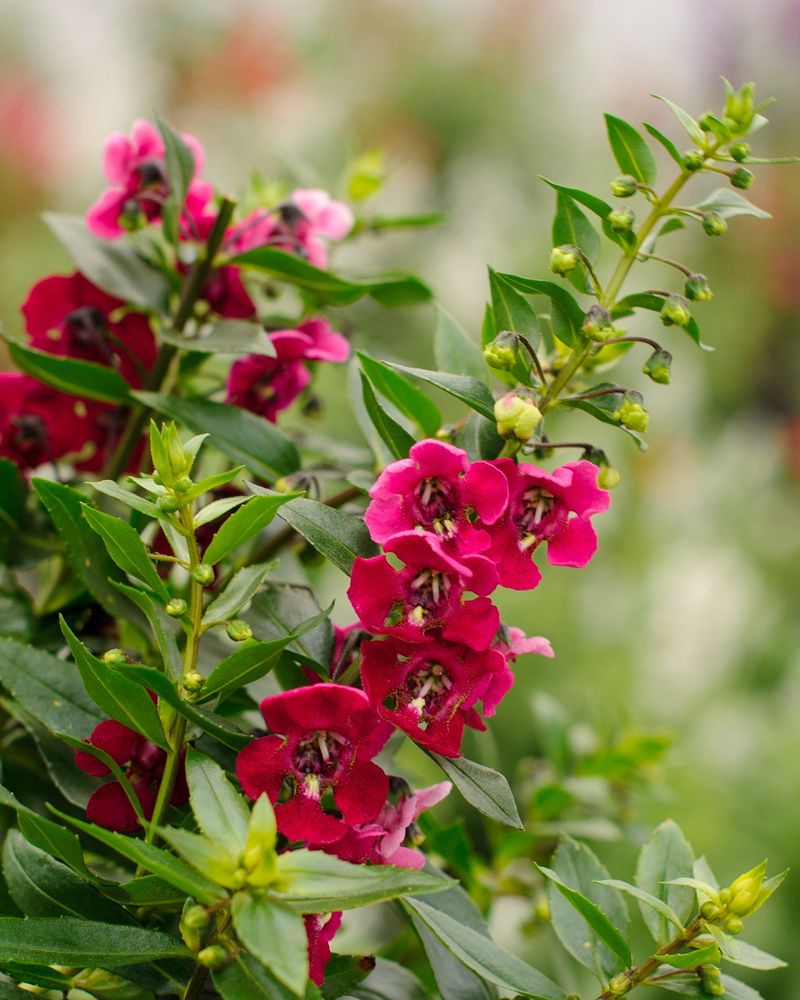
Angelonia, on the other hand, keeps sending up fresh flower spikes like summer is no big deal at all. Native to Mexico and South America, Angelonia angustifolia is a tender perennial in this state that behaves like a reliable annual in most home gardens.
The upright flower spikes come in shades of purple, pink, white, and bicolor, and they hold their form even during the hottest stretches of the season.
Plants stay tidy and compact, which makes them useful in containers, raised beds, or traditional sunny borders where you want color without a lot of sprawl.
Your Florida Garden Changes Every Week. Your Plan Should Too.
Gardening in Florida changes quickly throughout the season. Every Friday you’ll receive a simple weekly plan showing exactly what to plant, prune, fertilize, harvest, and protect so you never miss the right timing.
A light trim after a heavy flush of blooms can encourage fresh new growth and keep plants looking their best through the remainder of summer.
Angelonia does still need attention during dry spells, especially in the weeks right after planting when roots are still getting established. Sandy soils dry out quickly in this state, so check soil moisture regularly early on.
Once settled in a sunny, well-drained spot, it handles heat with far more grace than most of its bedding-plant neighbors. For gardeners who want vertical color that does not flop over in the summer heat, this is a strong, reliable choice.
3. Pentas Bring Pollinator Color Past The July Slump
Spot a monarch butterfly or a gulf fritillary cruising a sunny garden bed in August and there is a good chance pentas are nearby.
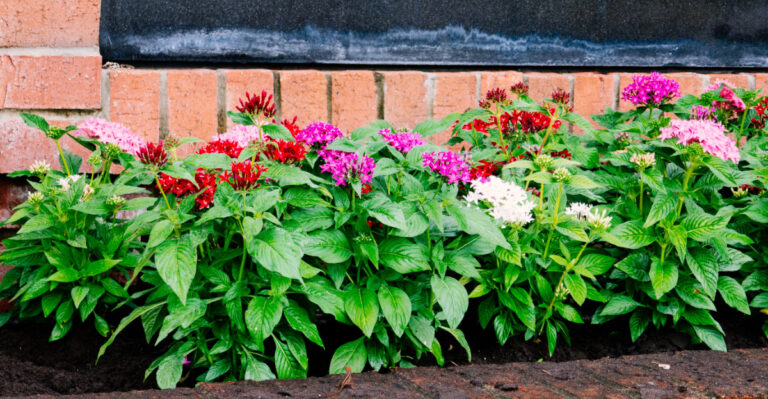
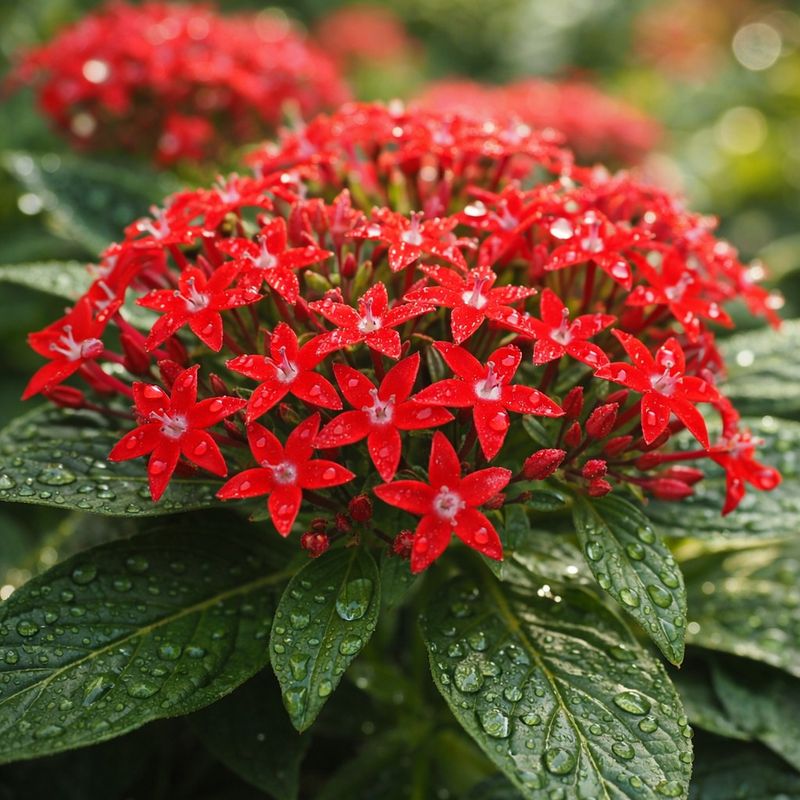
Few summer-blooming plants deliver the kind of reliable, long-season color that Pentas lanceolata brings to full-sun beds and borders in this state.
The clusters of small, star-shaped flowers come in red, pink, white, lavender, and coral. They keep producing through the kind of heat that sends most gardeners indoors.
Pentas work well in traditional landscape beds, container plantings, and dedicated pollinator gardens. Butterflies are strongly attracted to the flower clusters, and hummingbirds will visit where populations are supported in your area.
Spacing matters more than many gardeners expect. Crowding plants together limits airflow and can invite fungal issues during the humid rainy season, so give each plant room to breathe and fill out naturally.
Full sun is non-negotiable for the best performance. Plants grown in partial shade tend to stretch toward light, produce fewer blooms, and look less tidy over time.
Well-drained soil helps prevent root problems during heavy summer rains, which can be intense across central and southern regions. Water consistently during establishment, then back off as plants settle in.
A light trim after peak bloom flushes can extend the season and keep the shape looking neat. For reliable summer color with real wildlife value, pentas consistently deliver.
4. Beach Sunflower Spreads Cheer Where Lawns Struggle
Plenty of sunny yards in this state have spots where turf just will not cooperate. Sandy slopes, open strips along driveways, hot exposed corners near pavement, coastal areas battered by salt air.
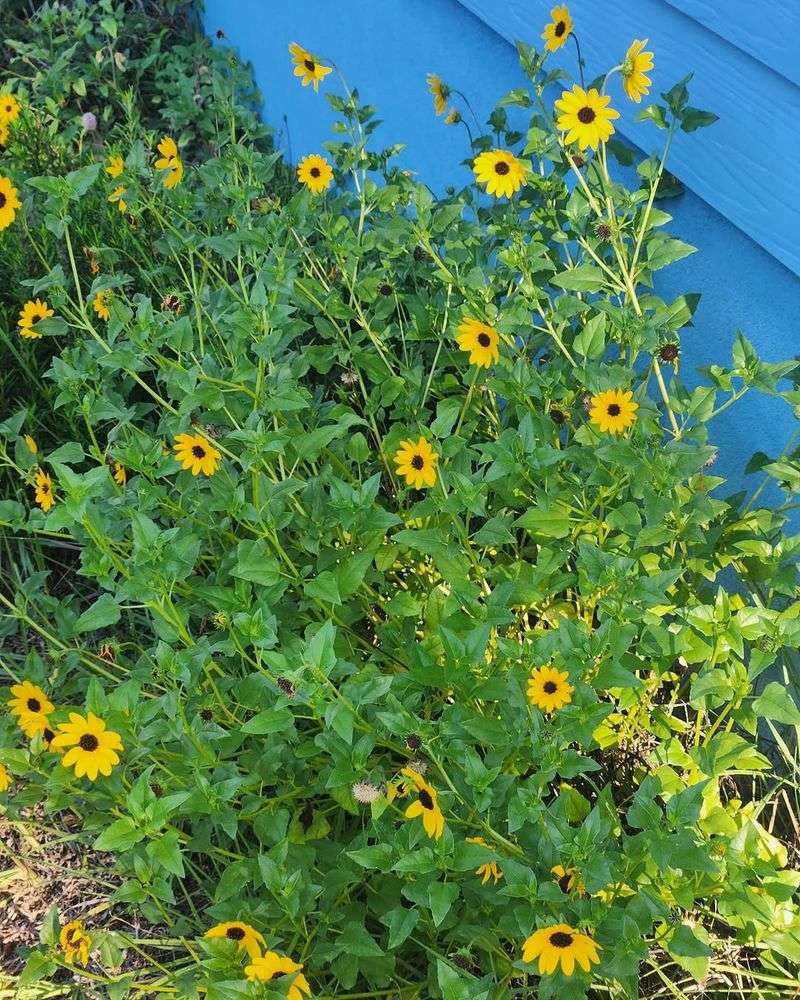
Beach sunflower, Helianthus debilis, was practically made for those situations. This native Florida wildflower grows low and spreading, pushing cheerful yellow blooms out across the ground in a way that feels effortless once it gets going.
The flowers are classic daisy-style sunflowers, golden yellow with dark centers, and they keep appearing through the hottest months of the year.
Beach sunflower handles sandy, nutrient-poor soil with ease, and it shows solid tolerance for salt spray in coastal landscapes.
Birds are attracted to the seed heads as blooms finish, adding extra wildlife value to what is already a hardworking plant. It also serves as a larval host for certain native bee species.
The spreading habit is worth understanding before planting. Beach sunflower can cover ground quickly, which is a strength in the right location and a nuisance in a tidy, formal bed.
Place it where spreading is welcome, such as along a sunny fence line, a sloped bank, or a naturalistic border where it can roam without crowding nearby plants. Watering during establishment helps roots anchor into sandy soil faster.
After that, it is a low-demand plant that rewards patience with consistent seasonal color and genuine toughness through summer heat.
5. Blanket Flower Brings Firecracker Color To Dry Spots
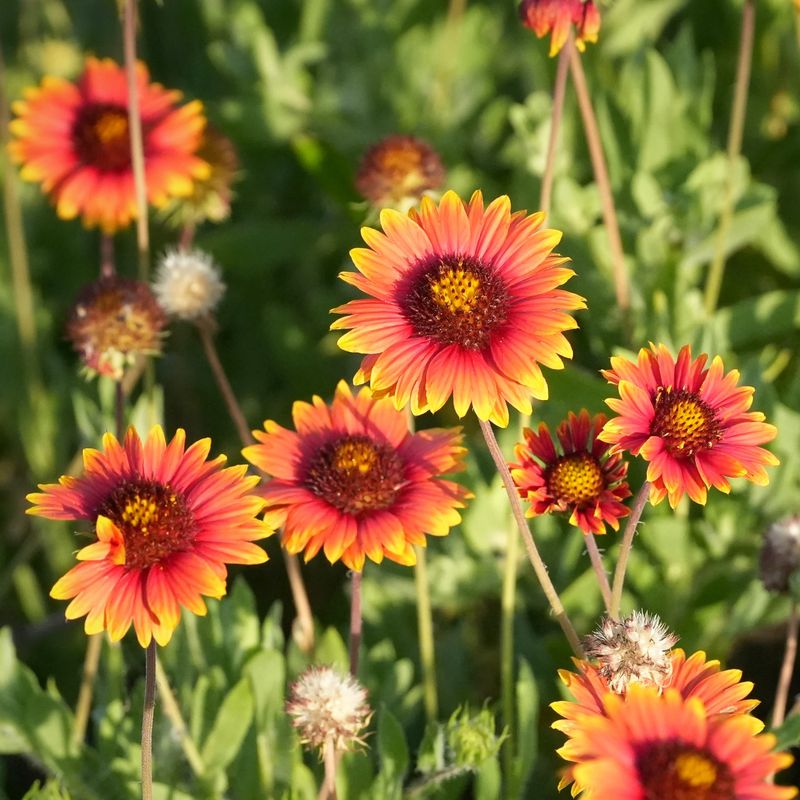
Some flowers look like they were designed specifically for the kind of dry, bright, sun-baked spots that challenge most gardeners in this state. Blanket flower, Gaillardia pulchella, fits that description almost perfectly.
The blooms are bold and fiery, mixing red, orange, and yellow in combinations that look like they belong on a July Fourth display rather than a quiet garden bed. It is a native wildflower, and it has the toughness to match its flashy appearance.
Sandy, lean, well-drained soil is where blanket flower performs best. Rich, heavily amended soil can actually work against it, encouraging lush leafy growth at the expense of flowers.
It handles the kind of dry spells that stress other plants, and pollinators including bees and butterflies find the blooms attractive throughout the season. Full sun is essential.
Plants placed in even partial shade tend to stretch, flop, and produce far fewer flowers.
Honest framing matters here: blanket flower is best understood as a bright, seasonal performer rather than a long-lived landscape staple. In some yards it reseeds and returns reliably.
In others, plants may run their course after a season or two, especially in heavier or wetter soils. Avoid overwatering and skip the fertilizer in most cases.
For hot, sunny, well-drained spots where you want bold native color without a lot of ongoing fuss, blanket flower earns its place on the list with real seasonal impact.
6. Coreopsis Keeps Sunny Borders Bright Without Fuss
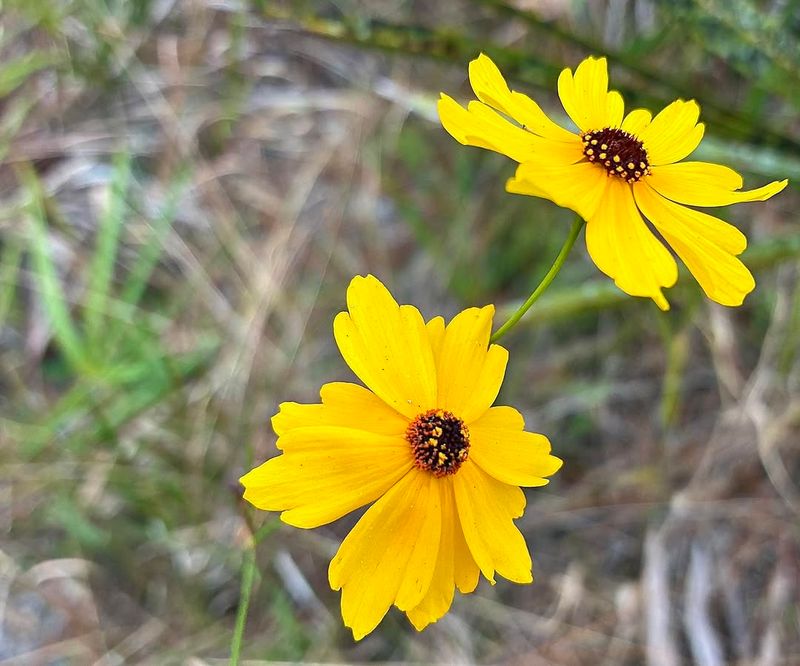
There is something quietly dependable about coreopsis in a sunny border. While other plants demand attention, coreopsis just keeps producing cheerful, daisy-like blooms.
They come in shades of yellow, gold, and occasionally warm orange without a lot of drama or fuss. Several coreopsis species are native to this state, including Coreopsis leavenworthii.
That is the tickseed species most commonly associated with Florida’s native wildflower landscapes and roadsides.
Native coreopsis species are adapted to the sandy, well-drained soils found across much of this state, and they handle full sun with ease. Pollinators including bees, beetles, and small butterflies visit the flowers regularly.
That makes coreopsis a practical choice for gardeners who want to support local wildlife. It works well in naturalistic wildflower areas, low-care native beds, and informal sunny borders where a relaxed, layered look is welcome.
Not every coreopsis species behaves the same way, so avoid treating them as interchangeable.
Some are annuals, some are short-lived perennials, and growing conditions across northern, central, and southern regions of this state vary enough to affect performance.
Check with your local Extension office or a native plant nursery to confirm which species suits your specific area and soil type. Trimming spent blooms can extend the flowering period in some cases.
Sandy soil, full sun, and reasonable drainage are the basics this plant needs to keep sunny borders looking bright and alive through summer.
7. Tropical Sage Handles Heat With Easy Native Charm
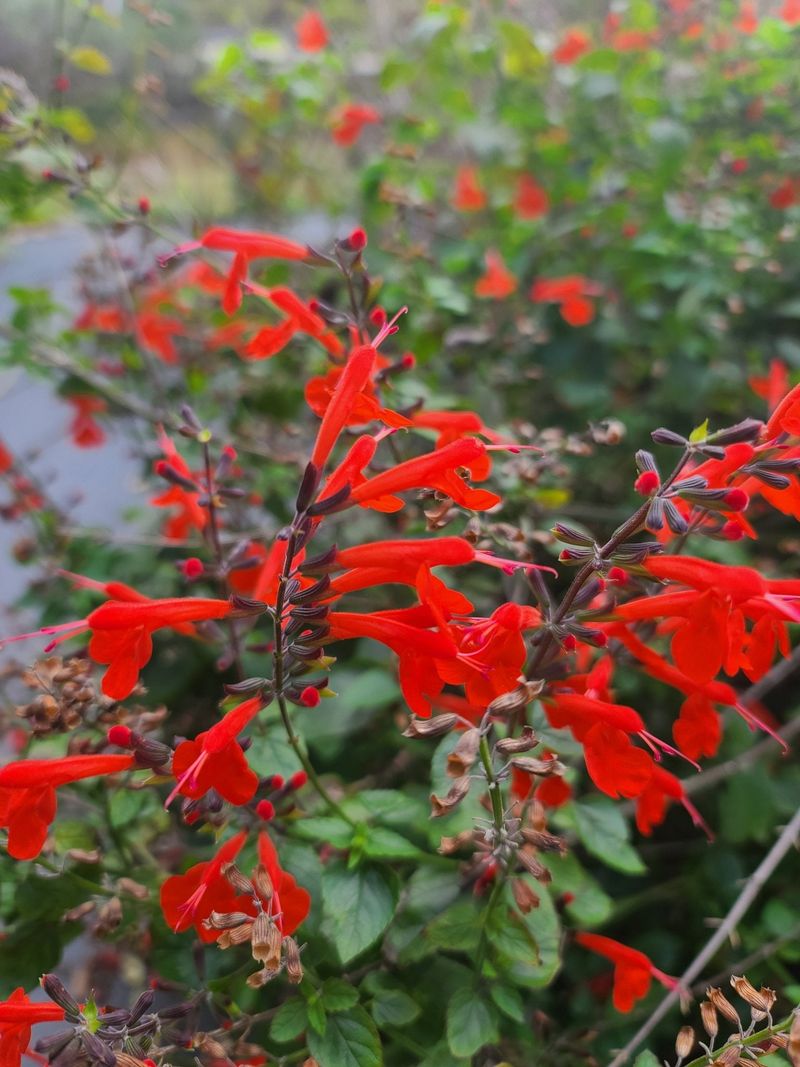
Red flowers in the middle of a humid Florida summer are not as common as you might expect. Many plants with bold color tap out by late June, but Tropical sage, Salvia coccinea, keeps those vivid scarlet spikes coming through the hottest months of the year.
This native sage grows naturally in open sunny areas, disturbed sites, and informal borders across this state. It brings a relaxed, wildflower-style charm that formal bedding plants simply cannot replicate.
Hummingbirds and butterflies are strongly attracted to the tubular red flowers, and the plant supports a range of other native wildlife as well. One of its most useful traits is its reseeding habit.
Plants often drop seed and return the following season without any effort from the gardener. That means a planting can persist and expand naturally over time in the right conditions.
This also means it can spread into neighboring areas, so placement in an informal or naturalistic bed works better than a tightly managed formal border.
The growth habit is loose and somewhat open rather than tight and tidy, which suits relaxed cottage-style or native gardens well. Full sun brings out the best performance, though plants can tolerate a bit of afternoon shade in the hottest southern regions.
Soil does not need to be rich. Average to lean, well-drained soil keeps plants healthy and blooming.
Water consistently during establishment, then reduce frequency as roots settle in and summer rains take over.
8. Blue Daze Adds Cool Color To Blazing Sunny Beds
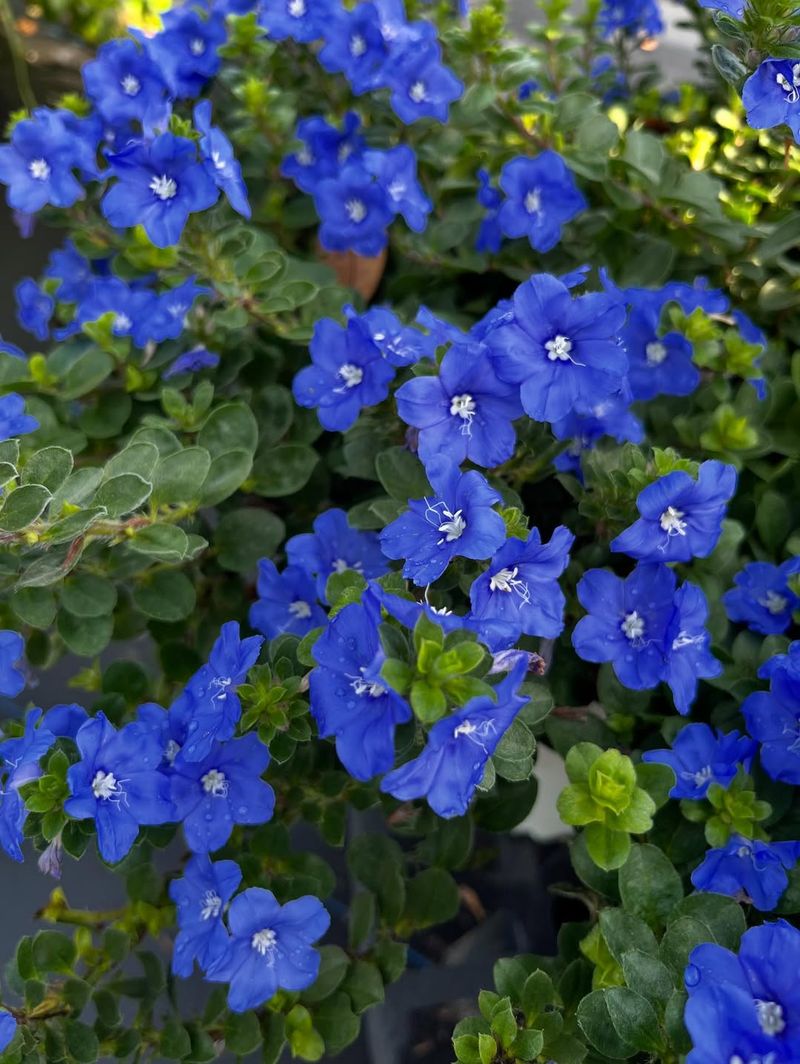
Blue flowers that hold up through a Florida summer are genuinely rare. Most blue-blooming plants prefer cooler conditions and fade fast once the heat arrives.
Blue daze, Evolvulus glomeratus, is one of the few reliable exceptions, and that alone makes it worth knowing about. v
Blue daze is not a native plant. It originates from South America and is used here as an ornamental groundcover-style annual or tender perennial.
That distinction matters for gardeners who prioritize native species, but for those who simply want reliable full-sun color through summer, it earns its spot. It works well along bed edges, spilling over container rims, or filling in the front rows of sunny borders.
In those spots, a low, spreading habit is an advantage rather than a problem.
Well-drained soil is essential. Blue daze does not tolerate wet, soggy conditions and will decline quickly in spots where water pools after summer rains.
Sandy or amended soil with good drainage keeps roots healthy through the rainy season. Full sun is where it performs best.
Shade causes stretching, reduced bloom production, and a less tidy overall appearance. Water during dry spells and after planting, but avoid overwatering once plants are established.
For low, cool-toned color in a blazing sunny bed, blue daze is a dependable warm-season choice.