9 Tennessee Gardening Traditions Still Worth Trying Today
There’s a rhythm to gardening in Tennessee that outsiders never quite catch on their first try. The red clay underfoot holds grudges against anything planted the wrong way, yet rewards patience with a stubbornness few other soils can match.
Summers here breathe humidity into everything, turning simple chores into small negotiations with the air itself. Long before glossy seed packets, families here traded cuttings over fence lines and passed down tricks nobody wrote down.
Some of that knowledge came from necessity, some from pure trial and error, and a surprising amount from sheer stubbornness matching the soil’s own. What’s left behind isn’t nostalgia dressed up as advice.
It’s a working toolkit, tested across generations of Tennessee backyards, still holding up today. Pull up a chair, because some of these methods might just change how you look at your own garden plot.
1. Planting By The Signs Still Guides Many Appalachian Gardeners
Flip open any old almanac from the hills of East Tennessee and you will find something curious: planting dates tied to moon phases and zodiac signs. This practice, called planting by the signs, has guided Appalachian gardeners for centuries.
The idea is straightforward: the moon’s gravitational pull affects moisture in the soil, just like it affects ocean tides. Root vegetables planted during certain lunar phases supposedly grow deeper and stronger.
Leafy greens planted during others grow lush and full. Skeptics call it superstition, but plenty of experienced growers swear by the results.
Farmers who follow the signs often report better germination rates and hardier plants. You do not need to buy anything special to try this approach.
A copy of the Farmers’ Almanac costs a few dollars and gives you a full planting calendar based on lunar cycles. Match your planting schedule to the recommended signs and track what happens in your own garden.
Keeping a simple journal helps you compare results across seasons without relying on memory. Many Tennessee homesteaders treat this as a blend of science and tradition rather than pure folklore.
Whether the moon truly drives plant growth or not, the discipline of timing your plantings carefully is never a bad habit. Give it one full season and see what your garden tells you.
2. Trench Composting Feeds The Soil Without A Compost Pile
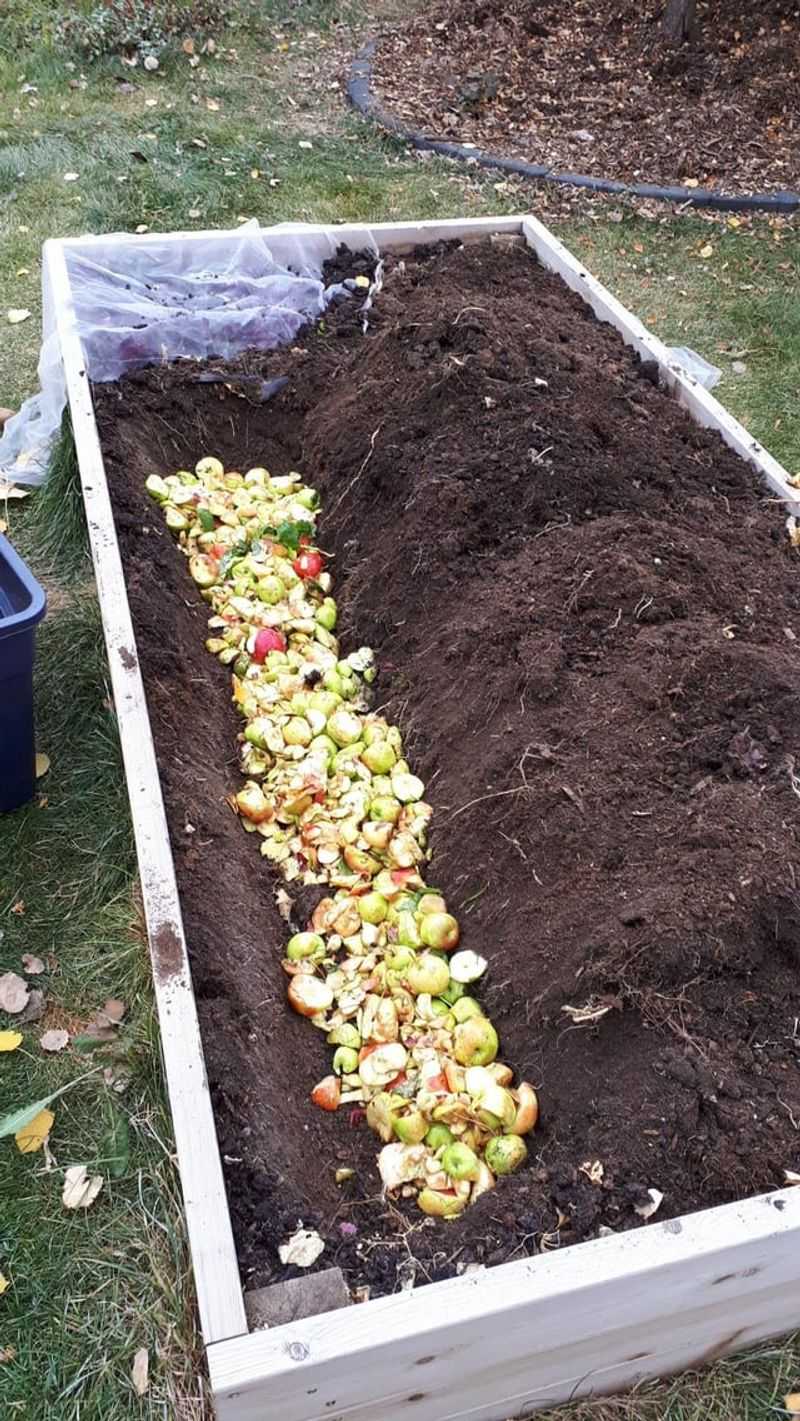
Not everyone wants a big compost bin sitting in the backyard, and that is perfectly fine. Trench composting is the quiet, no-fuss alternative that Tennessee gardeners have used for a long time.
The process is simple: dig a trench about a foot deep between your rows, bury your kitchen scraps, and cover it back up with soil. Worms and microbes take it from there, breaking everything down right where your plants need it.
Banana peels, coffee grounds, eggshells, and vegetable scraps all work beautifully in a trench system. Avoid adding meat, dairy, or oily foods, since those attract unwanted visitors and break down poorly underground.
Rotate your trench locations each season so the whole garden bed benefits over time. This method works especially well in Tennessee’s clay-heavy soils, where adding organic matter improves drainage and structure dramatically.
Your Tennessee Garden Changes Every Week. Your Plan Should Too.
Gardening in Tennessee changes quickly throughout the season. Every Friday you’ll receive a simple weekly plan showing exactly what to plant, prune, fertilize, harvest, and protect so you never miss the right timing.
You will notice earthworm populations increasing in trenched areas within just a few weeks. More worms mean better aeration and richer soil biology working in your favor.
Trench composting also keeps nutrients from washing away in heavy rain, something Tennessee gardeners know well. If a compost pile feels like too much work, this buried approach might be exactly what your garden needs.
3. Treating Tomatoes Mean Yields Stronger Plants
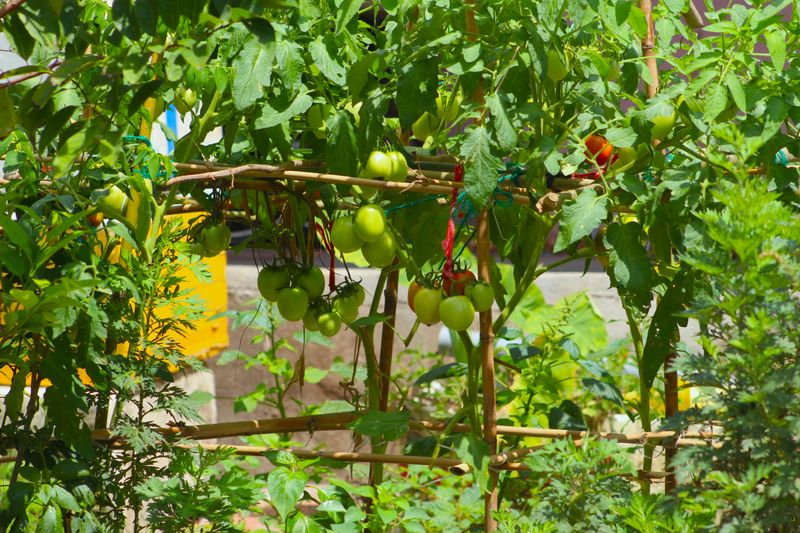
Old-time Tennessee tomato growers had a saying: be a little cruel to be kind. Treating tomatoes mean sounds harsh, but the idea behind it is rooted in solid plant biology.
When tomato plants are stressed slightly, through limited water, tough transplanting conditions, or crowded roots, they shift energy toward survival and reproduction. That means more fruit production and stronger root systems over the long haul.
The practice typically starts at transplanting time. Many experienced growers let their transplants sit in the sun without water for a day or two before planting them in the ground.
This mild stress signals the plant to toughen up fast and push roots outward aggressively. Once planted, some gardeners also withhold water slightly during early growth stages to encourage deep root development.
Shallow watering produces shallow roots, which struggle badly during Tennessee’s hot and dry August weeks. Deep roots anchor the plant and pull moisture from lower soil layers when surface soil dries out.
Pruning suckers aggressively is another form of controlled stress that redirects the plant’s energy toward fruit rather than extra foliage. The result is fewer but larger, more flavorful tomatoes instead of a bushy plant with tiny fruits.
Tennessee gardening traditions like this one reward patience and a little tough love with a harvest worth bragging about.
4. Yeast Bait Traps Slugs The Old Fashioned Way
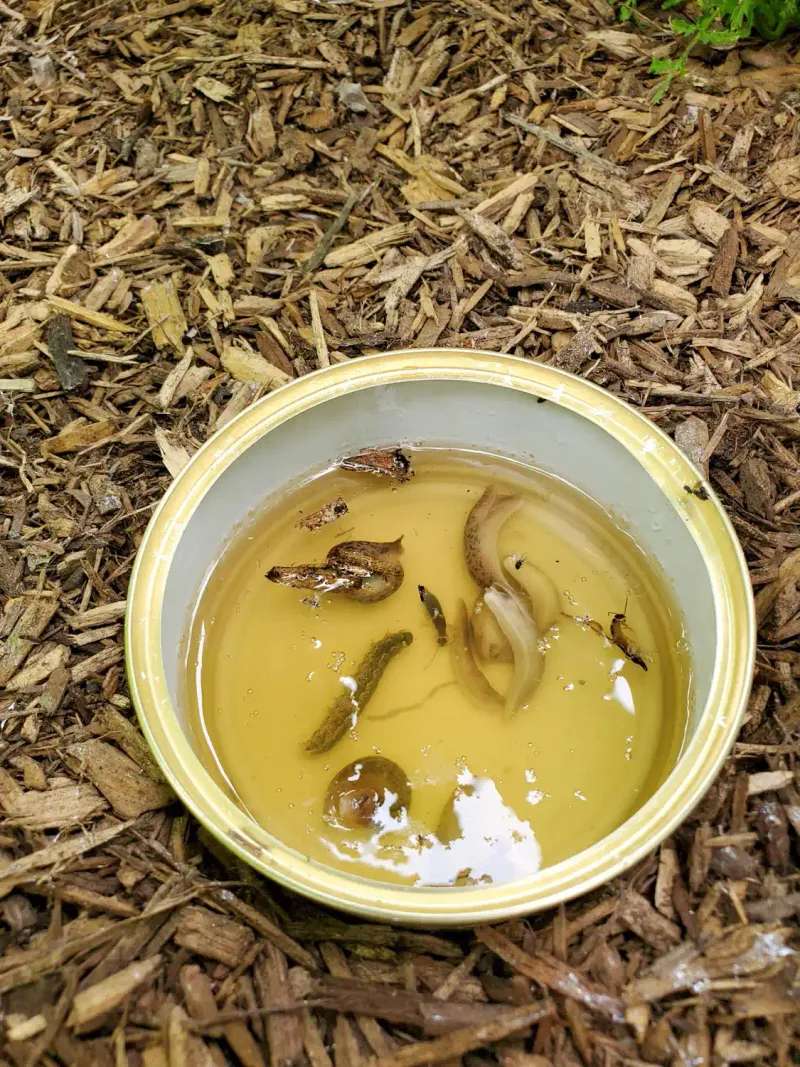
Slugs are sneaky garden thieves that work the night shift while you sleep soundly. You wake up to find your lettuce or hostas looking like Swiss cheese, and the culprits are long gone by sunrise.
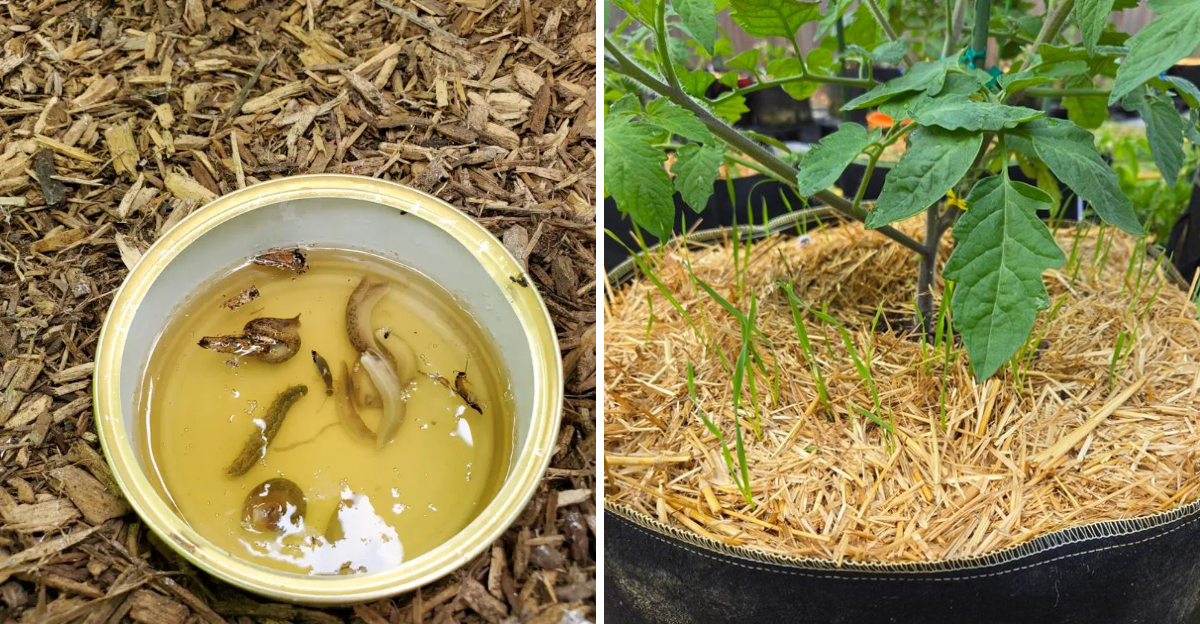
Yeast bait traps are one of the oldest and most satisfying solutions Tennessee gardeners have passed down through generations. The setup takes about two minutes and costs almost nothing to put together.
Bury a shallow container, like a tuna can or plastic lid, so its rim sits level with the soil surface. Fill it halfway with a mix of water, sugar, and a spoonful of active yeast, then leave it overnight near your most vulnerable plants.
Slugs are drawn straight to the yeast, crawl in, and struggle to climb back out. Empty the trap each morning and refill it every couple of days for best results.
The yeast is what does the real work here, so there is no need to reach for anything fancier. Place multiple traps around the garden perimeter for broader coverage during peak slug season in spring and early fall.
Wet weather dramatically increases slug activity, so check your traps more frequently after rain. This low-tech, chemical-free method keeps your garden healthy without spraying anything near your food crops.
5. Marigolds And Companion Planting Keep Pests Away
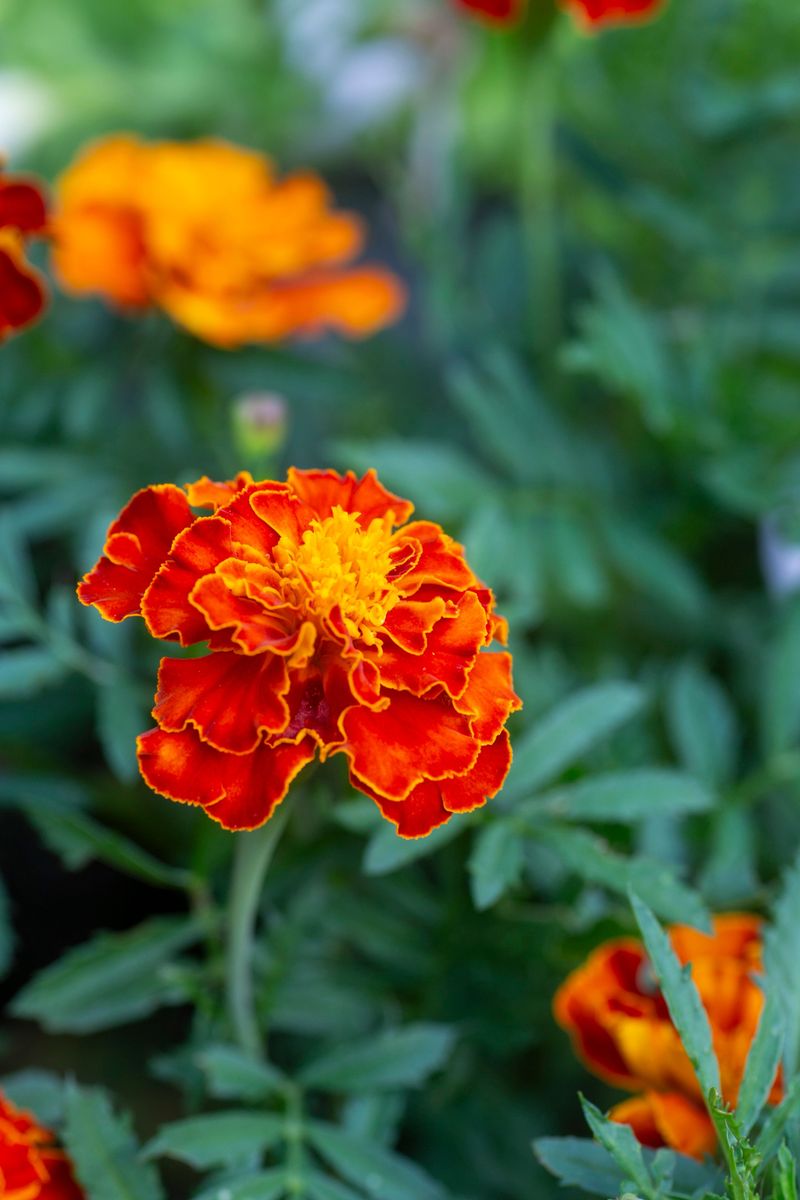
Grandmothers across Tennessee have been planting marigolds next to their tomatoes for as long as anyone can remember. Turns out, that cheerful orange border was doing serious pest-control work the whole time.
Marigolds release a strong scent from their roots and foliage that repels nematodes, aphids, whiteflies, and several other common garden pests. French marigolds in particular are known for suppressing root-knot nematodes in the soil around them.
Companion planting takes this logic further by pairing plants that benefit each other in multiple ways. Basil planted near tomatoes reportedly improves flavor while confusing pests with its strong aromatic oils.
Dill attracts beneficial wasps that prey on caterpillars and aphid populations naturally. Nasturtiums act as trap crops, pulling aphids away from vegetables and onto themselves instead.
The three sisters combination, corn, beans, and squash, is a classic Native American companion planting system that works beautifully in Tennessee’s growing climate.
Corn provides a trellis for beans, beans fix nitrogen in the soil, and squash leaves shade the ground to reduce moisture loss. Each plant supports the others without any chemical input required.
Companion planting takes a little extra thought in spring, but the payoff is worth it, fewer pests, healthier soil, and a garden that practically manages itself.
6. Saving Heirloom Seeds Preserves What Works Locally
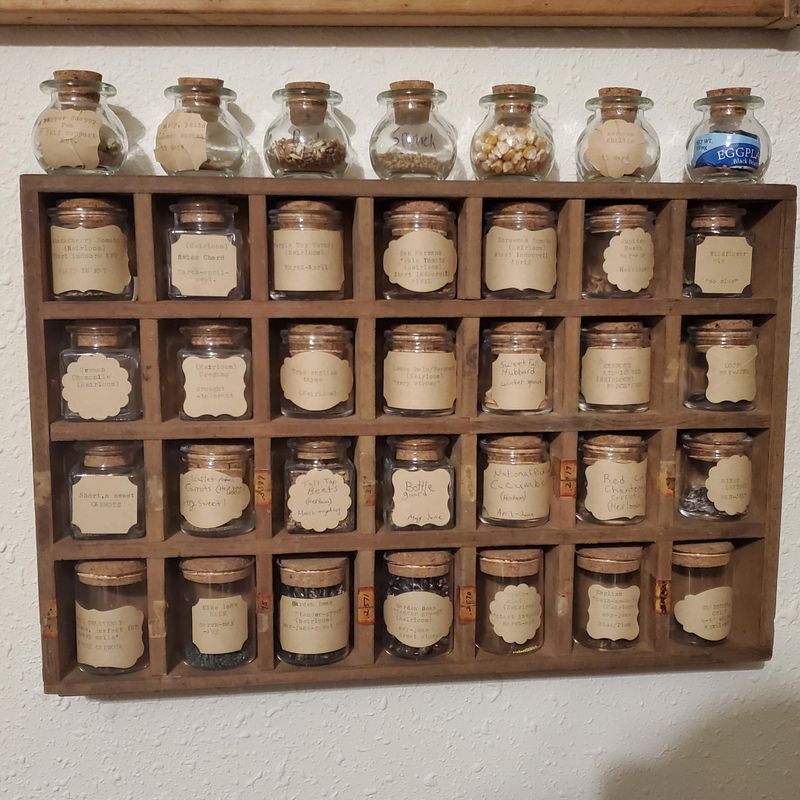
Every heirloom seed carries a story about survival, adaptation, and the gardeners who kept it going. Saving seeds from your best plants each season is one of the most powerful Tennessee gardening traditions you can practice today.
Heirloom varieties have been open-pollinated and saved for generations, which means they reproduce true to type from seed. Hybrid varieties sold in most garden centers do not, which is why seed saving from hybrids often leads to disappointing results.
Stick to heirlooms and you build a seed collection perfectly adapted to your specific microclimate over time. Cherokee Purple tomatoes, Mortgage Lifter tomatoes, and Tennessee Sweet Potato squash are beloved regional varieties worth preserving.
To save tomato seeds properly, ferment them in water for two to three days to remove the gel coating before drying. Pepper and bean seeds are easier: let them dry completely on the plant before harvesting.
Store seeds in labeled paper envelopes inside a cool, dark, and dry location for best longevity.
A mason jar with a desiccant packet in the refrigerator extends seed viability for several years. Connecting with local seed libraries or swaps lets you share surplus seeds and acquire new heirloom varieties from other regional gardeners.
Building your own seed collection means spending less money on seeds each spring while growing plants that genuinely thrive in your conditions.
7. Straw Mulch Protects Soil Better Than Bare Ground
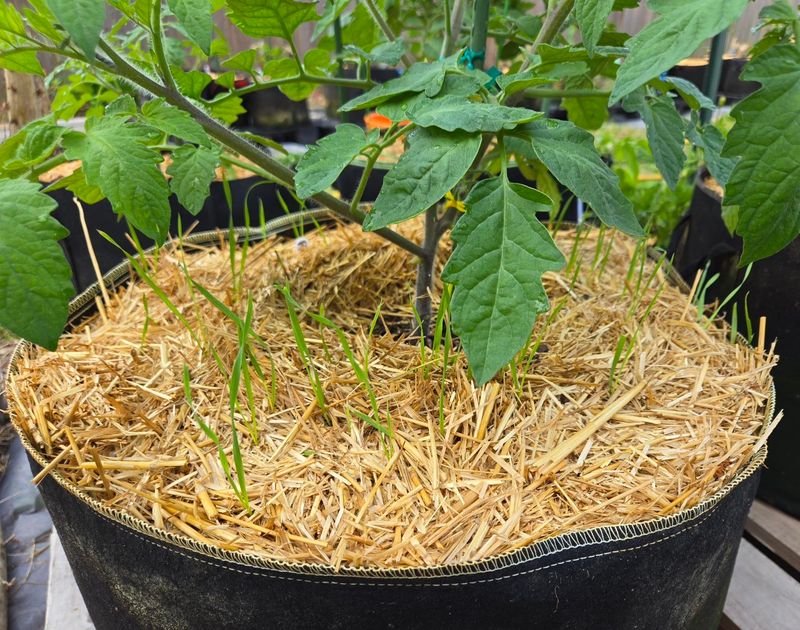
Bare soil in a Tennessee summer is basically an open invitation for trouble. The sun bakes it hard, weeds rush in to fill the gap, and every heavy rain washes away valuable topsoil in sheets.
Straw mulch is the traditional fix that Tennessee gardeners have relied on for decades to protect their plots. A four-inch layer of straw spread between garden rows does several important jobs at once.
It blocks sunlight from reaching weed seeds, which dramatically cuts down on the weeding you have to do all season. Straw also holds soil moisture in place, reducing how often you need to water during dry summer stretches.
Soil temperatures under straw mulch stay significantly cooler than exposed ground, which helps heat-sensitive plants like lettuce survive longer into summer.
Make sure you are buying straw and not hay, since hay contains weed seeds that will sprout throughout your garden beds. Wheat straw is widely available at farm supply stores across the state and costs very little per bale.
As the straw breaks down over the season, it adds organic matter directly to the soil beneath it. By fall, the decomposed straw can be turned into the bed to improve soil structure heading into next spring.
Protecting your soil with straw mulch is one of the simplest upgrades you can make to your garden this season.
8. Rotating Crops Keeps Soil Disease Free
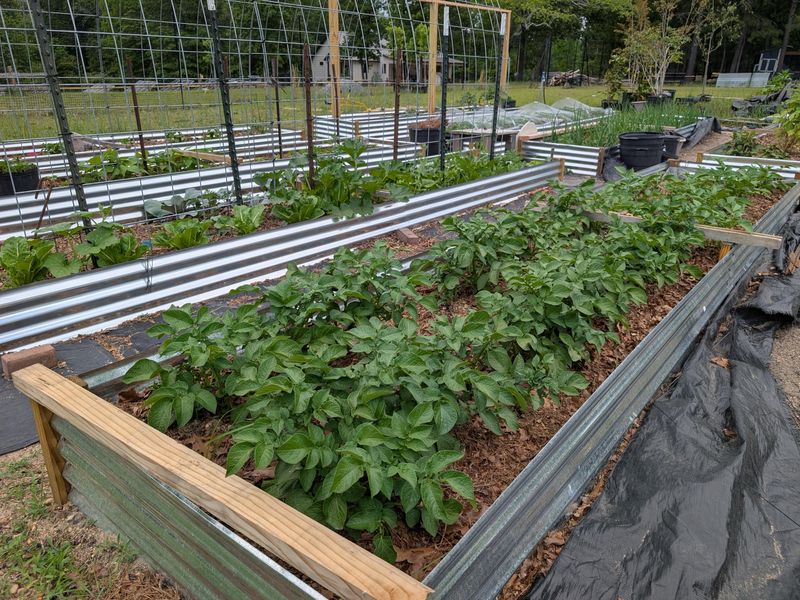
Growing the same plant in the same spot year after year is a recipe for a slow garden decline. Soil-borne diseases and pests that target specific plant families build up steadily when their favorite hosts keep returning to the same ground.
Crop rotation breaks that cycle by moving plant families to different sections of the garden each season. Tomatoes, peppers, and eggplants belong to the same plant family and should rotate together as a group.
Following them with beans or peas the next year adds nitrogen back into the soil those heavy feeders depleted. After legumes, plant a root crop like carrots or beets, which feed at a different soil depth and leave the upper layers to recover.
Leafy greens round out a four-year rotation beautifully before the cycle starts again. This system works even in small gardens by dividing beds into quadrants and rotating each group one section forward annually.
Keeping a simple sketch of your garden layout each year makes rotation planning much easier to track. Many Tennessee gardeners also note that rotated beds produce noticeably better yields without any additional fertilizer input.
By year four, your soil has quietly done more work than any bag of fertilizer ever could.
9. Green Manure Builds Soil The Slow Way
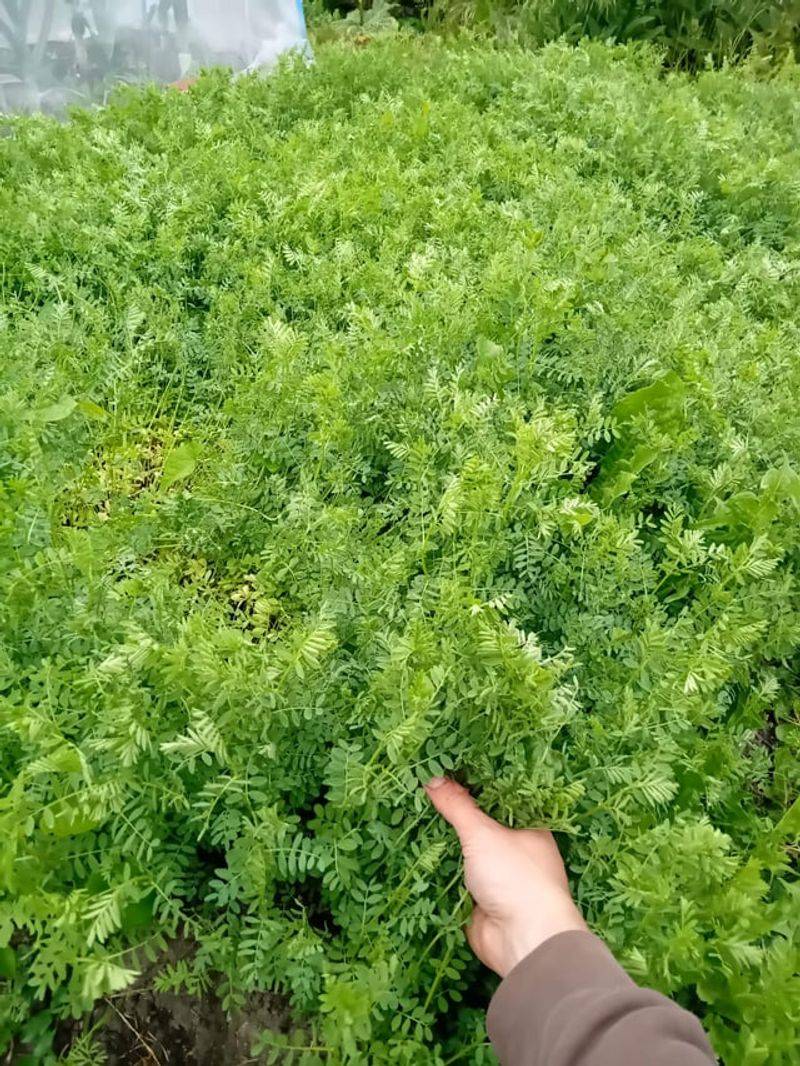
Crimson clover blooming across a bare winter garden bed is one of the most hopeful sights a Tennessee gardener can see. That carpet of green is not just pretty, it is working hard to rebuild your soil from the ground up.
Green manure refers to cover crops grown specifically to be turned back into the soil before they go to seed. Common choices include crimson clover, winter rye, buckwheat, and hairy vetch, all of which grow readily across the state.
Legume cover crops like clover and vetch fix atmospheric nitrogen into the soil through their root systems. That stored nitrogen becomes plant food for whatever you grow in that bed the following season.
Non-legume cover crops like rye and buckwheat add massive amounts of organic matter and suppress weeds aggressively through the off-season. Turn the cover crop into the soil about two to three weeks before planting your spring vegetables.
This gives the green material time to break down and release its nutrients before your seedlings go in. A garden fork or tiller works well for incorporating the growth into the top six inches of soil.
Green manure crops cost very little per packet and cover a large area effectively. Building soil through Tennessee gardening traditions like this one takes patience, but the results accumulate beautifully year after year.
Healthy soil grows everything better, and this slow approach is worth every season you invest in it.