These 9 Fruit Trees Are Built For Tennessee Heat And Humidity
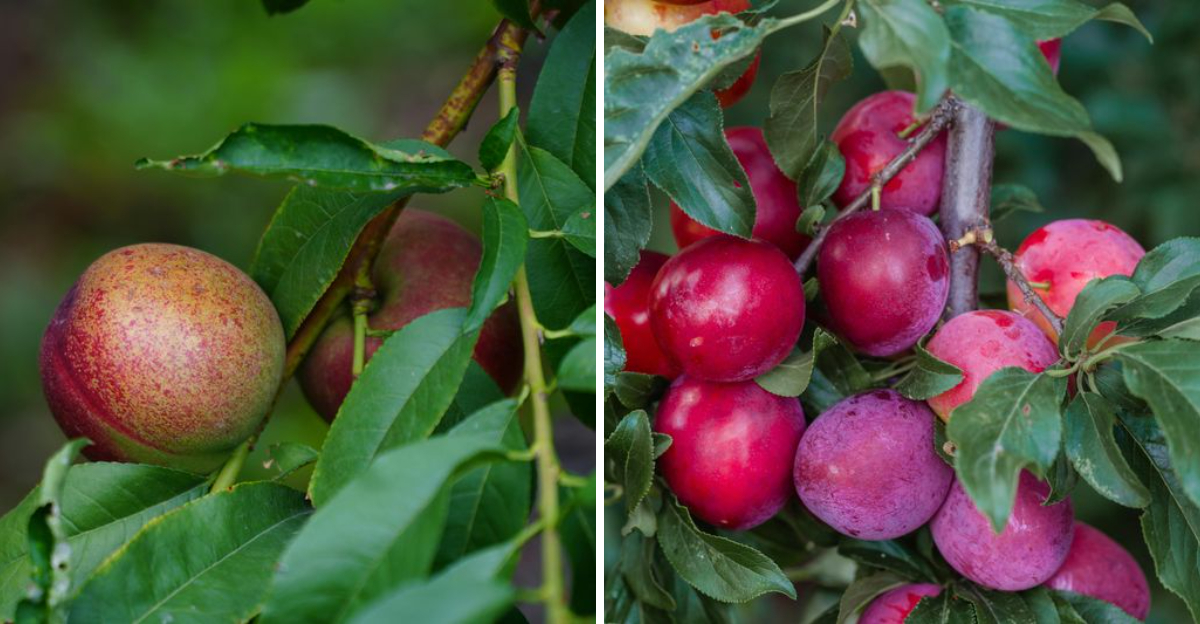
Some trees were built differently, they push through the sticky months and still deliver a real harvest. The nine varieties on this list don’t just survive Tennessee’s climate. They work with it.
But some trees were built differently, they push through the sticky months and still deliver a real harvest. The nine varieties on this list don’t just survive Tennessee’s climate. They work with it.
Each one handles the heat, tolerates the clay, and bounces back after a rough spring. Some fruit within two years. Some need almost no spraying.
A few have been growing in Southern yards for generations without much fuss. You don’t need a professional orchard or perfect conditions to make these work.
You just need the right tree in the ground and a little patience.
Pick the wrong variety and you’ll spend the season fighting disease, drought stress, and a tree that never quite settles in. Pick from this list and the odds shift in your favor.
Tennessee’s climate is tough, but it’s also surprisingly generous to the trees that know how to handle it.
1. Peach
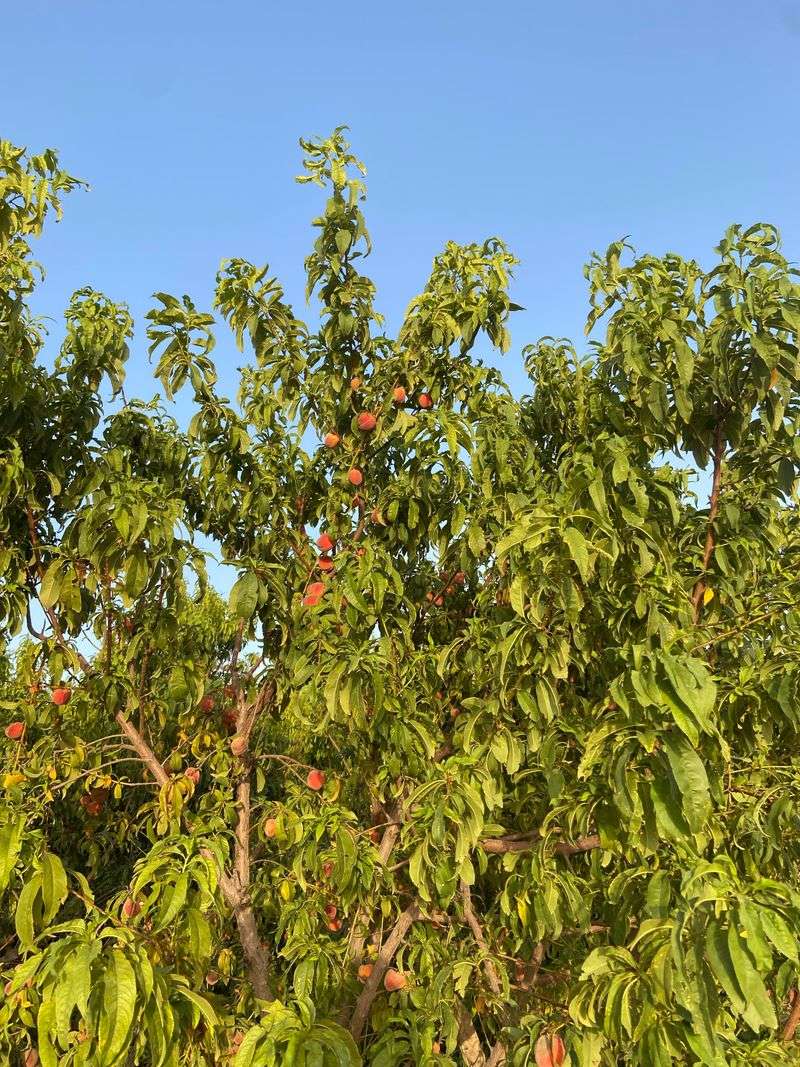
Few things say summer like biting into a sun-warmed peach right off the branch. Tennessee fruit trees do not get more iconic than the peach, and for good reason.
This beauty handles heat like a champion while producing fruit that is nothing short of spectacular. Peaches need a certain number of chill hours in winter to set fruit properly, and Tennessee delivers just enough cold to satisfy them.
Varieties like Contender and Reliance are especially well-suited to the region. They tolerate late spring frosts that can catch other trees off guard.
Plant your peach in full sun with well-drained soil, and give it room to breathe. Pruning each year keeps the canopy open and air circulating.
This reduces the risk of fungal problems that love humid Southern summers. Expect your first real harvest within two to three years of planting a young tree.
Peaches ripen from mid-June through August depending on the variety. Staggering a couple of different types gives you a longer window of fresh fruit.
Neighbors will start showing up with empty baskets, and honestly, you will not mind one bit. Few fruit trees reward a Tennessee gardener quite as generously as the peach.
2. Apple
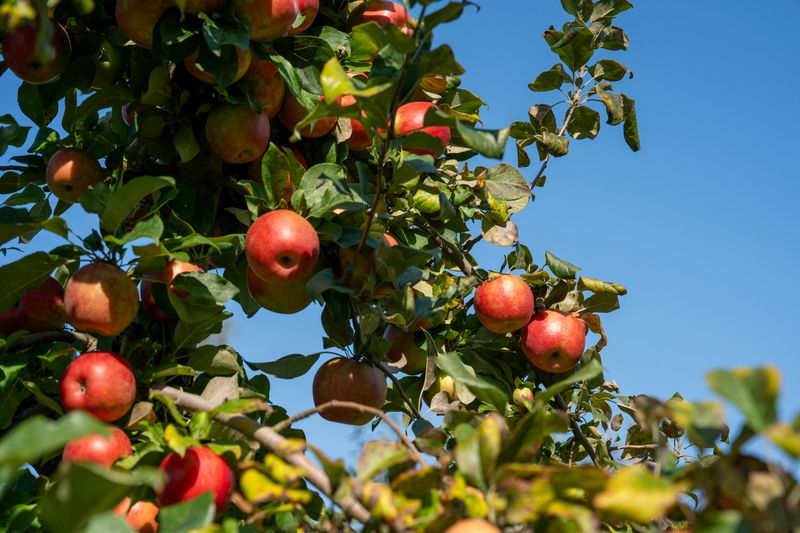
Apples in Tennessee? Absolutely, and they perform better than most people expect. The key is choosing varieties bred for the South.
Your standard grocery-store apple types were developed for cooler climates and will struggle here. Look for low-chill varieties like Gala, Fuji, and Arkansas Black, all of which thrive across middle and east Tennessee.
These selections handle the humidity reasonably well and still produce crisp, flavorful fruit. That makes autumn feel complete.
Planting two different varieties nearby improves pollination and boosts your overall yield significantly. Apples prefer slightly acidic, well-drained soil and at least six hours of direct sun each day.
A little lime might be needed to adjust pH if your soil tests too acidic. This is common across much of the state.
Your Tennessee Garden Changes Every Week. Your Plan Should Too.
Gardening in Tennessee changes quickly throughout the season. Every Friday you’ll receive a simple weekly plan showing exactly what to plant, prune, fertilize, harvest, and protect so you never miss the right timing.
Fireblight is the main disease concern for Southern apple growers. Selecting resistant varieties and applying a dormant copper fungicide spray before bud swell handles most of the risk.
Spray schedules and proper pruning go a long way toward keeping trees healthy through muggy summers. Once you bite into a homegrown apple fresh from your own yard, the extra effort feels like the best investment you ever made in your garden.
3. Pear
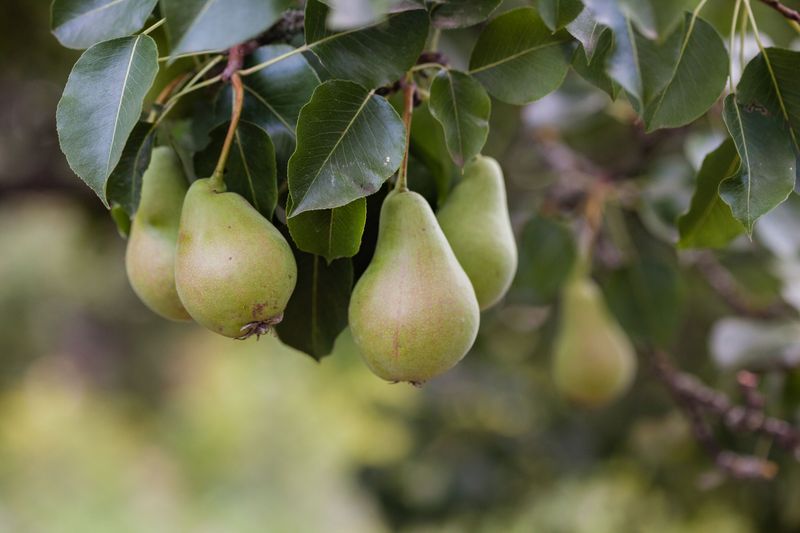
Pears are wildly underrated in the home orchard world, and Southern gardeners are slowly catching on. Tough, productive, and surprisingly low-maintenance, a good pear tree can outlive the gardener who planted it by decades.
Kieffer and Moonglow are the standout varieties for Tennessee conditions. Kieffer especially is almost bulletproof, shrugging off heat, humidity, and neglect while still delivering a solid harvest each season.
Asian pear varieties ripen earlier and offer that satisfying crunch that feels more like biting into an apple than a traditional pear. Full sun and good drainage are non-negotiable for healthy pear production.
Avoid planting in low spots where water pools after heavy rain, since standing water around roots invites problems fast. Cross-pollination helps most pear varieties produce more fruit.
Planting two trees within a reasonable distance of each other is a smart move. Harvest timing matters too: pears are best picked slightly underripe and allowed to finish ripening indoors at room temperature.
Get that timing right, and you will be rewarded with fruit so buttery and sweet. Store-bought pears will never feel adequate again.
Once you harvest your first homegrown pear, going back to the grocery store version feels like a step nobody wants to take.
4. Plum
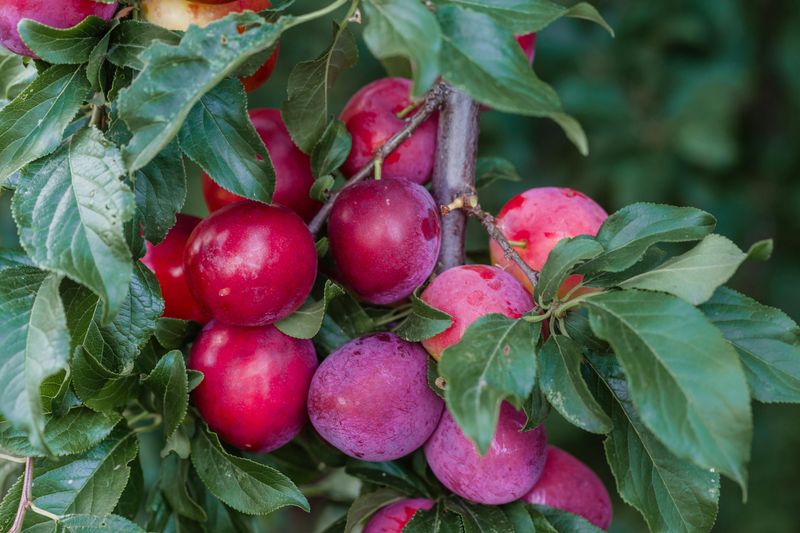
Image Credit: © Julia Filirovska / Pexels
Plums bring bold color and bold flavor to the home orchard, and they are one of the easiest stone fruits to grow across the state. Japanese plum varieties in particular love the warm Southern climate.
They tend to fruit heavily without too much fussing from the gardener. Methley is a fan favorite because it is self-fertile, meaning you only need one tree to get fruit.
Bruce and Ozark Premier are also solid performers in Tennessee. They offer large, juicy plums that ripen between June and July when the summer heat is fully locked in.
Having a self-fertile option means even small yards can enjoy a full harvest. Plant plums in a sunny spot with good air movement around the canopy.
Brown rot is a common fungal issue during wet summers. Spacing trees properly and removing fallen fruit promptly keeps the problem manageable.
Young plum trees tend to fruit earlier than most other stone fruits. They sometimes produce a small crop in just the second year after planting.
Their spring blossoms are also gorgeous, painting the yard in soft pink and white before the leaves even fully emerge. Plums reward patience and minimal care with seasons of generous, gorgeous fruit worth celebrating.
5. Fig
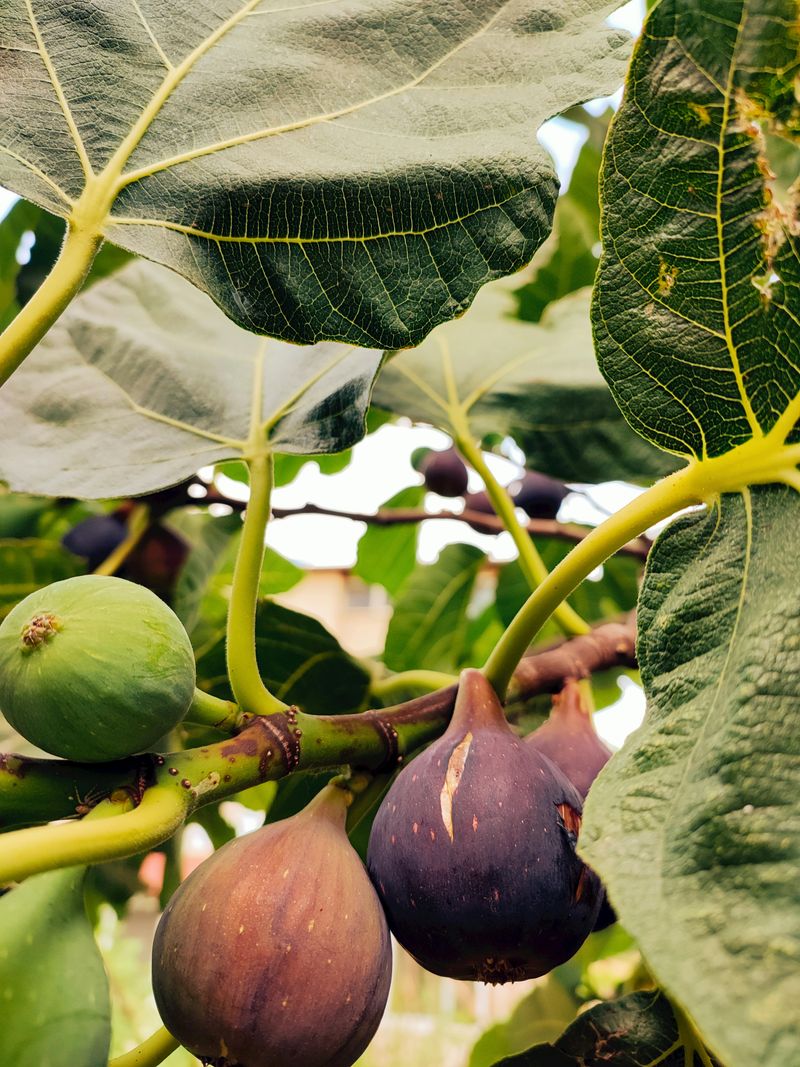
Figs were practically invented for the South. They love heat, tolerate drought once established, and produce fruit so sweet and rich that fresh figs from your own yard feel like a luxury you stumbled into.
Brown Turkey and Celeste are the two most beloved fig varieties among Tennessee growers. Brown Turkey produces large, mild-flavored fruit and handles cold snaps better than most.
Celeste, sometimes called Sugar Fig, is smaller but incredibly sweet. Its tight eye resists the souring beetles that can ruin other varieties in humid conditions.
Figs thrive in full sun and well-drained soil, and they are surprisingly forgiving once established. A south-facing wall or fence helps protect younger trees during unusually cold winters.
One of the best things about growing figs is how fast they get going. A rooted cutting can produce fruit within one to two years.
Mature trees can yield up to 20 pounds of fruit per season without any spraying or complicated care routines. Slice them fresh, drizzle with honey, they will not last long.
6. Jujube
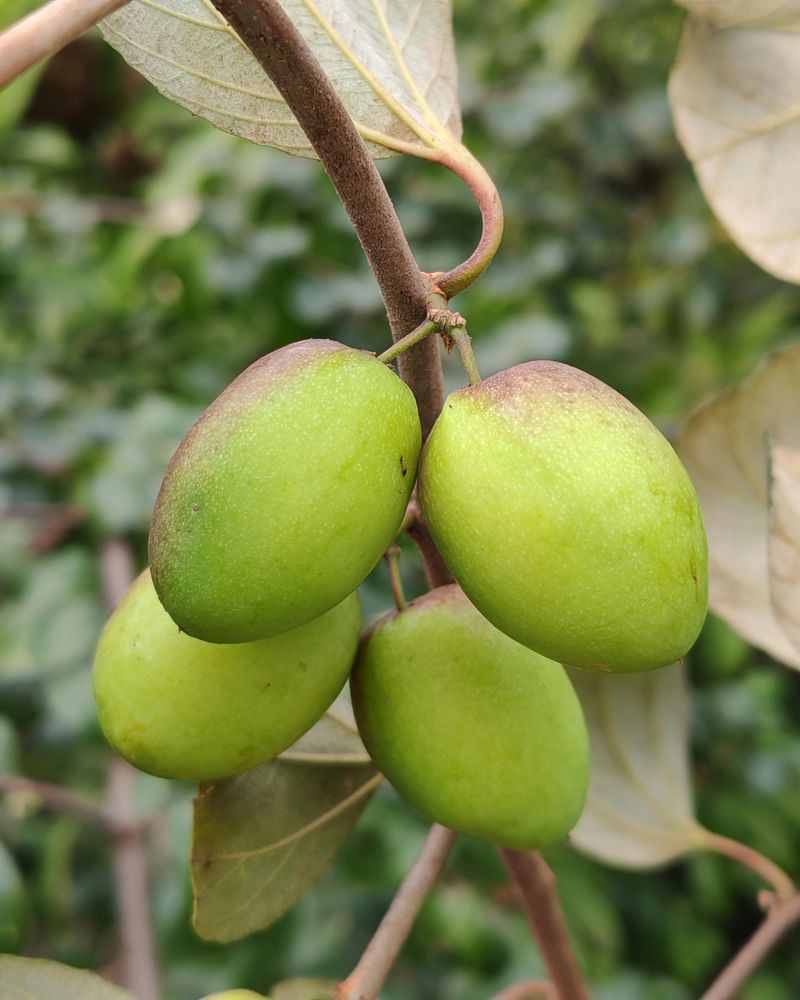
Jujube might be the most underrated fruit tree in the American South, and Tennessee growers are just beginning to catch on. Originally from China, this tough, adaptable tree handles extreme heat, poor soil, and drought without flinching.
That is exactly the kind of resilience a Tennessee summer demands. The fruit is genuinely unusual: fresh off the tree, jujubes taste crisp and mildly sweet, almost like an apple.
Left to dry on the branch, they shrink into something closer to a date, chewy, rich, and surprisingly addictive. Li and Honey Jar are the top variety picks for Tennessee home orchards.
Jujubes thrive in full sun and well-drained soil, and they ask for very little once established. Spray schedules are rarely needed and serious pest or disease pressure is uncommon compared to most other fruit trees.
That alone sets them apart from most other fruit trees on this list. Plant two different varieties to improve cross-pollination and boost your overall yield.
Trees typically begin fruiting within two to three years, and fruit ripens from late summer into early fall. One thing worth knowing: jujube trees can send up root suckers, so occasional mowing around the base keeps them in check.
For a low-maintenance tree that delivers something genuinely different, jujube earns its spot.
7. Persimmon
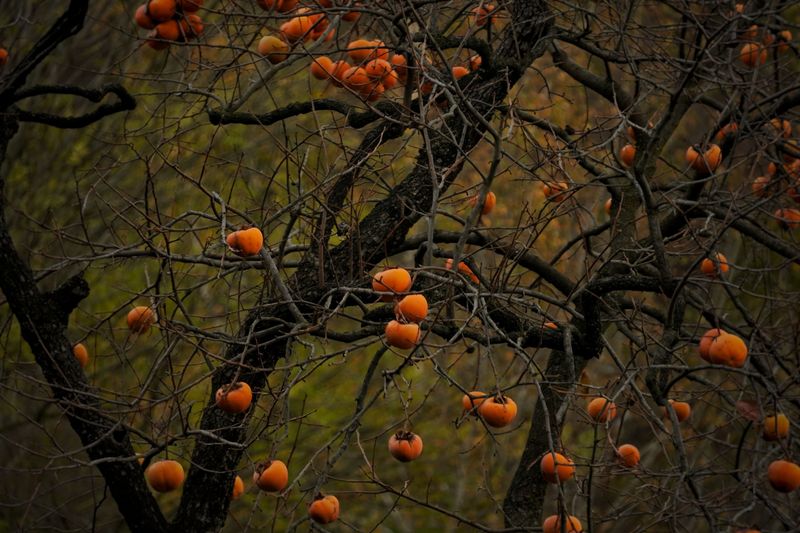
There is something almost magical about a persimmon tree in late fall, when the leaves have dropped and the branches are loaded with glowing orange fruit. They look like ornaments on a living sculpture.
Native American persimmons are one of the toughest, most adaptable fruit trees you can plant anywhere in the state. American persimmons handle summer heat, clay soil, and winter cold without complaint.
They are nearly effortless to grow once established. Improved varieties like Meader and Prok produce larger, seedless fruit with a rich, honey-sweet flavor that tastes nothing like the astringent wild types most people have accidentally bitten into.
Asian persimmon varieties like Fuyu can perform well in middle and west Tennessee, where winters tend to be milder. Full sun brings out the best production, though American persimmons tolerate part shade better than most fruit trees.
They are also naturally resistant to most common pests and diseases. That means less work and fewer chemical applications throughout the season.
Persimmons ripen after the first frost, and that cold snap actually improves flavor significantly. It converts starches to sugars, transforming the fruit entirely.
The fruit can be eaten fresh, dried, or baked into breads and puddings that taste like something from a Southern grandmother’s kitchen. Planting a persimmon tree is essentially planting a tradition that will outlast you by generations.
8. Nectarine
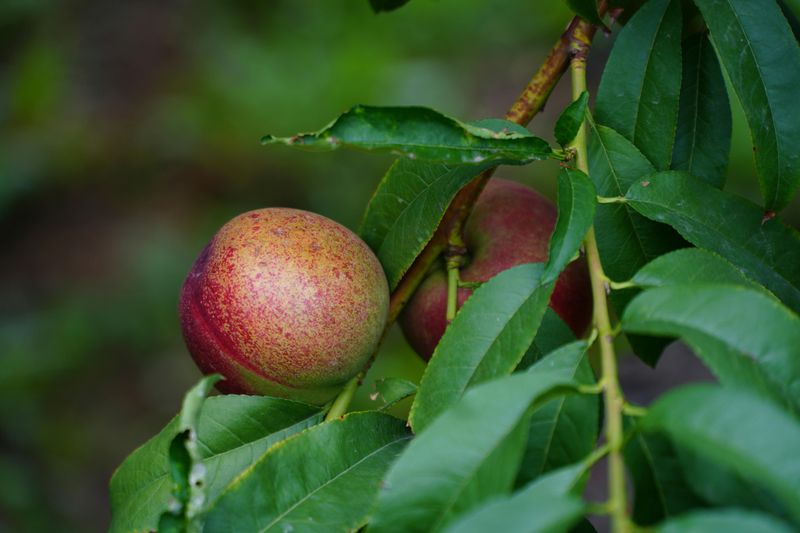
Image Credit: © 光曦 刘 / Pexels
Think of a nectarine as a peach that skipped the fuzzy coat and turned up the flavor dial. Smooth-skinned, intensely aromatic, and stunning when ripe, nectarines are a fantastic choice for Southern home orchards.
They offer something a little different from the standard lineup. Like peaches, nectarines need enough winter chill hours to bloom and set fruit properly, and Tennessee delivers that balance reliably in most years.
Fantasia and Flavortop are two varieties with proven track records in the mid-South. They offer sweet, firm flesh that holds up well for both fresh eating and preserving.
Their bloom time in spring is spectacular, covering branches in soft pink flowers before a single leaf appears. Nectarines need full sun, excellent drainage, and consistent pruning to stay productive.
The open-center pruning style removes the central leader to create a vase shape. It promotes airflow and light penetration that keeps the canopy healthy through humid summers.
Brown rot and peach leaf curl are the two diseases to watch for. Selecting resistant varieties and applying dormant oil spray in late winter handles most of the risk.
Fruit typically ripens between July and August. Biting into a homegrown nectarine warm from the sun is one of those simple pleasures that reminds you why you started a home orchard in the first place.
9. Mulberry
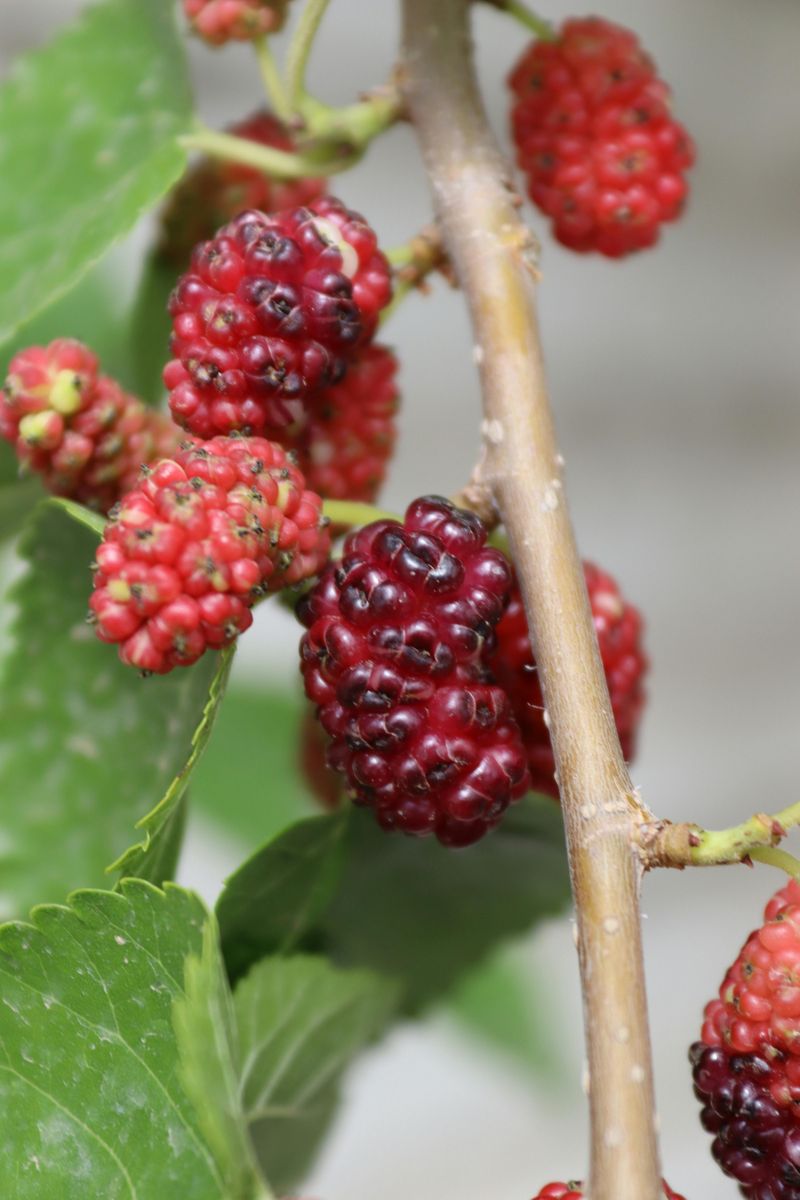
Mulberries are the overachievers of the home orchard world, producing staggering amounts of fruit with almost no effort from the grower. If you want a tree that feeds your family and attracts birds, the mulberry is your answer.
Red mulberries are native to the eastern United States and grow wild across Tennessee. That means they are perfectly adapted to every challenge the local climate can throw at them.
Illinois Everbearing is a popular hybrid variety that produces sweet, blackberry-like fruit over a longer season than most single-harvest trees. The fruit ripens progressively over several weeks rather than all at once.
That means less pressure to harvest everything in a single frantic weekend. Mulberries tolerate a wide range of soil types, from sandy loam to heavy clay.
They handle both drought and occasional flooding better than almost any other fruit tree. Full sun produces the heaviest crops, but these adaptable trees still fruit respectably in partial shade conditions.
One honest heads-up: mulberry fruit stains everything it touches, from sidewalks to shoes to the hands of every child within a quarter-mile radius. Plant them away from driveways and patios unless you enjoy scrubbing purple smears off concrete.
Tennessee fruit trees do not come more generous or more forgiving than the mighty mulberry. Your whole yard will feel the abundance.