The Best Time Of Day To Harvest Basil In Michigan For The Most Flavorful Leaves
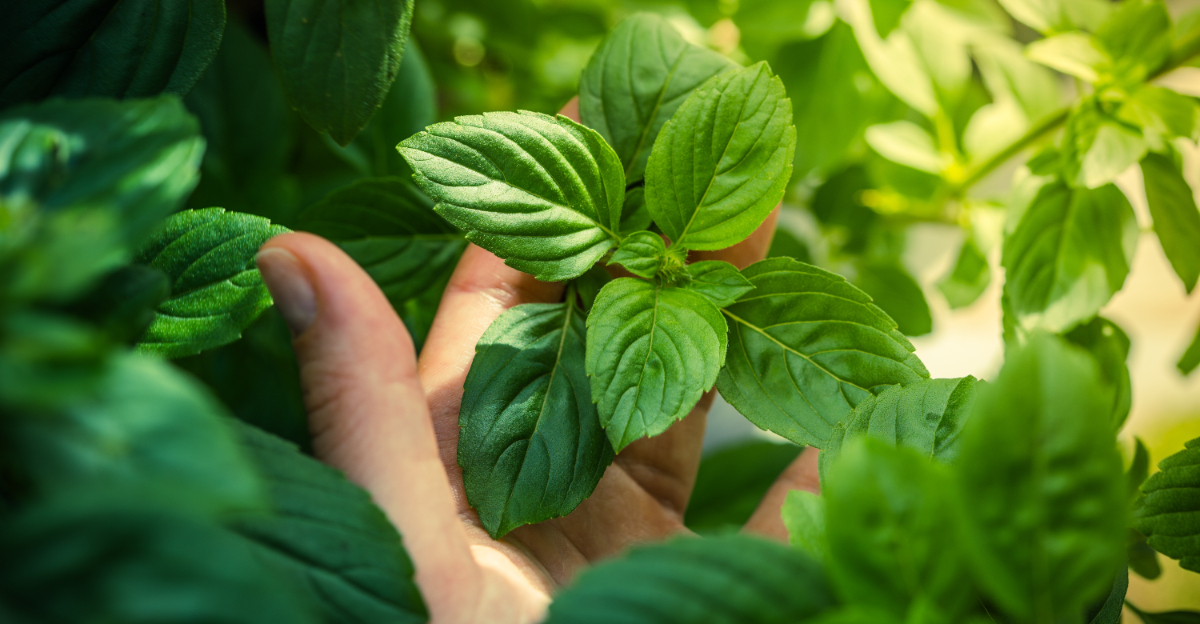
Basil harvested at the right moment of the day tastes noticeably different from basil cut at the wrong one, and most Michigan gardeners have never tested the comparison directly.
The essential oils responsible for basil’s flavor and fragrance concentrate and dissipate on a daily cycle that follows temperature and light exposure in ways that are consistent through the growing season.
Michigan’s warm summer mornings create a specific harvesting window that captures those oils at their peak before heat and sun begin affecting the leaves.
It is a small habit change that costs nothing and produces basil with a depth of flavor that makes everything it goes into taste meaningfully better.
1. Morning After Dew Dries Is Best
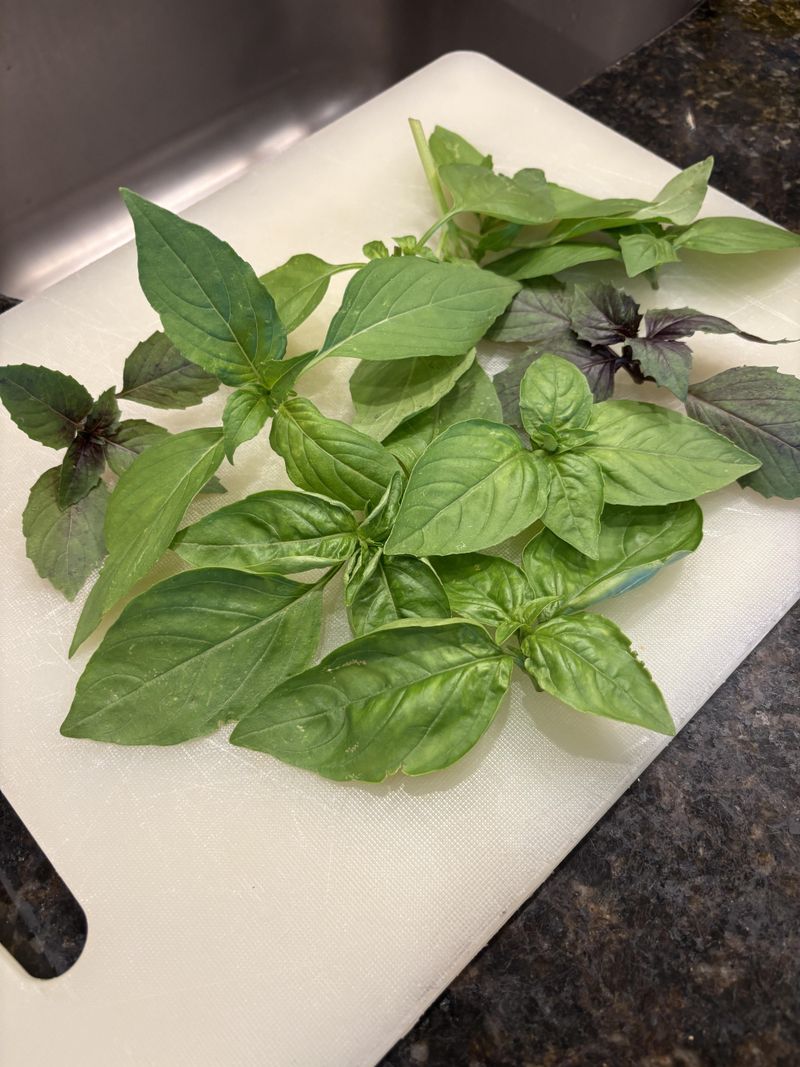
There is a small window every Michigan summer morning that basil gardeners should never miss. Right after the dew evaporates from the leaves, usually between 8 and 10 in the morning, the plant is at its absolute freshest.
The essential oils that give basil its bold, peppery, slightly sweet flavor are most concentrated during this cool, calm part of the day.
Basil produces aromatic oils as a natural response to its environment, and those oils are strongest before the heat of the day causes them to begin dispersing into the air. Think of it like fresh coffee grounds right after you open the bag.
The scent and flavor are sharpest before exposure to heat. Picking during this window means you bring in leaves that smell incredible and taste even better in the kitchen.
Michigan mornings can feel cool and comfortable from June through early September, which makes early harvesting a pleasant task rather than a chore.
Grab a small basket or bowl, head outside after breakfast, and check whether the leaves feel dry to the touch.
If they still feel slightly damp, give them another twenty minutes before picking. Once dry, snip carefully and collect what you need.
Gardeners who build this simple morning habit often notice a clear improvement in the flavor of their fresh basil dishes compared to leaves picked later in the day. The difference is real, noticeable, and absolutely worth setting your alarm a little earlier for.
2. Avoid Harvesting Wet Basil Leaves
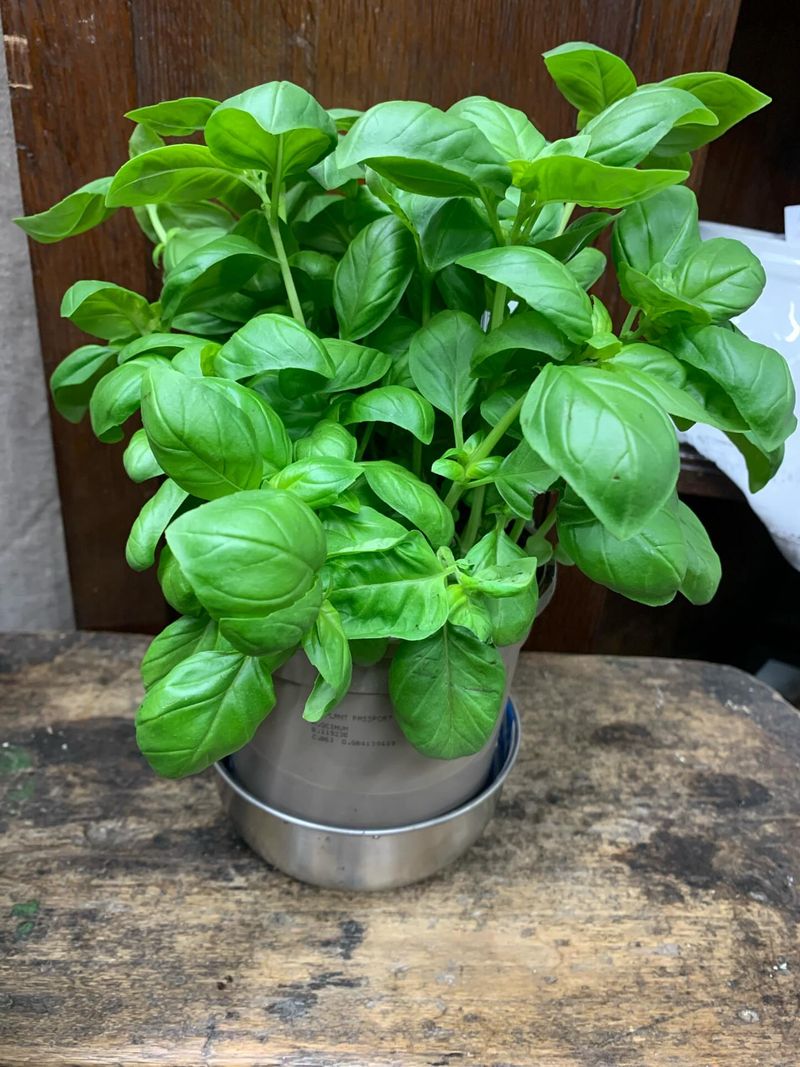
Wet basil is tricky basil. When leaves still carry morning dew or rainwater, they bruise far more easily during picking and handling.
That bruising breaks down the leaf tissue quickly, turning what should be vibrant green leaves into darkened, soft, and less flavorful pieces that are harder to use in the kitchen.
Bruised basil also stores poorly. If you plan to keep your harvest in the refrigerator or in a glass of water on the counter, starting with dry leaves gives you a much longer window of freshness.
Wet leaves clump together, trap moisture between them, and can develop dark spots or a slimy texture within just a day or two.
For a plant you worked hard to grow through Michigan’s unpredictable spring and summer weather, that is a frustrating outcome.
There is also a practical cooking reason to wait for dry leaves. Wet basil adds unwanted moisture to dishes like bruschetta, caprese salad, or fresh pasta sauces where texture matters.
Your Michigan Garden Changes Every Week. Your Plan Should Too.
Gardening in Michigan changes quickly throughout the season. Every Friday you’ll receive a simple weekly plan showing exactly what to plant, prune, fertilize, harvest, and protect so you never miss the right timing.
A little extra water can water down olive oil, separate emulsified sauces, or make pizza toppings soggy. Waiting an extra twenty to thirty minutes after sunrise for the dew to lift is a small investment that pays off in every bite.
Keep an eye on the forecast too. After a rainy Michigan night, leaves may stay wet longer than usual, so be patient and check before you pick. Your taste buds will thank you for the wait.
3. Pick Before The Heat Of The Day
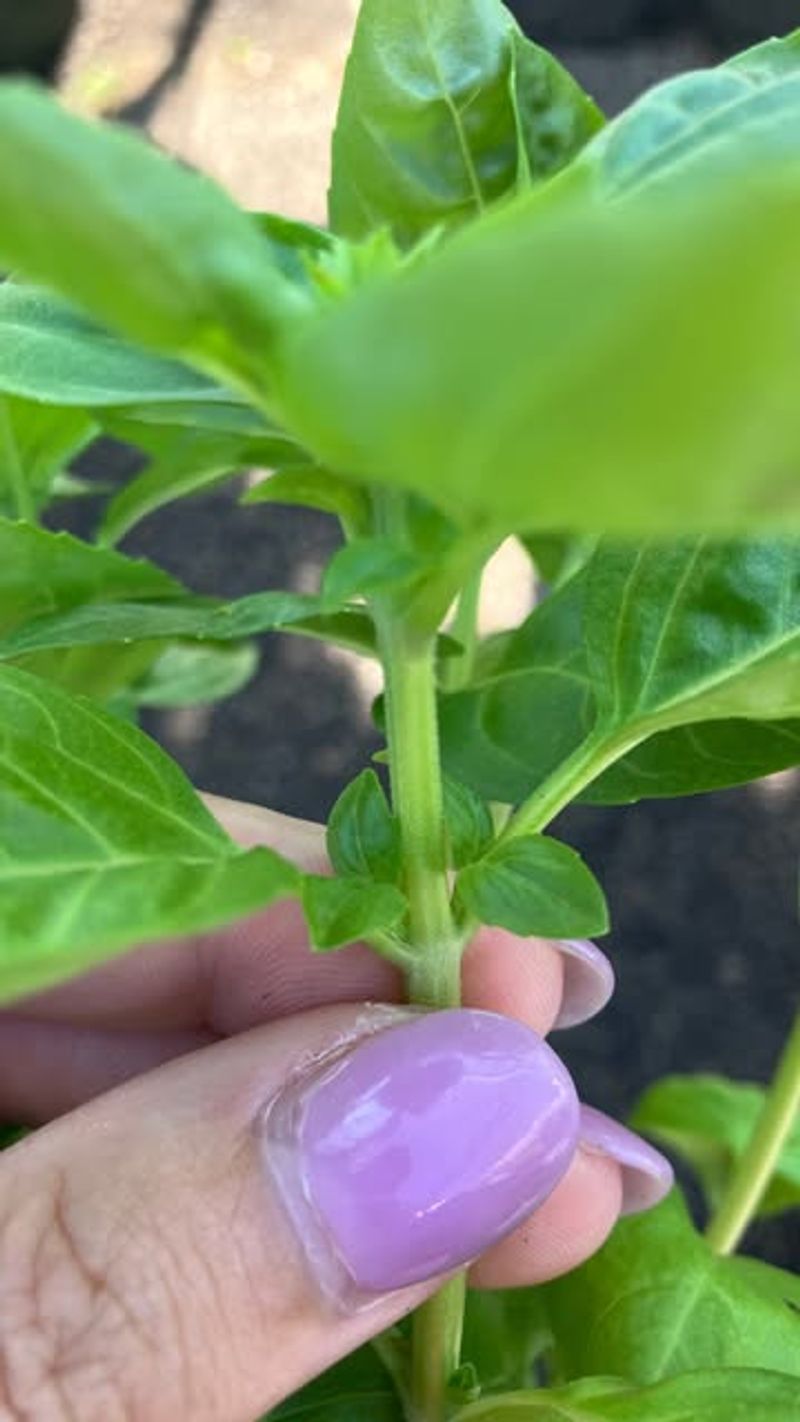
Michigan summers can get surprisingly hot, especially in July and August when afternoon temperatures regularly climb into the upper 80s or even the 90s. Basil feels that heat deeply.
By early afternoon, the leaves on basil plants that sit in full sun or inside raised beds and containers often begin to soften, wilt slightly, or lose some of their firm, fresh texture.
When basil gets hot, the volatile aromatic compounds responsible for its signature flavor begin to evaporate faster. You might notice this if you stand near a basil plant on a hot afternoon and catch a strong herby scent in the air.
That smell means flavor is literally leaving the plant. Harvesting after those oils have partially dispersed means bringing in leaves that taste noticeably milder than morning-picked basil from the same plant.
Container-grown basil, which is extremely common in Michigan because it can be moved indoors before frost, heats up even faster than garden-bed plants.
The soil in pots absorbs and retains heat quickly, stressing the roots and leaves more than in-ground plants.
Raised beds also warm up faster than traditional garden rows, so gardeners using these popular Michigan growing methods have even more reason to pick early. Try to complete your harvest before 10 or 11 in the morning on warm days.
If you miss the window, wait until evening when temperatures drop again rather than picking during peak heat. Fresh, firm, aromatic leaves are the reward for being an early riser.
4. Harvest Before Flowers Open
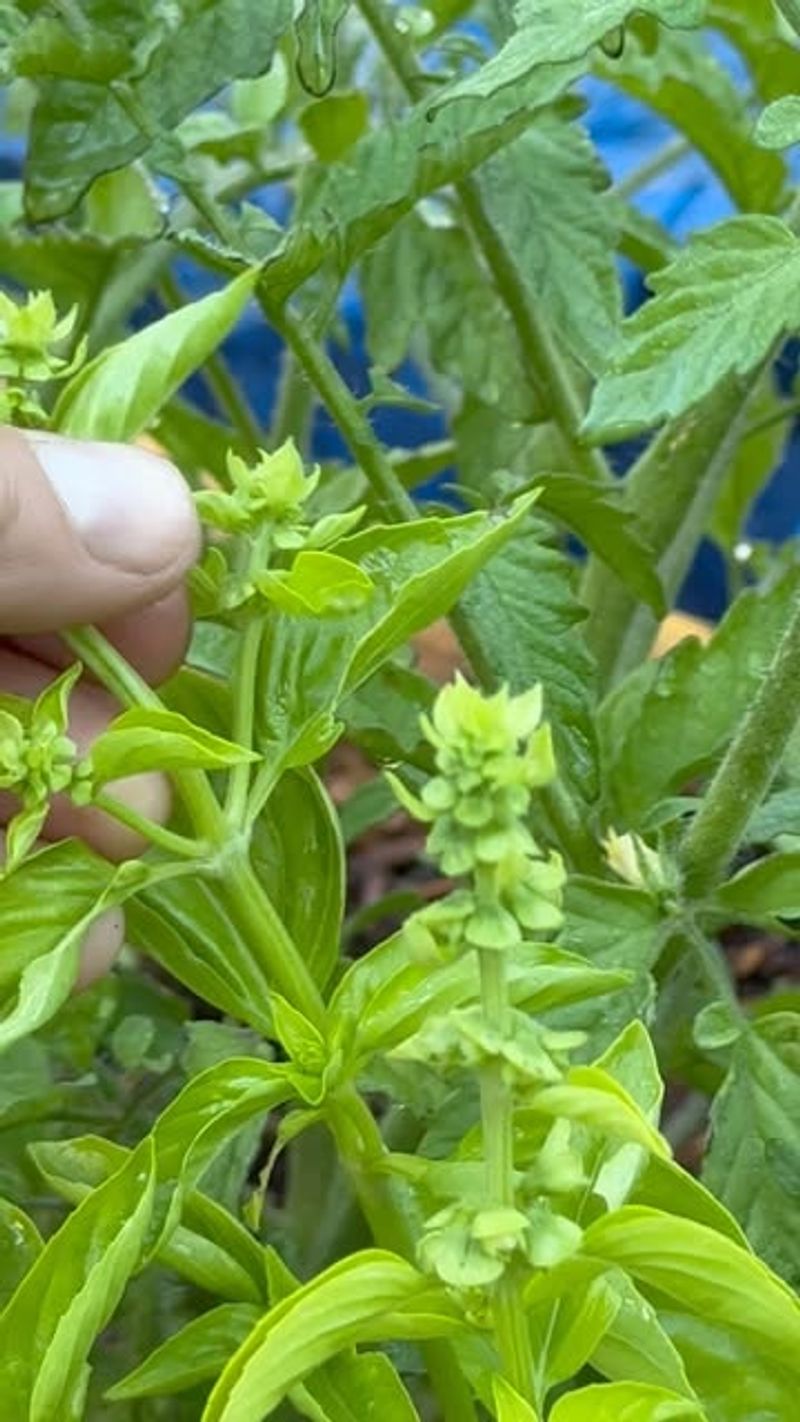
One of the most important things Michigan basil growers learn quickly is that flowering changes everything. Once a basil plant shifts its energy toward producing flowers and seeds, the leaves start to taste noticeably more bitter and less complex.
The rich, sweet, peppery flavor that makes basil so beloved in the kitchen begins to fade as soon as that flowering process kicks in.
Basil bolts, which is the gardening term for when a plant rushes to flower, faster in hot weather. Michigan summers give basil plenty of warmth, so gardeners need to stay alert from midsummer onward.
Check your plants every few days and look for small, tight clusters of tiny buds forming at the tops of the stems. Those buds are a signal to act immediately.
Pinch them off cleanly with your fingers or snip them with scissors right above the nearest leaf pair below the bud cluster.
Removing flower buds regularly tricks the plant into thinking it has not yet completed its reproductive mission, so it keeps putting energy back into producing lush, flavorful leaves instead.
This simple habit can extend your productive harvest season by several weeks, sometimes pushing fresh basil production all the way to Michigan’s first frost in mid to late October.
Some gardeners even enjoy the buds themselves, tossing them into salads or using them as a garnish since they carry a mild basil flavor.
Stay consistent with bud removal and your plant will reward you with wave after wave of tender, flavorful leaves all summer long.
5. Start Harvesting Once Plants Are Big Enough
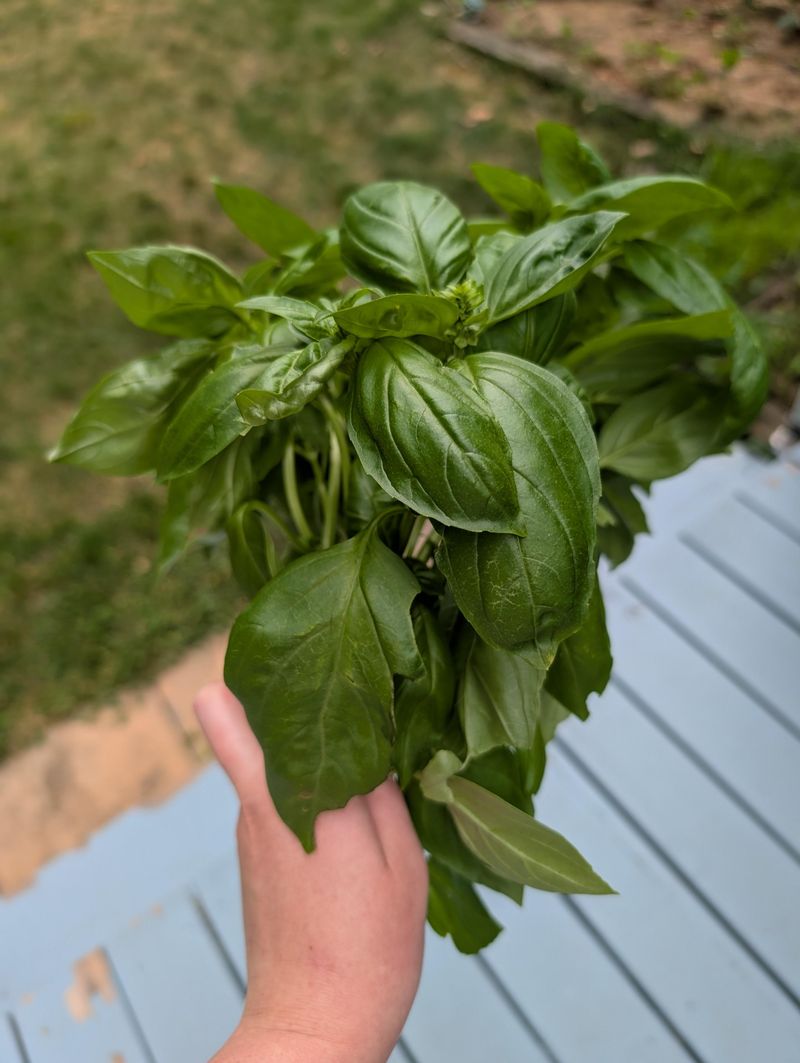
Brand new basil plants need a little time before they are ready to give. Picking from a tiny seedling too early can slow down its development significantly, leaving you with a weak, struggling plant that never reaches its full potential.
A good rule of thumb is to wait until your basil plant has at least three to four sets of healthy leaves before you take anything from it.
In Michigan, basil seedlings transplanted outdoors after the last frost, usually around late May or early June in most parts of the state, typically reach harvest-ready size within two to three weeks if the weather cooperates.
Look for a plant that stands at least six to eight inches tall with multiple branching stems. At that point, the plant has enough leafy growth to handle regular picking without getting stressed or stunted.
When you do start harvesting, keep it light at first. Take no more than one quarter of the plant at any single picking session.
Small, frequent harvests encourage the plant to branch out and grow fuller rather than shooting straight up and flowering early.
Stripping a young plant heavily in one go can set it back by a week or more, which in Michigan’s shorter growing season is precious time you cannot afford to waste.
Think of early harvesting as a conversation with your plant. You take a little, it grows more, and over time that back and forth builds into one of the most productive herb plants in your entire garden.
6. Pinch Stems Above A Leaf Pair
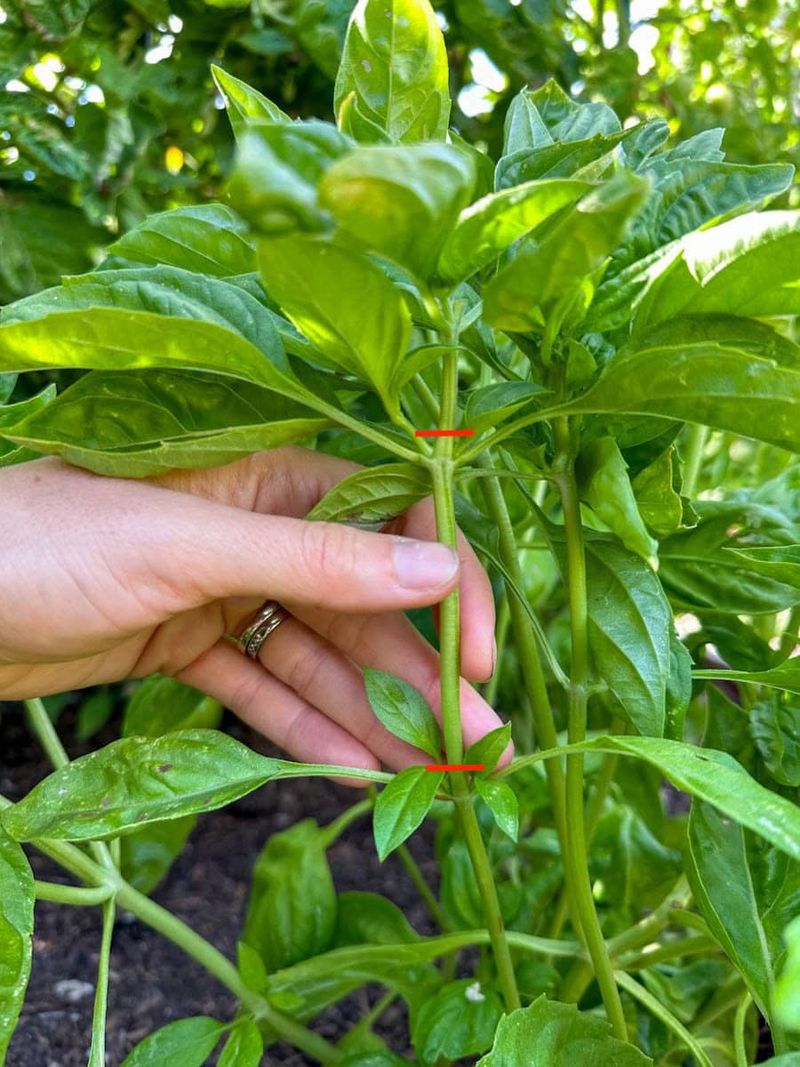
How you pick basil matters just as much as when you pick it. Randomly pulling leaves off here and there might seem harmless, but it actually slows the plant’s growth and can leave it looking sparse and scraggly.
The smarter approach is to snip or pinch entire stems, and the exact spot where you cut makes a real difference in how the plant responds.
Always cut just above a pair of leaves, which gardeners call a leaf node. When you remove the stem above that node, the plant sends out two new shoots from that exact spot instead of one.
Over time, this method transforms a single upright stem into a wide, bushy plant packed with dozens of productive branches.
More branches mean more leaves, and more leaves mean a bigger, more consistent harvest throughout Michigan’s growing season.
A small pair of sharp herb scissors or even clean fingernails works perfectly for this task. Dull cuts or torn stems can leave ragged edges that take longer to heal and may invite disease in humid Michigan summers.
Some gardeners keep a dedicated pair of small garden snips just for their herb beds, and it is a habit worth adopting.
Once you get comfortable with this technique, you will notice your basil plant growing wider and fuller with each passing week rather than taller and thinner.
It becomes almost satisfying to watch, like giving the plant a haircut that makes it come back stronger, healthier, and ready to produce even more of those fragrant, flavorful leaves you love.
7. Take Small Harvests Often
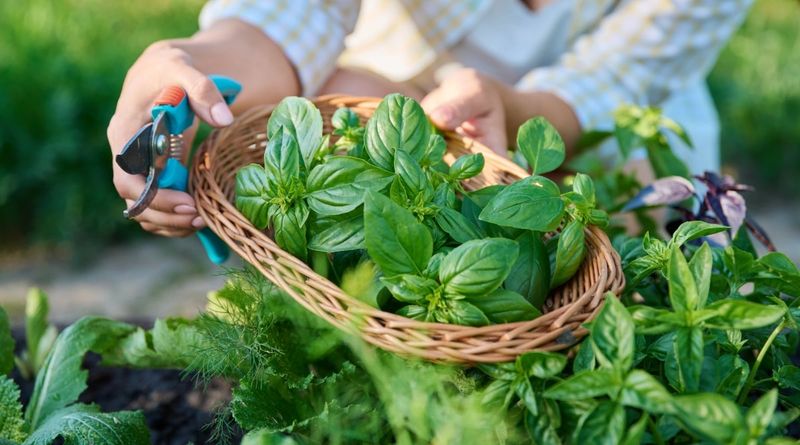
Frequent harvesting is one of the best-kept secrets of successful basil growing. Many gardeners make the mistake of leaving their plants alone for weeks at a time, then trying to take a large harvest all at once.
That approach often leads to plants that bolt quickly, produce fewer quality leaves, and wear out before summer ends.
Picking small amounts every few days, ideally during those sweet Michigan mornings after dew dries, keeps the plant in an active, productive growth cycle.
Regular harvesting signals to the plant that it needs to keep making new leaves rather than shifting focus toward reproduction.
It is a bit like how regular pruning keeps a hedge thick and tidy versus letting it grow wild and patchy. Consistency is the key ingredient.
For most Michigan home gardeners, a small harvest two to three times per week is plenty to keep plants happy and productive. You might only collect a handful of stems each time, but those small amounts add up quickly.
Use what you pick fresh in salads, on pizza, blended into pesto, or layered into sandwiches. Basil picked this way tends to taste brighter and more aromatic than leaves from a plant that has been neglected for long stretches.
There is also something genuinely enjoyable about stepping outside on a warm summer morning and snipping a few fresh stems for that evening’s dinner.
It connects you to your garden in a simple, satisfying way that makes cooking feel like a real pleasure rather than just another task.
8. Bring Basil Indoors Quickly After Picking
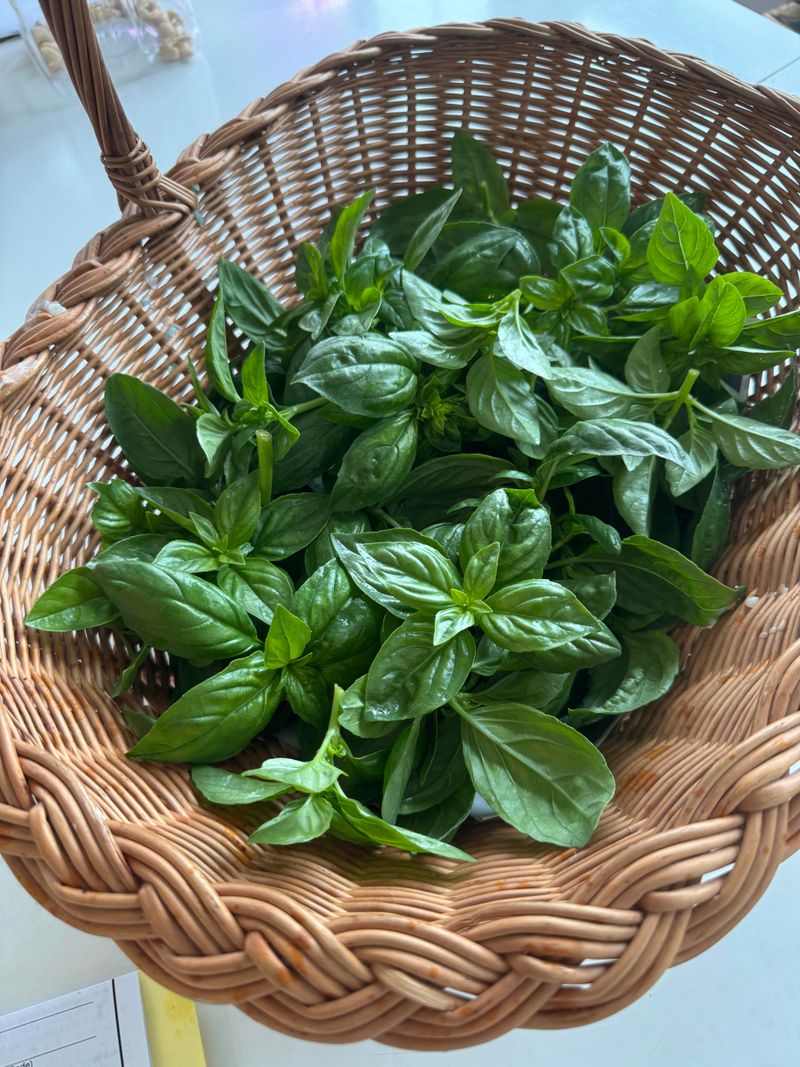
Getting basil from the garden to the kitchen quickly is a step that too many gardeners overlook.
After you pick basil on a warm Michigan summer morning, leaving it sitting in direct sunlight even for just fifteen or twenty minutes can cause the leaves to wilt, darken, and lose a noticeable amount of their fresh aroma.
Speed and shade are your best friends right after harvesting.
One of the easiest ways to keep freshly picked basil in great shape is to treat it like a small bouquet of flowers. Trim the bottom of the stems slightly and place them upright in a glass or jar with an inch or two of cool water.
Set the jar on your kitchen counter away from direct sunlight, and your basil can stay fresh and fragrant for several days this way.
Avoid putting fresh basil in the refrigerator since cold temperatures below 50 degrees Fahrenheit can cause the leaves to turn black and lose flavor rapidly.
If you harvested more than you can use fresh, consider preserving your basil the same day for best results. Blend it with olive oil and freeze it in ice cube trays for easy portioned use in winter soups and sauces.
You can also make a quick batch of pesto and refrigerate or freeze it. Drying basil is another option, though it does mellow the flavor compared to fresh.
Whatever method you choose, acting quickly after your morning harvest locks in the flavor and aroma that made you grow basil in the first place.