The One Thing North Carolina Knockout Roses Need In July Or Japanese Beetles Will Strip Them Bare In Days
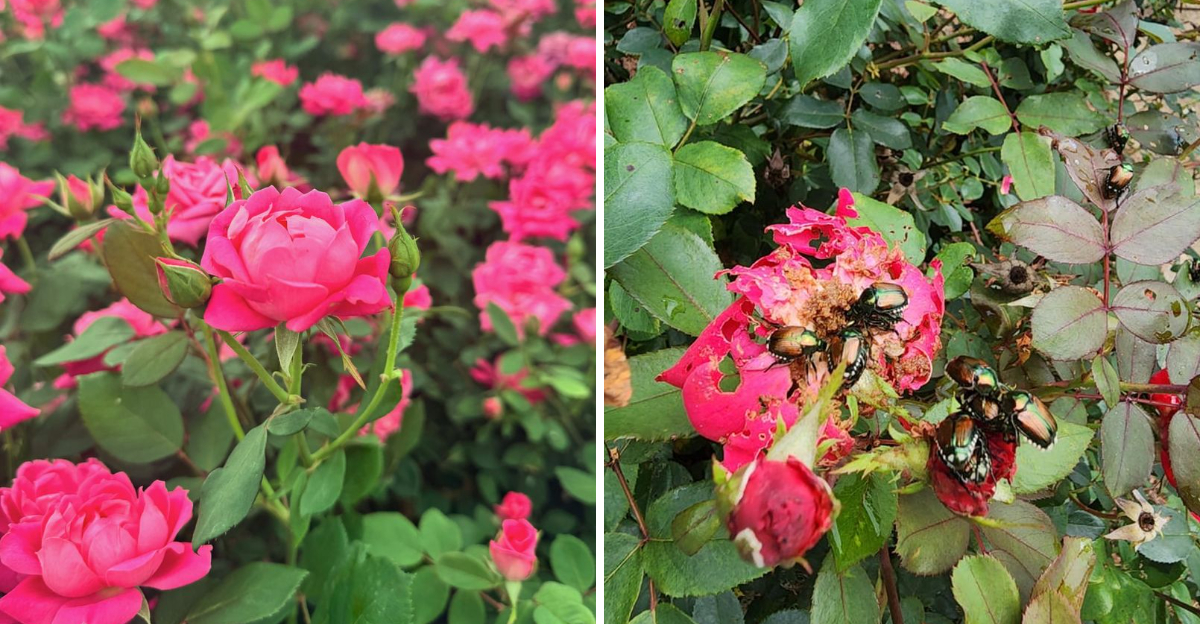
July in North Carolina and Japanese beetles arriving on your Knock Out roses at the same time is genuinely one of the more frustrating combinations a gardener can face.
Just when your shrubs are looking their absolute best, those shiny copper and green insects show up and start feeding on leaves and flowers with a confidence that is honestly a little offensive.
And they do not come alone. A small group can build into a much larger situation within days if you are not paying attention early enough.
The good news is that catching them early makes a real difference in how much feeding damage your roses end up with this season.
Morning checks, handpicking, a container of soapy water, and staying alert through peak beetle season are your best tools right now.
1. Daily Checks Catch Beetles Early
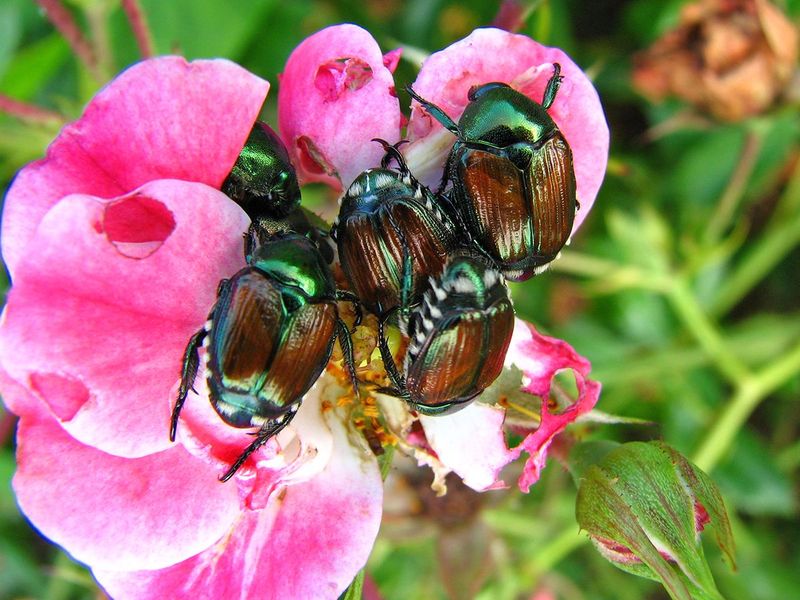
Shiny, copper-winged beetles clinging to rose petals are never a welcome sight, but spotting them early gives you a real advantage.
In North Carolina, Japanese beetles tend to show up in late June and stay active well into August, with July being the most intense stretch.
Walking through your garden each day – even for just a few minutes – can help you catch a small group before it grows into a much larger one.
Knock Out roses are tough shrubs, but repeated feeding on leaves and flowers takes a toll over time. The more beetles that gather on a single plant, the more feeding damage accumulates.
A quick daily check lets you see where beetles are concentrating so you can respond before the situation gets out of hand.
Pay close attention to the tops of flower buds and the upper surfaces of leaves, since beetles tend to feed in sunny, exposed spots.
North Carolina gardeners with roses in full-sun borders or front-yard beds may notice beetle activity picking up during warm, sunny afternoons.
Getting into a habit of checking your roses every morning takes only a few minutes and gives you a much clearer picture of what is happening across your entire planting.
Small problems caught early are far easier to manage than large infestations that have had several days to settle in.
2. Morning Removal Works Best

Something interesting happens to Japanese beetles in the early morning hours – they slow down. Cooler temperatures make them sluggish and less likely to fly off the moment you approach.
That small window, usually from sunrise until around nine or ten in the morning, is your best opportunity to remove them from your Knock Out roses before the day heats up.
North Carolina summers get warm fast, and by midday beetles are much more active and alert. Trying to remove them in the afternoon often ends with beetles flying away before you can catch them.
Morning removal is more effective simply because the beetles cooperate more, staying still long enough for you to knock or pick them off the plant.
Bring a container of soapy water with you each morning and hold it just below each beetle before flicking or shaking it loose. The beetles drop straight in and cannot escape.
Your North Carolina Garden Changes Every Week. Your Plan Should Too.
Gardening in North Carolina changes quickly throughout the season. Every Friday you’ll receive a simple weekly plan showing exactly what to plant, prune, fertilize, harvest, and protect so you never miss the right timing.
Wearing lightweight gloves makes the process easier and more comfortable, especially if you plan to work through several plants.
North Carolina homeowners with multiple Knock Out rose shrubs along a walkway or foundation planting can move from plant to plant quickly using this method.
It does not eliminate every beetle, but consistent morning removal helps reduce the number feeding on your roses each day, which limits how much visible damage builds up over the course of the week.
3. Soapy Water Makes Hand-Picking Easier
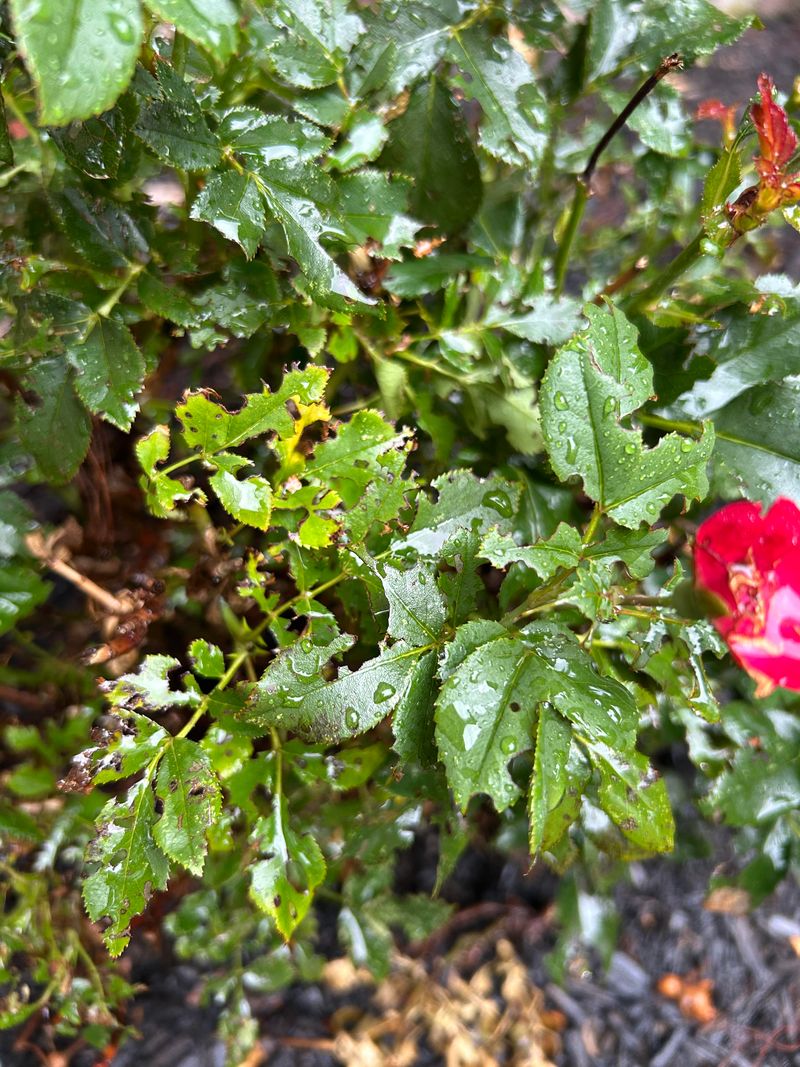
A simple bucket of water mixed with a few drops of liquid dish soap is one of the most practical tools you can bring to your rose bed in July. The soap breaks the surface tension of the water, so beetles that fall in cannot float or crawl back out.
No special equipment is needed, and the setup takes about thirty seconds to prepare.
When you hold the container directly under a beetle and tap the stem or leaf it is resting on, the beetle drops down into the soapy water. This works well because beetles instinctively let go and fall when they sense movement, rather than flying away.
That natural response actually works in your favor during morning rounds when temperatures in North Carolina are still relatively cool.
Using soapy water avoids the need for spraying anything directly on your Knock Out roses during the removal process, which matters if you want to protect visiting pollinators or simply prefer a low-input approach.
A wide-mouthed container, like a large yogurt tub or a small bucket, is easier to aim than a narrow jar.
Some North Carolina gardeners keep a dedicated container near their rose bed throughout July so it is ready each morning without any extra preparation.
Changing the water every day or two keeps the solution effective and prevents any unpleasant odor from developing as the season moves along.
4. Damaged Leaves Can Draw More Beetles
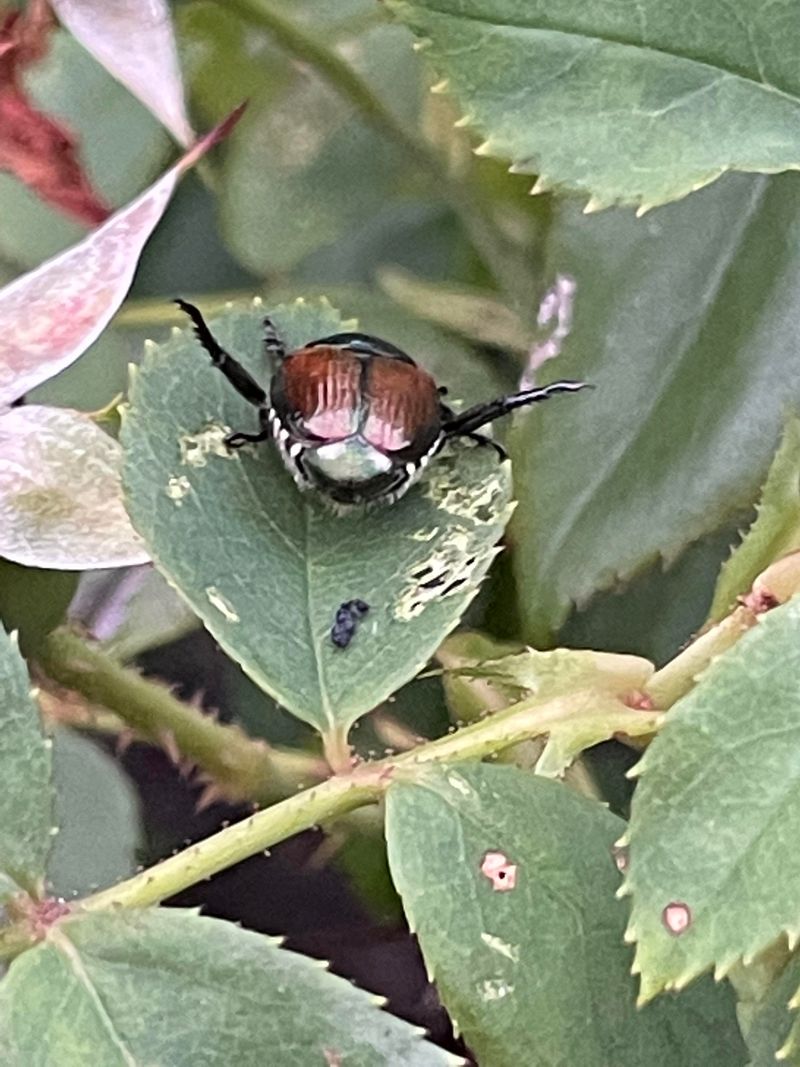
Ragged, lace-like foliage on your Knock Out roses is not just an eyesore – it may actually be making your beetle problem worse. When Japanese beetles feed, they release compounds that signal other beetles to join them.
Heavily damaged leaves and flowers can essentially act as an invitation, drawing in more beetles from the surrounding area over the following days.
Removing or trimming away severely damaged leaves when you spot them can help reduce that signaling effect.
It also improves the overall appearance of your shrubs and allows the plant to put its energy toward producing new, healthy growth rather than supporting leaves that are already compromised.
North Carolina Knock Out roses are resilient and can push out new foliage fairly quickly when conditions are right.
Focus your cleanup on leaves that have been heavily skeletonized, meaning most of the green tissue between the veins has been eaten away. Lightly damaged leaves can often stay on the plant without causing additional problems.
Dropping removed foliage into a trash bag rather than leaving it on the ground near your roses is a smart habit.
Leaving damaged material nearby does not necessarily attract more beetles on its own, but keeping the area around your plants tidy is a reasonable part of overall July rose care in North Carolina.
A cleaner bed also makes it easier to spot new beetle activity during your daily checks each morning.
5. Feeding Beetles Attract More Beetles
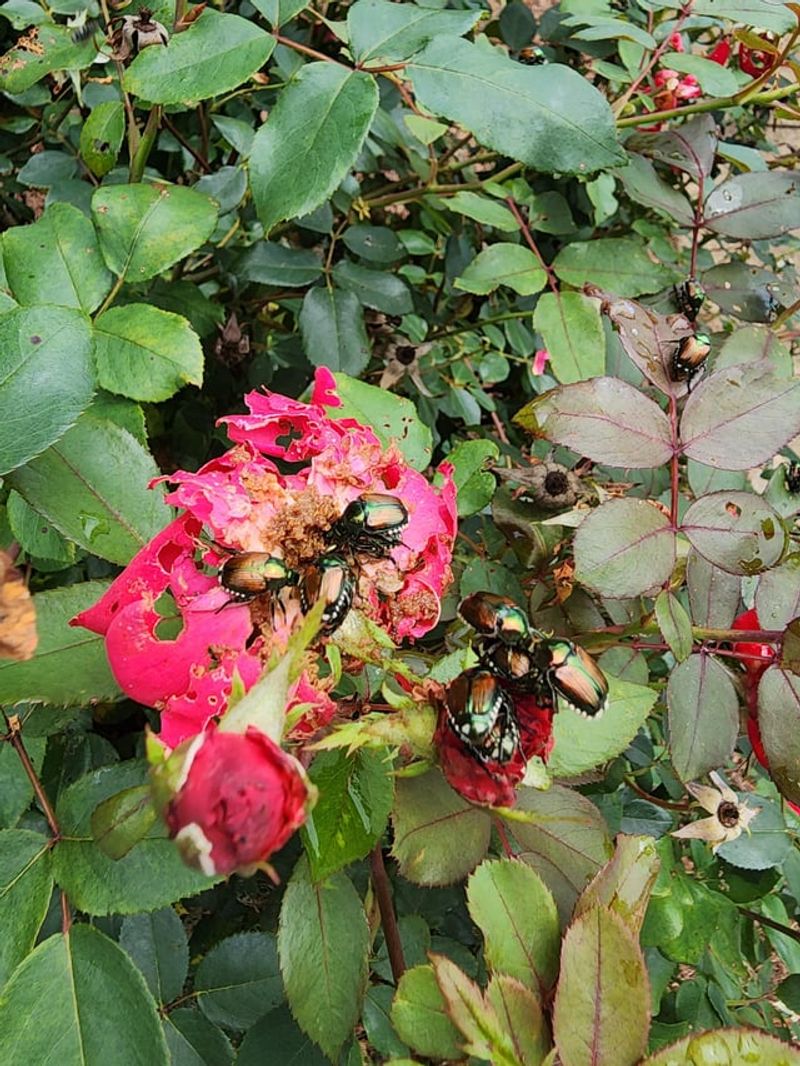
One beetle on a rose bloom might seem manageable, but the situation can shift quickly. Japanese beetles release aggregation pheromones while they feed, which are chemical signals that attract other beetles in the area.
A single plant with a few beetles feeding on it can become a much more crowded situation within a short period of time, especially during peak season in North Carolina.
This is one of the reasons why early removal matters so much. The fewer beetles feeding on your Knock Out roses at any given time, the fewer chemical signals are being sent out to draw in more.
Letting a small group go unaddressed for even a couple of days can lead to noticeably heavier feeding activity, particularly on plants growing in full sun where beetles tend to prefer gathering.
Understanding this behavior helps explain why consistent daily checks pay off more than occasional reactive responses. Waiting until damage becomes severe before acting gives beetles more time to recruit additional feeders.
North Carolina homeowners who check their roses every morning and remove beetles promptly tend to see steadier, more manageable levels of activity compared to those who check only once or twice a week.
Knock Out roses in sunny front-yard beds or along open walkways may be especially visible to passing beetles, so those plants often benefit the most from frequent monitoring throughout the busiest weeks of July.
6. Fast Action Protects New Rose Growth
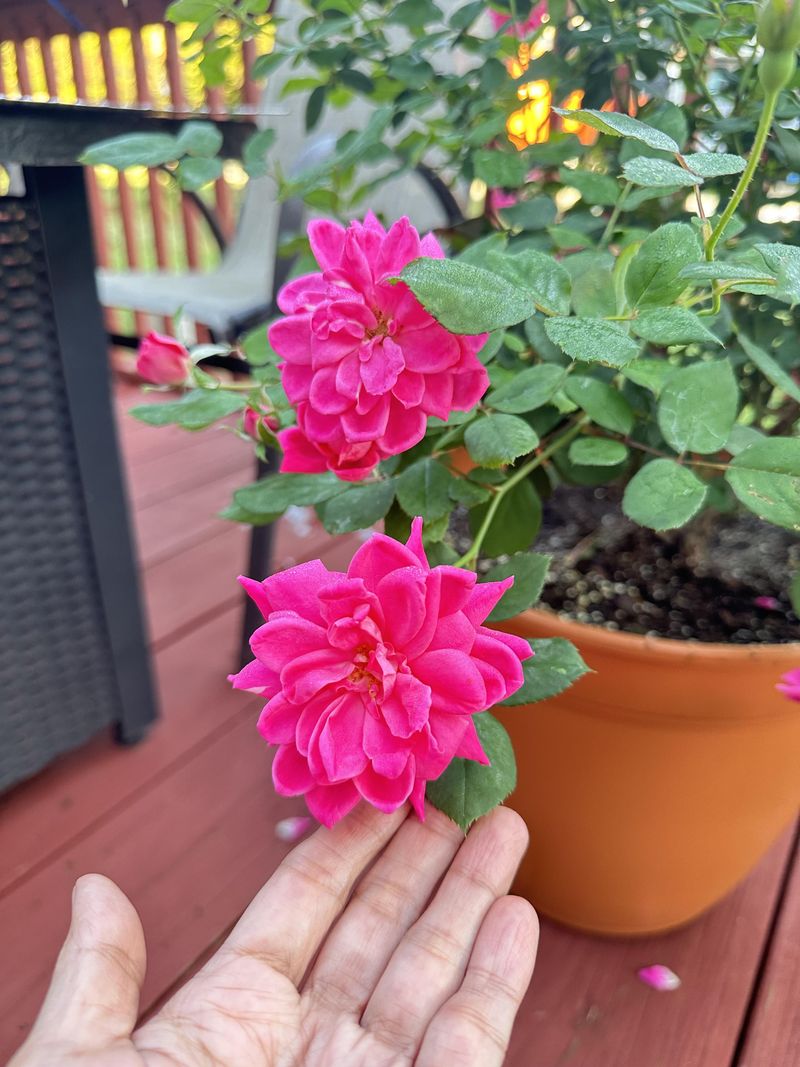
New growth on Knock Out roses is especially appealing to Japanese beetles. Tender young leaves and developing flower buds are softer and easier for beetles to feed on compared to older, tougher foliage.
If you notice fresh growth emerging on your North Carolina rose shrubs in July, that is exactly where you should focus your attention during daily checks.
Beetles feeding heavily on new growth can set a plant back by removing the leaves and buds before they have a chance to fully develop.
While Knock Out roses are known for bouncing back well, repeated feeding on new shoots during peak beetle season can slow the plant down and reduce blooming through late summer.
Protecting those tender tips early helps your shrubs maintain their vigor through the rest of the growing season.
If you deadhead your Knock Out roses in early July, expect a flush of new growth to follow within a week or two. That new growth is worth watching closely because it tends to emerge right in the middle of active beetle season in North Carolina.
Keeping up with morning removal during that window gives new leaves and buds a better chance to harden off before beetles can do significant damage.
Healthy, well-established Knock Out roses growing in good soil with adequate moisture are generally better positioned to push through beetle pressure than plants already stressed by drought or poor conditions.
7. Avoid Beetle Traps Near Your Roses
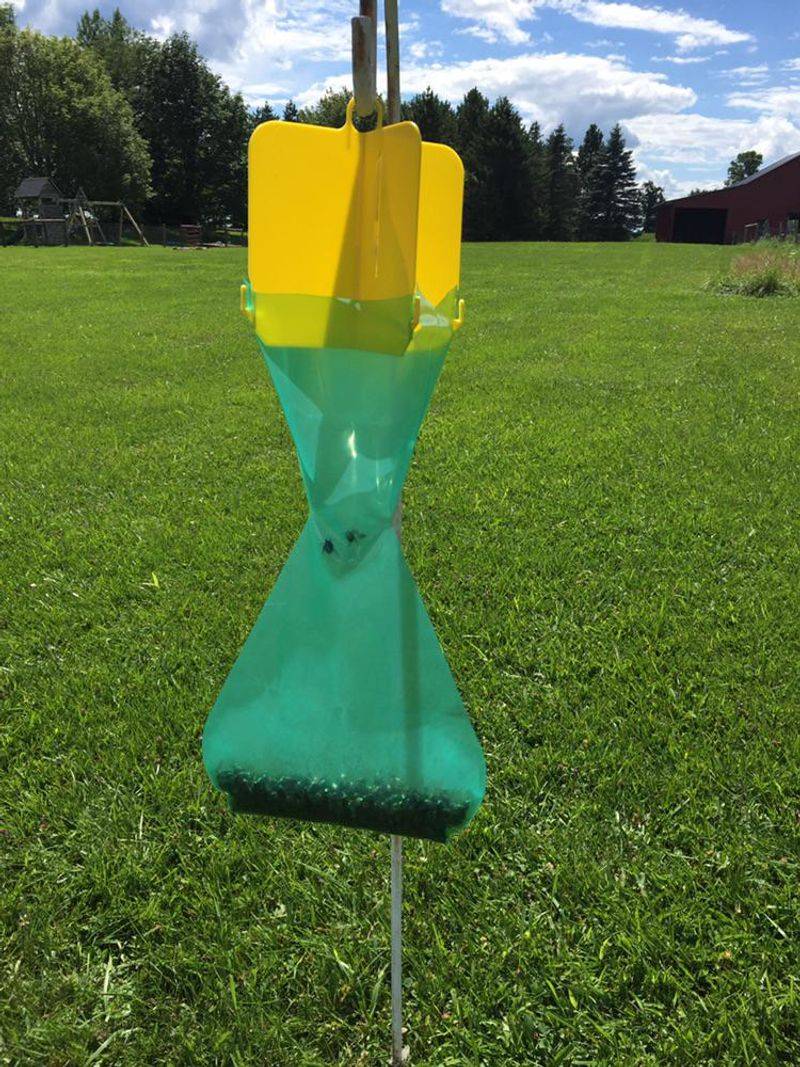
Beetle traps are widely available at garden centers across North Carolina and they do catch beetles – sometimes quite a lot of them. The traps use floral and pheromone lures to draw beetles in from a wide area.
That attracting power is exactly what makes them a poor choice when placed anywhere near your Knock Out roses or other valued plants.
Research from university extension programs has consistently shown that beetle traps can draw in more beetles than they actually capture. The beetles flying toward the trap do not all end up inside it.
Many land on nearby plants first, which means a trap placed close to your rose bed may actually increase the number of beetles feeding on your shrubs rather than reducing it.
If you want to use beetle traps, place them well away from your roses and other garden plants – at least thirty feet is a commonly recommended minimum distance.
Putting them at the far edge of your property, away from beds and borders, reduces the chance that attracted beetles will detour onto your plants before reaching the trap.
North Carolina homeowners with smaller yards may find that traps simply are not practical given the limited space available to position them safely.
In those situations, consistent hand removal and morning scouting tend to be more reliable and straightforward approaches for keeping beetle numbers manageable on Knock Out roses through July.
8. Keep Watching Through Peak Beetle Season

Peak Japanese beetle season in North Carolina runs roughly from late June through mid-August, with July sitting squarely in the middle of that window.
Beetle populations do not stay at the same level throughout the season – they tend to build up, reach a high point, and then gradually taper off as adults finish their life cycle.
Staying consistent with your checks through the entire stretch makes a meaningful difference.
It can be tempting to ease up on monitoring once you have had a few quieter days with fewer beetles visible.
However, activity can pick back up after a lull, especially following warm, humid stretches of weather that are common in North Carolina during July and early August.
Keeping your morning scouting routine in place through the full peak period gives you the best chance of catching any resurgence early.
Knock Out roses are resilient shrubs and they can recover from moderate beetle feeding when given consistent care and reasonable growing conditions.
Staying on top of daily checks, morning removal, and keeping the area around your plants clean gives your roses the support they need to come through July in good shape.
North Carolina gardeners who stick with a simple, steady routine through the busiest weeks of beetle season tend to finish the summer with healthier, better-looking rose shrubs than those who respond only when damage becomes hard to ignore.
Steady attention through peak season is the most practical strategy available.