These Are The Texas Garden Plants Spider Mites Target First In July Heat (And What To Do)
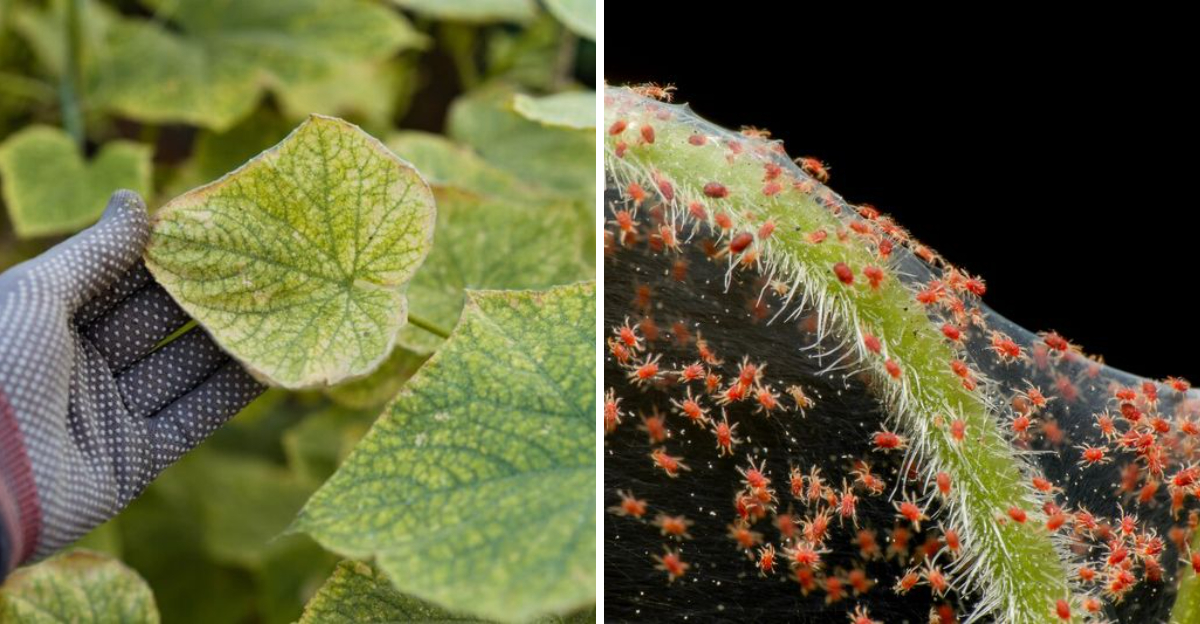
Spider mites are one of those garden problems that can sneak up on you fast, especially in July. One week your plants look fine.
The next, you’re noticing a subtle dullness to the leaves, some faint stippling, maybe a delicate webbing tucked along the undersides. By the time most gardeners realize what’s happening, spider mites have already spread further than they’d like.
July heat is exactly when these pests thrive. Hot, dry conditions are spider mite paradise, and Texas summers create the perfect environment for populations to explode almost overnight.
They reproduce rapidly in the heat, moving quickly from plant to plant before you’ve had a chance to catch up. But not every plant in your garden is equally at risk.
Spider mites have clear preferences, and certain Texas garden plants get targeted first and hardest every single July. Knowing which plants to watch most closely gives you a real head start. Here’s what’s most at risk and exactly how to respond.
1. Tomatoes
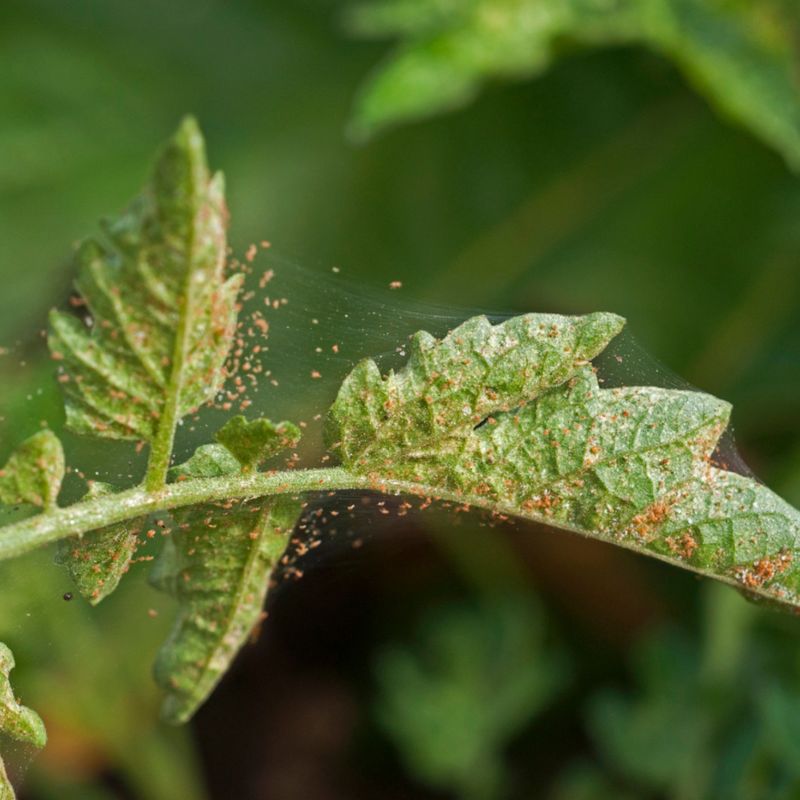
Tomatoes are practically a magnet for spider mites once July temperatures start climbing above 90 degrees in Texas. These pests love the hot, dry conditions that stress tomato plants, and they move in fast.
You might not even notice them at first because they are so tiny, but the damage they leave behind is hard to miss.
Look for pale speckling or a bronze shimmer spreading across the leaves. Flip a leaf over and you may spot fine, silky webbing clinging to the underside. That webbing is a sure sign the mite population has grown large enough to cause real harm.
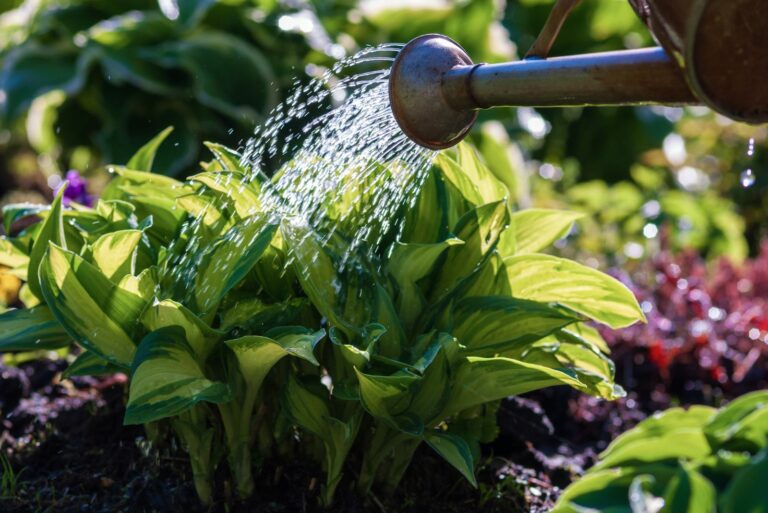
The best first step is surprisingly simple: spray the undersides of the leaves with a firm stream of water from your garden hose. Do this in the morning so the foliage has time to dry before evening.
Consistent watering at the soil level also helps, because drought-stressed tomato plants attract far more mites than healthy, well-watered ones.
If the problem keeps going after a few days of water sprays, confirm mites are still present before reaching for a spray product. Insecticidal soap or horticultural oil can work well, but only apply them when temperatures are below 90 degrees.
Spraying during peak heat can cause leaf burn and make things worse for your already-stressed plants.
Try to avoid broad-spectrum pesticides entirely. They tend to wipe out the beneficial predatory insects that naturally keep spider mite numbers in check.
Keeping that natural balance in your garden is one of the smartest long-term strategies any Texas gardener can use.
2. Beans
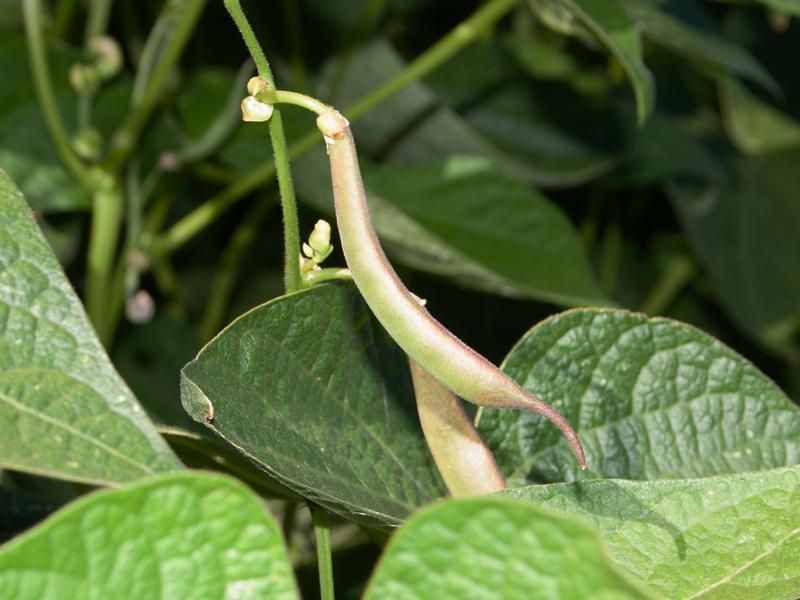
Few garden crops feel the pressure of spider mites quite like beans do in the July heat. Beans are vulnerable not just because of their tender foliage, but because mites can damage both the leaves and the developing pods at the same time.
That double hit can really hurt your harvest if you are not paying attention. Start your scouting at the bottom of the plant.
Spider mites almost always move in from the lower leaves first, especially along dry garden edges or near dusty paths where air circulation is low.
Your Texas Garden Changes Every Week. Your Plan Should Too.
Gardening in Texas changes quickly throughout the season. Every Friday you’ll receive a simple weekly plan showing exactly what to plant, prune, fertilize, harvest, and protect so you never miss the right timing.
A quick look at the undersides of those lower leaves can tell you a lot about what is happening before the damage spreads upward.
Tiny yellow or white dots on the leaf surface are the first clue. As the infestation grows, leaves may turn yellow, dry out, and drop.
Once pods start forming, mite feeding can cause them to look rough or discolored on the outside.
A firm spray of water aimed at the leaf undersides is your first line of defense. Do this every couple of days and you can knock mite numbers down significantly without using any products at all.
Keeping the soil moist also reduces the drought stress that makes beans more attractive to mites in the first place.
One important thing to remember: avoid broad-spectrum insecticides on beans. These chemicals can wipe out the natural predators, like predatory mites and lacewings, that help keep pest populations balanced.
Protecting those beneficial insects is one of the best free tools you have in a Texas summer garden.
3. Cucumbers
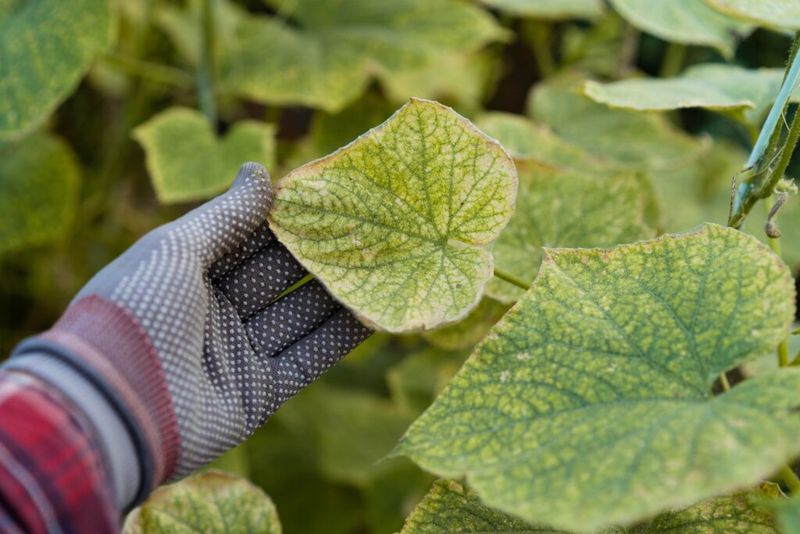
Cucumbers can go downhill surprisingly fast once spider mites get a foothold. Unlike some plants that show gradual damage, cucumbers seem to decline almost overnight when mite populations build up on the leaf undersides.
By the time the webbing becomes obvious, the plant is already under serious stress. Yellow stippling is usually the first sign something is wrong. The leaves start to look faded or washed out, almost like they need water even when the soil is moist.
Then comes the curling and crinkling as the leaf tissue gets more damaged. Finally, you will see the fine, dusty webbing that gives spider mites their name.
Keeping cucumber vines consistently watered is one of the most effective prevention steps you can take. Mites thrive when plants are dry and stressed, so deep, regular watering gives your cucumbers a real advantage.
Dusty foliage is also a known mite magnet, so rinsing the leaves with water now and then helps more than most people realize.
When you spot badly damaged leaves, it can be tempting to strip them all off, but hold back. Only remove leaves if the plant still has plenty of healthy growth to support itself.
Taking too much foliage away at once can slow fruit production and leave the plant even more vulnerable to heat stress.
If mite numbers stay high after a few rounds of water sprays, insecticidal soap applied to the leaf undersides in the cooler part of the morning can help bring things under control.
Always check the label and avoid spraying during the hottest part of the day to protect your plants.
4. Squash And Zucchini
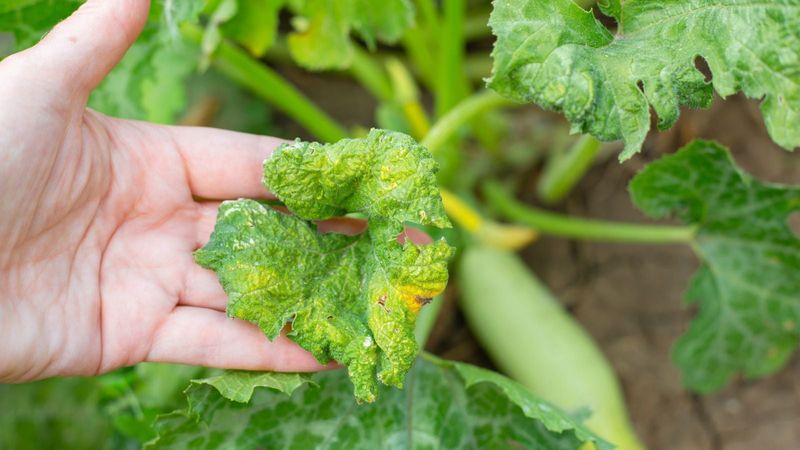
Walk up to a squash or zucchini plant in July and you are looking at one of the most spider-mite-friendly environments in your entire garden.
Those big, broad, slightly fuzzy leaves create perfect hiding spots for mites, and the dense canopy means low air movement and high heat, conditions that mites absolutely love.
Heavy mite feeding does more than just make leaves look bad. When large portions of leaf surface get damaged, the plant loses its ability to photosynthesize efficiently.
Less leaf area means less energy, which means smaller fruit and lower yields. On top of that, damaged foliage opens up gaps in the canopy that can expose developing squash and zucchini to direct sunlight and cause sunscald on the fruit itself.
Checking the undersides of leaves regularly is the best habit you can build. Look for the classic signs: tiny pale dots across the surface, a dull or bronzed look to the leaf, and fine webbing tucked into the corners where the leaf meets the stem.
Early detection here really does make a difference. A good strong spray of water on the leaf undersides can physically remove large numbers of mites and disrupt their egg-laying. Try to do this early in the day so the foliage dries out before nightfall.
Wet leaves overnight can invite other problems like mildew, which is the last thing your squash needs in the middle of summer.
If water alone is not enough, insecticidal soap or horticultural oil applied to the leaf undersides in the early morning works well. Just make sure to treat early before the heat peaks to avoid any risk of burning the leaves.
5. Melons
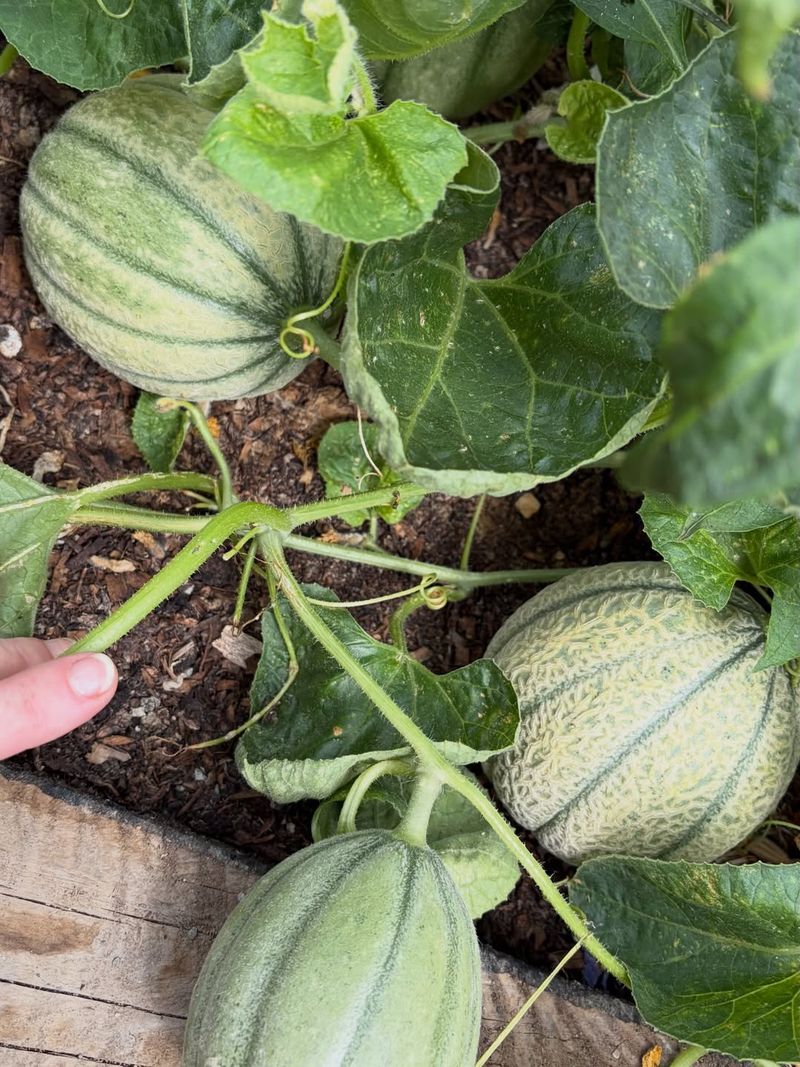
There is something almost heartbreaking about watching a melon vine start to bronze and web up right when the fruit is sizing up. Melons, including both cantaloupe and watermelon, are well-known targets for spider mites during dry July weather in Texas.
The combination of heat, low humidity, and dusty soil creates exactly the kind of environment where mite populations can explode.
Bronzed or rusty-looking leaves are often the first visible clue on melons. Unlike some other crops where stippling is obvious right away, melon leaves can take on a dull, burnished appearance before the webbing becomes noticeable.
By the time you see heavy webbing, the mites have likely been feeding for several days already.
Reducing dust around your melon vines is a surprisingly effective strategy. Dusty conditions have long been linked to worse spider mite outbreaks, partly because dust coats the leaves and interferes with the natural predators that feed on mites.
A light rinse of the foliage and pathways around the vines can help knock down that dust layer and give beneficial insects a better chance to do their job.
Deep, consistent watering is also critical. Drought-stressed melon vines are far more attractive to mites than well-hydrated ones.
Make sure your irrigation is reaching the root zone and not just wetting the soil surface. Shallow watering during a Texas July is not enough to keep vines from stressing out between waterings.
If mite numbers climb despite your efforts, applying insecticidal soap or horticultural oil to the leaf undersides during the cooler morning hours can bring the population down. Always confirm mites are present before treating so you are not spraying unnecessarily.
6. Eggplants
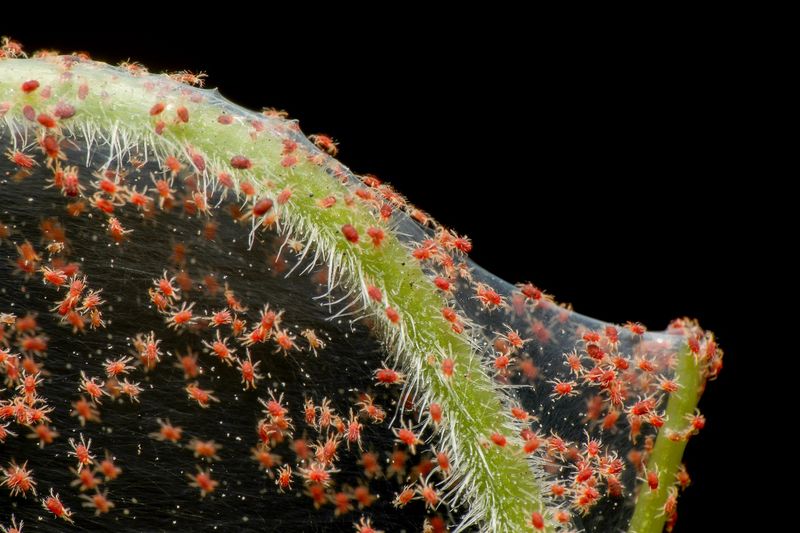
Eggplants have a quiet reputation in the Texas garden world as a plant that handles heat pretty well, but spider mites can take advantage of that summer stress in a hurry.
Once temperatures push deep into the 90s and rainfall stays sparse, eggplants become especially attractive to mites looking for a stressed, easy host.
Checking the undersides of older, lower leaves is the most reliable way to catch a mite problem early on eggplants. Those older leaves tend to be the first ones colonized.
Look closely and you might spot tiny moving dots, which are the mites themselves, along with shed skins that look like pale, papery specks, and the telltale fine webbing stretched across the leaf surface.
A water blast from your hose aimed directly at the leaf undersides can reduce mite numbers quickly. The physical force of the water knocks mites and their eggs off the leaves.
Repeat this every two or three days and you may find you never need to reach for a spray product at all.
If the infestation continues after several rounds of water treatments, insecticidal soap is a reliable option. Apply it directly to the undersides of leaves where mites are concentrated, not just the tops.
Coverage matters a lot with mite treatments because mites hide in areas that are easy to miss. Keeping your eggplants well-watered and mulched at the base also helps reduce stress.
A thick layer of mulch keeps the soil cooler and holds moisture longer, which makes your plants less vulnerable to mite attacks during those brutally hot Texas July days. Healthy plants simply bounce back faster.
7. Peppers
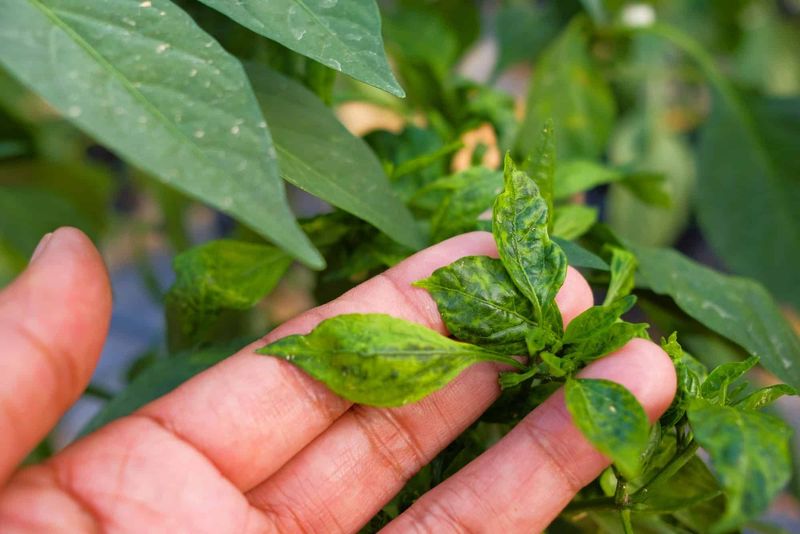
Peppers are a July staple in Texas gardens, and unfortunately, spider mites seem to know it. What makes mite damage on peppers tricky is that it can look almost identical to drought stress in the early stages.
Leaves start to look dull, slightly curled, and off-color, which is easy to chalk up to the heat rather than a pest problem.
That confusion can cost you time you do not have. Before you reach for the hose or adjust your irrigation schedule, flip a few leaves over and look closely at the undersides.
If you see tiny moving specks, shed skins, or fine webbing, mites are your issue, not just the weather. Confirming the pest before treating is always the smarter move.
Once mites are confirmed, start with a strong spray of water on the leaf undersides. Do this in the morning so the plants dry out fully during the day.
Peppers that stay wet overnight are more prone to fungal issues, which is an extra headache you definitely do not need in the middle of summer.
Keeping your pepper plants on a consistent irrigation schedule is one of the best defenses you have. Well-watered plants are simply less attractive to mites than stressed ones.
Drip irrigation or soaker hoses work great for peppers because they deliver water directly to the root zone without wetting the foliage.
Protect your beneficial insects by avoiding broad-spectrum pesticide sprays. Natural predators like predatory mites and minute pirate bugs can help keep spider mite numbers down on their own.
If you do need to treat, insecticidal soap or horticultural oil applied during cool morning hours is your safest bet for peppers in July heat.