Native Michigan Plants To Grow Instead Of Nandina Along Fence Lines
Nandina shows up in a lot of Michigan landscapes because it looks tidy, stays green through winter, and requires almost no attention.
On the surface it seems like a practical choice for fence lines and property borders. The problem is that nandina doesn’t stay where it’s planted.
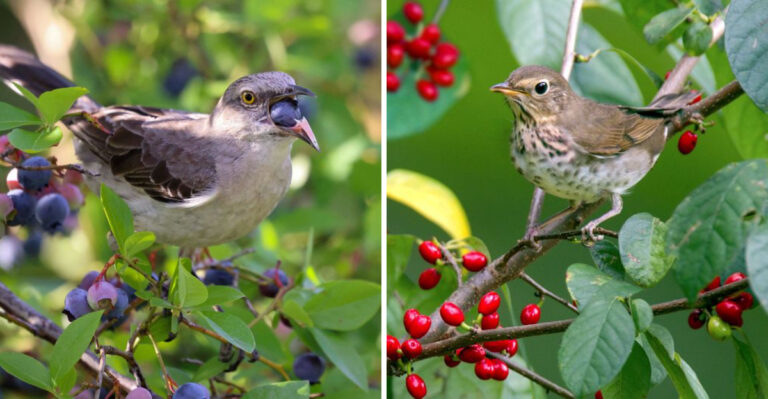
Birds spread the berries, and the plant has a documented track record of moving into natural areas and crowding out native vegetation.
Michigan has much better options for those same fence line spots, plants that offer the same clean structure and year-round presence without the drawbacks.
Unlike nandina, several alternatives offer useful pollinator blooms, proper berries for native birds, and a genuine connection that makes a fence line look natural rather than like filler space.
1. Northern Bush Honeysuckle
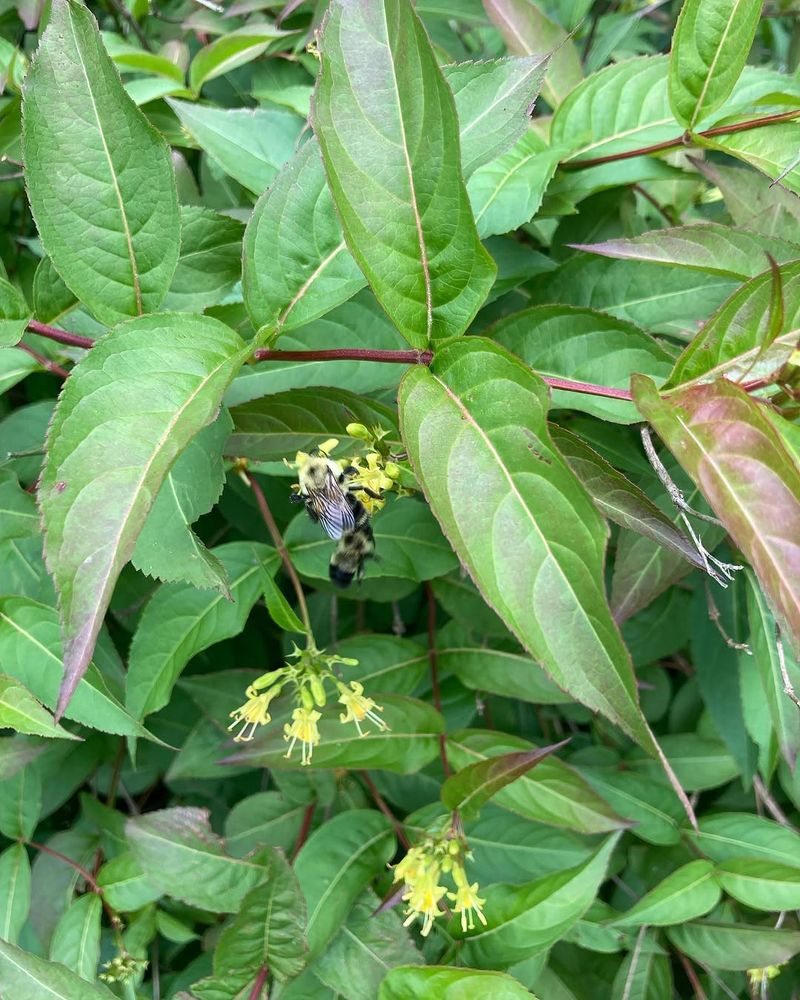
Tough, cheerful, and surprisingly underrated, Northern Bush Honeysuckle is one of those plants that earns its place in the garden without demanding much in return.
Known botanically as Diervilla lonicera, this compact native shrub grows two to four feet tall and wide, making it a tidy and manageable choice for fence lines of any length.
The bright yellow, tubular flowers show up in early to midsummer and attract bumblebees and other native pollinators with impressive consistency.
One of the best things about this shrub is its flexibility. It handles full sun to part shade without skipping a beat, and it adapts well to clay or rocky soils that would challenge many other plants.
Michigan gardeners dealing with challenging spots along the fence will find it genuinely forgiving and reliable. Deer tend to leave it alone, which is a real bonus in areas where browsing pressure is high.
Come fall, the foliage shifts into warm shades of red and bronze, adding seasonal color that Nandina simply cannot match in a natural, native way.
The plant also spreads slowly by suckering, which means it fills in gaps along a fence gradually and creates a natural-looking screen over time.
You do not need to coddle it with extra fertilizer or irrigation once it settles in.
Northern Bush Honeysuckle is a low-maintenance powerhouse that rewards patient gardeners with multi-season interest, native beauty, and genuine ecological value that supports the local Michigan landscape from spring straight through to late autumn.
2. Spicebush
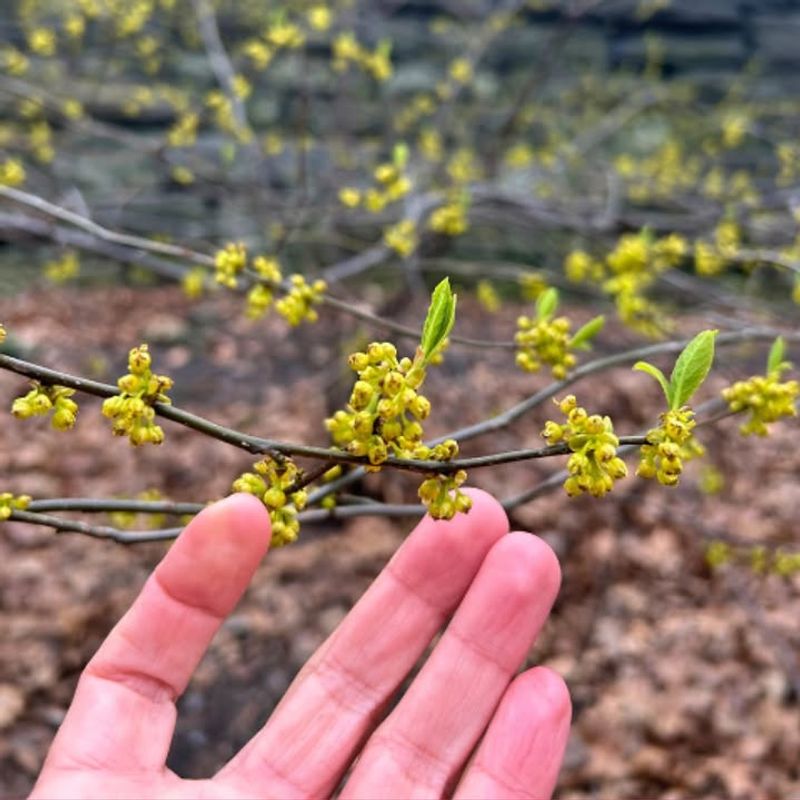
There is something almost magical about Spicebush in early spring.
Before most plants have even thought about waking up, Lindera benzoin bursts into tiny clusters of cheerful yellow flowers that line every bare stem like little sparks of sunshine.
It is one of the earliest native bloomers in Michigan, which makes it an absolute lifeline for early-season pollinators looking for food after a long winter.
Planting it along a shaded or partly shaded fence line gives those pollinators exactly what they need.
Spicebush grows six to twelve feet tall in ideal conditions, forming a naturally rounded and full shrub that creates excellent coverage along a fence.
It performs best in moist soils and part to full shade, which makes it ideal for fence lines that run along wooded areas, low spots, or north-facing exposures where other shrubs struggle.
Your Michigan Garden Changes Every Week. Your Plan Should Too.
Gardening in Michigan changes quickly throughout the season. Every Friday you’ll receive a simple weekly plan showing exactly what to plant, prune, fertilize, harvest, and protect so you never miss the right timing.
Clay soils are no problem for this adaptable native. Female plants produce glossy, bright red berries in late summer and fall that are beloved by migratory birds, including wood thrushes, veeries, and great crested flycatchers.
The berries ripen right when birds need high-fat food for their long journeys south.
Beyond wildlife value, the foliage turns a stunning clear golden yellow in autumn, creating a warm glow along the fence that lasts for weeks.
Every part of this plant has a spicy, pleasant fragrance when crushed, which is a fun sensory bonus.
Spicebush brings layers of beauty, fragrance, and genuine ecological purpose that Nandina could never replicate in a Michigan garden.
3. Mapleleaf Viburnum
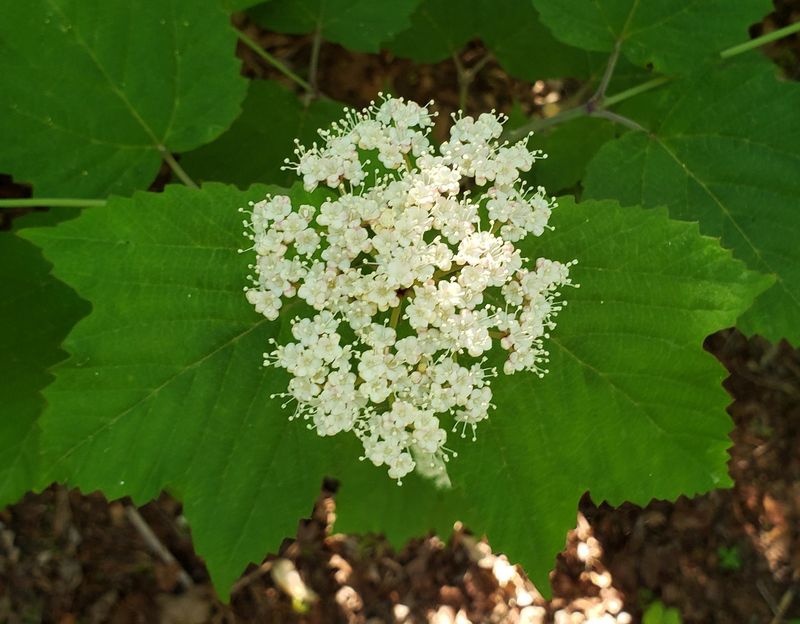
Mapleleaf Viburnum has a quiet confidence about it.
Viburnum acerifolium does not shout for attention with flashy colors or dramatic size, but once you plant it along a fence line, you start noticing just how much it brings to the space across every single season.
The leaves look remarkably like maple leaves, which gives the plant an interesting texture and an almost woodland-cottage feel that blends naturally into Michigan landscapes.
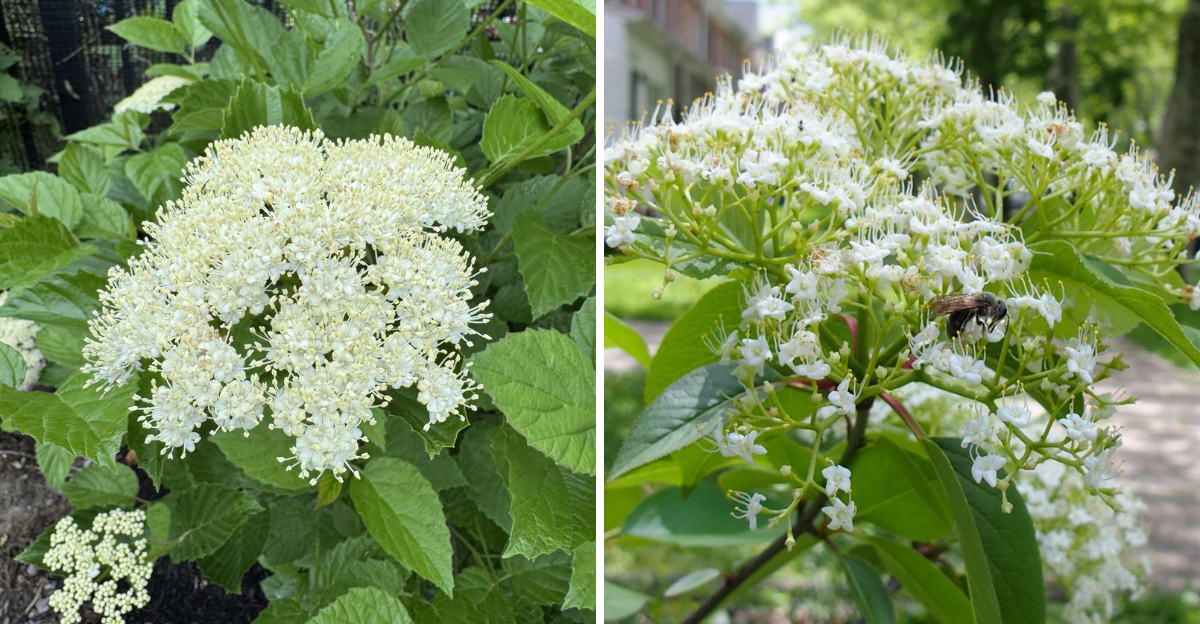
In late spring, flat-topped clusters of small white flowers appear above the foliage, attracting native bees and butterflies that help pollinate nearby garden plants.
By late summer, those flowers give way to dark blue-black berries that songbirds target eagerly before migration.
Growing four to six feet tall, this shrub stays at a manageable size that suits most residential fence lines without requiring heavy pruning to keep it in check.
Fall color is genuinely one of this plant’s strongest selling points. The foliage transitions through shades of rose, red, and deep purple that rival any ornamental shrub on the market.
It handles clay soils and partial shade with ease, thriving in conditions that frustrate many other landscape plants.
Deer tend to avoid browsing it heavily, which makes it a reliable choice in rural and suburban Michigan yards where deer pressure is common.
Once established, Mapleleaf Viburnum asks for very little and gives back an enormous amount in return.
For gardeners who want a naturalized, low-fuss fence planting with genuine multi-season appeal and strong wildlife value, this native shrub consistently delivers year after year.
4. Leatherwood
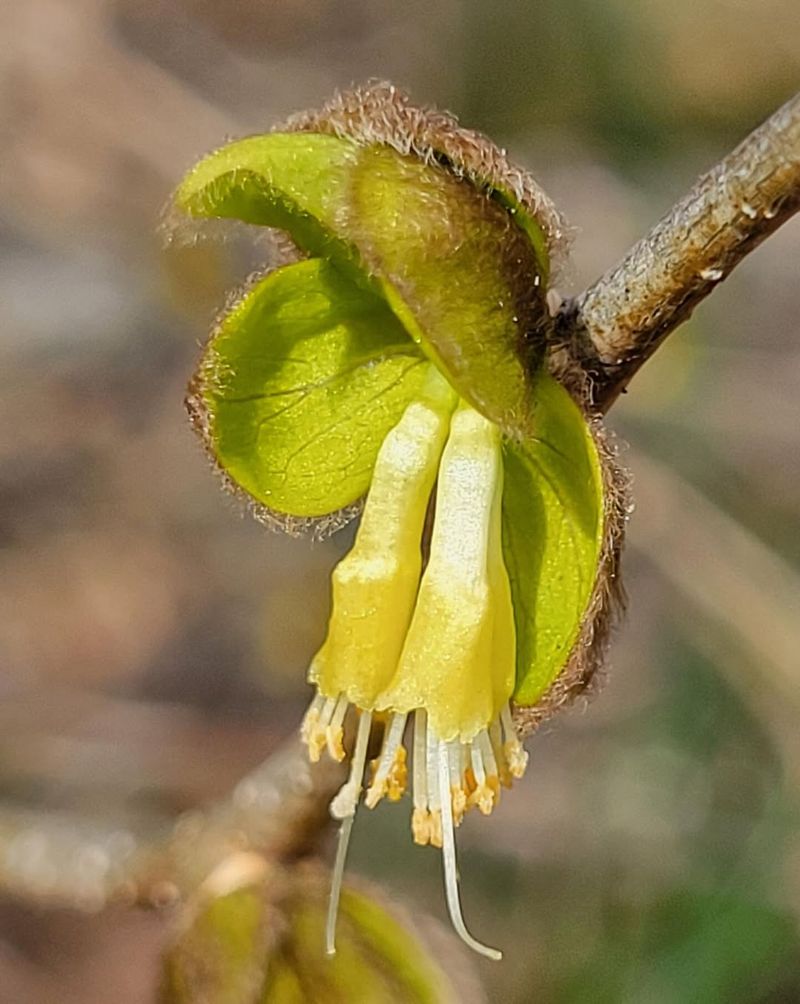
Leatherwood is the kind of plant that stops people in their tracks once they know what to look for.
Dirca palustris is a slow-growing native shrub that reaches four to six feet tall over many years, with stems so flexible they were historically used by Native Americans to make rope and bindings.
That flexibility is not just a fun fact. It also means the stems resist breaking under snow load or wind pressure, which makes Leatherwood surprisingly durable through Michigan winters.
In very early spring, before the leaves even emerge, tiny pale yellow flowers appear along the bare stems in small clusters.
They are subtle and delicate, but they carry a quiet charm that suits shaded, naturalistic fence lines perfectly.
Leatherwood thrives in moist shade and adapts to clay or loamy soils with ease, making it an excellent choice for fence lines near water features, rain gardens, or low-lying areas of the yard that stay consistently damp.
Deer pressure is rarely a problem with this shrub, which is helpful in Michigan gardens where browsing can be relentless during winter months.
The smooth, grayish-green bark and clean rounded form give it a refined woodland appearance that pairs beautifully with ferns, trilliums, or other native shade plants growing beneath or beside the fence.
Leatherwood requires almost no maintenance once established and spreads only slowly, so it stays right where you put it without becoming invasive or unruly.
For a shaded fence line that needs something genuinely special and native, Leatherwood is an outstanding and often overlooked choice.
5. Blackhaw Viburnum
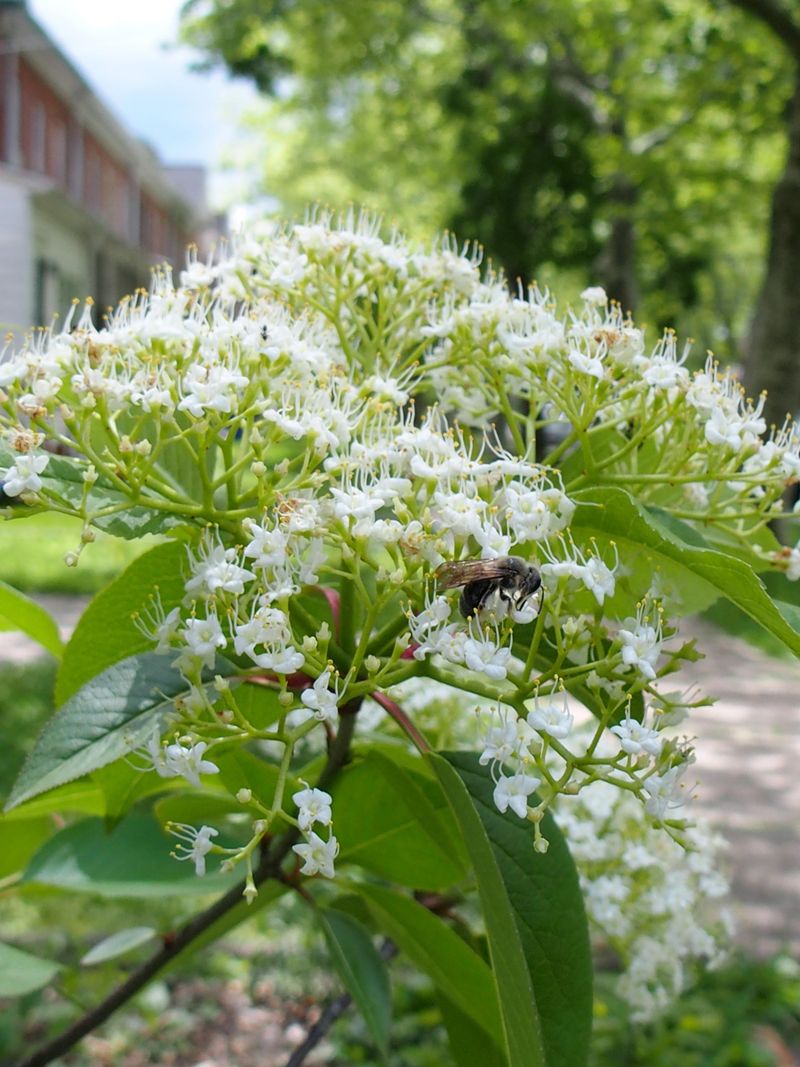
Bold, adaptable, and packed with seasonal interest, Blackhaw Viburnum earns a spot on this list without any hesitation.
Viburnum prunifolium is a native shrub or small tree that can reach six to fifteen feet tall, making it one of the more substantial options for fence lines where you want real privacy and visual impact.
Its upright, multi-stemmed form creates a natural screen that looks intentional and polished while still feeling wild and organic.
Spring brings flat clusters of bright white flowers that cover the plant in a stunning display and attract a wide range of native pollinators.
Those flowers develop into clusters of blue-black fruit by late summer, which birds absolutely cannot resist.
Cedar waxwings, robins, and bluebirds are among the species that regularly visit Blackhaw Viburnum for its nutritious fruit during fall migration.
The berries are also edible for humans and have a sweet, raisin-like flavor when fully ripe.
Fall foliage comes in shades of red, orange, and burgundy that create a warm and striking backdrop along the fence line as the season winds down.
Blackhaw tolerates part shade and clay soils, handles drought once established, and holds up well against deer browsing pressure.
It adapts to a range of Michigan landscapes, from urban backyards to rural property edges. Minimal pruning and no extra feeding are needed to keep it looking great.
For gardeners who want a native shrub that offers serious size, outstanding wildlife value, and beautiful seasonal transitions along the fence, Blackhaw Viburnum is a genuinely excellent investment.
6. American Hazelnut
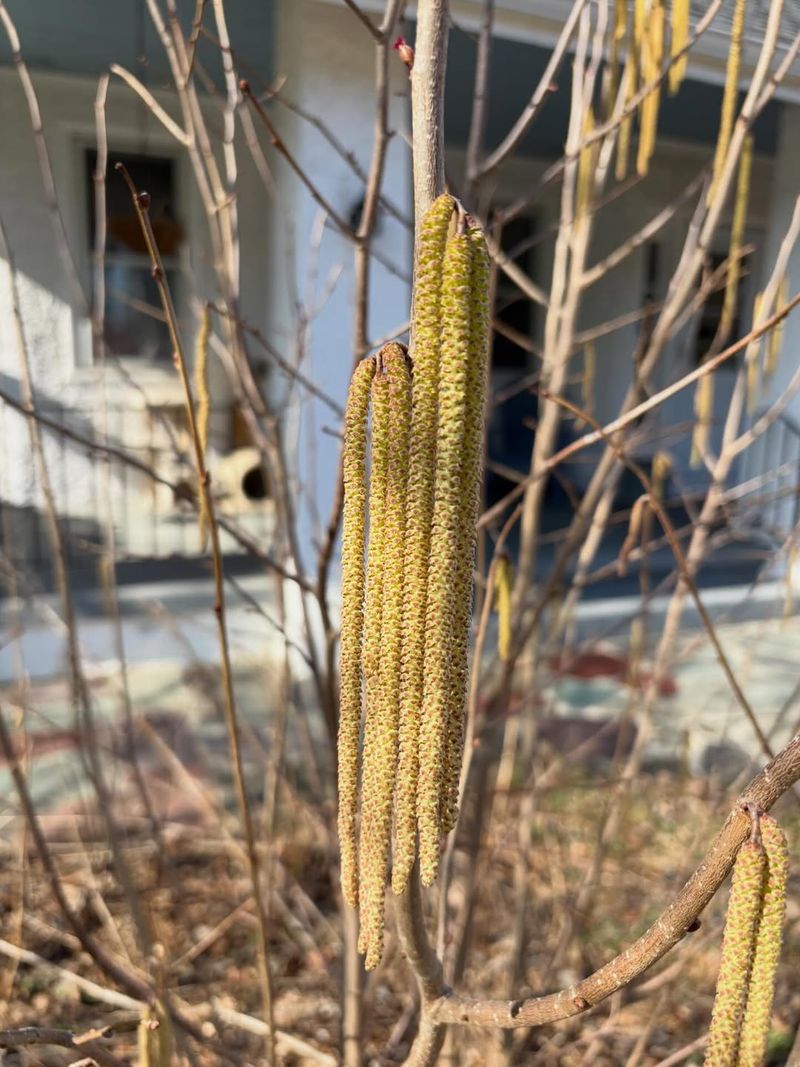
American Hazelnut is the kind of native shrub that works as hard as you do.
Corylus americana grows eight to twelve feet tall and spreads into a dense, multi-stemmed thicket that creates outstanding screening along a fence line without any coaxing or complicated care.
Gardeners who want a natural privacy hedge that also produces food for wildlife will find this shrub checks every single box on their list.
In late winter and very early spring, long yellow catkins dangle from the bare branches and sway in the breeze, releasing pollen that early-season insects depend on.
By late summer, clusters of small round hazelnuts ripen inside papery husks, and the race is on between squirrels, chipmunks, blue jays, turkeys, and deer to claim them.
The nuts are also edible for people and have a mild, pleasant flavor similar to commercial hazelnuts sold in stores.
American Hazelnut adapts to full sun or partial shade and tolerates a wide range of soil types, including clay, which is common across many Michigan properties.
It spreads gradually by suckering to form a dense colony, which is exactly what you want when building a natural fence line screen.
The foliage turns yellow to orange in fall, adding a warm seasonal color note before winter sets in.
This shrub handles Michigan winters without complaint and bounces back reliably every spring.
For anyone who wants a native fence planting that feeds wildlife generously, provides real screening, and stays low maintenance through every season, American Hazelnut is a truly rewarding choice.
7. Arrowwood Viburnum
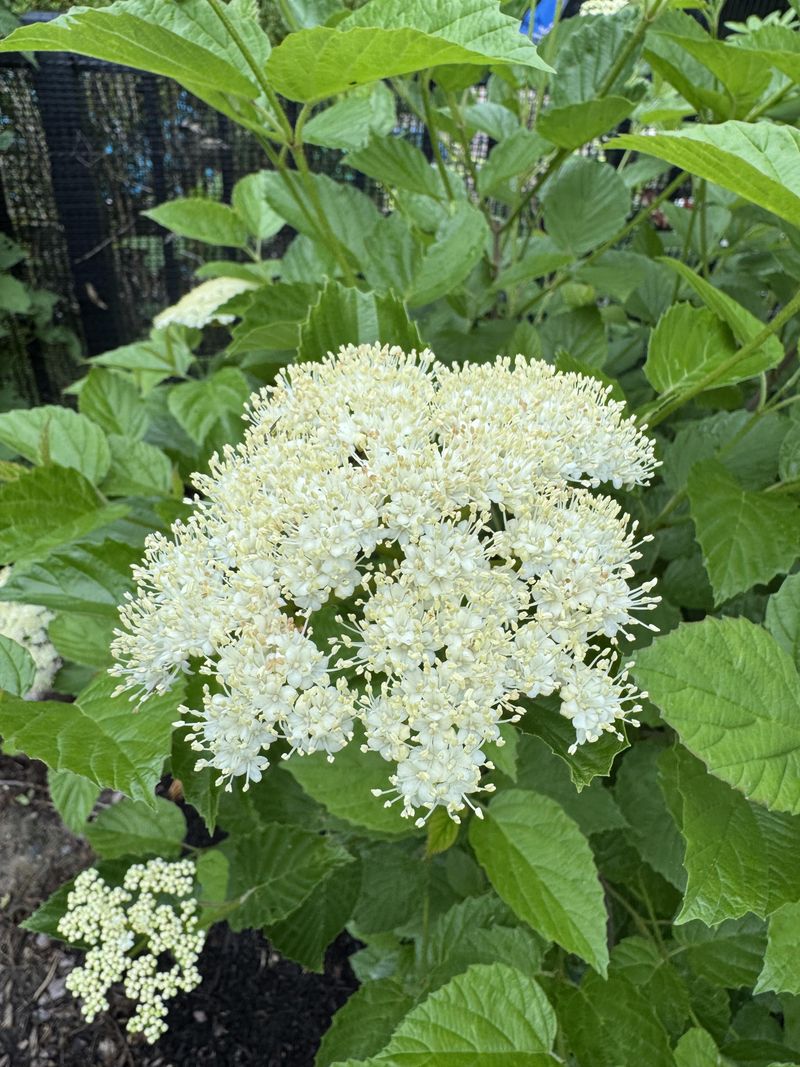
Few native shrubs deliver as much consistent, all-around value as Arrowwood Viburnum.
Viburnum dentatum is a Michigan native that grows six to ten feet tall with an upright, rounded habit that fills in fence lines beautifully without becoming overwhelming or difficult to manage.
Gardeners who want a plant that looks great, supports wildlife, and practically takes care of itself will find Arrowwood Viburnum almost too good to be true.
White flower clusters appear in late spring and create a showy, frothy display that pollinators flock to with noticeable enthusiasm.
Native bees, beetles, and butterflies all visit the blooms regularly, making this shrub a genuine contributor to backyard biodiversity.
By late summer, clusters of small blue-black berries ripen and attract an impressive variety of bird species, including cardinals, catbirds, thrushes, and waxwings, all of which rely on berry-producing shrubs during fall migration.
Arrowwood Viburnum adapts to full sun or partial shade and handles clay soils without any trouble, which suits a wide range of Michigan planting sites along fence lines.
The glossy, toothed foliage stays attractive all season long and transitions to shades of red, orange, and burgundy in autumn, giving the fence line a warm and colorful finish before winter arrives.
Deer tend to browse it lightly compared to many other ornamental shrubs, and once established, it rarely needs supplemental watering or feeding.
The dense branching habit also provides excellent nesting cover for songbirds throughout the growing season.
Arrowwood Viburnum is simply one of the most reliable and rewarding native fence shrubs available to Michigan gardeners today.