How Nebraska Gardeners Can Transplant Plants Safely In Their Landscape
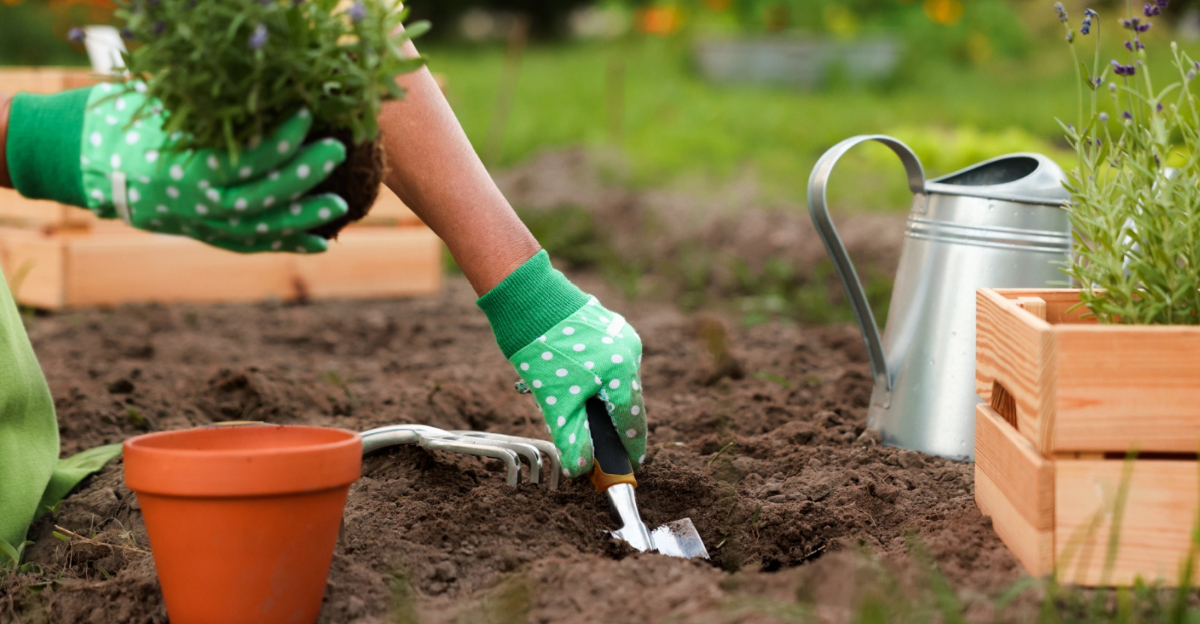
Pull a plant out of the ground too fast and you’ll find out just how unforgiving Nebraska soil can be. One wrong move and roots that took years to establish can break easily.
Gardeners across the state know this heartbreak well: a healthy hosta or young maple looking perfectly fine one afternoon, then showing signs of stress, like limp or yellowing leaves, within days.
That’s transplant shock, a natural stress response plants have after being moved. Nebraska throws extra obstacles into the mix.
Clay soil can compact tightly around roots. Wind draws moisture from leaves before they can adjust.
Temperatures swing so wildly that a plant can face frost one week and blistering heat the next. None of this means transplanting is impossible, though.
It just means timing, technique, and a little patience matter more here than almost anywhere else.
Get the process right and your plant barely notices the move. Get it wrong and you may need to start the process again.
1. Choose An Overcast Day Or Early Morning
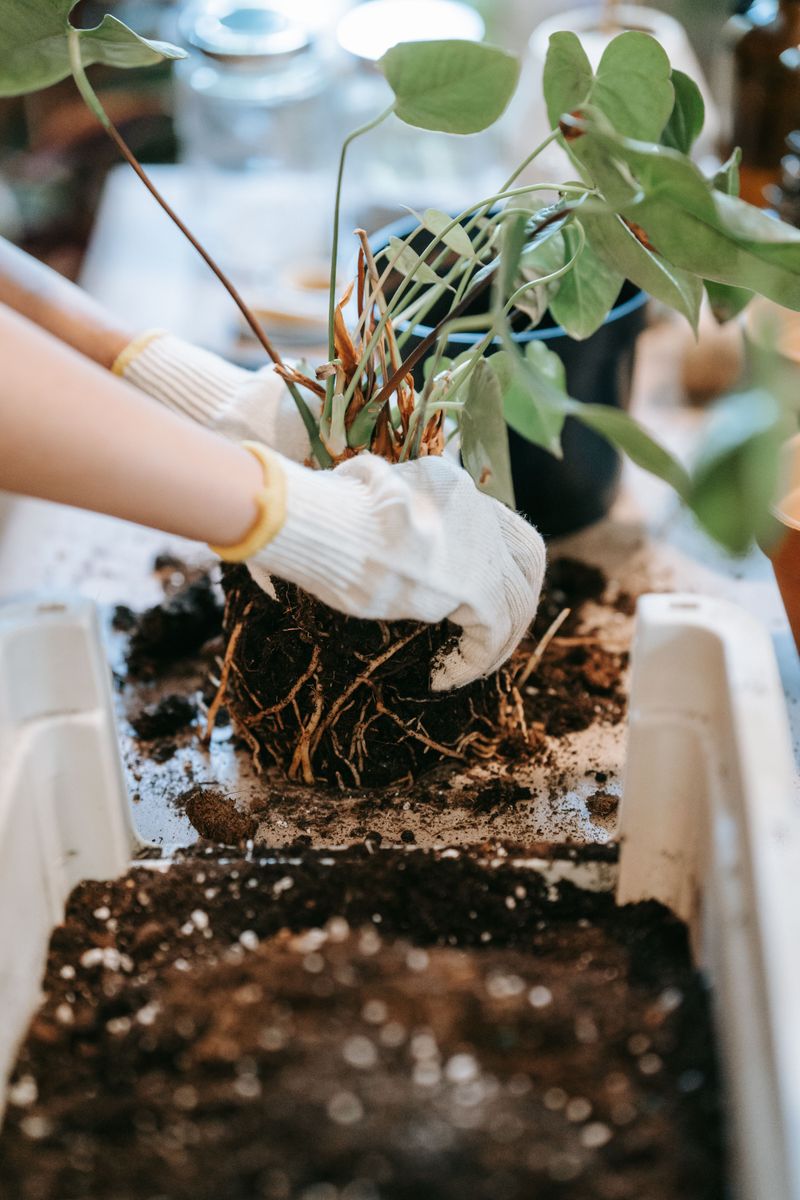
Timing is everything when it comes to moving plants safely in your landscape. Bright afternoon sun can steal moisture from exposed roots faster than you might think.
An overcast day acts like nature’s own sunscreen for your transplants. Clouds block harsh UV rays and keep soil temperatures cooler during the move.
Early mornings are a close second choice for transplanting. Temperatures are lower, winds are calmer, and plants are naturally hydrated after the cool night.
Nebraska summers can regularly bring intense midday heat, so it’s best to check local forecasts before transplanting. Transplanting in that heat puts enormous stress on a plant’s root system and leaves.
Avoid transplanting on windy days too. Strong prairie winds pull moisture right out of foliage and freshly exposed roots.
Checking a weather forecast before you grab your shovel is smart planning. Aim for a stretch of mild, cloudy days for the best success rate.
If you must transplant on a sunny day, work in short bursts. Keep roots covered with a damp cloth between steps to limit exposure.
Your plant cannot tell you it is struggling, but wilting leaves will. Acting fast and choosing the right moment sets every transplant up for success.
Gardeners who transplant plants safely in their landscape always respect timing. That one simple choice protects roots, reduces shock, and keeps your garden looking great all season.
2. Dig The New Hole Before Removing The Plant
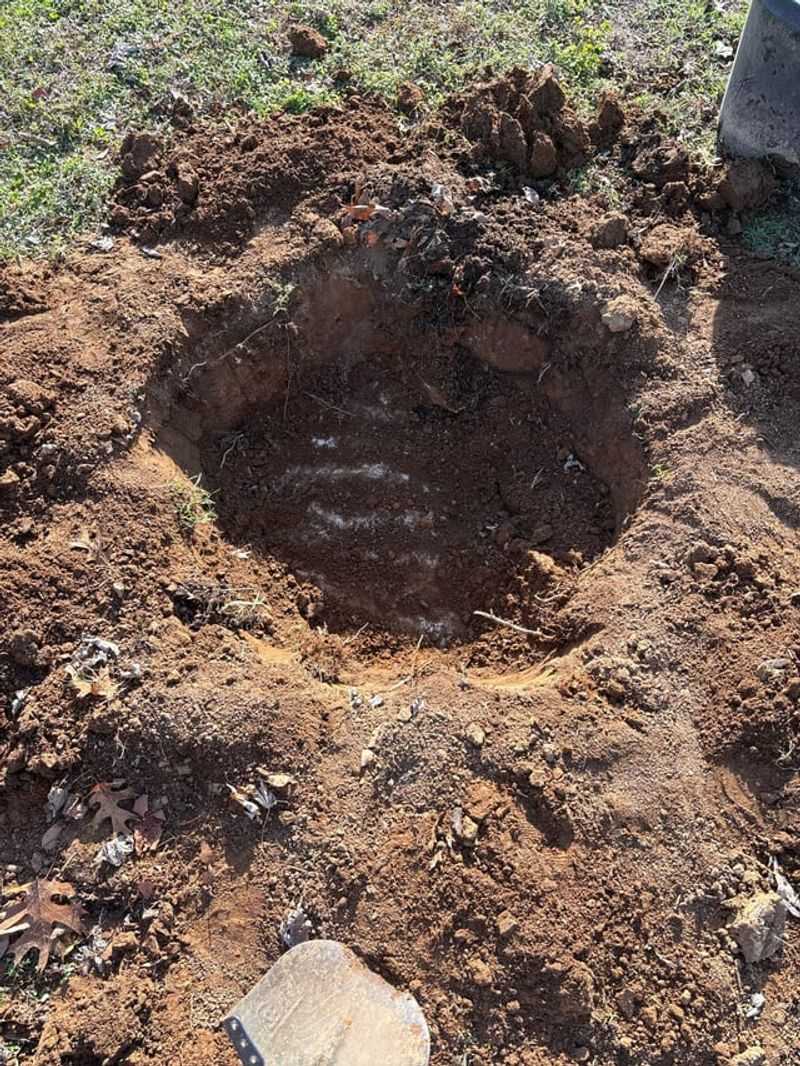
Roots are sensitive to being exposed to open air. Every minute they sit exposed, they lose precious moisture and face stress that slows recovery.
Digging the destination hole first is one of the smartest moves you can make. Your plant goes straight from one home into another without any unnecessary delay.
Measure the new hole at least twice as wide as the root ball. Width encourages roots to spread outward into loose, welcoming soil.
Depth matters just as much as width. A hole that is too deep can suffocate roots by burying the crown below the soil line.
Your Nebraska Garden Changes Every Week. Your Plan Should Too.
Gardening in Nebraska changes quickly throughout the season. Every Friday you’ll receive a simple weekly plan showing exactly what to plant, prune, fertilize, harvest, and protect so you never miss the right timing.
Break up any compacted soil at the bottom of the hole. Loose soil at the base allows drainage and prevents pooling water around roots.
Nebraska soil is often heavy with clay, which compacts easily. Taking extra time to prep the hole makes a huge difference in how well roots establish.
Keep the removed soil nearby and ready. You will use it, along with some amendments, to backfill once the plant is placed.
Having everything prepared before you lift the plant shows real discipline. It keeps the process smooth, fast, and far less stressful for your plant.
Think of it like setting the table before cooking the meal. When you transplant plants safely in your landscape, preparation always comes before action, not after.
3. Water The Plant Thoroughly A Day Beforehand
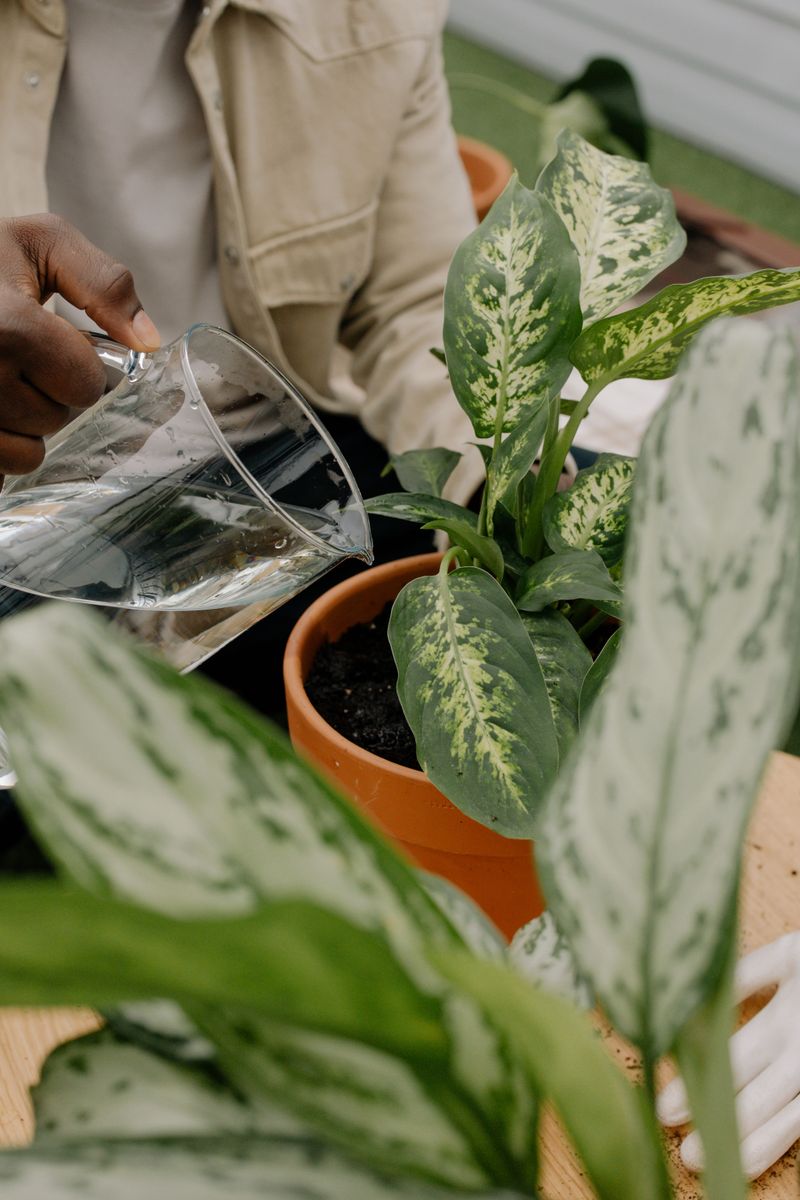
A thirsty plant is a stressed plant, and stress makes transplanting much harder. Watering deeply the day before you move anything is a game-changer.
Moist soil clings to roots far better than dry, crumbly soil does. That soil clump around the roots is called a root ball, and keeping it intact is critical.
Dry soil falls apart the moment you lift a plant. Broken root balls expose delicate feeder roots to air, causing rapid dehydration and shock.
Give the plant a long, slow drink the evening before transplanting. Let water soak all the way down to the deepest roots, not just the surface.
Use a soaker hose or slow-running garden hose for best results. Fast watering runs off without penetrating deep enough to hydrate the whole root zone.
Nebraska clay soils can be tricky because they hold water unevenly. Water slowly and check that moisture reaches at least 8 to 10 inches down.
Avoid overwatering to the point of creating muddy, soupy soil. You want moist and cohesive, not waterlogged and heavy.
Well-hydrated plants also handle the physical stress of being lifted and moved much better. Their cell walls are plump and firm, making them more resilient overall.
This one step costs you almost nothing in time or effort. Yet it dramatically improves the odds of a smooth, successful move for any plant in your landscape.
4. Loosen Roots Gently Before Placing In Soil
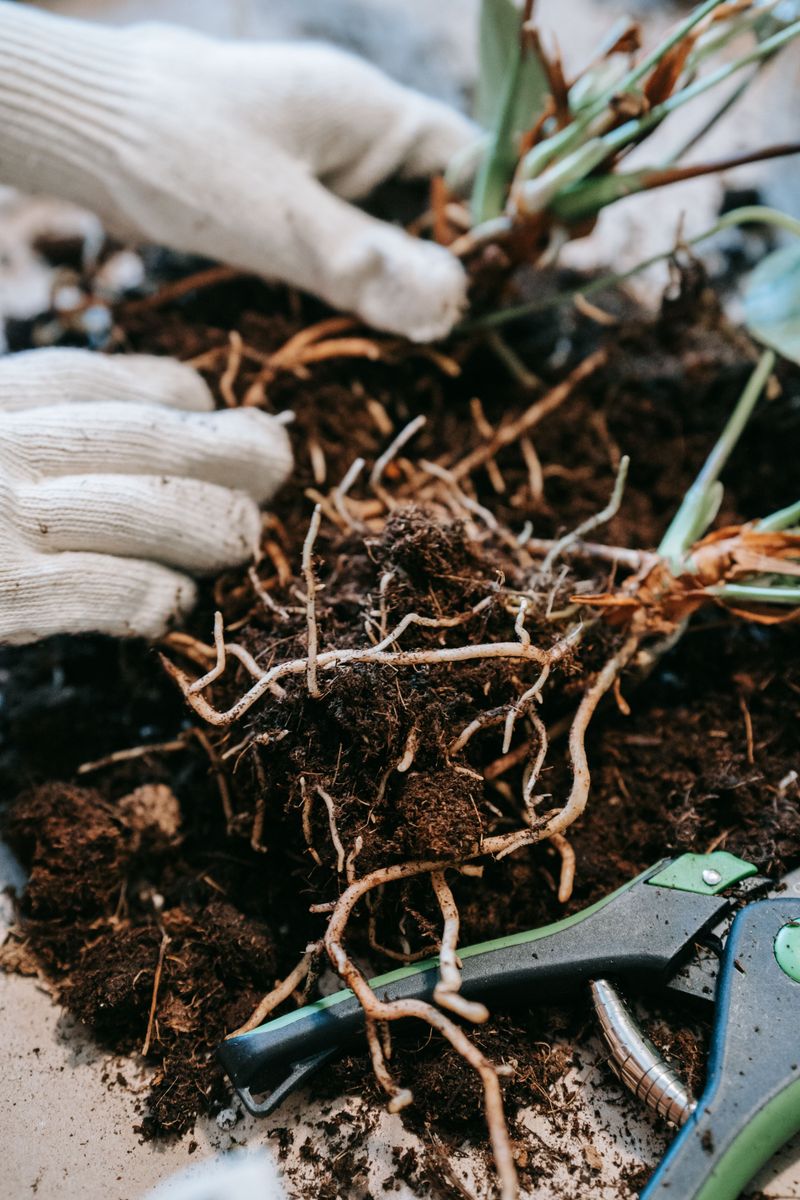
Roots that stay tightly bound after transplanting struggle to spread into new soil. Loosening them gently before planting encourages faster, stronger establishment.
Container-grown plants especially tend to develop circling roots over time. Those roots wrap around themselves and, if left alone, can eventually strangle the plant.
Use your fingers to tease apart the outer roots with a light touch. You are not pulling hard or ripping, just encouraging roots to fan outward.
For very compacted root balls, a blunt stick or pencil works well. Gently poke into the outer edges to separate matted roots without tearing them.
Feeder roots, the tiny hairlike ones, are the most important for water and nutrient uptake. Handle them with the same care you would give a seedling.
Bare-root plants need the same gentle attention. Spread the roots naturally over a small mound of soil at the bottom of the hole.
Avoid bending roots to fit a hole that is too small. Always widen the hole rather than forcing roots into an uncomfortable position.
Nebraska soils can be dense, so root spread determines how well a plant anchors itself. Roots that spread wide early on create a more stable, drought-resistant plant.
Think of this step as giving your plant a strong start in its new home. When you transplant plants safely in your landscape, root prep is the foundation of long-term success.
5. Set The Plant At Its Original Depth
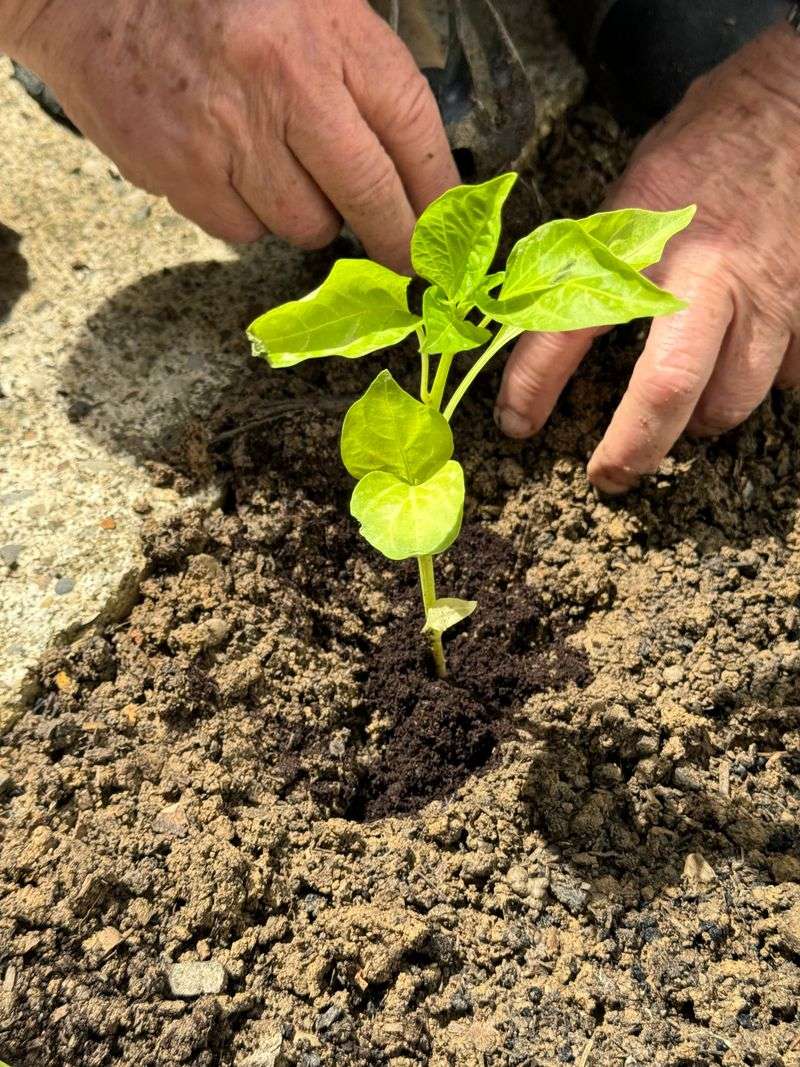
Planting depth is one of the most overlooked details in transplanting, and getting it wrong can cost you a plant. Setting a plant too deep is just as harmful as planting it too shallow.
The crown of a plant, where roots meet the stem, must sit right at or just above the soil surface. Burying it lower invites rot, fungal issues, and slow decline.
Planting too high exposes roots to drying air and sunlight. Roots need consistent moisture and darkness to function properly.
Match the original soil line on the stem as your guide. That discoloration where soil used to meet the stem tells you exactly where to aim.
For trees, look for the root flare, where the trunk widens at the base. That flare should always remain visible above the soil after planting.
Nebraska gardeners dealing with clay soil should plant slightly high. Clay settles and compacts over time, which can gradually bury a crown that started at the right level.
Use a straight stick or shovel handle laid across the hole to check depth. The plant crown should sit just above or level with that stick.
Take your time with this step and resist the urge to rush. A few extra minutes now prevents years of struggling with a poorly placed plant.
Depth is not just a detail, it is a decision that shapes a plant’s entire future. Respect it every single time you transplant anything in your landscape.
6. Backfill With A Mix Of Native And Amended Soil
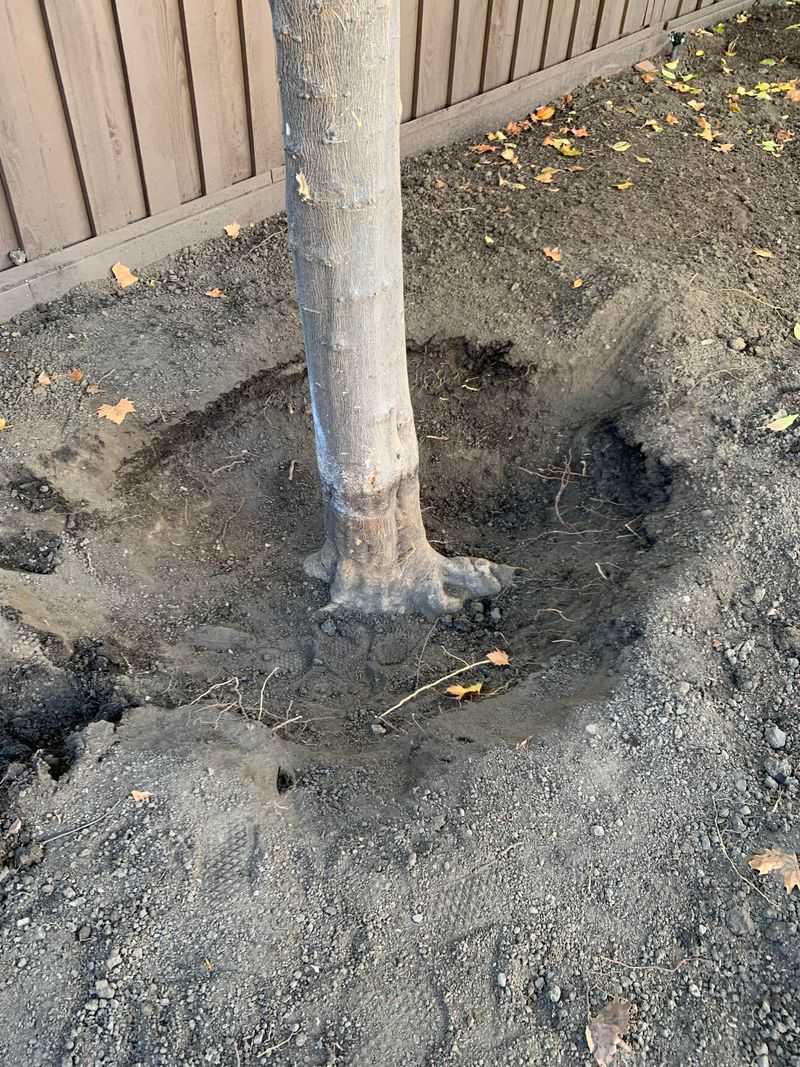
What you put back into that hole matters more than most gardeners realize. Soil quality directly affects how fast roots recover and expand after a move.
Native soil from your yard should make up the bulk of your backfill. Roots transition more easily when the surrounding soil matches what they already know.
A backfill mostly made up of native soil, with just a small amount of compost mixed in, works best for most Nebraska landscapes. Heavily amended soil can cause roots to circle within the hole instead of spreading outward.
Avoid using straight compost or potting mix as backfill. These materials drain too fast or hold too much water compared to native soil.
Avoid mixing sand into Nebraska’s clay soil. In small amounts, sand can actually bind with clay to create a dense, cement-like texture that worsens drainage instead of improving it.
Do not add fertilizer directly into the planting hole. Concentrated fertilizer can burn tender new roots and set back your plant’s recovery significantly.
Fill the hole in layers, not all at once. Adding soil in thirds and gently firming each layer reduces large air pockets that can dry out roots.
Water lightly between layers to help soil settle naturally. This also gives you a chance to check that the plant stays at the right depth throughout.
The goal is a smooth transition from old home to new one. Thoughtful backfilling gives roots every advantage they need to grow strong and steady in their fresh surroundings.
7. Tamp Soil Lightly To Remove Air Pockets
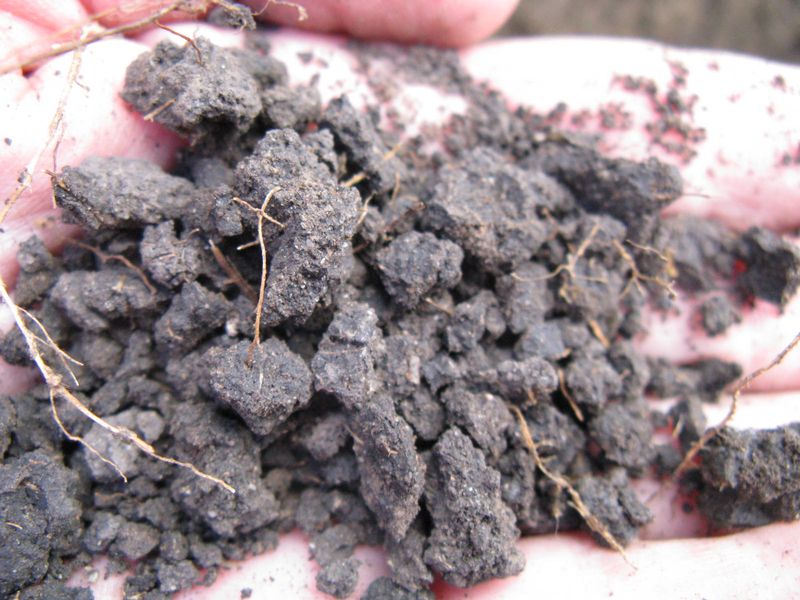
Air pockets hiding beneath the soil surface are a hidden problem area. Roots that grow into empty air spaces dry out quickly and fail to anchor properly.
Tamping the soil after backfilling collapses those hidden gaps. Firm, consistent contact between roots and soil is what allows water and nutrients to flow freely.
Use your hands or the flat bottom of your shoe to tamp gently. Apply steady, even pressure rather than stomping hard and compacting the soil too tightly.
Over-compacting soil is just as problematic as leaving air pockets. Roots need some pore space in soil to access oxygen as they grow.
Work your way around the entire planting zone in a circle. Pay extra attention to the edges of the root ball where gaps tend to form.
Nebraska clay soils compact easily, so use a lighter hand than you might with sandy soil. A gentle press is all that is needed in most cases.
After tamping, water the area slowly and deeply. Watering helps soil settle further and reveals any remaining low spots that need a little extra fill.
You may notice the plant sink slightly after the first watering. Add a small amount of soil to bring it back up to the correct level if needed.
This step takes only a few minutes but protects weeks of transplanting effort. Solid root-to-soil contact is a key factor behind every thriving transplant in a well-managed landscape.
8. Mulch Around The Base To Retain Moisture
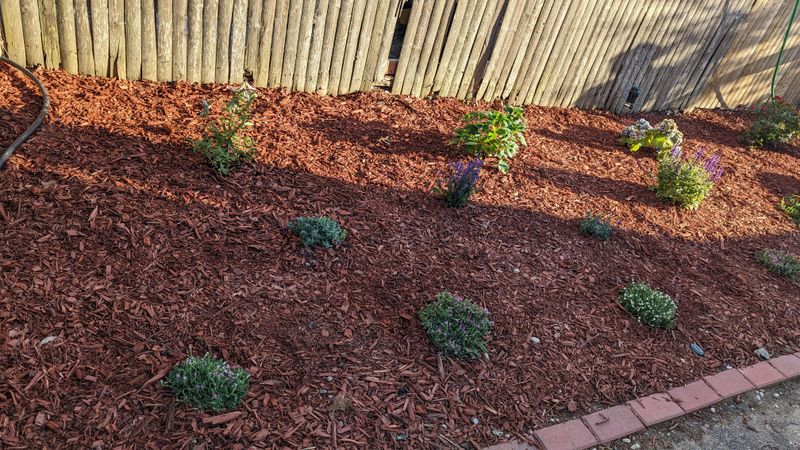
Mulch is the finishing touch that separates a good transplant from a great one. A proper layer of organic mulch does more work than most gardeners give it credit for.
Mulch holds soil moisture in by slowing evaporation from the surface. In Nebraska’s hot summers, that moisture retention can mean the difference between survival and failure.
Apply a 2 to 3 inch layer of wood chips or shredded bark around the plant. Keep the mulch pulled back a few inches from the stem or trunk.
Mulch piled against a stem traps moisture and invites rot and pests. That classic volcano-shaped mulch pile you see everywhere is actually harmful to plants.
Organic mulch also moderates soil temperature through seasonal swings. Nebraska’s freeze-thaw cycles in spring and fall can heave newly transplanted roots right out of the ground.
As mulch breaks down over time, it feeds the soil with organic matter. This slow release of nutrients supports healthy root development through the full growing season.
Refresh your mulch layer each spring to maintain consistent coverage. Old mulch compacts and loses its insulating and moisture-holding benefits over time.
Mulching also suppresses weeds that compete with your transplant for water and nutrients. Fewer weeds mean more resources available to your recovering plant.
Every gardener who wants to transplant plants safely in their landscape should end with mulch. It is one of the easiest and most cost-effective ways to protect your plant.